
资产配置

Search documents
内行人建议:多余存款换成这“4样”,不出5年,你会感谢我的!
Sou Hu Cai Jing· 2026-01-08 11:01
Core Viewpoint - The article emphasizes the importance of diversifying investments beyond traditional savings accounts due to declining interest rates and the new normal of low growth and low rates in the economy [3][5]. Group 1: Current Financial Landscape - Interest rates for three-year fixed deposits have fallen below 2%, significantly reducing the returns on savings compared to three years ago when rates were above 3% [1]. - The trend indicates that interest rates may remain low for an extended period, reflecting a broader economic shift towards a "low growth + low interest" environment [3]. Group 2: Investment Recommendations - It is advised not to keep all savings in "current + fixed deposits" but to consider reallocating a portion of long-term unused savings into four recommended asset types for better future returns [5]. - The first recommended asset is government bonds or "quasi-government" assets, which should constitute about 30%-40% of a household's investments, providing a stable foundation [15][17]. - The second recommendation is to invest in broad-based index funds through a systematic investment plan (SIP), which helps average out costs over time [25][28]. - The third suggestion is to allocate a small portion (5%-10%) of assets into gold or gold ETFs as a hedge against economic uncertainty [36][39]. - The final recommendation is to invest in personal development, including health, skills, and financial literacy, which can yield the highest long-term returns [47][50].

超八成投资者盈利!京东财富打造“产品+技术+服务”新生态
Zhong Jin Zai Xian· 2026-01-08 10:19
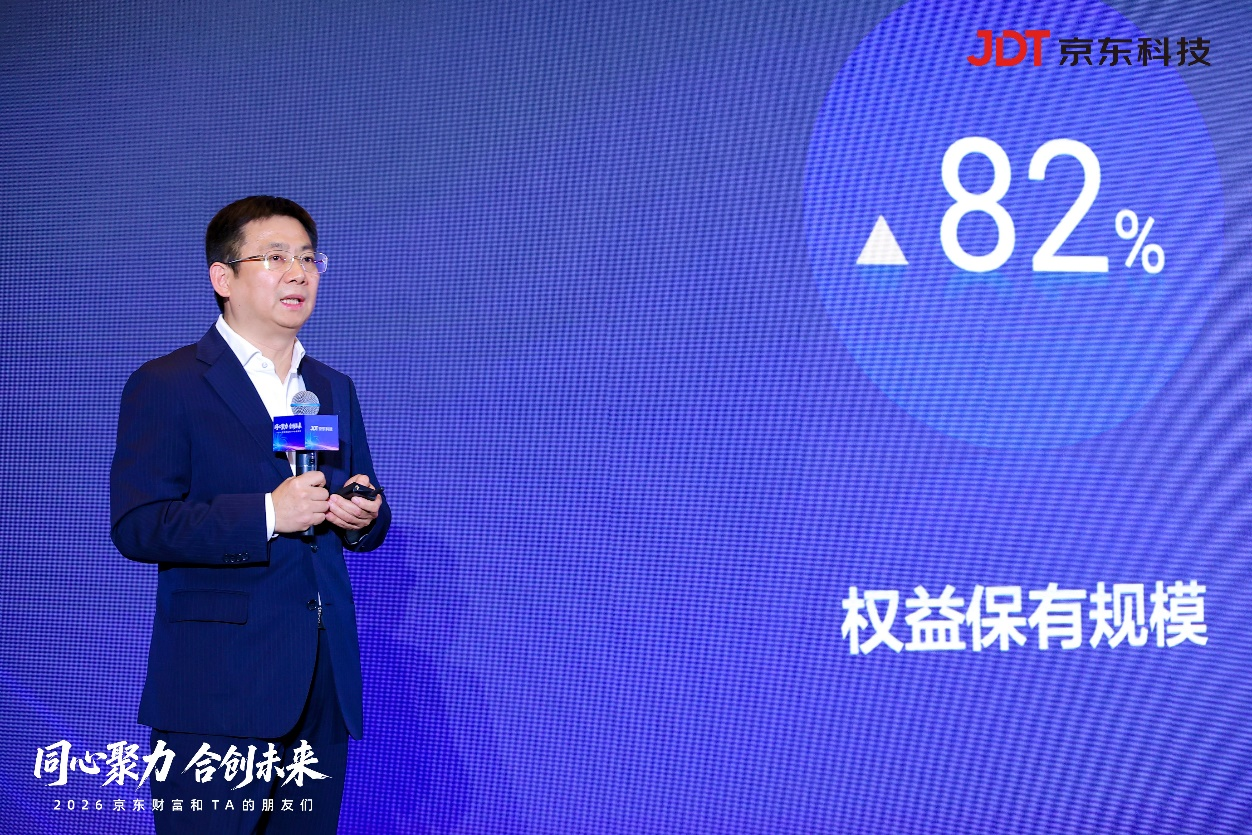
Core Insights - In the context of the challenge where "funds make money, but investors do not," JD Wealth reported that over 80% of equity fund clients achieved profitability in 2025 [1][2] - The wealth management industry is transitioning from a "shelf model" to an "asset allocation and user service advisory model," with a strong emphasis on AI application to enhance personalized services [1][4] Group 1: Performance Metrics - JD Wealth's equity fund client profitability rate reached 84%, while the average return for personal pension users was 15% [4] - The business saw significant growth in various asset categories: equity holdings increased by 82%, index fund holdings by 105%, stable income + holdings by 206%, and personal pension holdings by 241% [2][4] Group 2: Strategic Focus - The focus of JD Wealth is not on expanding its own scale but on enhancing investor satisfaction and experience [4] - The company aims to upgrade its core capabilities in "products, services, and pricing" while leveraging AI technology to deepen its wealth ecosystem [6][8] Group 3: TAMP Model Development - JD Wealth is actively exploring the TAMP (Total Asset Management Platform) model, which integrates investment research, allocation, trading, and operations to provide customized asset management solutions [10] - In 2025, the TAMP model added 210,000 new clients, with a repurchase rate of 52% and an average holding period of 235 days, achieving nearly 88% profitability among holding clients [10] Group 4: AI Integration and Service Enhancement - The integration of AI is set to redefine wealth management services, enabling features like instant account opening and automated risk alerts [8][11] - JD Wealth is enhancing its service capabilities by providing personalized support through AI tools, which assist financial advisors in delivering tailored services to clients [11]
2025年公募基金盘点与分析:(可公开)更上一层楼
Dongguan Securities· 2026-01-08 09:50
Group 1 - The overall performance of A-share industries in 2025 is strong, with only two industries experiencing declines. The non-ferrous metals and telecommunications sectors lead with returns of 94.73% and 84.75%, respectively, while coal and food & beverage sectors decline by 5.27% and 9.69%, resulting in a performance gap of 104.43% between the best and worst performing sectors. The industry dispersion is at 23.4, the highest in the past five years, indicating a concentration of market funds in a few sectors like technology and precious metals [7][8][12] - The difficulty of stock selection at the individual level is significant, with the telecommunications sector showing a high dispersion of 90.66, double that of 2024, indicating a challenging environment for investors [12][13] - The public fund market shows a steady growth, with total fund size reaching nearly 37 trillion yuan. The proportion of equity funds has increased significantly, with alternative investment funds, QDII, FOF, and public REITs also experiencing growth. Notably, alternative investment funds focused on gold assets have more than doubled in size [16][20] Group 2 - In 2025, the ETF market reached a new historical high, with total assets surpassing 6 trillion yuan, an increase of 61.29% from the previous year. The number of ETFs also grew to 1,402, reflecting a significant transformation in investment methods and financial ecology [21][24] - The performance of various types of ETFs varied significantly, with all types recording average positive returns. The stock-type ETFs showed a performance gap of 163.61% between the best and worst performers, indicating a need for higher professional capabilities among investors [26][27] - The cross-border ETF market saw a doubling in size, growing from 4,242.26 billion yuan to 9,319.24 billion yuan, with industry theme funds receiving the majority of net inflows, highlighting the importance of thematic investments in the current market environment [42][43] Group 3 - The index-enhanced funds demonstrated significant excess returns, with an average net value growth rate of 32.5%, outperforming the CSI 300 index by 12.72 percentage points. The proportion of funds achieving positive excess returns is 77.3%, indicating a favorable performance compared to previous years [48][49]
网商银行2025年度普惠理财报告:全年为小微经营者赚118亿,助小微提升经营韧性
21世纪经济报道· 2026-01-08 09:39
Core Viewpoint - The article highlights the increasing demand for financial management products among small and micro business operators in a low-interest-rate environment, emphasizing the importance of stable returns and effective cash flow management [1][3][11]. Group 1: Financial Products and Their Performance - The report from Wangshang Bank indicates that its financial products have generated a total of 11.8 billion yuan in returns for users by 2025, positioning itself as a key player in the financial management of small and micro businesses [1][11]. - Wangshang Bank offers a range of financial products tailored to the diverse needs of small business operators, including Yulibao, Wenlibao, Zenglibao, Zhoulibao, and Yuelibao, which cater to different risk levels and investment horizons [1][3]. - Yulibao, with an average annualized return of 1.40%, outperforms the average money market fund by 6.1%, making it a popular choice for managing idle cash [20]. - Wenlibao, preferred for its stability, has an average annualized return of 2.32%, with 100% of users holding for over three months achieving positive returns [4][23]. - Zenglibao employs a "fixed income plus" strategy, achieving an average annualized return of 3.00%, which is 47% higher than the market average for fixed-income products [25][26]. Group 2: User Behavior and Trends - There is a notable increase in the number of small business operators using Wangshang Bank's financial products, with a 48.4% increase in farmers using the service after the autumn harvest and a 102.5% increase in e-commerce merchants' financial balances post "Double 11" shopping festival [9][11]. - Over 80% of small business operators prefer to use a combination of Zhoulibao and Yuelibao with Yulibao for managing their liquid funds, indicating a trend towards more sophisticated cash management strategies [10][34]. - The article illustrates that small business operators are increasingly aware of the importance of financial management, as evidenced by their proactive approach to investing idle funds for stable returns [11].

美国宏观数据共振,黄金资产价值持续跃升
Sou Hu Cai Jing· 2026-01-08 08:22
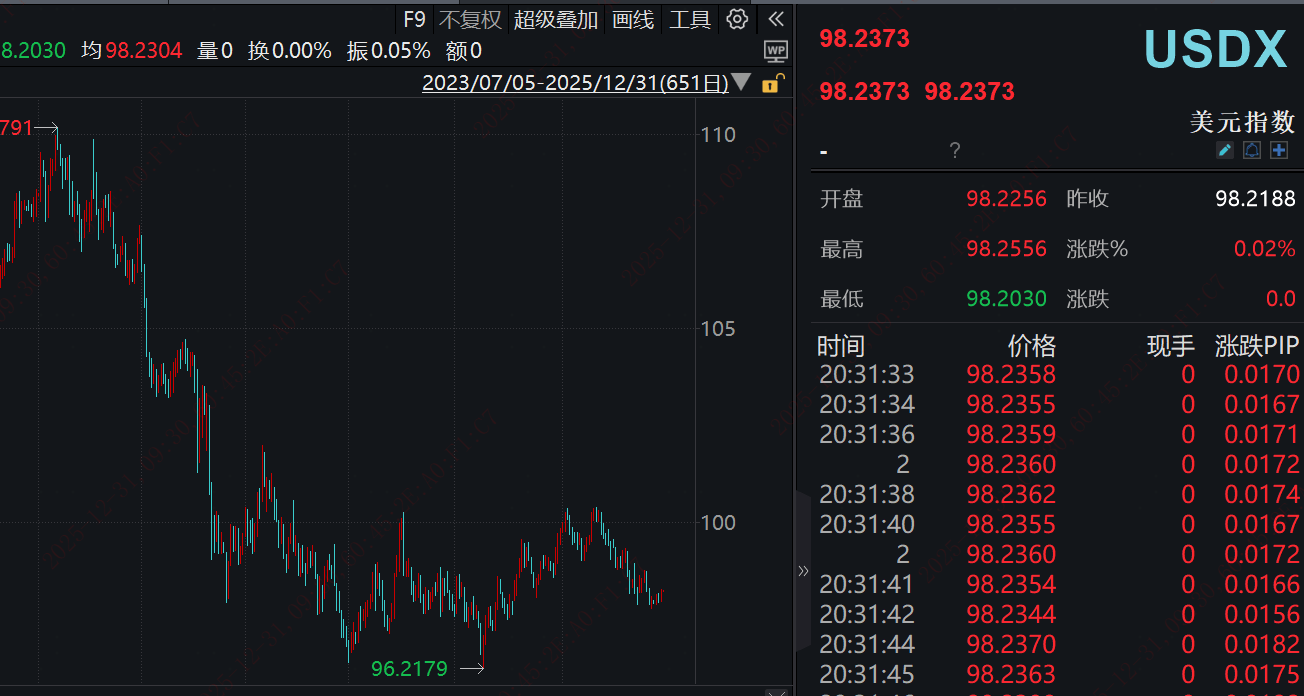
2025年以来,美元指数与美国宏观数据呈现强联动博弈特征,走势随数据变化持续起伏。年初美元指数自高位开启下行趋势,上半年下行幅度显著,创下多 年同期以来的较大跌幅,核心驱动源于美国劳动力市场边际趋弱,叠加市场对美联储宽松政策的预期升温。尽管期间出现阶段性反弹,但全年震荡偏弱的核 心格局未发生根本改变。而美联储年内实施的多轮降息操作,进一步对美元形成持续性压制,这一货币宽松导向下的美元弱势格局,也为黄金资产带来了明 确的利好支撑。 图:美元指数2025年走势 数据来源:Wind,2025/12/31 一、美国宏观数据共振:黄金上涨的核心逻辑支撑 本轮黄金资产的强势表现,并非单一因素驱动,而是美国经济基本面、通胀水平与政策导向等多维度数据形成的共振效应所致。从经济基本面来看,劳动力 市场的降温信号持续释放,叠加消费信心指数与地产相关数据的疲弱表现,共同指向美国经济增长动能的放缓。这一变化直接弱化了市场对紧缩政策的预 期,为政策转向宽松奠定了基础。11月份的数据显示,美国初次申请失业金人数为 19.2 万人,ADP 新增就业人数为- 3.2 万人,私营部门就业岗位出现净减 少,失业申请则处于相对低位。12月份的数据 ...
受益金价狂飙,菲律宾央行黄金持仓市值激增70%创历史新高
Hua Er Jie Jian Wen· 2026-01-08 08:01
Core Insights - The value of gold reserves held by the Central Bank of the Philippines is projected to surge nearly 70% by the end of 2025, reaching a historical peak of $18.6 billion, driven by a strong increase in global gold prices [1][2] - The current proportion of gold in the Philippines' foreign exchange reserves has risen to approximately 17%, significantly exceeding the central bank's target range of 8% to 12%, raising concerns about asset allocation strategies [1][3] Group 1: Asset Value Growth - The surge in the value of gold assets reflects the international gold price trend, which increased by over 60% in the past year, indicating that valuation effects are the primary driver of the rapid expansion of the central bank's wealth [2] - The increase in asset value is attributed to market price appreciation rather than a physical increase in gold holdings, as the central bank did not disclose specific gold weight figures [1][2] Group 2: Policy Implications - The current 17% weight of gold in foreign exchange reserves is 5 percentage points above the upper limit of the ideal range set by policymakers, prompting potential reassessment of reserve composition and tactical adjustments to align with target levels [3] - The dynamics of commodity market volatility have had a direct impact on sovereign asset balance sheets, suggesting possible future adjustments in official reserve management [1][3]
网商银行2025普惠理财报告:全年为小微经营者赚118亿
2 1 Shi Ji Jing Ji Bao Dao· 2026-01-08 07:41
Core Viewpoint - The article highlights the increasing demand for financial management solutions among small and micro business owners in a low-interest-rate environment, with a focus on the innovative financial products offered by Wangshang Bank to meet their diverse needs [1][2]. Group 1: Financial Products Overview - Wangshang Bank has launched a series of financial products such as Yulibao, Wenlibao, Zenglibao, Zhoulibao, and Yuelibao to cater to the asset management needs of small and micro business owners [1][2]. - The average annualized return for Yulibao is 1.40%, outperforming the average of money market funds by 6.1% [13]. - Wenlibao offers a 2.32% average annualized return, with 100% positive returns for users holding it for over three months [17]. - Zenglibao employs a "fixed income plus" strategy, achieving an average annualized return of 3.00%, which is 47% higher than the market average for fixed-income products [20]. - Zhoulibao and Yuelibao are designed for flexible savings, with average annualized returns of 2.22% and 2.37% respectively, allowing users to manage cash flow effectively [29]. Group 2: User Engagement and Growth - Wangshang Bank's financial products have seen significant user growth, with 495 million users choosing Wenlibao, reflecting an 84% increase since the beginning of the year [16][17]. - The number of farmers using Wangshang Bank's financial services increased by 48.4% after the autumn harvest, while e-commerce merchants' financial balances grew by 102.5% post "Double 11" sales [6][9]. - Over 80% of small business owners prefer to use a combination of Zhoulibao/Yuelibao and Yulibao for managing their liquid funds, indicating a trend towards more sophisticated financial management [30]. Group 3: Risk Management and Product Performance - Wangshang Bank employs a strict selection process for its financial products, ensuring that small business owners can access safe and stable asset management services [4]. - The maximum drawdown for Zenglibao is significantly lower than that of comparable fund products, demonstrating its resilience in volatile markets [21]. - The bank's approach to asset allocation and risk control has allowed it to maintain a competitive edge in the financial services market for small and micro enterprises [5].

百亿抛压突袭黄金 短期调整不改配置价值
Jin Tou Wang· 2026-01-08 06:02
Group 1 - The international gold price is currently trading around 993.93 yuan per gram, showing a decline of 0.68% with a high of 1003.11 yuan and a low of 993.37 yuan, indicating a bearish short-term trend for gold [1] - The Bloomberg Commodity Index's annual rebalancing is causing significant market turbulence, with silver facing a $7.1 billion sell-off and gold experiencing a $7 billion sell pressure, totaling over $14 billion in mechanical selling for precious metals [2] - Despite the short-term selling pressure, the adjustment is attributed to technical operations related to index rebalancing rather than fundamental issues, suggesting a potential buying opportunity for gold and silver in the long term [2] Group 2 - Global gold mining output has remained stable, with a projected production of 3645 tons in 2024, an increase of 4 tons year-on-year, indicating a historical high [3] - The gold mining industry may be approaching capacity limits, as production has only seen moderate increases despite rising gold prices, raising concerns about future growth potential [3] - The balance of supply and demand in the global gold market remains resilient, supported by stable demand and the gradual introduction of new projects, although operational disruptions and high capital expenditures may limit upward potential [3] Group 3 - Today's gold market shows a tendency to decline, with significant retracement observed, indicating that the upward momentum driven by news has come to an end [4] - The overall market sentiment is bearish, but a rapid rebound at the 4422 level suggests that a direct decline is less likely, leading to a focus on the range between 4460 resistance and 4395 support [4]
连平:我国股票市场跨入新发展时代
Di Yi Cai Jing· 2026-01-08 04:32
Group 1: Core Insights - The new round of technological revolution is leading to significant breakthroughs in the market, with China actively participating and achieving global leadership in certain sectors [2][3] - The stock market in China has entered a new development era characterized by historical changes in demand structure, investor composition, policy environment, and institutional foundation [1][3] Group 2: Technological Revolution Impact - The rapid advancements in artificial intelligence, gene editing, and other cutting-edge technologies are driving the growth of strategic emerging industries in China [2] - High-tech enterprises now account for approximately 60% of listed companies, with over 90% of companies on the ChiNext and STAR Market being recognized as high-tech [3] Group 3: Market Asset Allocation Changes - The real estate market has undergone a deep adjustment, leading to a significant outflow of funds estimated at 24 trillion yuan from the sector [5][6] - There is a notable shift in asset allocation preferences, with a decrease in real estate and an increase in equities, index funds, and other capital market products [7] Group 4: Regulatory Support for Stock Market - The Chinese government has made "activating the capital market" a national policy goal, with various measures introduced to enhance market stability and investor confidence [8][9] - The regulatory environment has been significantly improved, focusing on investor protection and the integrity of the capital market [9][10] Group 5: Central Bank's Role - The central bank has introduced innovative support measures for the stock market, including direct liquidity injections and low-interest loans for stock buybacks [12][13] - The central bank's proactive approach marks a significant shift in its support for the stock market, contributing to its stability and growth [12] Group 6: Future Implications - The transition to a new development era for the stock market is expected to enhance support for high-tech enterprises and diversify investment products available to domestic and international investors [14][15] - The shift towards direct financing is anticipated to reshape the financial structure, promoting a more efficient allocation of resources and supporting the modernization of the industrial system [16]
浦银安盛基金张川:FOF投资工业化转型,从产品清单到资产地图
Zhong Guo Zheng Quan Bao· 2026-01-08 04:30
元旦后的新年市场,往往寄托着投资者对新一年的期盼。面对依然复杂的经济图景与持续轮动的市场风 格,2026年的开年布局该如何落子? 先风控、再配置: 多资产策略的核心前提 "先风险管理,再资产配置"是张川的核心投资哲学。他认为,以FOF基金为代表的资产配置型产品的精 髓首先是驾驭和管理风险,之后才是预测各类资产的未来表现、增厚组合收益,走与传统股债类产品的 差异化之路。 浦银安盛基金FOF业务负责人、基金经理张川给出的答案是:跳出对短期热点的博弈,回归资产配置 的"初心",从"选人"走向"搭积木",推动FOF投资迈入系统化、工业化的2.0时代。 理念重塑: 告别"清单",绘制"地图" "过去,FOF给人的印象是'专业的基金买手',核心在于挑选出优秀的基金经理,但在市场风格剧烈轮 动、许多主动权益产品也面临巨大挑战的背景下,这种'选人'模式的底层逻辑受到了冲击,FOF的定位 也必须随之升级。" 张川表示,市场从来不缺机会,缺的是将机会转化为持续、稳健收益的体系。新一年的投资决胜点,不 在于押中某一个明星基金,而在于能否构建一个功能清晰、纪律严明、能适应不同风浪的资产组合。从 罗列一份追逐市场热点的"产品清单",转 ...