指数化投资

Search documents
海富通基金成钧:灵活运用指数基金 理性做好资产配置
Zheng Quan Ri Bao Wang· 2025-05-18 12:02
Group 1 - The seventh "5 15-5 19 Small Investor Protection Publicity Week" event was held from May 15 to 19 in Beijing, Shanghai, and Shenzhen, focusing on promoting investment knowledge and advocating rational, value, and long-term investment principles [1] - The event featured discussions led by chief analysts from brokerage firms, public interest lawyers, and representatives from listed companies to enhance investors' risk awareness and self-protection capabilities [1] Group 2 - Dr. Cheng Jun from Hai Fu Tong Fund Management highlighted the growing popularity of ETFs as transparent and flexible investment tools, emphasizing the importance of scientific strategies to enhance ETF investment outcomes [2] - Common ETF investment strategies include allocation strategies such as constant stock-bond ratio models and risk parity models, as well as trading strategies that focus on market sentiment and short-term volatility [2][3] - The dollar-cost averaging strategy is noted as a simple and widely used method, which helps investors average their investment costs and reduce the impact of market volatility [2][3] Group 3 - The dollar-cost averaging strategy involves investing a fixed amount at regular intervals, which can lead to significant excess returns compared to buy-and-hold strategies [3] - Dr. Cheng suggested that a good exit point for profits could be when the holding return reaches a target, such as 30%, allowing for a cycle of continued investment [3] - The ETF grid trading strategy is suitable for investors with limited time to monitor fund fluctuations, allowing automated buy and sell operations based on pre-set parameters [3][4] Group 4 - The ETF arbitrage strategy capitalizes on price differences between the primary and secondary markets, leveraging the unique dual trading mechanism of ETFs [4] - In April, the total scale of the ETF market in China surpassed 4 trillion yuan, indicating a growing recognition of index investment tools among investors [4] - Factors such as favorable policies, reduced ETF fees, and increased institutional investment have contributed to the rising popularity of ETFs, which offer low costs, risk diversification, transparency, and trading flexibility [4]


更大力度“引长钱”!上交所,最新部署!
证券时报· 2025-05-18 05:43
上交所近日举办商业银行理财公司权益类资金入市专题培训。证券时报记者获悉,此次培训旨在构建"长钱长投"生态,更大力度"引长钱"。 搭建指数化投资交流平台 本次培训以六部委联合印发的《关于推动中长期资金入市工作的实施方案》(以下简称《实施方案》)为政策指引,积极响应稳定市场运行、提振市场信心 政策导向,助力构建投资和融资相协调的金融市场生态,充分释放ETF在引入中长期资金方面的效能,持续壮大"长钱长投"规模。 据了解,培训课程体系围绕投资策略构建、交易实务操作、政策深度解读、风险防控体系搭建四大核心维度展开,通过系统性、专业化的培训内容,助力银 行理财公司深化权益投资能力建设,助力银行理财公司拓宽转型升级路径,更好地发挥中长期资金服务资本市场与实体经济的重要作用。 一是聚焦上交所ETF创新业务,深度剖析市场趋势、前沿动态与产品特色,介绍ETF多样化投资工具,帮助理财公司拓宽资产配置思路。 二是系统梳理交易流程与策略,打破交易实践中的认知壁垒,增强跨境投资与权益交易的专业素养。 三是及时传递发行与承销政策动态,精准把握证券发行与承销业务的合规要点,有效规避业务风险,确保业务开展与政策要求同频共振。 四是系统阐释上交 ...


投资策略周报:八问公募新规对行业影响几何-20250518
KAIYUAN SECURITIES· 2025-05-18 05:12
Group 1: Core Insights - The report emphasizes the significance of the new public fund regulations, which aim to strengthen equity investment orientation and long-term performance evaluation, leading to a shift in the industry from a "new issuance-driven" model to a focus on "existing stock cultivation" [1][2][3] - The new regulations are expected to create a medium to long-term institutional dividend for the equity market, facilitating the inflow of long-term capital [1][2] Group 2: Public Fund Regulations - The reform highlights a "stock priority" approach, encouraging fund companies to focus on the sustained performance of existing products rather than just new issuances [2][14] - The introduction of a floating fee mechanism is designed to push products back to a "real alpha" orientation, enhancing benchmark constraints and reducing ineffective supply from high-scale, low-performance funds [2][15] - Smaller fund companies are advised to adopt a "boutique strategy" and focus on niche markets to build competitive advantages through efficient research and incentive mechanisms [2][16] - The report anticipates a surge in index products, particularly ETFs, driven by expedited registration and policy support for Smart Beta and enhanced strategies [2][17] - The classification evaluation mechanism will transform the business model of distribution agencies, shifting the focus from "selling quickly" to "holding long" [2][18] - Active equity funds will face pressure from regulatory constraints on performance deviation and style drift, leading to a faster exit of inefficient equity products [2][19] - The new regulations are likely to impact the industry allocation structure, with sectors such as banking and public utilities expected to see passive reallocation due to strengthened benchmark constraints [2][36] Group 3: Investment Recommendations - The report suggests a "4+1" investment strategy focusing on domestic consumption, technology growth, cost improvement, structural opportunities from international trade, and stable long-term holdings [3][40] - Specific sectors identified for potential investment include consumer goods, technology, military, and stable dividend stocks, with a particular emphasis on the automotive and healthcare sectors [3][40]
上交所召开基金销售机构座谈会,将共同推动指数化投资生态高质量发展
news flash· 2025-05-15 11:10
在"5.15全国投资者保护宣传日"之际,为推动中长期资金入市,构建指数化投资高质量发展生态,提升 服务投资者的能力,上海证券交易所召开专题座谈会,与多家基金销售机构代表深入交流。各与会机构 均表示,去年以来,投资者加速通过ETF进行布局,指数基金用户显著增长。上交所表示,将与市场各 方加强合作,凝聚共识,共同推动指数化投资生态高质量发展。一方面,强化理念宣导,加强推广投教 合作,加快培育形成长期投资、价值投资、理性投资理念;另一方面,营造良好生态,建立良性有序、 健康发展的行业文化,优化投资研究、市场推广等资源配置,从"重规模"向"重回报"转变,深入践行以 投资者为本的理念,多措并举提升投资者保护与服务质效,增强投资者获得感,夯实金融强国建设投资 者基础。(智通财经) ...
5.15犀牛财经早报:降准将释放长期流动性约1万亿元 沪浙启动私募基金自查
Xi Niu Cai Jing· 2025-05-15 01:42
Group 1 - The People's Bank of China has implemented a 0.5% reserve requirement ratio cut, providing approximately 1 trillion yuan in long-term liquidity to the market [1] - The bond ETF market has seen significant growth, with a total scale reaching 2565.46 billion yuan, an increase of 825 billion yuan or 47.5% year-to-date [1] - The banking wealth management product market has grown to 29.14 trillion yuan, a year-on-year increase of 9.41%, with fixed income products dominating the market [2] Group 2 - The Shanghai and Zhejiang regions have initiated self-inspection for private fund managers, reflecting ongoing regulatory strengthening in the private equity sector [2] - Several banks have announced reductions in the performance benchmark for wealth management products, with some dropping below 2% [2] - Databricks has announced the acquisition of Neon, a company specializing in serverless Postgres solutions, indicating a trend towards enhancing cloud database capabilities [6] Group 3 - Heng Rui Pharmaceutical has set its IPO price range between 41.45 and 44.05 HKD per share, planning to issue 224.5 million H-shares [7] - ST United is planning to acquire part or all of Jiangxi Runtian Industrial's equity, leading to a temporary suspension of its stock [11] - Baofeng Energy plans to repurchase shares worth between 1 billion and 2 billion yuan, with a maximum repurchase price of 22.80 yuan per share [10]
借势指数化投资浪潮 债券ETF规模突破2500亿元
Zheng Quan Ri Bao· 2025-05-14 16:17
Core Insights - The bond ETF market has seen significant growth in 2023, with an increase of 82.5 billion yuan, representing a 47.5% rise in total assets, reaching 256.55 billion yuan as of May 14 [1][2] - The surge in bond ETFs indicates a high market acceptance, providing investors with a stable investment option that helps in risk reduction and portfolio yield stabilization [1][3] Growth Trajectory - The bond ETF market has rapidly expanded, surpassing 1 trillion yuan on May 17, 2024, and reaching over 2.5 trillion yuan recently, showcasing remarkable growth speed [2] - New bond ETF products have attracted significant net inflows, with 13 ETFs receiving over 1 billion yuan in net inflows this year, particularly those tracking the Shanghai and Shenzhen corporate bond indices [2] Factors Driving Growth - The growth of bond ETFs is attributed to several factors: the stable yield characteristics of bonds amid volatile equity markets, the advantages of standardized index tools, and the lower management fees associated with passive index investments [3][5] - The bond ETF market benefits from regulatory support aimed at promoting index investment, with policies introduced to enhance the supply of bond ETFs to meet low-risk investment demands [4] Unique Value Proposition - Bond ETFs offer unique value as asset allocation tools, providing credit risk hedging, good liquidity through T+0 trading, and clear sensitivity to interest rates, making them attractive for both institutional and individual investors [5] - Current market conditions, including weak inflation expectations and a stable monetary policy, suggest a favorable environment for bond investments, with limited upward pressure on yields and potential for downward adjustments [5]
本周权益基金延续发行热度 指数化投资成主流
Zheng Quan Ri Bao Wang· 2025-05-12 12:14
值得关注的是,本周市场迎来3只FOF基金(基金中基金)集中发行,与此前一周的"零发行"状态形成鲜明 对比。 深圳市前海排排网基金销售有限责任公司研究部副总监刘有华表示,这一显著变化反映出投资者资产配 置需求正在持续升温,也体现了市场对多元化投资工具的认可度提升。 从产品类型来看,上周新发基金主要集中在股票型、混合型和债券型三大类别。其中,股票型基金占据 主导地位,全周共有18只产品启动募集,占比超六成。债券型基金紧随其后,新发数量为6只,占比约 两成;混合型基金相对较少,仅有3只新发,占比一成左右。 本周新发行的基金类型更加丰富,不过权益类产品仍是市场主力。具体来看:本周发行的股票型基金有 16只,占比51.61%,其中15只为指数型基金,占比高达93.75%,显示被动投资热度不减。本周启动募 集的混合型基金有7只,环比大增133.33%,且全部为偏股型,进一步印证权益市场的吸引力。 基金发行市场保持活跃态势。公募排排网数据显示,上周(5月5日至5月11日),全市场共有27只新基金 启动募集;而本周(5月12日至5月18日),新发基金数量进一步增至31只,环比增长14.81%,显示出市场 发行节奏稳步加快。 ...
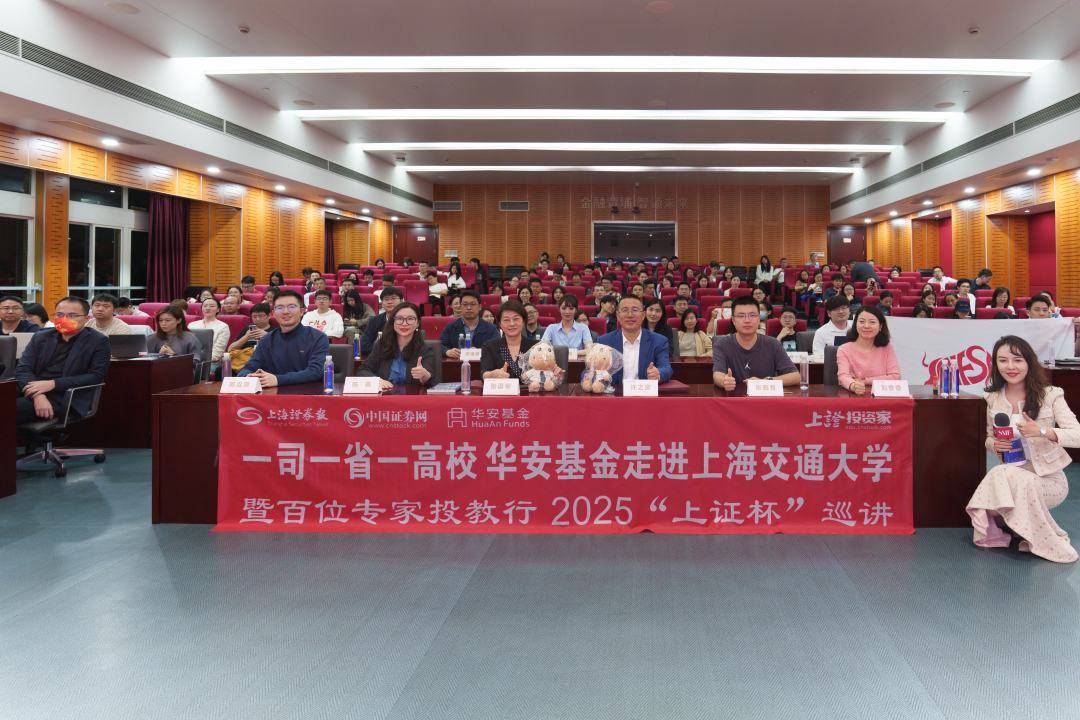
华安基金“一司一省一高校” | 携手上海证券报走进交大高金共话ETF投资
Sou Hu Cai Jing· 2025-05-12 07:58
本次活动设置了"黄金投资与ETF配置策略暨2025'上证杯'全国高校巡讲"双主题,吸引超过300位师生踊跃参与。华安基金首席指数投资官、总经理助理许 之彦和上证投教中心主任、上证投资家主编张勇军应邀担任主讲嘉宾,上海交通大学高级金融学院张雅各、交大高金量化投资俱乐部会长陈雅、上证投教 中心副主任刘香香等出席活动。 张雅各在开场致辞中对来自上海证券报和华安基金的专家表示热烈欢迎。他介绍道,上海交通大学上海高级金融学院是上海市人民政府为实现将上海建设 成为国际金融中心的国家战略,依托上海交通大学,按照国际一流商学院模式精心打造的国际化金融学院。学院始终秉持"汇聚国际一流师资、培养高端 金融人才、构筑开放研究平台、形成顶级政策智库"的发展使命。当前,高金顺应时代发展需求,围绕金融"五篇大文章",聚焦科技金融、数字金融、可 持续金融三大战略方向,加强金融与科技的双向赋能,共同推动社会经济可持续发展,持续为国家"金融强国"建设、上海"五个中心"建设和上海交大"世 界一流大学"建设贡献力量。 "上证杯"由上海证券交易所和上海证券报社联合主办,历经5年的迭代发展,已成为全国规格最高、最具影响力的主题投教赛事之一。"2025 ...
超500亿元资金涌入债券ETF 公司债ETF易方达(511110)规模破80亿
Sou Hu Cai Jing· 2025-05-12 04:14
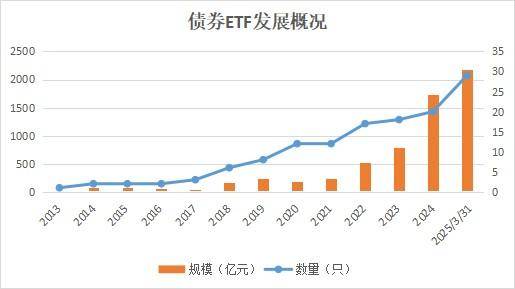
Core Insights - The bond ETF market in China has seen significant growth, with over 50 billion yuan in net inflows this year, bringing the total scale to over 250 billion yuan [1][2] - The number of bond ETFs has increased to 29, with a total scale of approximately 220 billion yuan, which is nine times the scale in 2021 [2][4] - Credit bond ETFs have become a prominent category, with their scale exceeding 110 billion yuan, accounting for 44% of the total bond ETF market [5][6] Group 1: Market Growth and Trends - The bond ETF market has experienced explosive growth since 2022, with new products like government bonds and corporate bonds emerging [2][4] - The development of bond ETFs is driven by policy support and market demand, making them an essential tool for asset allocation [4][6] - The introduction of benchmark corporate bond ETFs has attracted significant capital, with nearly 20 billion yuan in net inflows since their launch [6] Group 2: Investment Characteristics - Bond ETFs are characterized by high trading efficiency, low investment costs, high transparency, and good liquidity, making them attractive for investors [4][5] - The average turnover rate of benchmark corporate bonds is 2.5 times that of ordinary corporate bonds, indicating strong market activity [5] Group 3: Future Development Strategies - The development of bond ETFs requires an ecological approach and platform thinking, emphasizing the need for a diverse product system and mature investor base [7][8] - The industry is focusing on optimizing management efficiency and enhancing pricing accuracy for bond ETFs [8]
深交所力推ETF定投场景化应用策略,携投资者走进新希望
Sou Hu Cai Jing· 2025-05-11 01:12
Core Viewpoint - Index investment, represented by ETFs, is becoming a crucial engine for the high-quality development of capital markets, with a focus on promoting rational investment among investors [1][5]. Company Overview - New Hope is a leading listed company in the agricultural and animal husbandry food industry, focusing on feed production, pig farming, slaughtering, and food processing [3]. - In 2024, New Hope's total feed sales reached 25.96 million tons, with 3.002 million piglets and 13.5229 million fattening pigs sold, totaling 1.65249 million pigs, and meat product sales of 404,200 tons [3]. Financial Performance - New Hope achieved a net profit of 474 million yuan in 2024, representing a year-on-year increase of 90.05%, and in the first quarter of 2025, the company reported a profit of 445 million yuan, a year-on-year growth of 122.99% [7]. Market Strategy and Investor Engagement - The Shenzhen Stock Exchange emphasizes investor-centered initiatives, aiming to cultivate a mature and rational investor base while promoting index investment concepts [5]. - New Hope's management highlighted the importance of cost control and disease management in pig farming to withstand market cycles, indicating a proactive approach to operational efficiency [7]. Future Outlook - The Shenzhen Stock Exchange plans to enhance the ETF market through product innovation and improved services, aiming to provide new momentum for the healthy development of capital markets and support the high-quality development of the real economy [5].