美元霸权

Search documents
减持5484亿美债,中方开始囤粮油,人民币逆增涨,盖茨预言恐成真
Sou Hu Cai Jing· 2025-07-18 12:01
Group 1 - The core viewpoint of the article suggests that China's strategic moves, including reducing U.S. Treasury holdings and increasing reserves, are part of a larger plan to create a more independent and secure economic system [3][19][27] - As of March 2025, China's holdings of U.S. Treasury bonds have decreased to $765.4 billion, with the UK surpassing China as the second-largest holder [3][5] - Since 2022, China has consistently reduced its U.S. Treasury holdings, with reductions of $173.2 billion in 2022, $50.8 billion in 2023, and $57.3 billion in 2024 [5] Group 2 - The U.S. government debt has surged from $900 billion in 1980 to $34 trillion in 2025, raising concerns about sustainability [8] - Internal divisions within the U.S. Federal Reserve regarding debt policy are becoming more pronounced, with a clear distinction between hawkish and dovish members [10] - China's grain procurement for 2023 has remained stable, exceeding 400 million tons, indicating a robust food reserve strategy [10] Group 3 - China plans to increase its strategic oil reserves by 8 million tons by March 2025, reflecting a proactive approach to energy security [12] - The article emphasizes that China's reserve strategy is more focused on long-term and systematic approaches compared to the U.S. [15] - China's efforts to enhance its financial infrastructure through digital currency and cross-border payment systems support its goal of reducing reliance on the U.S. dollar [23] Group 4 - The article highlights that China's technological advancements, particularly in renewable energy, are reducing dependence on traditional energy sources [21] - China's combination of reducing U.S. debt holdings, accumulating resources, and strengthening the yuan is a well-designed strategic approach to enhance economic security [27] - The shift in China's economic structure is influencing the global economic landscape, leading to a diversification of international reserve systems [25]

看似是中美俄三国演义,实则是去美元化之争!
Sou Hu Cai Jing· 2025-07-18 11:40
Group 1 - The article discusses the strategic dynamics of the US-China trade war, emphasizing that as long as the trade relationship with China remains stable, the US can impose tariffs on other countries without significant repercussions [1][3] - It highlights that countries attempting to gain favor with the US by antagonizing China are likely to face harsher treatment from the US, as seen in the case of the EU [3] - The article notes that the US's approach to the trade war has allowed it to maintain an advantage over other nations, particularly those that are not aligned with China [3][5] Group 2 - The article points out that the US, while being a resource country, also holds a unique position as a financial power due to its dollar hegemony, which is increasingly being challenged [5][6] - It mentions that President Trump has been scrutinizing the Federal Reserve's financial practices, indicating a potential shift in control over monetary policy [6] - The article suggests that the ongoing tensions between the US, China, and Russia are fundamentally a struggle over monetary dominance, with the US facing challenges in managing international financial capital [8]
面对美国威胁,印度随时准备跪下,加关税就大幅减少从俄石油进口
Sou Hu Cai Jing· 2025-07-18 09:58
Core Viewpoint - The article highlights India's vulnerability to U.S. financial power, particularly in the context of potential secondary sanctions on Russian oil imports, revealing a significant shift in India's energy strategy and geopolitical stance [1][10][17]. Group 1: U.S. Sanctions and India's Response - The U.S. has issued a "50-day ultimatum" to Russia, threatening a 100% tariff on Russian goods and a 500% secondary sanction on countries engaging in energy trade with Russia [3][10]. - India has indicated a willingness to comply with U.S. demands, stating it is "ready to kneel" and will significantly reduce its Russian oil imports to pre-war levels of approximately 2% [10][11]. Group 2: India's Energy Strategy - Following the onset of the Russia-Ukraine conflict, India capitalized on discounted Russian oil, which constituted over 35% of its total oil imports at one point [7][8]. - Indian refiners have been exporting refined products, such as diesel, to Europe and the U.S., taking advantage of the price differentials created by the conflict [8][10]. Group 3: Geopolitical Implications - The potential reduction in Russian oil imports could severely impact India's energy security and economic interests, undermining its role as a "global refinery" and leading to increased domestic inflation [13][15]. - The relationship between India and Russia, historically characterized by strategic partnership, may suffer as India appears to yield to U.S. pressure, potentially affecting future cooperation in critical areas like defense [15][17]. Group 4: Broader Economic Context - The article suggests that India's capitulation to U.S. sanctions reflects a broader trend of emerging economies facing limitations in their strategic autonomy under U.S. financial hegemony [15][17]. - The situation serves as a warning to other developing nations about the precariousness of their positions in the face of U.S. economic power, indicating a potential shift towards a more fragmented global order [15][17].
美联储这次彻底玩脱了?7月16日,美国经济危机传来最新消息
Sou Hu Cai Jing· 2025-07-16 13:36
Group 1 - The article discusses the escalating trade tensions initiated by Trump's imposition of a 30% punitive tariff on the EU, particularly affecting German car manufacturers like BMW, which could see costs rise by €2,000 per vehicle, erasing half a year's profit per sale [1][3] - The EU has prepared a countermeasure list worth €93 billion targeting iconic American products, indicating a shift in their response strategy to U.S. trade policies [3][10] - Market expectations are collapsing as traders exit positions based on the assumption that the U.S. would back down before August 1, with the IMF lowering global growth forecasts to 2.8% due to the trade war's potential impact [3][4] Group 2 - The Federal Reserve is facing a significant institutional crisis, with Trump demanding a drastic interest rate cut to 1% despite economic indicators not supporting such a move [4][6] - There are concerns about the independence of the Federal Reserve as Trump's administration seeks to create justifications for potentially replacing Chairman Powell, which could lead to severe market volatility [6][12] - The U.S. debt crisis is highlighted, with total debt reaching $37 trillion and interest payments projected to exceed $1 trillion by 2025, raising alarms about fiscal sustainability [7][9] Group 3 - Global central banks are increasingly selling U.S. Treasury bonds, with Canada reducing its holdings by $57.8 billion, reflecting a trend towards de-dollarization driven by U.S. tariff policies [9][10] - The article notes a potential "death spiral" where tariffs increase import costs, leading to inflation, which in turn pressures the Fed to maintain high interest rates, exacerbating the debt situation [9][10] - The erosion of trust in the U.S. dollar is evident as countries like Brazil and the EU explore alternatives to dollar transactions, signaling a shift in global trade dynamics [10][12] Group 4 - The article concludes that the combination of tariffs, debt, and the Fed's compromised independence represents a crisis for the U.S. economic order, with predictions of a potential 30% devaluation of the dollar [13]
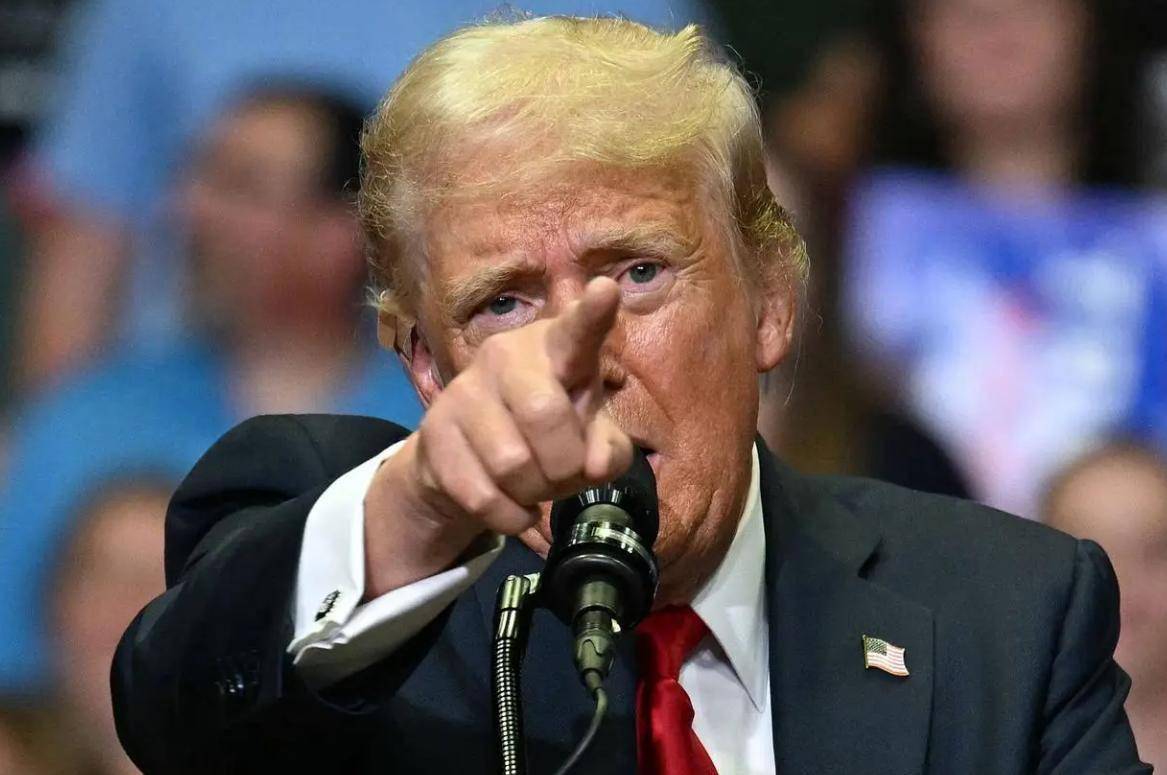
中国经济内外部挑战的基本逻辑和前景展望
2025-07-16 06:13
Summary of Conference Call Industry or Company Involved - The discussion primarily revolves around the impact of the U.S. tariff policy, specifically the "reciprocal tariffs" introduced by the Trump administration, and its implications for the U.S. economy and global trade dynamics. Core Points and Arguments 1. **Introduction of Reciprocal Tariffs**: The reciprocal tariffs were implemented on April 2, 2024, and have been evolving since then, with ongoing discussions about potential negotiations between the U.S. and China [1][2][3]. 2. **Tariff Calculation Methodology**: The tariffs are calculated based on the trade deficit the U.S. has with other countries, with a specific formula provided by the U.S. Trade Representative's office. For instance, the trade deficit with China was $295.4 billion against imports of $438.9 billion, resulting in a tariff rate of approximately 67% [2][3]. 3. **Tariff Rates on Other Countries**: Besides China, the U.S. has imposed tariffs on other countries, such as 40% on Vietnam and around 50% on Lesotho, indicating a broad application of these tariffs [3]. 4. **Underlying Economic Logic**: The rationale behind these tariffs is argued to be flawed, as the U.S. trade deficit is more a reflection of domestic demand exceeding supply rather than unfair trade practices by other countries [4][5][6]. 5. **Historical Context of the Dollar**: The discussion highlights the historical evolution of the international monetary system, particularly the transition from the Bretton Woods system to the current fiat currency system, which has allowed the U.S. to maintain a trade deficit by printing dollars without physical backing [8][9][10]. 6. **Consequences of Trade Deficits**: The U.S. has benefited from its trade deficits by acquiring goods and services globally at a low cost, but this has led to domestic issues such as deindustrialization and widening income inequality [11][12][16][17]. 7. **Potential Solutions for the U.S.**: Suggestions include abandoning dollar hegemony and establishing a supranational currency to address income inequality and the negative impacts of globalization [18][19][20]. 8. **Impact on U.S. Economy**: The implementation of reciprocal tariffs has led to a significant decline in investment confidence in the U.S., as evidenced by the Syntex investment confidence index [25]. The tariffs have also created uncertainty in the global economic outlook, affecting investment willingness [25][27]. 9. **Financial Market Reactions**: The financial markets have reacted negatively to the tariffs, with a notable decline in the U.S. dollar's strength and rising bond yields, indicating a loss of confidence in the U.S. as a safe haven [26][27][32]. 10. **Future Globalization Trends**: The current global trade dynamics are shifting, with the potential for a new form of globalization that may depend heavily on China's economic choices and domestic policies [23][24]. Other Important but Possibly Overlooked Content 1. **Domestic Economic Pressures**: The U.S. faces significant internal pressures, including rising inflation and a potential debt crisis as the trade deficit is compressed [37][38]. 2. **China's Economic Strategy**: China is encouraged to enhance domestic consumption and investment to mitigate the impacts of U.S. tariffs and maintain economic stability [23][24][50]. 3. **Long-term Economic Outlook**: The long-term sustainability of the U.S. economic model, heavily reliant on trade deficits and dollar dominance, is questioned, with implications for future economic policies [32][57]. This summary encapsulates the key points discussed in the conference call, providing insights into the implications of U.S. tariff policies and the broader economic context.
2次拒绝美白宫,特朗普为了推行全球最低利率,连续两次解雇战
Sou Hu Cai Jing· 2025-07-16 04:59
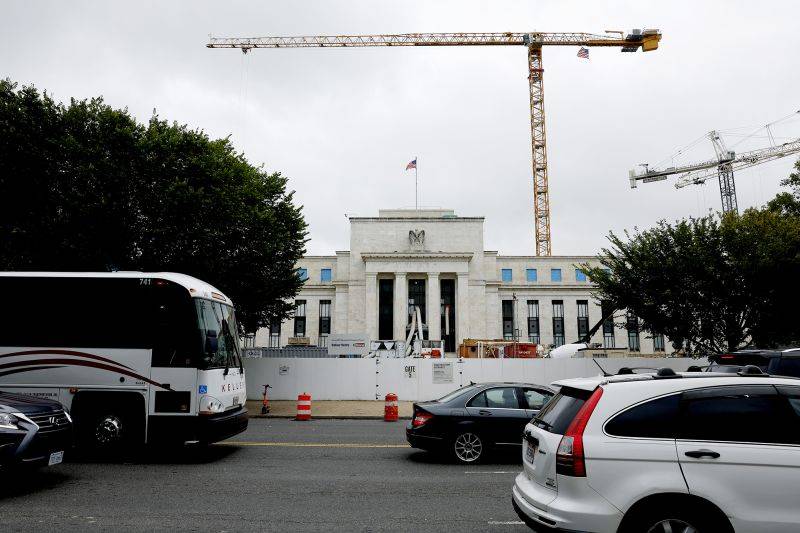
一场关乎美元霸权、全球金融稳定的权力博弈,正酣。其核心并非美联储大楼那25亿美元的"天价装修",而是美国总统特朗普为实现其"全球最低利率"的野 心,对美联储主席鲍威尔发动的连续"解雇战"。这场斗争的背后,是36万亿美元国债沉重的利息压力,以及对美联储百年独立性的严峻挑战。 市场对这场权力斗争高度敏感。德意志银行模拟了鲍威尔被解雇的最坏情况:美元可能在24小时内暴跌3%以上,美债收益率狂飙40个基点,其冲击力堪比 1987年股灾。高盛警告,美联储一旦沦为"政治工具",美元霸权将加速崩塌。目前,全球外储中美元占比已跌至59%,创十年新低。欧洲央行也密切关注事 态发展,分析师预测美元若出现危机,欧元可能暴涨至1.25,日元、瑞郎和黄金将成为最大受益者。 荷兰国际集团(ING)甚至创造了"美元有毒组合"(政 治干预 通胀失控)这一新词来形容当前局势。 7月13日,特朗普在马里兰州军事基地的停机坪上再次公开喊话要求鲍威尔辞职。然而,鲍威尔对此置若罔闻,第二天便飞往葡萄牙参加欧洲央行论坛,并 隔空回应:"降息不能看政治脸色,得看经济数据!" 鲍威尔在6月25日的国会山听证会上也强硬表态:"美联储不是选举工具!政治干预的代 ...
美元霸权真相!印钞机开动全球买单?80年财富密码大揭秘!
Sou Hu Cai Jing· 2025-07-16 00:32
Core Viewpoint - The article discusses the concept of "dollar hegemony" and how the United States has maintained its dominance in the global economy through strategic monetary policies and military power over the past 80 years [1][10]. Group 1: Historical Context - After World War II, the U.S. emerged as the largest economic power, establishing a system where the dollar was pegged to gold, making it the center of global currency [3][5]. - In 1971, President Nixon decoupled the dollar from gold, transforming it into a fiat currency, yet the demand for dollars continued to grow due to strategic agreements [3][5]. Group 2: Oil Dollar System - The U.S. established a secret agreement with Middle Eastern oil producers, particularly Saudi Arabia, to sell oil exclusively in dollars, creating the "petrodollar" system [5][10]. - This system ensured that countries needed to acquire dollars to purchase oil, thereby increasing global demand for the currency [5][10]. Group 3: Military and Financial Power - The U.S. maintains unparalleled military strength, with numerous military bases worldwide, which reinforces the use of the dollar in international transactions [7][10]. - The influence over the SWIFT financial system allows the U.S. to impose sanctions and restrict access to global trade for non-compliant countries, further solidifying the dollar's dominance [7][10]. Group 4: Path Dependency - The long-standing use of the dollar in international trade and finance has created a "path dependency," making it inconvenient for countries to switch to alternative currencies [7][10]. - Central banks and corporations hold significant dollar reserves, which perpetuates the dollar's status as the primary currency for global transactions [7][10]. Group 5: Economic Implications - The U.S. can print dollars to acquire goods and services globally, effectively using "paper" to obtain real wealth from other nations [10]. - However, the U.S. must balance the amount of money printed to avoid rapid devaluation and global inflation, maintaining its economic credibility [10].
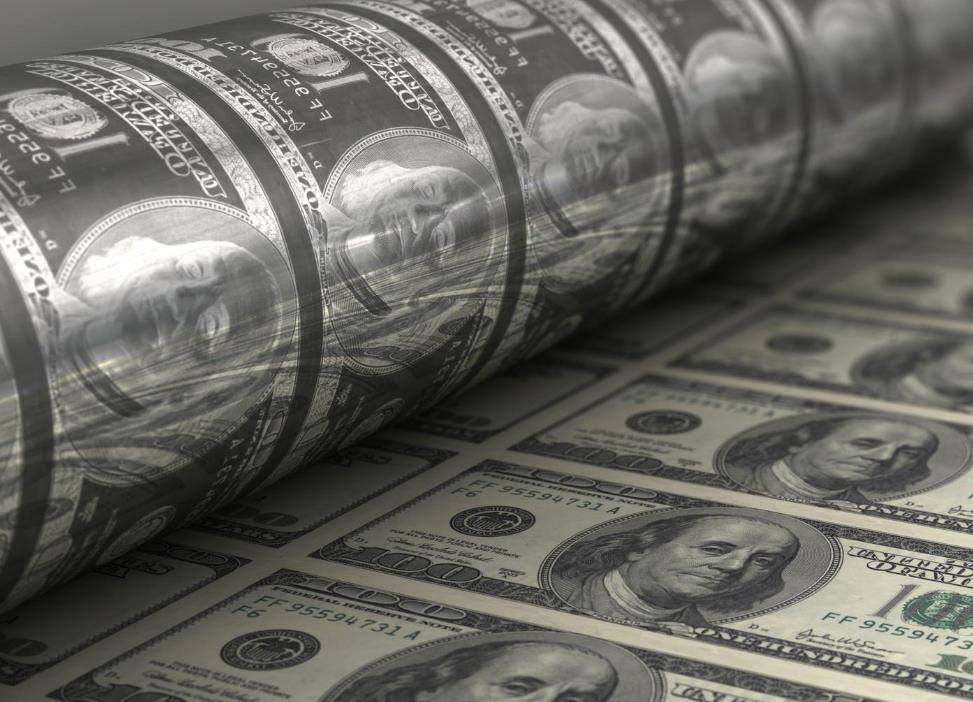
美要对金砖十国下手,第一个举白旗的国家,不出所料还是印度
Sou Hu Cai Jing· 2025-07-16 00:21
印度的"投降式操作"体现在多个方面:匿名官员向媒体放风,淡化印度参与金砖本币结算的意图;外长苏杰生公开强调"去美元化与中国无关",并高调宣称 美印关系处于"历史最好水平";尽管嘴上撇清,但印度却悄悄增加人民币外汇储备,这种自相矛盾的行为被外媒讽刺为"精神分裂式求生术"。 这与巴西总 统卢拉高呼"世界不需要皇帝!"、南非总统拉马福萨斥责美国"报复全球南方"的强硬态度形成鲜明对比。 美元霸权的裂痕:印度的"投降"与金砖国家的反击 一场围绕美元霸权的攻防战正激烈上演。美国总统特朗普挥舞关税大棒,威胁对支持金砖国家"反美政策"的国家加征10%的额外关税,引发全球关注。然 而,面对特朗普的威胁,金砖国家内部却出现了裂痕,印度的"投降式操作"尤为引人注目,成为多极化进程中最刺眼的裂痕,而其他金砖成员国则展现出强 硬姿态,加速去美元化的步伐。 印度的"投降"并非偶然。面对高达457亿美元的巨额对美贸易逆差,以及汽车零部件、IT服务等关键产业对美国市场的依赖,莫迪政府不得不做出权衡。特 朗普要求印度开放农产品市场,这更是触及了印度的政治红线,此前农业改革引发的全国抗议仍历历在目,莫迪政府显然不愿再次冒此风险。此外,印度将 自 ...
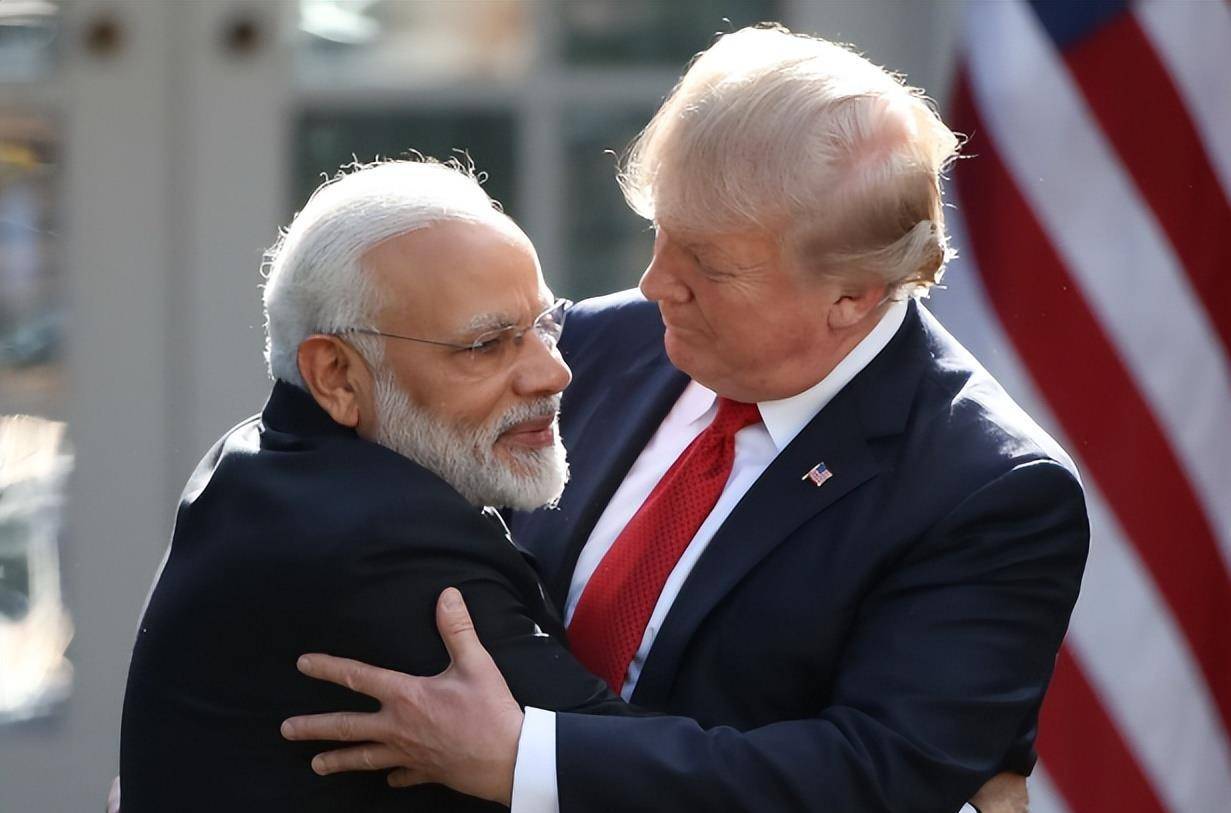
美国关税战对象只剩中国,早期谈判虽有共识但未彻底解决
Sou Hu Cai Jing· 2025-07-15 23:53
Group 1 - The F-35 production line has been disrupted due to a shortage of neodymium-iron-boron magnets, exacerbated by China's rare earth supply cut [1] - The U.S. trade war initiated by Trump has led to significant consequences for American manufacturing, with many companies relocating production to other countries [1][3] - U.S. Customs data shows that China's export share to the U.S. dropped to 12.5% in Q1 2024, while exports to ASEAN surged by 22% [3] Group 2 - The agricultural sector has faced severe challenges, with a 57% increase in bankrupt farms and a 15% drop in land prices in Iowa due to the absence of Chinese buyers [4] - The semiconductor industry is experiencing disruptions, with TSMC's Arizona factory halted due to a lack of neon gas from China [4][8] - The U.S. has seen a significant increase in costs due to tariffs, with the automotive sector alone facing an additional $450 billion in expenses [3][7] Group 3 - The U.S. bears 92% of the tariff costs, while Chinese exporters only absorb 8% [6] - The trade landscape is shifting, with countries like Argentina and Bangladesh increasingly using the renminbi for trade, indicating a decline in U.S. dollar dominance [6][8] - The manufacturing sector is struggling with rising costs and job losses, as evidenced by Ford's layoffs and the closure of GM's Ohio plant [7] Group 4 - The aerospace industry is facing significant challenges, with Boeing's market value dropping by $72 billion due to the loss of the Chinese market [7] - The semiconductor equipment investment in China is now 1.8 times that of the U.S., indicating a growing technological gap [8] - The U.S. is investing heavily in supply chain adjustments, with $3.9 billion allocated to "de-China" supply chain costs [9]


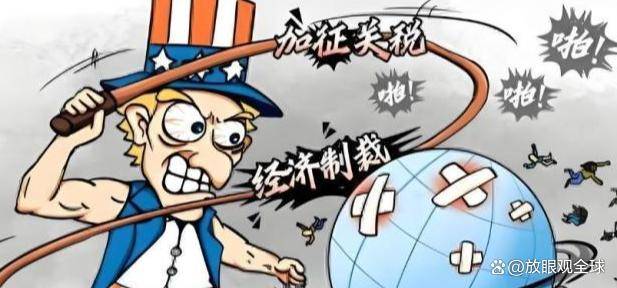
美联储深陷政治风暴:鲍威尔因天价装修费遭特朗普围剿,独立性保卫战一触即发
Sou Hu Cai Jing· 2025-07-15 08:10
Core Viewpoint - The Federal Reserve is facing an unprecedented political storm, with Chairman Jerome Powell being pressured to investigate a $2.5 billion renovation project that has escalated into a battle for the Fed's independence [1][2]. Group 1: Renovation Project Details - The renovation project, which began in 2017, initially had a budget of $1.9 billion but ballooned to $2.5 billion by the time construction started in 2021 due to unexpected technical issues such as asbestos and soil contamination [2]. - The Fed claims the budget overruns are due to unforeseen technical problems, but this has been seized upon by Republican critics who question the use of taxpayer money for what they term a "Federal Reserve Versailles" [2]. Group 2: Political Implications - Recent personnel changes in the oversight office have raised concerns, as three new members are aligned with Trump, with one openly claiming to have evidence to dismiss Powell [3]. - Trump's attacks on Powell have been ongoing for over two years, coinciding with the Fed's decision to maintain interest rates at 5.25%-5.5% [5]. - The political discourse has shifted to challenge the Fed's independence, with suggestions to tie monetary policy to administrative spending, undermining the Fed's constitutional status [5]. Group 3: Broader Financial System Concerns - The current situation reveals deep vulnerabilities in the U.S. financial regulatory system, with warnings that politicizing monetary policy could jeopardize the status of the dollar as a global reserve currency [7]. - The Democratic Party has remained largely silent on the issue, as internal assessments are being made regarding Powell's future and its potential impact on midterm elections [7]. - The ongoing investigation into the renovation project is seen as a precursor to broader challenges facing the credibility of monetary policy decision-makers, with the $2.5 billion renovation bill potentially being the first domino in a larger crisis [7].