
贸易保护主义

Search documents
商务部连续三年发布报告详解美国履行WTO规则义务情况,最新版讲了什么?
Di Yi Cai Jing· 2025-10-18 03:41
Core Viewpoint - The report highlights the unilateral measures taken by the new U.S. government, such as "reciprocal tariffs," which are seen as violations of WTO rules and detrimental to the multilateral trade system [2][5][10] Summary by Relevant Sections U.S. Trade Policy - The report indicates that the U.S. has shifted towards unilateralism and protectionism since 2017, blaming domestic issues on "unfair trade" and using globalization as a scapegoat for its failures [5][8] - The U.S. has implemented various unilateral measures, including the "232 tariffs" on steel and aluminum, which are viewed as a significant departure from WTO principles [6][7] Impact on Global Trade - The unilateral tariffs are expected to reduce global trade volume by 1% by 2025, equivalent to erasing 4% of expected growth, according to World Bank estimates [7] - The uncertainty created by U.S. trade policies is likely to lead to a decline in global merchandise trade volume by 1.5% in 2025, as per WTO predictions [7] Multilateral Trade System Challenges - The U.S. is accused of undermining the multilateral trade system by prioritizing domestic law over international rules, which poses a serious threat to the survival and development of the WTO [8][9] - The U.S. has obstructed the selection of appellate body members in the WTO, leading to a paralysis of the dispute resolution mechanism [8] Call for Compliance and Cooperation - The report urges the U.S. to adhere to WTO rules and eliminate unilateral measures like "reciprocal tariffs" to restore authority and effectiveness to the multilateral trade system [10] - China emphasizes the importance of multilateralism and cooperation, advocating for a return to a rules-based international trading system that benefits all parties involved [10][11]


“鸡蛋不放在一个篮子里”,外贸企业出海寻路新兴市场|广交会现场
Di Yi Cai Jing· 2025-10-17 11:26
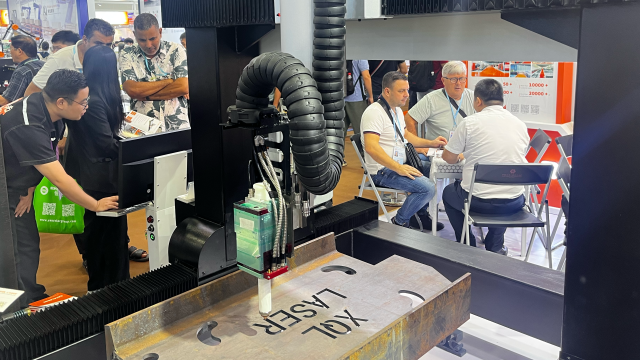
Core Insights - The Canton Fair serves as a barometer for China's foreign trade, reflecting the accelerated trend of Chinese companies expanding overseas [1][3] - In 2024, China's non-financial direct investment abroad reached $168.42 billion, a year-on-year increase of 5.9%, with manufacturing investment growing by 37.3% [1][3] Group 1: Company Expansion and Innovation - Companies like Guangdong Xinquanli Laser Intelligent Equipment Co., Ltd. are establishing offices in multiple countries to enhance their international market presence [1][3] - The introduction of advanced machinery, such as the three-dimensional five-axis multifunctional steel cutting machine, demonstrates innovation aimed at improving efficiency and precision in manufacturing [3] - The company reported a 25%-30% annual growth rate, driven by international market demand, with significant interest from foreign buyers during the Canton Fair [3][4] Group 2: Market Trends and Opportunities - Emerging markets, particularly in South America, are showing increased demand for products due to local policy changes that require enhanced safety measures [4][5] - Companies are increasingly focusing on localized services to better meet customer needs, with examples of firms establishing branches in key regions like Mexico [5] - The trend of "going out" is supported by external demands for infrastructure and manufacturing, particularly in countries involved in the Belt and Road Initiative [3][4] Group 3: Risk Management and Strategies - The SMERI report indicates a rising risk index for small and medium-sized foreign trade enterprises, highlighting the need for proactive risk management strategies [7][8] - Companies are encouraged to diversify their market presence to mitigate risks associated with geopolitical uncertainties [8] - Utilizing export credit insurance is recommended to safeguard transactions, especially when dealing with extended payment terms [8][9] - Collaborative approaches, such as "grouping" for market entry, are suggested to enhance competitiveness and share resources among companies [9]
China's Rare Earth Shock Raises Stakes In Trade War
Youtube· 2025-10-16 18:56
Core Viewpoint - The relationship between the US and China has deteriorated recently, with tensions rising over trade and rare earth supply issues, indicating a significant challenge in reaching a deal [1][2][3]. Group 1: US-China Relations - The US Treasury Secretary's recent comments have escalated tensions, highlighting the personal nature of the disputes [1]. - There is a need for leaders from both countries to engage in dialogue to realign their relations, as the current situation is described as "off the rails" [2]. - The US is attempting to rally support from other nations to respond to China's recent export restrictions on rare earths, which are critical for many economies [5][6]. Group 2: Economic Impact - China's restrictions on rare earth exports are seen as a potential weapon in trade negotiations, with the US arguing that these actions could negatively impact major economies globally [3][4]. - There is a disagreement between the US and China regarding the actual impact of these restrictions, with China downplaying the potential consequences [4]. - The US's protectionist policies are under scrutiny, especially as the ceasefire on higher tariffs is set to expire soon, creating urgency for negotiations [6]. Group 3: Tariffs and Alliances - The US has previously imposed tariffs on various countries, which complicates efforts to form a united front against China, as these tariffs have created resentment among allies [5][7]. - The challenge lies in reconciling the imposition of tariffs while seeking cooperation from affected countries to counter China's influence [9][10]. - There is skepticism about whether the US can maintain strong alliances while simultaneously penalizing these countries through tariffs [10].
商务部:中方将继续推进诉美《通胀削减法》世贸争端案
Zhong Guo Xin Wen Wang· 2025-10-16 18:15
她提到,该补贴以使用美国等特定地区产品作为补贴前提,歧视中国等世贸组织成员产品,严重违反世 贸规则,是滥用补贴政策的贸易保护主义做法。 何咏前说,中方同时注意到,美方并未终止中国诉美《通胀削减法》世贸争端案中清洁能源补贴等其他 违规措施。对此,中方将按照世贸组织规则,继续推进诉讼,坚定捍卫国内产业合法利益,坚决维护以 规则为基础的多边贸易体制。中方期待世贸组织专家组作出公正裁决。(完) (文章来源:中国新闻网) 中新社北京10月16日电(记者尹倩芸)就近期中国诉美《通胀削减法》世贸争端案最新进展,中国商务部 新闻发言人何咏前在16日举行的例行发布会上称,中方将按照世贸组织规则,继续推进诉讼。 中国诉美《通胀削减法》世贸争端案正在专家组审理中,其中新能源汽车补贴涉案措施已于9月30日终 止。何咏前称,对于美方终止该补贴项目,中方认为这是美纠正自身错误的正确一步。 ...
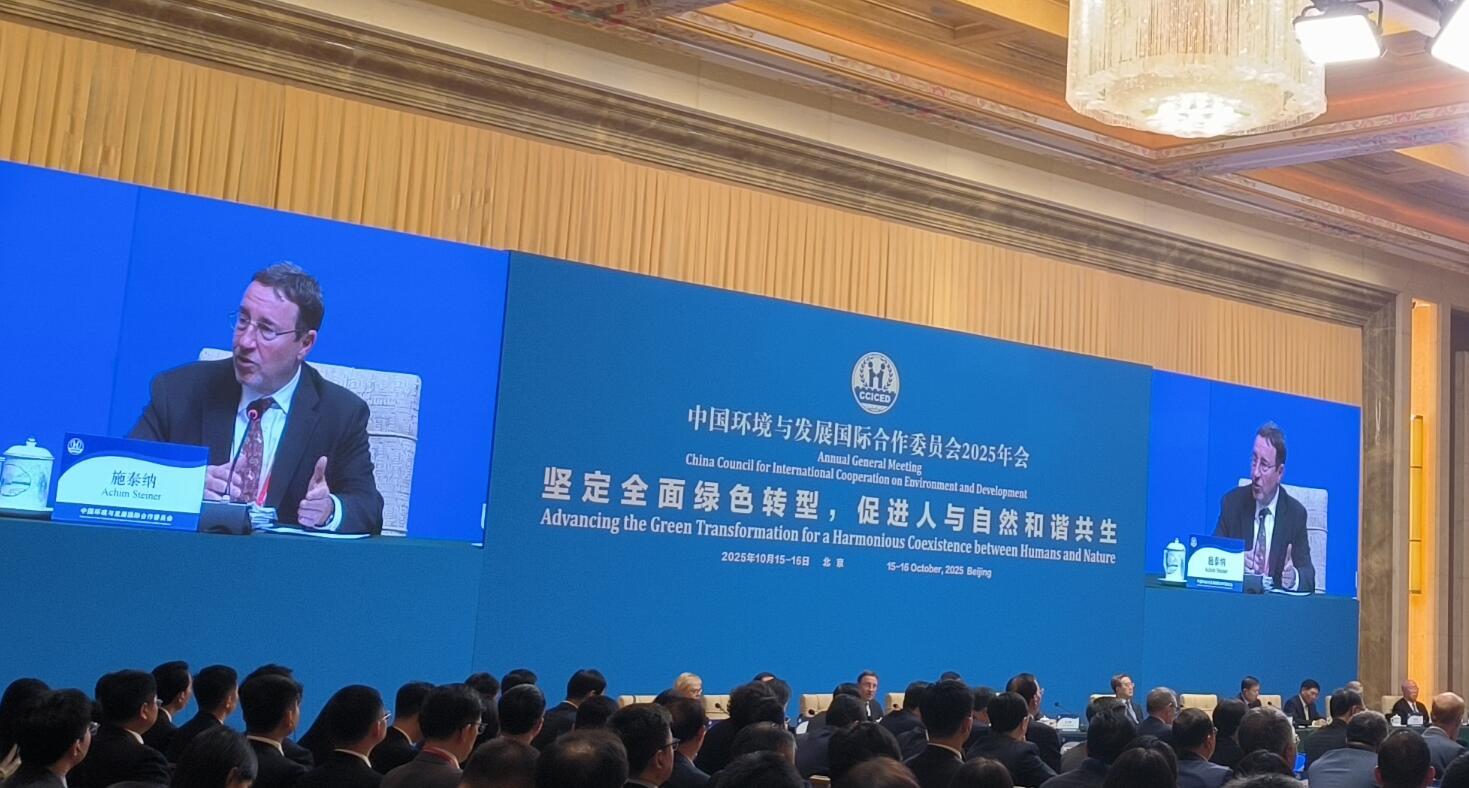
专访联合国开发计划署原署长施泰纳:绿色转型本质是对新型经济形态的投资
Mei Ri Jing Ji Xin Wen· 2025-10-16 15:40
Core Insights - The 2025 Global Turning Point Conference emphasizes that the window for reversing climate change is rapidly closing, with the global climate change irreversible critical point accelerating towards reality [2][3] Group 1: Climate Change and Its Implications - The report indicates that 2024 is projected to be the hottest year on record, highlighting the urgency of addressing climate change [1] - Scientific evidence suggests that climate change impacts are accelerating exponentially, with ecosystems being highly sensitive to changes in fundamental conditions like rainfall and temperature [2] - The Amazon rainforest and ocean systems are cited as examples of ecosystems that could reach critical failure points if temperature thresholds are exceeded [2] Group 2: Global Cooperation and Green Transition - The rise of trade protectionism poses challenges for reshaping global cooperation towards green transition, which is essential for avoiding ecological collapse [3] - Green transition is framed as an investment in new economic forms rather than merely pollution control or ecosystem restoration [2][3] - Renewable energy technologies are now capable of meeting energy demands without compromising the planet's habitability, positioning green transition as the dominant direction for global economic development [2] Group 3: Economic Development and Green Transition - The relationship between economic development and green transition is evolving; sustainable practices in renewable energy and clean transportation can drive economic progress [3][4] - The argument that economic progress must come at the expense of existing economic structures is increasingly viewed as outdated, particularly in the context of China's rapid shift towards clean and sustainable technologies [4] - Investment in renewable energy can provide affordable electricity to impoverished populations, demonstrating that economic choices significantly impact energy accessibility [4]
信息量巨大!商务部回应稀土出口管制、特别港务费、安世半导体等
2 1 Shi Ji Jing Ji Bao Dao· 2025-10-16 13:11
Group 1: Rare Earth Export Controls - The Chinese government has announced significant upgrades to its rare earth export controls, including restrictions on various rare earth products and technologies [1][2] - The measures aim to prevent illegal diversion of rare earths to inappropriate uses, such as weapons, and to enhance national and global security [1] - The controlled items include rare earth magnetic materials and related components, with the government emphasizing that compliant export applications for civilian use will still be approved [2] Group 2: Response to U.S. Shipping Fees - In response to the U.S. imposing port fees on Chinese vessels, China has decided to implement special port fees on U.S. ships as a defensive measure [3] - The Chinese government views the U.S. actions as unilateralism and protectionism that harm both Chinese industries and U.S. economic interests, potentially increasing inflation and affecting port competitiveness [3] - China's countermeasures are described as necessary to maintain fair competition in international shipping and shipbuilding markets [3] Group 3: WTO Dispute Over U.S. Inflation Reduction Act - China is continuing its WTO dispute against the U.S. regarding the Inflation Reduction Act, which discriminates against Chinese products through specific subsidies [4] - The U.S. has terminated certain subsidies related to electric vehicles, which China sees as a corrective step, but other discriminatory measures remain in place [4] - China is committed to defending its domestic industries and maintaining a rules-based multilateral trading system through ongoing litigation [4] Group 4: Dutch Intervention in Semiconductor Sector - The Dutch government has ordered a freeze on the operations of Nexperia, a subsidiary of China's Wingtech Technology, affecting asset and IP adjustments [5] - The Chinese semiconductor industry association has condemned this intervention, arguing it violates market principles and harms the business environment in the Netherlands [5] - China has expressed concerns over U.S. influence in Dutch policies, particularly regarding the "penetration rules" that threaten the rights of Chinese enterprises [5][6] Group 5: Call for Fair Business Practices - China urges the Netherlands to respect market principles and correct its actions to protect the rights of Chinese investors, emphasizing the need for a fair and predictable business environment [6] - The Chinese government is prepared to take necessary measures to safeguard the legitimate rights of its enterprises in response to foreign interventions [6]
世界最大橡塑展会上各方批评美关税扰乱全球产业链
Sou Hu Cai Jing· 2025-10-15 02:26
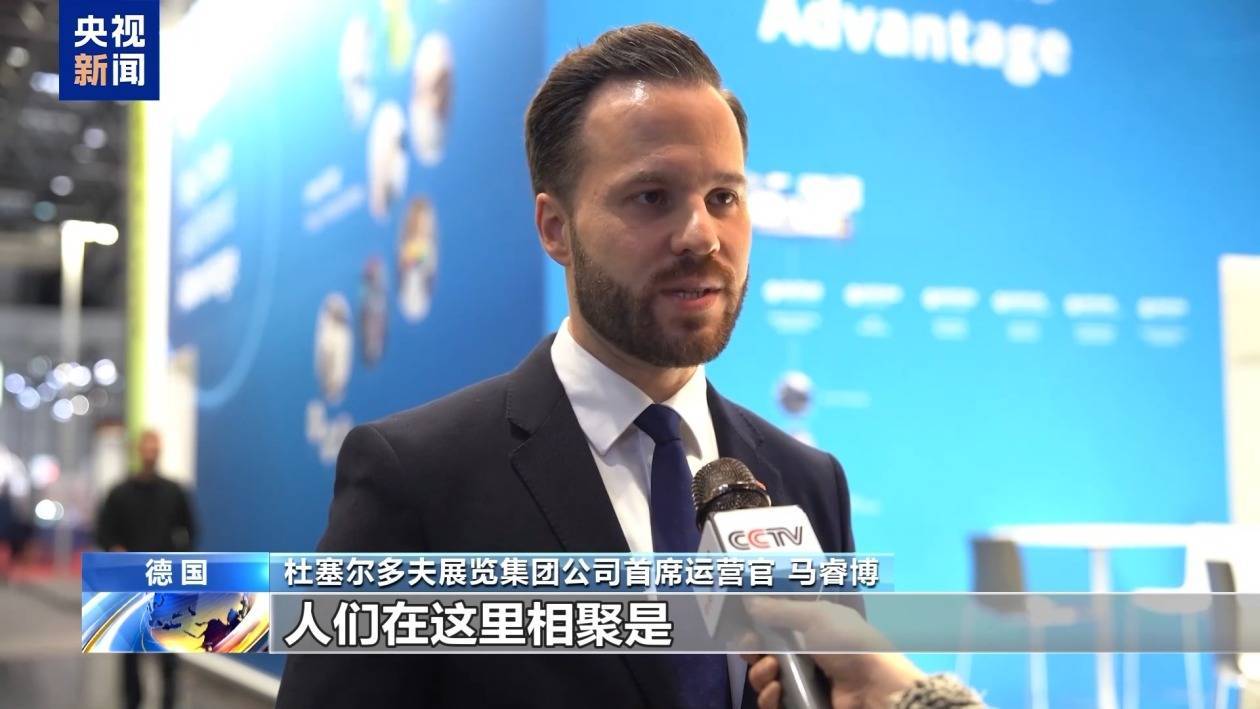
Core Viewpoint - The global plastics and rubber industry is facing significant challenges due to trade barriers and geopolitical tensions, which are undermining market confidence and disrupting supply chain stability [1][8]. Group 1: Trade Barriers and Their Impact - The Düsseldorf International Plastics and Rubber Exhibition highlighted concerns over U.S. tariffs and trade measures, with exhibitors expressing worries about their impact on the industry [1][3]. - Tariff measures have caused notable disruptions at the supply chain level, leading to increased market demand volatility and greater operational pressure on companies [3][5]. - Many exhibitors reported that tariffs have resulted in a loss of direction for businesses, exacerbating the complexities of supply and logistics systems [5][7]. Group 2: Industry Perspectives - Exhibitors emphasized the need for stability in trade policies, as the current environment has led to inventory backlogs and fluctuating demand patterns [5][6]. - There is a widespread criticism of protectionism within the industry, with calls for open trade and cooperation as essential for ongoing innovation and global expansion [8]. - Industry professionals urged policymakers to create a more predictable environment for global supply chains, allowing innovation and sustainable development to thrive without being hindered by political instability [8].
难怪紧急对华求和,特朗普收到坏消息,美国正面临最危险时刻
Sou Hu Cai Jing· 2025-10-15 01:22
10月10日,特朗普在社交平台上一声怒吼,威胁要给所有中国商品扣上高达100%的关税,甚至拟定了11月1日这个生效日期,仿佛要用雷霆万钧之势一举定 乾坤。 言论一出,华尔街立刻上演了一场惊魂记,短短一天之内,美股市场超过1.65万亿美元的市值凭空蒸发。 就在市场以为一场风暴无可避免时,白宫内部却刮起了"降温风"。先是贸易代表格里尔,这位被视为强硬派莱特希泽下属的官员,公开表示不希望发生贸易 战,寻求的是一种"平衡的贸易关系"。 史密森尼学会旗下的几十家博物馆和国家动物园被迫关门谢客,公共服务陷入停滞。航空系统更是乱成一锅粥,由于空管人员短缺,一天之内就有近8000架 次航班延误,超过270架次被直接取消。 在这场国内危机愈演愈烈之时,特朗普却远赴中东,在以色列和埃及参加活动,给外界留下了"领导力真空"的强烈印象。屋漏偏逢连夜雨,最高法院的一纸 判决,暂时阻止了他解除美联储理事莉萨·库克职务的尝试,进一步凸显其行政权力正受到严峻挑战。 短短24小时,从极限施压到紧急灭火,这态度转变之快,让人瞠目结舌。究竟是什么样的国内压力,能让一向强硬的"关税侠"收回自己挥出的重拳?答案, 就藏在美国国内一触即发的危机之中。 ...
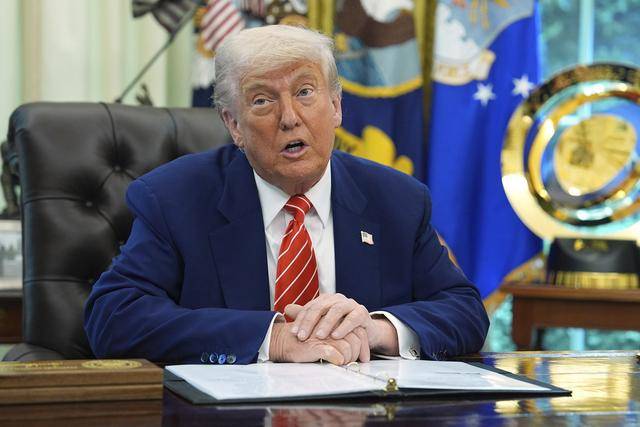
关税政策对美国消费者影响日渐凸显
Ren Min Ri Bao· 2025-10-14 22:12
据美国彭博新闻社报道,美国高盛集团10月12日发布的最新研究显示,关税对美国消费者价格的传导已 进入加速期,这不仅给美国国债市场增添不确定性,更意味着美国消费者正成为关税成本的最终主要承 担者。高盛经济学家埃尔西·彭与戴维·梅里克尔在报告中测算,截至今年6月,除了美国企业为维持市场 份额仍承担64%的关税成本,消费者承担22%;若最新一轮关税延续既往模式,到年底消费者负担比例 将飙升至55%,企业承担比例则降至22%。 美国经济分析局的数据显示,作为美联储核心通胀指标,8月美国核心个人消费支出(PCE)价格指数 同比上涨2.9%,为2月以来新高水平。高盛集团预测受关税推动,年底该指数将升至3%,今年以来关税 已累计推升核心个人消费支出价格0.44%。上游生产端的成本压力更为显著,美国劳工统计局8月发布 数据显示,7月生产者价格指数(PPI)环比涨幅0.9%,为2022年6月以来最大涨幅;同比涨幅达3.3%, 远高于6月份的2.3%和市场预期的2.6%,为今年2月以来最高水平。美国有线电视新闻网指出,生产商 成本的急剧上升,预示着更高价格将很快转嫁给消费者。 高盛集团的报告还指出,美国政府通过一系列关税及贸易限 ...

美国高盛集团等研究报告显示——关税政策对美国消费者影响日渐凸显
Ren Min Ri Bao· 2025-10-14 22:09
据美国彭博新闻社报道,美国高盛集团10月12日发布的最新研究显示,关税对美国消费者价格的传导已 进入加速期,这不仅给美国国债市场增添不确定性,更意味着美国消费者正成为关税成本的最终主要承 担者。高盛经济学家埃尔西·彭与戴维·梅里克尔在报告中测算,截至今年6月,除了美国企业为维持市场 份额仍承担64%的关税成本,消费者承担22%;若最新一轮关税延续既往模式,到年底消费者负担比例 将飙升至55%,企业承担比例则降至22%。 高盛集团的报告还指出,美国政府通过一系列关税及贸易限制措施打乱了全球贸易秩序,尽管美国政府 官员坚称贸易伙伴会承担关税成本,但实际情况是美国进口商需向美国海关及边境保护局缴纳关税,而 当企业将关税成本转嫁时,消费者将面临更高的商品价格。 耶鲁大学预算实验室日前发布研究显示,新加征关税已将美国平均有效关税率推升至18.3%,创1934年 以来最高水平。该实验室评估,这些加征关税预计今年将使美国家庭平均额外支出增加2400美元,其中 服装、鞋类价格短期内可能分别上涨38%和40%。更值得关注的是,关税本质上属于累退税,在短期内 尤为明显。这意味着,如果以税负占收入的比例衡量,收入最低的家庭承担的关 ...