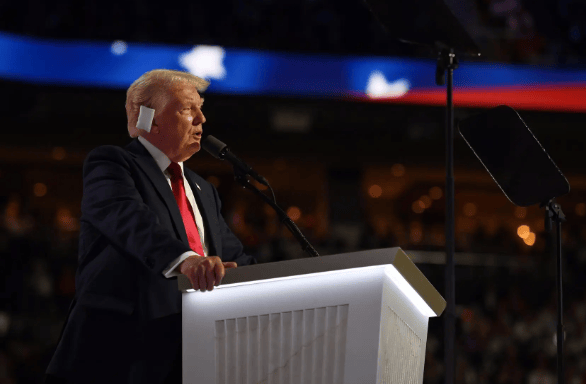
单边主义

Search documents
加拿大全面反华?正式通知中国:加25%关税,中企必须卷铺盖走人
Sou Hu Cai Jing· 2025-07-20 16:09
Group 1 - Canada announced a 25% tariff on all imported steel containing Chinese smelting and casting components starting at the end of July, which has drawn strong criticism from China [2][3] - The Canadian government reduced steel import quotas from non-free trade partner countries to half of 2024 levels, imposing a 50% tariff on excess imports, affecting not only direct imports from China but also products processed by Chinese enterprises in Canada [3][5] - The Canadian steel industry is heavily reliant on the U.S. market, with 75% of its exports directed there, leading to significant operational challenges for Canadian companies due to U.S. tariffs [2][6] Group 2 - Chinese enterprises are evaluating exit strategies from Canada due to increased operational costs and reduced competitiveness following the new tariffs, with some already packing equipment to relocate [5][8] - The agricultural sector in Canada is facing severe repercussions, with a 40% drop in pea prices and significant inventory issues for canola, as China retaliates against Canadian agricultural exports [5][8] - The Canadian government is under pressure to balance its economic relationship with the U.S. while managing the fallout from its actions against China, which could lead to a deteriorating investment environment [8][9] Group 3 - The U.S. government is supportive of Canada's actions as it aligns with their strategy to contain Chinese steel exports, while Canada faces internal criticism for not directly confronting U.S. tariffs [6][9] - The long-term implications of the tariffs may lead to a cooling of China-Canada relations, with potential negative impacts on Canadian employment and investment [8][9] - The trade dynamics are complicated by the fact that Canadian companies may seek to relocate to other countries like Mexico or Vietnam, which also face U.S. tariff risks, complicating supply chain adjustments [8][9]

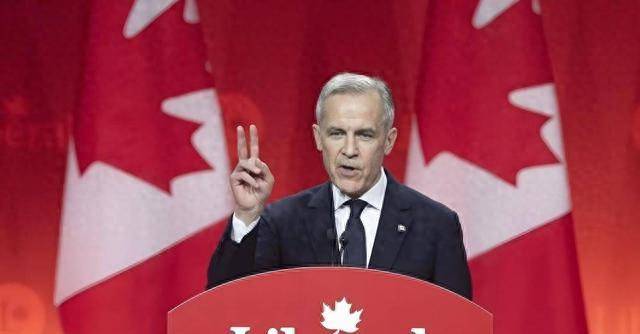
美财长缺席,G20陷入治理真空
Sou Hu Cai Jing· 2025-07-19 01:19
Core Viewpoint - The G20 meeting in South Africa faced significant challenges due to the absence of key officials from multiple countries, particularly the U.S. Treasury Secretary, highlighting a shift towards unilateralism and trade protectionism in global economic governance [1][3][4]. Group 1: U.S. Participation and Global Governance - The absence of the U.S. Treasury Secretary at the G20 symbolizes a fundamental shift in U.S. global governance posture from active participation to an emphasis on "America First" [3][4]. - This lack of U.S. engagement undermines the G20's ability to form a consensus and issue a strong joint statement, reflecting a broader crisis in multilateral cooperation [3][6]. - The G20's role as a platform for major economies to coordinate policies is under unprecedented strain, with the absence of key finance ministers from countries like India, France, and Russia exacerbating the situation [3][6]. Group 2: Trade Protectionism and Economic Fragmentation - The rise of trade protectionism, driven by U.S. tariffs and trade restrictions, is distorting global trade order and transforming "trade liberalization" into a synonym for "trade protectionism" [4][6]. - The increasing trend of economic confrontation and tariff barriers is pushing the global economy towards greater isolation and conflict, with the risk of supply chain disruptions and declining consumer spending [6][9]. - The G20's inability to issue a clear and strong joint statement could render the meeting a mere symbolic event rather than a meaningful platform for cooperation [6][9]. Group 3: Structural Imbalances and Global Challenges - The G20 faces severe structural imbalances, including conflicts of interest between developed and developing countries, rising debt risks, and pressures from climate change [7]. - The lack of active participation from key nations has led to pronounced policy divergences and weakened cooperation, making global unity increasingly elusive [7][9]. - The current geopolitical landscape necessitates a more inclusive and resilient multilateral framework to address the growing uncertainties and confrontations in the global economy [9].
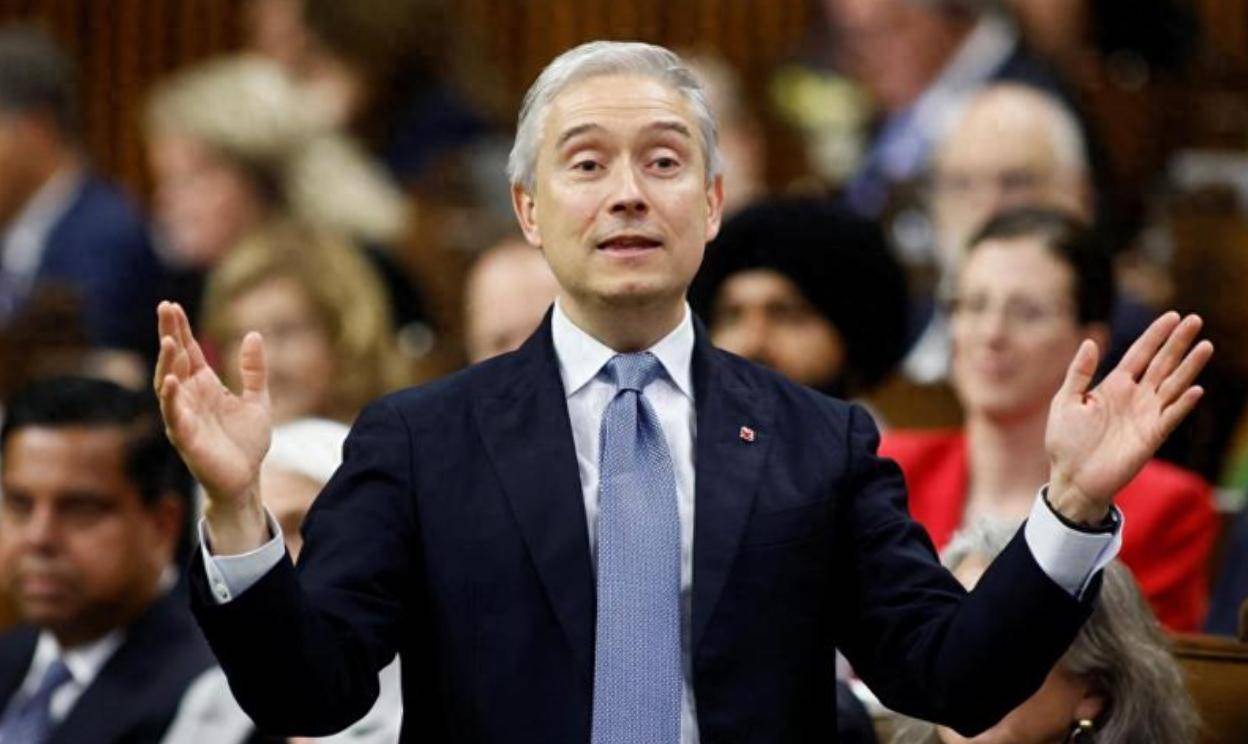
商务部新闻发言人就加拿大政府加严钢铁进口限制措施事答记者问
证券时报· 2025-07-18 09:30
Core Viewpoint - Canada announced new tariffs on steel imports, particularly targeting products containing Chinese steel, citing protection of domestic industries. This move is seen as a violation of WTO rules and a form of unilateralism and protectionism, which China strongly opposes [1]. Group 1: Canada's Tariff Measures - Canada will expand the scope of steel import tariff quotas and tighten existing quotas, imposing additional taxes on imports outside the quota starting August 1 [1]. - A 25% additional tax will be levied on products imported from countries other than the U.S. that contain steel melted and poured in China [1]. Group 2: China's Response - China expressed strong dissatisfaction and opposition to Canada's unilateral measures, arguing that they disrupt international trade and harm China's interests [1]. - The Chinese government pointed out that the main issue affecting Canada's steel industry is the unilateral tariff measures imposed by the U.S., and criticized Canada for shifting the blame to other trade partners, including China [1]. - China urged Canada to correct its actions and stop the restrictive measures to maintain the integrity of multilateral trade systems and the overall economic relationship between China and Canada [1].

中国市场为全球投资者提供优质回报 跨国企业对中国经济增长前景充满信心
Yang Shi Wang· 2025-07-18 06:49
Group 1 - The third China International Supply Chain Promotion Expo (Chain Expo) has gathered over 650 domestic and international enterprises, with more than 65% being Fortune 500 and industry-leading companies [1][4] - China is the only country with a complete industrial system, contributing nearly 30% to global manufacturing value added [2][4][9] - The Chain Expo serves as an important platform for promoting high-level opening-up and is recognized as a global public good amidst threats to global supply chains from unilateralism and trade protectionism [4][6] Group 2 - International participants, including the International Chamber of Commerce and the International Automobile Federation, emphasize the growing importance of the Chain Expo in fostering international cooperation in supply chains [6][8] - China’s dual advantages in supply and demand, along with its deep integration capabilities, position it as a "stabilizing anchor" in the global supply chain [9] - The expo provides opportunities for global investors, with China maintaining a favorable investment environment and offering high-quality returns [10][13] Group 3 - Confidence in China's economic growth is reflected in the data showing that high-tech manufacturing accounted for 11.7% of actual foreign investment in China in 2024 [14] - China's economy has shown a growth rate of 5.3% in the first half of the year, outperforming other major economies, driven by factors such as digitalization and automation [14][16] - The overall outlook for China's economy remains optimistic, even in challenging global conditions [16]
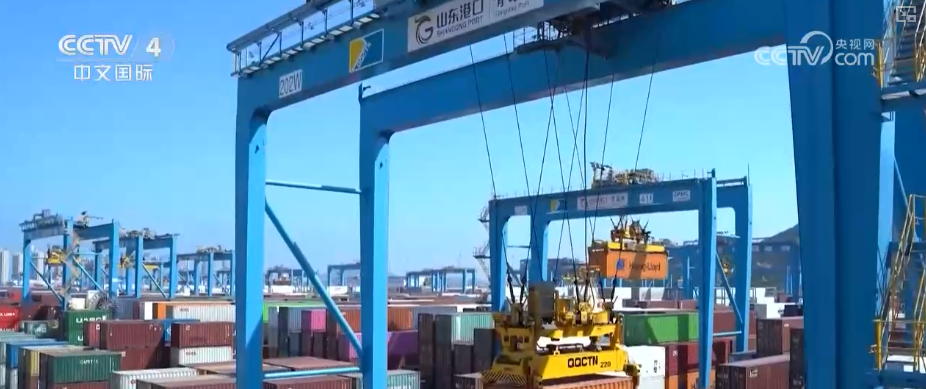
商务部:中国坚定维护多边贸易体制 扩大面向全球的高标准自贸区网络
news flash· 2025-07-18 03:59
Core Viewpoint - The Chinese Ministry of Commerce emphasizes its commitment to maintaining a multilateral trade system and expanding a high-standard free trade zone network globally, amidst challenges posed by unilateralism and protectionism [1] Group 1 - The global governance landscape is undergoing reconstruction during the 14th Five-Year Plan period, with economic globalization facing headwinds [1] - Unilateralism and protectionism are on the rise, significantly impacting the international economic order and governance system [1] - China aims to promote both multilateral cooperation and regional cooperation as complementary strategies [1]
突然加关税,越南被美国“耍了”,越外长向中方示好求援
Sou Hu Cai Jing· 2025-07-18 00:06
美国试图通过提高关税将制造业拉回国内的战略显然是失败的。此举不仅未能达到预期效果,反而将越南推向了中国,这是一种战略上的重大失误。 原本,经过三个月的艰苦谈判,越南与美国就关税税率达成了协议。然而,就在签字临门之际,美国单方面毁约,将关税翻倍。此举不仅让越南政府颜 面尽失,更重创了其经济命脉。越南赖以生存的转口贸易遭受重创,原本通过越南出口到美国的商品,如今面临高达40%的惩罚性关税,几乎被彻底封 杀。这不仅让越南政府预期的关税收入大幅缩水,更让在越投资的企业面临严峻的生存挑战。许多企业,特别是依靠成本优势竞争的越南组装产业,利 润空间被严重压缩,纷纷寻找新的出路。即使是像TCL这样的中国企业,也在加大本地原材料采购比例,以应对日益增长的关税风险,其在越南的市场 份额虽然维持在14.4%,但已显露出应对美国政策压力的姿态。 越南的遭遇为东南亚各国敲响了警钟,也暴露了国际贸易规则的变革。美国单边主义的强势作风日益受到挑战,各国都在寻求更加可靠的合作伙伴。越 南放弃了此前模棱两可的策略,转而加强与中国合作,这并非一时冲动,而是基于长期战略考量做出的理性选择。 莫迪政府因对美妥协而在金砖组织中 地位不稳的教训,也为 ...
商务部部长王文涛会见南非贸易、工业和竞争部部长帕克斯·陶
news flash· 2025-07-17 14:08
相关链接 金十数据7月17日讯,7月17日,商务部部长王文涛在京会见南非贸易、工业和竞争部部长帕克斯·陶。 双方围绕共同应对当前国际贸易局势挑战,加强两国在双多边贸易投资等领域合作深入交换意见。王文 涛表示,在两国元首的战略引领下,中南双方密切协作,双边经贸关系取得了跨越式发展。中方愿同南 方一道,继续挖掘双边贸易潜力,鼓励中国企业赴南投资,深化两国产供链合作,并拓展新能源、数字 经济等领域合作。当前,全球经济秩序遭受单边主义、保护主义严重冲击。希望中南继续加强在世贸组 织、二十国集团、金砖国家等多边框架下沟通协调,共同维护以世贸组织规则为基础的多边贸易体制。 (商务部) 商务部部长王文涛会见南非贸易、工业和竞争部部长帕克斯·陶 ...
国际锐评丨推动中澳关系“进一步向前、向好”正当其时
Yang Shi Xin Wen Ke Hu Duan· 2025-07-17 02:13
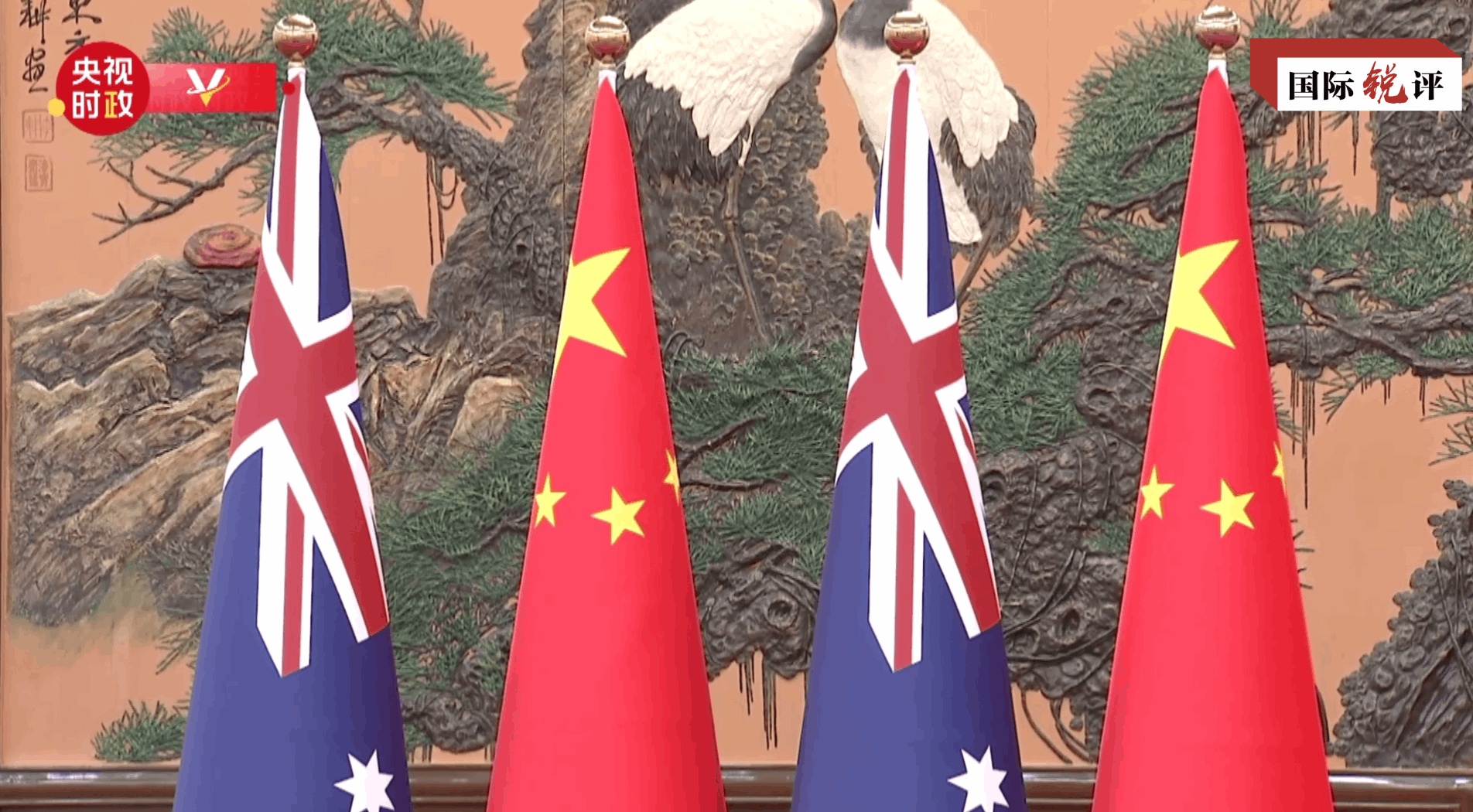
Group 1 - The core focus of the article is on the importance of stabilizing relations between Australia and China, highlighting Prime Minister Albanese's visit to China as a reaffirmation of economic cooperation and dialogue [1][3] - The visit marks the second time Albanese has visited China since taking office, emphasizing the ongoing development of the comprehensive strategic partnership between the two nations [1][3] - The meeting between President Xi Jinping and Prime Minister Albanese resulted in a joint statement agreeing to enhance communication and cooperation in areas of mutual interest while managing differences wisely [1][3] Group 2 - The article discusses the rational and pragmatic approach of the Australian government towards China, indicating a shift in policy planning based on national interests [3] - It notes that the past three years have seen a stabilization and improvement in China-Australia relations, with both sides learning from their experiences [3] - Strategic mutual trust is highlighted as a core element for further development of bilateral relations, with both leaders emphasizing the importance of correct mutual understanding and maintaining peace and cooperation [3][4] Group 3 - Economic cooperation is a key focus of Albanese's visit, with a business delegation accompanying him, and a clear message that Australia does not seek to decouple from the Chinese economy [4] - The article mentions the significance of the high-level free trade agreement signed a decade ago, which has greatly facilitated trade between the two countries [4] - Future cooperation is expected to strengthen in traditional sectors like agriculture and mining, while also expanding into emerging fields such as artificial intelligence, healthcare, green energy, and digital economy [4] Group 4 - The article highlights the increasing closeness between the peoples of both nations, with China being the largest source of international students and tourists for Australia [6] - A new five-year mutual visa arrangement and a unilateral visa waiver policy from China are set to enhance people-to-people exchanges [6] - The emphasis on cultural, sports, education, and tourism exchanges is expected to further strengthen bilateral ties [6] Group 5 - Both countries reaffirmed their commitment to multilateralism and free trade, stressing the importance of the United Nations and the World Trade Organization [6] - The article points out the significance of this cooperation in the current global context, aiming to provide more stability and certainty to the international community [6] - The visit is seen as a step towards promoting a more just and reasonable international order [6] Group 6 - Albanese's visit is framed within the context of Australia's national interests, advocating for a rational approach to relations with China despite existing differences [7] - The article concludes with a hopeful outlook for the future of Australia-China relations, emphasizing the potential benefits for both nations and the broader region [7]
推进普惠包容的经济全球化
Jing Ji Ri Bao· 2025-07-17 01:01
Group 1 - Economic globalization is an inevitable trend driven by the development of social productivity and technological progress, not artificially created by specific individuals or countries [1][2][3] - The essence of economic globalization is characterized by the free flow of goods, capital, information, and services globally, which enhances cooperation and mutual benefits among countries [3][4] - The historical context shows that the significant achievements in economic development and social progress over the past decades are due to the embrace of economic globalization, learning from past conflicts [2][3] Group 2 - Economic globalization is crucial for enhancing people's welfare, as it has led to the rise of global production systems, economic prosperity, and a decrease in global poverty rates [4][6] - The current global economic landscape is marked by challenges such as unilateralism and protectionism, which threaten the progress of economic globalization [5][6] - There is a need for innovation in the concepts, models, and cooperation mechanisms of economic globalization to address its negative impacts and ensure it benefits all nations [6][7] Group 3 - The direction of economic globalization should focus on inclusivity and mutual benefits, addressing the disparities caused by global resource allocation [7][8] - Open economies are essential for national progress, as evidenced by China's development trajectory, which has been significantly influenced by its openness to global markets [9][10] - China has actively participated in and supported economic globalization, contributing to global economic stability and development through various initiatives and reforms [10][11]
不服美国的国家出现了,宣布对美征50%关税,特朗普担忧的来了
Sou Hu Cai Jing· 2025-07-16 07:17
Core Points - The U.S. has announced a 50% tariff on all Brazilian imports starting August 1, escalating tensions in U.S.-Brazil relations [1][3] - Brazil's President Lula has signed an executive order to activate retaliatory measures under the "Commercial Reciprocity Law" [1][5] - The trade dispute is intertwined with political dynamics, as Trump's tariff measures are linked to Brazil's judicial investigations into former President Bolsonaro [3][5] Group 1: Trade Impact - The U.S. had a trade surplus of $7.4 billion with Brazil in 2024, and over the past 15 years, the U.S. accumulated a $410 billion surplus in bilateral trade [3] - Brazil's retaliatory tariffs will target U.S. goods, particularly in agriculture, machinery, and technology, which account for over 65% of U.S. exports to Brazil [5] - The trade war could severely impact U.S. agricultural exports, with Brazil being the second-largest market for U.S. soybeans and corn, and a projected trade volume of $8.7 billion in agricultural products in the first half of 2025 [5] Group 2: Economic Consequences - The escalation of the trade war may lead to a 0.8 percentage point reduction in economic growth in Latin America, according to the IMF [8] - The U.S. Chamber of Commerce warns that the trade conflict could result in the loss of over 200,000 jobs in the U.S. [6] - Consumer Technology Association estimates that the tariffs could increase prices of U.S. electronic products by 8% to 12% [6] Group 3: Political and Strategic Implications - Lula's criticism of the dollar's dominance and his proposal to increase the use of local currencies among BRICS nations may accelerate the de-dollarization process [5] - The trade dispute highlights contradictions in U.S. foreign policy, as domestic political polarization undermines coherent policy-making [8] - Brazil is considering long-term strategies to counter U.S. actions, including limiting U.S. investments and enhancing technology transfer scrutiny [8]