双碳目标

Search documents
溯源管理全面升级 全链条管理废旧动力电池回收利用
Jing Ji Ri Bao· 2026-01-21 23:50
Core Viewpoint - The introduction of the "Interim Measures for the Recycling and Comprehensive Utilization of Waste Power Batteries from New Energy Vehicles" marks a new phase in the standardized management of waste battery recycling in China, addressing the increasing volume of waste batteries expected to exceed 1 million tons by 2030 [1][2]. Group 1: Regulatory Framework - The new management measures enhance legal constraints and provide a solid guarantee for addressing management bottlenecks in the recycling of waste batteries [2][3]. - The previous regulations from 2018 will be abolished, and a digital identification system for batteries will be established to monitor their lifecycle and ensure compliance [3][4]. Group 2: Industry Standards and Responsibilities - The measures set new requirements for the scope of comprehensive utilization and the conditions for enterprises involved, emphasizing the need for compliance with environmental and safety standards [5][6]. - The government has established a recycling network across 31 provinces and cultivated 148 key enterprises to lead industry development [4][6]. Group 3: Social Participation and Public Awareness - The measures call for collective responsibility from all stakeholders, including consumers, who are urged to understand battery recycling processes and ensure proper disposal [8]. - The initiative aims to integrate policies, technology, and market resources to promote a standardized, efficient, and green transformation of the waste battery recycling industry, supporting sustainable development and carbon neutrality goals [8].
10万亿千瓦时的信心与动力
Xin Lang Cai Jing· 2026-01-21 22:38
Core Insights - In 2025, China's total electricity consumption is projected to exceed 10 trillion kilowatt-hours for the first time, reaching 10.4 trillion kilowatt-hours, marking a 5% year-on-year increase, solidifying China's position as the world's largest electricity consumer [2][3] - This significant electricity demand reflects the robust growth of China's economy, industrial activities, and the increasing energy needs of its population, showcasing the country's manufacturing strength and market potential [3][4] Electricity Demand and Economic Growth - The electricity consumption growth is achieved alongside a decline in energy consumption per unit of GDP, indicating more efficient production and higher quality development outcomes [3] - The optimization of industrial structure is evident, with high-end manufacturing sectors such as new energy vehicles and wind power equipment experiencing growth rates exceeding 20% and 30% respectively [3] - The rapid development of the digital economy and emerging technologies has led to a surge in electricity demand, particularly in new infrastructure like charging stations and 5G base stations, with related sectors seeing over 30% growth in electricity consumption [3] Green Energy Transition - Concerns about increased fossil fuel dependency due to rising electricity demand have been addressed, as non-fossil energy sources now account for over 60% of installed capacity, with wind and solar power leading globally [4] - One-third of the total electricity consumed is now green energy, indicating a decoupling trend between electricity consumption growth and carbon emissions [4] Social and Economic Implications - Urban and rural residential electricity consumption is projected to grow by 6.3%, with the tertiary sector and residential use contributing to 50% of the overall electricity consumption increase [4] - Continuous upgrades to rural power grids and the proliferation of household appliances are enhancing the quality of life, while new electricity demands from electric vehicles and smart homes are emerging [4] Challenges and Technological Empowerment - The substantial electricity demand poses challenges for the planning, construction, scheduling, and supply capabilities of the electricity system [5] - A national energy production and transmission network has been established to ensure stable and reliable electricity supply, which is crucial for optimizing the business environment and supporting industrial supply chains [5] - Addressing the imbalances in electricity consumption across regions and ensuring the electricity system meets the dual carbon goals while maintaining supply and economic efficiency remains a long-term challenge [5] - Technological advancements in clean energy, energy storage, smart grids, and energy pricing mechanisms are essential for optimizing energy resource allocation nationwide [5]

方大特钢两台65MW超高温亚临界煤气发电机组 全面并网发电
Zhong Guo Zheng Quan Bao· 2026-01-21 21:07
Core Viewpoint - Fangda Special Steel has successfully connected its ultra-high temperature subcritical gas power generation Unit 2 to the grid, marking a significant advancement in the efficient utilization of surplus gas and aligning with national carbon reduction goals [1] Group 1: Project Overview - The ultra-high temperature subcritical power generation project includes two 65MW generator units, which are part of a key technological upgrade to support the national "dual carbon" objectives [1] - The project utilizes advanced domestic technology, featuring two 220t/h ultra-high temperature subcritical gas boilers and two 65MW steam turbines, significantly improving power generation efficiency compared to traditional units [1] Group 2: Environmental Impact - The project is expected to generate an additional 680 million kilowatt-hours of electricity annually, reducing the company's reliance on purchased electricity and decreasing carbon emissions by 364,900 tons per year [1] Group 3: Management and Efficiency - The project was executed with meticulous management throughout its lifecycle, ensuring high standards and efficiency, which contributed to the successful grid connection of Unit 2 [2] - The centralized control of the main control systems for the two 65MW generator units enhances both power generation efficiency and management effectiveness, with plans to extend this centralized control to other power supply systems within the company [2]

技术成熟、场景适配绿色甲醇汽车助力交通能源体系多元重构
Xin Lang Cai Jing· 2026-01-21 20:32
Core Viewpoint - The transition to green and low-carbon energy is significantly influencing the evolution of automotive technology, with green methanol vehicles emerging as a key pathway for energy conservation and carbon reduction in the automotive industry, particularly in the commercial vehicle sector [1][2]. Group 1: Energy Transition and Automotive Technology - The global energy landscape is undergoing profound changes, accelerating the shift towards diversified and low-carbon energy sources, which drives the diversification of automotive energy technologies [2]. - Future automotive technology will feature a dominant role for new energy sources, with various technological routes coexisting to meet diverse transportation needs [2]. Group 2: Green Methanol as a Secondary Energy Source - Methanol can be produced through various pathways, including traditional fossil fuels, CO2 hydrogenation, and biomass conversion, with green methanol derived from renewable resources achieving zero carbon emissions over its lifecycle [3]. - Green methanol can convert unstable renewable energy into a storable and transportable liquid fuel, enhancing the absorption of new energy [3]. - Methanol vehicles are particularly advantageous in heavy-duty transport and harsh environments where electrification is challenging, while electric vehicles are more suited for short-distance applications [3]. Group 3: Carbon Reduction and Economic Benefits - The issues previously associated with methanol as a fuel, such as corrosiveness and low-temperature starting difficulties, have been largely resolved, leading to the commercialization of methanol internal combustion engines and hybrid technologies [4]. - Vehicles using low-carbon methanol have lower carbon emissions than diesel and natural gas vehicles, while those using green methanol can have even lower lifecycle emissions than current electric vehicles powered by conventional grids [4]. - Despite the current high cost of green methanol, forecasts suggest that costs will decrease with the reduction of green electricity prices and the advancement of large-scale production [4]. Group 4: Policy Support for Green Methanol - The Chinese government actively supports the development of green methanol technologies and industries, including listing "electrolysis of water to produce hydrogen and CO2 catalytic synthesis of green methanol" as an encouraged project [5]. - Various policies have been introduced to promote the application of green methanol in vehicles, establishing a relatively sound system for product access, policy management, and standard certification [5]. Group 5: Recommendations for Industry Development - To promote the sustainable development of the green methanol vehicle industry, it is recommended to strengthen policy guidance and implement low-carbon fuel promotion projects [6]. - Establishing a unified national standard for green methanol is essential to ensure international trade competitiveness and guide domestic production towards lower carbon emissions [7]. - Expanding the application of green fuels in transportation, particularly in heavy-duty vehicles and shipping, is crucial for enhancing the utilization of green hydrogen and methanol [8].
浙江巨化股份有限公司董事会九届二十三次(通讯方式)会议决议公告
Shang Hai Zheng Quan Bao· 2026-01-21 19:33
Core Viewpoint - Zhejiang Juhua Co., Ltd. has announced a significant asset impairment provision of 320.89 million yuan for its subsidiary, reflecting challenges in its production facilities and market conditions, while also projecting a substantial increase in net profit for 2025 [2][6][9]. Group 1: Asset Impairment Provision - The company has decided to recognize an asset impairment provision totaling 320.89 million yuan for its production facilities, including cyclohexanone, caprolactam, and dibutyl oxime production units [2][6]. - The impairment provision includes 99.55 million yuan for the cyclohexanone unit, 206.71 million yuan for the caprolactam unit, and 14.63 million yuan for the dibutyl oxime unit [6]. - The decision to recognize the impairment is based on the outdated technology of the cyclohexanone unit, ongoing losses in the caprolactam unit due to market conditions, and the cessation of operations for the dibutyl oxime unit since September 2025 [4][5][6]. Group 2: Financial Performance Forecast - The company expects its net profit attributable to shareholders for 2025 to be between 3.54 billion yuan and 3.94 billion yuan, representing an increase of 1.58 billion yuan to 1.98 billion yuan compared to the previous year, which translates to a growth rate of 80% to 101% [9][11]. - The projected net profit, excluding non-recurring gains and losses, is estimated to be between 3.514 billion yuan and 3.914 billion yuan, indicating an increase of 1.611 billion yuan to 2.011 billion yuan, with a growth rate of 85% to 106% [11][15]. - The primary drivers for this significant profit increase are the recovery in prices of core products, particularly fluorinated refrigerants, and stable production and sales volumes [15][16]. Group 3: Operational Adjustments - The company has implemented measures to optimize its asset structure and focus on its core business in fluorinated and chlorinated new materials, which aligns with its long-term interests [6][16]. - The company has actively managed production and market challenges, ensuring stable production and sales to enhance quality and efficiency [16]. - The asset impairment provision is part of the company's strategy to reflect its asset status accurately and improve financial reporting [6][7].

商道创投网·会员动态|本元智慧·完成数千万元新一轮融资
Sou Hu Cai Jing· 2026-01-21 16:37
Core Viewpoint - Benyuan Smart Technology Co., Ltd. has recently completed a new round of financing worth several tens of millions, led by Yida Capital, to accelerate product development, expand team size, and enhance market expansion efforts [2][4]. Company Overview - Benyuan Smart was established in 2021 and focuses on magnetic levitation technology, with self-developed high-speed motors and control technology at its core. The company has developed a diverse product lineup, including magnetic levitation blowers, vacuum pumps, air compressors, and flywheel energy storage systems, which are widely used in various industries such as thermal power, environmental protection, chemicals, coal mining, papermaking, and pharmaceuticals, demonstrating strong market competitiveness [3]. Financing Purpose - The financing will primarily be used to accelerate new product development, enhance innovation capabilities in the magnetic levitation technology field, expand the team to attract more talent, and increase market expansion efforts to promote product commercialization in more fields, supporting the company's broader market coverage in the context of carbon neutrality goals [4]. Investment Rationale - Yida Capital's investment in Benyuan Smart is based on the company's strong accumulation and research capabilities in magnetic levitation technology. The core team has achieved autonomy in magnetic bearings and high-speed motors, with product performance reaching international leading levels. The market demand for magnetic levitation equipment is experiencing sustained high growth against the backdrop of carbon neutrality goals and stricter global energy efficiency standards, with Benyuan Smart's products having broad application prospects in high-end fields such as electricity, petrochemicals, data centers, biopharmaceuticals, and semiconductors [5]. Investment Ecosystem Perspective - The financing event reflects the current venture capital ecosystem's emphasis on high-end manufacturing. Recent government policies have supported entrepreneurial investment, promoting industry development. There is an increasing focus on high-end manufacturing, such as magnetic levitation technology, with enhanced responsiveness and execution from industry practitioners. The technical strength and market potential of Benyuan Smart are recognized, and there is an expectation for the company to achieve greater breakthroughs in technological innovation and market expansion [6][7].
山东17所“新大学”密集布局
Xin Lang Cai Jing· 2026-01-21 16:26
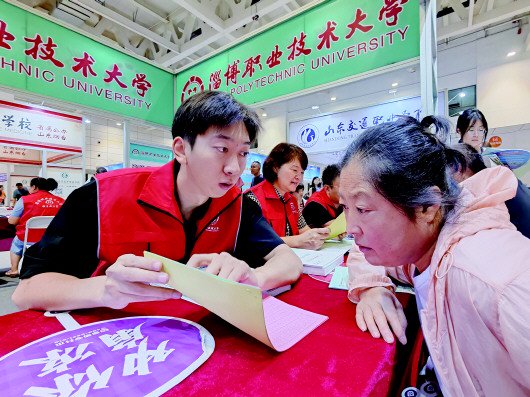
Group 1 - The establishment of Zibo Vocational Technical University marks a significant step in the development of public vocational higher education in Shandong Province, with the first batch of six undergraduate vocational programs set to enroll 22,000 full-time students [2] - Following Zibo's lead, other institutions such as Binzhou Vocational College and Rizhao Vocational Technical College are also planning to upgrade to vocational technical universities, indicating a trend towards enhancing vocational education in the region [2] - The Shandong Provincial Education Department has announced plans to upgrade several vocational colleges to undergraduate status, reflecting a commitment to improving the quality and accessibility of vocational education [3][4] Group 2 - New institutions in Shandong are being established with a focus on health, technology, and intelligent sectors, aligning educational offerings with regional industrial needs [3][4] - The introduction of new colleges such as Binzhou Health Technology Vocational College and Dezhou Intelligent Technology Vocational College highlights the emphasis on health and smart technology education [3][4] - Shandong's adjustment of approximately 20% of its higher education disciplines demonstrates a proactive approach to optimizing academic structures in response to emerging technologies and industries [4][5] Group 3 - The proposed establishment of Qilu University of Traditional Chinese Medicine and Linyi Institute of Technology reflects a broader strategy to elevate historically significant vocational institutions to undergraduate status [5] - The transition of Dongying Technology Vocational College from a private to a public institution signifies a shift towards more stable financial support for vocational education [5][6] - The renaming of Binzhou Medical College to Shandong Medical University is a strategic move to enhance its recognition and specialization in the medical field [6] Group 4 - The rapid development of 17 new higher education institutions in Shandong since March 2025 indicates a robust response to the demand for diverse and high-quality talent in the region [7] - The focus on health, intelligent, and ecological fields in new institutions reflects a strategic alignment with national priorities and regional economic development [7]
当2.8万亿能源巨无霸降临
36氪· 2026-01-21 14:33
Core Viewpoint - The merger between Sinopec and China Aviation Oil aims to create a national energy powerhouse that can compete with international giants while focusing on carbon neutrality and supply chain security [4][6]. Group 1: Merger Announcement and Initial Actions - The merger announcement on January 8, 2026, revealed the formation of a new entity with total assets of nearly 2.8 trillion yuan and annual revenue exceeding 3 trillion yuan [4]. - Both companies have initiated the integration of their production and procurement systems, establishing a working group to optimize the supply chain from refineries to fuel pumps [5][9]. - The core principle of the merger is "professional integration" rather than mere scale expansion, indicating a shift in competition from channel-based to efficiency and cost-based [6][7]. Group 2: Industry Impact and Reactions - The merger has triggered a restructuring of the aviation fuel supply chain, affecting upstream suppliers, midstream refiners, and downstream airlines [5][16]. - Smaller refining companies and independent traders are feeling pressure as the procurement system is expected to favor Sinopec, potentially reducing orders from China Aviation Oil by at least 30% in the next couple of years [19]. - Some companies are exploring alliances with other large refiners to enhance their bargaining power and are reassessing direct supply options to airports [19][20]. Group 3: User Perspective and Concerns - Airlines, as the end users of aviation fuel, are closely monitoring the merger's impact on their procurement costs, which typically account for over 30% of their total operating expenses [28]. - While the merger could enhance supply stability and reduce costs, there are concerns about diminished bargaining power as China Aviation Oil and Sinopec become a single entity [28][29]. - Airlines are exploring alternative supply channels and considering sustainable aviation fuel (SAF) as a key variable in future negotiations [32][33]. Group 4: Regulatory and Future Considerations - The merger raises questions about market competition and potential monopolistic behavior, prompting expectations of regulatory scrutiny from the State Administration for Market Regulation [35][36]. - The integration is also seen as a step towards accelerating the decarbonization of the aviation industry, with both companies having complementary strengths in SAF technology and distribution networks [36][37]. - Successful implementation of the merger will depend on optimizing the value chain and enhancing global competitiveness while navigating regulatory challenges [38].


2026-2032年能量路由器行业深度研究及趋势前景预判专项报告
Xin Lang Cai Jing· 2026-01-21 13:49
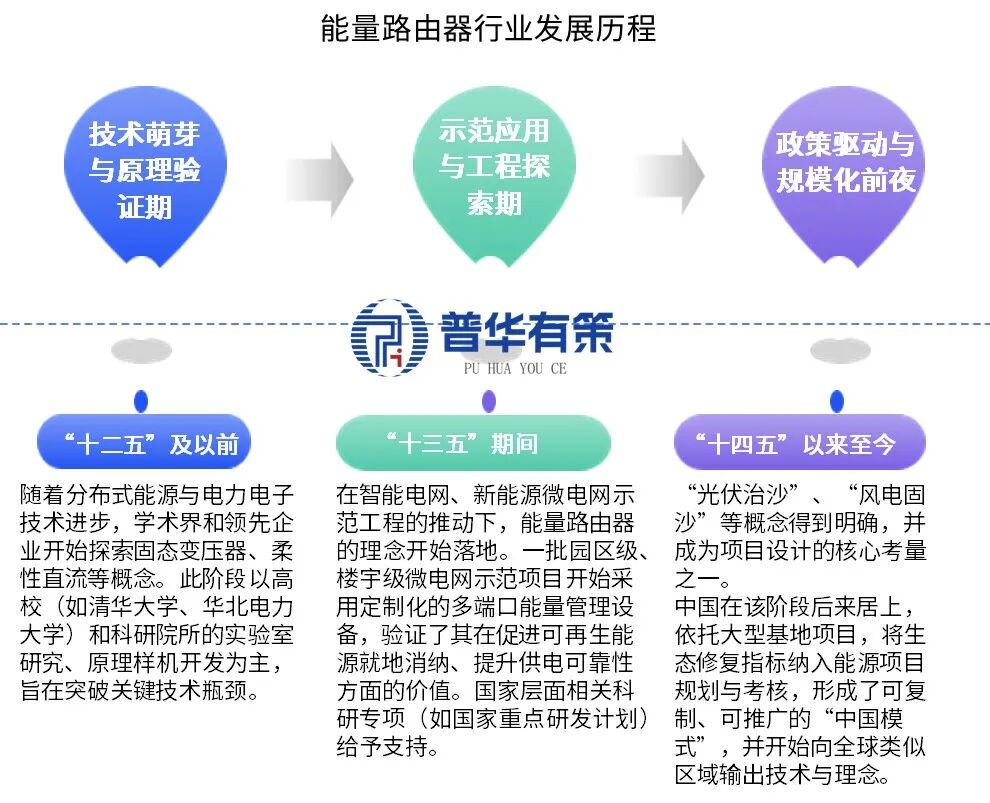
Industry Overview - The concept of "energy router" is not yet standardized in official Chinese documents, but its core functions align with national definitions for the high-quality development of new power systems and distribution networks [1] - Energy routers are seen as key physical carriers for integrating large-scale distributed renewable energy, supporting new energy storage, and enabling two-way interaction with users [1] - They represent a new generation of power electronic, digital, and intelligent distribution equipment, essential for flexible energy conversion, precise control, optimized distribution, and information coupling [1] Industry Development Stages - The industry is transitioning from demonstration applications to large-scale commercialization, with continuous iterations in technology routes (e.g., next-generation products based on SiC) and decreasing costs [4] - Market demand is shifting from grid-side driven "rigid upgrades" to user-side "economic-driven" dual forces, with accelerated product standardization, although mature business models are still being explored [4][26] Industry Value Chain Summary - The energy router industry chain includes upstream raw materials and core components, midstream equipment manufacturing and system integration, and downstream application investment and operation services [5] - Upstream components include power semiconductor devices (IGBT/SiC modules), high-frequency magnetic materials, specialized control chips, sensors, and high-end capacitors, which are crucial for performance and cost [5] - The domestic production rate of IGBT is increasing, but high-end SiC devices still rely on imports, highlighting a need for strengthening the supply chain [5][27] Key Drivers of Industry Development - The energy router industry's growth is driven by multiple macro forces [29] - Strong policy support is fundamental, with the "dual carbon" goal setting the tone for energy transformation and clear quantitative targets for distributed renewable energy by 2030 [30] - The structural changes in energy supply and demand, driven by the explosive growth of distributed solar and wind energy, necessitate the upgrade of traditional passive distribution networks to active smart grids [31] - The arrival of a technological economic inflection point, with declining costs of power electronics and energy storage, makes the construction of complex power electronic systems feasible [32] - The deepening of electricity market reforms provides clear economic returns for energy routers, stimulating investment in related technologies and business models [33] - Increasing frequency of extreme weather events raises societal demands for reliable power supply, making energy routers essential for resilient distribution networks [34] Industry Trends - The industry faces significant technological barriers due to the multidisciplinary nature of energy routers, requiring long-term technical accumulation and continuous R&D investment [37] - High market and qualification barriers exist, as new products must undergo lengthy testing and certification processes to meet stringent safety and reliability standards [38] - Capital and scale production barriers are prominent, as substantial and ongoing capital investment is needed for R&D, testing, and achieving cost competitiveness [38] - System integration and ecological barriers are critical, as future competition will focus on comprehensive solutions and ecosystem integration, necessitating strong design and development capabilities [39]
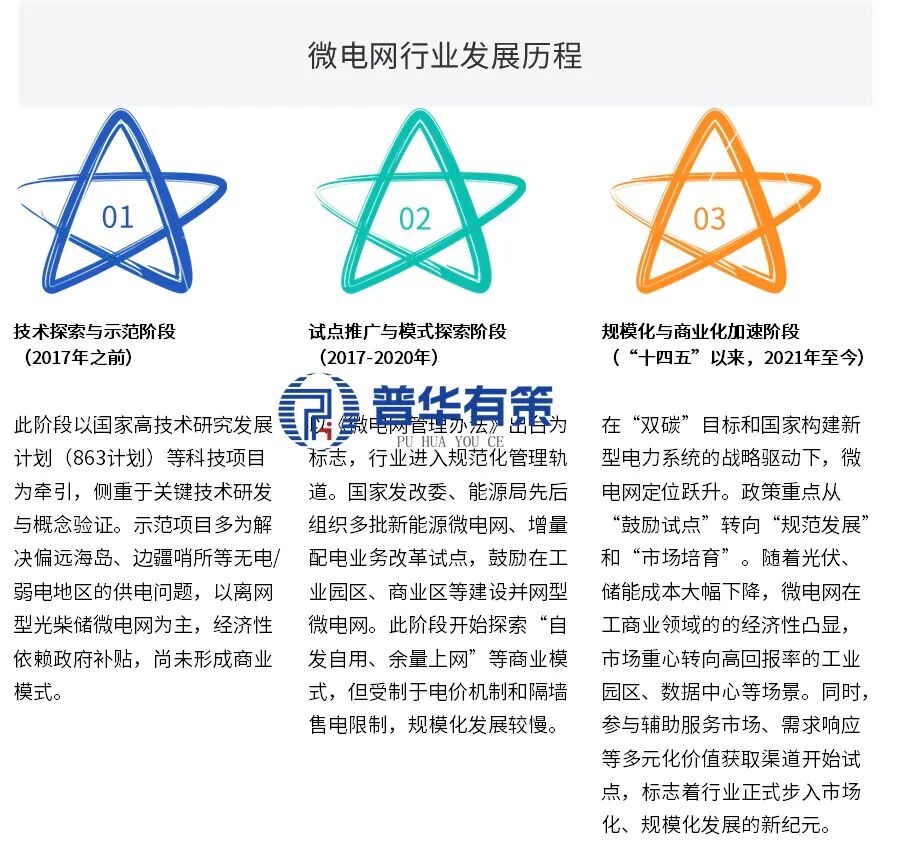
“十五五”微电网行业深度研究及趋势前景预测专项报告
Xin Lang Cai Jing· 2026-01-21 13:49
Core Insights - The microgrid sector is poised for significant growth, driven by the urgent need for energy security and the push for green, low-carbon development as emphasized in the 2025 Central Economic Work Conference [1][20] - The "14th Five-Year Plan" is expected to reinforce energy independence and green transformation, providing a stable policy outlook for the industry [1][20] Industry Development Overview - Microgrids are small-scale power systems that can operate independently or in conjunction with the main grid, consisting of distributed energy sources, loads, and control systems [2][21] - The Chinese microgrid industry is entering a phase of scale development, with rapid growth in installed capacity and diverse application scenarios [3][24] Industry Chain Summary and Impact - The microgrid industry chain is structured like a pyramid, with upstream, midstream, and downstream components that significantly influence costs, performance, and expansion speed [4][25] - Upstream includes distributed energy sources, storage systems, and core software, where recent cost reductions in photovoltaic components and lithium batteries have been pivotal for commercialization [4][25] - Midstream focuses on system integration and solution provision, where the ability to integrate various technologies and manage projects effectively is crucial for reliability and efficiency [5][26] - Downstream applications span various sectors, including industrial parks and public institutions, with distinct demands driving the need for customized and efficient products and services [6][27] Competitive Landscape - The Chinese microgrid market features a "four-pillar" competitive structure, with major players categorized into four camps: state-owned enterprises, renewable energy technology giants, specialized energy service providers, and international industrial leaders [7][28] - The first camp includes state-owned enterprises with strong grid integration capabilities, while the second camp consists of technology leaders providing integrated solutions [8][29] - The third camp focuses on specialized energy service providers that cater to specific market segments, and the fourth camp includes international brands leveraging AI and cloud computing [9][30] - The market remains fragmented, with no single dominant player, and future competition will hinge on creating or integrating into an open, collaborative ecosystem [10][31] Industry Opportunities and Trends - The microgrid sector is entering a strategic opportunity period, expected to become a model for integrated energy systems, driven by AI applications that enhance economic viability [11][32] - Key growth drivers include the demand for distributed solar energy storage, energy infrastructure in rural revitalization, and emergency power supply needs during extreme weather [11][32]