
全球贸易

Search documents
IMF总裁:全球经济的真正考验可能即将到来
Sou Hu Cai Jing· 2025-10-08 20:51
Group 1 - The core viewpoint is that the global economy is better than expected but has not reached the necessary level, with signs of potential challenges ahead [1] - The current global landscape is undergoing profound changes due to geopolitical factors, technological revolutions, demographic shifts, and environmental damage, leading to a significant rise in uncertainty [1] - The impact of tariff policies has not yet fully manifested, with potential inflationary pressures arising from compressed corporate profits in the U.S. and a shift of goods to other markets [1] Group 2 - A loose financial environment is masking underlying weaknesses, and a significant valuation correction could tighten financial conditions, adversely affecting global economic growth, particularly for developing countries [1] - Despite disruptions, global trade largely continues to follow established rules, and there is a call for countries to maintain trade as a key engine for economic growth [1] - The International Monetary Fund (IMF) predicts a global GDP growth rate of 3% for this year, with a slowdown expected in 2024, and will update its economic growth forecasts during the upcoming annual meeting [2]
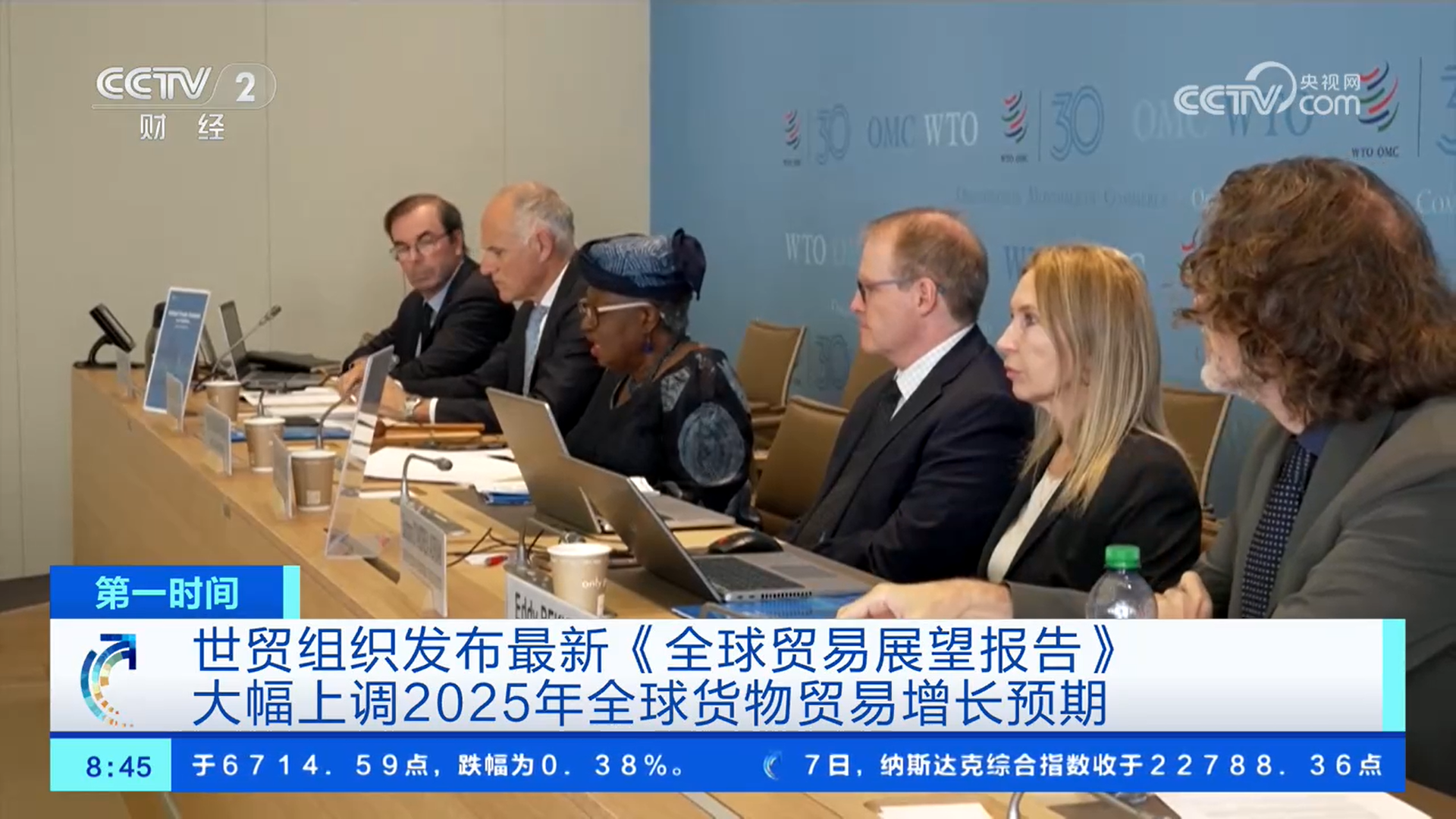
世贸组织大幅上调2025年全球货物贸易增长预期
Sou Hu Cai Jing· 2025-10-08 09:51
Group 1 - The core viewpoint is that despite strong headwinds from unilateral tariff measures and trade policy uncertainties, global trade shows resilience due to the stability provided by the multilateral trading system and appropriate responses from members to tariff changes [1] Group 2 - The latest Global Trade Outlook Report indicates that global trade volume is expected to grow significantly by 4.9% year-on-year in the first half of 2025, driven by factors such as "stockpiling" in the U.S. due to anticipated tariff increases, improved macroeconomic conditions, and surging demand for artificial intelligence products [3] - The World Trade Organization has revised its forecast for global goods trade growth in 2025 from 0.9% in August to 2.4% [3] Group 3 - However, the report also states that with a cooling global economy and the full impact of higher tariffs expected to manifest over the next year, the trade growth outlook for 2026 is not optimistic, with the forecast revised down from 1.8% to only 0.5% [5] Group 4 - In terms of service trade, while not directly affected by tariffs, it may still face indirect impacts through its association with goods trade and output. The report predicts that global service export growth will decline from 6.8% in 2024 to 4.6% in 2025, and further to 4.4% in 2026 [7]

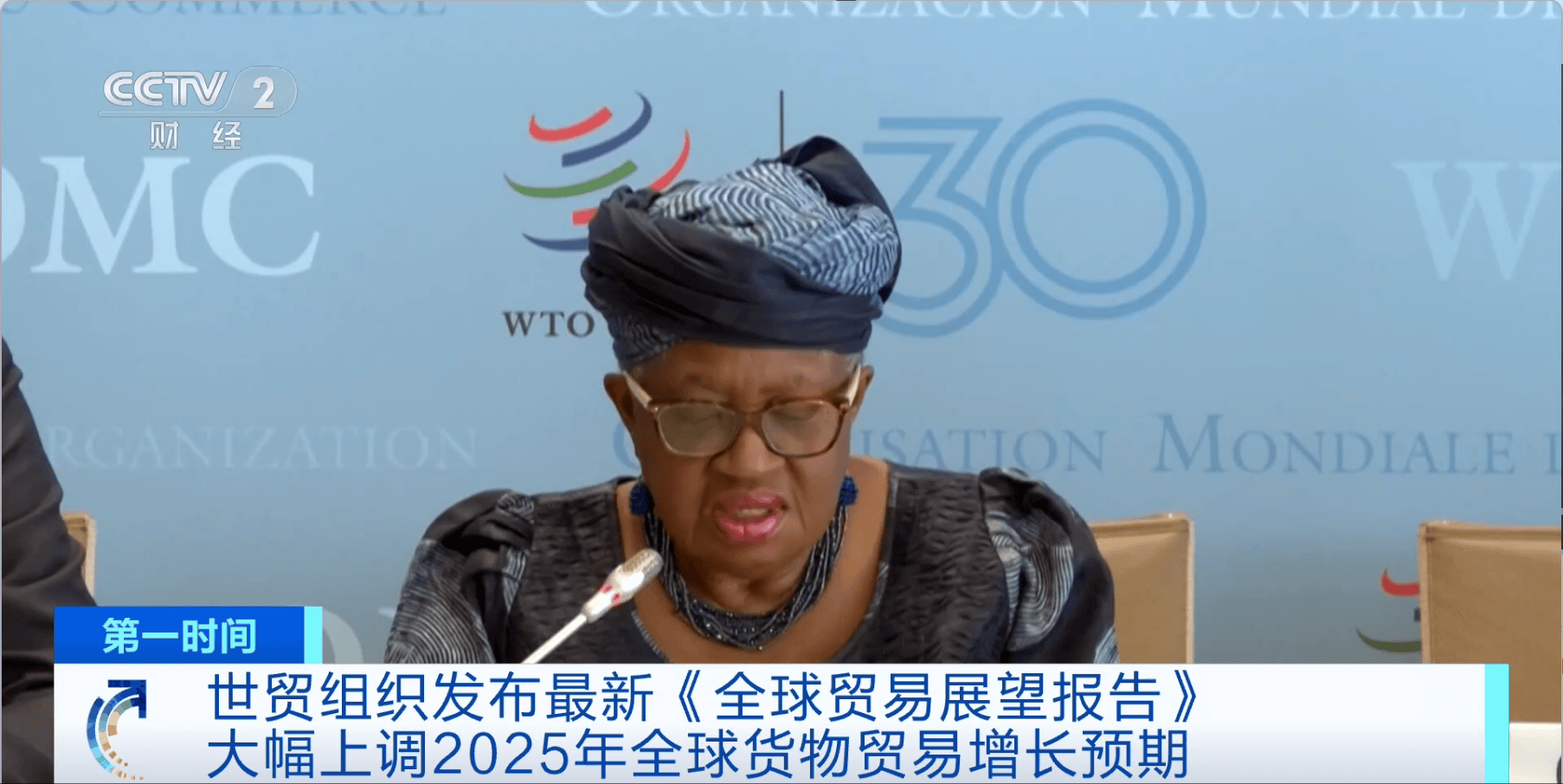
世贸组织发布最新《全球贸易展望报告》大幅上调2025年全球货物贸易增长预期
Yang Shi Wang· 2025-10-08 05:09
Group 1 - The core viewpoint is that despite strong headwinds from unilateral tariff measures and trade policy uncertainties, global trade shows resilience due to the stability provided by the multilateral trading system and appropriate responses from members to tariff changes [1] Group 2 - The latest Global Trade Outlook Report indicates a significant year-on-year increase of 4.9% in global trade volume in the first half of 2025, driven by factors such as preemptive imports in the U.S. due to anticipated tariff hikes, improved macroeconomic conditions, and a surge in demand for artificial intelligence products [3] - The World Trade Organization has revised its global goods trade growth forecast for 2025 from 0.9% in August to 2.4% [3] Group 3 - However, the report also indicates a substantial downward adjustment of the global goods trade growth forecast for 2026, from an earlier prediction of 1.8% to only 0.5%, due to global economic cooling and the full impact of higher tariffs becoming evident over the year [4] - In terms of service trade, while not directly affected by tariffs, it may still face indirect impacts through its association with goods trade and output, with global service export growth expected to decline from 6.8% in 2024 to 4.6% in 2025, and further to 4.4% in 2026 [4]
ACCA:67%企业主管料其贸易额未来三到五年或“大幅”增长
Zhi Tong Cai Jing· 2025-10-06 06:01
Core Insights - Despite 85% of respondents expressing concerns about tariffs impacting their businesses, a significant portion of executives remain optimistic about future global trade growth, with 38% and 29% expecting "substantial" and "slight" growth respectively [1] - The primary opportunity identified by half of the respondents is leveraging technology, such as artificial intelligence, to enhance global trade, followed by diversifying production, investment, or supplier locations, and acquiring new technologies [1] - Major risks identified include geopolitical tensions, international or domestic conflicts/war, and protectionist policies in advanced economies [1] Business Costs - Approximately 35% of respondents anticipate that changes in global trade will increase their business costs by over 10% in the coming years, while 46% expect costs to rise by up to 10%, and only 6% foresee a decrease [1] - The fragmentation of the trade system is likely to elevate price risks [1] Corporate Actions - Due to significant changes in U.S. trade policy, 60% of companies have already relocated some production, investment, or supplier locations in recent years, with 61% indicating potential future relocations [1] Survey Demographics - The survey included 631 respondents from over 50 countries, with nearly 40% being CEOs and CFOs, and 56% from the highest management levels [2] - The majority of responses came from the UK and China, with approximately 240 and 60 replies respectively [2]
全球瞭望丨马里媒体:全球贸易遭遇美国关税逆风 新兴市场承压
Xin Hua Wang· 2025-09-30 00:53
Core Viewpoint - The article highlights that the U.S. tariff policy is creating significant challenges for global trade, particularly impacting emerging markets [1] Group 1: Global Trade Challenges - Global trade is facing strong headwinds, leading to a slowdown in growth, as concluded by a World Bank report [1] - The World Bank and IMF predict a noticeable deceleration in international trade growth this year, primarily due to the cumulative effects of tariffs and increased trade policy uncertainty [1] Group 2: Impact on Emerging Markets - The impact of restrictive measures and trade policy uncertainty varies significantly among countries, with emerging markets and developing economies being particularly affected [1] - An increasing number of countries are turning to regional trade agreements as a response to the challenges posed by global trade barriers [1] Group 3: Economic Risks and Policy Recommendations - Despite some resilience in global trade, the growth rate is clearly slowing, with rising trade barriers and ongoing uncertainty posing serious economic downturn risks for many economies [1] - Policymakers are urged to take decisive actions to alleviate tensions, advance trade negotiations, reduce trade barriers, diversify supply chains, and explore new markets [1]
AI能否成为全球贸易的“共享”机遇?(环球热点)
Ren Min Ri Bao Hai Wai Ban· 2025-09-29 22:57
Core Insights - The World Trade Organization (WTO) predicts that artificial intelligence (AI) could drive global trade growth by nearly 40% by 2040, primarily by reducing trade costs and enhancing supply chain efficiency [4][10] - The report highlights a shift in global trade dynamics, where data control becomes a core competitive advantage, potentially exacerbating the digital divide for developing countries lacking technology and infrastructure [4][10] Group 1: Opportunities for SMEs - AI is enabling small and medium-sized enterprises (SMEs) to overcome language and information barriers, allowing them to enter international markets more easily [5][6] - In Yiwu, China, nearly 30,000 merchants are utilizing various AI tools for business, akin to using a calculator, which enhances their operational efficiency and market reach [5][6] - AI assists SMEs in analyzing historical sales data, market trends, and compliance costs, thereby improving logistics and reducing inventory risks [6][7] Group 2: Data as a Valuable Asset - Unlike traditional business models, AI captures data to create real-time feedback and reduce forecasting errors, positioning data as the new core of international trade [8][9] - Companies like SHEIN leverage AI to analyze global fashion trends, significantly reducing the time from trend identification to product delivery, thus transforming the business model [8][9] Group 3: Challenges for Developing Countries - Developing countries face significant risks of imbalance in global trade due to a lack of digital infrastructure, talent, and funding, which may hinder their participation in AI-driven markets [10][12] - The report indicates that without improvements in digital infrastructure, income growth for high-income countries could reach 14%, while low-income countries may only see an 8% increase by 2040 [10][12] - The potential job displacement in service sectors, particularly in translation and customer support, poses additional challenges for low-income countries that rely on these sectors for export opportunities [11][12] Group 4: Future Directions for Global Trade - The report emphasizes the need for inclusive AI governance to create fair global trade rules, with China playing a significant role in promoting cooperation among developing countries [13][14] - Investment in infrastructure, talent development, and open collaboration is crucial for AI to serve as a new engine for global trade and inclusive growth [13][14] - The evolving international trade rules must adapt to the digital age, focusing on cross-border data flow and AI governance frameworks to ensure equitable participation [14]
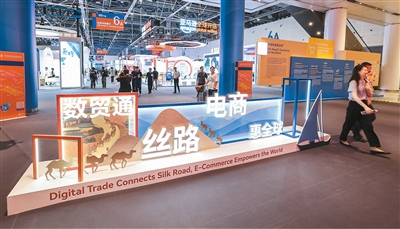
中国银行全球经济金融展望报告(2025年第4季度):全球经济增长显现韧性
Sou Hu Cai Jing· 2025-09-27 02:14
Economic Overview - The global economy showed signs of recovery in Q3 2025, with total demand slightly rebounding and total supply remaining stable. However, the growth outlook for Q4 is mixed, with increasing uncertainties and structural characteristics becoming more pronounced [1][10][11] - Major economies exhibited divergent performances: the US economy improved, Europe showed weak recovery, Japan faced growth pressures, and India exceeded expectations [10][11][12] Inflation and Trade - Global inflation is decreasing, but the pace of decline is slowing and becoming more differentiated. In August, the US CPI rose to 2.9% year-on-year, while the Eurozone HICP increased by 2.1% [1][22][23] - Trade policies have seen a reduction in their disruptive impact, with the WTO raising its 2025 goods trade growth forecast to 0.9% [1][26][27] Financial Market Adjustments - The financial markets have undergone significant adjustments, with the Federal Reserve adopting a dovish stance and cutting interest rates by 25 basis points in September. This led to a net inflow of $82.98 billion into emerging market securities in July and August [2][3][10] - The dollar index has been fluctuating at low levels, and global stock markets have generally trended upward, with the MSCI global index rising over 10% [2][3][10] Capital Flows and Investment Trends - International capital is returning to emerging markets, with foreign direct investment (FDI) in Southeast Asia and Mexico expected to continue growing. Emerging market securities are increasingly favored by investors seeking resilient economies [2][11][12] - The report highlights potential areas for deepening cooperation between China and Europe in trade, green transformation, investment agreements, and multilateral governance under the backdrop of Trump's second term [2][11] Fiscal Policies - Major economies are maintaining an expansionary fiscal stance, but fiscal pressures are becoming more pronounced. The US fiscal deficit for FY 2025 is projected to grow by 7.7% year-on-year [2][33][36] - The Eurozone's debt-to-GDP ratio has risen to 78.1%, indicating increasing fiscal challenges [2][33][36]


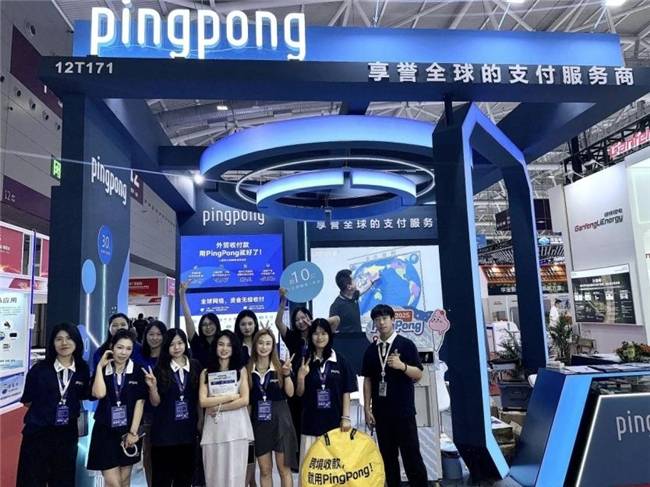
PingPong外贸收款:助力企业掘金新兴市场,共享全球贸易新机遇
Sou Hu Cai Jing· 2025-09-26 17:22
对于众多外贸企业而言,新兴市场的巨大潜力带来了无限商机,但收款环节的顺畅与否直接影响业务拓 展。PingPong外贸收款凭借其专业、高效、安全的服务,成为企业开拓新兴市场的得力伙伴。PingPong 支持全球多个国家和地区的收款,覆盖众多新兴市场,能够满足企业多样化的业务需求。其交易处理速 度快,可大幅缩短资金回笼周期,提高企业资金周转效率。同时,PingPong严格遵循国际金融安全标 准,采用多重加密技术和安全防护体系,保障企业资金安全无忧。 在全球贸易格局深刻变革的当下,PingPong外贸收款将持续助力企业把握新兴市场机遇,实现业务的稳 健增长。 这种增长是"各取所需"的互利合作。"中国制造"借助中欧班列等通道,将机电产品、绿色装备等送往共 建国家,满足当地生产消费需求;共建国家的特色农产品、能源资源则进入中国市场,丰富消费者选 择,为当地创造就业与收入。新兴市场的崛起,让中国外贸摆脱对单一市场的依赖,推动全球贸易格局 向更均衡、更包容方向发展。 新兴市场正成为全球贸易的"增长引擎",激活贸易发展新动能。中国与新兴市场的深度绑定,为外贸增 长注入强劲动力。2024年,我国对东盟、拉美、非洲、中亚等新兴市 ...
世界贸易组织报告称人工智能将改变全球贸易
Shang Wu Bu Wang Zhan· 2025-09-23 15:52
Core Insights - The World Trade Organization's 2025 World Trade Report indicates that with the right supportive policies, artificial intelligence (AI) could increase the value of cross-border goods and services flow by nearly 40% by 2040 [1][2] - Global trade is projected to grow between 34% and 37%, while global GDP may increase by 12% to 13% by 2040, driven by AI advancements [1] - The report estimates that the total trade value of AI-enabled products will reach $2.3 trillion in 2023, highlighting the significant economic impact of AI on trade [1] Policy Recommendations - There is a need for open and predictable trade policies, as the number of restrictions on AI-related products has surged from 130 in 2012 to nearly 500 by 2024 [2] - Investment in education and training, along with appropriate labor market policies, is essential to prevent widening inequalities within economies [2] - Increased commitments from member countries, such as broader participation in the WTO's Information Technology Agreement and updates to the General Agreement on Trade in Services, can enhance the inclusivity and affordability of AI [2]
渣打集团报告:未来中国将在全球供应链中发挥更大作用
Shang Hai Zheng Quan Bao· 2025-09-23 11:35
Core Insights - Standard Chartered Group's latest report highlights that mainland China remains a preferred market for global companies to restructure their supply chains amid geopolitical changes [1] - The report indicates a shift in China's industry from labor-intensive manufacturing to higher value-added segments [1] - The survey covered 1,200 executives and decision-makers across 17 global markets, projecting trends in global trade and corporate strategic priorities over the next three to five years [1] Industry Trends - There is a growing demand from clients to reshape global trade and supply chain ecosystems, with an increased adoption of smart manufacturing and artificial intelligence to enhance efficiency and offset rising costs [1] - Despite short-term trade fragmentation potentially hindering global growth, the prosperity of emerging economies and advancements in new technologies present complex yet promising opportunities for global trade [1] Company Role - Chinese enterprises are increasingly acting as innovators and enablers in the deep restructuring of global supply chains [1] - There is a notable change in corporate financial needs, with a focus on flexible allocation of cross-border funds, localized settlement capabilities, multi-currency fund management efficiency, and global visibility and compliance requirements [1] - Standard Chartered aims to play the role of a "super connector" by closely monitoring client needs and providing innovative cross-border financial solutions to build localized, regionalized, and digital supply chain systems [1]