差异化

Search documents
高端化成为聚碳酸酯行业破局最优解
Zhong Guo Hua Gong Bao· 2025-08-14 00:11
Core Insights - The PC industry is currently at a critical stage of "climbing over hurdles," emphasizing the need for high-end, differentiated, and green development to transition from price competition to value competition [1][2] Industry Overview - China's PC production capacity has significantly increased from 1.66 million tons in 2019 to 3.81 million tons in 2024, accounting for 48% of global capacity, with a compound annual growth rate of 15.5% over five years [1] - The apparent demand for PC in 2024 is projected to reach 3.6 million tons, approximately half of the global demand [1] Challenges and Opportunities - The industry faces structural contradictions with low-end overcapacity and insufficient high-end supply, as the self-sufficiency rate for general-grade products exceeds 100%, while the domestic production rate for high-end grades like medical and optical grades is below 30% [2] - Since 2021, China's PC production capacity has surpassed apparent consumption, leading to an average capacity utilization rate of only 65% over the past five years [2] - The average gross profit margin for the industry fell to negative values in Q1 2025, indicating challenges from price competition and cost pressures [2] Strategic Recommendations - The industry should focus on technological advancements to achieve product high-endization, aiming to increase the share of high-end grades to over 40% by targeting core goals such as optical-grade transparency of ≥92% and medical-grade certification [2] - Embracing a green transformation in line with the "dual carbon" goals is essential, including the development of recycling systems for waste PC and bio-based PC to promote a circular economy [2] - Collaborative efforts across the industry chain are necessary to mitigate risks, with a focus on establishing application standards in high-end fields like aerospace and neurosurgery [2]
康师傅发布上半年财报,盈利同比增长20.5%
Qi Lu Wan Bao· 2025-08-13 04:00
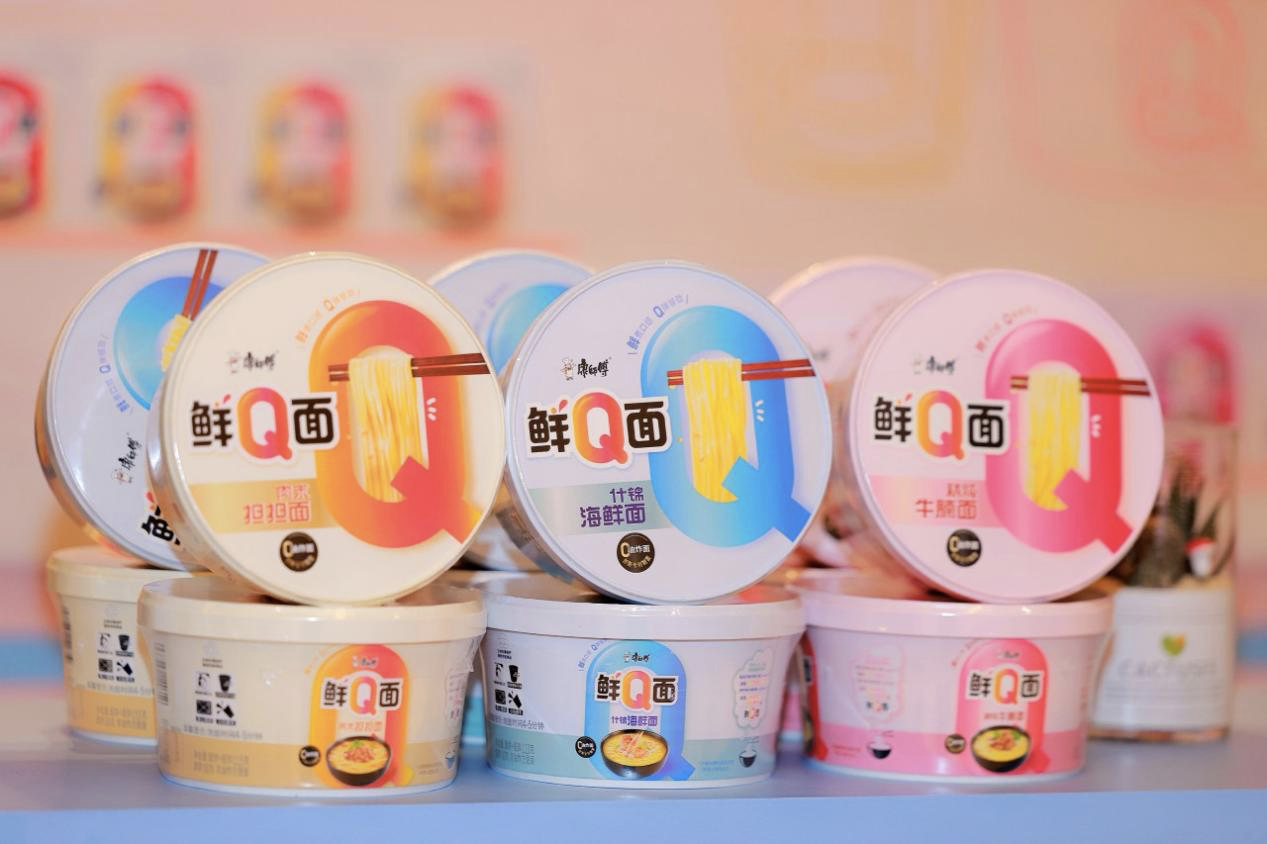
Core Insights - The company reported a revenue of approximately 40.092 billion yuan and a net profit of 2.27 billion yuan for the first half of 2025, marking a year-on-year growth of 20.5% in net profit [1] - Key development themes for the company include diversification, differentiation, and sustainability, with a focus on innovation and market coverage efficiency through a "supply chain + all-channel" strategy [1][4] - The company aims for long-term growth by enhancing brand connection with younger consumers, optimizing channel management, and integrating digital technologies to improve profit margins [1] Revenue Breakdown - The instant noodle segment generated a revenue of 13.465 billion yuan, with a gross margin increase of 0.7 percentage points to 27.8%, leading to a net profit increase of 11.9% to 0.95 billion yuan [2] - The beverage segment achieved a revenue of 26.359 billion yuan, with a gross margin increase of 2.5 percentage points to 37.7%, resulting in a net profit increase of 19.7% to 1.335 billion yuan [6][10] Product Innovation - The company has introduced a variety of new products, including the "Oriental Food Collection" and "Kang Shifu 1.5 times" to cater to diverse consumer preferences [2] - The beverage line has seen the launch of new products such as "Jasmine Longjing" and "Fresh Green Tea," which have quickly gained popularity among consumers [8][10] Channel Strategy - The company is expanding into new channels such as membership stores and community group buying, enhancing its "full-domain reach" capability [4] - Positive market feedback was received for new products launched in membership stores, with the "Chao Lu Beef Three Treasures Noodle" achieving sales exceeding 10 million yuan in its first month [4] Sustainability Efforts - The company is committed to sustainable practices, including reducing plastic use in packaging and implementing energy-efficient production processes [11][12] - The "Speedy Noodle Restaurant" series has achieved a 90% reduction in plastic through innovative packaging solutions [11] Market Position - The company has been recognized for its sustainable development efforts, ranking 48th among 396 peers in the S&P Global Sustainable Development Yearbook (China Edition) [12] - The company is focused on meeting the growing consumer demand for health, green, and high-quality products in a complex economic environment [14]


步入减量提质发展阶段钢铁企业积极求变
Shang Hai Zheng Quan Bao· 2025-08-10 17:40
Group 1 - The steel industry is entering a phase of slowing demand growth, with a shift towards quality improvement and reduced production [1][2][3] - Global steel demand is projected to have a compound annual growth rate (CAGR) of 0.43% in 2020-2024, with a decline expected in 2023 and 2024 [2] - China's steel demand is decreasing, expected to account for 48.2% of global demand by 2025, down from 50% in 2020 [2] Group 2 - Steel companies are transitioning from being mere suppliers to providing comprehensive metal material solutions, focusing on high-value and differentiated products [4][5] - Companies like Hebei Iron and Steel Group are increasing R&D investments, with a growth rate of over 25% annually, and shifting product focus from "raw material level" to "material level" [4] - Baowu Steel Group is enhancing demand-driven strategies by offering lightweight, durable, and efficient steel solutions [5] Group 3 - The global steel industry is expected to see significant changes in production layout, product structure, and green low-carbon initiatives [3][6] - Japanese steel companies are adopting strategies to transition towards high-value products and reduce capacity in response to changing demand [6] - Future competitiveness in the steel sector will depend on the ability to acquire raw materials and energy at low costs and maintain high energy efficiency in production facilities [7]
银行App大“瘦身”
Jin Rong Shi Bao· 2025-08-08 07:59
Core Viewpoint - The banking industry is undergoing a significant transformation in its mobile applications, with many banks opting to integrate or discontinue their apps to enhance efficiency and user experience [1][2][4]. Group 1: Current Trends in Banking Apps - Zhuhai China Resources Bank announced that its "Run Wallet App" will cease operations on October 15, 2025, with functionalities migrating to the China Resources Bank App [1]. - A trend of "thinning" is observed in the banking app sector, with multiple banks consolidating or shutting down their apps, particularly in credit card and direct banking services [2]. - The closure and integration of apps reflect the challenges and strategies banks face during digital transformation, including cost reduction, efficiency improvement, and market competition [1][2]. Group 2: Operational Insights - Each banking app requires significant investment in human resources, technology, and funding, making independent apps less viable as new credit card user growth stagnates [2]. - Consolidating apps allows banks to focus resources on core business areas, enhancing overall operational efficiency, aligning with current financial regulatory policies [2][3]. Group 3: User Experience and Future Directions - The integration of apps is expected to improve user experience by providing a one-stop service for various financial needs, reducing the complexity of managing multiple apps [3][4]. - Future banking apps are anticipated to leverage advanced technologies like big data and artificial intelligence to offer personalized financial solutions and enhance user experience [4][5]. - The trend indicates a shift towards ecological, intelligent, and differentiated banking apps, moving beyond traditional functions to create a "life + finance" ecosystem [5].

和顺科技(301237) - 2025年7月24日和顺科技投资者关系活动记录表
2025-07-25 12:56
Group 1: Company Overview - The company was established in 2003 and focuses on the R&D, production, and sales of differentiated, functional biaxially stretched polyester film materials [1] - Main products include colored optoelectronic base films, other functional films, and transparent films, applicable in consumer electronics and automotive sectors [1] - The company aims to expand its product series and application fields while exploring new materials, particularly in high-performance carbon fiber [1] Group 2: Key Issues - Carbon fiber products are categorized based on tensile strength and modulus, following the Japanese Toray classification and China's national standard established in 2011 [2] - The company currently adopts a strategy of optimizing existing capacity and developing differentiated, high-end products, with no plans for new capacity [2] - Future product planning for high-performance carbon fiber will be based on market dynamics and industry trends, prioritizing projects with strong profitability [2] - There are no current plans for capital operations; future financing will depend on specific project progress and funding needs [2]
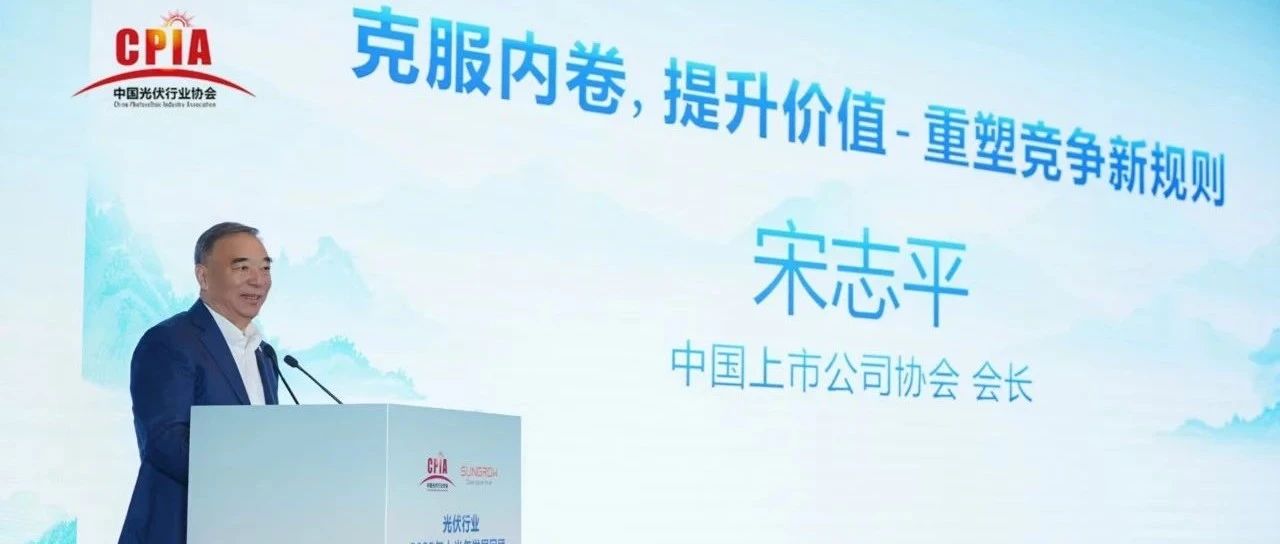
宋志平在光伏行业大会上“反内卷”讲话全文:商场不是战场,覆巢之下焉有完卵
经济观察报· 2025-07-25 11:50
Core Viewpoint - The core viewpoint emphasizes the need for the photovoltaic industry to overcome "involution" and establish a healthy ecosystem through five key recommendations [2][4]. Group 1: Recommendations for the Photovoltaic Industry - The first recommendation is to shift from competition to cooperation, enhancing industry self-discipline. It is crucial to distinguish between "good competition" that creates value and "bad competition" that destroys it [5][6][11]. - The second recommendation is to move from fragmentation to consolidation, increasing industry concentration. The ability to integrate resources is more important than merely creating them [15][16][19]. - The third recommendation is to transition from reducing output to reducing capacity, addressing both symptoms and root causes. The current global photovoltaic module capacity is 1200 GW, while annual usage is only 600 GW, necessitating output reduction [22][23][30]. - The fourth recommendation is to shift from quantity-based profit to price-based profit, emphasizing the importance of pricing strategies over mere sales volume [31][32][40]. - The fifth recommendation is to move from a "red ocean" to a "blue ocean" through innovation, categorized into four aspects: differentiation, segmentation, high-end positioning, and branding [41][42][45]. Group 2: Industry Insights and Examples - The experience from the electrolytic aluminum industry, which successfully established a production ceiling of 45 million tons, serves as a valuable reference for the photovoltaic sector [12][13][14]. - The Japanese cement industry restructured from 23 companies to 3, maintaining stable prices despite stagnant sales, illustrating the benefits of consolidation [18][19]. - The implementation of peak-shaving production in the cement industry led to significant profit increases, demonstrating the effectiveness of capacity management [28][30].






和顺科技(301237) - 2025年7月22日和顺科技投资者关系活动记录表
2025-07-22 08:52
Company Overview - Established in 2003, Hangzhou Heshun Technology Co., Ltd. focuses on the R&D, production, and sales of differentiated, functional biaxially oriented polyester film materials [2] - The company produces various specifications and models of polyester film products, including colored optoelectronic base films, other functional films, and transparent films, applicable in consumer electronics and automotive sectors [2] - Future plans include expanding product lines and application fields while adhering to the core business philosophy of "differentiation and functionality" [2] Key Issues Addressed - **Product Competitiveness**: The company aims to enhance product competitiveness through innovation, focusing on customer core needs, and expanding into niche markets such as card games [3] - **Carbon Fiber Project**: The carbon fiber project is currently under construction, with plans for sample delivery and verification post-production [3] - **Product Planning for Carbon Fiber**: The company will monitor market dynamics and industry trends to strategically plan product development, prioritizing projects with strong profitability [3] - **Equity Incentive Plans**: The company will consider market conditions, development strategies, and shareholder interests when deciding on equity incentive plans, with timely disclosures as required [3]
聚焦前沿技术,2025重卡创新发展与产业融合大会圆满收官
第一商用车网· 2025-07-21 06:57
Core Viewpoint - The conference aimed to accelerate technological innovation and industry collaboration in the heavy truck sector, focusing on the development trends of electrification, intelligence, and connectivity [1][3]. Group 1: Conference Overview - The "2025 Heavy Truck Innovation Development International Academic and Industry Integration Conference" was held in Baotou, Inner Mongolia, emphasizing the theme "With Intelligence as Wings, Steady and Far-reaching" [1]. - The event gathered experts from key research institutions, top universities, and leading industry companies to share research findings and discuss core technology trends [1][5]. - The conference showcased North Benz's new technologies and products, highlighting its competitive edge in the heavy truck market [5]. Group 2: Industry Trends and Directions - The heavy truck industry in China is undergoing a transformation, with rapid advancements in electric, hydrogen, hybrid, intelligent networking, and assisted driving technologies [8]. - North Benz has integrated the entire ecosystem of the new energy heavy truck industry, achieving production qualifications across various new energy vehicle types [8][10]. - The focus is on four major directions: new energy, intelligence, connectivity, and differentiation, aiming for a comprehensive evolution towards "green, safe, intelligent, and efficient" products [3][10]. Group 3: Expert Insights and Discussions - Industry experts discussed future development trends, including the application potential of intelligent heavy trucks in automated ports, smart mines, and unmanned transport [13][15]. - Recommendations for heavy truck manufacturers included focusing on electrification, intelligence, and expanding into international markets [15]. - The conference facilitated in-depth dialogues on technology integration, industry collaboration, talent gathering, and international cooperation [5][17].
和顺科技(301237) - 2025年7月15日和顺科技投资者关系活动记录表
2025-07-16 07:48
Company Overview - Hangzhou Heshun Technology Co., Ltd. was established in 2003, focusing on the R&D, production, and sales of differentiated, functional biaxially oriented polyester (BOPET) films [2][3] - The company produces various specifications and models of polyester film products, including colored optoelectronic base films, other functional films, and transparent films, applicable in consumer electronics and automotive sectors [2][3] - Future plans include expanding product series and application fields, with a focus on colored optoelectronic base films and other functional films [3] Key Issues - To enhance product competitiveness, the company plans to leverage product innovation, focusing on technology that meets core customer needs and expanding into niche markets such as card games [3] - The company aims to further explore new applications in thin film materials and optimize product structure through continuous innovation and iteration [3] Production Insights - The significant year-on-year growth in transparent film production in 2024 is attributed to the launch of a new 35,000-ton BOPET film production line, which initially focuses on transparent films to minimize risk and validate equipment stability [4] - This strategy allows for efficient use of idle equipment time and avoids capacity waste during product changeovers [4] Carbon Fiber Project - Carbon fiber offers advantages such as lightweight, high strength, high-temperature resistance, and corrosion resistance, making it irreplaceable in high-end manufacturing sectors requiring extreme performance [4] - The carbon fiber project commenced construction in Q3 2024 and is progressing as planned, aligning with the company's expectations [4]
半年上新超200款,10大茶饮品牌今年都在推什么?
3 6 Ke· 2025-07-11 11:14
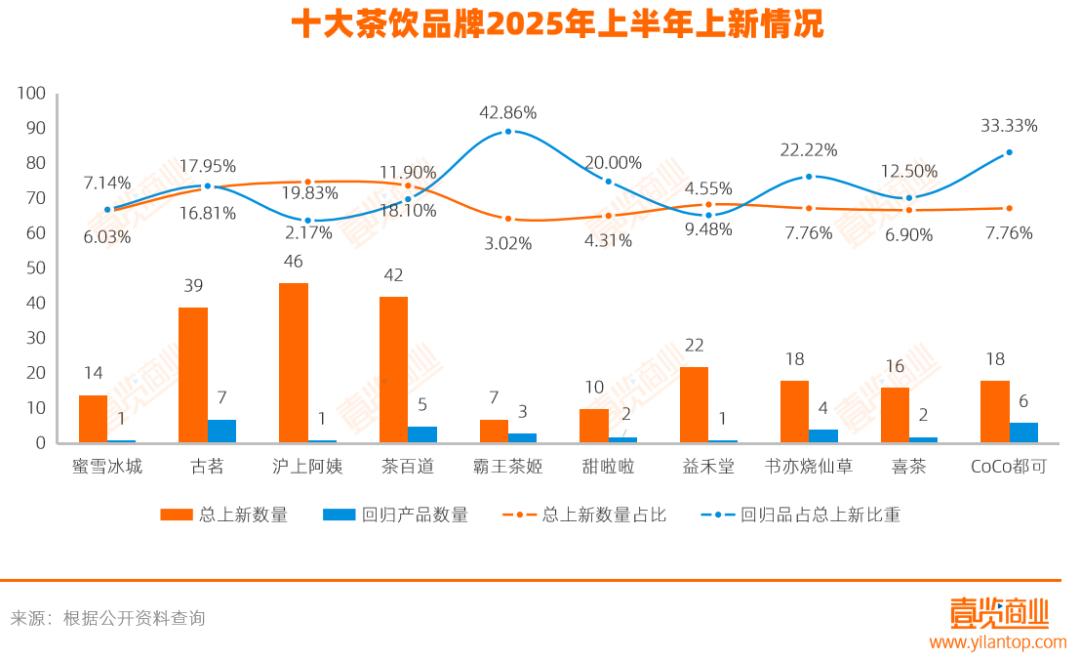
Core Insights - The tea beverage industry is shifting towards value competition in 2025, focusing on product depth, health trends, emotional marketing, and scene segmentation as key strategies for breaking through market challenges [1][20]. Product Launches - In the first half of 2025, the top 10 tea brands launched a total of 232 new products, averaging 1.3 new products per day, including 32 returning products and 200 true new products [1][4]. - The brand "沪上阿姨" led with 45 new products, while "霸王茶姬" had the least with only 4 new products [1][4]. Seasonal Trends and Consumer Preferences - The peak of new product launches occurred in April with 58 new products, followed by May and June with 42 and 46 new products respectively [4]. - Fruit tea, light milk tea, and milk tea dominated the market, accounting for 77% of new product launches, with fruit tea being particularly favored during warmer months [7][10]. Ingredient Innovations - The use of floral elements in new products was prominent, with 67 new products incorporating floral flavors, particularly jasmine [12][14]. - The trend towards health-focused ingredients is evident, with brands moving from "following trends" to "true health" by upgrading raw materials and enhancing health attributes [11][20]. Regional and Flavor Differentiation - Brands are increasingly emphasizing regional tea varieties and unique flavors, with a notable focus on seasonal characteristics in product offerings [19][20]. - The use of fruits in new products showed significant seasonal variation, with lemon being the most commonly used fruit, appearing in 32 new products [20][21]. Conclusion - The tea beverage industry is evolving with a focus on health and differentiation, as leading brands innovate through high-frequency product launches and diverse ingredient strategies to meet consumer demands [20].