文商旅融合

Search documents
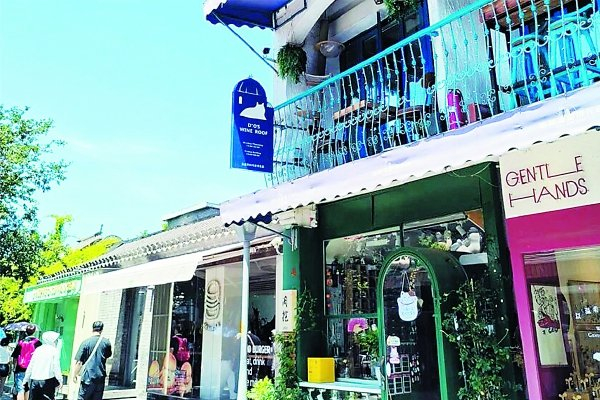
从点状打卡到全域联通,特色小店激活文商旅新生态
Bei Jing Shang Bao· 2026-01-16 05:02
Group 1 - The core idea of the articles revolves around the transformation of traditional commercial spaces in Beijing into immersive consumption scenarios through the "characteristic small shop cluster" model, driven by the Citywalk trend [1][7] - The "characteristic small shop cluster" model aims to integrate culture, commerce, and tourism, with a focus on innovation, quality upgrades, and policy support to create new international consumption landmarks while preserving historical elements [1][13] - The East Si North Street has evolved from a traditional commercial area to a vibrant Citywalk route, showcasing a mix of old and new businesses, including local brands and innovative shops that attract both tourists and local residents [3][5] Group 2 - Red Star Qianjin Bakery and Milk Company has achieved a high repurchase rate of over 43%, significantly above the industry average, by focusing on product quality and transparency in its operations [2][3] - The growth of the small shop ecosystem in East Si North Street reflects a broader trend in Beijing, where various districts are being revitalized with a mix of traditional and modern cultural experiences, leading to increased consumer engagement [5][7] - The rise of Citywalk routes has led to a notable increase in consumer interest, with social media platforms like Douyin generating significant traffic for these areas, indicating a shift in consumer behavior towards experiential shopping [8][9] Group 3 - Despite the success of characteristic small shops, challenges such as fluctuating foot traffic, seasonal variations, and intense competition from similar offerings are prevalent, prompting merchants to adapt their strategies [10][11] - The government has initiated policies to support the development of characteristic consumption streets, emphasizing the integration of cultural heritage with modern consumer experiences [13][14] - Merchants are encouraged to focus on high-quality offerings rather than merely competing on price, with an emphasis on unique and original products that cater to both local and international consumers [14]

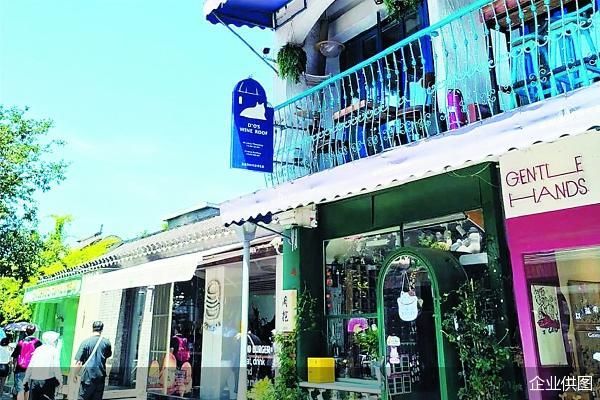
从点状打卡到全域联通 特色小店激活文商旅新生态
Bei Jing Shang Bao· 2026-01-15 12:14
Core Insights - The article discusses the transformation of Beijing's consumer landscape through the "characteristic small shop cluster" model, which aims to integrate culture, commerce, and tourism while addressing challenges such as homogenization and rising costs [1][3][12] Group 1: Urban Consumption Trends - Beijing is exploring the integration of culture, commerce, and tourism through the development of characteristic shopping districts, which are undergoing a transformation from traditional commercial spaces to immersive consumption experiences [1][3] - The Citywalk trend and nighttime economy are driving a shift in consumer behavior from mere product transactions to experiential value creation, with a focus on cultural and social engagement [2][4] - By September 2025, Beijing aims to cultivate 7 national-level and 23 municipal-level leisure tourism districts, along with 24 characteristic dining streets and 31 "late-night dining" streets [2][12] Group 2: Challenges and Opportunities - The rise of characteristic small shop clusters has led to increased competition and fluctuating foot traffic, particularly in tourist-heavy areas, necessitating a focus on quality and innovative experiences to attract and retain customers [13][14][16] - The market is witnessing a significant shift in consumer preferences, with a growing emphasis on value for money and quality, compelling merchants to adapt their offerings and strategies [13][14] - The government is supporting the development of characteristic shopping districts through policies aimed at preserving historical culture while promoting modern consumption [16][17] Group 3: Case Studies and Examples - The Red Star Forward Bakery has successfully established itself as a key attraction in the East Fourth North Street area, achieving a 43% repurchase rate by focusing on product quality and transparency [6][7] - The Five Dao Ying Hutong exemplifies the integration of diverse culinary offerings, catering to both local residents and tourists, thereby maintaining stable foot traffic even during off-peak seasons [11] - The East Fourth North Street has evolved from a traditional commercial area to a vibrant hub of cultural and consumer experiences, showcasing a mix of old and new businesses [8][10]
人文经济激活消费新动能丨文脉掌舵 业态为帆——芜湖古城为城市消费注入新动能
Xin Hua Wang· 2026-01-15 08:29
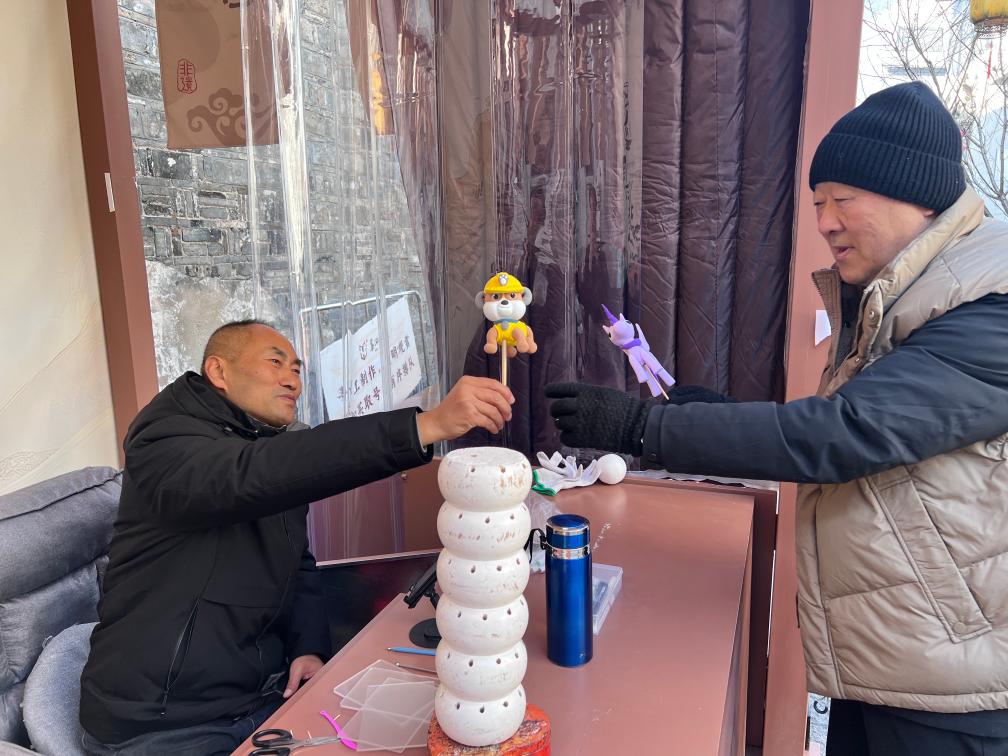
晨光漫过青砖黛瓦,将安徽芜湖古城花街的老石板路拓出了温润的轮廓。捏面人师傅王井洋的摊位前,等待购买的顾客已经早早围成一 圈。 捏面人师傅王井洋(左)与顾客。新华社记者 马姝瑞 摄 这方寸古巷里的鲜活场景,恰是芜湖古城以文脉激活城市消费动能的生动展现。这座保留了明清整体格局的古城中,70余栋历史建筑与花 街、萧家巷等百年街巷构建出人文场景,捏面人、吹糖人、铁画等非遗在这里活化,美食、休闲、文化等300余家商户融合共生。 循着街巷深入古城,城中心的古老衙署朱门前,《过芜湖县》卷轴雕塑在阳光下闪光,游人身着汉服穿梭其间,在"明镜高悬"的匾额下驻足 拍照打卡;始建于北宋的文庙里,举着手机正在直播的博主们娓娓讲述祭孔的渊源;坐落于儒林街上的"小天朝"内,游客们置身这座清代徽派院 落,欣赏着芜湖铁画点缀的中堂陈设……心急的游客涌入飞龙铁画店,亲手体验"以锤为笔、以铁为墨"的技艺,走累了的游人则在随处可见的茶 饮店坐下,点一杯红豆酒酿,品尝芜湖特有的味道。 夜幕中的芜湖古城。新华社发(缪雨晨 摄) 夜幕降临,古城的活力更添几分热烈。花街传统文化体验区的热闹还在继续,古城滨江休闲体验区的餐饮、酒吧等已经开始了微醺风情夜 场, ...
乐活南园2026潮玩美食文化节落幕,双节氛围点燃暖冬消费
Sou Hu Cai Jing· 2026-01-14 10:22
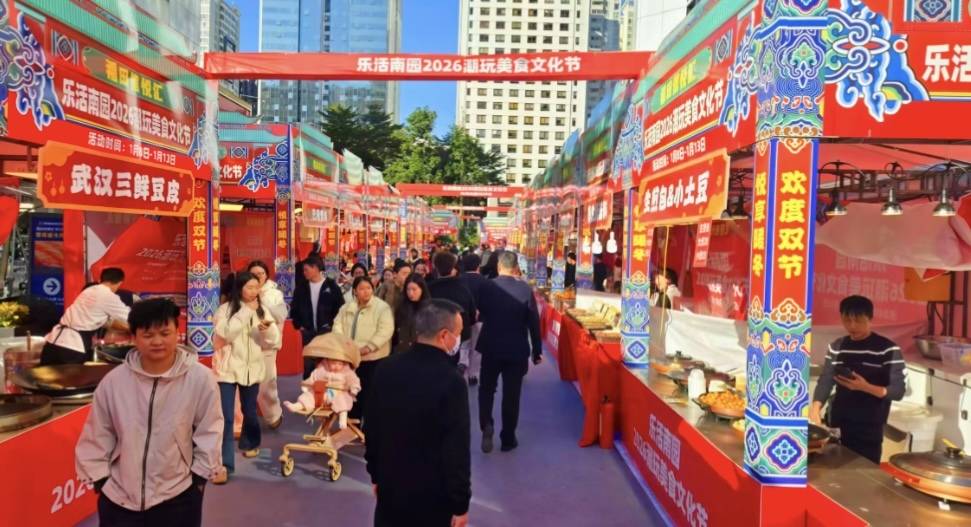
Core Insights - The "Lohas Nanyuan 2026 Trendy Food Culture Festival" successfully attracted over 40 brands and more than 150,000 visitors, generating over 2 million yuan in sales for the local business district [1][3][5] Group 1: Event Highlights - The festival featured nearly 100 well-arranged booths, creating a vibrant urban consumption scene with diverse offerings in food, cultural products, and interactive games [3] - The food area attracted long queues for local specialties like Wuhan Sanxian Doupi, while the cultural and trendy product area showcased a variety of unique items [3] - Evening performances included a giant phoenix installation and various cultural acts, enhancing community engagement and providing a rich nighttime cultural experience [3] Group 2: Economic Impact - The event's innovative model combined market sales, intangible cultural heritage experiences, and cultural tourism, extending consumer engagement beyond the main venue [5] - The festival served as a catalyst for increased foot traffic and sales in the surrounding areas, contributing to the development of the "工" shaped street district [5] - Future plans include exploring new models for cultural and commercial integration, aiming to enhance consumer experiences and stimulate economic growth in the region [5]
量产”爆款文旅IP? 中部大省河南再造一个“支柱产业
Mei Ri Jing Ji Xin Wen· 2026-01-12 14:57
Core Viewpoint - The success of Kaifeng Wansui Mountain Martial Arts City has sparked discussions about its IP model, the roles of government and enterprises, and the potential for replicating this model in other regions [1][3]. Group 1: Performance Metrics - In 2025, Kaifeng Wansui Mountain Martial Arts City is projected to receive over 24.52 million visitors, a year-on-year increase of 146.9%, and achieve a total revenue of 1.27 billion yuan, up 136.5% [2]. - The annual comprehensive revenue of Kaifeng Wansui Mountain Martial Arts City grew from over 80 million yuan in 2022 to 1.27 billion yuan in 2025, marking a 15-fold increase in just three years [3]. Group 2: Operational Strategies - The park employs five operational models, including an innovative pricing strategy and interactive experiences, which cater to evolving tourist demands for emotional value and deep experiences [3][4]. - Daily, the park offers over 4,000 performances, adjusting content based on visitor feedback, which enhances its appeal and creates a sense of scarcity [4]. Group 3: Regional Development and Policy - The Henan government aims to create a "phenomenal tourism attraction cluster" and increase the cultural tourism industry's contribution to GDP to over 10% by the end of 2030 [5][6]. - The "draft for soliciting opinions" emphasizes supporting leading attractions like Kaifeng Wansui Mountain Martial Arts City to strengthen the tourism sector [5]. Group 4: Challenges and Opportunities - Despite the growth, Henan's tourism faces challenges such as low per capita spending, ranking 19th nationally, indicating a disparity between visitor numbers and revenue generation [7][9]. - The region is encouraged to develop high-quality immersive cultural projects and enhance the overall tourism experience to better capitalize on its cultural heritage [7][10]. Group 5: Integration of Commerce and Culture - The integration of commercial brands like Pang Donglai into tourism planning is seen as a way to enhance visitor engagement and create new consumption scenarios [11][12]. - The government is focusing on blending cultural IP with commercial entities to boost both cultural value and commercial benefits, aiming for a synergistic effect in the tourism sector [12].
深圳消费“四大奇观”,这座城市如此热辣滚烫
Sou Hu Cai Jing· 2026-01-11 15:01
Core Insights - The article highlights the emergence of seven major cities in China, referred to as the "Seven Heroes of Consumption," each with a retail sales total exceeding 1 trillion yuan, including Shanghai, Chongqing, Beijing, Guangzhou, Shenzhen, Chengdu, and Suzhou [1] - Shenzhen is identified as a rising star in the consumption landscape, achieving a retail sales total of 938.18 billion yuan in the first 11 months of the year, with a year-on-year growth of 2.8%, positioning it as a significant player in the "trillion yuan consumption club" [1] Group 1: Shopping Centers - Shenzhen is experiencing a boom in large shopping centers, with numerous openings each month, showcasing its status as a shopping paradise [3] - Major shopping centers like Shenzhen Bay MixC Phase II and K11 ECOAST are part of a growing list, indicating strong consumer demand and confidence in the city's consumption potential [3] - The occupancy rate of commercial projects by China Resources exceeds 97%, with rental income increasing by 17%, reflecting a robust demand-supply cycle in the retail sector [3] Group 2: First Store Economy - Shenzhen is becoming a hub for the "first store economy," with 461 new first stores opening in 2024 and an expected 1,200 in 2025, making it a leader in the Greater Bay Area [5] - New commercial developments are expected to have over 50% of their offerings as first stores, indicating a strong appetite for new brands among consumers [5] - The presence of international brands like Rihanna's FENTY BEAUTY and other flagship stores highlights Shenzhen's appeal as a launchpad for new retail concepts [5] Group 3: Technology Consumption - Shenzhen is evolving into a center for "technology consumption," with a rapid adoption of innovative tech products, outpacing the national average by 3-6 months [9] - The city has seen significant sales in tech categories, with over 360 billion yuan in sales driven by a trade-in program covering various product categories, including over 176 billion yuan in automotive sales [9] - The penetration rate of new energy vehicles in Shenzhen is over 80%, leading the nation in this segment [9] Group 4: Cultural and Recreational Integration - The integration of culture, commerce, and tourism is thriving in Shenzhen, with attractions like the world's largest physical bookstore and indoor ski resorts drawing both locals and tourists [7] - The city's diverse consumption landscape reflects a blend of high-energy and tranquil experiences, appealing to a wide range of consumer preferences [12] - Shenzhen's unique natural scenery and urban design contribute to a vibrant consumer environment, connecting shopping districts with parks and cultural venues [12] Group 5: Consumer Trends - Shenzhen's consumers are characterized by a blend of technology-driven "self-indulgent consumption" and a focus on quality and value [14] - The city is noted for its youthful and dynamic consumer base, which is expected to play a crucial role in driving future consumption growth in China [14] - As China emphasizes expanding domestic demand and promoting consumption, Shenzhen's young population is poised to become a significant force in the consumer market [14]
60余件非遗珍品唤醒城市记忆
Xin Lang Cai Jing· 2026-01-10 20:33
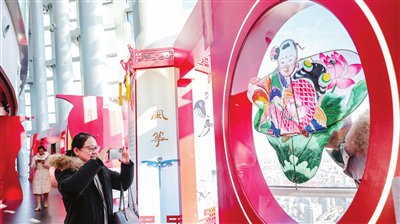
Core Insights - The exhibition "Oriental Elegance: Treasures of the Nine Rivers" showcases over 60 selected pieces from 8 categories of intangible cultural heritage in Tianjin, marking a significant public display of local heritage [3] Group 1: Exhibition Overview - The exhibition features traditional crafts such as Yangliuqing New Year paintings and clay sculptures by Mud Ren Zhang, providing a cultural feast that blends traditional skills with contemporary aesthetics [3] - It is the first concentrated display of Tianjin's intangible cultural heritage treasures in recent years, aimed at both citizens and tourists [3] Group 2: Cultural Context - The exhibition is organized around the theme of canal culture, highlighting the diverse and integrated urban cultural context of Tianjin [3] - Featured artworks include 13 exquisite Yangliuqing New Year paintings that vividly depict the aesthetics of folk life, and large clay sculptures that recreate traditional story scenes [3] Group 3: Interactive Experience - A special folk experience area allows visitors to closely observe the making of kites and incense, with opportunities for interactive participation, emphasizing the craftsmanship behind these traditional skills [3] Group 4: Innovation in Heritage Promotion - The exhibition adopts an innovative approach by integrating culture, commerce, and tourism, creating new avenues for the protection and dissemination of intangible cultural heritage [3] - It leverages the advantages of the Beijing-Tianjin-Hebei coordinated development area to expand its outreach and enhance the contemporary value of intangible heritage [3]
千年山塘的“新味道”和“活密码”
Xin Lang Cai Jing· 2026-01-08 22:05
Core Viewpoint - The article highlights the ongoing development and revitalization of the ancient Shantang Street in Suzhou, focusing on the integration of culture, commerce, and tourism to enhance the area's appeal and livability for both residents and visitors [1][10]. Group 1: Cultural and Culinary Revival - The "Shantang Breakfast" initiative is promoting local delicacies and enhancing the cultural experience, attracting both locals and tourists to the area [3][5]. - Traditional Suzhou cuisine, such as Shengjian Mantou and Su-style soup dumplings, is gaining popularity, with local eateries becoming hotspots for food enthusiasts [3][4]. - The "Jiangnan Anshantang Intangible Cultural Heritage Boat Banquet" showcased local culinary traditions at a recent culinary festival, further expanding the reach of Shantang's food culture [2]. Group 2: Urban Development and Infrastructure - The establishment of the "Shili Shantang Development Alliance" aims to integrate resources and enhance the vitality of the old street, promoting collaboration among local businesses [5][6]. - New parking facilities have been developed to improve accessibility to Shantang Street, addressing parking challenges for both residents and tourists [8]. - The renovation of historical sites and the introduction of modern amenities, such as the Suzhou Tiger Hill Hotel, are enhancing the overall visitor experience [9]. Group 3: Community Engagement and Experience - The "Shantang Lighting Ceremony" has become a popular attraction, enhancing the nighttime ambiance and drawing visitors to the area [4]. - New cultural and tourism projects, such as the "Tiger Hill Flower Event," are being launched to provide immersive experiences for visitors [7]. - The focus on creating a vibrant community space is evident in the development of youth-oriented housing and cultural venues, fostering a sense of belonging among residents [9][10].
第二届展链会19日在深圳举办,将举办文商旅融合论坛
Nan Fang Du Shi Bao· 2026-01-08 03:41
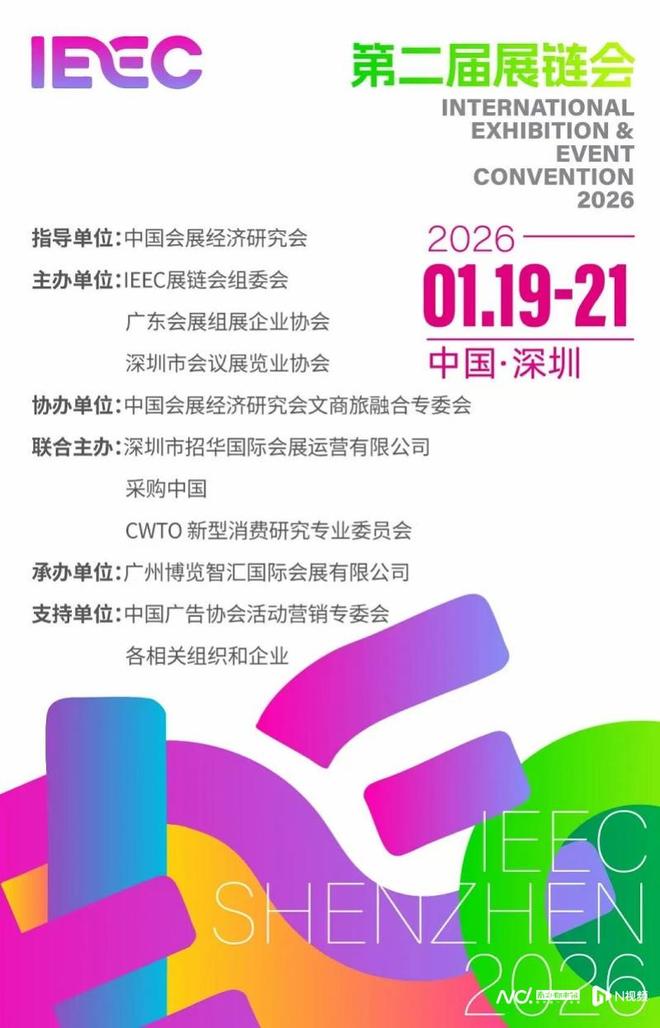
Group 1 - The second International Convention and Exhibition Industry Chain Conference (referred to as "Exhibition Chain Conference") is scheduled to be held from January 19 to 21, 2026, at the Shenzhen International Convention and Exhibition Center [1] - The theme of this year's conference is "Boundaryless Integration, All-Domain Growth," aiming to promote deep collaboration between the exhibition industry chain and cross-industry resources such as event marketing and cultural tourism festivals [1] - The conference will feature a significant upgrade from the first event held in 2025, which gathered over 1,500 industry professionals and facilitated precise connections between 21 major buyers with annual procurement exceeding 100 million and 200 strong buyers with quality suppliers [7] Group 2 - The agenda will include one main forum, 30 parallel activities, a 4,000 square meter industry ecosystem exhibition, and multiple industry matchmaking sessions, expecting to attract over 2,000 industry decision-makers, government representatives, and cross-industry guests from more than 10 cities [7] - A special forum on cultural and commercial tourism integration will be held to discuss how to create high-traffic and high-retention urban cultural tourism IPs [7] - The "Billion Dollar Procurement" and industry chain matchmaking sessions will significantly expand, gathering over 400 strong buyers, including new and old exhibition organizers, leading brand companies, and large event firms [8]
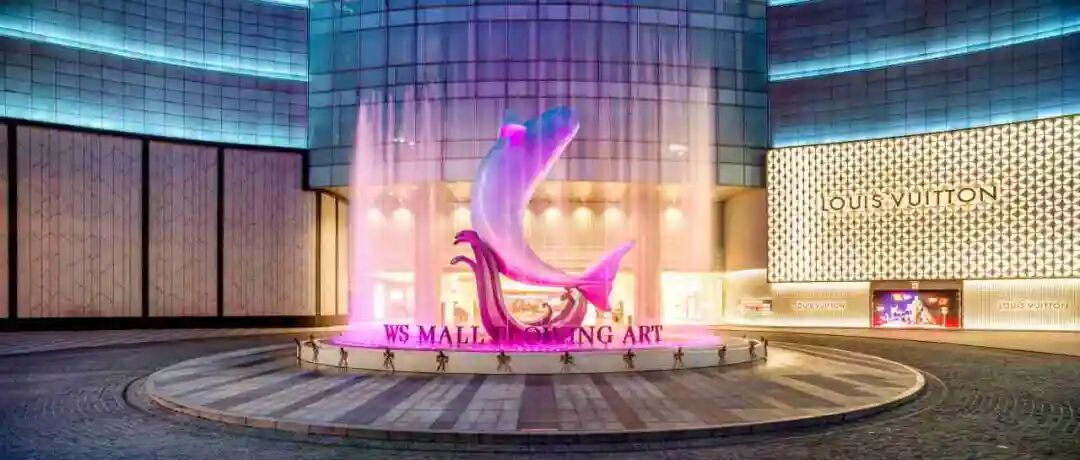
武商集团四维发力重塑商业内核 为武汉“十五五”注入消费强动能
2 1 Shi Ji Jing Ji Bao Dao· 2026-01-07 15:29
Core Viewpoint - The article emphasizes the importance of boosting consumption as part of China's 14th Five-Year Plan, with Wuhan aiming to become a national economic and innovation center, supported by the efforts of Wushang Group to enhance local consumption and integrate into the international market [1][21]. Group 1: Economic Development and Strategic Goals - Wuhan's 14th Five-Year Plan aims for a regional GDP exceeding 3 trillion yuan by 2030, focusing on becoming a national economic, technological innovation, and trade logistics center [1]. - Wushang Group is positioned as a leader in Central China’s commerce, driving local consumption through brand aggregation, open empowerment, and innovative business models [1][3]. Group 2: Consumption Trends and Innovations - The "Four Firsts Economy" has emerged as a key strategy for revitalizing Wuhan's consumption market, with Wushang Group introducing numerous first stores and exhibitions to attract consumers [3][4]. - In 2025, Wushang Group introduced 267 first stores, 309 exhibitions, and 341 product launches, enhancing the local consumption landscape [4]. Group 3: Brand and Experience Enhancement - Wushang MALL has become a hub for over a thousand renowned brands, including luxury and high-end products, creating a comprehensive consumption matrix [6]. - The mall has undergone renovations to enhance experiential consumption, featuring a diverse range of dining options and local delicacies, transforming it into a lifestyle destination [7]. Group 4: Internationalization and Duty-Free Initiatives - Wushang Group is advancing its internationalization efforts by establishing the first city duty-free store in Hubei, enhancing its role as a commercial hub linking domestic and international markets [9][11]. - The duty-free store has signed contracts with over 100 international brands, ensuring a seamless shopping experience for foreign tourists [12]. Group 5: Technological and Business Model Innovations - Wushang Group is focusing on digital transformation and light asset operations, establishing the Wushang Jiangtun Fund to invest in new technologies and business models [17]. - The establishment of Jiangtun Digital Technology Company aims to enhance the group's digital capabilities and integrate technology into its core operations [18]. Group 6: Community Engagement and Future Outlook - Wushang Group has achieved commercial coverage across 12 cities in Hubei and expanded into Jiangxi, creating a network that supports regional economic development [21]. - The company plans to continue enhancing consumption supply and service capabilities, contributing to Wuhan's goal of becoming an international consumption center [21].