美元霸权

Search documents
特朗普打出“王炸”,或将中国踢出美元体系,赖清德却高兴不起来
Sou Hu Cai Jing· 2026-02-12 22:35
最近特朗普政府突然直接打出一张金融王炸,美国众议院以395比2的压倒性票数,通过所谓台湾保护法 案,扬言要把中国踢出全球核心美元金融体系。 消息一出,岛内不少人跟着起哄,可唯独赖清德愁眉苦脸,一点都高兴不起来。这到底是怎么回事? 美国想拿美元霸权卡死中国脖子 可他们忘了,美元霸权早就不是铁板一块。根据国家外汇管理局2026年1月发布的官方数据,我国外汇 储备稳定在3.4万亿美元以上,人民币跨境结算占对外收付比例持续提升,CIPS跨境支付系统2024年交 易金额同比增长43%,已经成为替代SWIFT的可靠通道。 美国以为这是王炸,其实不过是把美元武器化的老套路,早就被世界各国看透了。 金融制裁从来都是双刃剑 美国不是第一次用这招,之前对俄罗斯、对伊朗都用过,结果怎么样呢? 2022年俄乌冲突爆发,美国联合欧洲把俄罗斯部分银行踢出SWIFT,号称金融核弹,结果俄罗斯快速建 立本土支付系统,推动油气贸易卢布结算,不到两年就稳住金融局面,反倒加速全球去美元化浪潮。 央视网和中央纪委国家监委网站都曾报道,美国前财长耶伦公开承认,对俄SWIFT制裁,直接引发全球 多国加速抛弃美元,动摇美元根基。 特朗普这届政府,上来就没 ...

游戏结束,中国囤储2308吨黄金!赶在访华前,特朗普试探中方口风
Sou Hu Cai Jing· 2026-02-12 11:53
Group 1 - China's gold reserves have quietly increased to 2,308 tons, prompting concern in the U.S. government, particularly from Treasury Secretary Mnuchin, who sent officials to gauge the situation [1][3][5] - The strategic selling of U.S. Treasury bonds by China has nearly halved its holdings from over $1.3 trillion to below $700 billion, indicating a calculated withdrawal from U.S. debt [3][5][7] - This selling trend aligns with the U.S.-China trade tensions and reflects a systematic response to U.S. actions, showcasing China's strategic financial maneuvering [5][9][11] Group 2 - The U.S. faces a significant debt crisis, with national debt exceeding $38 trillion, which is over 120% of GDP, raising concerns about fiscal sustainability [15][17][23] - The loss of the U.S.'s AAA credit rating by major rating agencies has eroded confidence in U.S. debt, leading to fears of potential asset confiscation due to political actions [17][19][21] - As China accumulates gold, it signals a shift in global capital flows, emphasizing the importance of gold as a stable asset in an uncertain world [13][19][25] Group 3 - China's strategy includes not only selling U.S. bonds but also building a new asset framework that bypasses the dollar, such as establishing offshore gold trading and introducing RMB-denominated gold futures [27][29][31] - This new system aims to enhance the credibility of the RMB by linking it to tangible gold reserves, contrasting with the diminishing trust in the dollar [29][31][33] - The ongoing geopolitical tensions and the U.S.'s financial mismanagement have led to a re-evaluation of asset security, with gold emerging as a critical hedge against instability [19][25][35] Group 4 - The U.S. response to China's financial maneuvers has been characterized by contradictory statements, revealing underlying anxiety about the shifting balance of power in global finance [40][42][50] - The U.S. is struggling to revitalize its industrial base to support the dollar, facing challenges from domestic political strife and a hollowed-out manufacturing sector [42][44][48] - The ongoing asset reallocation by China is a rational decision based on national interests, indicating a fundamental change in the rules of the financial game [48][52][54]
2307吨黄金回国!美财长气急败坏甩锅中国,这回美元真的没救了?
Sou Hu Cai Jing· 2026-02-12 04:06
我们不妨把时钟拨回到那个充满紧张气氛的时刻,金价如脱缰的野马,突破了5000美元、5300美元的关口,直到逼近5600美元的历史新高。那时,华尔街的 交易大厅一片死寂,屏幕上跳动的红色数字不再是诱人的超额利润,而是眼看就要引爆整个金融系统的定时炸弹。就在市场普遍认为美元信用体系将彻底崩 溃之际,一场毫无预警的暴跌突然来袭。 美国财政部长贝森特,最近在聚光灯下的表现简直可以用情绪崩溃来形容。然而,他的焦虑并非源自美国38万亿的债务危机,而是来自一股来自东方的神秘 暗流。 谁能想到,在国际金价上演了一场惊心动魄的过山车行情后,华盛顿的官方解释竟然是:中国交易员让市场失序了。一边是美联储的印钞机轰鸣不断,信用 体系在不断坍塌;另一边是2307吨实物黄金悄无声息地流入中国的地下金库。这场危机不仅仅是一场围绕金价数字的博弈,更是一场关系到货币霸权生死存 亡的终极审判。看到贝森特那气急败坏的模样,大家不禁要问:到底是什么刺痛了美元霸权的神经? 再看看印度和土耳其,这些国家也在拼命将美元兑换为硬通货。全球央行集体倒戈的现象,金融圈有一个不言而喻的代号——去美债化。曾几何时,那张绿 色的美元纸币是各国央行眼中的甜蜜果实,是外 ...
特朗普不甘地承认,自己9年前犯下一个大错,他这次不会重蹈覆辙
Sou Hu Cai Jing· 2026-02-12 04:00
沃什之所以能被特朗普选为美联储下任主席的候选人,背后必定是他在一些关键问题上做出了妥协和承诺。特朗普一贯选人的标准就是听话,要求提名者必 须与他的观点高度一致。至于美联储的事务,沃什若想顺利获得提名,必须在一些核心问题上迎合特朗普,至少在口头上作出明确的承诺,否则根本不可能 进入特朗普的视野。特朗普显然希望美联储继续维持低利率政策,为美国经济刺激计划提供货币政策支持。如果沃什上任后真按照特朗普的意愿制定货币政 策,那么美元很可能会进入震荡贬值的周期。贬值会带来通胀的风险,不仅美国国内经济会受到影响,全球其他国家持有的美元外汇储备也会缩水。这可能 促使一些国家加速去美元化的进程,减少美元在外汇储备和国际贸易结算中的比重,从而进一步削弱美元的国际货币地位。 特朗普近日回忆起自己在第一任期内犯下的一个大错,并发誓这次绝不会重蹈覆辙。他提到,自己当初提名鲍威尔担任美联储主席,完全是基于财政部长的 建议,事实上他对鲍威尔的印象并不好。他甚至毫不避讳地说:那是个错误,真是个大错误。说完对鲍威尔的批评,他又转向了自己近日提名的美联储下任 主席人选——凯文·沃什,言辞恳切地夸奖沃什,认为他会做得非常出色。 特朗普这番公开认错 ...
美债成了烫手山芋?中国加速抛售美债,美专家:中国用新抛售方式
Sou Hu Cai Jing· 2026-02-11 21:01
全球持有美债的总规模已经冲上了9.36万亿美元的高位,乍一看,这仿佛是一场全球资本的饕餮盛宴。 然而,在这虚假繁荣的泡沫之下,曾稳坐美国最大债主交椅的中国,其持仓量却已悄然滑落至6826亿美元。 这一数字,不仅不仅击穿了心理防线,更是创下了自2008年金融危机以来的历史新低,面对这一决绝的去库存行动,美国财政部前官员惊呼:"他们用了一 种新方式,我们想拦都拦不住。" 一边是全球看似疯狂的买入浪潮,一边是中国头也不回的离场背影,这高达万亿级别的债务缺口背后,究竟暗藏着怎样惊心动魄的金融博弈? 2013年,彼时中国手中的美债规模还是1.3万亿美元的庞然大物,傲视群雄,而截至2025年11月,这一数字已定格在6826亿美元。 十年光阴,资产腰斩,这绝非简单的减持套现,而是一场经过精密计算、步步为营的战略大撤退,更让华尔街精英们坐立难安的,是那如同鬼魅般难以捉摸 的数据波动。 2025年2月,中国短暂增持,仿佛给市场吃了一颗定心丸;然而3月风云突变,立马掉头狂抛189亿;到了7月,更是单月挥刀狠砍257亿。 这种"进一退二、虚实相生"的战术手法,直接导致美联储引以为傲的监测系统彻底失灵,真正让大洋彼岸的专家们感到脊背 ...
中国要求银行减少持有美国国债,以限制市场风险!降低市场波动
Sou Hu Cai Jing· 2026-02-11 17:43
2026年2月9日,中国监管部门向国内大型银行发出"口头指导",要求减少持有美国国债。 消息一出,美国10年期国债收益率单日飙升4个基点至4.25%,美元指数下跌0.2%,黄金价格逼近5000美元/盎司。 这场看似平静的金融调整,实则暗藏全球 货币体系的重构信号。 中国商业银行持有的美债规模已从2013年的1.3万亿美元腰斩至6826亿美元,创2008年以来最低值。 但问题在于,这些美债的70%集中在10年期以上长期债券。 2025年美联储激进加息后,美债价格暴跌导致银行账面浮亏超千亿美元。 某国有大行内部测算显示,若美债收益率再涨1个百分点,其资本充足率将直接跌破监管红线。 美国国债总额突破38.4万亿美元,每天新增利息80亿美元。 特朗普计划在2026年推出2万亿美元基建法案,而财政部发债成本已占财政收入的25%。 美国国会预算办公室预测:2030年美债利息支出将超过军费开支。 中国监管部门在内部文件中明确警示:"持有美债就像为美国的信用卡欠款兜底。 " 印度央行2025年抛售26%美债转投黄金,巴西单月减持611亿美元美债创纪录。 波兰国家银行更激进,用黄金储备置换了价值150亿欧元的美债。 世界黄金协 ...
中国减持美债,抛售潮引爆美债崩盘:美元霸权终要落幕?
Sou Hu Cai Jing· 2026-02-11 15:45
抛售潮的持续发酵,直接让美债陷入濒临崩盘的困境。曾经被视为"全球资产定价之锚"的美债,如今遭遇了罕见的"股汇债三杀",美股暴跌、美元走低的同 时,美债价格大幅下跌,收益率飙升,10年期美债收益率一度突破4.5%,30年期美债收益率三天内飙升近60个基点。美债价格下跌意味着美国政府融资成 本大幅上升,新债难以卖出,"借新还旧"的链条随时可能断裂,而美债收益率的攀升,还会带动美国抵押贷款、汽车贷款等利率上涨,进一步冲击美国实体 经济和民众生活。 美债的危机,本质上是美元霸权的危机。长期以来,美国凭借美元的储备货币地位,肆意印发美元、转嫁经济风险,而美债作为美元霸权的重要支柱,一直 被全球投资者视为"避风港"。但如今,美国的单边主义、保护主义行径,以及朝令夕改的关税政策,持续侵蚀着美元的信用根基,美元在全球外汇储备中的 占比已跌至56.92%,创下1995年以来的最低值,而全球央行的黄金持有量,也首次超过了外国央行持有的美国国债。 很多人不解,中国为何要持续减持美债?其实这绝非一时冲动,而是基于风险规避与战略布局的理性选择。如今的美国,债务问题早已积重难返,国债总额 已突破38万亿美元,年利息支出接近1万亿美元,甚 ...
美国担心的事情发生了!俄罗斯大量黄金涌入中国,美元霸权完了?
Sou Hu Cai Jing· 2026-02-11 13:25
制裁压力下俄罗斯把黄金当成了主心骨 2022年西方冻结俄罗斯几千亿美元外汇资产以后,俄罗斯央行直接把黄金储备当成最靠谱的底牌。几年 下来,实物黄金存量一直稳在2300多吨,2025年底还有2326吨左右。 金价一路猛涨,俄罗斯手里这些金条账面价值直接翻倍,2025年一年就增值1300多亿美元,差不多把被 冻结的损失补回一大半。 以前大家总觉得黄金不灵活,变现麻烦,可真到关键时候才发现,只有金条谁也动不了。俄罗斯央行基 本没怎么大卖,而是把黄金死死攥在手里,当成战略缓冲。 俄罗斯一下子从中国黄金供应国第11位冲到第7位,排在瑞士、加拿大、南非、澳大利亚和吉尔吉斯斯 坦后面。 交易主要集中在下半年,10月9.3亿美元,11月9.61亿美元,12月单月10吨、13.5亿美元,三个 月就把全年大部分量给吃掉了。 这些金条基本都是标准金锭,纯度999.9,交易方式也越来越直接,用人民币和卢布结算的比例明显增 加,彻底绕开了美元和SWIFT。 与此同时,中俄石油贸易也在悄悄变样。 俄罗斯卖给中国的原油比布伦特便宜三成多,其中一部分货款直接用黄金抵扣。俄罗斯拿到黄金就能买 关键物资,中国把黄金直接计入储备,两边都觉得这笔账 ...
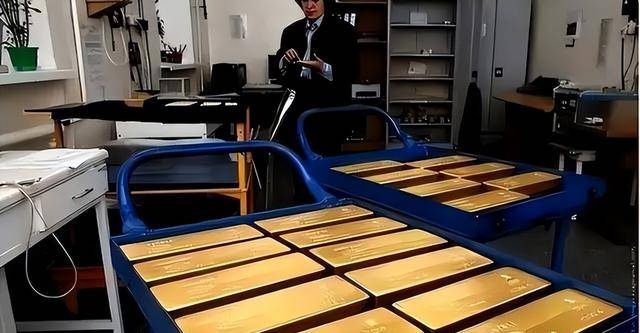
美债或再次崩盘!美国经济最后的遮羞布被撕碎?
Sou Hu Cai Jing· 2026-02-11 10:54
更可怕的是,美债的危机早已不是单一的规模过大,而是陷入了"以债养债"的死循环。2026年,美国债务占GDP的比值已经升到127.3%,远超90%的国际安 全阈值,全年债务利息支出预计突破1.24万亿美元,首次超过8800亿美元的国防预算,相当于每天都要花34亿美元还利息。这就意味着,美国政府每赚10美 很多人可能觉得,美债崩盘只是说说而已,毕竟美国是全球第一大经济体,还能真的还不上债?但现实远比想象中残酷,现在的美债,早已不是当年那个被 全球争抢的"香饽饽",反而成了没人敢接的"烫手山芋"。就在上个月,美国580亿美元三年期国债拍卖遇冷,中标利率突然跳涨,连华尔街巨头都开始带头 砸盘,有人自嘲"现在连华尔街的狗都不吃这些债券了"。 元财政收入,就有9.2美元要花在社保、医保和债务利息上,剩下的钱连搞基建、做研发都不够,只能靠发行新债还旧债。 曾经,美元霸权是美国经济的"遮羞布",靠着印钞就能收割全球财富,掩盖自身实体经济空心化、财政失衡的问题。可现在,这层遮羞布已经快被撕碎了 ——全球去美元化浪潮越演越烈,沙特用人民币结算原油,金砖国家搭建新的支付系统,美元储备份额跌破58%,创45年新低。美债作为美元霸权的 ...
种种迹象表明,中国要再抛美债,美元没救了?特朗普承认犯下大错
Sou Hu Cai Jing· 2026-02-11 10:45
美国金融系统正面临重大危机,日前,美国财政部长贝森特公开指责中国,宣称"中国存在所谓的市场 投机行为"。他为什么这么说呢? 其实,他是在为1月底开始金价的突然大幅下跌以及之后的恢复增长这一系列市场剧变做解释,试图将 金价的剧变责任全部推给中国,再说的直白一点,这就是赤裸裸地甩锅。 2026年2月8日,贝森特还上了福克斯新闻,当着镜头就抱怨,说中国交易员操作失序,搞出了投机泡 沫,甚至还呼吁要管控中国交易员的保证金,明着把金价动荡的黑锅扣给中国。 美国财政部2026年1月15日公布的报告显示,截至2025年11月,中国持有的美债规模已经跌到了6826亿 美元。 这个数字看着不少,但对比曾经1.32万亿美元的巅峰时期,中国手里的美债已经几乎被腰斩,而且这还 是连续第九个月净卖出,本轮减持规模超过了千亿美元,现在的持有量已经降到了2008年9月以来的最 低水平。 现在的美债,早就不是以前那个"全球最安全资产"了,美国联邦债务已经突破38万亿美元,一年的利息 支出就超过1.2万亿美元,信用评级还被穆迪、惠誉接连下调,价格波动越来越剧烈。 去年美债就多次出现单日大幅跳水的情况,银行持有太多,很容易面临账面亏损,甚至影响 ...