新型储能

Search documents
南网储能: 南方电网储能股份有限公司2025年半年度报告
Zheng Quan Zhi Xing· 2025-08-29 18:22
Core Viewpoint - The report highlights the financial performance and operational status of China Southern Power Grid Energy Storage Co., Ltd. for the first half of 2025, showcasing significant growth in revenue and net profit, alongside strategic developments in energy storage and hydropower sectors [1][2]. Financial Performance - The company's operating revenue for the first half of 2025 reached approximately CNY 3.30 billion, representing a year-on-year increase of 13.38% [2][14]. - Total profit amounted to approximately CNY 1.27 billion, reflecting a 24.92% increase compared to the same period last year [2]. - Net profit attributable to shareholders was approximately CNY 832.44 million, up 32.93% year-on-year [2][14]. - The company's total assets increased by 7.54% to approximately CNY 54.27 billion, while net assets rose by 2.94% to approximately CNY 21.97 billion [2]. Industry Overview - National electricity consumption in the first half of 2025 was approximately 4.84 trillion kWh, a growth of 3.7% year-on-year, with total installed power generation capacity reaching 3.65 billion kW, up 18.7% [3][4]. - The new energy storage sector is experiencing rapid growth, with installed capacity exceeding 80 million kW by June 2025, driven by policy shifts towards market-driven development [3][4]. Business Operations - The company operates a total installed capacity of 12.96 million kW, including 10.28 million kW from pumped storage, 654.2 MW from new energy storage, and 2.03 million kW from peak-shaving hydropower [4][5]. - Three new electrochemical storage projects were commissioned, contributing to the new energy storage capacity [5][6]. - The company is actively pursuing ten ongoing pumped storage projects, with plans for completion and commissioning within the year [6][7]. Strategic Initiatives - The company is focusing on enhancing operational efficiency and cost management, with a goal to improve key performance indicators such as profit margins and asset turnover [7][8]. - Emphasis is placed on technological innovation, with significant investments in research and development, leading to a 95.34% increase in R&D expenses [15][11]. - The company is also enhancing its ESG (Environmental, Social, and Governance) initiatives, achieving high ratings in sustainability assessments [12][13].

“空气充电宝”来了
2 1 Shi Ji Jing Ji Bao Dao· 2025-08-29 11:33
Group 1 - As of mid-2025, China's new energy storage installed capacity is expected to reach approximately 95 million kilowatts, representing a nearly 30-fold increase over five years [1] - The National Energy Administration has highlighted the importance of new energy storage in ensuring power supply during peak summer demand [1] - New energy storage technologies include lithium-ion batteries, flow batteries, compressed air storage, and flywheel storage, with a significant focus on diversifying beyond lithium-ion technology [1][3] Group 2 - The world's highest pressure compressed air storage technology has been successfully verified in Changsha, Hunan Province, marking a significant advancement in artificial cavern gas storage technology [2] - Compressed air energy storage (CAES) utilizes surplus or low-cost electricity to compress air, which is then released during peak demand, facilitating energy conversion [3] - CAES is gaining attention due to its long-duration and large-scale storage capabilities, essential for accommodating the integration of renewable energy sources [3] Group 3 - The design and selection of gas storage facilities are critical for the efficiency, economy, and reliability of CAES systems, which can be categorized into underground, surface, and underwater systems [4] - China Energy Construction has led the development of the world's most advanced artificial cavern gas storage project in Changsha, and has also initiated a 300 MW CAES demonstration project in Hubei [4][5] - The CAES industry in China is experiencing rapid growth, with significant projects being developed to enhance the commercialization of this technology [6] Group 4 - The scale of CAES projects in China has increased significantly, with 14 projects starting bidding in the first five months of 2024, totaling 4.1 GW/18.7 GWh, a 33.3% increase from the previous year [7] - The market for upstream core equipment in the CAES industry is projected to reach 18.5 billion yuan by 2025 and could surge to 85.4 billion yuan by 2030 [7] - Policy support and substantial capital investment are driving the rapid commercialization of CAES technology [8] Group 5 - CAES projects have begun participating in peak summer demand response, with the Jiangsu compressed air storage power station successfully completing full-load discharge tasks during peak hours [9] - The Jiangsu facility was the first non-combustion CAES power station to participate in peak summer demand response, showcasing the technology's operational capabilities [9]

“空气充电宝”来了|年中能源观察
2 1 Shi Ji Jing Ji Bao Dao· 2025-08-29 11:03
Core Viewpoint - The article highlights the rapid development and commercialization of new energy storage technologies in China, particularly focusing on compressed air energy storage (CAES) as a significant player in the energy sector, with projections indicating a substantial increase in installed capacity by 2025 [1][8]. Industry Overview - By mid-2025, China's new energy storage installed capacity is expected to reach approximately 95 million kilowatts, representing nearly a 30-fold increase over five years [1]. - New energy storage technologies include lithium-ion batteries, flow batteries, compressed air storage, and flywheel storage, with a notable emphasis on the diversification of storage solutions [2][5]. Compressed Air Energy Storage (CAES) - Recent advancements in CAES technology are making the concept of a "super charging treasure" a reality, with significant projects underway [3]. - The world's highest pressure CAES facility has successfully completed technology verification in Changsha, Hunan Province, marking a breakthrough in artificial cavern gas storage technology [4]. - CAES operates by using surplus or low-cost electricity to compress air, which is then stored under high pressure and released during peak demand, facilitating a "power-energy-power" conversion process [5]. Technological Developments - CAES technology has evolved through various stages, from 1 megawatt in 2013 to 300 megawatts with the recent projects, indicating a trend towards larger-scale applications [8]. - The CAES systems can be categorized into underground, ground, and underwater storage methods, with the Changsha project being a leading example of advanced artificial cavern storage technology [6]. Market Growth and Investment - The number of CAES projects and their bidding scale in China has significantly increased, with 14 projects initiated in the first five months of the year, totaling 4.1 GW/18.7 GWh, a 33.3% increase from the previous year [9]. - The market for CAES core equipment is projected to reach 18.5 billion yuan by 2025 and could surge to 85.4 billion yuan by 2030, driven by rapid industrial advancement and technological maturity [9]. Policy and Commercialization - The inclusion of new energy storage in government work reports since 2024 has positively impacted the CAES industry, leading to increased capacity and scale [8][10]. - CAES projects have begun participating in peak summer electricity supply, demonstrating their operational capabilities and integration into the energy grid [11].
广东:加快发展人工智能、机器人、集成电路等产业 形成一批新的投资热点
Xin Hua Cai Jing· 2025-08-29 08:37
Group 1 - The core viewpoint of the article is the Guangdong Provincial Government's implementation plan to accelerate effective industrial investment from 2025 to 2027, focusing on emerging investment hotspots and enhancing existing industries [1][2][3] Group 2 - The plan emphasizes the identification of new investment hotspots in advanced technologies and products such as solid-state batteries, graphene, carbon fiber, AI devices, and 6G mobile communication equipment [1] - It aims to continuously expand investment in advantageous industries, including electronics, petrochemicals, automotive, and food and beverage sectors, while promoting major projects like "Guangdong Strong Chip" [2] - The strategy includes a full industrial chain approach to upgrade traditional industries, enhance product innovation, and attract high-quality projects with significant market potential [2]

电力设备及新能源行业双周报(2025、8、15-2025、8、28):建议关注新型储能环节-20250829
Dongguan Securities· 2025-08-29 08:10
Investment Rating - The report maintains an "Overweight" rating for the electric equipment and new energy industry [2] Core Viewpoints - The report suggests focusing on the new energy storage segment, highlighting the need for system-friendly new energy power plants to address the instability of renewable energy output [2][39] - The report emphasizes the importance of enhancing the predictive accuracy of wind and solar power generation to improve grid integration [39] - It recommends paying attention to leading inverter companies that benefit from the development of new energy storage technologies [39] Market Review - As of August 28, 2025, the electric equipment industry has increased by 6.08% over the past two weeks, underperforming the CSI 300 index by 0.88 percentage points, ranking 9th among 31 industries [11] - The electric equipment industry has risen by 11.88% this month, outperforming the CSI 300 index by 2.35 percentage points, ranking 7th [11] - Year-to-date, the electric equipment sector has increased by 15.01%, outperforming the CSI 300 index by 1.56 percentage points, ranking 16th [11] Valuation and Industry Data - As of August 28, 2025, the PE (TTM) for the electric equipment sector is 28.32 times, with sub-sectors showing varied valuations: - Electric motor II: 57.18 times - Other power equipment II: 54.33 times - Photovoltaic equipment: 21.08 times - Wind power equipment: 35.53 times - Battery: 27.20 times - Grid equipment: 26.13 times [22][25] Industry News - The report discusses the Chinese government's initiatives to promote green and low-carbon urban development, emphasizing energy efficiency and the adoption of advanced technologies [35] - It highlights the National Energy Administration's focus on enhancing the adaptability of the power system to renewable energy, including the construction of a new power system and the promotion of energy storage solutions [36] Company Announcements - The report includes recent financial performance announcements from various companies, such as: - GreenMe achieved a revenue of 17.56 billion yuan in the first half of 2025, a year-on-year increase of 1.28% [41] - XianDai Intelligent reported a revenue of 6.61 billion yuan, up 14.92% year-on-year [41] - Euro Continental's revenue reached 2.12 billion yuan, reflecting a growth of 32.59% [41]





易成新能:公司具有石墨电极行业的完整产业链
Zheng Quan Ri Bao Zhi Sheng· 2025-08-28 11:11
Group 1 - The core product of Yicheng New Energy is graphite electrodes, and the company possesses a complete industrial chain in the graphite electrode industry, including needle coke, binder pitch, ultra-high power graphite electrodes (UHPΦ350mm-Φ800mm), and special graphite materials [1] - The company focuses on "high-end carbon materials" and "new energy storage" as its core business [1] - In the first half of 2025, the company will achieve control over Meishan Lake Company through equity acquisition, further enhancing its graphite electrode production capacity, and currently has no plans to divest this company [1]

海辰储能高举“质量牌”,不拼速度也能赢?
Sou Hu Cai Jing· 2025-08-28 08:44
Core Viewpoint - The article highlights the rapid growth and success of Hai Chen Energy in the global energy storage battery market, achieving over 100GWh in cumulative shipments within just five years, positioning itself as a leading player in the industry [2][3][6]. Company Overview - Hai Chen Energy was founded in late 2019 and focuses on manufacturing and selling energy storage batteries and systems, providing comprehensive energy storage solutions [2][6]. - The company is projected to achieve nearly 13 billion yuan in revenue by 2024 and has consistently ranked among the top three global energy storage battery suppliers [2][8]. Industry Context - The energy storage industry has seen intense competition, with many companies struggling due to overcapacity and price wars, leading to a challenging operating environment [5][6]. - Despite the industry's challenges, Hai Chen Energy has differentiated itself through high product quality, strong customer reputation, and technological innovation, avoiding the pitfalls of low-cost competition [5][6][8]. Growth and Achievements - Hai Chen Energy announced its cumulative shipment of over 100GWh on August 22, marking a significant milestone in a competitive market [3][6]. - The company has focused on high-quality, long-life, and high-efficiency products, gaining market recognition and establishing a strong brand reputation for "Hai Chen Quality" [5][6][8]. - By 2025, the company has reached the second position in global energy storage battery shipments, with a significant increase in market share [8][10]. Technological Innovation - Hai Chen Energy has invested heavily in research and development, focusing on advanced technologies such as long-duration storage and sodium-ion batteries, which are critical for meeting future energy demands [6][22][23]. - The company has developed a range of innovative products, including the 1175Ah long-duration storage battery and the N162Ah sodium-ion storage battery, set for mass production and global delivery [23]. Market Trends - The article notes a shift in the energy market towards high-quality, innovative solutions as the industry moves away from low-cost competition, emphasizing the importance of reliability and service [18][19]. - The demand for long-duration energy storage is expected to grow significantly, with projections indicating a market potential exceeding 900GWh in the next five years [22][23].

2GWh!中电装储能中标两大储能项目
中关村储能产业技术联盟· 2025-08-27 06:23
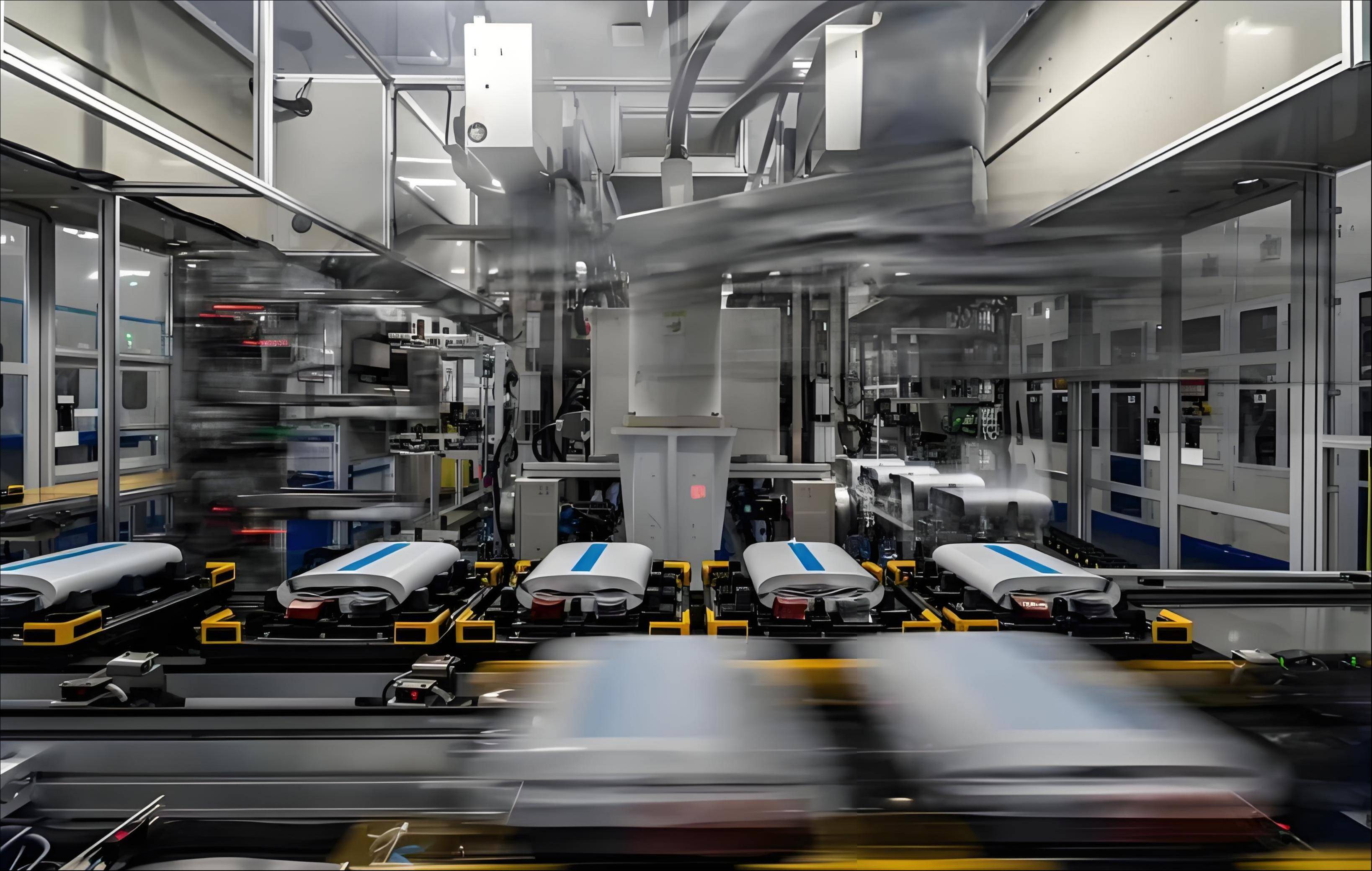
Core Viewpoint - The article highlights the significant achievements of China Electric Power Equipment and Technology Co., Ltd. (CEPETC) in the energy storage sector, showcasing its recent project wins and overall growth in system shipments [2][3]. Group 1: Project Wins - CEPETC has recently won two energy storage projects, marking a strong presence in the market [2]. - On August 25, the company secured a bid for a 100MW/400MWh independent energy storage project at the Xinjiang Huadian Urumqi Photovoltaic Base [4]. - On August 26, it won a bid for a 400MW/1600MWh independent energy storage project in Chifeng City, Inner Mongolia [4]. Group 2: Market Position and Performance - According to data from the China Energy Storage Industry Technology Alliance (CNESA), in the first half of 2025, CEPETC's domestic and global energy storage system shipments ranked among the top five in the industry [3]. - The company has successfully entered high-profile centralized procurement projects with major state-owned enterprises, with a total framework scale exceeding 36GWh [3]. Group 3: Cumulative Achievements - To date, CEPETC has shipped over 40GWh of energy storage systems, contributing to the establishment of over 500 energy storage projects globally [5]. - The company has played a role in building the world's largest virtual synchronous technology demonstration project and the first 100MWh intelligent string-type grid-connected energy storage project [5].
人民日报丨“量足价稳”,这是我国能源保障的底气
国家能源局· 2025-08-27 03:06
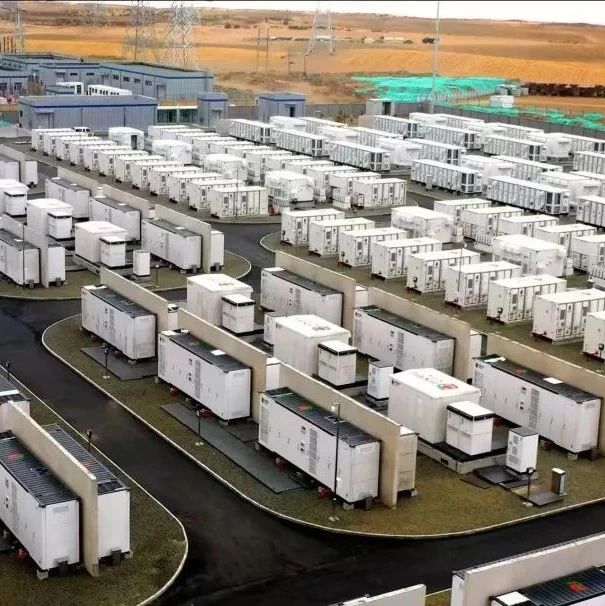
Core Viewpoint - The article discusses the achievements and developments in China's energy sector during the "14th Five-Year Plan" period, highlighting the significant growth in energy consumption, production, and renewable energy infrastructure. Group 1: Energy Consumption and Production - During the "14th Five-Year Plan," China's new electricity consumption is expected to exceed the annual electricity consumption of the European Union [5] - By 2024, China's total electricity generation is projected to surpass 10 trillion kilowatt-hours, accounting for one-third of global electricity generation [7] - The energy production during this period is estimated to reach approximately 5 billion tons of standard coal, representing a significant portion of global energy production [8] Group 2: Infrastructure Development - The energy infrastructure network has become more comprehensive, connecting eastern and western regions and facilitating energy transfer through major projects like "West-East Electricity Transmission" and "North Coal South Transport" [12] - As of July 2023, the number of charging infrastructure units in China reached 16.696 million, ten times the number at the end of the "13th Five-Year Plan," making it the largest in the world [15] Group 3: Renewable Energy Growth - The share of renewable energy generation capacity is expected to increase from 40% to around 60% during the "14th Five-Year Plan" [18] - Wind and solar power installations are projected to grow significantly, with annual additions of 10 million kilowatts and 20 million kilowatts, respectively, showcasing unprecedented development speed [18] - The number of new energy patents in China accounts for over 40% of the global total, indicating strong innovation in the sector [19] Group 4: Environmental Impact - China's exports of wind and solar products have contributed to a reduction of approximately 4.1 billion tons of carbon emissions in other countries [24]
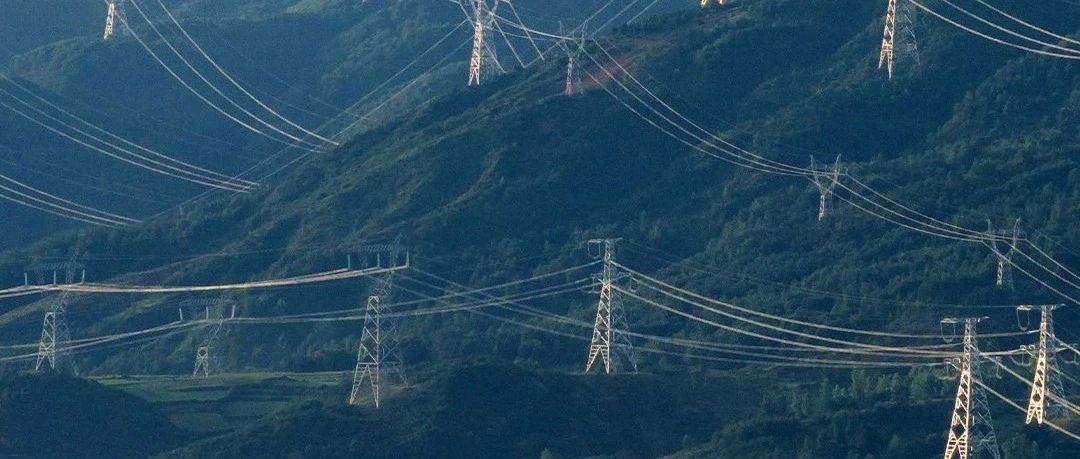
我国能源强势崛起 多个世界第一诞生改写全球格局
Sou Hu Cai Jing· 2025-08-26 13:49
Core Insights - China's energy transition has rapidly shifted renewable energy from a supplementary role to a primary one, with renewable energy generation capacity increasing from 40% to 60% in recent years [3][8] - The country has established the world's largest and fastest-growing renewable energy system, with significant advancements in electric vehicle infrastructure and charging networks [4][6] Renewable Energy Growth - Renewable energy generation now accounts for 58.2% of total energy production, with a tenfold increase in wind and solar capacity over the past decade [8][10] - China leads the world in new energy storage capacity, holding over 40% of the global market, with a 20-fold increase in five years [6][10] Technological Advancements - Significant technological breakthroughs have been achieved in various energy sectors, including floating offshore wind turbines and high-efficiency solar cells [10][12] - The integration of artificial intelligence in energy generation and management is enhancing operational efficiency and innovation [14] Economic Impact - China's investment in clean energy reached $625 billion annually, surpassing the combined investments of the EU and the US [8][12] - The export of wind and solar products from China has contributed to a global reduction of 4.1 billion tons of carbon emissions over five years [14] Policy and Market Dynamics - The transition from policy-driven to market-driven renewable energy solutions is underway, with increasing reliance on market pricing for green electricity [10][12] - The government is addressing challenges such as capacity compensation mechanisms and potential overproduction in the renewable sector [12]