
价值投资

Search documents
Abercrombie & Fitch Co. (ANF): A Bull Case Theory
Yahoo Finance· 2025-12-04 13:20
Core Thesis - Abercrombie & Fitch Co. (ANF) is experiencing a multi-year turnaround driven by disciplined capital allocation and operational resilience, with a strong focus on omnichannel strategies [2][3] Financial Performance - As of November 28th, ANF's share price was $97.87, with trailing and forward P/E ratios of 9.42 and 9.15 respectively [1] - The company has delivered 12 consecutive quarters of growth, with record earnings from Abercrombie and nearly 20% growth from Hollister [4] - ANF has a free cash flow to enterprise value (FCF/EV) yield above 20% and a $1.1 billion buyback program, which is expected to enhance shareholder value as short positions depress the share price [3] Strategic Initiatives - The company is focusing on nostalgia-driven branding and launching a new kids line through partnerships with retailers like Macy's, which diversifies distribution channels and reduces reliance on single brands or regions [4][5] - International expansion is identified as a long-term growth lever, while immediate opportunities lie in enhancing engagement with millennials [4][5] Market Sentiment - Despite a 20% short interest reflecting investor skepticism, the fundamentals of ANF contrast positively, suggesting a compelling risk/reward profile for investors [3][5] - The stock has appreciated nearly 20% to $78, with management's conviction in intrinsic value reinforced by repurchasing double the expected amount of stock [5] Valuation Potential - Current EV/EBITDA multiple stands at 3.87, with potential re-rating towards GAP's 7.3x implying a share price above $123, while P/E alignment suggests a valuation around $120 [5]

中泰资管天团 | 姜诚:称重是对长期分红的折现值“求积分”,而非“求导”
中泰证券资管· 2025-12-04 11:32
Core Viewpoint - The overall market performance this year has been positive, with most stocks rising, but there is significant differentiation based on fundamentals [1] Group 1: Market Performance - The cyclical industries are facing weak overall demand, while some sectors benefit from positive supply-side changes, showing signs of profit recovery [1] - The real estate sector continues to see declines in both volume and price, with over half of the companies reporting losses in the first three quarters [1] - The banking sector has shown weak cyclical characteristics, but has gained positive returns this year due to a bottoming out of interest margins [1] Group 2: Investment Strategy - The company has focused on learning about new sectors such as artificial intelligence, semiconductors, internet, and innovative pharmaceuticals, which occupy a significant portion of research time [1][2] - The investment framework has led to a low turnover rate in the portfolio, indicating a cautious approach to new investments [2] Group 3: Valuation and Decision-Making - Understanding a stock's value involves both quantitative and qualitative assessments, particularly in rapidly evolving industries where predicting worst-case scenarios is challenging [4] - The concept of "weight" in stocks is emphasized, where long-term dividend discounting is crucial for investment decisions [4] - Different investment philosophies, such as focusing on profit growth versus long-term value accumulation, can lead to divergent investment decisions even with similar fundamental understandings [4] Group 4: Risk Assessment - The value of an investment can be likened to a chicken's ability to lay eggs, with various risks associated with predicting long-term performance [5] - Negative imagination is encouraged as a means to mitigate potential losses, contrasting with overly optimistic predictions [5] Group 5: Historical Performance - The company has outperformed the CSI 300 Total Return Index in four out of the last seven years, indicating a relatively stable excess return despite some fluctuations [7]


90后游资大佬公开征婚,持股市值超10亿
Xin Lang Cai Jing· 2025-12-04 10:13
图片来源:界面图库 90后游资大佬刘鑫公开发布征婚启事,引发市场人士的广泛关注。 12月4日,他新近发布了一篇《关于征婚说几句》对该事件做出了相关说明。他表示,并不想占有太多公众资源。"我 每天工作超过16小时,只有周末可能有闲暇的时间。短期都还是忙于工作,基本都是本人回复。可能通过时间较慢, 回复速度较慢,希望能理解。这件事本身是严肃慎重的,也希望大家理解。" 此外,他还表示,对待这次征婚和未来投资事业都非常认真。过去和未来都坚定长期投资价值投资,长期看好中国资 本市场和中国资产。 11月27日,名为"亿万鑫"的公众号发布了一篇《投资人真心征婚》的内容。作者自称是职业投资人,90后,目前是超 10家上市公司十大股东,最大自然人股东,比如大金重工,国晟科技等等。 他自称身高185cm,"长相端正,目前较胖,但是肯定不丑。目前减肥中。一年内达到理想体重"。在对女方的要求 中,他提到"希望是恋爱脑。因为我自己就是恋爱脑"。 据红星资本局报道,12月2日,联系上公众号"亿万鑫"的运营者,他确认了自己就是刘鑫本人,并展示了其部分持仓 记录截图和相关券商账户截图。他还透露,征婚启事发布后,申请添加他微信好友的人络绎不绝 ...

黄金股票ETF(517400)涨超0.9%,黄金价值有望迎系统性重估
Mei Ri Jing Ji Xin Wen· 2025-12-04 08:13
Group 1 - The core viewpoint is that the upward trend of gold prices is expected to continue due to global risk aversion and liquidity easing, with a systematic re-evaluation of gold's value [1] - The long-term trend of "de-dollarization" and the structural demand from global central banks for risk diversification provide solid support for gold prices [1] - Increased global instability has strengthened the demand for gold as a safe-haven asset [1] Group 2 - The gold stock ETF (517400) tracks the SSH Gold Stock Index (931238), which selects 50 large-cap listed companies involved in gold mining, refining, and sales from the Hong Kong and Shanghai markets [1] - The index reflects the overall performance of publicly traded companies in the gold industry and leans towards value investment, characterized by a focus on mid-small cap and leading companies, with high industry concentration [1]
王波明:投资认知有法门,不做流星做恒星
重阳投资· 2025-12-04 07:32
Core Viewpoint - The article emphasizes the importance of understanding cognitive biases in investment, highlighting that many investors struggle with the disconnect between knowledge and action, which can lead to poor investment decisions [4][7]. Summary by Sections Author's Background - The author, Wang Boming, has a rich history in China's capital market, having participated in its creation since 1988 and founded the magazine "Caijing" in 1998, witnessing numerous capital stories and market fluctuations over 37 years [3][4]. Key Insights from the Book - The book "Wealth is the Realization of Cognition" systematically outlines 12 cognitive biases and 12 cognitive tools, integrating them into the four stages of investment loss, making it practical for investors to find solutions [6]. - It introduces the "Four Hearts" concept—patience, suspicion, caution, and original intention—corresponding to long-term thinking, contrarian thinking, risk thinking, and equity thinking, which simplifies the learning process for investors [6]. - The book explains the origins of cognitive biases through evolutionary psychology, illustrating how traits beneficial in primitive conditions have become mismatched in modern investment environments, leading to failures [7]. Writing Style and Reception - The book is noted for its accessible writing style, enhanced by the author's background in humanities and media, making complex ideas easier to understand [7]. - Despite lacking specific investment techniques, the book is praised for its focus on the philosophy of investment cognition, which is considered valuable for avoiding common pitfalls in investing [8]. - The book has been well-received, achieving reprints within four years of publication, indicating its popularity and recognition among readers [8].

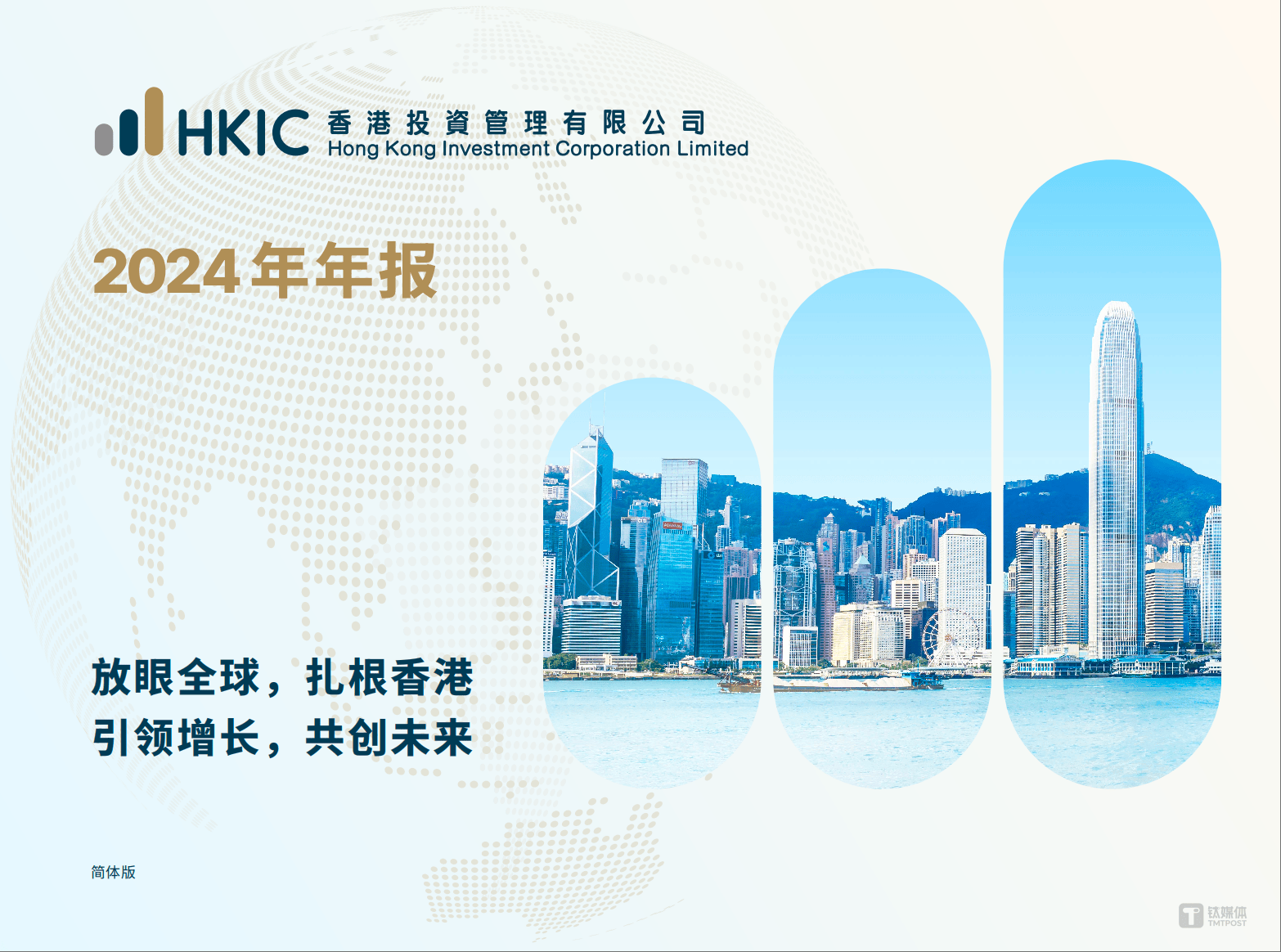
港投公司首份年报亮相:总资产超640亿港元,硬科技投资占比超七成 | 公司动态
Sou Hu Cai Jing· 2025-12-04 07:23
港投公司在报告中强调其"资本带动"效应。截至2025年6月30日,公司每投资1港元,可带动超过6港元的市场长期资金跟投。成立两年间,投资组合中已有2 家企业成功在港上市,另有10余家企业已于2025年内提交或计划提交上市申请,其中5家在上市前已成为独角兽企业。 这些被投企业为香港本地经济带来实质贡献:累计租赁楼面面积超过26.8万平方米,创造直接职位超过6,400个,注册知识产权达109项,并举办行业活动164 场。 构建生态圈,强化香港"超级联系人"角色 港投公司积极搭建涵盖"政、产、学、研、投"的生态圈,已与香港城市大学、中文大学、科技大学、理工大学及香港大学开展超过100项协作项目。此外, 通过设立海外合作基地、举办国际峰会等形式,助力香港巩固其"超级联系人"与"超级增值人"的双重角色。 港投公司行政总裁陈家齐表示:港投公司是坚持长期投资、价值投资、责任投资的专业机构投资者。我们秉持全球视野,加强在区域和国际市场上发挥影响 力,贡献国家发展,说好香港故事,助力构筑互利共赢的市场规则和投资格局。同时,我们透过构建港投公司生态圈,汇聚本地及海外公私营界别的资源和 智慧,助力转型、重塑、定义香港产业、经济和金 ...
下阶段A股主要矛盾是基本面!中泰姜诚近期交流:知识要挑难的学,投资决策要挑简单的做
聪明投资者· 2025-12-04 07:03
Core Viewpoint - Value investment is not limited to stocks; any asset that generates cash returns can be evaluated using value investment principles [12][18]. Group 1: Market Analysis - The main contradiction in the A-share market is the fundamentals, requiring attention to both short-term and long-term developments [18][20]. - The worst situation for A-share fundamentals has already passed, with the lowest point occurring in the second half of last year [19]. - Current A-share market valuation is not the primary issue, as the absolute level of valuation has not changed significantly despite fluctuations in stock prices [19][20]. Group 2: Investment Performance - The performance of investment products managed by Jiang Cheng has been relatively flat this year, with a year-to-date return of 8.15% for the Zhongtai Xingyuan fund [4][5]. - Despite a challenging third quarter, the cumulative returns of Jiang Cheng's products remain robust, with the Zhongtai Xingyuan fund still showing positive absolute returns [7][8]. Group 3: Sector Insights - In the banking sector, while profit growth is modest, the improvement in net interest margins is noteworthy, with most banks showing a halt in the decline of their margins [20][21]. - The real estate sector is under scrutiny, with a focus on the profitability of land acquired by major developers, which currently shows optimistic profit margins [23][30]. Group 4: AI Investment Perspective - A significant amount of research has been dedicated to artificial intelligence, with 95% of recent efforts focused on this area [10][25]. - The current market conditions for AI-related investments are uncertain, with concerns about whether the high valuations are justified [25][26]. Group 5: Investment Philosophy - The essence of value assessment is the present value of future cash returns, emphasizing the importance of sustainable competitive advantages and business models [13][15]. - Avoiding mistakes is prioritized over seeking correctness in investment decisions, highlighting a cautious approach to risk management [17][18].
红利国企ETF(510720)近10日净流入超3.4亿元,市场关注高股息资产防御价值
Mei Ri Jing Ji Xin Wen· 2025-12-04 06:36
Group 1 - The coal industry fundamentals are driven by winter storage replenishment and a decline in raw coal supply, with coal companies generally exhibiting strong cash flow [1] - Leading coal enterprises maintain high dividend yields, making them resilient dividend allocation choices [1] - The banking sector's net interest margin is stabilizing, with declining liability costs helping to alleviate pressure on asset-side yields, attracting allocation funds into high-dividend stocks [1] Group 2 - The Red Chip ETF (510720) tracks the Red Chip Dividend Index (000151), which selects stocks with high dividend characteristics and stable dividend performance, primarily covering traditional sectors such as finance, energy, and industry [1] - The index reflects the characteristics of value investment strategies, focusing on stable returns and long-term dividends [1] - There is an increasing market focus on high-dividend, low-volatility assets, with dividend assets demonstrating good stability, and a positive outlook for dividend market resilience towards year-end [1]
严格限购、密集分红,年底临近基金经理为何纷纷严控规模?
Sou Hu Cai Jing· 2025-12-04 03:17
Group 1 - The core point of the article highlights the recent changes in public fund operations, particularly the trend of limiting large subscriptions and implementing dividend distributions as a strategy to protect existing investors' interests [1][8] - On December 2, E Fund announced the suspension of subscription and conversion for institutional clients before its dividend distribution, which is a common practice to prevent dilution of existing shareholders' interests [1] - As of December 4, a total of 3,364 funds have implemented dividends this year, with a total distribution amounting to approximately 2,155.17 billion yuan [2] Group 2 - Twelve funds have distributed over 1 billion yuan in dividends this year, with seven being passive index equity funds, indicating a significant trend in the market [7] - Some high-performing funds have also limited daily subscription amounts, reflecting a shift from a focus on scale to prioritizing performance and investor interests [8] - Fund managers express concerns about rapid scale expansion due to large inflows, which complicates management and trading, emphasizing the importance of maintaining effective strategies over merely increasing fund size [8] Group 3 - The end of the year is seen as a critical period for asset rebalancing, with institutions potentially shifting towards high-dividend stocks to lock in annual returns [9] - Market analysts suggest that the current market conditions may favor sectors such as non-bank financials, metals, machinery, construction materials, banking, and tourism [8][10] - There is a focus on technology sectors, with expectations of adjustments and potential rebounds, particularly in areas supported by strong performance and favorable policies [10]

港投公司:2024年录得22.52亿港元营运利润 已投资超过150个项目
智通财经网· 2025-12-04 02:46
陈家齐指,港投公司是坚持长期投资、价值投资、责任投资的专业机构投资者。秉持全球视野,加强在 区域和国际市场上发挥影响力,贡献国家发展,说好香港故事,助力构筑互利共赢的市场规则和投资格 局。 同时,透过构建港投公司生态圈,汇聚香港本地及海外公私营界别的资源和智慧,助力转型、重塑、定 义香港产业、经济和金融发展的新优势。将持续拓展策略布局、深化投资伙伴关係,配合国家的发展战 略和香港长远的繁荣发展需要。 运营方面,截至2024年12月31日,港投公司总资产规模640.07亿港元,已投入项目的资金占不到初始资 金规模的1/5,实现投资收入23.45亿港元,营运开支仅0.93亿港元,最终录得22.52亿港元的营运利润。 港投公司行政总裁陈家齐表示,截至2024年年底,港投公司已投入项目的资金占初始资金规模的少于五 分之一,已录得23亿港元投资收入。按照"先博后深"、"循序渐进"的投资策略,旨在为香港在抢占先 机、争取区域和国际话语权、以及投资风险管控等因素之间,取得合理平衡,兼具财务和战略价值的维 度。 在2024年奠下的基础上,于2025年已进一步深耕和推进,包括按原定计划,对达到发展和表现标准的企 业,投入更多资 ...