扩大内需

Search documents
硬核玩家已就位!第八届金禧奖“2025提振消费标杆奖”获奖名单正式发布
Sou Hu Cai Jing· 2026-01-04 06:41
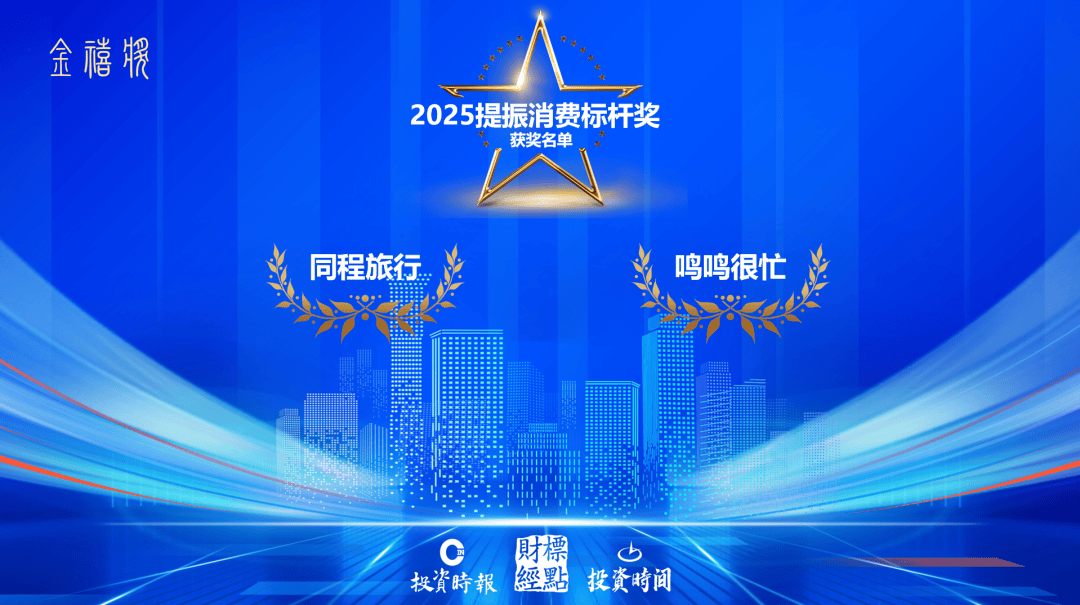
Group 1 - The central economic work conference in 2025 prioritizes "boosting consumption and improving investment efficiency, comprehensively expanding domestic demand" as a key task [3] - A comprehensive package of consumption-boosting policies has been continuously enhanced from the central to local levels, including a special long-term bond fund of 300 billion yuan allocated for supporting the replacement of consumer goods [3] - Financial policies are encouraging financial institutions to increase personal consumption loan offerings, with many institutions introducing zero-interest installment plans and low-interest loans to lower payment thresholds for consumer goods [3] Group 2 - The "2025 Benchmark Award for Boosting Consumption" was awarded to Tongcheng Network Technology Co., Ltd. and Hunan Mingming Henmang Commercial Chain Co., Ltd. for their significant contributions to consumer market stimulation [4] - Mingming Henmang achieved a GMV of 41.1 billion yuan in the first half of 2025, demonstrating rapid growth in revenue and profit through its snack wholesale model [4] - Tongcheng Travel has effectively driven the recovery of cultural and tourism consumption by innovating travel services and optimizing travel experiences [4]

博雅生命李诣书:企业走向“价值兑现”转折点
Xin Jing Bao· 2026-01-04 04:24
Core Viewpoint - The article discusses the strategic direction and goals of Boya Life in response to China's economic policies, particularly focusing on expanding domestic demand and optimizing supply in the biopharmaceutical industry, emphasizing the importance of innovation and technology in achieving high-quality development [1][2][3]. Group 1: Strategic Initiatives - Boya Life aims to drive industry upgrades through "hardcore innovative technology and R&D capabilities," establishing a high-barrier innovation ecosystem [2][5]. - The company is transitioning from a "workshop" model to "intelligent manufacturing" to enhance the quality and efficiency of the supply system, addressing long-standing issues in the cell preparation and storage industry [2][3]. - Boya Life's strategy for 2025 aligns with the national "expand domestic demand" strategy, focusing on activating new consumption momentum in health [2][3]. Group 2: 2026 Strategic Goals - For 2026, Boya Life's strategic goal is to extend the lifecycle of each user, transforming the concept of "storage as the endpoint" into "lifetime asset management + health services" [5][6]. - The company plans to upgrade its cell storage business from a "safe deposit box" to "life asset management" [6]. - In product innovation, Boya Life will pursue both "serious medical new technology R&D" and "consumer-level anti-aging and health intervention solutions" in parallel [6]. Group 3: Market Position and Performance - Boya Life holds over 32% of the domestic market share for placental mesenchymal stem cell storage, showcasing its strong position in the industry [2]. - The company collaborates with over 40 top-tier hospitals in China to advance nearly 20 clinical research pipelines, ensuring high-quality development standards [2]. - Boya Life emphasizes a focus on "health compounding" rather than mere growth, aiming for performance that naturally results from technological realization [6].
新一轮“国补”政策落地!多地掀起“焕新”热潮
Xin Lang Cai Jing· 2026-01-04 04:09
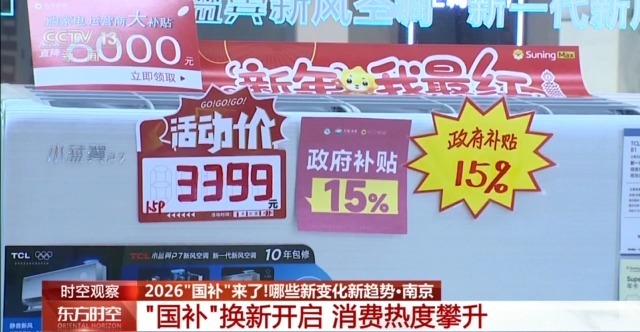
记者 辛圆 新一轮国家补贴已于1月1日正式开启,各地消费市场的热度也在持续攀升。 据央视新闻报道,柳州、贵港是广西今年首批启动消费品以旧换新补贴活动的城市,消费者在指定商家 购买家电、数码和智能产品可享受补贴直接减免。 央视在报道中援引柳州某家电家居旗舰店负责人的话称,消费着购买一台1万元的电视,"国补"最高补 贴1500元,商家在此基础上会追加补贴接近15%,也会补贴1500元,综合起来有30个点。 炒股就看金麒麟分析师研报,权威,专业,及时,全面,助您挖掘潜力主题机会! 四川省商务厅日前发布2026年家电以旧换新及数码智能产品购新补贴政策公告,明确6类家电、4类数码 和智能产品购新换新可享15%补贴,全省统一采用"补贴立减"模式。根据央视的报道,新政实施后,消 费者热情高涨。在成都多家大型家电卖场,咨询选购的人络绎不绝,不少消费者趁假期与新政叠加,集 中升级家中电器。 不只是广西、四川,智通财经查询发现,广州、南京等地,随着"国补"新政的落地,家电数码、汽车市 场掀起新一轮"焕新"热潮。 据广州日报报道,2026年全国首单线下"国补"在广州落地。2026年1月1日0时,广州京东Mall有不少消 费者早早来 ...
中央经济工作会议、激发各类经营主体活力——国资国企月度热点分析【2025年12月】
Sou Hu Cai Jing· 2026-01-04 03:56
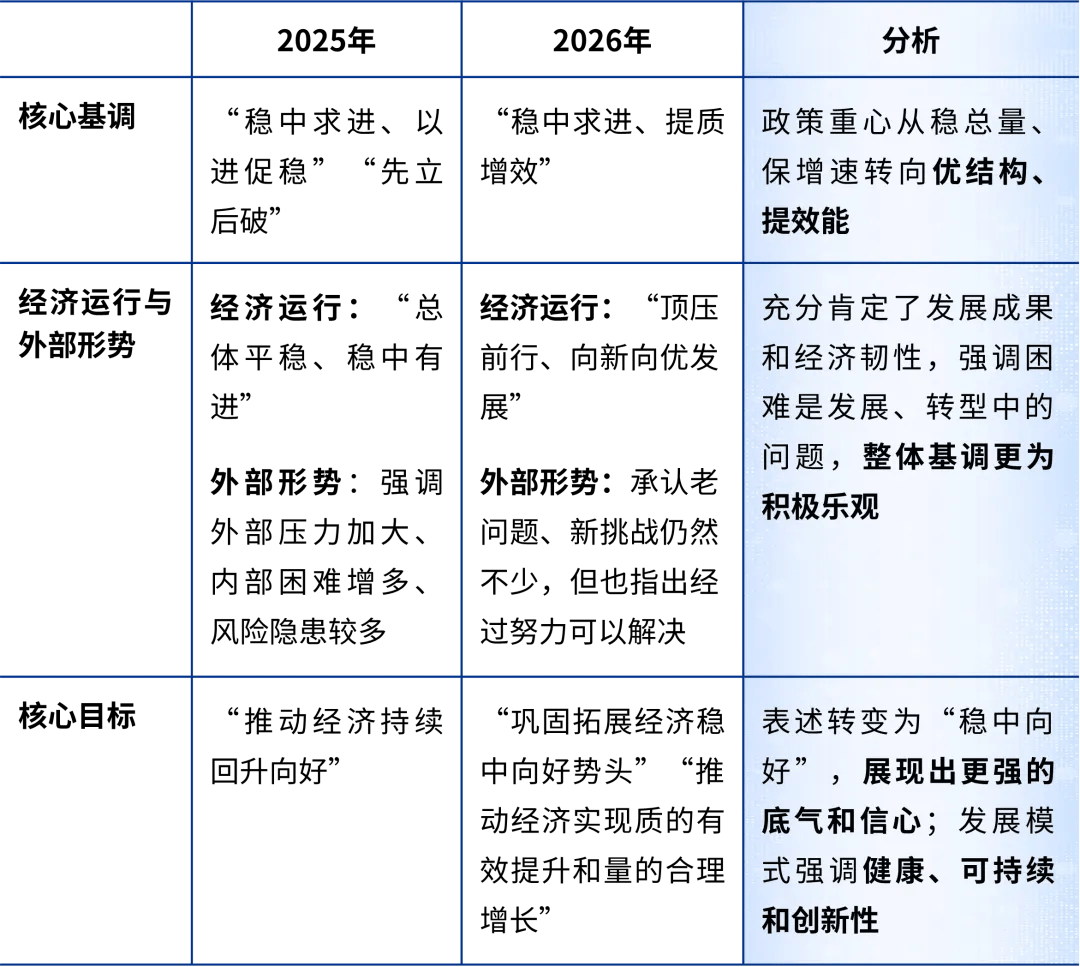
Core Viewpoint - The central economic work meeting held on December 10-11, 2025, set the tone for economic work in 2026, emphasizing "stability while seeking progress and improving quality and efficiency" [1][4]. Summary by Relevant Sections Changes in Economic Work Deployment - The overall tone shifted from "stabilizing the decline" in 2025 to "consolidating and improving" in 2026, reflecting an evolution in China's economic policy direction [1][2]. - The core goal transitioned from "promoting sustained economic recovery" to "consolidating and expanding the stable and improving economic momentum," indicating a stronger confidence in development [2]. Key Tasks and Policy Directions - The meeting highlighted five core directions: domestic demand-driven growth, technological innovation, deepening reforms, risk prevention, and ensuring people's livelihoods, with eight key tasks systematically deployed [2][5]. - The focus on expanding domestic demand was upgraded to emphasize the importance of a strong domestic market, with measures to boost consumption through income increases and supply expansion [5][8]. - Technological innovation was underscored as a driving force for new quality productivity development, with an emphasis on building a modern industrial system [5][8]. - Risk mitigation strategies were specified, particularly in real estate and local government debt, indicating a shift towards proactive problem-solving [5][8]. New Requirements and Opportunities for State-Owned Enterprises (SOEs) - The eight key tasks outlined new requirements and opportunities for SOEs, serving as a guide for high-quality development and strategic mission fulfillment [7][8]. - SOEs are expected to optimize investment, enhance innovation capabilities, and improve governance structures to align with national strategic goals [8][14]. Strategic Directions for Central Enterprises - The central enterprise leaders' meeting on December 22-23 provided a framework for the "14th Five-Year Plan" period, emphasizing strategic positioning and development directions for central enterprises [10][11]. - Key strategic tasks include infrastructure development, ensuring supply chain autonomy, and advancing high-level technological self-reliance [15][16]. Enhancing Market Dynamics and Collaboration - SOEs are encouraged to play a leading role in creating a collaborative industrial ecosystem, facilitating the integration of various market entities [23][24]. - Initiatives like the "Ten-Hundred-Thousand" partnership plan aim to foster innovation and resource integration across the industry [25][26]. Building a High-Standard Market System - The emphasis on constructing a unified national market and deepening market-oriented reforms is a primary goal for the "14th Five-Year Plan" [28][29]. - SOEs are tasked with breaking down market barriers and ensuring fair competition, while also addressing issues related to payment delays to support the supply chain [28][29].
视频丨2026“国补”来了 有哪些新变化新趋势
Yang Shi Xin Wen Ke Hu Duan· 2026-01-03 23:22
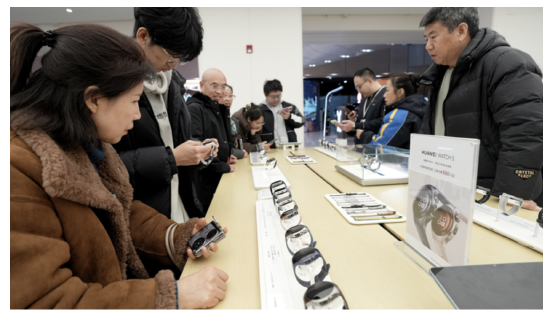
Core Viewpoint - The National Development and Reform Commission and the Ministry of Finance have issued a notice regarding the implementation of a large-scale equipment update and consumer goods replacement policy in 2026, clarifying and optimizing the support scope, subsidy standards, and implementation mechanisms for the "two new" policies [1] Group 1: Policy Overview - The new round of "national subsidies" officially begins on January 1, 2026, with significant changes and trends in the subsidy policy [1] - The policy covers four major areas, including six categories of home appliances and four categories of digital and smart products, with a subsidy of 15% of the transaction price for eligible purchases [5][10][12] Group 2: Subsidy Details - For home appliances, consumers can receive a subsidy of up to 1,500 yuan for each eligible item purchased, limited to one item per category [12] - In the digital and smart products category, consumers can receive a subsidy of up to 500 yuan for each eligible item, also limited to one item per category [10] - The automotive sector continues to support vehicle scrapping and replacement, with subsidies of up to 20,000 yuan for new energy vehicles and 15,000 yuan for fuel vehicles under specific conditions [14] Group 3: New Trends - The new subsidy policy emphasizes improving people's livelihoods and supporting urban development, with a focus on precision in policy implementation [19] - The inclusion of smart glasses in the subsidy scope reflects the growing importance of digital consumption as a new growth point [19] Group 4: Implementation Mechanisms - The new policy enhances standard guidance, increasing support for high-efficiency products while emphasizing the importance of standards for policy effectiveness [22][24] - The implementation mechanism includes optimizing fund allocation and improving the overall implementation process to enhance policy precision and effectiveness [24][26] - The policy also combines uniformity and specificity, allowing local authorities to set specific subsidy standards for smart home products based on local conditions [26]
刺激消费要有三个支点
Sou Hu Cai Jing· 2026-01-03 15:50
Group 1 - The core argument emphasizes that stimulating consumption is conditional, primarily reliant on job security and stable income expectations, especially in major cities where families face significant financial burdens [2][3] - Employment is identified as the first pillar for expanding domestic demand, with a need for GDP growth to maintain tax bases and support increasing household expenditures [3][4] - The discussion around wealth distribution highlights the government's role in fiscal policy, with a current social spending ratio of 53% compared to the 70% target set during the Two Sessions, indicating a need for increased social security to support consumption [4][6] Group 2 - Increasing income is recognized as the second pillar for stimulating consumption, suggesting that without stable employment and income expectations, consumption incentives may be ineffective [5][6] - The upcoming year is projected to see a significant increase in consumption subsidies, but the effectiveness of these measures will depend on job stability and social security, rather than solely on subsidies [6][7] - Social security is identified as the third pillar for stimulating consumption, underscoring its importance in providing a safety net for consumers during economic downturns [7]
晶采观察丨新一年4个关键词,关乎每个奋斗的你我
Yang Guang Wang· 2026-01-03 07:46
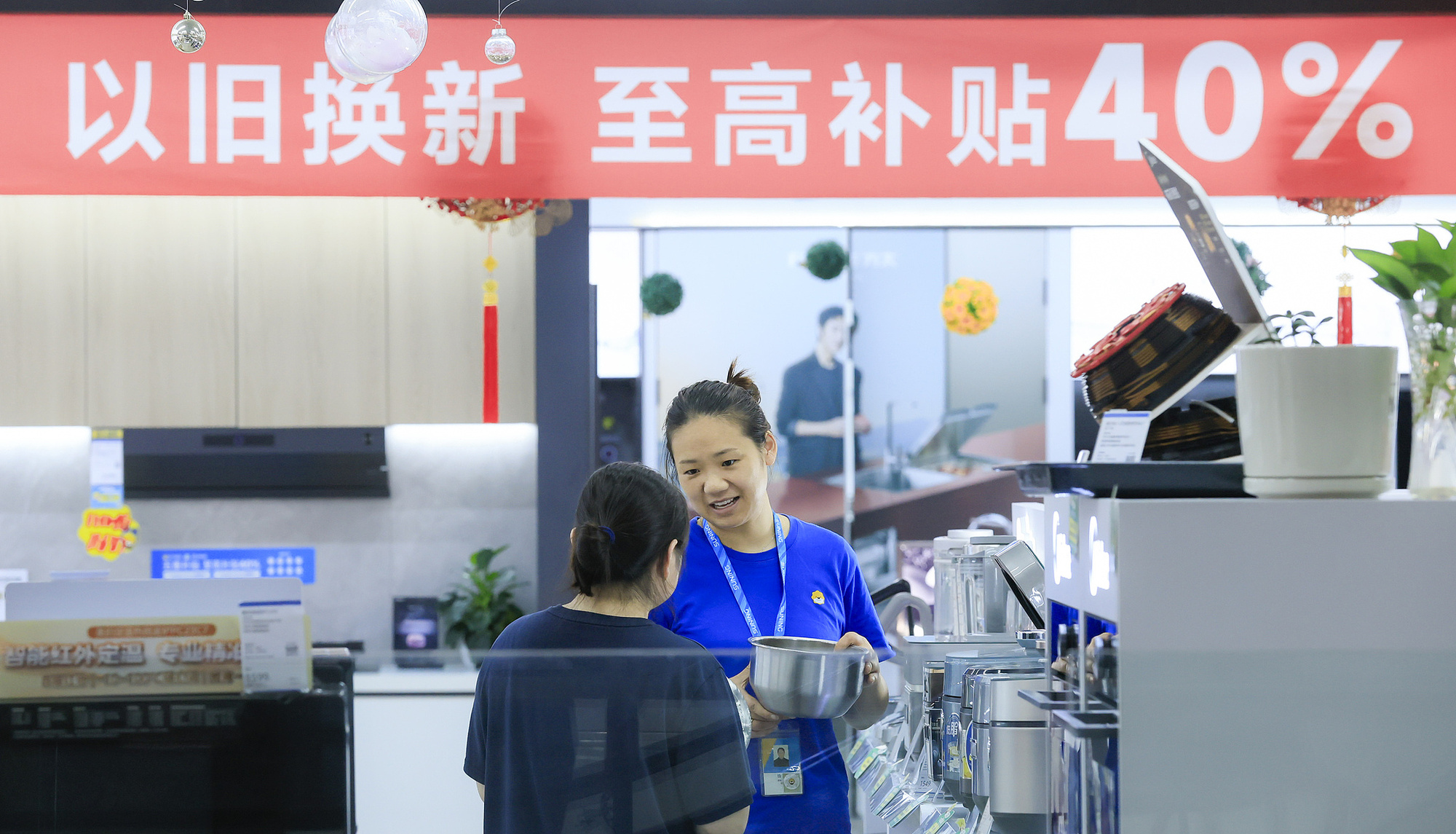
江苏淮安:市民选购家电 由此,今年的工作重点清晰可见:一方面深入开展提振消费专项行动,制定城乡居民增收计划,切实提升居民消费能力与意愿;另一方面,持续扩大优质商 品和服务供给,优化落实"两新"政策,同时清理消费领域的不合理限制,充分释放服务消费潜力,推动消费市场实现高质量扩容提质。值得关注的是,2026 年"两新"政策优化实施方案已正式发布。国家已向地方提前下达2026年第一批超长期特别国债资金计划,规模达625亿元,专项用于支持消费品以旧换新, 助力保障元旦、春节等消费旺季的市场需求。 0:00 刷到这条的朋友,先给自己点个赞!2025奋力奔跑,2026全新启程!这4个核心关键词、四大重点任务,找准方向,咱们一起冲。 首先需要明确的是,过去五年的发展历程极不寻常,取得的成绩来之不易。2026年作为"十五五"规划的开局之年,中国经济该如何谋篇布局、精准发力?答 案已清晰明确。中央经济工作会议作出系统部署,明确将坚持内需主导列为今年经济工作的首要任务。这一战略部署,深刻印证了"十五五"时期建设强大国 内市场的要义——不仅是我国扩大内需的坚实支撑,更是驱动全球经济增长的关键动能。 具身智能机器人吸引众多参观者 科 ...
新年央行“双红包”:月供少了,信用清了?
Jing Ji Guan Cha Bao· 2026-01-03 06:59
这是2025年5月央行贷款政策调整的落地兑现,也是近年来针对居民部门规模最大、覆盖面最广的一次 利率调整。 (原标题:新年央行"双红包":月供少了,信用清了?) 2026年1月1日,央行发的两个"红包"到账了:下调房贷利率,给家庭账本"减负";修复征信记录,让曾 因逾期受阻的人重获平等融资机会。 1月1日,住房信贷领域重磅减负政策正式生效,存量公积金贷款与商业住房贷款同步执行新利率标准, 全国1.5亿房贷家庭迎来"新年红包"。 房地新政落地后,以一笔金额100万元、期限30年、等额本息还款的首套个人住房公积金贷款为例,月 供将由4136元降至4003元,减少约133元,总利息支出将减少约4.76万元。 而如以组合贷款商业住房抵押贷款与公积金贷款额度各100万元、贷款30年、等额本息还款方式计算, 此次利率降低后,累积30年月供减少6.76万元。 央行在2025年底宣布,于2026年1月1日起实施一次性信用修复政策,帮助已结清欠款的个人调整征信记 录。 该政策针对2020年1月1日至2025年12月31日期间产生的个人信贷逾期信息,?单笔逾期金额不超过 1万元?且?截至2026年3月31日已足额偿还债务?的记录 ...
新年央行“双红包”:月供少了,信用清了
Jing Ji Guan Cha Wang· 2026-01-03 06:18
Core Viewpoint - The central theme of the news is the implementation of significant monetary policies by the central bank on January 1, 2026, aimed at reducing the financial burden on households through lower mortgage rates and credit record repairs, thereby stimulating consumer demand and stabilizing the economy [1][2][3]. Group 1: Mortgage Rate Reduction - The central bank's policy to lower mortgage rates will benefit approximately 150 million households, with a specific example showing a reduction in monthly payments from 4,136 yuan to 4,003 yuan for a 1 million yuan, 30-year housing loan, resulting in a total interest savings of about 47,600 yuan [1][2]. - The reduction in mortgage rates is part of a broader strategy to address the economic pressures faced by households, including high housing costs and stagnant income growth, which have led to decreased consumer spending [2][4]. - This rate cut is the largest and most comprehensive adjustment in recent years, following a previous announcement in May 2025 that reduced the personal housing loan rate by 25 basis points [1][2]. Group 2: Credit Record Repair - A new credit repair policy effective from January 1, 2026, will automatically remove overdue records for individuals who have settled their debts, specifically targeting overdue amounts not exceeding 10,000 yuan from January 1, 2020, to December 31, 2025 [3]. - The credit repair initiative is designed to enhance access to financing for individuals who previously faced challenges due to minor overdue records, thereby promoting consumer spending in areas such as home improvement and education [4]. - Together with the mortgage rate reduction, the credit repair policy forms a comprehensive approach to stabilize consumer expectations and stimulate market activity, addressing both cost reduction and credit accessibility [3][4].
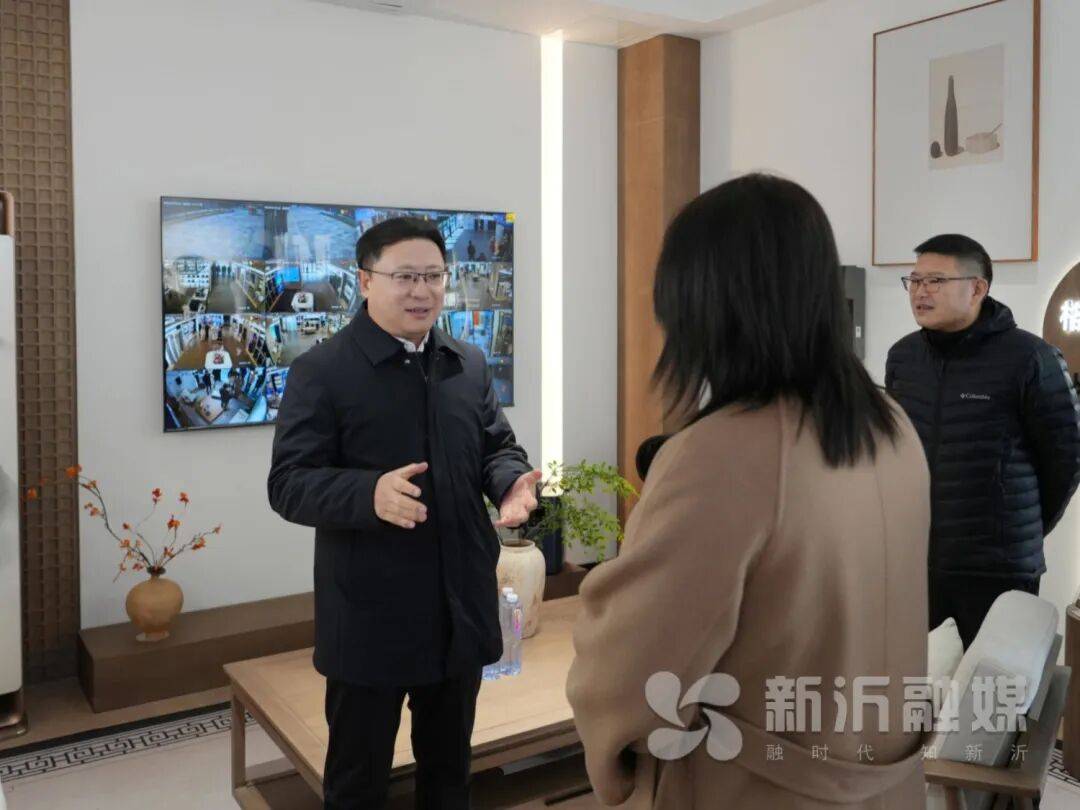
李胜调研元旦期间市场消费情况
Sou Hu Cai Jing· 2026-01-02 21:56
Group 1 - The core message emphasizes the importance of seizing holiday consumption opportunities to boost domestic demand and stimulate consumer activity, positioning these efforts as a priority [1][3] - The trend in home appliance consumption is shifting towards smart and high-end products, with a focus on creating immersive and experiential shopping environments to enhance consumer engagement [3] - The government is encouraging businesses to align their products with new consumption trends such as smart homes and green energy, aiming to meet diverse consumer demands for quality living [3] Group 2 - Holiday consumption is identified as a key driver for domestic demand, with a call for businesses to organize themed activities and optimize service offerings to enhance consumer experiences [3] - The implementation of central and local government initiatives to boost consumption is highlighted, with a focus on developing new business models and enhancing the quality of cultural and tourism offerings [3] - Safety measures are emphasized to ensure consumer confidence during the holiday season, including management of crowded places and emergency response protocols [3]