风险管理

Search documents
期货技术分析周报:2025年第36周-20250907
Dong Zheng Qi Huo· 2025-09-07 13:47
Report Information - Report Title: Weekly Report - Risk Management: Futures Technical Analysis Weekly Report (Week 36, 2025) - Report Date: September 7, 2025 Industry Investment Ratings The report does not explicitly provide an overall industry investment rating. However, it offers specific technical analysis and signal summaries for different sectors, which can be used to infer potential investment trends for each sector. Core Views - Different sectors in the futures market show diverse trends. Some sectors have clear bullish signals, while others are in a state of oscillation. The volatility of each sector and variety also varies significantly, with some showing high volatility and others more stable [1][2][3][4]. Sector Summaries 1. Non - ferrous and Precious Metals Sector - **Technical Indicator Signal Summary**: Non - ferrous metals such as copper, aluminum, lead, tin, nickel, industrial silicon, and polycrystalline silicon show bullish signals, while most precious metals are in an oscillating state. Gold shows a bullish signal, and silver is oscillating. For example, aluminum, tin, and nickel have strong bullish signals [10][11]. - **Analysis of Specific Varieties**: - **Copper (CU2510)**: The adjustment is not over yet. Although the moving average shows a bullish arrangement and the risk of decline is weak, it is necessary to wait for price signals. The price has the potential to break through, but it needs volume - price driving signals [12]. - **Lithium Carbonate (LC2511)**: The downward momentum has weakened, and it has temporarily found support at the MA60 moving average. However, there is a need to be vigilant about the risk of a callback, especially the support effectiveness in the range of 66,800 - 69,600 [17]. - **Weekly Pivot Analysis**: New energy and high - tech metals represented by lithium carbonate and polycrystalline silicon have a wide price fluctuation range, indicating high market volatility. Traditional industrial metals and precious metals have relatively more stable price trends [21]. 2. Black and Shipping Sector - **Technical Indicator Signal Summary**: The black sector mainly has bullish and oscillating signals. Rebar, wire rod, iron ore, coking coal, and ferrosilicon show bullish signals, while other black varieties are oscillating. The European line shipping shows a bullish signal [26][27]. - **Analysis of Specific Varieties**: - **Rebar (RB2601)**: The price has been oscillating and falling this week, but the support around 3,050 - 3,070 yuan/ton is effective. The MACD shows a potential golden cross. If the price breaks below this range, it may fall to the 2,950 - 3,000 range [30]. - **Weekly Pivot Analysis**: Coking coal, coke, ferrosilicon, manganese silicon, and European line shipping have a wide range of support and resistance levels, indicating high market volatility. Rebar, hot - rolled coils, and iron ore have relatively more stable price trends [35]. 3. Energy and Chemical Sector - **Technical Indicator Signal Summary**: The energy sector is in an oscillating state. In the chemical sector, glass, methanol, synthetic rubber, and pure benzene show bullish signals, while other varieties are oscillating [37][38][39]. - **Analysis of Specific Varieties**: - **Soda Ash (SA601)**: The downward trend has stabilized, but it needs volume - price signals to confirm a rebound. The short - term support range of 1,230 - 1,250 yuan/ton is effective [43]. - **Weekly Pivot Analysis**: Paraxylene (PX), styrene, short - fiber, and bottle chips have a wide range of support and resistance levels, with high market volatility. Crude oil, methanol, and other varieties have relatively more stable price trends [45]. 4. Agricultural Products Sector - **Technical Indicator Signal Summary**: In the agricultural products sector, soybean oil, peanuts, rapeseed oil, and the corn series show bullish signals. Eggs have changed from a bullish to a bearish signal, and cotton shows a bearish signal. Other varieties are oscillating [50][51][52]. - **Analysis of Specific Varieties**: - **Soybean Meal (M2601)**: The price has shown signs of stabilizing in the range of 2,980 - 3,020 yuan/ton, and the MA60 moving average provides effective support. However, it needs increased volume to confirm bullish momentum [56]. - **Weekly Pivot Analysis**: Palm oil, cotton, and other varieties have a wide range of support and resistance levels, with high market volatility. Corn, corn starch, and logs have relatively more stable price trends [59].
华夏银行被罚8725万元 从贷款审批到数据治理系统性失灵
Jing Ji Guan Cha Bao· 2025-09-07 10:48
Core Viewpoint - The significant administrative penalty of 87.25 million yuan imposed on Huaxia Bank highlights serious deficiencies in the bank's internal controls and data governance, particularly in loan approval and regulatory data reporting [2][4][6] Group 1: Penalty Details - The penalty was issued by the National Financial Supervision Administration due to insufficient prudence in core business management, including loans, bills, and interbank operations [2][4] - Multiple responsible personnel were also penalized, indicating a strong regulatory focus on risk management and data governance issues within financial institutions [2][3] Group 2: Bank's Response - Huaxia Bank acknowledged the penalty and emphasized its commitment to analyzing the root causes, implementing corrective measures, and holding responsible personnel accountable [3][10] - The bank plans to strengthen internal control compliance management and promote healthy business development in response to the regulatory actions [3][10] Group 3: Internal Control Issues - The core reason for the penalty was identified as a lack of prudence in managing key business lines, which may involve credit approval, fund flow monitoring, and transaction structure design [4][6] - As of June 2025, Huaxia Bank's restructured loan balance was 9.014 billion yuan, indicating ongoing risk management challenges despite a slight decrease [4][6] Group 4: Data Governance Concerns - The penalty also stemmed from non-compliance in regulatory data reporting, which is crucial for macro-prudential management and identifying systemic risks [6][8] - The bank's core Tier 1 capital adequacy ratio was 9.56% as of June 2025, showing a decline from the beginning of the year, raising concerns about the accuracy of its capital status [7][10] Group 5: Broader Implications for the Banking Sector - The incident serves as a warning for the entire banking industry regarding the necessity of compliance and risk prevention in a complex financial environment [3][8] - Regulatory authorities are shifting focus from merely addressing specific violations to enhancing governance mechanisms and information systems within banks [8][9]

不良率A股上市银行最高!兰州银行将如何提升资产质量?回应来了
Bei Ke Cai Jing· 2025-09-07 10:23
Core Viewpoint - Lanzhou Bank has the highest non-performing loan (NPL) ratio among A-share listed banks, reaching 1.81%, exceeding the average of 1.76% for domestic city commercial banks, a situation that has persisted for three consecutive quarters [1]. Group 1: Asset Quality Improvement Measures - The bank plans to enhance asset quality through four main strategies: maintaining a prudent risk preference, improving the intelligent risk control system using big data and AI, increasing efforts in non-performing asset recovery, and strengthening the overall risk management mechanism [3][4]. - The bank aims to adhere to the principle of substance over form in asset quality management, benchmarking against excellent listed banks [4]. Group 2: Financial Performance - As of June 2025, Lanzhou Bank's total assets reached 509.742 billion yuan, marking a 4.82% increase from the beginning of the year and officially entering the medium-sized bank category [5]. - The bank's asset scale breakthrough reflects its enhanced capital strength and market position, as well as its improved ability to serve the regional economy [6]. Group 3: Market Position and Future Goals - As the largest local legal bank in Gansu Province, Lanzhou Bank holds a significant market share in deposits and loans within the province and city, indicating its important role in the local financial system [7]. - The bank plans to focus more on asset quality, profitability efficiency, and optimizing business structure, aiming to convert scale advantages into quality and development advantages while deepening local advantages through digitalization and specialized operations [7].
401(k)计划开放数字资产配置,XBIT Wallet助力加密货币钱包行业跨越发展
Sou Hu Cai Jing· 2025-09-07 07:39
Core Insights - The cryptocurrency wallet industry is experiencing unprecedented growth opportunities due to new policies from the Trump administration regarding retirement funds and significant movements of wallet funds [1][2]. Policy Impact - The signing of an executive order by President Trump will expand the coverage of 401(k) plans to include cryptocurrencies, significantly impacting the wallet industry as trillions of dollars in retirement funds become eligible for digital asset allocation [2]. - Institutional investors are demanding new wallet service standards, including multi-signature verification, hardware security module integration, cold and hot wallet separation, and real-time risk monitoring systems, which exceed the basic storage needs of individual users [2]. Market Dynamics - The expiration of $3.38 billion in Bitcoin options highlights the importance of cryptocurrency wallets in risk management, as ordinary wallet users often lack professional risk assessment tools [4]. - The current market shows significant differentiation, with specific cryptocurrencies like Dogecoin and Sei token exhibiting distinct price behaviors, necessitating advanced asset allocation and risk management features in wallets [4]. Security and Large Transactions - Recent large wallet transfer events, such as the transfer of over 21,000 ETH from a dormant address, test the security and stability of cryptocurrency wallets [6]. - Professional-grade wallet services must offer advanced features like priority transaction channels and dynamic fee adjustments to handle large-scale fund transfers effectively [6]. Ecosystem Development - The rise of stablecoins, DeFi, NFTs, and airdrops is driving the transformation of cryptocurrency wallets from simple storage tools to comprehensive financial platforms [8]. - Modern users require wallets that can seamlessly integrate with various DeFi protocols, participate in airdrop activities, manage NFT assets, and conduct cross-chain transactions, raising the bar for wallet developers' technical and ecosystem integration capabilities [8]. Industry Evolution - The cryptocurrency wallet industry is undergoing a critical transition from quantitative to qualitative changes as regulatory environments clarify and user demands evolve [9]. - Companies like XBIT Wallet are focusing on deepening technological innovation and service upgrades to enhance security, optimize user experience, and expand ecosystem service functions [9].


五矿期货杨宝宁:以“三方协同”破题实体企业“三重挑战”
Zhong Guo Zheng Quan Bao· 2025-09-06 02:31
Core Insights - The current macroeconomic context emphasizes the role of the futures market in supporting national strategies, addressing the urgent need for operational certainty among enterprises facing significant challenges [1][2] - Enterprises are grappling with three main challenges: unpredictable price fluctuations, squeezed profit margins, and inadequate risk management capabilities [2][3] - The essence of these difficulties lies in the contradiction between the urgent demand for operational certainty and the insufficient application of risk management tools [3] Group 1: Challenges Faced by Enterprises - Price volatility has increased unpredictability, with raw material prices, such as lithium carbonate, fluctuating over 30% monthly, impacting production planning for companies in the new energy sector [2] - Profit margins are under pressure due to an imbalance between overcapacity and uneven demand recovery, leading many companies to operate on thin margins [2] - Many enterprises, especially small and medium-sized ones, lack the expertise to effectively utilize futures tools, resulting in a situation where they want to hedge but do not know how [2][4] Group 2: Solutions and Innovations by the Company - The company has introduced three innovative models to address the risk management challenges faced by small and medium-sized enterprises: drip irrigation service, ecological platform, and digital empowerment [1][6] - The company provides personalized, full-cycle risk management services, including macro and industry qualitative analysis, risk factor identification, and hedging strategy optimization [3][6] - The company has developed a "drip irrigation" service model for small and medium-sized enterprises, offering a combination of over-the-counter options and rights-trade to lower participation barriers and mitigate raw material price risks [6][7] Group 3: Expectations from the Futures Industry - Enterprises expect customized services that are simple, understandable, and cost-effective, tailored to their scale and position in the industry chain [5] - There is a demand for full-cycle support, not only in teaching the use of tools but also in assisting with the establishment of risk management systems [5] - Companies seek ecological support that involves collaboration with exchanges and industry associations to provide policy interpretation and talent training, thereby lowering the barriers to using futures tools [5][8] Group 4: Gaps in the Futures Market - There is a need to expand the variety of futures products available, particularly for emerging industries and regional specialty agricultural products [9][10] - The alignment of futures contract rules with actual trading practices needs improvement to enhance the effectiveness of hedging strategies [9][10] - There is a significant shortage of professionals who understand both industry logic and financial tools, which hampers the effective implementation of risk management strategies [9][10] Group 5: Recommendations for Improvement - The company suggests a three-party collaboration approach involving regulatory bodies, futures companies, and social sectors to enhance the futures market's service to the real economy [10][11] - It advocates for the acceleration of new product development in emerging industries and the optimization of contract rules based on market research [10] - The establishment of a team combining industry researchers and risk consultants is recommended to provide comprehensive services to enterprises [11]
以“三方协同”破题实体企业“三重挑战”
Zhong Guo Zheng Quan Bao· 2025-09-05 17:54
Core Viewpoint - The futures market is tasked with a new mission to support national strategies amid the current macroeconomic context of "stabilizing expectations, strengthening confidence, and expanding domestic demand" [1] Group 1: Challenges Faced by Enterprises - Enterprises are facing three main challenges: unpredictable price fluctuations, squeezed profit margins, and inadequate risk management capabilities [2][3] - Price volatility has increased due to factors like international capital flows and geopolitical disruptions, leading to significant monthly fluctuations in raw material prices, such as a 30% increase in lithium carbonate prices for some new energy material companies [2] - Many enterprises, especially small and medium-sized ones, lack the knowledge and tools to effectively use futures for risk management, resulting in a gap between their urgent need for operational certainty and their ability to manage risks [2][3] Group 2: Solutions Offered by the Company - The company has implemented three innovative models to address the risk management challenges faced by small and medium-sized enterprises: "drip irrigation service," "ecological platform," and "digital empowerment" [1][5] - The company provides personalized, full-cycle risk management services, including macro and industry qualitative analysis, risk factor identification, price forecasting, and optimization of hedging strategies [3][5] - The company has developed a "drip irrigation" service model for small and medium-sized enterprises, offering a combination of "over-the-counter options + rights-trade" to lower participation barriers and mitigate raw material price risks [5] Group 3: Expectations from the Futures Industry - Enterprises expect customized services that are simple, cost-effective, and tailored to their scale and position in the industry [4] - There is a demand for comprehensive support throughout the risk management process, including training and system design [4] - The company aims to bridge the gap between market supply and enterprise demand by enhancing the availability of futures products and optimizing contract rules to better align with actual trading practices [6]
晶晨股份: 晶晨股份内部审计制度
Zheng Quan Zhi Xing· 2025-09-05 16:22
Core Points - The internal audit system of AmLogic Semiconductor (Shanghai) Co., Ltd. aims to standardize internal audit work, clarify the responsibilities of the audit department and personnel, enhance audit quality, and protect the rights of the company and its investors [1][2]. Group 1: General Principles - The internal audit system is established based on relevant laws and regulations, including the Company Law of the People's Republic of China and the Basic Norms for Internal Control [1]. - The internal audit is defined as the evaluation and supervision of the effectiveness of internal controls and risk management, the authenticity and completeness of financial information, and the efficiency of operational activities [2][3]. Group 2: Internal Audit Organization and Personnel - The audit department is responsible for conducting internal audits and must maintain independence and objectivity, not being under the leadership of the financial management department [6][12]. - The audit committee, composed of independent directors, oversees the audit department and ensures that the internal audit personnel possess relevant professional knowledge and skills [8][9]. Group 3: Responsibilities of the Audit Department - The audit department's main responsibilities include evaluating the integrity and effectiveness of internal controls, auditing financial data, and assisting in establishing anti-fraud mechanisms [5][6]. - The audit department must submit internal audit reports to the audit committee at the end of each fiscal period, reflecting any identified internal control deficiencies [5][6]. Group 4: Audit Procedures - The audit department conducts audits based on business processes and evaluates the design and implementation of internal controls [9][10]. - Audit personnel are required to maintain a rigorous work attitude and report any issues found during the audit process to the board of directors [9][10]. Group 5: Audit Authority - The audit department has the authority to request relevant documents from various departments, investigate audit-related issues, and take necessary temporary measures in case of serious violations of financial regulations [21][22]. - The audit department is responsible for compiling an annual audit work plan and determining audit subjects based on the approved plan [22][23]. Group 6: Establishing Audit Archives - The audit department must establish audit archives for each audit matter and ensure proper management and confidentiality of these records [28][29]. - The retention period for audit work materials is set at three years, and any destruction of these records requires approval from the audit committee or the chairman [30][31].

廊坊银行时隔三年或将迎新任行长,与董事长同为国有大行出身
Sou Hu Cai Jing· 2025-09-05 05:53
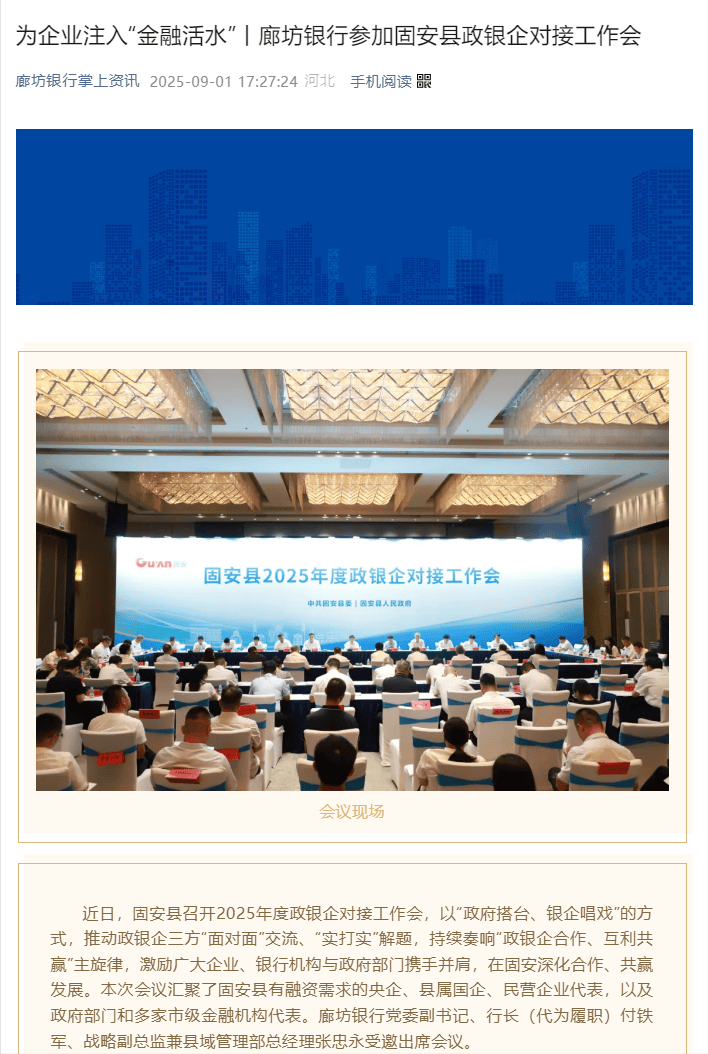
Group 1 - The article highlights the appointment of Fu Tiejun as the acting president and deputy secretary of Langfang Bank, indicating a potential permanent position after relevant procedures are completed [1][3] - This marks the first public movement regarding the president position at Langfang Bank since 2022, following a series of short-term appointments after the retirement of former president Shao Liping [3][4] - Langfang Bank has faced significant challenges, including a decline in total assets to 302.84 billion yuan by the end of 2024, a decrease of 5.34 billion yuan from the beginning of the year [6] Group 2 - The bank reported a revenue of 3.619 billion yuan for the reporting period, representing a year-on-year decline of 20.69%, and a net profit attributable to shareholders of 245 million yuan, down 57.09% year-on-year [6] - The non-performing loan ratio increased to 2.44%, up 0.41 percentage points from the end of 2023, making it the highest among city commercial banks in Hebei [6] - In July 2025, the People's Bank of China issued administrative penalties against Langfang Bank for multiple violations, resulting in a fine of 1.957 million yuan [6][8] Group 3 - In early 2025, Langfang Bank welcomed a new major shareholder, Langfang Investment Control, which acquired shares from several entities, increasing its stake to 19.99% [9] - The entry of local state-owned capital is seen as a move to optimize the bank's shareholder structure and enhance its capital strength, although the bank must still improve risk management and asset quality [9] - The new management team faces the challenge of overcoming performance difficulties and returning to a growth trajectory [9]
风范股份: 风范股份2025年第一次临时股东大会会议资料
Zheng Quan Zhi Xing· 2025-09-04 16:06
Group 1 - The company is holding its first extraordinary general meeting of shareholders in 2025 on September 15, 2025, at 14:50 [1][2] - The meeting will be conducted in a combination of on-site voting and online voting [2] - The agenda includes the announcement of the meeting's commencement, attendance verification, introduction of key personnel, and discussion of proposed resolutions [2][4] Group 2 - The company proposes to purchase liability insurance for directors, supervisors, and senior management to enhance risk management and protect the interests of the company and its investors [4][5] - The authorization for the management to handle the purchase of the insurance includes determining the insured parties, selecting the insurance company, and signing relevant legal documents [4] Group 3 - The company is proposing the liquidation of the Shanghai Ruile New Industry Investment Fund (Limited Partnership), which has completed the disposal of five investment projects and distributed a total of 573.945 million yuan, achieving a DPI of 133.70% [6][8] - The fund was established on July 9, 2012, with a total subscription scale of 3.0303 billion yuan and a paid-in scale of 429.29 million yuan [6][8] - The fund's assets as of December 31, 2024, include cash and equivalents totaling 6.4919 million yuan, with liabilities and partner equity also matching this amount [9] Group 4 - The company plans to cancel the supervisory board and amend its articles of association, transferring the supervisory functions to the audit committee of the board [12][13] - The proposed changes aim to improve corporate governance and ensure compliance with relevant laws and regulations [12][14] - The company will also revise and establish certain governance systems to further enhance its operational standards [14]

AI硬件股杀跌,沪指三连阴!高手4天逆势盈利200%,为何这么牛?“牛市旗手”异动是何信号?
Mei Ri Jing Ji Xin Wen· 2025-09-04 10:30
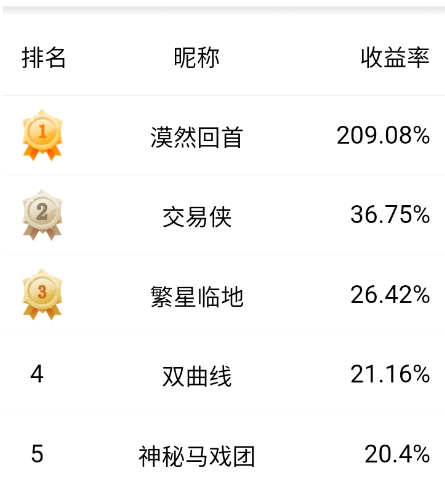
Market Overview - The A-share market unexpectedly continued to decline, with AI hardware stocks leading the drop, and the Shanghai Composite Index hitting a low of 3732 points during trading [1] - The index has experienced three consecutive days of decline, leaving many investors feeling confused and uncertain [1] Futures Market Insights - In the futures market, canola seeds, iron ore, and eggs saw significant gains, while red dates, CSI 500, and CSI 1000 index futures experienced notable declines [1] - A participant in the "Economic Grain Cup - National Futures Simulation Competition" achieved a remarkable 209% return over four days by capitalizing on the egg market [1] Key Technical Levels - Experts believe that the 3730-point level on the Shanghai Composite Index is a critical support point, as it represents the upper boundary of a ten-year trading range [4] - The recent rally in the brokerage sector indicates that market participants view the 3730-point level as having some support [4] Advantages of Futures Trading - Futures trading offers several advantages over stocks, such as the ability to go long or short, leverage trading, and T+0 trading, which can be beneficial in a declining stock market [6] - The purpose of the futures competition is to help investors understand and learn about futures and options, broadening their investment horizons and improving trading skills [6] Professional Traders' Strategies - Unlike ordinary retail investors, institutional traders often remain calm during market fluctuations due to their access to a wider range of financial instruments, including derivatives like index futures and options [7] - These tools allow traders to hedge against market downturns and create diverse risk-return profiles to adapt to different market conditions [7] Misconceptions About Derivatives - Many retail investors misunderstand index futures and options, perceiving them as overly risky and complex; however, these tools can effectively manage risk when used correctly [8] Learning Opportunities - The current high-volatility market presents an ideal opportunity for traders to learn how to utilize these financial instruments [9] - A special course on index futures and options is being offered to educate investors on relevant strategies and risk management techniques [10] Competition Details - The "Economic Grain Cup - National Futures Simulation Competition" provides a risk-free environment for participants to practice trading with virtual funds, simulating real trading conditions [12] - Participants can join without any financial investment, receiving 1 million virtual funds to trade, which helps mitigate the fear of losing real money [13] Incentives for Participation - The competition features a dual evaluation mechanism with weekly and monthly prizes, allowing participants to earn rewards based on positive returns [13] - Monthly prizes can reach up to 1288 yuan (pre-tax), with additional rewards for top performers, creating an engaging learning experience [13]