
全国统一大市场

Search documents
财政部,周末发声!
券商中国· 2025-12-13 08:38
Core Viewpoint - The article emphasizes the importance of the Central Economic Work Conference in guiding fiscal policy and economic strategy for 2026, highlighting the need for the finance department to align with the directives from the central government [1]. Group 1: Fiscal Policy and Economic Strategy - The finance department is tasked with implementing the spirit of the Central Economic Work Conference, focusing on enhancing responsibility and mission in economic and fiscal work [1]. - The conference outlines a commitment to high-quality development, emphasizing the need for a proactive fiscal policy to support domestic demand and optimize supply [2]. - There is a focus on maintaining a balance between development and security, with an emphasis on stabilizing employment, businesses, and market expectations [2]. Group 2: Policy Implementation and Governance - The article discusses the need for effective macroeconomic governance, including maintaining necessary fiscal deficits and managing total debt levels [3]. - It highlights the importance of utilizing government bond funds effectively and issuing long-term special bonds to support key projects [3]. - The finance department is encouraged to improve fiscal management, optimize expenditure structures, and ensure compliance with financial regulations [3]. Group 3: Social Welfare and Support - The article stresses the importance of supporting vulnerable populations and ensuring safety and emergency response measures as the year ends [4]. - There is a call for high standards in preparing the "15th Five-Year" fiscal and accounting plans to ensure comprehensive support for social welfare [4].


国家发改委肖渭明:明年要放宽服务消费限制,扩大有效投资
2 1 Shi Ji Jing Ji Bao Dao· 2025-12-13 08:27
国家发展改革委副秘书长肖渭明在年会上发表《贯彻落实中央经济工作会议部署 扎实做好明年经济发 展重点工作》的主旨演讲。 中央经济工作会议指出,加大逆周期和跨周期调节力度,提升宏观经济治理效能。肖渭明表示,这两个 周期各有所指,"逆周期"表明现在中国经济有下行压力,所以要采取有效手段;"跨周期"说明现在还有 一些结构性问题,短期内无法解决。因此,要短长结合,继续实施更加积极的财政政策和适度宽松的货 币政策,强化政策预期管理,加强宏观政策和重大改革举措的协同配合,扎实开展各类经济政策和非经 济政策、存量政策和增量政策的宏观政策取向一致性评估。 肖渭明表示,明年要全方位扩大国内需求,深入实施提振消费专项行动,加快放宽服务消费的限制,加 快出台实施首发经济、赛事经济、电子商务、人工智能+消费等领域提振消费的政策,大力发展银发经 济和冰雪经济。同时,用好中央预算内投资、超长期特别国债、新增地方政府专项债券、新型政策性金 融工具等,扩大有效投资。 (原标题:国家发改委肖渭明:明年要放宽服务消费限制,扩大有效投资) 21世纪经济报道记者 周潇枭 北京报道 12月10日至11日,中央经济工作会议在北京举行,总结2025年经 济 ...
中央财办韩文秀,重磅发声!
中国基金报· 2025-12-13 08:17
Core Viewpoint - The Chinese economy is expected to perform better than anticipated in 2025, with a projected total economic output of around 140 trillion yuan, and policies will be implemented in 2026 to further stimulate growth based on changing circumstances [2][5][17]. Economic Performance - The year 2023 is highlighted as significant for China's modernization, with major economic indicators exceeding expectations, and a projected growth rate of around 5% [4][5]. - China's economic resilience is demonstrated through stable employment, rapid growth in foreign trade, and advancements in modern industrial systems, particularly in AI, biomedicine, and robotics [4][5]. Policy Measures - In 2024, the government will implement incremental policies alongside existing measures to enhance economic stability and growth [6][7]. - A proactive fiscal policy will be maintained, with a focus on sustainable financial practices and enhancing local fiscal capabilities [8][9]. Five Musts for Economic Work - The government emphasizes five essential strategies for economic work: 1. Fully explore economic potential by expanding consumption and investment [11]. 2. Combine policy support with reform innovation to address intertwined economic issues [11]. 3. Balance deregulation with effective management to enhance productivity [11]. 4. Invest in both physical and human capital to promote comprehensive development [12]. 5. Strengthen internal capabilities to face external challenges [13]. Trade and Open Economy - The government plans to deepen the construction of a unified national market and address issues like corporate debt [15]. - There will be a focus on expanding both exports and imports to promote sustainable foreign trade development [15]. Income and Consumption - The government aims to synchronize income growth with economic growth, with initiatives to boost consumer spending and enhance the quality of goods and services [17]. - Policies will be implemented to support flexible employment and improve job quality for key demographics [17]. Green Development - Green development is identified as a cornerstone of high-quality growth, with plans to advance energy construction and carbon emission controls [18].

财政部定调2026年重点工作
2 1 Shi Ji Jing Ji Bao Dao· 2025-12-13 07:52
会议强调,要高标准高质量编制好财政"十五五"规划、会计"十五五"规划。临近岁末年初,要支持扎实 做好困难群众帮扶救助、安全生产、应急救灾等工作,下大气力兜牢民生底线。 财政部党组成员,中央纪委国家监委驻财政部纪检监察组负责同志,部机关各司局主要负责同志参加会 议。 更多解读查看专题: SFC 来源丨财政部网站 12月12日,财政部党组书记、部长蓝佛安主持召开党组会议,传达学习中央经济工作会议精神,研究财 政部门贯彻落实工作。 会议认为,这次的中央经济工作会议,是党的二十届四中全会之后中央召开的一次重要会议。习近平总 书记在会议上发表的重要讲话,全面总结2025年经济工作,深刻分析当前国内外形势,系统部署2026年 工作,具有很强的战略性、思想性、指导性,既举旗定向、指明"十五五"开局路径,又谋篇布局、擘画 明年抓落实重点,为做好财政工作指明了前进方向、提供了根本遵循。财政部门要深入学习贯彻习近平 总书记重要讲话精神和中央经济工作会议精神,深刻领会党中央对当前形势的重大判断,切实增强做好 经济财政工作的责任感使命感,进一步把思想、认识、行动统一到党中央决策部署上来,落实到研究预 算安排、实施财政政策、推进财税改 ...
中央财办周末重磅发声,事关居民增收、就业、房地产等
21世纪经济报道· 2025-12-13 07:12
12月13日,由中国国际经济交流中心举办的"2025-2026中国经济年会"在京举行,今年年会的主题为"贯彻落实中央经济工作会议精神 以高质量 发展为'十五五'开好局"。 中央财办分管日常工作的副主任、中央农办主任韩文秀发表《坚持稳中求进、提质增效 努力实现"十五五"良好开局》的主旨演讲。 据新华社消息,韩文秀表示,2024年9月26日中央政治局会议以来,我国先后出台实施了一系列政策措施。明年还将根据形势变化出台实施增 量政策,要协同发挥存量政策和增量政策集成效应,推动经济稳中向好。 2 0 2 5年经济增长5%左右 据央视新闻,韩文秀表示,回望"十四五",我国有效应对世纪疫情、脱钩断链、自然灾害等超乎寻常的冲击挑战。经济实力明显壮大,我国经 济总量连续跨过110万亿元、120万亿元、130万亿元的台阶, 今年预计达到140万亿元左右。 韩文秀表示,今年是中国式现代化进程中具有重要意义的一年,是很不平凡的一年。全年经济社会发展主要预期目标将顺利实现,"十四五"即 将圆满收官。一年来,我国经济顶压前行,向新向优发展,展现出了强大的韧性和活力。主要经济指标表现好于预期,许多机构预测, 全年经 济增长5%左右,我国 ...
中央财办发声!明年将根据形势变化出台实施增量政策
Zheng Quan Shi Bao· 2025-12-13 06:55
中央财办发声!明年将根据形势变化出台实施增量政策 中央财经委员会办公室分管日常工作的副主任、中央农村工作领导小组办公室主任韩文秀表示,2025年 我国主要经济指标表现好于预期,经济总量预计达到140万亿元左右。2026年还将根据形势变化出台实 施增量政策,要协同发挥存量政策和增量政策集成效应,推动经济稳中向好。 主要经济指标表现好于预期 韩文秀表示,今年是中国式现代化进程中具有重要意义的一年,是很不平凡的一年。全年经济社会发展 主要预期目标将顺利实现,"十四五"即将圆满收官。一年来,我国经济顶压前行,向新向优发展,展现 出了强大的韧性和活力,主要经济指标表现好于预期,许多机构预测,我国全年经济增长5%左右,我 国仍然是全球经济增长的最大引擎。我国就业形势总体稳定,外贸较快增长,出口多元化成效明显。 江聃 12月13日,中国国际经济交流中心举办2025—2026中国经济年会。 韩文秀表示,近期国际货币基金组织等国际机构纷纷上调了今明两年我国经济增长的预测。回望"十四 五",我们有效应对世纪疫情、脱钩断链、自然灾害等超乎寻常的冲击挑战。经济实力明显壮大,我国 经济总量连续跨过110万亿元、120万亿元、130万亿 ...
周末重磅!韩文秀详解中央经济工作会议,事关国补、居民增收等
2 1 Shi Ji Jing Ji Bao Dao· 2025-12-13 06:48
21世纪经济报道记者 周潇枭 北京报道 12月10日至11日,中央经济工作会议在北京举行,总结2025年经济工作,分析当前经济形势,部署2026 年经济工作。 12月13日,由中国国际经济交流中心举办的"2025-2026中国经济年会"在京举行,今年年会的主题为"贯彻落实中央经济工作会议精神 以高质量 发展为'十五五'开好局"。 中央财办分管日常工作的副主任、中央农办主任韩文秀发表《坚持稳中求进、提质增效 努力实现"十五五"良好开局》的主旨演讲。 据新华社消息,韩文秀表示,2024年9月26日中央政治局会议以来,我国先后出台实施了一系列政策措施。明年还将根据形势变化出台实施增 量政策,要协同发挥存量政策和增量政策集成效应,推动经济稳中向好。 (资料图) 2025年经济增长5%左右 据央视新闻,韩文秀表示,回望"十四五",我国有效应对世纪疫情、脱钩断链、自然灾害等超乎寻常的冲击挑战。经济实力明显壮大,我国经 济总量连续跨过110万亿元、120万亿元、130万亿元的台阶,今年预计达到140万亿元左右。 韩文秀表示,今年是中国式现代化进程中具有重要意义的一年,是很不平凡的一年。全年经济社会发展主要预期目标将顺利实现 ...

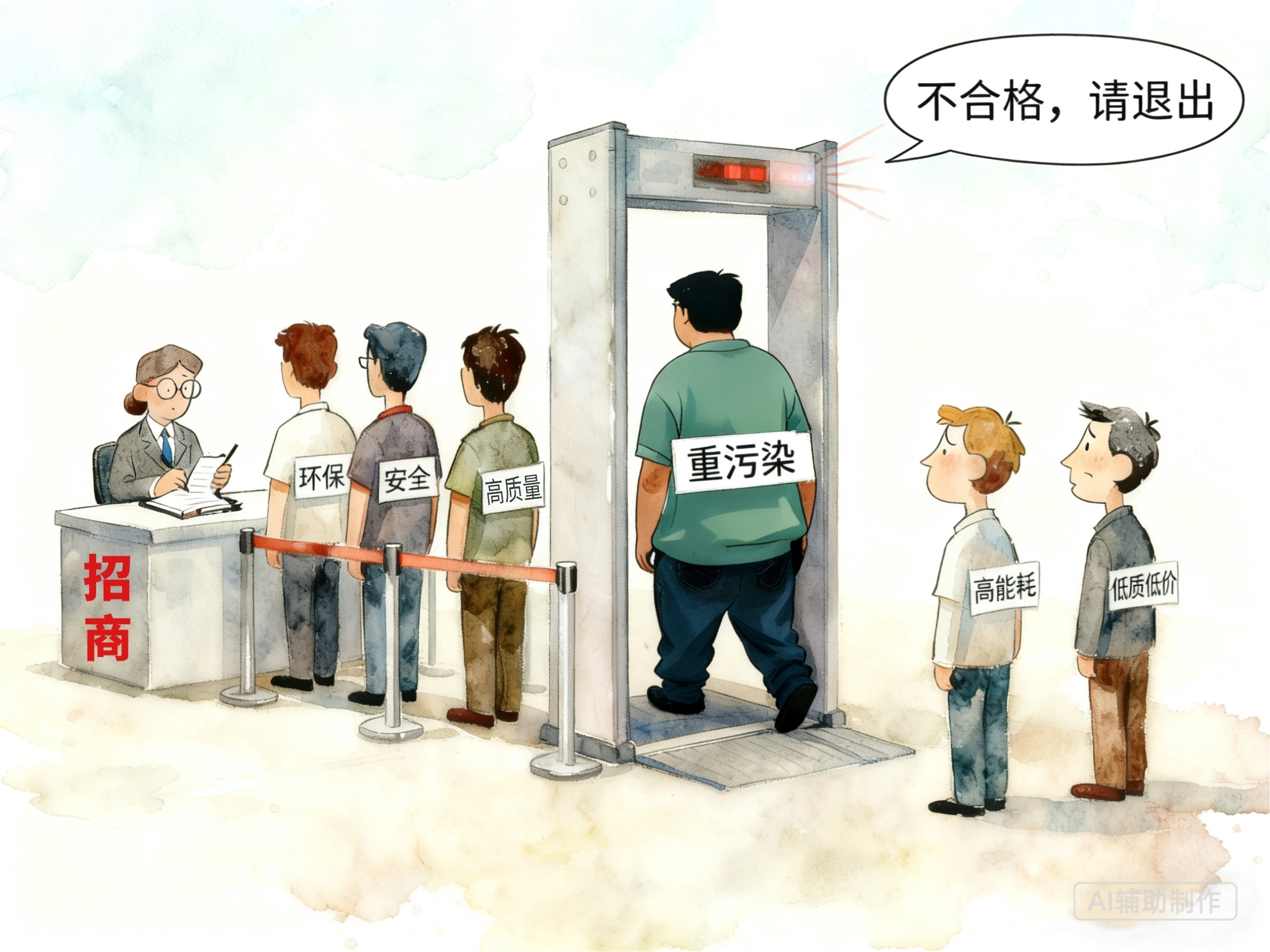
整治招商:把好“准入安检门”
Zhong Guo Jing Ji Wang· 2025-12-13 06:46
0 0 2007 Cap 环保 安全 高质量 Ni 招商之变首先是思维之变。如今,各地的招商逻辑正在发生转变,"重污染""高能耗"的项目被明确挡在门外,"环保达标、安全合规、质量过硬"成为招商引 进的硬性标尺。这道为产业发展设立的"准入安检门",不仅精准筛除了破坏生态环境、拉低发展品质的低效项目,更重要的是为符合高质量发展要求的优质 市场主体腾出了资源空间与发展机遇。 随着全国统一大市场向持续纵深推进,将推动地方招商告别"拼数量、比规模"的旧模式,转向"提质量、优结构"的新赛道,从源头上守住各地可持续发展的 核心底线。(图文杨淼石兰) 招商引资,一直以来是地方政府发展经济的关键抓手,过去数十年,对推动我国经济高速增长发挥了重要作用。然而,随着各地招商比拼之势愈演愈烈,有 的地方把招商变"抢商","捡到篮子都是菜",各种违规"小政策""土政策"凿出一个个"税收洼地";有些高耗能企业"粉饰"项目数据、隐瞒环境风险,为的就 是弄虚作假骗取补贴。这不但加重了地方财政负担,也加剧了不公平竞争,割裂了全国统一大市场,给产业健康发展埋下隐忧。 ...
中央财办发声!明年将根据形势出台增量政策,促进居民收入增长和经济增长同步
第一财经· 2025-12-13 06:44
Core Viewpoint - The article discusses the positive performance of China's economy in 2025, with expectations for continued growth and the implementation of new policies to support economic stability and development in 2026 [3][4]. Economic Performance - China's economic indicators are performing better than expected, with a projected GDP of approximately 140 trillion yuan for 2025, and a growth rate of around 5% for the year [3][5][6]. - The country remains the largest engine of global economic growth, with stable employment, rapid growth in foreign trade, and significant advancements in modern industrial systems [5][6]. Policy Implementation - In 2026, new incremental policies will be introduced based on changing circumstances, aiming to synergize existing policies to promote steady economic growth [7]. - The government has implemented various measures to address risks in key sectors, including the orderly replacement of local government hidden debts and the completion of housing delivery tasks [9]. Five Musts for Economic Work - The article outlines five essential strategies for economic work: 1. Fully explore economic potential by expanding consumption and investment [9][10]. 2. Combine policy support with reform innovation to address intertwined economic issues [10]. 3. Balance deregulation with effective management to enhance productivity [10][11]. 4. Invest in both physical and human capital to promote comprehensive development [11]. 5. Strengthen internal capabilities to face external challenges [11]. Future Economic Goals - The focus for 2026 includes maintaining stable economic growth, ensuring employment and price stability, and synchronizing income growth with economic expansion [13]. - The government plans to implement a more proactive fiscal policy while maintaining necessary fiscal deficits and debt levels [13]. Trade and Innovation - The article emphasizes the importance of expanding both exports and imports, promoting sustainable foreign trade, and enhancing digital and green trade [15]. - It highlights the establishment of three major international science and technology innovation centers to foster original innovation and support industrial upgrades [17][18]. Consumer and Employment Policies - The government aims to boost consumer spending through policies like "old-for-new" exchanges and to increase the supply of high school and university placements to adapt to demographic changes [19][22]. - Employment policies will prioritize stabilizing job opportunities for key groups, including college graduates and migrant workers [22]. Green Development Initiatives - The article stresses the significance of green development as a foundation for high-quality growth, with plans to accelerate the construction of a new energy system and expand the application of green electricity [23][24].

中央财办发声!明年将根据形势出台增量政策
Di Yi Cai Jing Zi Xun· 2025-12-13 06:17
Core Viewpoint - The Chinese economy is expected to perform better than anticipated, with a projected GDP of approximately 140 trillion yuan for 2025, and policies will be implemented in 2026 to further stimulate economic growth [1][3]. Economic Performance - Major economic indicators in China are showing better-than-expected results, with a projected annual growth rate of around 5%, making China the largest engine of global economic growth [2]. - The economy has demonstrated resilience and vitality, with stable employment, rapid growth in foreign trade, and significant advancements in modern industrial systems [2]. Economic Projections - The GDP is expected to reach around 140 trillion yuan this year, marking a significant milestone in the "14th Five-Year Plan" [3]. - International institutions, including the IMF and Goldman Sachs, have raised their economic growth forecasts for China for the next two years [3]. Policy Implementation - In 2024, new incremental policies will be introduced based on changing circumstances, aiming to synergize existing and new policies to promote stable economic growth [4]. Risk Mitigation - Positive progress has been made in mitigating risks in key areas, including the orderly replacement of local government hidden debts and the completion of housing delivery tasks [5]. Economic Work Guidelines - The central economic work meeting outlined five essential principles for economic work under new circumstances, emphasizing the need to explore economic potential, combine policy support with reform, and ensure effective management [6][7][8]. Income and Economic Growth - In 2026, efforts will focus on synchronizing income growth with economic growth, maintaining stability in employment and prices, and implementing proactive fiscal policies [9]. Trade and Openness - China aims to expand both exports and imports, promoting sustainable foreign trade and enhancing service sector openness [10]. Innovation and Technology - The focus will be on innovation-driven growth, with plans to expand international science and technology innovation centers to foster original innovation [11]. Consumer Market Development - Policies will be optimized to stimulate consumption, including enhancing the supply of quality goods and services and improving the inbound consumption environment [12]. Corporate Debt Management - Measures will be taken to address corporate debt issues and ensure a healthy market order through regulatory actions [13]. Education and Employment - There will be an increase in high school enrollment and quality university admissions to adapt to demographic changes and improve employment quality [14]. Green Energy Initiatives - The construction of a new energy system will be accelerated, with a focus on expanding green electricity applications and promoting carbon emission control [15][16].