净息差

Search documents
USCB Financial (USCB) - 2025 Q4 - Earnings Call Transcript
2026-01-23 17:00
Financial Data and Key Metrics Changes - Total assets reached $2.8 billion, up 8.1% year-over-year [2] - Loans grew by $216 million, or 11%, reflecting strong commercial activity [2] - Deposits increased to $171 million, or 7.9%, demonstrating continued franchise growth [2] - Net interest income expanded to 3.27%, improving from 3.16% in the prior year [2] - Non-performing loans stood at 0.14% of total loans, indicating excellent credit quality [3] - Tangible book value per share increased 10.8% year-over-year to $11.97 [3] - GAAP-diluted EPS was reported at $0.07, with operational diluted EPS at $0.44 [4] Business Line Data and Key Metrics Changes - Average loans increased $31.9 million, or 6.02% annualized compared to the prior quarter [10] - Gross loan production totaled $196 million in Q4, with 43% from correspondent banking [12] - Average deposits were stable, down $3.9 million compared to the prior quarter but up $314.6 million year-over-year [10] - Non-interest income was $3.3 million for Q4, consistent with prior quarters, excluding the securities loss [21] Market Data and Key Metrics Changes - The bank's loan portfolio increased to just under $2.2 billion, with commercial real estate representing 57% [19] - The average interest-bearing deposit rates decreased to 3.02%, down from 3.29% in the third quarter [10] - The bank's balance sheet is liability sensitive, with 61% of the loan portfolio being variable-rate or hybrid [15] Company Strategy and Development Direction - The company aims to expand and strengthen its deposit base, focusing on relationship-driven growth rather than rate-driven [26] - Key business lines include Business Banking, Private Client Group, Association Banking, and Correspondent Banking, each with clear plans for growth [26][27] - The strategy for 2026 includes launching a new lending and deposit gathering team in targeted markets [26] Management's Comments on Operating Environment and Future Outlook - Management expressed confidence in the bank's ability to build back deposits lost at year-end and emphasized the importance of deposit growth for 2026 [36] - The company anticipates further NIM improvement supported by rate cuts and ongoing execution of its deposit strategy [13] - The tax expense is expected to be modeled at 26.4% going forward, reflecting compliance with state tax liabilities [9][57] Other Important Information - The board approved a 25% increase in the quarterly cash dividend to $0.12 per share [5] - The company completed a $40 million subordinated debt issuance, primarily used for share repurchase [3] Q&A Session Summary Question: Deposit trends and year-end shrinkage - Management noted a significant deposit move of over $100 million from a long-term client, which is expected to rebuild over time [36] Question: Loan-to-deposit ratio preferences - Management prefers a loan-to-deposit ratio between 90-95% for optimal liquidity [39] Question: SBA vertical expansion - The SBA initiative has been growing prudently, with plans to increase annual volume to $40-50 million over the next three years [42] Question: Capital strategy and priorities for 2026 - The focus remains on building capital and returning it to shareholders, with no significant plans for new initiatives beyond organic growth [47] Question: Margin expectations for the first quarter - Management expects NIM to be flat to slightly up in the first quarter, influenced by deposit runoff and potential rate cuts [54] Question: Expense outlook and new hires - The expense base is expected to gradually increase with new hires, targeting a low 50% efficiency ratio [66] Question: Fee income outlook - Non-interest income is anticipated to build around $3.5-$3.8 million for 2026, driven by various fee-generating activities [68]

股份行“10万亿俱乐部”出炉 招行基本面或迎拐点
2 1 Shi Ji Jing Ji Bao Dao· 2026-01-23 11:46
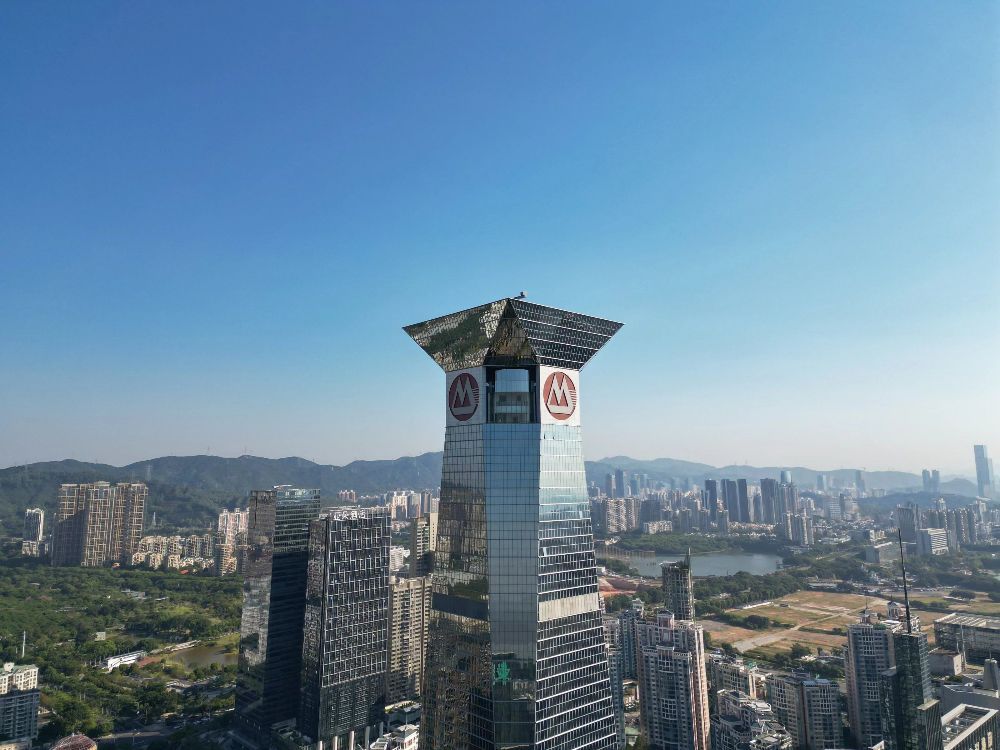
首家总资产规模13万亿的股份制商业银行诞生。 21世纪经济报道记者 黄子潇 深圳报道 1月23日收盘后,招商银行(600036.SH、3968.HK)披露2025年度业绩快报。 2025年,招行实现营业总收入3375.32亿元,同比微增0.01%;归属于母公司股东的净利润1501.81亿元,同比增长1.21%。 2025年,招商银行前三季度的单季度营收同比变化分别为-3.08%、-0.36%、2.12%,全年同比微增0.01%;前三季度净利润同比变化分别 为-2.08%、2.67%、1.04%,全年增长1.21%。 这意味着,被称为"零售之王"的招行或已迎来业绩基本面拐点。 1月23日收盘,招商银行A股下跌0.92%,收于37.5元,跌幅大于银行板块,主力净流出6.72亿元,为板块内最大净流出个股;招商银行港股表 现相对稳健,收盘上涨0.22%,主力资金净流入2.04亿港元,显示境外资金仍具信心,未受A股情绪明显拖累。 资产质量方面,截至2025年年末,招行不良贷款率0.94%,较上年末下降0.01个百分点;拨备覆盖率391.79%,较上年末下降20.19个百分点; 贷款拨备率3.68%,较上年末下降0.24 ...


甘肃银行新掌门石海龙接棒,能否带领银行走出困境?
Sou Hu Cai Jing· 2026-01-23 02:15
Core Viewpoint - The appointment of Shi Hailong as the president of Gansu Bank is seen as a potential turning point for the bank, which is currently facing significant challenges including a low net interest margin and declining stock price [2][3]. Group 1: Leadership Background - Shi Hailong has a diverse background in the financial sector, having worked in various roles across banking, asset management, government financial regulation, and financial holding groups, which positions him well to address Gansu Bank's challenges [2]. - His experience in asset management, particularly in dealing with non-performing assets, is crucial as Gansu Bank has struggled with a recovery rate of less than 70% on disposed non-performing loans totaling nearly 23.8 billion yuan [2]. Group 2: Current Challenges - Gansu Bank's net interest margin has declined to 1.12%, ranking it among the bottom five of 60 listed banks, with net interest income down by 11.43% year-on-year [3]. - The bank's stock price has plummeted over 85% since its IPO in 2018, now standing at 0.275 HKD, leading to a market capitalization of 4.144 billion HKD, indicating a severe lack of investor confidence [3]. - Although the overall non-performing loan ratio has decreased to 1.85%, the non-performing loan ratio for personal business loans remains high at 18%, posing a significant risk [3]. Group 3: Strategic Initiatives - Shi Hailong may focus on local resource integration, leveraging his extensive knowledge of the Gansu financial landscape to enhance collaboration with local governments and state-owned enterprises, particularly in key sectors like renewable energy and rural revitalization [4]. - He is likely to implement innovative asset management strategies, such as market-oriented debt-to-equity swaps and asset securitization, to improve the recovery rate of non-performing loans while enhancing internal controls to mitigate new risks [4]. - The bank may also shift its business structure towards wealth management, investment banking, and guarantee services to reduce reliance on traditional lending, thereby optimizing deposit structures and increasing non-interest income [4]. Group 4: Industry Insights - Shi Hailong's appointment reflects a broader trend in the banking industry favoring local, multifaceted talent with strong risk management capabilities, especially in the context of tightening financial regulations and narrowing interest margins [5]. - His leadership is expected to stabilize Gansu Bank, but the real test will be overcoming the significant challenges posed by the current financial metrics [5].
S&T Bancorp(STBA) - 2025 Q4 - Earnings Call Transcript
2026-01-22 19:00
Financial Data and Key Metrics Changes - For the full year 2025, the company reported a net income of just under $135 million, equating to $3.49 per share, with a net interest margin (NIM) of 3.9% [4] - In Q4, net income was $34 million, or $0.89 per share, slightly down from Q3, with a return on assets (ROA) of 1.37% [5] - The NIM rose to 3.99%, up six basis points from the previous quarter, marking the best performance since Q2 2023 [6] - Non-interest income increased by $500,000 in Q4, with expectations for fees in 2026 to remain around $13 million to $14 million per quarter [14] Business Line Data and Key Metrics Changes - Loan growth for Q4 was just under $100 million at 4.5%, primarily driven by commercial banking, with C&I and CRE portfolios growing by $53 million and $34 million, respectively [6][8] - Customer deposit growth was just under $60 million at 2.9%, with a strong deposit mix where demand deposits (DDAs) represented 27% of total balances [6] - The allowance for credit losses (ACL) decreased from 1.23% to 1.15% quarter over quarter, reflecting a reduction in criticized and classified loans by $30 million, or 13% in Q4 [11] Market Data and Key Metrics Changes - The company anticipates mid-single digit loan growth for 2026, primarily from C&I and CRE, supported by investments in team leadership and banker talent [10] - The competitive landscape for deposits has become more rational, with the company focusing on core deposit growth to fund loan growth [66] Company Strategy and Development Direction - The company announced a new $100 million share repurchase authorization, indicating strong capital levels and the ability to consider M&A opportunities [7] - The focus remains on maintaining asset quality while pursuing growth in commercial banking and consumer home equity [10][32] Management's Comments on Operating Environment and Future Outlook - Management expressed confidence in maintaining asset quality similar to 2025 levels, with a focus on reducing non-performing loans (NPLs) [12][43] - The overall economic environment is improving, but management is cautious about predicting growth rates significantly higher than GDP growth [19] Other Important Information - The company has been actively hiring to support growth in C&I and CRE, with a focus on adding talent across various segments [20][32] - AI tools are being utilized for compliance and fraud detection, with ongoing efforts to enhance operational efficiency [54][56] Q&A Session Summary Question: Loan growth expectations and constraints - Management indicated that loan growth is not constrained by demand but by ensuring asset quality of new customers [18] Question: Margin outlook and competitive pressures - Management noted that competitive pressures on deposit rates have eased, allowing for better margin stability [21][66] Question: M&A activity and geographic focus - Management confirmed ongoing active dialogue regarding M&A opportunities without a significant shift in geographic preference [25] Question: Asset quality and charge-offs - Management clarified that recent charge-offs were related to previously identified credits, emphasizing the reduction in criticized and classified loans [40][43] Question: Deposit growth and funding loan growth - Management expects to fund loan growth internally through deposit growth, focusing on core deposit strategies [30][32]
Banner(BANR) - 2025 Q4 - Earnings Call Transcript
2026-01-22 17:02
Financial Data and Key Metrics Changes - Banner Corporation reported a net profit available to common shareholders of $51.2 million, or $1.49 per diluted share, for Q4 2025, compared to $1.54 per share in Q3 2025 and $1.34 per share in Q4 2024 [5][6] - For the full year 2025, net income available to common shareholders was $195.4 million, or $5.64 per diluted share, up from $168.9 million, or $4.88 per share in 2024 [6] - Core earnings for the full year 2025 were $255 million, compared to $223.2 million in 2024, with core revenue increasing by 8% to $661 million [7][8] Business Line Data and Key Metrics Changes - Loan originations increased by 9% compared to the linked quarter and 8% year-over-year, but overall loan growth was negligible due to higher-than-expected paydowns [10] - The commercial real estate portfolio showed solid growth, with investor CRE increasing by 5% and owner-occupied CRE by 11% year-over-year [10] - The small business segment grew by 8% year-over-year, contributing positively to overall loan performance [13] Market Data and Key Metrics Changes - Core deposits represented 89% of total deposits, reflecting a strong and loyal deposit base [8] - The loan-to-deposit ratio ended the quarter at 86%, indicating ample capacity to support existing and new clients [18] - Total borrowings increased by $40 million during the quarter, with a low reliance on wholesale borrowings [19] Company Strategy and Development Direction - The company aims to maintain a moderate risk profile while investing in operating performance to position itself well for future challenges [6] - The strategy focuses on growing new client relationships, maintaining core funding, and promoting client loyalty through responsive service [8] - The company continues to explore M&A opportunities, indicating a proactive approach to growth [49] Management's Comments on Operating Environment and Future Outlook - Management expects loan growth in the mid-single digits for 2026, contingent on economic stability [25][62] - The competitive landscape remains challenging, but the company believes it competes well in terms of product offerings and pricing [27] - The outlook for net interest margin (NIM) is influenced by Federal Reserve actions, with potential for expansion if no rate cuts occur [28][29] Other Important Information - The company announced a core dividend of $0.50 per common share, reflecting strong capital and liquidity positions [8] - Banner was recognized as one of America's 100 best banks and received various accolades for client satisfaction and trustworthiness [9] Q&A Session Summary Question: Outlook for loan growth in 2026 - Management expects mid-single digit loan growth in 2026, despite potential headwinds from commercial real estate payoffs [25] Question: Competitive landscape for loan originations - The competitive environment remains strong, with some banks offering aggressive terms, but the company believes it can compete effectively [27] Question: Expectations for net interest margin - Future NIM will largely depend on Federal Reserve actions, with potential for expansion if no rate cuts occur [28][29] Question: Capital position and buyback plans - The company has approximately 1.2 million shares available for repurchase and will monitor market conditions for potential buybacks [47][48] Question: Tax rate expectations for 2026 - The expected tax rate for 2026 is around 19%, consistent with prior periods [59] Question: Impact of construction to permanent financing on growth - Management anticipates that commercial real estate payoffs will continue to be a headwind, projecting similar growth patterns as in 2025 [62]

Amalgamated Financial (AMAL) - 2025 Q4 - Earnings Call Transcript
2026-01-22 17:00
Financial Data and Key Metrics Changes - Core earnings were $0.99 per diluted share, indicating consistent earnings power and potential for growing returns on tangible common equity [4] - Net income was $26.6 million, or $0.88 per diluted share, with core net income at $30 million, or $0.99 per diluted share [11] - Net interest income grew by 1.8% to $77.9 million, exceeding guidance [12] - Tangible book value per share rose $0.87, or 3.4%, with a strong tier one leverage ratio of 9.36% [13] Business Line Data and Key Metrics Changes - On-balance sheet deposits grew by $179 million to $7.9 billion, while off-balance sheet deposits increased by $789 million to $1.1 billion [4] - Loans increased by $167 million, or 3.5%, to $4.9 billion, with growth in multifamily, commercial real estate (CRE), and commercial and industrial (C&I) loans increasing by 7% [5][6] - The PACE portfolio saw total assessments grow by $38 million, or 3%, to $1.3 billion [6] Market Data and Key Metrics Changes - Political deposits increased by $287 million to $1.7 billion, reflecting growth in fundraising ahead of the midterm elections [5] - Not-for-profit deposits grew by $388 million, social and philanthropy deposits by $122 million, and climate and sustainability deposits by $77 million [5] Company Strategy and Development Direction - The company aims to cross $10 billion in assets and is focused on responsible expansion through investments in people and technology [6][10] - The business model emphasizes profitability tied to mission purpose, with a focus on maintaining a strong capital base and asset quality [10] - The company is positioned to leverage market opportunities and trends, with a strong track record of performance [44] Management's Comments on Operating Environment and Future Outlook - Management acknowledged the challenges faced in the banking sector, including rapid rate hikes and liquidity drains, but highlighted the bank's growth from $6 billion to nearly $9 billion in assets [8][9] - The outlook for 2026 includes targets for net interest income growth of 10%-11% and core return on average assets growth to 1.35% [16][17] - Management expressed confidence in the bank's ability to deliver quality returns on tangible common equity consistently [17] Other Important Information - The company recognized a $1.5 million tax credit, with a new tax strategy aimed at simplifying financials and reducing non-core adjustments [14] - Asset quality metrics remained solid, although there was some credit turbulence related to specific borrowers [15] Q&A Session Summary Question: Outlook for provision in 2026 based on credit perspective - Management expects provision outlook to be similar to 2025, with a conservative approach due to past challenges [22][25] Question: Thoughts on political deposits over the next quarters - Management anticipates growth in political deposits leading up to the election, with a strong pipeline for fundraising [27][28] Question: Multifamily growth and geographic distribution - Multifamily growth was strong, with nearly half coming from outside New York City, indicating good geographic diversification [29][30] Question: NIM expansion and commercial loan yields - NIM expansion was noted, with loan yields expected to rise, particularly from repricing older real estate loans [34][35] Question: Growth outlook for the PACE portfolio - Management sees significant growth potential in the PACE portfolio, with no restrictions on adding assets [36][37]

5家上市银行披露业绩快报 归母净利润均实现同比增长
Zheng Quan Ri Bao Zhi Sheng· 2026-01-22 16:38
Group 1 - As of January 22, 2025, five listed banks in A-shares have reported their preliminary performance for the year, showing an overall increase in net profit attributable to shareholders compared to 2024 [1] - Among these banks, three have reported a decrease in non-performing loan (NPL) ratios compared to the end of 2024 [1] - Shanghai Pudong Development Bank (SPDB) reported a revenue of 173.96 billion yuan, a year-on-year increase of 1.88%, and a net profit of 50.02 billion yuan, up 10.52% [1] - CITIC Bank and Industrial Bank reported revenues of 212.48 billion yuan and 212.74 billion yuan, with net profits of 70.62 billion yuan and 77.47 billion yuan, reflecting year-on-year growth of 2.98% and 0.34% respectively [1] - Ningbo Bank and Su Nong Bank also reported positive growth, with Ningbo Bank's revenue at 71.97 billion yuan (up 8.01%) and net profit at 29.33 billion yuan (up 8.13%), while Su Nong Bank's revenue was 4.19 billion yuan (up 0.41%) and net profit was 204.3 million yuan (up 5.04%) [1] Group 2 - Ningbo Bank disclosed its revenue structure, reporting net interest income of 53.16 billion yuan (up 10.77%) and net fee and commission income of 6.09 billion yuan (up 30.72%) [2] - All five listed banks have shown steady growth in total assets, with SPDB and CITIC Bank both surpassing 1 trillion yuan in total assets, reaching 1.008 trillion yuan and 1.013 trillion yuan respectively, marking increases of 6.55% and 6.28% from 2024 [2] - Industrial Bank's total assets reached 1.109 trillion yuan, up 5.57%, while Ningbo Bank's total assets grew by 16.11% to 363 billion yuan, and Su Nong Bank's total assets increased by 8% to 231.1 billion yuan [2] - In terms of asset quality, SPDB, CITIC Bank, and Su Nong Bank reported declines in NPL ratios, with ratios of 1.26%, 1.15%, and 0.88% respectively, while Ningbo Bank's NPL ratio remained stable and Industrial Bank's increased by 0.01 percentage points [2] Group 3 - The banking industry is expected to maintain stable performance in 2025, supported by significant improvements in funding costs, which are likely to stabilize net interest margins and boost interest income [3] - Analysts predict that the growth rates of revenue and net profit for listed banks in 2025 will improve compared to the first three quarters of 2025, driven by stable net interest margins and declining credit costs [3] - SPDB noted a significant decrease in interest costs, leading to a stabilization of net interest margins, while Ningbo Bank benefited from a 33 basis point drop in deposit interest rates, resulting in substantial growth in interest income [3] - The effects of previous reductions in deposit rates are expected to continue into 2026, helping to improve funding costs and reduce pressure on net interest margins, indicating a potential recovery phase [3]





Southern Missouri Bancorp(SMBC) - 2026 Q2 - Earnings Call Transcript
2026-01-22 16:32
Financial Data and Key Metrics Changes - Earnings per share for the December quarter was $1.62, an increase of $0.24 or 17.4% from the linked September quarter, and up $0.32 or 24.6% from the December 2024 quarter [3] - Provision for credit loss expense decreased by $2.8 million to approximately $1.7 million compared to the linked September quarter [4] - Net interest margin (NIM) for the quarter was 3.57%, unchanged from the linked September quarter, and up from 3.34% reported for the year-ago period [6][18] - Tangible book value per share increased by $5.74 or almost 15% over the last 12 months, reaching $44.65 [8] Business Line Data and Key Metrics Changes - Gross loan balances increased by $35 million during the second quarter, and are up almost $200 million or 5% compared to December 31st of the prior year [4] - Loan originations reached nearly $312 million, marking the strongest quarter in several years, although growth was slowed by seasonal agricultural paydowns and larger loan payoffs [5] - Deposit balances increased by about $28 million in the second quarter and by $98 million or 2.3% compared to December 31st of the prior year [5] Market Data and Key Metrics Changes - The company experienced strong growth in its East region, followed by good growth in the West region [4] - Brokered deposits decreased by $72 million over the last 12 months, with core deposit growth at approximately $170 million or 4.3% during the same period [6] Company Strategy and Development Direction - The company is focused on maintaining disciplined execution, prudent risk management, and thoughtful capital deployment to deliver consistent returns for shareholders [27] - A new share repurchase program was approved to repurchase up to 550,000 shares, approximately 5% of shares outstanding, indicating a strategy to return capital to shareholders while preserving capacity for future growth [26] - The company is optimistic about potential M&A opportunities as market conditions stabilize, with a focus on banks within its footprint or adjacent markets [26] Management's Comments on Operating Environment and Future Outlook - Management expressed confidence in the sustainability of current profitability levels and the strength of the franchise, while remaining vigilant on credit quality [25] - The company anticipates limited net loan growth in the March quarter due to normal seasonality but expects a typical pickup in growth in the fourth quarter, aiming for mid-single-digit growth for fiscal year 2026 [5][36] - Management noted that while there are pressures on loan yields due to declining interest rates, there are opportunities for further improvement in funding costs [19] Other Important Information - Non-interest income increased by 3.1% compared to the linked quarter, driven by higher wealth management fees and increased interchange income [20] - The allowance for credit losses totaled $54.5 million, representing 1.29% of gross loans, an increase from the previous quarter [23] Q&A Session Summary Question: Loan growth and paydowns - Management noted that there were unexpected paydowns, including a larger C&I relationship that moved to a larger bank, and overall prepayment rates are anticipated to be higher than historically seen [32][33] Question: Outlook on net interest margin - Management indicated that while they do not provide specific guidance on NIM, there is potential for increased spread due to decreasing deposit costs [38] Question: Personnel costs expectations - Management expects a mid-single-digit increase in personnel costs due to annual merit increases, with no major deviations in run rates anticipated [45][46] Question: Charge-offs on commercial real estate loans - Management does not anticipate much in the way of additional charge-offs from the commercial real estate loan relationship discussed previously, expecting to return to historical averages [53][54]

首家农商行2025年业绩快报披露,苏农银行受息差拖累业绩增速下滑
Hua Xia Shi Bao· 2026-01-22 16:01
Core Viewpoint - Jiangsu Suzhou Rural Commercial Bank (referred to as "Su Nong Bank") reported steady growth in its 2025 annual performance, but the growth rate has significantly slowed compared to 2024 [2] Financial Performance - In 2025, Su Nong Bank achieved operating income of 4.191 billion yuan, a slight increase of 0.41% year-on-year; net profit attributable to shareholders was 2.043 billion yuan, up 5.04% year-on-year [2] - Compared to 2024, where operating income and net profit growth rates were 3.17% and 11.62% respectively, the performance growth in 2025 shows a clear downward trend [2][3] Interest Margin and Income - The narrowing interest margin is a primary factor behind the slowdown in revenue growth; the net interest margin for the first half of 2025 was 1.39%, down 16 basis points from the end of 2024, and below the industry average [3] - Interest income decreased by 2.91%, 2.91%, and 3.84% year-on-year in the first three quarters of 2025, with the decline accelerating each quarter [3] Non-Interest Income Growth - Non-interest income has been a key driver for maintaining revenue and profit growth despite the pressure from narrowing interest margins; in 2023, non-interest income increased by 20.07%, and in 2024, it grew by 25.55% [5] - In 2025, non-interest income continued to grow rapidly, with net income from fees and commissions increasing by 346.02%, 69.44%, and 21.32% in the first three quarters [5] Strategic Adjustments - Su Nong Bank is focusing on optimizing its asset-liability structure and enhancing risk management to stabilize its interest margin while improving profitability [4][6] - The bank is accelerating its retail transformation, with retail deposits reaching 110.024 billion yuan, an increase of 8.57% from the beginning of the year [6] Investment and Asset Management - As of the end of 2025, Su Nong Bank's total assets reached 231.103 billion yuan, a growth of 8.00% from the beginning of the year; total loans increased by 7.81% to 139.432 billion yuan [7] - The bank has increased its investment in bonds to optimize its asset structure and enhance yield levels, which is crucial for sustainable development [7]

Atlantic Union Bankshares (AUB) - 2025 Q4 - Earnings Call Transcript
2026-01-22 15:00
Financial Data and Key Metrics Changes - Atlantic Union Bankshares reported a net income available to common shareholders of $109 million for Q4 2025, with earnings per common share at $0.77, and for the full year 2025, net income was $261.8 million, with earnings per common share at $2.03 [14][15] - Adjusted operating earnings for Q4 were $138.4 million, or $0.97 per common share, resulting in an adjusted operating return on tangible common equity of 22.1% and an adjusted operating efficiency ratio of 47.8% [15][16] - The total allowance for credit losses was $321.3 million, a slight increase from the previous quarter, with the net charge-off ratio for Q4 at one basis point, down from 56 basis points in Q3 [16][17] Business Line Data and Key Metrics Changes - Quarterly loan growth was approximately 6.3% annualized, ending the year at $27.8 billion, with expectations for 2026 loan balances to range between $29 and $30 billion [5][6] - Fee income was strong, driven by loan-related interest rate swap fees and fiduciary and asset management fees, with 27% of interest rate swap income coming from former Sandy Spring customers [9] - Non-interest income increased to $57 million for Q4, primarily due to a pre-tax loss in the prior quarter related to the sale of CRE loans [20] Market Data and Key Metrics Changes - Virginia's unemployment rate remained unchanged at 3.5%, while Maryland's rate rose to 4.2%, and North Carolina's rate edged up to 3.8%, all remaining below the national average [10][11] - The company expects manageable unemployment levels in its markets, consistent with Moody's forecasts [11] Company Strategy and Development Direction - The company aims to leverage the strategic advantages gained from the Sandy Spring acquisition to drive sustainable growth and long-term value creation [5][12] - Focus will shift to demonstrating the franchise's earnings power and capital generation ability, with no additional acquisitions planned during this phase [12][13] - The company is committed to expanding its presence in North Carolina and pursuing organic growth opportunities [12] Management's Comments on Operating Environment and Future Outlook - Management expressed confidence in achieving strategic goals associated with the Sandy Spring acquisition, anticipating a decline in merger-related expenses starting Q1 2026 [4][5] - The company remains optimistic about loan growth despite economic uncertainties, with a robust pipeline and growing client confidence [6][7] - Management highlighted the importance of maintaining a strong capital position and the potential for share repurchases in the second half of 2026 [56] Other Important Information - The company paid a common stock dividend of $0.37 per share, an increase of 8.8% from the previous quarter [25] - The tangible book value for common shares increased approximately 4% to $19.69 per share in Q4 [25] Q&A Session Summary Question: Clarification on 2026 guidance - Management reiterated guidance for net interest income between $1.35 billion and $1.375 billion, with higher end dependent on accretion income and deposit cost reductions [30][31] Question: Loan pipeline increase - The loan pipeline showed a modest increase by the end of Q4, with positive feedback from market leaders indicating strong near-term loan growth [35][36] Question: Deposit outlook - Management expects about 3%-4% deposit growth for 2026, driven by treasury management opportunities in the former Sandy Spring footprint [47][48] Question: Cost savings from Sandy Spring deal - Most cost savings from the Sandy Spring acquisition are reflected in current numbers, with some marginal benefits expected in Q1 [49][50] Question: Loan pricing and deposit costs - Loan pricing is currently around 6%-6.20%, with deposit costs below 2% at approximately 1.96% [38]