五年期定期存款

Search documents
全面降息下的“存款搬家”
Di Yi Cai Jing Zi Xun· 2025-12-31 11:20
Core Insights - The article discusses the significant changes in the deposit market in China, highlighting a shift from traditional savings to diversified asset allocations due to a low-interest-rate environment [2][3][7]. Group 1: Deposit Market Changes - By the end of 2025, traditional high-interest three-year and five-year fixed deposits are becoming scarce, with rates generally dropping to the "1" range [2]. - A wave of interest rate cuts has been observed across various banks, with state-owned banks leading the way, followed by smaller banks that have implemented more frequent and larger cuts [3][5]. - The trend of "deposit migration" is accelerating, with residents moving funds from traditional deposits to wealth management, insurance, and gold [2][7]. Group 2: Interest Rate Trends - As of May 20, 2025, six major state-owned banks reduced their deposit rates, with three-year and five-year fixed deposit rates cut by 25 basis points [3]. - The net interest margin for commercial banks has narrowed, with the average net interest margin reported at 1.42% as of the end of Q3 2025, marking a historical low [5]. Group 3: Impact on Asset Allocation - Data shows that from January to November 2025, the growth of residents' fixed deposits has significantly slowed, leading to a decrease in their share of total financial assets [6]. - The interaction between non-bank institutions and residents' deposits has increased market activity, indicating a trend towards diversified asset allocation [6]. Group 4: Future Outlook - Industry experts predict that the adjustment in the deposit market will deepen in 2026, with the trend of "deposit migration" expected to continue [7]. - It is anticipated that approximately 2-4 trillion yuan will flow into non-fixed deposit investment areas in 2026, reflecting a shift in residents' savings behavior [7]. Group 5: Banking Strategies - Different banking institutions are expected to adopt varied strategies in 2026, with state-owned banks focusing on wealth management to offset net interest margin pressures, while smaller banks may be more sensitive to deposit rates [8]. - Banks are encouraged to innovate product designs and improve service levels to enhance the proportion of short-term deposits, while also implementing a differentiated pricing system based on customer contributions [8].

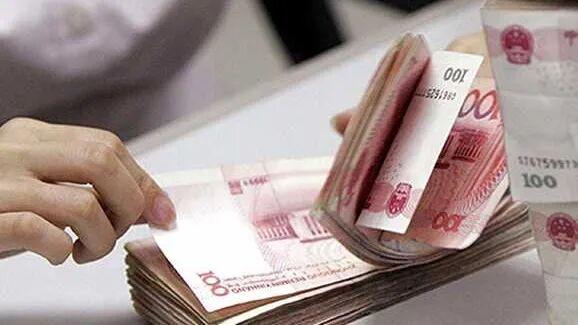
银行存钱规则大变天,5年期定存没了?大额存单门槛涨,10万闲钱咋存
Sou Hu Cai Jing· 2025-12-08 14:11
Core Viewpoint - The banking industry in China is undergoing significant changes in deposit rules, with the discontinuation of five-year fixed deposits and increased thresholds for large time deposits, impacting the financial planning of ordinary citizens [1][2][3] Group 1: Changes in Deposit Products - Major state-owned banks, including ICBC, ABC, BOC, CCB, and others, have completely stopped offering five-year fixed deposit products [2] - The minimum investment for three-year large time deposits has surged from 200,000 to as high as 1,000,000 or even 5,000,000 in some banks [3] - The interest rates for three-year large time deposits have dropped to between 1.5% and 1.75%, significantly lower than previous years [2][3] Group 2: Reasons Behind Changes - The primary reason for these adjustments is the pressure on net interest margins, which have fallen to 1.42%, nearing a critical profitability threshold for banks [5] - Decreasing loan interest rates and intense competition for deposits have led to reduced income from loans while maintaining high costs for deposit liabilities [5] Group 3: Impact on Ordinary Citizens - The changes have severely affected individuals with savings of 100,000 or 200,000 who relied on stable interest income from deposits [6][7] - The potential interest earned from a one-year deposit of 100,000 is approximately 950, which is insufficient for basic expenses [6] - Long-term financial planning for purposes such as retirement or education has been disrupted, with the risk of reinvestment at lower rates after three years [7] Group 4: Investment Strategies - The "ladder deposit method" is suggested as a way to balance liquidity and returns by splitting savings into different term deposits [9] - For those with over 200,000, large time deposits can be considered, focusing on liquidity rather than high thresholds, as many products offer the same interest rate regardless of the investment amount [12] - The "new three gold" investment strategy, involving money market funds, pure bond funds, and gold, is recommended for better asset preservation and growth [14]
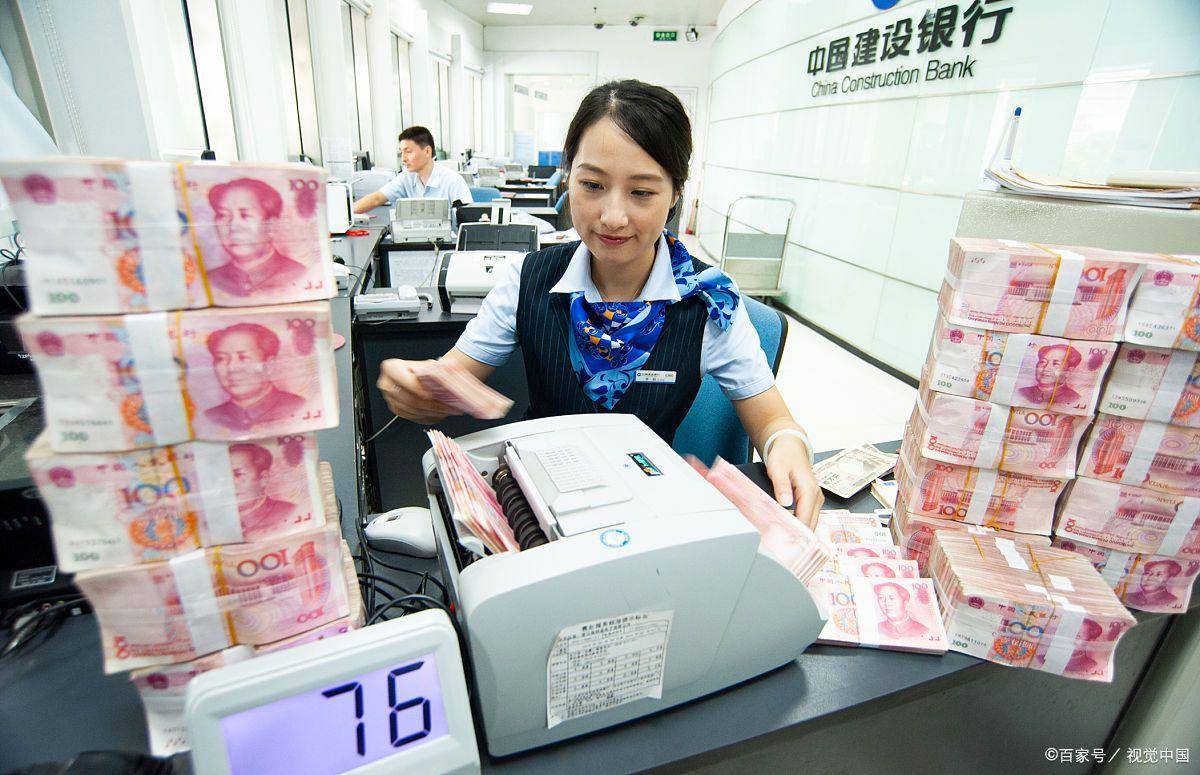
五年期定存悄然“退场”
Jing Ji Wang· 2025-11-27 02:09
Core Viewpoint - The trend of five-year fixed deposits disappearing from banks' offerings indicates a shift in the banking sector towards optimizing liability structures and reducing costs in response to narrowing net interest margins [1][4][6]. Group 1: Changes in Deposit Products - Several small and medium-sized banks have recently removed five-year fixed deposit products and lowered interest rates across various terms to optimize their liability structures and reduce costs [2][4]. - Notably, banks such as SuShang Bank, HuaRui Bank, and XinAn Bank have been particularly active in adjusting their deposit offerings, with some banks completely omitting five-year fixed deposit rates from their listings [2][4]. - While major banks still offer five-year ordinary fixed deposit products, the interest rates for large fixed deposits have converged with those of ordinary deposits, diminishing the appeal of high-threshold large fixed deposits [3][4]. Group 2: Impact on Banking Sector - The adjustments reflect the banking industry's response to pressures from narrowing net interest margins, which have reached historical lows, with the current net interest margin at 1.42% [4][6]. - The dual impact of declining loan rates and rigid deposit costs has compelled banks to proactively manage their liability costs, with five-year fixed deposits being a primary target for cost reduction [4][6]. - Experts suggest that the trend of reducing high-cost deposit products may continue, as banks aim to stabilize their net interest margins and adapt to changing market conditions [5][6]. Group 3: Implications for Depositors - The gradual phase-out of five-year fixed deposits signals a shift away from traditional "passive interest" strategies, urging depositors to reconsider their asset allocation strategies [5][6]. - Depositors are encouraged to diversify their investments and consider various financial products, such as funds and bank wealth management products, to balance returns and liquidity [6][7]. - The current environment suggests that depositors should adapt to a more flexible and diversified approach to financial management, moving away from reliance on long-term high-interest savings [6][7].
11.27犀牛财经早报:7只双创人工智能ETF将于28日首发 阿里巴巴经营利润骤降85%
Xi Niu Cai Jing· 2025-11-27 01:45
Group 1 - The first batch of seven AI-focused ETFs will collectively launch on November 28, 2023, providing investors with new opportunities in "hard technology" [1] - Several small and medium-sized banks are discontinuing high-interest long-term deposit products to reduce funding costs in response to narrowing net interest margins [1] - The storage industry is experiencing a "super cycle" driven by AI demand, with expectations of continued price increases into the first half of next year [2] Group 2 - Lithium carbonate prices have surged over 60% in the past six months, reaching a new high of 102,500 yuan per ton, driven by inventory depletion and increased demand [2] - Paper companies are actively seeking to balance supply and demand amid rising raw material prices, with new production capacities being introduced [2] - Alibaba's operating profit plummeted by 85% to 5.365 billion yuan, primarily due to strategic investments in AI and instant retail [3] Group 3 - Vanke is seeking to extend a 2 billion yuan domestic bond, with a meeting scheduled for December 10, 2025, to discuss related matters [4] - "Encounter Little Noodles" plans to issue over 97 million shares in its Hong Kong IPO, with a maximum price set at 7.04 HKD per share [4] - Muxi Co. announced its initial public offering on the Sci-Tech Innovation Board, with a subscription date set for December 5, 2025 [5] Group 4 - Xining Special Steel announced a share transfer of 14.63% from Wuhu Xinzhehai to Qinghai Guotou [6] - Shengshi Technology signed a strategic cooperation agreement with Songyan Power to enhance collaboration in the humanoid robot sector [6] - U.S. stock indices collectively rose, with the Dow Jones up 0.68% and the Nasdaq up 0.81%, supported by technology stocks [7] Group 5 - Chinese concept stocks halted a three-day rally, with Alibaba and Baidu experiencing significant intraday declines of 4.5% and 3.6% respectively [8] - The British budget announcement led to a drop in long-term UK bond yields, while U.S. Treasury yields fluctuated following unemployment data [8] - Commodities saw a broad increase, with oil prices rising over 1% and gold futures reaching a near two-week high [8]


财经早报:六部门联合发文促消费!到2027年形成3个万亿级,五年期定存悄然“退场”丨2025年11月27日
Xin Lang Zheng Quan· 2025-11-26 23:40
Group 1 - The Chinese government is focusing on enhancing consumer demand and aims to create three trillion-level consumption sectors and ten hundred-billion-level consumption hotspots by 2027 [5][6] - The recent increase in reported discrimination cases against Chinese citizens in Japan has raised concerns about safety, with a significant rise in criminal cases reported [3][4] - The Hong Kong fire incident has resulted in 40 fatalities and 45 injuries, leading to arrests of three individuals for suspected manslaughter [4] Group 2 - The Chinese insurance industry has issued a warning regarding a fraudulent platform claiming to offer "stock investment insurance," which misleads users into investing [9] - The banking sector is witnessing a shift as many small and medium-sized banks are discontinuing high-cost five-year fixed deposits to optimize their deposit structure [8] - Xiaomi Group has continued its stock repurchase strategy, spending over 3 billion HKD to buy back shares, signaling confidence in its future prospects [15] Group 3 - The recent surge in the onshore and offshore RMB against the USD indicates a strengthening currency, attributed to the People's Bank of China's stable exchange rate policies [7] - The stock market is experiencing a cautious optimism from foreign investors, with Morgan Asset Management projecting a 7.7% annualized return for A-shares over the next 10 to 15 years [17] - The semiconductor industry is facing a "super cycle," prompting supply chain adjustments and increased focus on domestic chip production [16]

压降资金成本应对息差压力 部分中小银行下架长期限高息存款
Zhong Guo Zheng Quan Bao· 2025-11-26 22:06
Core Viewpoint - Several banks, including private banks, are discontinuing long-term deposit products and adjusting interest rates to manage funding costs in response to narrowing net interest margins [1][4]. Group 1: Discontinuation of Long-Term Deposits - Meizhou Commercial Bank announced the cessation of automatic renewal services for five-year term deposits due to policy adjustments, indicating a broader trend among banks [1][2]. - Many private banks have removed long-term deposit products, with some reporting interest rate inversions where five-year deposit rates are lower than three-year rates [2][3]. Group 2: Interest Rate Adjustments - Current interest rates for various term deposits at banks like Anhui Xin'an Bank are as follows: 1.45% for three months, 1.65% for six months, 1.85% for one year, 2.35% for two years, and 2.20% for three years, with a minimum deposit of 50 yuan [2]. - Some banks, such as Industrial and Commercial Bank of China, have also stopped offering five-year large denomination certificates of deposit (CDs), reflecting a shift in product availability [3]. Group 3: Cost Management Strategies - The primary reason for banks discontinuing long-term deposit products is to actively reduce funding costs in light of narrowing net interest margins [4][5]. - Bank executives have indicated a focus on lowering deposit rates and managing high-cost deposits as part of their strategy to stabilize net interest margins [4].
压降资金成本应对息差压力部分中小银行下架长期限高息存款
Zhong Guo Zheng Quan Bao· 2025-11-26 20:20
Group 1 - The core viewpoint of the articles highlights a trend among banks, particularly private banks, to discontinue long-term deposit products, specifically five-year fixed-term deposits, in response to policy adjustments and to manage funding costs amid narrowing net interest margins [1][2][3] - Several private banks have removed five-year fixed-term deposit products from their offerings, with some banks experiencing a phenomenon of interest rate inversion, where the interest rate for three-year deposits exceeds that of five-year deposits [2][3] - Major state-owned and joint-stock banks are also reducing the availability of long-term large-denomination certificates of deposit (CDs), with some banks indicating that five-year CDs are no longer available [3] Group 2 - The primary reason for banks ceasing the issuance of long-term large-denomination CDs and fixed-term deposits is to actively reduce funding costs in response to the pressure of narrowing net interest margins [3][4] - Bank executives have indicated that the overall net interest margin situation is stabilizing, attributed to manageable negative impacts from monetary policy adjustments and coordinated adjustments in deposit rates alongside LPR reductions [4] - Banks are optimizing their liability structures by controlling the growth of high-cost deposits and adjusting the issuance plans for deposit products to lower deposit rates [4]

五年期定存悄然“退场” 银行业高成本存款产品调整进行时
Shang Hai Zheng Quan Bao· 2025-11-26 18:26
Core Viewpoint - The recent adjustments by small and medium-sized banks to long-term fixed deposit products reflect the banking industry's efforts to optimize deposit structures and reduce liability costs amid narrowing net interest margins [2][5]. Group 1: Changes in Deposit Products - Many small and medium-sized banks have recently announced the removal of five-year fixed deposit products and have simultaneously lowered interest rates across various deposit terms [3][4]. - The adjustments are particularly pronounced among private banks and rural banks, with institutions like SuShang Bank and HuaRui Bank leading the changes [3]. - Major state-owned banks and several joint-stock banks are also tightening the supply of long-term deposit products, making five-year large-denomination certificates of deposit increasingly rare [3][4]. Group 2: Impact on Net Interest Margin - The banking sector is facing significant pressure on net interest margins, which have fallen to historical lows, currently at 1.42% as of the end of Q3 [5]. - The decline in net interest margins is attributed to both falling loan rates and the rigid costs associated with deposits, prompting banks to take proactive measures to manage costs [5]. - Small and medium-sized banks, with relatively weaker funding capabilities, are leading the way in removing five-year fixed deposit products to optimize their liability structures and reduce costs [5]. Group 3: Future Outlook for Depositors - The trend of reducing high-cost deposit products is expected to continue, with potential further declines in deposit rates as banks adjust to the current interest rate environment [6]. - Depositors are encouraged to shift their investment strategies away from traditional long-term high-interest savings models towards more flexible and diversified asset allocation strategies [6][7]. - Financial experts suggest that individuals should consider a mix of different deposit terms and explore other investment products such as funds and bank wealth management products to enhance expected returns [7].

五年期定期存款,“已下架”
Zhong Guo Zheng Quan Bao· 2025-11-26 11:51
Core Viewpoint - The announcement from Meizhou Commercial Bank indicates a trend among banks to discontinue five-year fixed deposit products due to policy adjustments and to manage funding costs in response to narrowing net interest margins [1][6]. Group 1: Bank Actions - Several small and medium-sized banks have begun to remove long-term deposit products, particularly five-year fixed deposits, from their offerings [2][5]. - Meizhou Commercial Bank has specifically stated that it will no longer provide automatic renewal services for five-year deposits, requiring customers to manually manage their funds upon maturity [1]. - Other banks, such as Anhui Xin'an Bank, have also confirmed the absence of five-year fixed deposits, with the longest available term being three years [2]. Group 2: Interest Rate Trends - There is a noticeable decline in interest rates for fixed deposits, with many banks offering lower rates than previously available; for instance, the highest rate for a five-year deposit has dropped from 4% to 1.80% [2][3]. - Some banks are experiencing an inverted interest rate scenario, where the interest rate for three-year deposits exceeds that of five-year deposits, as seen with Liaoning Zhenxing Bank [2][5]. Group 3: Industry Context - The overall strategy of banks to reduce funding costs is primarily driven by the pressure of narrowing net interest margins, prompting them to adjust their deposit product offerings [6]. - High-level executives from various banks have indicated a commitment to reducing high-cost deposits and adjusting the issuance plans for large-denomination certificates of deposit and fixed-term deposits [6].

又一家银行官宣停售5年定期存款
第一财经· 2025-11-21 16:13
Core Viewpoint - The trend of small and medium-sized banks discontinuing long-term deposit products is highlighted, with a combination of product withdrawals and interest rate cuts signaling the end of the "interest-earning era" for depositors [3][4]. Group 1: Discontinuation of Long-Term Deposit Products - Meizhou Commercial Bank announced the discontinuation of its five-year fixed deposit product and the termination of automatic renewal services due to policy adjustments [5]. - Several small and medium-sized banks have also removed five-year fixed deposits, with notable examples including the announcement from Tuyuqi Mengyin Village Bank and Zhongguancun Bank [10]. - A total of seven banks have removed five-year fixed deposits from their offerings, while some banks have listed them as sold out [11]. Group 2: Interest Rate Cuts - A new wave of interest rate cuts is occurring among small and medium-sized banks to address net interest margin pressures, with many banks reducing deposit rates since October [13]. - For instance, Pingyang Pudong Village Bank cut its three-year and five-year deposit rates from 2.1% and 2.15% to 1.3% and 1.35%, a reduction of 80 basis points [13]. - The average net interest margin for various types of banks has narrowed, with state-owned banks, joint-stock banks, private banks, and foreign banks experiencing declines of 14 basis points, 5 basis points, 27 basis points, and 7 basis points respectively [15]. Group 3: Future Outlook - Analysts predict that if the Loan Prime Rate (LPR) is further reduced, deposit rates will likely follow suit, leading to a new round of widespread cuts [17]. - The possibility of new monetary policy measures, including interest rate cuts and reserve requirement ratio reductions, may stimulate internal financing demand [16].