品牌化

Search documents
中俄跨境电商迎来发展契机 合规化、品牌化、智能化将成未来趋势
Xin Hua Cai Jing· 2025-12-17 03:07
Core Insights - The Russian cross-border e-commerce market is rapidly developing, becoming a new growth area for Chinese sellers and companies as they adapt to the changing landscape of tax policies and consumer preferences [1][5]. Group 1: Market Growth and Potential - The Russian e-commerce market has shown significant growth, with projections estimating a market size of $121 billion in 2024, $165 billion in 2025, and potentially reaching $240 billion by 2027 [2]. - Major Russian e-commerce platforms like Ozon, Wildberries, and Yandex.Market are actively recruiting Chinese brands and sellers, transforming cross-border business from an option to a core consumer habit [2][3]. - Chinese sellers have experienced substantial growth, with transaction volumes increasing by 60 times from Q4 2022 to Q4 2025, and a projected 2.5 times increase in transaction volume by 2025 [2][3]. Group 2: Factors Driving Growth - The exit of many Western brands from Russia has created a market vacuum, allowing Chinese fast-moving consumer goods and daily necessities to fill the gap [4]. - The development of online shopping habits among Russian consumers, coupled with the proactive expansion of Russian e-commerce platforms into China, has lowered barriers for Chinese sellers [4]. - The combination of China's supply chain advantages, the explosive growth of the Russian e-commerce market, and the expansion of Russian platforms in China forms a "golden triangle" for Chinese brands entering Russia [4]. Group 3: Regulatory Changes and Compliance - The end of the "tax-free" era for cross-border small packages is approaching, with Russia planning to gradually reduce the tax exemption for packages under €200 starting in 2026, leading to potential challenges for some Chinese sellers [5][6]. - Compliance will become a critical focus for Chinese sellers, as the market shifts towards more regulated operations, moving away from previous "gray" logistics practices [6]. Group 4: Brand Transformation and AI Integration - A shift from low-cost distribution to brand-focused strategies is essential for Chinese sellers in the Russian market, as they aim to build localized brands that resonate with Russian consumers [7][8]. - The increasing preference for Chinese brands among Russian consumers, particularly in urban areas, highlights the importance of brand loyalty and effective marketing strategies [7][8]. - The integration of AI tools in cross-border e-commerce operations is expected to enhance efficiency in product selection, market analysis, and customer engagement, marking a significant trend for future development [8].
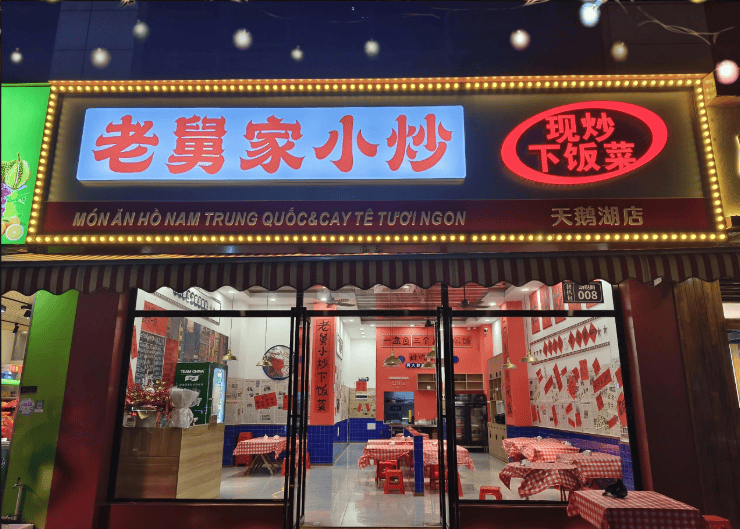
30元客单价的“下饭小炒”,正悄然成为餐饮新风口
Sou Hu Cai Jing· 2025-12-15 05:09
Core Insights - A new dining model focusing on "freshly cooked, affordable, and side dishes" is emerging in regions like Hunan, with average customer spending between 30-50 yuan, indicating strong market appeal and potential for nationwide expansion by 2026 [1][2] Category Innovation - The "side dish stir-fry" category is evolving from traditional street-side family-run shops to a more branded and systematic operation, emphasizing classic Hunan dishes with clear product structures [3] - New brands are differentiating themselves by maintaining a customer price range of 30-50 yuan, contrasting with higher-end dining brands priced above 70 yuan [3][4] - Store models are flexible, featuring modern decor and strategic locations in communities rather than premium commercial areas, enhancing customer engagement and repeat visits [3] Key Success Factors - The popularity of "side dish stir-fry" aligns with consumer demands for high value and fresh cooking, appealing to those seeking quality meals at fast-food prices [5] - The trend against pre-prepared meals boosts the appeal of freshly cooked dishes, catering to diverse dining needs such as family meals, office lunches, and casual social gatherings [5] Case Study: "Community Stir-Fry King" - The brand "Wukouzao·Side Dish Stir-Fry," established in Jiangsu, has successfully opened over 100 stores across more than 10 provinces, serving as a model for community-focused dining [6][7] - The brand targets community dining by offering a restaurant experience at fast-food prices, with an average spend of 20-30 yuan per person [6] Optimized Profit Model - The menu is streamlined to 28 classic dishes, balancing stability with monthly updates to maintain freshness [7] - Supply chain efficiencies, including direct sourcing of beef and partnerships with leading rice suppliers, reduce ingredient costs by 15%-20% compared to market prices [7] - Operational efficiency is achieved through a central kitchen model, allowing for reduced staffing needs and lower initial investment costs [7] Future Outlook - The potential for a nationwide brand emergence in the "side dish stir-fry" category remains, with the ability to standardize quality and establish a low-cost supply chain being critical for success by 2026 [8][9] - The rise of this category reflects a rational shift in the dining market, focusing on essential consumer needs, likely leading to the development of sustainable community-based brands [9]

“买全球卖全球”,义乌小商品市场缘何越做越大——且到义乌看传奇
Xin Hua Wang· 2025-12-14 23:42
Core Insights - Yiwu has transformed from a small county with limited resources into a global hub for small commodities, establishing trade relations with over 230 countries and regions, embodying the concept of "buy globally, sell globally" [4][5][6] Group 1: Market Development - The Yiwu International Trade City features over 75,000 business units and more than 2.1 million types of products, showcasing a vibrant marketplace with diverse customers and merchants [6][10] - The establishment of the first small commodity market, Lake Qingmen Market, was a result of local government initiatives to support market liberalization, aligning with national policies and public sentiment [7][8] - Yiwu merchants have demonstrated resilience and adaptability, capitalizing on market opportunities during economic shifts, such as the introduction of the Euro and the 2008 financial crisis [9][10][11] Group 2: Innovation and Branding - Yiwu merchants are increasingly focusing on innovation and brand development, with examples of young entrepreneurs successfully launching unique products that gain international traction [10][11] - The city has embraced e-commerce, becoming the largest city in China for cross-border e-commerce imports, reflecting a shift towards online trading platforms [11][12] - Yiwu's "Brand Going Global" initiative aims to promote local brands and products in international markets, enhancing visibility and competitiveness [13] Group 3: Government Support and Policy - The local government plays a crucial role in market regulation and support, implementing measures to enhance market order and protect merchants' rights [21][22] - Yiwu has established a comprehensive service system for businesses, including a knowledge property rights service center to assist merchants with patent and trademark registrations [29][30] - The introduction of the "market procurement trade method" has streamlined customs processes, significantly improving logistics efficiency and reducing costs for exporters [24][25] Group 4: Future Directions - The future of Yiwu's market lies in talent development, emphasizing the need for skilled professionals who can navigate international trade and digital commerce [33] - There is a strong push for brand development to meet global consumer demands for quality and compliance, positioning Yiwu products favorably in international markets [34] - Yiwu aims to evolve from a goods distribution center to a global trade information hub, facilitating direct consumer access to international products through digital platforms [35]

行业洞察丨中俄跨境电商迎来发展契机 合规化、品牌化、智能化将成未来趋势
Xin Hua Cai Jing· 2025-12-14 13:17
Core Insights - The Russian cross-border e-commerce market is rapidly developing, becoming a new growth area for Chinese sellers and businesses [1][2] - The removal of small parcel tax exemptions will lead to a shift towards compliance, branding, and intelligence in the industry [5][6] Market Growth - The Russian e-commerce market has shown significant growth, with projections estimating a market size of $121 billion in 2024, $165 billion in 2025, and $240 billion by 2027 [2] - The penetration rate of e-commerce in Russia is expected to reach levels seen in mature markets by 2027 [2] - Major Russian e-commerce platforms like Ozon, Wildberries, and Yandex.Market are actively recruiting Chinese brands and sellers [2][4] Chinese Seller Performance - Chinese sellers have seen a dramatic increase in transaction volumes, with a reported growth of 60 times from Q4 2022 to Q4 2025 [2][3] - In Q3 2025, the transaction volume from Chinese sellers is expected to grow over four times year-on-year [3] - The average daily order volume from Chinese sellers is projected to exceed 2 million by 2025 [2] Logistics and Supply Chain - Cross-border logistics is a critical component of the e-commerce business, with significant growth in logistics services supporting the Russian e-commerce market [3] - A logistics company serving Ozon reported revenues of approximately 40 million yuan in 2023, expected to rise to 2.4 billion yuan in 2024 and nearly 1 billion yuan in 2025 [3] Market Dynamics - The exit of many Western brands from Russia has created a market gap that Chinese fast-moving consumer goods and daily necessities are quickly filling [4] - The shift towards online shopping among Russian consumers is driving the growth of e-commerce platforms [4] - The "golden triangle" for Chinese brands entering Russia consists of supply chain advantages, the explosive growth of the Russian e-commerce market, and the expansion of Russian platforms into China [4] Compliance and Future Trends - The end of the small parcel tax exemption will challenge certain types of Chinese sellers, particularly those without established supply chains [5][6] - Compliance will become a major trend in cross-border e-commerce, with a focus on local operations and user experience [6] - The transition from a "wild growth" phase to a more regulated environment is anticipated, with an emphasis on overseas warehouse shipping [6] Branding and AI Integration - Brand transformation is becoming essential for Chinese sellers in the Russian market, moving from low-cost strategies to building localized brands [7][8] - The increasing preference for Chinese brands among Russian consumers is evident, with a growing loyalty and willingness to pay premium prices [7] - AI tools are being increasingly utilized by Chinese sellers for various operational tasks, indicating a trend towards AI integration in cross-border e-commerce [8]
产粮大县的增收密码 ——江西省上饶市鄱阳县稳粮调查
Jing Ji Ri Bao· 2025-12-11 21:36
Core Viewpoint - The article highlights the modernization of agriculture in China's Poyang County, Jiangxi Province, focusing on transforming grain production advantages into economic benefits through high-standard farmland construction, mechanization, and branding efforts [1][11]. Group 1: Agricultural Modernization - Poyang County has initiated large-scale high-standard farmland construction since 2017, significantly improving agricultural production conditions and efficiency [2]. - The county's grain production is projected to exceed 2.1 billion jin (approximately 1.05 million tons) in 2023, marking the 16th consecutive year of stable production above 2 billion jin [1][3]. - The implementation of a comprehensive irrigation system has increased grain production efficiency by over 40%, with an average yield increase of more than 50 kg per mu [2]. Group 2: Technological Advancements - The establishment of a modern seedling center with an investment of 50 million yuan allows for the intelligent management of seedling production, covering 600,000 mu of rice fields annually [4]. - The county has achieved a mechanization rate of 86.7% in key agricultural processes, enhancing efficiency and reducing costs [7][9]. - The introduction of advanced agricultural machinery and technology has attracted younger generations to return to rural areas for entrepreneurial opportunities [9]. Group 3: Economic Transformation - Poyang County faces challenges in converting its grain production advantage into market and economic benefits, with a low deep processing conversion rate of less than 35% [10][11]. - The county aims to shift from being a raw material base to developing strong brands through industrialized processing and market-oriented strategies [11]. - A proposed model of "leading enterprises + cooperatives + farmers" is suggested to enhance profit-sharing and incentivize farmers to produce high-quality grains [11].
从“五大百亿”到千亿新蓝图!广东清远的“媒体+”现代农业方法论
Nan Fang Nong Cun Bao· 2025-12-10 12:31
Core Insights - The article discusses the transformation of modern agriculture in Qingyuan, Guangdong, highlighting the shift from a "five hundred billion" model to a "trillion" vision, driven by innovative practices and media integration [2][10][13]. Group 1: Agricultural Development - Qingyuan's modern agricultural industry has seen significant growth, with the comprehensive output value increasing from approximately 20 billion to over 40 billion by the end of 2024, achieving a doubling effect and maintaining over 30% growth for two consecutive years [10][11]. - Key products such as Qingyuan chicken and Xiniu bamboo shoots have surpassed 10 billion in output value, while Yingde black tea has become the top brand in the national black tea category [11][12]. Group 2: Media Integration - The "media+" approach has been pivotal in enhancing the agricultural market system, focusing on brand development, industrial thinking, and comprehensive empowerment [15][16]. - Qingyuan has created a family of seven IP images to promote its agricultural products, resulting in an average product premium of 20% and an overall annual sales increase of over 70% [28][29]. Group 3: Brand Building - The region has recognized the importance of systematic branding and market strategies, utilizing media to promote its high-quality agricultural products and tell compelling stories about Qingyuan's agricultural heritage [22][23]. - The brand value of Yingde black tea has surged to 5.178 billion, reflecting the successful narrative and quality assurance efforts [35]. Group 4: Industry Collaboration - Qingyuan's agricultural sectors are interlinked, with initiatives like the "Qingyuan Chicken" and "Xiniu Bamboo Shoot" events promoting cross-industry collaboration and enhancing overall competitiveness [145][150]. - The integration of various agricultural products under the "Qingyuan Good Soil" branding has led to the development of fusion dishes, further expanding market reach [147][148]. Group 5: Future Prospects - Qingyuan is poised to cultivate "five hundred billion+" industries, with a focus on the 桂花鱼 (osmanthus fish) as a new growth area, aiming for a production value of 1.97 billion by 2024 [153][154]. - The region's approach combines ecological farming, technological innovation, and cultural significance, creating a comprehensive model for agricultural development [156][168].

150欧免税取消,中国电商如何应战?
Sou Hu Cai Jing· 2025-12-05 02:51
Core Viewpoint - The European cross-border e-commerce market is undergoing significant changes due to new tax policies and increasing scrutiny on Chinese e-commerce platforms like SHEIN and Temu, which face challenges in expanding their market presence in Europe [1][5][19]. Group 1: Regulatory Changes - The European Council has announced the implementation of a small package tax policy, which will take effect in early 2026, eliminating the previous exemption for goods under €150 [1]. - All incoming packages will now incur customs duties, VAT, and a customs inspection fee of approximately €2, which will complicate the logistics for e-commerce platforms [1][5]. - Experts suggest that these changes will shift consumer purchasing decisions from price-driven to value and trust-oriented, increasing the operational costs for sellers due to the need for more detailed customs data [5][21]. Group 2: Market Dynamics - In 2024, the EU is expected to receive 4.6 billion low-value e-commerce packages, with 91% originating from China, equating to approximately 4.186 billion packages [7][8]. - Despite regulatory challenges, Temu and SHEIN have seen substantial user growth in Europe, with Temu's monthly active users reaching 115.7 million in the first half of 2025, a 12.5% increase from the previous year [9]. - The economic downturn in Europe, exacerbated by the Russia-Ukraine conflict, has led consumers to seek more affordable options, benefiting discount retailers and platforms like Temu and SHEIN [10][11][14]. Group 3: Consumer Behavior - European consumers are increasingly turning to discount stores and e-commerce platforms for essential goods, reflecting a shift in spending habits due to inflation and economic uncertainty [10][14]. - The disparity between wealth and poverty in Europe is growing, with many middle-class consumers feeling the pinch and opting for cheaper alternatives like SHEIN [15][16]. - The demand for affordable products is evident, as consumers express a preference for low-cost options over locally produced goods, highlighting a significant market opportunity for Chinese e-commerce [15][16]. Group 4: Strategic Responses - Some sellers are considering shifting to local e-commerce platforms to navigate the new regulatory landscape, but experts argue that this strategy may be outdated due to declining marketing budgets on these platforms [19][21]. - Sellers are still required to pay customs duties regardless of whether they ship directly from China or use local warehouses, complicating the logistics further [21]. - Temu and SHEIN are viewed as the best options for sellers due to their traffic advantages and lower commission rates compared to other platforms [21][22]. Group 5: Brand Development - The long-term solution for sellers lies in building brands rather than relying solely on low-price strategies, which are unsustainable in the European market [28][31]. - Successful brand development requires a focus on product positioning, uniqueness, and alignment with market needs, as demonstrated by the success of brands like Avril Paris [31][33]. - The rise of the Print on Demand (POD) model has shown that Chinese sellers can effectively respond to market trends and consumer demands for personalized products [29][30].

当“流量品牌”撞上地缘政治:安克创新的光环与暗面
Sou Hu Cai Jing· 2025-12-05 02:14
出品I下海fallsea 胡不知 2025年12月2日,港交所官网的上市申请披露页面,安克创新(SZ300866)的名字格外醒目。这家 以"充电宝出海"闻名的企业,正式启动"A+H"双重上市进程,中金、高盛等头部投行的背书,似乎坐实 了其"消费电子出海标杆"的地位。 但市场对此的反应呈现明显分化:一边是券商研报将其称为"全球化品牌典范",预测港股上市后估值有 望提升30%;另一边是机构投资者的冷静质疑——2024年其198亿元营收中,亚马逊渠道占比仍超 50%,多品牌战略下3个子品牌连续两年亏损,所谓"技术驱动"背后是研发转化效率低于行业均值的现 实。 在全球消费电子市场增速跌破3%、出海企业遭遇关税与合规双重挤压的2025年,安克创新的上市选择 绝非单纯的资本扩张。这更像是一次"背水一战":既为破解研发投入与供应链升级的资金困局,也试图 掩盖其依赖单一平台、技术壁垒松动的隐忧。本文将跳出"企业赞歌"的框架,以安克创新为样本,解构 消费电子出海企业在品牌化、全球化进程中的真实困境与生存逻辑。 运气与能力的双重博弈 安克创新的崛起,常被解读为"技术+品牌"的胜利。但回溯其14年发展史,每一次关键跃迁都离不开时 ...


“黑五”市场需求一般,中企如何转危为机︱外贸妙谈
Di Yi Cai Jing· 2025-12-03 13:27
Group 1 - The core direction for foreign trade enterprises to enhance resilience and global competitiveness is through branding and diversification of markets and products [1] - The "Black Friday" shopping season in the US faced a decline in demand, with overall orders down by over 20% compared to previous years, indicating a challenging market environment [2][3] - Despite the overall market contraction, Chinese cross-border e-commerce platforms and small to medium-sized foreign trade enterprises have shown resilience and adaptability, turning challenges into opportunities [1][6] Group 2 - High tariffs and economic downturn have significantly impacted market demand, with 71% of small US retailers believing tariffs will negatively affect holiday season consumption [3][4] - The competitive landscape of the global cross-border e-commerce market has shifted, with platforms like Temu and AliExpress gaining significant market share, collectively holding 65% of the market [4][6] - The number of brands on cross-border e-commerce platforms has increased by 70% year-on-year, with many brands achieving sales growth through localized marketing strategies [8][9] Group 3 - Companies are increasingly focusing on building their own supply chains and brand identities to cope with intensified competition and market pressures [6][10] - The export of Christmas products from Yiwu, a major global distribution center, has seen significant growth, with exports reaching 51.7 billion yuan, a year-on-year increase of 22.9% [10] - Companies are adjusting pricing strategies and leveraging platform subsidies to stimulate consumer demand while maintaining profitability [7][9]

“抖品牌”三资堂入驻丝芙兰:高端零售的自救还是降级?
Sou Hu Cai Jing· 2025-12-02 16:13
这支来自"抖品牌"三资堂的"二叉眉笔",曾在抖音创下上市不到四个月,销量超160万支的纪录,全平台累计销量突破460万支。而它的新"东家"——国际 高端美妆零售巨头丝芙兰,却正经历着连续三年的亏损困境,2025年上半年中国区净亏损已达1.2亿元,较去年同期的亏损态势进一步扩大。 当丝芙兰导购开始向顾客介绍一支售价49.9元的眉笔时,整个美妆零售行业都感受到了这种错位带来的震动。 一支平价眉笔与一个高端零售帝国的牵手,究竟是美妆行业寒冬下的抱团取暖,还是流量至上时代的无奈妥协?这场看似双向奔赴的合作,实则是双方在 各自困境中的必然选择。 01 丝芙兰的困局: 高端光环下的业绩滑铁卢 丝芙兰在中国市场的风光早已褪色。 2005年,丝芙兰(隶属于法国奢侈品集团 LVMH路威酩轩)与上海家化成立合资公司,共同开拓中国市场。根据上海家化披露的财报数据,这个曾经的 美妆零售标杆自2022年陷入亏损以来,累计亏损已超10亿元。2025年上半年,营收同比再降12.3%,净亏损1.2亿元的数字让市场担忧加剧。 近年来,以三资堂、温博士为代表的厦门美妆企业,凭借一套成熟的"爆品方法论"在抖音迅速崛起,成为行业不可忽视的力量。这套 ...