
技术普惠

Search documents
小牛电动第二季度营收增长33.5%至12.6亿元 净利润扭亏为盈
Zheng Quan Shi Bao Wang· 2025-08-12 02:03
Core Viewpoint - Niu Technologies reported a strong financial performance for Q2 2025, achieving revenue of 1.256 billion yuan, a year-on-year increase of 33.5%, and a net profit of 5.9 million yuan, marking a return to profitability [1] Group 1: Financial Performance - The company achieved a total vehicle sales volume of 318,700 units in Q2 2025, representing a year-on-year growth of 53.6% [1] - Revenue from vehicle sales reached 1.057 billion yuan, up 45.4% year-on-year [1] - The company expects Q3 2025 revenue to be between 1.433 billion and 1.638 billion yuan, reflecting a year-on-year growth of 40% to 60% [3] Group 2: Market Strategy - Niu Technologies expanded its domestic retail network to over 4,300 stores, a 38% increase compared to the same period last year [2] - The company’s high-end product series performed exceptionally well during the "618" e-commerce promotion, achieving top sales in both volume and revenue on major platforms like Tmall and JD [2] - The overseas market saw a total vehicle sales volume of 31,371 units in Q2, with single-unit revenue of 3,288 yuan, a year-on-year increase of 22.6% [2] Group 3: Product Innovation - R&D investment increased by 35.5% year-on-year, leading to the introduction of advanced technologies such as millimeter-wave radar and full-screen navigation [2] - The newly launched "Dual Master Series" achieved sales of 228 million yuan on its first day [2] - The company is focusing on strategic collaborations with leading suppliers to enhance its product competitiveness in areas like battery life and smart driving [2]

年轻人有了生意“新搭子”
吴晓波频道· 2025-08-12 00:29
Core Viewpoint - The rise of individual entrepreneurship is fundamentally driven by AI, which has redefined the "ability threshold" for starting a business in this era [2][31]. Group 1: AI's Impact on Entrepreneurship - The concept of "AI natives" refers to individuals who are adept at using AI tools, transcending generational boundaries [3]. - Approximately 1.7 to 1.8 billion people globally have used AI tools, with daily users ranging from 500 million to 600 million [5]. - A survey indicated that 89.84% of 128 companies across 18 industries have integrated AI into their operations, highlighting a significant transformation in the Chinese business landscape [7]. Group 2: Changing Consumer Trends - The shift towards personalized consumption is evident, with 35.9% of consumers expressing interest in customized products and a willingness to pay a premium for personalization [8]. - The emergence of "small B buyers," or small businesses and channel merchants, reflects the fragmented and personalized demands of consumers [11]. Group 3: Case Studies of AI in Business - Entrepreneurs like Lin Man have leveraged AI to streamline the procurement process, allowing for market trend analysis and supplier matching [13]. - Manufacturers, such as Shu Kai, have utilized AI for flexible production, resulting in significant sales growth after implementing AI tools [16]. Group 4: The Rise of Individual Entrepreneurship - The number of active buyers on platforms like 1688 has increased by 55% year-on-year, with a 75% rise in buyers using drop-shipping models [20]. - Individual entrepreneurs are increasingly blending personal skills and interests with business models, focusing on small-scale operations [29]. Group 5: Technological Evolution and Its Effects - The evolution of technology has consistently lowered the barriers to entrepreneurship, with AI tools enabling individuals to operate with capabilities previously requiring larger teams [31][34]. - AI's role is shifting from executing tasks to making decisions, enhancing competitive advantages in business [37][40]. Group 6: The Future of Business Competition - The competitive landscape is evolving from price-based competition to one focused on predictive capabilities and data-driven decision-making [41]. - The ability to effectively engage with AI will become a critical factor in determining business success in the future [41]. Group 7: AI Accessibility and Equity - The concept of "AI equity" emphasizes the need for widespread access to AI tools, which can empower small businesses and individual entrepreneurs [45][48]. - Platforms like 1688 are taking steps to democratize AI access, making it a fundamental resource for all business operators [47].



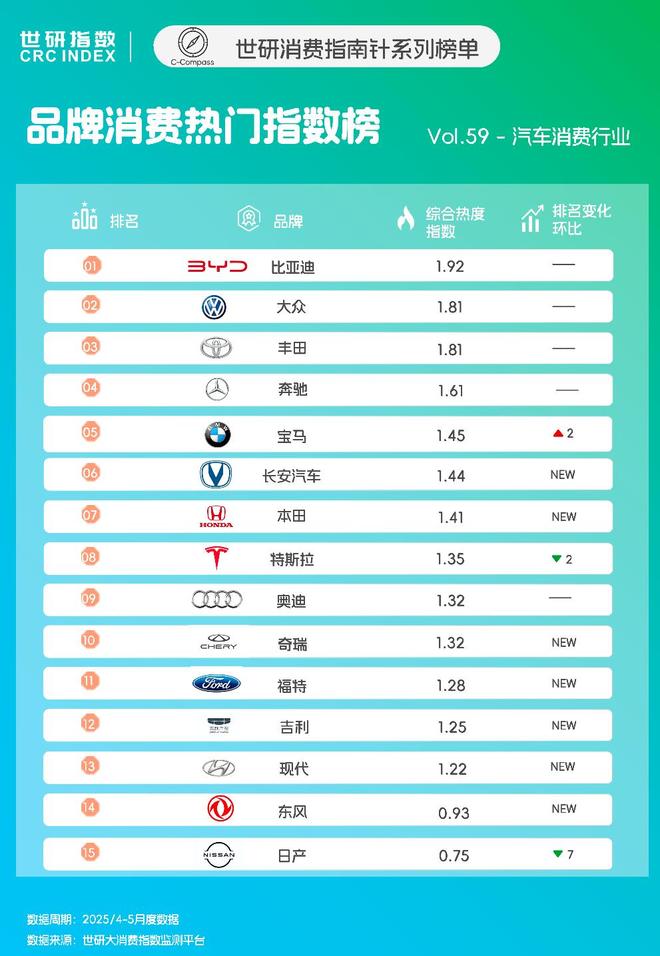
新能源车市争霸,技术普惠重塑格局|世研消费指数品牌榜Vol.59
3 6 Ke· 2025-08-11 06:41
Group 1: Industry Trends - The electric vehicle (EV) market is witnessing a shift towards "technology democratization," where leading brands like BYD and Tesla are leveraging advanced technologies to address consumer pain points and reshape market expectations [2] - BYD's "Tian Shen Zhi Yan" intelligent driving system is standard on its Sea Gull model, featuring a pure vision solution with 12 cameras and 5 millimeter-wave radars, catering to parking needs in older residential areas [2] - Tesla's Model Y has improved its range to 753 km, addressing long-distance travel concerns while utilizing government subsidies to maintain brand premium [2] Group 2: Competitive Strategies - Traditional automakers are focusing on hybrid technology as a strategic pivot to address consumer concerns regarding range, safety, and cost [3] - Toyota, Honda, and Nissan are implementing various hybrid technologies to meet the demand for low energy consumption across different driving scenarios [3] - Toyota's fifth-generation hybrid technology aims to reduce fuel consumption at high speeds, while Honda's i-MMD system has significantly lowered hybrid system costs, making their models more competitive [3] Group 3: Market Insights - Social media engagement indicates the effectiveness of hybrid strategies, with topics related to hybrid fuel consumption and "no-stall travel" gaining traction [3] - The popularity of models like Toyota's Levin Hybrid and Honda's Haoying Hybrid is reflected in their rise on regional trending lists [3]



弹动推出无硅油椰子蓬松洗发水:以技术创新破解敏感头皮蓬松难题
Zhong Guo Chan Ye Jing Ji Xin Xi Wang· 2025-08-07 08:19
Core Insights - The no-silicone shampoo market is experiencing explosive growth due to increased consumer awareness of scalp health, with e-commerce sales exceeding 100 million yuan in January and February 2025, particularly for oil control and volumizing products [1] - The launch of "Coconut Volumizing Shampoo" by the brand aims to address the needs of sensitive scalp consumers by offering a product that meets baby-safe standards and contains 44.3% coconut essence along with multiple patented technologies [1][6] Product Innovation - The shampoo features a dual innovation in cleaning and volumizing technology, utilizing a mild cleaning formula that replaces harsh sulfates with amino acid surfactants and natural plant extracts, significantly reducing irritation [2][3] - The "mutual exclusion ion volumizing technology" creates a repulsive force between hair strands, enhancing volume by 47.56% while maintaining moisture and preventing dryness [3] Market Trends - There is a growing demand for baby-grade personal care products, with 68% of adult consumers considering "suitable for children" standards when purchasing, particularly among sensitive skin individuals [4] - The market for sensitive scalp care is becoming increasingly competitive, with significant consumer interest in plant-based ingredients and amino acid surfactants, as evidenced by data from social media platforms [5] Pricing and Target Market - The product is priced around 79 yuan for a 400ml bottle, appealing to the value-conscious Z generation, contrasting with international brands that often exceed 100 yuan [6][7] - The brand's philosophy emphasizes making premium care accessible to the general public, aligning with the growing trend of consumers seeking quality at reasonable prices [7]
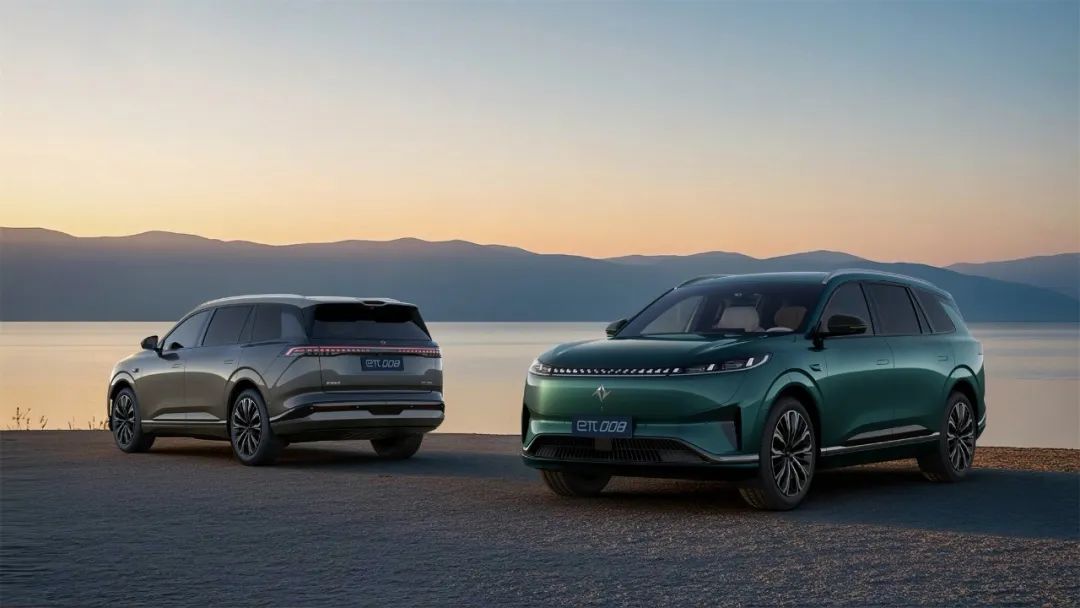
为何说2026款eπ008六座版,能成为东风自主乘用车转型的“关键拳头”?
Xin Lang Cai Jing· 2025-08-02 08:55
Core Insights - The article highlights Dongfeng Motor's proactive approach in the electric vehicle (EV) transition by establishing a new technology brand, Yipai Technology, to enhance its market competitiveness [1][4][18] Group 1: Company Strategy - Dongfeng Motor has integrated its structure to form Yipai Technology, marking a strategic shift from a multi-brand approach to a more focused strategy [4][6] - The establishment of Yipai Technology aims to enhance resource sharing across its brands, including Fengshen, Yipai, and Nano, to improve research and development efficiency [4][6] - The launch of the 2026 eπ008 six-seat SUV reflects Dongfeng's commitment to user-driven innovation, with 108 upgrades based on customer feedback [6][16] Group 2: Market Performance - Yipai Technology achieved impressive delivery numbers, with 27,923 units delivered in July, representing a 70.9% year-on-year increase, and a total of 134,592 units delivered from January to July, up 32% [6][12] - The 2026 eπ008 six-seat version is positioned to redefine the family SUV market, addressing common space issues faced by competitors [7][9] Group 3: Product Features - The 2026 eπ008 boasts a spacious design with a 3025mm wheelbase and 700mm legroom in the third row, along with a flexible trunk space that expands from 292L to 783L [7][9] - Innovative seating arrangements allow for various configurations, including a flat double bed, enhancing comfort for family outings [9][11] - The vehicle incorporates advanced technology, such as dual AI models for interactive user experiences, and a focus on comfort and quietness, achieving a noise reduction of 7 decibels compared to competitors [11][12] Group 4: Technological Advancements - The eπ008 features a highly efficient 1.5T hybrid engine with a thermal efficiency of 45.18%, and rapid charging capabilities that reduce charging time from 30% to 80% in just 15 minutes [12][14] - The vehicle's safety features include high-strength steel construction and rigorous testing, ensuring durability and safety for family use [14][15] Group 5: Pricing Strategy - The 2026 eπ008 is competitively priced under 200,000 yuan, with an introductory price of 173,600 yuan, making advanced features accessible to a broader audience [15][16] - This pricing strategy reflects Dongfeng's supply chain advantages and resource optimization through Yipai Technology [15][16]

上半年新势力车企销量大洗牌 零跑鸿蒙理想高居前三名
Zhong Guo Chan Ye Jing Ji Xin Xi Wang· 2025-07-20 00:41
Core Insights - The landscape of China's new energy vehicle market has undergone significant changes in the first half of the year, with the previous "Wei Xiaoli" trio being disrupted by new leaders [1][2] - The top three new energy vehicle companies by sales volume in the first half of the year are Leap Motor, Hongmeng Zhixing, and Li Auto, with deliveries of 221,664, 204,658, and 203,938 units respectively [1][2] - The market is experiencing intense competition, shifting focus from price wars to technology, service, and ecosystem development [1][7] Group 1: Company Performance - Leap Motor achieved a remarkable 155.7% year-on-year growth, becoming the largest player with 221,664 units delivered, and aims to maintain a monthly delivery of over 50,000 units in the second half of the year [2][3] - Hongmeng Zhixing ranked second with 204,658 units sold, but faces pressure to meet its ambitious annual target of 1 million units, having completed only 20.5% in the first half [2][4] - Li Auto, with 203,938 units delivered, saw a slower growth rate of 7.9% and aims to launch new electric models to enhance its market position [2][3] Group 2: Market Trends - June saw a collective surge in sales among new energy vehicle companies, with Hongmeng Zhixing leading with 52,747 units delivered, marking a 20% year-on-year increase [4][5] - The overall market for new energy vehicles is expected to continue growing, driven by technological advancements and improved infrastructure [6][7] - The competition is anticipated to shift from scale to technology, with new models from various companies set to launch in the second half of the year [7][8] Group 3: Future Outlook - The penetration rate of new energy vehicles reached approximately 55% in June, with significant promotional activities contributing to sales growth [7] - Companies are focusing on building differentiated competitive advantages in smart driving, charging networks, and user ecosystems [8] - The global expansion of companies like Leap Motor and Xiaomi is expected to enhance their market presence, with predictions of significant growth in exports by 2025 [7][8]
风云A9L,20万级豪华价值天花板
汽车商业评论· 2025-07-15 04:26
Core Viewpoint - The launch of the Chery Fengyun A9L has created a significant market impact, achieving over 50,000 orders within 24 hours, marking it as a phenomenon in the 2025 automotive market [3]. Group 1: Market Response - The Fengyun A9L has set a new sales record for luxury cars from Chinese brands and has generated a surge in customer interest, with showrooms experiencing high foot traffic and test drive appointments being oversubscribed [3]. - The vehicle's launch has led to a situation in some cities where demand exceeds supply, resulting in a "hard-to-get" scenario for potential buyers [3]. Group 2: Reasons for Success - The success of the Fengyun A9L can be attributed to three main factors: a disruptive pricing strategy, superior product capabilities, and a user-driven co-creation approach [5]. - The pricing strategy of 139,900 yuan has shattered the price ceiling for C-class luxury cars, altering consumer perceptions of luxury vehicle pricing [6]. - The product offers a unique combination of features, including B-class pricing, C-class dimensions, and D-class experiences, redefining the value standards in the luxury car market [6]. - The vehicle was developed with input from over 500,000 users, incorporating 1,278 suggestions, which has significantly enhanced its market acceptance [6]. Group 3: Strategic Evolution - The Fengyun brand represents Chery's commitment to producing high-quality vehicles for the public, evolving from its origins in 1999 to a modern player in the high-end automotive market [8][9]. - The brand has undergone a strategic transformation, with plans to launch 16 new models over the next three years, covering various vehicle types and powertrains [15]. Group 4: Product Features - The Fengyun A9L boasts unique features such as a C-class space dimension, a pure electric range of 260 km, and advanced suspension systems that enhance driving performance and comfort [18][19][21]. - The vehicle's design incorporates high-strength materials and advanced safety features, including nine airbags and a robust body structure, ensuring a high level of safety [21][26]. - The audio system and AI capabilities of the Fengyun A9L are designed to provide a premium user experience, showcasing the integration of advanced technology [29]. Group 5: Competitive Advantage - Chery has developed a unique "explosive product manufacturing" system, leveraging partnerships with leading technology firms and its extensive manufacturing experience to create competitive products like the Fengyun A9L [30][31]. - The combination of cutting-edge technology, user-centric design, and robust manufacturing capabilities has positioned the Fengyun A9L as a strong competitor in the luxury car market [31].

智创未来数字人贴牌战略:打破技术壁垒,激活千行百业AI新动能
Sou Hu Cai Jing· 2025-07-14 04:38
Core Insights - The global digital economy is expected to exceed 65 trillion yuan by 2025, marking a pivotal shift where AI technology evolves from a "laboratory toy" to "business infrastructure" [1] - Over 85% of small and medium-sized enterprises (SMEs) are unable to commercialize AI due to a lack of technical teams, R&D funding, and implementation capabilities [1] - The "closed innovation" model of leading tech companies has led to a homogenization of digital human products, limiting their integration into business scenarios [1] Company Strategy - Zhichuang Future Group launched a "digital human white-label strategy" to democratize technology, providing partners with a comprehensive support system from technical foundation to brand customization and commercial monetization [1][12] - The company’s "full-stack digital human engine" allows businesses to quickly develop digital human products using a modular architecture and automated toolchain, significantly reducing development time and costs [2][4] Technological Advancements - The introduction of a "dynamic scene adaptation system" addresses the issue of digital humans being "out of place" by enabling real-time data access and adaptive interaction [4] - The system integrates with enterprise ERP, CRM, and IoT systems, allowing digital humans to provide real-time responses and continuously optimize interaction logic based on user feedback [4] Brand Customization and Monetization - The white-label strategy emphasizes deep brand integration, allowing companies to define the digital human's appearance, voice, personality, and interaction style, thus enhancing brand identity [5] - Various monetization models such as subscription, revenue sharing, and outright purchase are offered, allowing businesses to choose based on their needs [7] Ecosystem Development - Zhichuang Future has established three major ecosystem initiatives: "Star Sea Plan," "Lighthouse Plan," and "Seed Plan," creating a four-dimensional symbiotic network of technology, brand, scene, and capital [8] - The "Star Sea Plan" provides one-stop white-label services for SMEs, while the "Lighthouse Plan" focuses on joint R&D with industry leaders [8] Industry Impact - The digital human white-label strategy has led to standardized solutions across 15 industries, including finance, retail, healthcare, education, and government [11] - Successful case studies demonstrate significant improvements in operational efficiency, customer engagement, and revenue generation for various sectors [11] Vision for the Future - The essence of the digital human white-label strategy is to empower every enterprise to become an "innovation主体" in the AI era, promoting the widespread adoption of AI technology across various industries [12]


海尔周云杰:构建"天地一体"AI生态 呼吁技术普惠与跨界融合
Ren Min Wang· 2025-06-27 09:13
Core Viewpoint - The World Economic Forum's 16th Summer Davos Forum in Tianjin focused on "New Era Entrepreneurial Spirit," gathering over 1,700 leaders from more than 90 countries to discuss innovative business solutions to global challenges [1] Group 1: AI Development and Innovation - The CEO of Haier Group, Zhou Yunjie, emphasized that "innovation is the soul of the enterprise" during the forum on AI development [5] - Haier has transformed its organizational structure and processes to fully embrace AI, creating a comprehensive layout with large models, intelligent agents, and AI terminals [5] - Haier has developed proprietary large models such as UHome and Tianzhi for smart home and industrial applications, integrating them with general models like DeepSeek [5] Group 2: Ecosystem and Market Position - Zhou Yunjie stated that future competition will be between ecosystems rather than individual companies, highlighting Haier's transition from a traditional appliance manufacturer to an ecosystem enterprise [5] - Haier has established three major ecosystems: smart home, big health, and industrial internet, maintaining its position as a top IoT ecosystem brand for seven consecutive years [5] - The company offers customized transformation paths for businesses of various sizes, advocating for the integration of AI to avoid marginalization [6] Group 3: Vision for the Future - Zhou Yunjie called for the acceleration of machine intelligence's accessibility, promoting a "technology for good" philosophy to enable cross-brand connectivity in smart homes [6] - He urged new era entrepreneurs to embrace innovation with greater responsibility and commitment to drive high-quality economic development [6]

张薇薇:“共赢”而非“独赢”,事关全球科技合作未来
Huan Qiu Wang Zi Xun· 2025-06-18 23:13
Core Viewpoint - The article emphasizes the need to restart "China-U.S. Technology Relations 2.0," arguing that decoupling is shortsighted and that cooperation is essential to address global challenges like climate change and public health [1] Group 1: U.S. Technology Landscape - There is an increasing emphasis on technology competition within the U.S., influenced by geopolitical considerations and a zero-sum mindset, stemming from anxieties over diminishing technological leadership [1][2] - The rise of "tech right" individuals in the U.S. has amplified the belief in technology as the primary driver of societal progress, advocating for reduced regulation and increased government investment in technology [1] - Some U.S. political figures view technological power as a means to reshape international rules and maintain dominance, which could reinforce America's global hegemonic status [1] Group 2: Competition vs. Cooperation - The concept of "winning" in competition should focus on healthy competition and mutual benefits rather than a zero-sum approach, as the latter can lead to monopolization and increased wealth disparity domestically [2] - Overemphasis on unilateral victories in international competition may overlook opportunities for collaboration and shared interests, potentially leading to a mindset of "winner-takes-all" [2] Group 3: Global Technological Cooperation - Countries must prioritize cooperation and shared progress in the face of disruptive technological changes, emphasizing technology accessibility and equitable sharing of technological benefits [3] - China has taken significant steps in promoting international cooperation in artificial intelligence, proposing initiatives aimed at ensuring that developing countries can equally benefit from technological advancements [3] Group 4: China's Role in Global Innovation - China is emerging as a global leader in innovation, transitioning from a knowledge receiver to a key producer and standard-setter in various advanced fields [4] - The dynamics of China-U.S. technology relations have shifted from a highly asymmetric structure to a more balanced one, with China playing a crucial role in shaping global technology agendas and rules [4] - The promotion of an open, fair, and non-discriminatory global technology development environment is essential for sustainable innovation and collective human welfare [4]