本土化

Search documents
专家:跨境投资进入高效协同2.0时代
Zhong Guo Zheng Quan Bao· 2025-11-07 20:11
Group 1: Core Insights - The "2025 IPEM Private Equity and Industry Conference" highlighted the significance of cross-border capital flow and industrial collaboration as key drivers of economic growth, particularly in the Asian market, with China showcasing immense investment potential and strategic value [1] - Technology investment is viewed as the core engine for global industrial transformation, with intense competition in innovation primarily concentrated in the US and China, especially in fields like commercial space, embodied intelligence, and artificial intelligence [1][2] Group 2: Regional Insights - Europe is recognized for its unique advantages in talent pool, company valuations, and vertical innovation, with increasing unicorns and rising annual financing in the tech market, particularly in AI, deep tech, and green technology [2] - The shift in cross-border investment dynamics is moving from unilateral inflow to multi-polar collaboration, emphasizing the importance of local partnerships and shared profitability for successful globalization [2] Group 3: Supply Chain Advantages - China's supply chain resilience, efficiency, and innovation are becoming central attractions for global capital, particularly in the biopharmaceutical sector, which has integrated deeply into the global supply chain over the past decade [3] - The dual-track policy in China for innovative drug development significantly reduces trial and error costs, positioning China as a global testing ground for pharmaceutical innovation [3] - The upgrade of China's supply chain advantages from cost-driven to technology-driven is evident, with hardware companies rapidly iterating products and forming a comprehensive advantage in sectors like electric vehicles and consumer electronics [3]
因美纳:六赴进博,加速全球创新引进,扎根本土生态
2 1 Shi Ji Jing Ji Bao Dao· 2025-11-07 10:02
Core Insights - The 8th China International Import Expo (CIIE) will be held from November 5 to 10, 2025, in Shanghai, featuring participation from 155 countries and regions, with over 4,108 foreign enterprises exhibiting, marking a record exhibition area of over 430,000 square meters [1] - The CIIE has successfully showcased China's vast market potential and commitment to openness, contributing positively to global economic development [1] - The life sciences sector in China is experiencing significant innovation, particularly in precision medicine and biopharmaceuticals, reshaping healthcare services [1] - Illumina, a leader in gene sequencing and chip technology, is participating in the CIIE for the sixth time, focusing on innovative solutions in the medical device and healthcare sector [1] Company Strategy - Illumina is celebrating its 20th anniversary in China, emphasizing its commitment to localization and bringing innovative solutions to the Chinese market [2] - The company aims to enhance local procurement and manufacturing, marking a new phase in its localization strategy [2][3] - Illumina's strategy aligns with China's "14th Five-Year Plan," which promotes high-quality development in the biopharmaceutical industry and emphasizes the importance of local manufacturing and supply chain resilience [3][4] Product Innovations - Illumina introduced two cutting-edge solutions at the CIIE, including the Illumina Protein Prep solution and a new five-base solution, both aimed at advancing drug discovery and precision medicine [8][9] - The NovaSeq 6000Dx-CN-BG, a high-throughput sequencing instrument, has received regulatory approval in China, enhancing its clinical applications in oncology and rare disease detection [6][11] - The new five-base solution addresses limitations in traditional sequencing methods, allowing for simultaneous detection of genetic markers, thus improving efficiency in clinical research [9] Market Positioning - Illumina's localization efforts are supported by strategic partnerships with local companies to strengthen supply chain resilience and enhance local manufacturing capabilities [5][6] - The company is committed to providing innovative solutions that meet international standards, facilitating the integration of Chinese research with global practices [12][13] - Illumina's ongoing investments in R&D, projected at nearly $1 billion for 2024, reflect its dedication to supporting China's life sciences innovation [11][14]

星巴克中国估值要跑到130亿美元,还得看博裕能帮多大忙
Xin Lang Cai Jing· 2025-11-06 02:39
Core Insights - Starbucks has finalized a deal to form a joint venture with Boyu Capital, where Boyu will hold up to 60% of the equity, while Starbucks retains 40% and continues to own the brand and intellectual property [1][2] Group 1: Valuation and Financial Aspects - The joint venture is valued at $4 billion, with Starbucks estimating its total retail business in China to exceed $13 billion, composed of three parts: proceeds from the equity transfer, retained equity value, and future licensing fees [3][7] - Starbucks needs to generate $6.6 billion in licensing fees over the next ten years to meet the $13 billion valuation expectation, which typically ranges from 3% to 8% of GMV [7][8] - Starbucks China has 8,011 stores and has entered 1,091 county-level markets, with active membership in the Starbucks Rewards program reaching 25.5 million [9] Group 2: Market Strategy and Adaptation - The partnership with Boyu Capital aims to enhance Starbucks' local market adaptability and accelerate expansion into smaller cities and emerging markets [5][19] - Starbucks has recently adjusted its pricing strategy, implementing significant price reductions on popular products, which has positively impacted sales [10][11] - The company plans to expand its store count to 20,000, necessitating a shift towards lower-tier markets while maintaining quality and brand standards [20][21] Group 3: Boyu Capital's Role - Boyu Capital is recognized for its strong local market experience and has previously invested in notable companies, making it a suitable partner for Starbucks' expansion [15][16] - The collaboration is expected to leverage both parties' resources to enhance customer experience, accelerate product innovation, and deepen local market integration [18][19] - Boyu's higher bid may have contributed to its selection as the partner for this venture, indicating confidence in the potential for growth in the Chinese market [16]

【西街观察】星巴克中国之变:资本化背后的本土化
Bei Jing Shang Bao· 2025-11-04 13:29
Core Viewpoint - Starbucks has announced the sale of its controlling stake in the Chinese market to Boyu Capital, marking a significant structural adjustment in its business model in China, driven by declining financial performance and increased competition [1][2]. Group 1: Business Strategy and Market Dynamics - The joint venture will see Boyu holding up to 60% of the equity, while Starbucks retains 40%, indicating a shift towards a more localized operational strategy [1]. - The rise of local competitors, particularly Luckin Coffee, has altered the market landscape, forcing Starbucks into price wars and diminishing its previous market dominance [1]. - New tea beverage brands have emerged rapidly, appealing to urban workers with lower operational costs and more flexible product offerings, further intensifying competition for Starbucks [1]. Group 2: Challenges and Transformation - The ongoing internal and external pressures have led to heightened performance anxiety for Starbucks, necessitating a change in strategy [2]. - Many foreign dining brands, including Starbucks, are re-evaluating their pricing strategies, expansion pace, and market strategies in response to changing market dynamics and consumer preferences [4]. - The core of the transformation focuses on better localization to stabilize their market position in China, adapting to the increasing online and delivery trends in the retail food industry [5].
司康 VS 达克瓦兹,谁才是中国烘焙市场的下午茶之神?
东京烘焙职业人· 2025-11-04 08:41
Core Viewpoint - The article discusses the evolving trends in the Chinese afternoon tea dessert market, highlighting the rise of scones and dacquoise as popular choices among young consumers, showcasing their unique appeal and market strategies. Group 1: Scones - Scones have gained popularity through a successful "localization reversal," transforming from a mere accompaniment in high-end hotel afternoon teas to a beloved dessert due to innovations in texture and flavor [6][41]. - The Shanghai brand "Carter Scone" played a pivotal role in this transformation by adjusting the cream and butter ratios, creating a new style of scone that resonates with Chinese consumers' preference for a flaky texture [7][41]. - Scones are now seen as versatile afternoon tea options, pairing well with various beverages and fitting seamlessly into Chinese tea-drinking habits, thus proving the success of their "Chinese adaptation" [47][60]. Group 2: Dacquoise - Dacquoise, a classic French dessert, has recently gained traction in China, particularly since 2022, due to its appealing aesthetics and lower sugar content, making it suitable for modern tastes [9][49]. - The dessert's success is attributed to its visual appeal, light sweetness, and diverse flavor possibilities, which have evolved from traditional French recipes to more localized versions [51][53]. - Dacquoise has emerged as a "main character" in the dessert scene, leveraging social media for marketing and appealing to gifting occasions, thus establishing itself as a popular choice for various social settings [56][60]. Group 3: Market Trends - The popularity of scones and dacquoise reflects a shift in consumer preferences towards "experiential consumption," where the focus is on the overall experience rather than just the taste [11][14]. - Major restaurant brands are exploring the baking segment, indicating a growing trend in the market where baked goods are integrated into their offerings [13]. - The competition between scones and dacquoise highlights the importance of understanding local taste preferences and adapting products accordingly to succeed in the rapidly growing Chinese baking market [14][62]. Group 4: Insights and Strategies - The article emphasizes that the success of these desserts is not merely due to their cultural origins but rather their ability to resonate with local taste preferences and provide a "good reason to eat" [62][64]. - Both scones and dacquoise have successfully created social and emotional value beyond just being food items, positioning themselves as "social currency" in various contexts [65][67]. - The adaptability of both desserts allows for continuous innovation and the potential for seasonal variations, making them sustainable products in the evolving market landscape [68][70].


曾投资小红书蜜雪冰城等,博裕资本拿下星巴克中国60%股权
Sou Hu Cai Jing· 2025-11-04 06:41
11月4日,星巴克宣布与私募股权投资公司博裕资本成立合资公司,共同运营星巴克在中国市场的零售业务。博裕资本将持有合资企业至多60%股权,星巴 克保留40%股权。双方合作后,计划将星巴克中国的门店数稳步扩展至2万家,较当前增长约1.5倍。 博裕资本将基于约40亿美元的企业价值(不含现金和债务)收购其股份。星巴克预计其中国零售业务的总价值将超过130亿美元,总价值由三部分构成:向 博裕资本出让合资企业控股权益所得、星巴克在合资企业中保留的权益价值,以及未来十年或更长时间内持续支付给星巴克的授权经营收益。 早些年,星巴克在日本、韩国等多个国家和地区都采用过合营的方式,不过后来星巴克要么逐步收回股权,要么逐步退出、直接授权当地公司经营。其在中 国内地市场,也经历了从合营到收归直营的演变,而如今,星巴克在中国决定反向"换挡"。 针对战略投资星巴克原因、是否会物色本地团队运营等,11月4日,南都湾财社记者通过官网邮件联系博裕资本,截至发稿,尚未收到回复。 拿下星巴克中国60%股权的博裕资本 曾投资希音、小红书、蜜雪冰城等 根据媒体报道,从2024年11月星巴克传出要出售中国市场部分业务后,收购方的名单就出现众多知名投资机 ...
星巴克中国大动作!牵手博裕持股60%,剑指20000家门店重塑咖啡江湖
Jing Ji Guan Cha Bao· 2025-11-03 23:54
Core Insights - Starbucks has announced a strategic partnership with Boyu Capital to establish a joint venture for its retail operations in China, marking a significant shift in its strategy after 26 years in the market [1] - The joint venture will see Boyu Capital holding up to 60% of the equity, while Starbucks retains 40% and continues to own the brand and intellectual property [1] - The estimated enterprise value of the transaction is around $4 billion, with Starbucks' retail business in China valued at over $13 billion [1] Group 1: Partnership Details - The joint venture will be headquartered in Shanghai and aims to expand Starbucks' store count in China to 20,000 in the long term [1] - Boyu Capital, founded in 2011, manages over 34.5 billion RMB and has a historical annualized return exceeding 25%, significantly above the industry average in Asia [2] - Boyu has a diversified investment portfolio, focusing on private equity, strategic allocations in listed companies, and sectors like technology, retail, and healthcare [2] Group 2: Market Context - The Chinese coffee market is undergoing structural changes, with the ready-to-drink coffee market exceeding 280 billion RMB and the affordable coffee segment growing at 42% [4] - Starbucks' same-store sales in China declined by 1% in FY2025, despite a 4% increase in transaction volume, indicating pressure from lower-priced competitors [4] - Luckin Coffee leads the market with 27,152 stores, significantly outpacing Starbucks, which has 8,011 stores as of September 2025 [4] Group 3: Strategic Goals - The partnership aims to leverage Boyu's local market expertise to accelerate Starbucks' expansion in smaller cities and emerging regions [5] - Starbucks plans to enhance product localization, digital transformation, and market expansion as part of the joint venture's strategy [6] - The collaboration is seen as a strategic upgrade rather than a relinquishment of control, with Starbucks maintaining brand ownership and operational standards [7] Group 4: Long-term Commitment - Starbucks has been committed to integrating with local communities in China, focusing on supply chain localization and product innovation [8] - The partnership with Boyu is expected to enhance Starbucks' influence in the Chinese coffee market and provide consumers with a richer coffee experience [8]

谁将接盘汉堡王中国?母公司高层到沪密会潜在买家
Guan Cha Zhe Wang· 2025-11-03 13:31
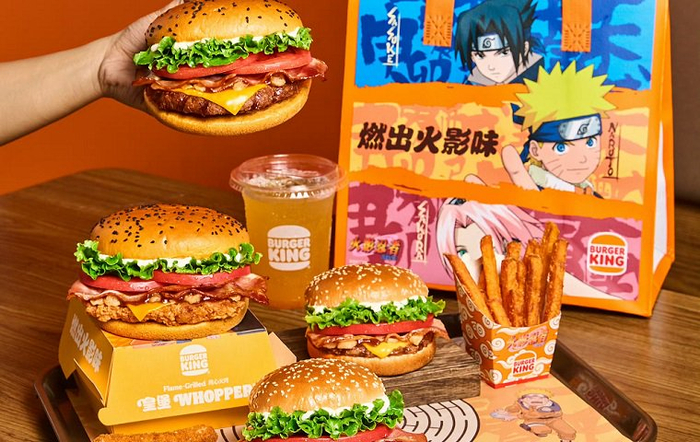
Core Viewpoint - The sale of Burger King's China business is progressing as the company seeks new local partners to revitalize its operations in the competitive market [1][11]. Company Overview - Burger King, founded in 1954 in Miami, gained popularity with its flagship product, the Whopper, which sells over 210 million units globally each year [3]. - The brand entered the Chinese market in 2005, initially opening only 52 stores in the first seven years, but expanded rapidly after 2012 under TFI Group's exclusive franchise, opening over 900 stores in six years [3]. Market Challenges - Burger King faces increasing competition from local fast-food brands and established players like McDonald's and KFC, which have adapted more effectively to local tastes [3]. - The brand's unique "flame-grilled" flavor has not been enough to maintain its market position, as it struggles with marketing and product innovation compared to competitors [3][4]. Financial Performance - In 2024, Burger King's restaurant count in China decreased by approximately 100 basis points, with lower average sales per store compared to other markets [4][6]. - As of 2024, Burger King China ranked eighth in revenue among RBI's international markets, with system sales of approximately $700 million and an average annual sales per store of about $400,000, significantly lower than in France and Korea [6]. Store Count and Competition - Burger King had around 1,300 stores in China, down from 1,587 at the end of 2023, indicating a trend of negative growth in store numbers [6]. - Competitors like Wallace and KFC have significantly more stores, with Wallace leading at 19,648 locations [7]. Strategic Changes - In February, RBI announced the acquisition of TFI Group's stake in Burger King China for $158 million, ending their partnership early due to unsatisfactory market performance [8]. - To improve operations, RBI is seeking new local partners and has appointed experienced executives to its management team to enhance local market strategies [8][10]. Recent Developments - Recent financial reports indicate a 10.5% year-over-year increase in same-store sales for Q3 2025, with total system sales reaching approximately 1.224 billion RMB [10]. - The new local management team is credited with driving improvements through enhanced marketing and product offerings [10]. Future Outlook - The success of Burger King's revitalization efforts in China hinges on the selection of a new local partner, with private equity firms reportedly interested in acquiring significant stakes [11].

「UMe Tea优米茶铺」完成1000万美元A轮融资,华人工程师在北美开奶茶店|早起看早期
36氪· 2025-11-01 01:16
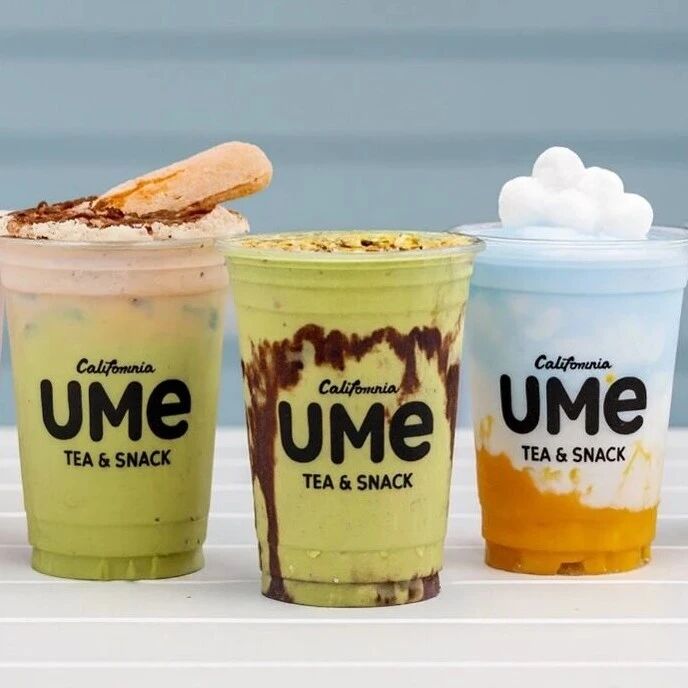
Core Insights - UMe Tea has completed a $10 million Series A funding round led by Conductive Ventures, with plans to enhance team structure and expand store presence in the Bay Area [2] - The brand has grown from 9 to 27 stores in two years, with a target of 33 stores by the end of 2025, primarily focusing on direct ownership [4][5] - UMe Tea's customer base is predominantly non-Asian, with 60% of customers being from diverse backgrounds, indicating a successful localization strategy [5] Business Strategy - UMe Tea's product offerings cater to local tastes, with a focus on richer flavors preferred by American consumers, such as spicy mango smoothies [6] - The menu is designed to accommodate various dietary preferences, with clear categorization for lactose intolerance and caffeine-free options [6] - The brand has seen a 30% increase in same-store sales year-over-year, unaffected by competitive pressures from other Chinese tea brands entering the market [5] Marketing and Brand Positioning - UMe Tea employs emotional marketing strategies targeting younger consumers, leading to viral social media campaigns, such as card-collecting promotions that significantly boosted sales [9] - The company aims to establish a strong brand presence in California, with plans to open more stores in the San Francisco Bay Area, where the average distance between stores is about 3 miles [11] Future Plans - The company plans to focus on team development, digitalization, and supply chain improvements while continuing to expand its store network in the Bay Area [11] - UMe Tea aspires to become a local brand in California, emphasizing the importance of mastering regional operations before considering broader expansion [11]
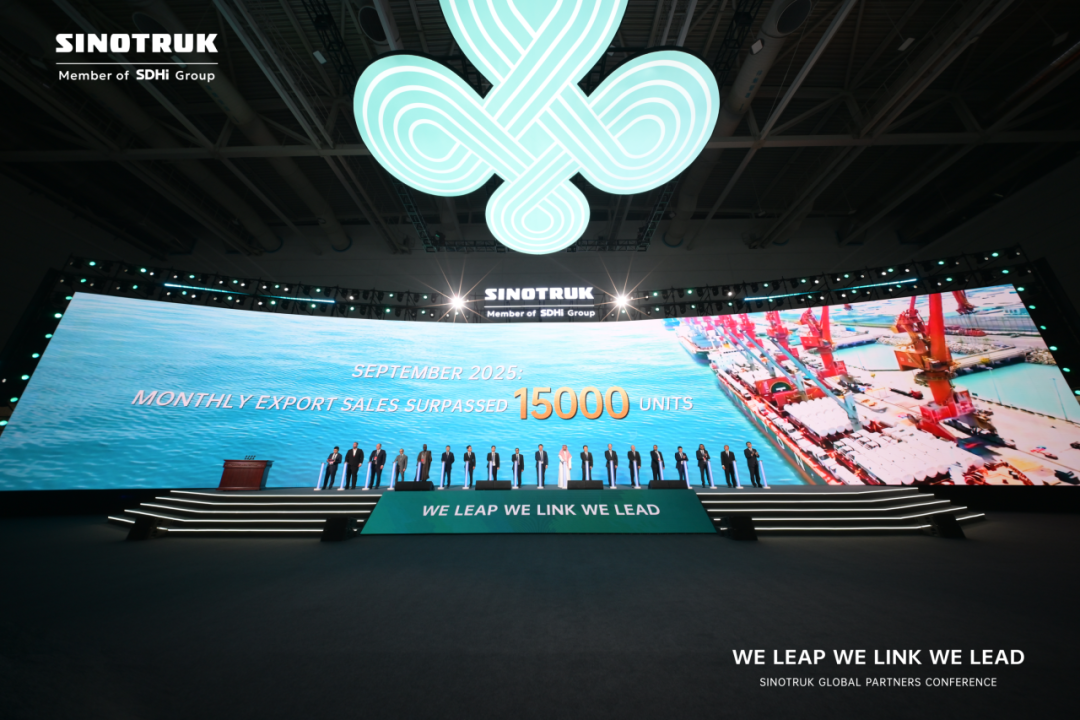
且向潮头再扬帆!中国重汽重卡单月出口1.5万辆,再刷行业纪录
Qi Lu Wan Bao· 2025-10-21 02:35
Core Insights - China National Heavy Duty Truck Group (CNHTC) has achieved a record high of 15,000 heavy truck exports in September, bringing the total exports for the month to 15,000 units, marking a new monthly export record for the domestic heavy truck industry [3] - For the first nine months of the year, CNHTC reported total revenue of $22.89 billion, a year-on-year increase of 14.9%, and total vehicle sales of 335,000 units, up 22.8% year-on-year [3] - The company has established a strong global presence, with products sold in over 150 countries and regions, and a global market share exceeding 1 million units [3] Group 1 - CNHTC has maintained its leadership in the domestic heavy truck export market since its overseas expansion began in 2004 [3] - The company has built a comprehensive service network in Vietnam, with 35 service stations and a successful promotional event resulting in over 800 orders [4][6] - CNHTC's after-sales market has shown significant growth, with parts sales revenue increasing by 59% year-on-year in the first nine months [6] Group 2 - The company has implemented a rapid response mechanism to meet urgent customer demands, exemplified by a recent order from an African client [8] - CNHTC operates 10 major production bases in China, with a maximum monthly production capacity of 30,000 heavy trucks [8] - The company is focusing on building more intelligent and efficient factories to enhance production capabilities [8] Group 3 - In traditional markets like Vietnam and Nigeria, CNHTC is expanding its sales and service networks to improve market coverage [11] - The company has established an assembly plant in the Philippines, which has successfully localized production and shortened delivery times [11] - CNHTC's sales in Africa and Southeast Asia have seen significant growth, with increases of 37.4% and 41.5% respectively in the first nine months [11] Group 4 - CNHTC is investing over $4 billion in R&D over the next five years, with plans to establish a specialized R&D team of over 8,000 members [14] - The company is expanding its product offerings to include a full range of commercial vehicles, leveraging its strengths in product quality and design [14] - In the new energy sector, CNHTC has reported a 300% increase in sales of new energy vehicles in the first nine months [16] Group 5 - CNHTC is actively promoting its "Red Pulse Global" brand, integrating political advantages into its international market expansion strategy [17][19] - The company has established a global organizational structure to support its overseas operations, with 21 overseas party branches providing direct service to international markets [19] - CNHTC emphasizes the importance of teamwork and collaboration among its overseas staff to enhance market penetration [21] Group 6 - CNHTC is leveraging its position as a leading player in the heavy truck industry to form strategic partnerships and enhance its competitive edge [24] - The company has opened its first authorized showroom in Libya, aiming to support local reconstruction efforts and provide comprehensive solutions [25] - CNHTC is committed to localizing its operations and workforce, including establishing training centers to develop local talent [27] Group 7 - At the 2025 Global Partner Conference, CNHTC projected heavy truck exports to exceed 150,000 units this year, with ambitious targets set for 2030 [29] - The company aims to achieve a balanced approach between short-term gains and long-term value creation through strategic planning and collaboration [31] - CNHTC is focused on five key transformations: green, digital, service-oriented, international, and diversified development [33]