
汇率风险管理

Search documents
金融期货早评-20251106
Nan Hua Qi Huo· 2025-11-06 03:24
1. Report Industry Investment Ratings No specific industry investment ratings are provided in the report. 2. Core Views - The "15th Five - Year Plan" draft can help identify future key focus areas. The Sino - US trade talks in Kuala Lumpur reached a phased consensus, which will reduce the impact of tariff policies on the market and improve market risk appetite [2]. - It is expected that the USD/CNY spot exchange rate will operate in the range of 7.09 - 7.14 this week, with a potentially stronger overall trend. Enterprises are advised to conduct exchange - rate risk management [4]. - The stock index is expected to continue to fluctuate in the short term as the Fed's rate - cut expectation has cooled, but there is support below [5]. - For treasury bonds, a long - term bullish view is maintained, and mid - term long positions should be held [6]. - The short - term bullish trend of container shipping futures on the European line will continue, but the widening basis between futures and spot prices increases volatility risk [10]. - Precious metals are in a short - term adjustment phase. In the long - term, the price center of gravity is expected to rise, and investors can look for mid - term buying opportunities on dips [15]. - Copper prices are under pressure from the rising US dollar index, but there is support below. Aluminum prices are expected to be in an upward channel in the long - term, while alumina prices may be weak in the short - term [17][18]. - Zinc prices are expected to be in a strong and volatile state, and tin prices have sufficient bottom support [20][21]. - Carbonate lithium is expected to be in a volatile and strong state, while industrial silicon and polysilicon are expected to be in a wide - range volatile state [23][25]. - Lead prices are expected to be in a high - level volatile state in the short - term [26]. - Rebar and hot - rolled coils are expected to be in a weak and volatile state, challenging previous lows [28]. - Coking coal and coke are suitable as long - positions in the black market, and their prices are expected to rise [30]. - Ferroalloys are expected to be in a volatile state, with high inventory and weak demand [31]. - Crude oil prices are expected to oscillate in the range of 60 - 65 US dollars this week, with limited upward or downward breakthrough potential [35]. - LPG is expected to be in a weak and volatile state, with limited fundamental support [37]. - PX - PTA is expected to be in a strong and volatile state along with the cost side, but the oversupply expectation of PTA still exists [40]. - Ethylene glycol is expected to be in a wide - range volatile state, and a short - selling strategy is recommended on rallies [44]. - Methanol 01 may continue to decline, and it is recommended to hold previous short - call positions [46]. - PP and PE are in a state of strong supply and weak demand, and their prices are expected to be weak [49][51]. - Pure benzene and styrene are expected to be weak and prone to decline, and short - selling opportunities after rallies are recommended [53][54]. - High - sulfur fuel oil cracking is expected to be weak, and profit - taking is recommended. Low - sulfur fuel oil's fundamentals have improved [55][57]. - Asphalt is in a weak state. Short - term waiting or short - selling on rallies is recommended [59]. - Rubber and 20 - number rubber are expected to be in a range - bound and volatile state, with support below but no strong upward drivers [62]. - Urea is expected to be in a weak and volatile state, facing pressure due to weak domestic demand [63]. - For glass, soda ash, and caustic soda, soda ash is expected to be weak, glass may decline towards the end of the 01 contract, and caustic soda's market pressure is increasing [64][66][67]. - Pulp and offset paper are expected to be in a relatively volatile state in the short - term [68]. - Logs are in a weak state, and short - selling on rallies and 01 - 03 reverse arbitrage opportunities are recommended [69][70]. - Propylene is expected to be in a weak state, with an overall loose supply situation [72]. 3. Summaries by Relevant Catalogs Financial Futures - **Macro**: US employment data exceeded market expectations. The "15th Five - Year Plan" draft was released, and the Sino - US trade talks reached a phased consensus. The US government has been shut down for 36 days [1][2]. - **Renminbi Exchange Rate**: It is expected that the USD/CNY spot exchange rate will operate in the range of 7.09 - 7.14 this week, with a potentially stronger overall trend. Enterprises are advised to conduct exchange - rate risk management [4]. - **Stock Index**: The Fed's rate - cut expectation has cooled, and the stock index is expected to continue to fluctuate in the short term [5]. - **Treasury Bonds**: A long - term bullish view is maintained, and mid - term long positions should be held [6]. - **Container Shipping on the European Line**: The short - term bullish trend will continue, but the widening basis between futures and spot prices increases volatility risk [10]. Commodities Non - ferrous Metals - **Gold & Silver**: They are in a short - term adjustment phase. In the long - term, the price center of gravity is expected to rise, and investors can look for mid - term buying opportunities on dips [15]. - **Copper**: Copper prices are under pressure from the rising US dollar index, but there is support below. Some downstream orders have improved [17]. - **Aluminum Industry Chain**: Aluminum prices are expected to be in an upward channel in the long - term, while alumina prices may be weak in the short - term. Cast aluminum alloy has strong follow - up to aluminum prices [18][19]. - **Zinc**: It is expected to be in a strong and volatile state, with support at the bottom in November [20]. - **Tin**: It has sufficient bottom support, and a long - term bullish view is maintained [21]. - **Carbonate Lithium**: It is expected to be in a volatile and strong state, with a relatively stable supply increment and strong demand in November [23]. - **Industrial Silicon & Polysilicon**: Industrial silicon has a supply reduction expectation, and polysilicon's fundamentals are still weak [25]. - **Lead**: It is expected to be in a high - level volatile state in the short - term due to supply disturbances [26]. Black Metals - **Rebar & Hot - Rolled Coil**: They are expected to be in a weak and volatile state, challenging previous lows. The anti - dumping investigation on hot - rolled coils may affect far - month contracts [28]. - **Coking Coal & Coke**: They are suitable as long - positions in the black market, and their prices are expected to rise due to downstream replenishment and supply restrictions [30]. - **Ferroalloys**: They are in a state of high inventory and weak demand, and are expected to be in a volatile state [31]. Energy and Chemicals - **Crude Oil**: It is expected to oscillate in the range of 60 - 65 US dollars this week, with limited upward or downward breakthrough potential [35]. - **LPG**: It is expected to be in a weak and volatile state, with limited fundamental support [37]. - **PTA - PX**: It is expected to be in a strong and volatile state along with the cost side, but the oversupply expectation of PTA still exists [40]. - **MEG - Bottle Chip**: Ethylene glycol is expected to be in a wide - range volatile state, and a short - selling strategy is recommended on rallies [44]. - **Methanol**: Methanol 01 may continue to decline, and it is recommended to hold previous short - call positions [46]. - **PP and PE**: They are in a state of strong supply and weak demand, and their prices are expected to be weak [49][51]. - **Pure Benzene and Styrene**: They are expected to be weak and prone to decline, and short - selling opportunities after rallies are recommended [53][54]. - **Fuel Oil**: High - sulfur fuel oil cracking is expected to be weak, and profit - taking is recommended. Low - sulfur fuel oil's fundamentals have improved [55][57]. - **Asphalt**: It is in a weak state. Short - term waiting or short - selling on rallies is recommended [59]. - **Rubber & 20 - number Rubber**: They are expected to be in a range - bound and volatile state, with support below but no strong upward drivers [62]. - **Urea**: It is expected to be in a weak and volatile state, facing pressure due to weak domestic demand [63]. - **Glass, Soda Ash, and Caustic Soda**: Soda ash is expected to be weak, glass may decline towards the end of the 01 contract, and caustic soda's market pressure is increasing [64][66][67]. - **Pulp and Offset Paper**: They are expected to be in a relatively volatile state in the short - term [68]. - **Logs**: They are in a weak state, and short - selling on rallies and 01 - 03 reverse arbitrage opportunities are recommended [69][70]. - **Propylene**: It is expected to be in a weak state, with an overall loose supply situation [72].
美元理财收益优势减弱 外贸企业结汇升温
经济观察报· 2025-10-19 07:30
Core Viewpoint - The article discusses the shift in foreign trade enterprises' currency exchange strategies in response to the Federal Reserve's interest rate cuts and the changing dynamics of the USD and RMB exchange rates, leading to increased willingness to convert USD to RMB [3][12][17]. Group 1: Currency Exchange Trends - Since late September, many foreign trade companies have increased their currency exchange efforts due to the Federal Reserve's resumption of interest rate cuts, which has diminished the yield advantage of USD investments [3][12]. - The RMB/USD exchange rate has risen above the 7.15-7.30 range, prompting expectations of further appreciation of the RMB, leading companies to act early to secure favorable exchange rates [3][12][17]. - The average exchange rate for foreign trade enterprises was 53.7% in the first eight months of the year, a slight increase of 0.5 percentage points from the previous year, indicating a cautious approach to currency conversion prior to the recent changes [11]. Group 2: Impact of Interest Rates on Investment Decisions - Prior to the Fed's interest rate cuts, many companies preferred to keep USD in offshore accounts for higher returns from USD-denominated investments, which yielded around 4.6% annually, significantly higher than domestic RMB rates [11][12]. - The shift in strategy is evident as companies like Chen Qi's have begun to convert a portion of their USD receivables to RMB, with plans to invest in domestic financial products that offer competitive returns [13][15]. - The article highlights that the recent interest rate cuts have led to a 180-degree change in the investment landscape, with companies now prioritizing currency conversion over holding USD assets [12][17]. Group 3: Risk Management Strategies - Companies are adjusting their risk management strategies for currency fluctuations, with some opting to hedge against exchange rate risks by betting on RMB appreciation for future imports [8]. - The article notes that the use of forward foreign exchange tools is becoming more common among foreign trade enterprises to lock in favorable exchange rates, although challenges such as high costs and collateral requirements remain [18][19]. - The central bank's data indicates that the foreign exchange hedging ratio for enterprises has increased to approximately 30%, up from 17% in 2020, reflecting a growing awareness of currency risk management [20].

活力中国调研行 | “隐形冠军”出海记
Jin Rong Shi Bao· 2025-09-30 01:25
Core Insights - A group of "invisible champion" companies in Jiangsu is steadily expanding globally, showcasing "China's intelligent manufacturing" through their core technology advantages in various sectors such as automotive lightweight components, ultra-high voltage equipment, and power semiconductors [1] Group 1: Company Developments - Xinan Technology, a high-tech company specializing in automotive lightweight components, has recently gone public and is expanding its global footprint with a new factory in Thailand expected to start production in Q1 2024 [2] - Borui Electric, a leader in power automation equipment, has successfully delivered products to over 70 countries, marking a significant achievement for Chinese ultra-high voltage technology [4] - Yangjie Electronics, a national champion in the semiconductor industry, has established a strong international presence, with overseas sales projected to account for 25% of total sales by 2024 [7] Group 2: Financial Support and Risk Management - Financial institutions are providing tailored foreign exchange risk management solutions to companies like Xinan Technology, which relies heavily on exports [2] - The People's Bank of China in Jiangsu has implemented a targeted approach to assist high-tech and specialized enterprises with foreign exchange hedging, resulting in a 9 percentage point increase in the proportion of companies engaging in hedging activities [3] - Jiangsu's cross-border trade pilot program has facilitated over $347.4 billion in transactions for 6,902 quality enterprises, enhancing the efficiency of fund settlement [5][6] Group 3: Policy and Market Trends - The Jiangsu government is promoting high-level openness in cross-border trade, simplifying processes and reducing documentation requirements for enterprises [5] - The financial support for Yangjie Electronics includes significant loans for technology upgrades and stock repurchase plans, demonstrating the critical role of financial services in supporting high-tech companies [8] - Jiangsu has established a cross-border cash pool business for multinational companies, allowing for efficient capital management and resource allocation [8]

光明乳业:下属子公司新莱特拟出售新西兰北岛资产
Mei Ri Jing Ji Xin Wen· 2025-09-28 10:10
Core Viewpoint - The company, Bright Dairy, announced a significant loss in its subsidiary, Synlait Milk Limited, due to underutilization of capacity at its North Island plant, leading to a decision to sell assets to Abbott Laboratories for $170 million [1][2]. Group 1: Financial Impact - Synlait Milk Limited plans to sell its North Island assets for $170 million (approximately NZD 288 million or CNY 1.21 billion) to Abbott Nutrition NZ Limited, with the transaction expected to close on April 1, 2026 [1]. - The sale is a response to substantial losses affecting Synlait's overall profitability, primarily due to low capacity utilization [1]. Group 2: Risk Management - Synlait Milk Limited is managing exchange rate risks through foreign exchange forward contracts to stabilize the settlement price against fluctuations in the USD/NZD exchange rate [2]. - The company will enter into a series of transitional service agreements with Abbott Nutrition, expected to last three years, with potential extensions [2]. Group 3: Company Structure - Bright Dairy's revenue composition for the year 2024 is as follows: dairy products account for 90.44%, other businesses for 4.85%, livestock for 4.22%, and miscellaneous for 0.5% [3]. Group 4: Market Position - As of the latest report, Bright Dairy has a market capitalization of CNY 11.7 billion [4].

中曼石油:公司会定期评估汇率风险,分析外汇风险敞口,动态调整汇率风险管理策略
Zheng Quan Ri Bao Zhi Sheng· 2025-09-26 12:09
Core Viewpoint - The company, Zhongman Petroleum, is actively managing foreign exchange risks by regularly assessing exposure and adjusting strategies to mitigate the impact of currency fluctuations on its performance [1] Group 1: Foreign Exchange Risk Management - The company will periodically evaluate foreign exchange risks and analyze exposure [1] - It plans to dynamically adjust its foreign exchange risk management strategies based on various factors, including local financial environment, contract terms, and relevant foreign exchange policies [1] - The company aims to optimize settlement methods and cycles to minimize the impact of exchange rate volatility on its performance [1] Group 2: Interest Expenses - Interest expenses primarily include bank loan interest and foreign exchange losses [1]

锁住利润!美联储降息下,外贸业务员必须掌握的收汇结汇实操指南
Sou Hu Cai Jing· 2025-09-26 09:04
Core Viewpoint - The global financial market is at a critical "crossroads," with the Federal Reserve announcing a 25 basis point interest rate cut, leading to increased uncertainty in the market and significant fluctuations in the USD exchange rate [1] Group 1: Exchange Rate Management - The environment has intensified the volatility of the RMB against the USD, creating greater exchange rate uncertainty for foreign trade companies, making traditional methods of currency exchange inadequate [2] - An excellent foreign trade salesperson is not just responsible for securing orders but also for safeguarding profits by managing exchange rate risks effectively [2] Group 2: Pre-Contract Strategies - Establish clear pricing anchors in contracts, specifying the currency for pricing and settlement to mitigate exchange rate risks [6] - Include exchange rate sharing clauses in long-term contracts to distribute risks between parties if fluctuations exceed a predetermined range [6] - Implement price adjustment clauses to renegotiate prices if exchange rates fluctuate beyond a certain threshold before payment [6] Group 3: Post-Contract Strategies - Shorten payment cycles to reduce exposure to exchange rate fluctuations, utilizing methods like T/T against Copy Documents or sight letters of credit [6] - Consider staggered shipments and payments for large orders to spread risk over multiple time points [6] - Utilize foreign exchange derivatives, such as forward contracts, to lock in future exchange rates [6] Group 4: Currency Exchange Operations - The greatest risk in a volatile market is the lack of strategies and tools to manage fluctuations effectively [8] - Avoid common mistakes like "buying high and selling low" by setting target exchange rate ranges based on profit calculations [8] - Implement a strategy of phased currency exchange to smooth out the impact of exchange rate volatility [8] - Stay informed about bank promotions that may offer favorable exchange rates or reduced spreads [8]
美联储降息,对中国外贸出口企业影响几何?
Sou Hu Cai Jing· 2025-09-25 09:24
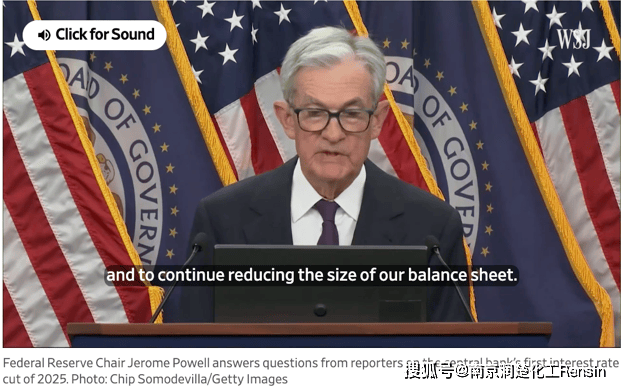
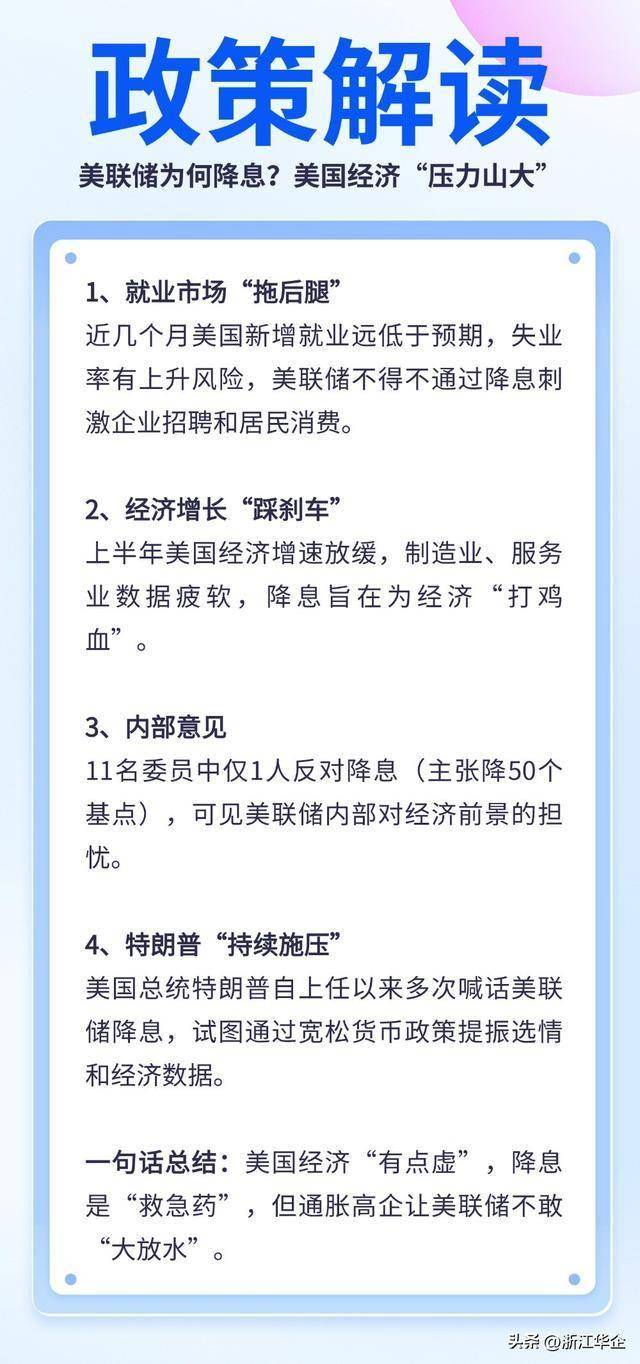
Core Viewpoint - The Federal Reserve's decision to lower the federal funds rate by 25 basis points to a target range of 4.00%-4.25% reflects a response to economic slowdown and political pressure, presenting both challenges and opportunities for Chinese export enterprises and cross-border e-commerce [1]. Direct Impact: Exchange Rate Fluctuations and Cost Restructuring - The depreciation of the US dollar typically leads to the appreciation of the RMB, impacting the competitiveness of export prices. For instance, the USD/RMB exchange rate fell from 7.3 to around 7.1, potentially causing a profit decline of 0.5%-1% for the textile industry with every 1% appreciation of the RMB [7][8]. - The appreciation of the RMB reduces import costs for raw materials and consumer goods, allowing cross-border e-commerce companies to optimize procurement strategies, particularly in categories like 3C electronics and beauty products [8]. - Increased exchange rate volatility raises the risk of foreign exchange losses for enterprises, with some exporters experiencing losses exceeding 5% of net profit in a single quarter due to unhedged positions [9]. Indirect Impact: Capital Flows and Market Segmentation - The Fed's rate cut encourages capital flow to emerging markets, reducing financing costs for Chinese export enterprises. For example, the dollar loan interest rate decreased from 5% to 4%, alleviating financial pressure [10]. - While US consumer spending may be stimulated by lower rates, high inflation could weaken actual purchasing power, leading to mixed demand for Chinese exports, with some categories like home appliances and clothing seeing moderate growth [12]. Long-term Trends: Industrial Upgrading and Restructuring - Traditional export sectors face pressure to upgrade due to RMB appreciation and rising labor costs, prompting a shift of low-end production to Southeast Asia. Companies are encouraged to innovate and build brands to enhance value [15]. - High-tech products and flexible supply chains are becoming central to cross-border e-commerce, with high-tech exports projected to account for 35% of total exports by 2024 [16]. - Diversification into regional markets through agreements like RCEP is essential for reducing reliance on the US market, with exports to ASEAN expected to rise to 16% by 2024 [17]. Corporate Response Strategies: From Passive Adaptation to Active Transformation - Traditional export enterprises should implement dynamic hedging strategies, diversify settlement currencies, and enhance product and market upgrades through increased R&D and brand development [18][20]. - Cross-border e-commerce companies are advised to optimize supply chains through localized procurement and flexible production, while also adjusting operational strategies to reduce dependency on third-party platforms [22][24]. Conclusion - The Fed's rate cut may intensify short-term risks for Chinese export enterprises and cross-border e-commerce, but it also compels a shift towards high-tech and high-value-added operations, necessitating a robust competitive framework for sustainable growth [29].
兴业银行南京分行为江苏企业撑起汇率“安全伞”
Sou Hu Cai Jing· 2025-09-22 05:50
Group 1 - The core issue faced by many foreign trade enterprises is the erosion of export profits due to exchange rate fluctuations [1] - Industrial Bank Nanjing Branch has tailored a "12-month price stabilization plan" for a lithium battery state-owned enterprise with an annual export of 200 million USD, helping the company to lock in future exchange rates [1] - A leading domestic lithium battery ternary precursor company, which receives nearly 20 million USD monthly, previously lost over 10 million USD in profits due to incorrect timing in currency exchange [1] Group 2 - The bank has introduced an "FX Derivative Discount Package" aimed at small and medium-sized enterprises, offering a minimum margin of 0 and up to 100% fee reduction [2] - From January to August, the bank visited over 500 foreign trade enterprises, including nearly 100 state-owned enterprises, and facilitated nearly 1.5 billion USD in foreign exchange derivatives [2] - The bank emphasizes its social responsibility in stabilizing foreign trade and market, focusing on enhancing exchange rate risk management services for enterprises [2]

“汇率避险·阿拉同行” 暨企业“走出去”客户交流会顺利召开
Sou Hu Cai Jing· 2025-09-19 12:45
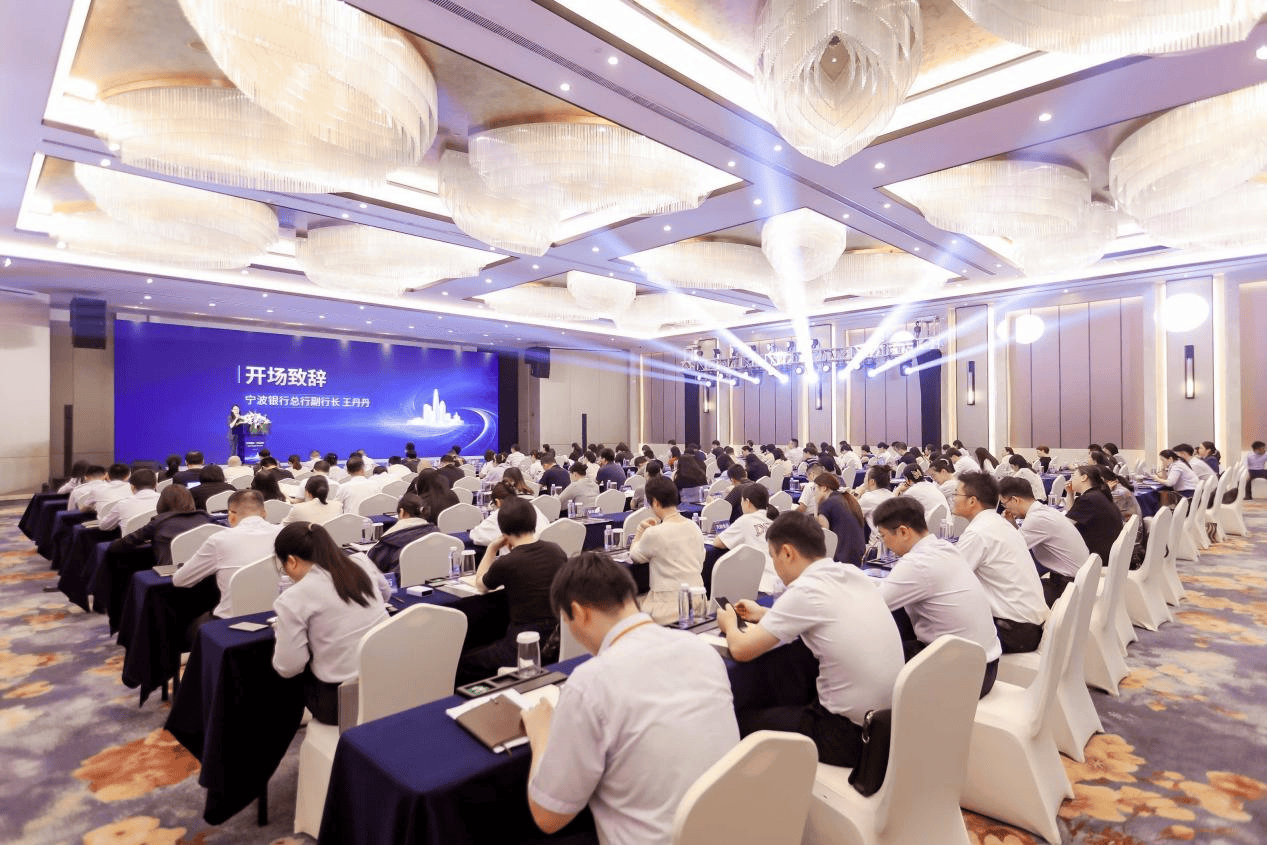
Core Insights - The event "Exchange Rate Hedging: Let's Go Together" was held in Ningbo to enhance enterprises' management of exchange rate risks and to discuss strategies for cross-border operations [1][3] Group 1: Exchange Rate Risk Management - The Deputy Director of the Ningbo Branch of the People's Bank of China emphasized the importance of rationally viewing exchange rate fluctuations and adopting a "risk-neutral" mindset [3] - A risk management mechanism was introduced, which includes "one principle and three prohibitions," encouraging enterprises to use hedging tools flexibly based on their business characteristics and risk exposure [3] - Policies aimed at supporting foreign trade enterprises, especially small and micro enterprises, were discussed, including the "Four Major Subsidy" policies and initiatives to promote the "risk-neutral" concept [3] Group 2: Compliance and Investment - The Deputy Director of the Ningbo Municipal Bureau of Commerce shared insights on the requirements and considerations for overseas investment filings, highlighting the increasing pace and diversification of Ningbo enterprises' international operations [5] - A multi-department compliance system was outlined, emphasizing that compliance is a fundamental aspect throughout the investment process, providing clear policy guidance for enterprises [5] Group 3: Banking Support and Services - Ningbo Bank's Deputy General Manager stated that the bank prioritizes foreign exchange business and aims to be a "professional consultant" for exchange rate management and a "comprehensive guide" for global operations [7] - The bank's experts presented on three main topics: foreign exchange market trends, exchange rate hedging strategies, and a special service plan for the 138th Autumn Canton Fair, offering comprehensive solutions for customer acquisition, settlement, financing, exchange rates, and international expansion [7] Group 4: Feedback from Enterprises - Attendees expressed positive feedback, indicating that the event helped them better understand market dynamics and the importance of establishing effective exchange rate management systems [9] - Representatives from various enterprises noted that the meeting provided practical directions for managing exchange rate risks and expressed a desire for more opportunities for future exchanges [9]

精准服务助力外贸企业汇率避险
Qi Lu Wan Bao· 2025-09-18 10:47
Core Insights - The article highlights the importance of exchange rate risk management for businesses in the current volatile international financial landscape [1][2] - China Construction Bank's Dezhou branch has successfully assisted enterprises in mitigating exchange rate risks through tailored financial solutions [1][2] Group 1: Exchange Rate Risk Management - Exchange rate fluctuations pose significant challenges for many enterprises, necessitating effective risk management strategies [1] - The Dezhou branch of China Construction Bank actively engages with local businesses to understand their concerns regarding the depreciation of the US dollar [1] Group 2: Customized Financial Solutions - The bank formed a specialized team to create a customized risk reversal options product based on the specific needs of a client, allowing for effective management of exchange rate risks [1] - The successful execution of this hedging strategy not only safeguarded the client's assets but also enhanced their deposit returns [1] Group 3: Future Outlook - The success of the hedging case demonstrates the bank's professional capabilities in exchange rate risk management and strengthens the relationship between the bank and enterprises [2] - Moving forward, the Dezhou branch will continue to innovate financial products and services to support businesses in navigating the complexities of the international market [2]
