线上线下融合

Search documents
1499元飞天茅台上线30分钟售罄,“即买即用”成消费趋势
Bei Ke Cai Jing· 2026-01-01 14:25
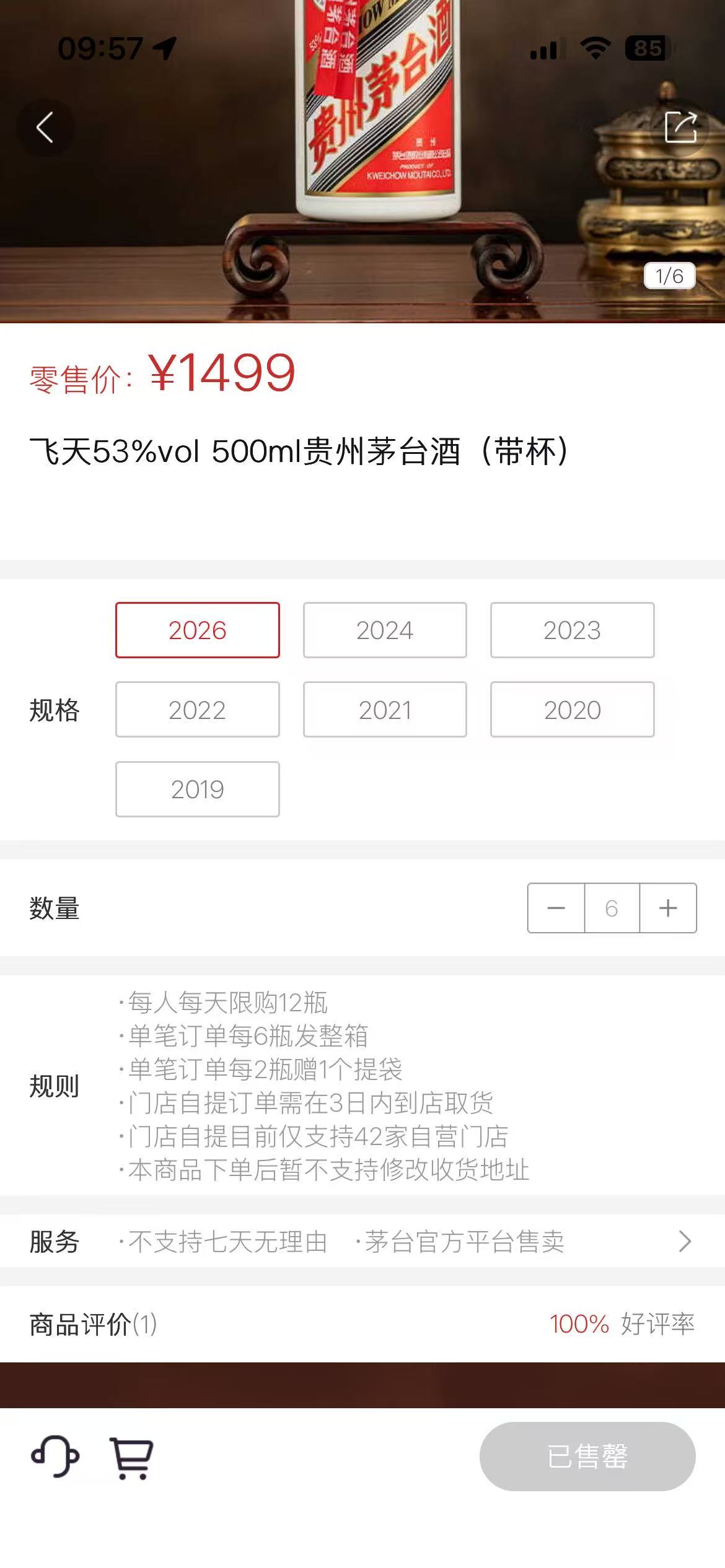
Core Viewpoint - The launch of the 500ml 53-degree Flying Moutai at a price of 1499 yuan on the official platform "i Moutai" marks a significant step in Moutai's channel and service transformation, aiming to reshape market order and enhance consumer experience through stable supply and pricing [1][12][14]. Group 1: Product Launch and Consumer Demand - The 500ml 53-degree Flying Moutai was sold out within half an hour of its release on January 1, 2026, indicating strong consumer demand [2][6]. - Moutai implemented a staggered release strategy, replenishing stock every five minutes and limiting purchases to 12 bottles per person per day to allow more consumers the opportunity to buy [2][10]. - The product's pricing strategy reflects a tiered approach based on the year of production, with the 2026 version priced at 1499 yuan, while older vintages are priced higher, demonstrating a clear correlation between age and price [13][14]. Group 2: Consumer Experience and Market Strategy - The launch has shifted consumer behavior from "stockpiling Moutai" to "buying for immediate use," thereby reducing opportunities for price speculation [7][11]. - Moutai's strategy aims to enhance consumer trust by ensuring product authenticity and providing a wider range of purchasing options, including home delivery and in-store pickup [8][10]. - The company is focusing on a consumer-centric approach, utilizing data to better understand consumer needs and preferences, which will help in achieving a balanced supply-demand relationship [10][15]. Group 3: Channel Integration and Digital Transformation - Moutai is enhancing its channel ecosystem by integrating online and offline sales strategies, establishing a multi-dimensional sales model that includes self-sale, distribution, and consignment [15][16]. - The "i Moutai" platform serves as a crucial hub for this strategy, allowing for direct consumer engagement and better control over pricing and inventory [16]. - The company is committed to transforming its business model from merely selling products to offering a lifestyle experience, thereby extending its brand value and competitive edge [16].


“惠享四季·购在陇原”2026年甘肃省促消费活动启动
Xin Lang Cai Jing· 2026-01-01 02:19
Core Viewpoint - The province is launching a year-round consumption promotion initiative titled "Enjoy Four Seasons · Shopping in Longyuan," aimed at enhancing economic development through collaborative efforts among government, banks, and enterprises, while optimizing the consumption environment and enriching quality supply [1] Q1 Summary - The first quarter focuses on integrating traditional festivals with emerging business formats to stimulate spring consumption, featuring activities like online New Year goods festivals and promotions for agricultural products [2] - Initiatives include a "one-stop" shopping experience for New Year goods, encouraging the replacement of old appliances, and organizing invoice lottery activities to protect consumer rights [2] - Ice and snow events are also highlighted, with activities such as the "Ice and Snow Carnival" to further boost consumption [2] Q2 Summary - The second quarter emphasizes financial empowerment and summer consumption, introducing initiatives like interest-free installment plans and immediate subsidies in key sectors such as automotive and home appliances [3] - Activities include holiday shopping promotions and green smart appliance sales, alongside a focus on showcasing local products at the sixth China Consumer Expo [3] - The aim is to invigorate summer consumption and expand consumer experiences [3] Q3 Summary - The third quarter leverages large exhibitions and events to enhance both goods and service consumption, with a focus on the Provincial Sports Games and the Lanzhou Fair [4] - Development of derivative products related to the sports event, such as sports gear and wellness packages, is planned to promote related consumption [4] - The China International Fair for Trade in Services will feature a "Gansu Services" exhibition area to boost service consumption quality and expansion [4] Q4 Summary - The fourth quarter centers on winter and ice-themed consumption, creating a "snow + warmth" multi-dimensional consumption system [5] - Activities include promoting winter tourism experiences that combine ice sports with wellness services, and addressing winter living needs through various consumer initiatives [5] - The integration of online and offline sales channels is emphasized, with plans for special exhibitions and promotions to enhance market supply during the winter season [6]
抖音生活服务发布2025年数据:平台交易额同比增长59%,线上线下融合激发实体消费新活力
Huan Qiu Wang· 2025-12-31 13:32
Core Insights - Douyin Life Services reported a total transaction volume growth of 59% year-on-year for 2025, reaching a cumulative total of 151.98 million active stores and adding 3.99 million new merchants [1][3] Group 1: Business Performance - In the past year, 4.58 million small and medium-sized businesses operated on the platform, with over 22,000 of them achieving annual sales exceeding 1 million [3] - The platform has facilitated the integration of online and offline sales for various businesses, including city tourism marketing, commission-free entry for quality retail enterprises, and enhanced supply for chain hotels [3] Group 2: Economic Impact - Douyin Life Services creators generated over 172.5 billion yuan in economic benefits for offline merchants, establishing a consumer journey from "viewing - interest - exploration - purchase" [3] - More than 3 million merchant "professionals" have developed their professional profiles on Douyin, including store managers, staff, and trainers [3] Group 3: Strategic Mission - The platform aims to "stimulate offline business and enrich beautiful lives," focusing on various physical industries such as dining, entertainment, retail, and comprehensive services, collaborating with merchants, creators, and consumers [3]



贵州茅台重大改革,新周期从此开始!
Xin Lang Cai Jing· 2025-12-31 11:28
Core Viewpoint - The 2026 Guizhou Moutai National Distributor Conference emphasizes a consumer-centric approach and the need for a market-oriented transformation in Moutai's marketing strategy, marking a significant event in the company's marketing history [1][7]. Marketing Strategy - Moutai aims to align its products and pricing with market demand and consumer willingness [2][8]. - The 2026 product launch plan will see a reduction in high-value products [2][8]. - The company intends to maintain reasonable pricing expectations, allowing prices to adjust with the market [2][8]. - Moutai plans to develop an integrated online and offline channel network, encouraging distributors to establish authorized online stores for broader and more compliant operations [2][8]. - The distribution policy for high-value products will be canceled [2][8]. - The focus will be on maintaining existing customer bases while targeting new economic and business consumption trends, including personal consumption scenarios [2][8]. Product Matrix Adjustment - On December 30, iMoutai announced an adjustment to the product matrix for 2026, introducing six major series, including classic, premium, and low-alcohol products, which will include various Moutai offerings [2][8]. Industry Impact - The changes are significant for Moutai, the liquor industry, and the broader consumer sector, with expectations that the price of Moutai will stabilize throughout 2026 despite short-term fluctuations [3][9]. - Direct supply from manufacturers to distributors will help ensure consumers can purchase authentic products at lower prices, preventing market disruption from low-priced resales and reducing the spread of counterfeit products [3][9]. Consumer Demographics - The perception that younger consumers are moving away from liquor is overstated; the primary demographic for liquor consumption remains individuals aged 35-55, a trend expected to continue [3][10]. - The high-end liquor market is projected to grow due to an increasing number of middle-class and high-net-worth individuals, despite an overall decline in lower-end liquor consumption [4][10]. Economic Context - The liquor industry is currently facing a cyclical downturn influenced by broader economic conditions, with a need for improved consumer spending capacity to drive recovery [5][10]. - Moutai's primary consumers are concentrated in wealthier demographics, and as long as wealth continues to rise, the company can offset volume declines with price increases [5][11]. Stock Performance - Since 2015, Moutai's stock price has generally mirrored the price trends of Moutai liquor, with a notable stability in stock price despite a drop in liquor prices in 2025 [6][12]. - The company's dividend payout ratio has significantly increased, providing reassurance to investors amid concerns about short-term performance in a low CPI environment [6][12]. Future Outlook - The high-end liquor sector is expected to maintain its investment appeal, particularly if CPI stabilizes above 1% in 2026, signaling a potential end to the current crisis in the liquor industry [7][13]. - The investment value of high-end liquor companies is considered rare, with the current economic cycle presenting a unique opportunity for investors [7][13].
宇树科技全球首店落地京东MALL北京双井店
Xin Lang Cai Jing· 2025-12-29 11:56
Group 1 - The core point of the article is that Yushu Technology has launched the world's first offline store, which is currently in trial operation at JD MALL Beijing Shuangjing store and will officially open on December 31 [1] - This initiative signifies the acceleration of JD's omnichannel layout for robot products, integrating online and offline experiences [1] - The store allows users to experience the practical applications of robots in various scenarios such as home, education, entertainment, and elderly care through real-time interaction and feedback, which will aid in product iteration and optimization [1] Group 2 - The store features a concentrated display of several flagship products, including the Yushu Go2 quadruped robot dog and the G1 humanoid robot [1]

万宁谢幕:一个药妆时代的背影与零售变局的开端
Xin Lang Cai Jing· 2025-12-26 10:05
Core Viewpoint - Mannings will officially close all offline stores in mainland China by January 15, 2026, marking the end of its 21-year journey in the market [1][2] Company Summary - Mannings entered the mainland market in 2004, initially targeting high-end shopping malls in first-tier cities and had over 120 stores across 33 cities [2][7] - The company positioned itself as a "health and beauty product chain," offering a mix of health products, skincare, personal care, and maternal and infant products, which was innovative at the time [2][7] - The decision to withdraw is attributed to a combination of factors, including intensified competition in the retail market and rising operational costs [2][4] Industry Summary - The exit of Mannings signifies a turning point in the retail industry, reflecting profound changes faced by the sector [4][9] - The Chinese retail market has undergone significant transformation over the past decade, with e-commerce growth altering consumer shopping habits, particularly among younger generations [4][9] - Local chain pharmacies and drugstores have rapidly emerged, increasing competition, with brands like Watsons achieving greater success through flexible strategies and localized product offerings [4][9] - Consumer demand for health and beauty products has become increasingly personalized and specialized, making traditional "one-stop" drugstore models less effective [4][9][10] - Rising rents and labor costs have placed a heavy burden on physical retail, particularly in prime locations in first- and second-tier cities [10] - Mannings' shift to cross-border e-commerce indicates a strategic pivot towards a lighter asset model, focusing on cost-effective and flexible channels while still targeting Chinese consumers [3][10] - The exit serves as both a warning and an opportunity for remaining competitors, emphasizing the need for continuous innovation and enhanced consumer experience to thrive in a competitive market [6][10]
手机一点,就能找到最近的消费维权服务站
Xin Lang Cai Jing· 2025-12-24 22:53
Core Viewpoint - The Xingtai Market Supervision Bureau has launched an online complaint channel based on geographic location, allowing consumers to quickly find nearby consumer rights service stations and submit complaints, enhancing the efficiency of consumer rights protection [1][2]. Group 1: Implementation of Consumer Rights Service Stations - The Xingtai Market Supervision Bureau, in collaboration with local cultural and tourism departments, has established consumer rights service stations at all 69 qualified A-level tourist attractions in the city [2]. - Consumers can use "Baidu Map" or "Tencent Map" apps to locate nearby consumer rights service stations, view contact information, and navigate directly to them [2][3]. - The integration of mobile location services has created a rapid dispute resolution mechanism, with plans to include nearly 600 consumer rights service stations in the system by the end of the year [2]. Group 2: Improvement of Complaint Handling Processes - The market supervision department has enhanced complaint handling processes, including first-contact responsibility and time-limited resolution [3]. - Some retail pharmacy stations have implemented online pre-acceptance features, allowing consumers to upload evidence and descriptions of issues in advance, which helps prepare for on-site mediation [3]. - Complaint data from all service stations is aggregated in real-time to the 12315 data center, enabling proactive analysis of complaint trends and issues [3]. Group 3: Future Plans and Innovations - The market supervision bureau plans to further refine the innovative model by introducing intelligent analysis systems for in-depth data mining and proactive risk warnings [3]. - There are intentions to incorporate complaint handling efficiency and customer satisfaction into the enterprise credit evaluation system, promoting a cycle of quality service and accountability [3].
把消费者当小偷防,优衣库惹怒年轻人
虎嗅APP· 2025-12-23 00:14
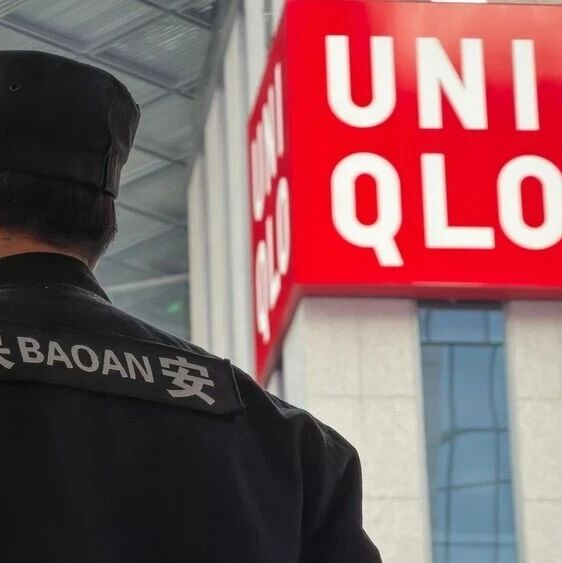
Core Viewpoint - Uniqlo is facing significant backlash from consumers due to reports of invasive surveillance practices in stores, which are perceived as disrespectful and damaging to customer trust [9][21][30]. Group 1: Customer Surveillance Issues - Reports indicate that some Uniqlo stores have implemented a practice of monitoring customers, labeling those deemed suspicious as "11号" (No. 11) and sharing their images in internal groups [12][13][14]. - Employees are instructed to follow and monitor these "11号" customers, with some stores even resorting to taking photos of them for internal distribution [15][16]. - This practice has sparked outrage on social media, with many consumers feeling that it infringes on their privacy and dignity [18][21]. Group 2: Business Performance in China - Uniqlo's performance in the Chinese market is declining, with revenue dropping by 4% and operating profit decreasing by 12.5% in the latest fiscal year, marking the first time both metrics have fallen [26][27]. - The decline is attributed to changing consumer preferences, with younger shoppers seeking more unique and fashionable options rather than basic items, which Uniqlo primarily offers [28]. - The competitive landscape has intensified, with local brands providing similar products at better price points, leading to a loss of Uniqlo's customer base [28]. Group 3: Strategic Adjustments - In response to market challenges, Uniqlo is shifting its strategy from aggressive store expansion to focusing on fewer, higher-quality flagship stores that enhance customer experience [29]. - The company is also integrating online and offline shopping experiences, introducing features like online ordering with in-store pickup to improve convenience for customers [29][30]. - However, rebuilding consumer trust after the surveillance incident will be a significant challenge, and the company must also innovate in design, pricing, and brand reputation to regain market share [31].
“宜游镇江·骏来福至” 2026迎两新文旅消费季启动
Zhen Jiang Ri Bao· 2025-12-22 23:33
Core Insights - The "2026 'Yiyou Zhenjiang·Junlai Fuzhi' New Year and Spring Festival Cultural Tourism Consumption Season" has been officially launched to enhance tourism and cultural consumption in Zhenjiang [1] Group 1: Event Overview - The consumption season will run from now until March 8, 2026, lasting nearly three months, focusing on renewing scenes, introducing new products, and creating innovative activities to enrich the cultural tourism experience [1] - The event is organized by multiple local government departments, including the Cultural and Tourism Bureau, Finance Bureau, and Commerce Bureau [1] Group 2: New Tourism Scenes - A new list of cultural tourism consumption scenes has been released, featuring diverse offerings such as the "Five+" model at Gexian Lake, which combines watching sports, enjoying night views, tasting local cuisine, visiting night markets, and experiencing intangible cultural heritage [1] - Other notable new scenes include the Air Eagle Aerospace Research Base, a coffee camping base, and the "Jingjiang Huayue Ye" concert, among others [1] Group 3: Consumer Engagement and Discounts - The "Yiyou Zhenjiang" platform will issue 500,000 free and discount coupons during the consumption season, allowing visitors to enjoy discounts of 10%-30% from over 100 merchants, with government subsidies adding an additional 10%-20% [2] - New experiential activities include tea tasting, soy sauce making, online blessings for the New Year, and themed markets, enhancing both online and offline engagement [2] Group 4: Targeted Promotions - Special promotions will be offered to "Super League" fans, couples, families, and students from Zhenjiang studying outside the city, with various themed packages available [3] - The consumption season will also feature financial services integrated with cultural tourism, providing additional discounts for users who make purchases through the "Yiyou Zhenjiang" platform [3]
把消费者当小偷防,优衣库惹怒年轻人
凤凰网财经· 2025-12-22 13:42
Core Viewpoint - The article discusses the negative consumer experience at Uniqlo stores in China, highlighting issues of surveillance and privacy violations, which have led to a backlash against the brand [2][6][18]. Group 1: Consumer Experience and Surveillance - Many consumers have reported feeling uncomfortable due to being closely monitored by staff, with some even being followed and photographed under the suspicion of theft [3][6]. - Internal reports indicate that certain Uniqlo stores have a practice of labeling suspicious customers as "11号" (No. 11), leading to invasive monitoring and sharing of their images among staff [7][10]. - The practice of surveillance is reportedly directed by regional managers, indicating that it is a systematic approach rather than isolated incidents [6][12]. Group 2: Impact on Business Performance - Uniqlo's parent company, Fast Retailing, reported a global revenue increase of 9.6% and a profit increase of 16.4% for the fiscal year 2025, but the Greater China region saw a revenue decline of 4% and a profit drop of 12.5%, marking the first time both metrics fell in this market [21][23]. - The decline in performance is attributed to changing consumer preferences, with younger shoppers seeking more unique and fashionable options rather than basic items, which Uniqlo primarily offers [27][28]. - The company has begun to shift its strategy from aggressive store expansion to focusing on fewer, higher-quality flagship stores that enhance customer experience [29][30]. Group 3: Future Strategies - Uniqlo is attempting to improve its market position by enhancing store experiences and integrating digital services, such as online ordering and in-store pickup [31][32]. - However, regaining consumer trust after the surveillance incident may take considerable time, and the competitive landscape in the Chinese apparel market is intensifying [33][34].