十五五规划

Search documents
1月15日晚间央视新闻联播要闻集锦
Yang Shi Xin Wen Ke Hu Duan· 2026-01-15 14:09
Group 1 - Xi Jinping's important speech at the fifth plenary session of the 20th Central Commission for Discipline Inspection emphasizes the need for strict governance of the Party, aiming to provide strong support for the goals of the "14th Five-Year Plan" [6] - The speech has sparked enthusiastic responses among Party members and officials, who express commitment to advancing strict governance as a guiding principle for the "14th Five-Year Plan" [6] Group 2 - The Chinese government plans to introduce multiple financial policies by 2026 to support high-quality development of the real economy [3] - A press conference revealed that by the end of December 2025, the social financing scale is expected to grow by 8.3% year-on-year, and the broad money supply (M2) is projected to increase by 8.5%, significantly outpacing nominal GDP growth [12]
滨州市“十五五”规划企业家征求意见座谈会举行 宋永祥讲话
Xin Lang Cai Jing· 2026-01-15 13:17
滨州日报/滨州网讯 1月15日上午,滨州市"十五五"规划企业家征求意见座谈会举行,深入学习贯彻党的 二十届四中全会精神和中央、省委经济工作会议精神,贯彻落实习近平总书记视察山东重要讲话和重要 指示批示精神,认真听取企业家意见建议,集思广益、汇聚众智,共同谋划滨州"十五五"时期经济社会 高质量发展。市委书记宋永祥出席会议并讲话。 座谈会上,企业家代表张波、张宪强、栾波、蔡建峰、吕天宝、于江、张志军、张向海、黄延昌、徐宜 彬、杨振刚依次发言,围绕全市"十五五"规划提出意见建议。宋永祥在认真听取发言后说,大家的发言 针对性、前瞻性很强,提出了很多真知灼见,相关部门要认真梳理并充分吸纳。 宋永祥指出,"十四五"以来,广大企业家与全市发展同频共振、共兴共荣,助力全市经济社会发展稳健 向好。"十五五"时期是滨州夯实基础、全面发力、品质跃升的关键时期,希望广大企业家观大势谋大 局,积极应对时代变局、融入发展全局、躬身开放格局,自觉从战略全局高度谋划企业未来发展。要坚 持以恒心办恒业,持续塑强主业优势、做好实业创新、推动基业长青,确保企业发展行稳致远。 宋永祥要求,各级各部门要树牢"让企业和企业家舒服"的理念,坚定不移服务好 ...
施小琳主持召开省政府第七次全体会议:奋发有为、真抓实干,以高质量发展实绩交出“十五五”开局优异答卷
Xin Lang Cai Jing· 2026-01-15 13:17
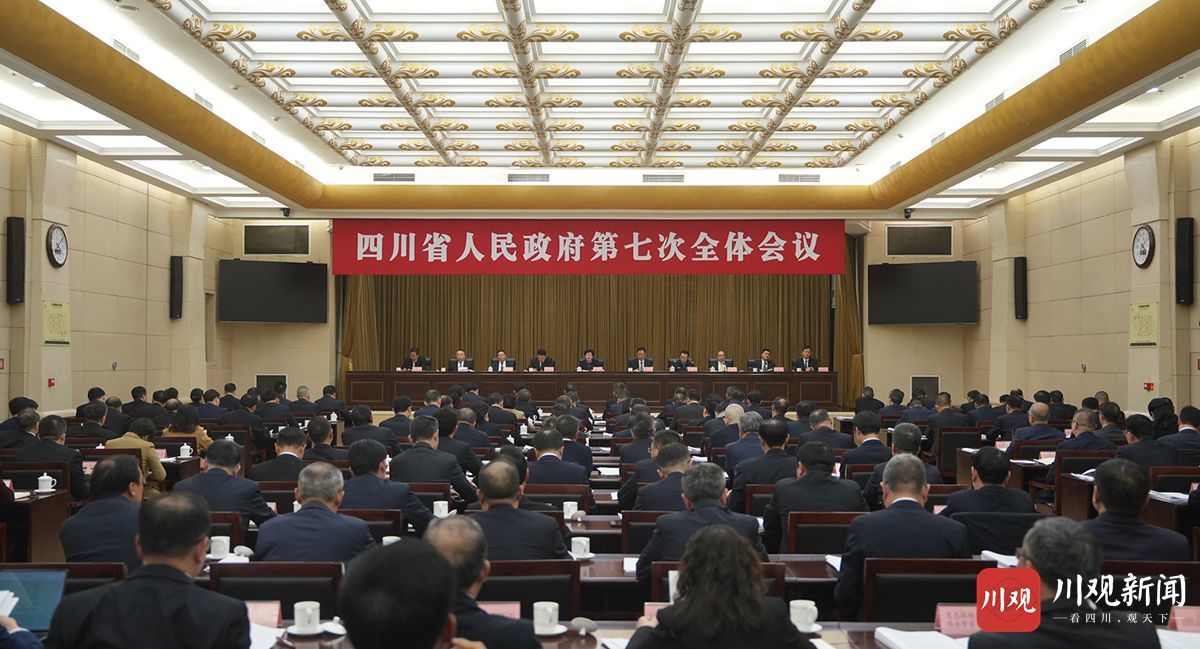
以高质量发展实绩交出"十五五"开局优异答卷 川观新闻记者 李淼 摄影 田为 1月15日,省政府召开第七次全体会议,深入贯彻党的二十届四中全会和中央经济工作会议精神,全面落实省委十二届八次全会和省委经济工作会议部署, 总结2025年工作,安排2026年重点工作,审议《政府工作报告(送审稿)》《四川省国民经济和社会发展第十五个五年规划纲要草案(送审稿)》。省委副 书记、省长施小琳主持会议并讲话。 施小琳主持召开省政府第七次全体会议 奋发有为真抓实干 会议指出,过去一年,在省委坚强领导下,各地各部门全面贯彻党中央、国务院决策部署,攻坚克难、拼搏实干,推动高质量发展取得新成效,实现"十四 五"顺利收官,为"十五五"良好开局打下了坚实基础。 会议强调,做好今年工作,要坚决贯彻党中央、国务院大政方针和省委决策部署,奋发有为、真抓实干,全力以赴动员各方面做好各项工作,确保一季度实 现"开门红",为完成全年目标任务奠定基础,以实干实绩交出"十五五"开局之年的优异答卷。工作要再对标,在抢抓发展机遇中赢得主动。全面对标重大部 署,对照中央部署的重点任务和省委明确的着力重点,找准切入点,增强工作主动性创造性,推动决策部署落地见效; ...

中国记协举办新闻茶座 解读中央经济工作会议精神
Xin Hua She· 2026-01-15 12:56
Core Viewpoint - The article discusses the insights of Professor Su Jian from Peking University regarding the economic outlook for China in 2026, emphasizing the need for proactive fiscal and monetary policies to address current economic challenges [1]. Group 1: Economic Environment - The external environment for China's economy is becoming increasingly complex, severe, and uncertain [1]. - Despite these challenges, the long-term supportive conditions and fundamental trends for China's economy remain unchanged, providing confidence for development [1]. Group 2: Policy Recommendations - It is essential to implement a more proactive fiscal policy and moderately loose monetary policy as per the Central Economic Work Conference's requirements [1]. - Continuous efforts are needed to prevent and mitigate risks in key areas while focusing on stabilizing employment, enterprises, markets, and expectations [1]. Group 3: Additional Topics - Professor Su Jian addressed questions regarding the aging population and the development of the real estate market [2].
【立方债市通】河南AAA主体拟发债30亿/伊川财源投资被通报批评/全国首单 “城市更新” 概念债落地
Sou Hu Cai Jing· 2026-01-15 12:42
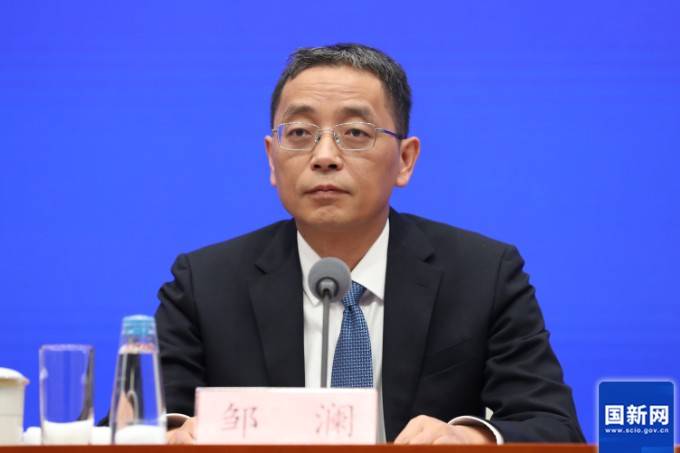
第 540 期 2026-01-15 焦点关注 央行宣布:将推出8项政策措施 人民银行新闻发言人、副行长邹澜在国新办新闻发布会上表示,根据当前经济金融形势需要,人民银行将先行推出两方面政策措施。具体包括:下调各类结 构性货币政策工具利率0.25个百分点;将商业用房购房贷款最低首付比例下调至30%等8项措施;将此前已经设立的民营企业债券融资支持工具、科技创新 债券风险分担工具合并管理,合计提供再贷款额度2000亿元。另外,邹澜表示,从今年看,降准降息还有一定空间。 央行公布2025年金融统计数据 根据中诚信分析研报的数据,2025年全国城投债发行总额约为5.5万亿元,受政策收紧影响,发行额延续下降趋势,较2024年下降约11%;净融资规模约362 亿元,不足2024年的两成。 宏观动态 2025年国债发行16万亿元,全年净增6.6万亿元 中国人民银行新闻发言人、副行长邹澜表示,近年来我国实施积极的财政政策,政府债券发行在增多,2025年国债发行了16万亿元,全年净增6.6万亿元, 年末余额大约是40万亿元,这其中,银行、非银行金融机构、境外机构分别持有了27万亿元、5万亿元和2万亿元,银行等市场机构为了改善资产 ...
商务部部长王文涛:释放消费潜力活力,以高水平开放赢得战略主动
Xin Lang Cai Jing· 2026-01-15 11:14
Group 1: Core Insights - The "14th Five-Year Plan" emphasizes the importance of building a strong domestic market and expanding high-level opening-up, with specific measures to boost consumption and promote trade innovation [1][2] - The Ministry of Commerce aims to achieve a retail sales total of over 50 trillion yuan for the year, with a 4.0% growth in social retail sales in the first eleven months [2][3] Group 2: Consumption Strategies - Focus on cultivating service consumption and optimizing trade-in policies, with a target to enhance green and smart product consumption by 2026 [3][4] - The strategy includes promoting service consumption in key areas such as transportation, home services, and entertainment, while also enhancing offline retail experiences [3][4] Group 3: Downstream Market Activation - The strategy targets lower-tier markets, which account for 70% of the population and 60% of social retail, by improving circulation facilities and market environments [4] - The Ministry plans to host significant promotional events like the "Lego New Year" to stimulate consumption during the Spring Festival [4] Group 4: Trade Innovation Development - The Ministry of Commerce identifies three pillars for trade development: goods trade, service trade, and digital trade, in response to global trade slowdowns [5][6] - Emphasis on market diversification, promoting balanced trade development, and enhancing service trade through policy improvements and international cooperation [6][7] Group 5: High-Level Opening-Up Initiatives - The Ministry plans to expand autonomous opening in various service sectors and enhance the operational policies of the Hainan Free Trade Port [8][9] - Active participation in global economic governance through APEC and WTO meetings, promoting multilateralism and free trade [9]
释放消费潜力活力 以高水平开放赢得战略主动——访商务部党组书记、部长王文涛
Xin Hua Wang· 2026-01-15 10:54
Group 1: Core Insights - The "14th Five-Year Plan" emphasizes the importance of building a strong domestic market and expanding high-level openness, with specific measures to boost consumption and promote trade innovation [1][2] - The Ministry of Commerce aims to achieve a retail sales total of over 50 trillion yuan for the year, with a 4.0% growth in social retail sales in the first eleven months [2][3] Group 2: Consumption Strategies - Focus on cultivating service consumption and optimizing trade-in policies, with an emphasis on green and smart product consumption [3][4] - The Ministry plans to enhance consumption in lower-tier markets, which account for 70% of the population and 60% of retail sales, by improving circulation facilities and market environments [4] Group 3: Trade Innovation - The Ministry of Commerce identifies three pillars for trade development: goods trade, service trade, and digital trade, in response to global trade slowdowns [5][6] - Emphasis on diversifying markets, promoting balanced trade, and developing service trade through improved policies and international cooperation [6][7] Group 4: High-Level Openness - The Ministry will expand autonomous openness in various service sectors and enhance the implementation of free trade agreements to boost trade [8][9] - Plans to deepen cooperation under the Belt and Road Initiative and participate actively in global economic governance, including APEC and WTO meetings [9]
“十五五”启航,一级市场的资本新格局
母基金研究中心· 2026-01-15 09:23
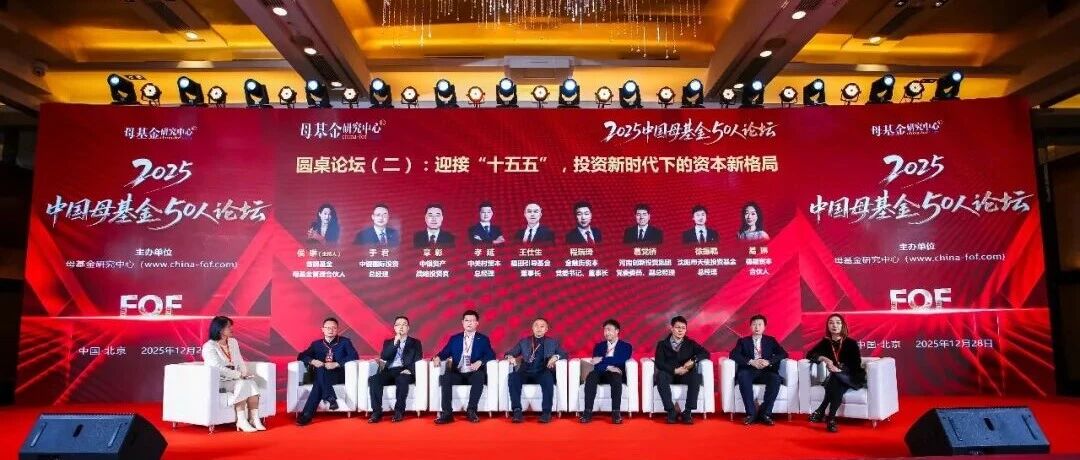
Core Viewpoint - The 2025 China Mother Fund Forum highlighted the evolving landscape of investment strategies and opportunities under the "14th Five-Year Plan," emphasizing the need for collaboration among various capital types to support national strategies and industrial upgrades [2][4]. Group 1: Policy Opportunities and Investment Strategy Evolution - The "14th Five-Year Plan" presents new opportunities for equity investment, with a focus on long-term capital sources such as government-guided funds and insurance capital [5][6]. - Investment strategies are shifting towards hard technology sectors, with a focus on key links in the industrial chain rather than just star companies [6][7]. - Valuations are becoming more rational, with companies demonstrating real technological strength and sustainable growth receiving higher premiums [6][7]. - The integration of ecological construction and resource empowerment is reshaping institutional core competitiveness, allowing for comprehensive financial services [6][8]. - The emphasis on long-termism and patience in capital investment is crucial, as the establishment of large national and regional venture capital funds may lead to a "project shortage" [7][8]. Group 2: Capital Role Restructuring and Competitive Ecosystem Building - Different capital representatives discussed their positioning and practices in the new landscape dominated by state-owned capital and deep industry engagement [8][9]. - Market-oriented GP representatives stressed the importance of adhering to market-driven investment logic while balancing government project demands with financial returns [8][9]. - The need for vertical and horizontal collaboration among various capital sources was highlighted, with recommendations for government-guided funds to focus on early-stage investments and market-oriented VC/PE to engage in growth stages [9][10]. - The importance of industry insights and feedback to guide long-term planning was emphasized, particularly in sectors like biomedicine and manufacturing [10][11]. - The forum concluded with a call for more in-depth exchanges among capital representatives to promote healthy industry development and support national strategic goals [10].
中央党校(国家行政学院)举行2025年秋季学期毕业典礼陈希出席并为学员颁发毕业证书
Xin Hua She· 2026-01-15 07:51
中央党校(国家行政学院)本期毕业学员1312人。毕业典礼上,10位学员代表发言。大家反映,培 训期间,自觉将深学细悟习近平新时代中国特色社会主义思想同学习贯彻党的二十届四中全会精神结合 起来,全面系统学、深入思考学、联系实际学,强化了理论武装,提升了党性修养,增长了履职本领, 更加深刻领悟"两个确立"的决定性意义,更加坚决做到"两个维护",进一步增强了不折不扣贯彻落实党 中央决策部署的政治自觉、思想自觉和行动自觉。大家表示,在今后工作中,要坚持不懈用党的创新理 论武装头脑、指导实践、推动工作,切实把学习成果转化为对党忠诚、为民造福的实际行动,树立和践 行正确政绩观,全身心投入推进中国式现代化的伟大实践,科学谋划和稳步推进"十五五"各项工作,创 造出无愧于时代的业绩。 中共中央党校(国家行政学院)15日举行2025年秋季学期毕业典礼。中央党校(国家行政学院)校 长(院长)陈希出席毕业典礼,并为学员颁发毕业证书。 ...
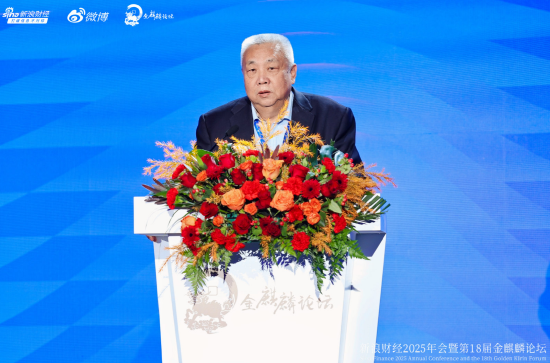
贺强金麒麟演讲全文:从2026年开始,股市资金已经不是主要问题了
Xin Lang Cai Jing· 2026-01-15 03:56
Core Viewpoint - The capital market in China is expected to achieve significant growth during the "14th Five-Year Plan" period, with hopes for a 100% securitization rate and a stock market value increase from 100 trillion to 200 trillion yuan, but it requires sustained and long-term improvement [3][11]. Group 1: Market Conditions - The stock market experienced a decline from over 3000 points to around 2600 points before recovering, indicating a severe imbalance between supply and demand due to excessive stock issuance without corresponding capital influx [4][12]. - The China Securities Regulatory Commission (CSRC) is actively working to attract long-term capital into the market, which has led to a significant increase in market activity, with daily trading volumes reaching nearly 4 trillion yuan [4][12]. - The rapid increase in market activity raises concerns about sustainability, as the market may be driven too aggressively without sufficient backing, prompting regulatory measures to control the pace of growth [4][13]. Group 2: Historical Context and Future Outlook - Historical data shows that the average duration of bull markets in China is 17 months, while bear markets last around 27 months, indicating a tendency for short-lived market rallies [5][13]. - The U.S. stock market has experienced a prolonged bull run since 2009, attributed to consistent performance improvements in listed companies, which is a model for China to consider for long-term market stability [5][13]. - To ensure the stock market's long-term health, it is essential to focus on improving the quality and performance of listed companies, as a disconnect between stock prices and company performance can lead to increased risks and market volatility [6][14].