
降本增效

Search documents
美的中国区总裁王春凯疑公开喊话“明年干掉30%运营商”,美的回应“没听说”
Sou Hu Cai Jing· 2025-12-25 09:57
Core Viewpoint - Midea's recent dealer conference highlighted a controversial statement by the new China President Wang Chunkai, suggesting a strategy to eliminate 30% of operators, indicating a potential shift in channel management and operational strategy [1][4]. Group 1: Company Strategy and Leadership - Wang Chunkai, recently appointed as Midea's China President, previously held significant roles within the company, including domestic marketing manager for Little Swan and vice president for Midea Group [1]. - The conference aimed to engage operators and dealers, with expectations to drive significant cash flow, potentially reaching 350-400 billion yuan in channel funding [2]. - Midea's operational centers are expected to contribute an average of 12-13 billion yuan each, with a substantial portion of funds anticipated to be received on the same day as the conference [2]. Group 2: Market Context and Performance - The Chinese air conditioning market is experiencing intense competition, with sales volume reaching 65.83 million units and revenue at 202.3 billion yuan in the first three quarters of the year, showing minimal growth [4][5]. - Midea's financial data indicates an increase in sales rebates, with a year-on-year growth of 14.83% in the balance of sales rebates by mid-2025 [5]. Group 3: Organizational Changes - Midea has been undergoing significant channel reforms, including the consolidation of operational centers from 35 to 29, resulting in approximately 900 job cuts [6][8]. - The restructuring aims to streamline operations and enhance efficiency, with a focus on direct accountability within the operational centers [8][9]. - Recent adjustments have seen operational center managers taking on additional responsibilities, such as overseeing product categories, indicating a shift towards a more integrated management approach [9].


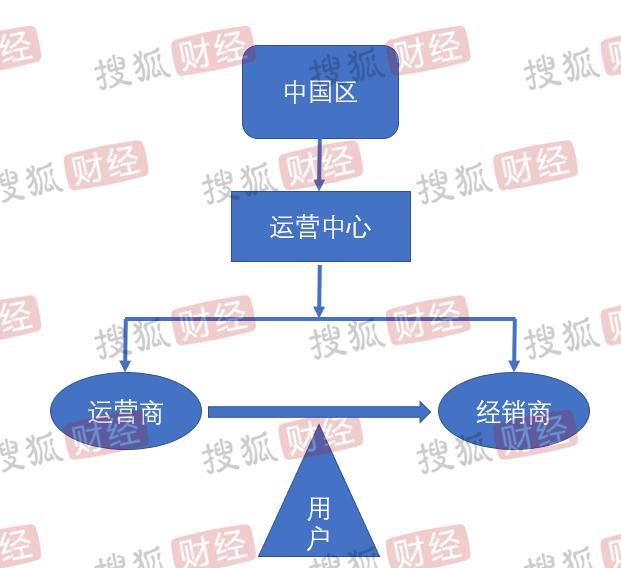
独家|美的中国区总裁王春凯疑公开喊话“明年干掉30%运营商”,美的回应“没听说”
Sou Hu Cai Jing· 2025-12-25 09:22
Core Viewpoint - Midea's recent dealer conference highlighted a potential aggressive strategy to reduce the number of operators by 30%, as indicated by the new China President Wang Chunkai, which may signal a significant channel restructuring effort [2][5]. Group 1: Financial Implications - The smart home division's offline channel in China reached a scale of 100 billion yuan last year, with the recent event expected to drive approximately 35% of the annual progress, translating to a cash inflow of 35-40 billion yuan [3]. - Each of Midea's 29 operational centers is projected to generate around 1.2-1.3 billion yuan, with a significant portion of funds expected to be received on the day of the event, typically accounting for 60-70% of the annual target [3]. - Midea's sales rebate provisions for the first half of 2025 increased by 14.83% compared to the beginning of the year, indicating a potential shift in financial strategy despite a competitive market [6]. Group 2: Organizational Changes - Wang Chunkai, recently appointed as the China President, has a history of leadership roles within Midea, including positions in marketing and management across various subsidiaries [2]. - Midea has undergone significant organizational restructuring, including the reduction of provincial sales companies from 35 to 29, resulting in approximately 900 job cuts [7]. - The company is consolidating its operational centers into six core marketing platforms, which may streamline operations but also lead to further personnel changes [7][9]. Group 3: Market Context - The air conditioning market in China has seen a decline in sales growth, with a 2.9% increase in retail volume but a 0.8% decrease in retail value in the third quarter [6]. - The competitive landscape is intensifying, with price competition becoming a central theme as the market approaches a saturation point [6]. - Midea's ongoing channel reforms aim to enhance efficiency and reduce costs, reflecting a broader trend in the industry towards operational optimization [6][9].

中国电信股份有限公司 第八届董事会第二十四次会议决议 公 告
Zhong Guo Zheng Quan Bao - Zhong Zheng Wang· 2025-12-25 01:12
证券代码:601728 证券简称:中国电信 公告编号:2025-037 中国电信股份有限公司 第八届董事会第二十四次会议决议 公 告 本公司董事会及全体董事保证本公告内容不存在任何虚假记载、误导性陈述或者重大遗漏,并对其内容 的真实性、准确性和完整性承担法律责任。 一、董事会召开情况 中国电信股份有限公司(以下称"公司")于2025年12月24日在北京西城区金融大街31号公司总部618会 议室以现场方式召开了第八届董事会第二十四次会议。本次董事会的会议通知及资料已于会前发送给公 司全体董事。本次会议应到董事9人,实到董事8人,公司独立董事吕薇女士因工作原因无法出席本次现 场会议,委托公司独立董事吴嘉宁先生在本次董事会上对会议议案行使表决权。会议由董事长柯瑞文先 生主持,会议的召开及其程序符合有关法律、法规和公司章程的规定。 二、董事会审议情况 该议案已经公司第八届董事会审核委员会第二十次会议审议通过。 表决结果:赞成票:9票,反对票:0票,弃权票:0票。 (二)批准《关于预计与中国铁塔股份有限公司2026年度关联交易金额上限的议案》 具体内容详见公司同日披露于上海证券交易所网站(www.sse.com.cn) ...

2026年企业数字化六大关键词
3 6 Ke· 2025-12-25 00:32
Core Insights - The article emphasizes that digital transformation is no longer optional for companies but a necessity for survival in the future. The focus is on the key trends and strategies that will shape digitalization in 2026. Group 1: Key Trends - The "14th Five-Year Plan" will provide strong strategic support for corporate digitalization, guiding companies in aligning their digital goals with national priorities in technology innovation, industrial integration, and green development [1] - AI technology is transitioning from concept validation to large-scale application, with a focus on deep integration rather than superficial enhancements. Companies will prioritize practical applications of AI to solve real business challenges [2] - Emotional value is becoming a critical competitive factor, as companies need to create positive emotional experiences for users and employees to enhance loyalty and engagement [3] Group 2: Operational Challenges - Cost reduction and efficiency improvement remain central to corporate survival, with over 70% of companies reducing their digitalization budgets. This necessitates a reevaluation of investment returns and a focus on high-value scenarios [4] - Data strategy is evolving from compliance to intelligent-driven applications, with companies recognizing data as a core asset for driving smart decision-making and personalized services [4][5] - The "mid-life crisis" is affecting information departments, as experienced technical staff face challenges from rapid technological changes and a shift in demand for multi-skilled talent [5]
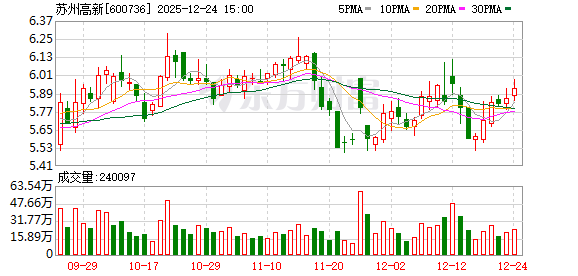
苏州高新:公司将继续做好日常经营、完善内部管理、加强投资者交流
Zheng Quan Ri Bao· 2025-12-24 12:42
证券日报网讯 12月24日,苏州高新在互动平台回答投资者提问时表示,公司将继续做好日常经营、完 善内部管理、加强投资者交流,不断降本增效,提升经营质量,促进市值稳步增长。公司具体经营情况 请及时关注定期报告。 (文章来源:证券日报) ...

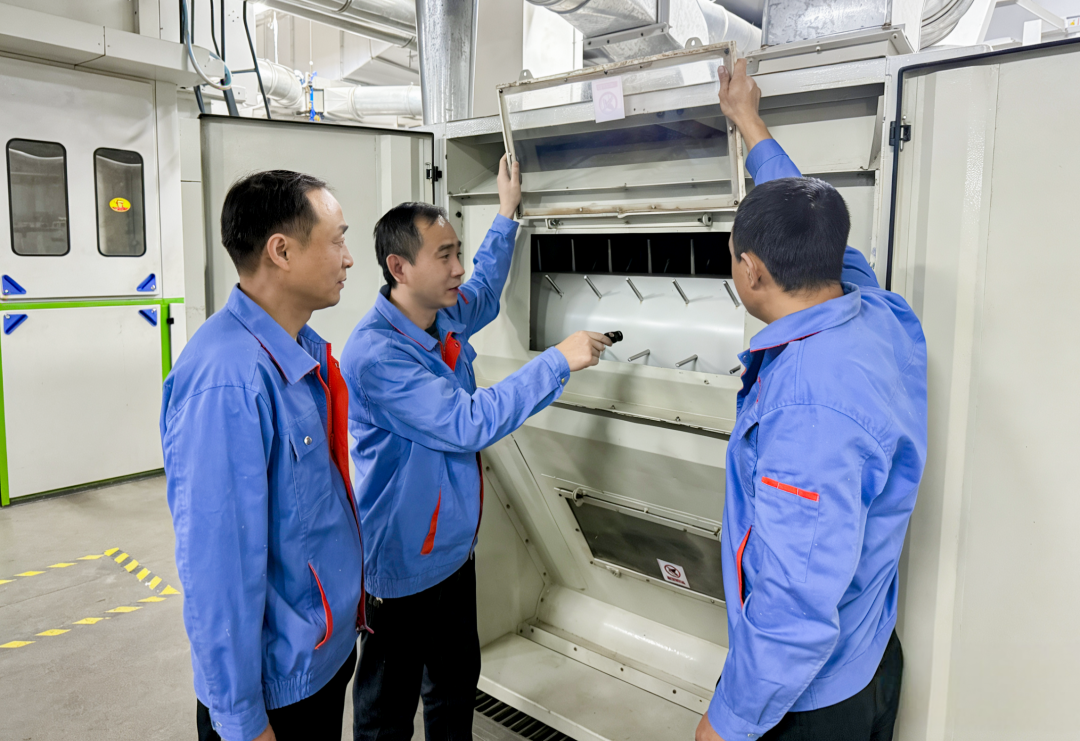
智成智能化第一分厂:向内挖潜提质效 精细管理赢未来
Xin Lang Cai Jing· 2025-12-24 10:32
Core Insights - The company is implementing a management philosophy focused on "internal potential exploration and refined management" to achieve cost reduction and efficiency enhancement, leading to improved profitability levels since September [1][9]. Group 1: Cost Control Measures - The factory prioritizes raw material control as the primary area for cost reduction, implementing refined management through quality selection and storage environment [2][10]. - A quality monitoring mechanism has been established to preemptively address abnormal batches, minimizing losses [2][10]. - Innovative strategies such as precise humidification have been introduced to stabilize raw material moisture content, enhancing utilization efficiency and yarn quality [2][10]. Group 2: Process Optimization - The factory focuses on technological innovation and process optimization as core strategies, improving efficiency in the cleaning process through equipment upgrades [3][11]. - Significant achievements have been made in the carding process through systematic upgrades and process innovations [3][11]. Group 3: Differentiated Production Strategies - The factory adopts differentiated production strategies to address specific product characteristics, optimizing equipment parameters and production organization to achieve precise energy consumption control [6][15]. - This approach allows for substantial electricity savings while maintaining quality standards, showcasing the potential of refined management [6][15]. Group 4: Innovation and Collaboration - The factory has developed specialized detection tools for precise control of cotton loss data and standardization of machine parameters, leading to a continuous decrease in overall cotton loss rates [5][14]. - A collaborative effort is encouraged among production units to learn from best practices and adapt them to their specific contexts, aiming for higher profitability targets [8][17].
健康之路附属拟出售福建健宸医药有限公司51%的股权
Zhi Tong Cai Jing· 2025-12-24 09:39
Core Viewpoint - The company is selling a 51% stake in Fujian Jianchen Pharmaceutical Co., Ltd. for RMB 1.6779 million due to declining performance and high fixed costs associated with its operations [1] Group 1: Company Actions - The company’s wholly-owned subsidiary, Zhejiang Health Road Technology Group Co., Ltd., is the entity involved in the sale [1] - The decision to sell the stake is driven by the need to reduce costs and improve efficiency amid disappointing financial performance [1] Group 2: Financial Performance - The company experienced a temporary revenue increase due to stockpiling of Oseltamivir during the flu outbreak at the end of 2023 [1] - Following the decline of the pandemic, the limitations of being a single-product pharmaceutical wholesaler became apparent, leading to a significant drop in revenue and net profit starting August 2024 [1] - Fixed costs related to drug procurement, storage, transportation, and employee salaries are relatively high, contributing to the decision to divest [1] Group 3: Future Plans - Proceeds from the sale will be used to develop the company’s enterprise services and digital marketing services [1]
健康之路(02587.HK)拟167.79万元出售福建健宸医药51%股权
Ge Long Hui· 2025-12-24 09:38
Core Viewpoint - Health Road (02587.HK) announced the sale of a 51% stake in its subsidiary, Fujian Jianchen Pharmaceutical Co., Ltd., to Ms. Xiao Jing for a total consideration of RMB 1.6779 million, effective December 24, 2025. Following the sale, the subsidiary will no longer be part of the company's consolidated financial statements [1]. Group 1 - The sale is driven by the temporary revenue increase from stockpiling Oseltamivir during the flu outbreak at the end of 2023, which highlighted the limitations of the subsidiary as a single-product pharmaceutical wholesaler [1]. - Since August 2024, the subsidiary's performance has declined significantly due to unmet expectations from drug procurement agreements with other pharmaceutical companies, leading to a substantial drop in revenue and net profit [1]. - The company aims to use the proceeds from the sale to develop its enterprise services and digital marketing services, focusing on cost reduction and efficiency improvement [1].
健康之路(02587)附属拟出售福建健宸医药有限公司51%的股权
智通财经网· 2025-12-24 09:37
Core Viewpoint - The company is selling a 51% stake in Fujian Jianchen Pharmaceutical Co., Ltd. for RMB 1.6779 million due to declining performance and high fixed costs associated with its operations [1] Group 1: Company Actions - The sale is being conducted by Zhejiang Health Road Technology Group Co., Ltd., a wholly-owned subsidiary of the company [1] - The proceeds from the sale will be used to develop the company's enterprise services and digital marketing services [1] Group 2: Financial Performance - The company experienced a temporary revenue increase due to stockpiling of Oseltamivir during the flu outbreak at the end of 2023 [1] - Following the decline of the pandemic, the limitations of being a single-product pharmaceutical wholesaler became evident, leading to a significant drop in revenue and net profit starting from August 2024 [1] - Fixed costs related to drug procurement, storage, transportation, and employee salaries are relatively high, contributing to the decision to divest [1]
中国银河证券:光伏行业反内卷驱动盈利修复 技术创新引领新周期
智通财经网· 2025-12-24 00:44
Core Viewpoint - The report from China Galaxy Securities highlights the ongoing policy initiatives aimed at regulating pricing behavior and facilitating the orderly exit of outdated production capacity in the photovoltaic (PV) industry, which is a key focus area for combating "involution" in China. The industry is expected to see a recovery in profitability, with a potential turnaround in 2026, particularly in the silicon material segment, driven by policy support and technological advancements [1][3]. Group 1: Policy and Market Dynamics - The photovoltaic industry in China is projected to add over 200 GW of new installations domestically, while globally, there is a slight decline of 1% to 540 GW. From 2026, the focus will shift from GDP energy consumption to carbon emissions as a binding indicator, which will benefit wind and solar energy in the long term [2]. - The introduction of new policies, including mechanisms for guaranteed pricing for over 80% of incremental projects, is expected to enhance the integration and development of renewable energy sources [2]. - The report anticipates a short-term decline in new PV installations to between 200-250 GW due to new electricity pricing policies, but long-term growth is expected to be driven by carbon neutrality goals, cost reduction technologies, and grid upgrades [2]. Group 2: Industry Trends and Innovations - The ongoing "involution" reforms are expected to lead to a recovery in profitability for the PV industry by 2026, with signs of improvement potentially visible in Q2 2026. The integration and acquisition platform for polysilicon production capacity is expected to facilitate the exit of excess capacity [3]. - The price of polysilicon has increased by approximately 20%, with new quotes rising to around 65,000 RMB per ton, while the prices for silicon wafers and batteries have also shown signs of recovery [3]. - The report emphasizes the importance of diversifying cost-reduction strategies, including the development of technologies such as silver-coated copper and copper paste, which are expected to gain traction in the market [4].
