房住不炒

Search documents
“十五五”定调高质量发展目标 构建房地产发展新格局
Hua Xia Shi Bao· 2025-10-25 01:41
Core Insights - The central theme of the articles is the transition of China's real estate industry towards "high-quality development," as emphasized in the recent Fourth Plenary Session of the 20th Central Committee of the Communist Party of China, marking a shift from quantity expansion to quality enhancement [1][5][7]. Group 1: Policy Framework and Industry Transition - The Fourth Plenary Session's focus on "high-quality development" indicates a strategic upgrade in the real estate sector, moving from short-term market rescue to long-term foundational building [7]. - The policy framework includes a combination of measures aimed at addressing current market contradictions and outlining a clear path for the new model of real estate development, which emphasizes quality over quantity [1][3][7]. - The government aims to enhance housing quality through standards that prioritize safety, comfort, sustainability, and intelligence, as outlined in the new residential project regulations [3][6]. Group 2: Achievements and Developments - During the "14th Five-Year Plan" period, approximately 50 billion square meters of new residential properties were sold, and over 24,000 old urban communities were renovated, benefiting over 40 million households [2][3]. - The "guarantee housing" initiative has successfully delivered over 7.5 million units of sold but undelivered homes, stabilizing market expectations and preventing systemic risks [3]. - The housing security system has been significantly improved, with over 11 million units of various types of affordable housing constructed, benefiting more than 30 million people [2]. Group 3: Future Directions and Expectations - The "15th Five-Year Plan" is expected to focus on urban renewal, improving housing security, and constructing high-quality homes, laying the groundwork for a new pattern of high-quality development in real estate [9]. - The emphasis on urban renewal is anticipated to stimulate investment and consumption, while also addressing the housing needs of young people and new residents in cities [6][9]. - The real estate sector is expected to continue adhering to the "housing is for living, not for speculation" principle, with a focus on a balanced supply system that integrates both market and security aspects [9].
“十五五”定调高质量发展目标,构建房地产发展新格局
Hua Xia Shi Bao· 2025-10-25 01:37
Core Viewpoint - The recent Fourth Plenary Session of the 20th Central Committee of the Communist Party of China emphasizes "promoting high-quality development" in the real estate sector, marking a shift from quantity expansion to quality enhancement in the industry [3][6]. Group 1: Policy Framework and Industry Transition - The policy framework focuses on "strict control of increment and optimization of stock," aiming for a quality-oriented approach in housing construction and financing support for real estate companies [3][4]. - The transition to high-quality development is seen as essential for the healthy growth of the industry and meeting the public's aspirations for better living conditions [3][4]. Group 2: Achievements During the 14th Five-Year Plan - During the 14th Five-Year Plan, approximately 50 billion square meters of new residential properties were sold, and the stock housing market has expanded significantly, with 15 provinces seeing higher transaction volumes in second-hand homes than new ones [4]. - Over 1.1 million units of various types of affordable housing were constructed, benefiting over 30 million people, showcasing the government's commitment to addressing housing issues [4][5]. Group 3: High-Quality Development Goals - The high-quality development goal includes enhancing the construction quality of homes and improving industry management and product supply systems [7][8]. - The focus is on aligning high-quality development with housing goals, ensuring economic rationality and quality improvement in the sector [8]. Group 4: New Development Model - The new development model aims to deepen reforms in the real estate sector, improve the housing supply system, and establish a new mechanism linking people, housing, land, and finance [5][9]. - The emphasis on urban renewal and the construction of "good houses" is expected to stimulate investment and consumption, providing ongoing momentum for the real estate sector [9].


“十五五”定调高质量发展目标,构建房地产发展新格局 | 四中全会时间
Hua Xia Shi Bao· 2025-10-24 16:13
本报(chinatimes.net.cn)记者 李贝贝 上海报道 "十四五"收官在即。10月23日,中国共产党第二十届中央委员会第四次全体会议公报明确提出"推动房 地产高质量发展",为"十五五"房地产行业发展定调。 58安居客研究院院长张波向《华夏时报》记者分析指出,四中全会公报中提出的"推动房地产高质量发 展",标志着行业发展已明确进入下一个阶段,即从规模扩张转向聚焦于提升品质与内涵。推动行业 从"量"的扩张转向"质"的提升:"这不仅是行业健康发展的必然要求,也是满足人民群众对美好生活向 往的关键路径。" 中原地产首席分析师张大伟认为,在房地产市场处于深度调整与转型关键期的背景下,本次会议以"推 动高质量发展"为核心的政策框架清晰落地,"从'严控增量、优化存量'的供需调节到'好房子'建设的品 质导向,从房企融资支持到城市更新提速,一系列政策组合拳既回应了当前市场的突出矛盾,更勾勒出 房地产发展新模式的清晰路径,为行业企稳回升注入强劲动力。" "十四五"房地产行业"很不平凡" 2025年,是"十四五"收官之年。10月11日,住房和城乡建设部部长倪虹在国务院新闻办公室举行的"高 质量完成'十四五'规划"系列主题 ...
9月二手房价格:70个城市全部下跌!
Sou Hu Cai Jing· 2025-10-23 09:26
Core Viewpoint - The real estate market in China is experiencing a significant downturn, with a comprehensive decline in second-hand housing prices across 70 major cities for the first time since the housing reform in 1998, indicating a critical shift in the market dynamics [1] Group 1: Price Trends - In September, second-hand housing prices in 70 cities fell by 0.83% month-on-month and 5.2% year-on-year, with Beijing and Shanghai experiencing declines of 6.1% and 5.8% respectively [1] - Certain second-tier cities, such as Zhengzhou and Harbin, saw year-on-year price drops exceeding 8% [1] Group 2: Sales and Construction Activity - The sales area of commercial housing decreased by 18.7% year-on-year in the first three quarters, while new construction area dropped by 25.3% [1] - Real estate developers have seen investment growth rates decline for 12 consecutive months [1] Group 3: Policy Responses - The "recognizing house but not loan" policy introduced in early September aims to stimulate demand by lowering down payment ratios, potentially releasing around 1.2 trillion yuan in purchasing power [1] - The People's Bank of China provided 300 billion yuan in funds to policy banks to stabilize the industry chain through investment multiplier effects [1] - Over 200 regulatory measures have been implemented across various regions since the beginning of 2025, including the removal of purchase restrictions in 39 cities and tax incentives in 22 cities [1] Group 4: Regional Disparities - There is a notable regional disparity in the real estate market, with core cities in the Yangtze River Delta and Pearl River Delta showing stronger price resilience, while resource-based and third- and fourth-tier cities are facing significant challenges [3] Group 5: Impact on Related Industries - The ongoing decline in the real estate market has adversely affected related industries, with the construction materials sector's value added decreasing by 7.2% and home appliance retail sales dropping by 12.5% from January to September [5] - Local government revenue from land sales has decreased by 18.3% due to falling land transfer income [5] Group 6: Market Transformation - Experts believe the real estate market is transitioning from a "high leverage, high turnover" model to a "refined, service-oriented" approach, with projections indicating that property management and related services could form a trillion-yuan market by 2026 [7] - The adjustment in the real estate market is seen as both a cyclical necessity and a required phase for transforming development models [7] Group 7: Policy Direction - The government is gradually returning to the essence of housing as a livelihood issue, emphasizing the need for stable policies and supply-side structural reforms to foster new growth points [9]
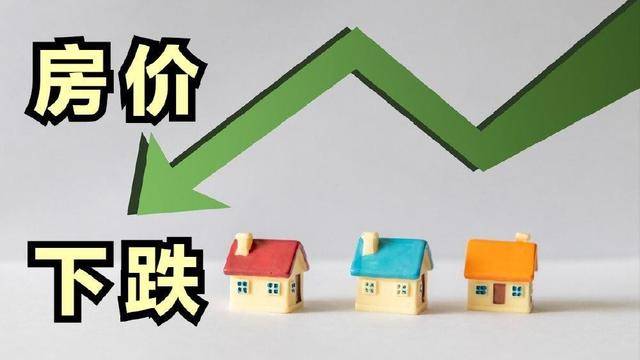
房价持续走低,收入毫无增长,老百姓在这困境下,该何去何从?
Sou Hu Cai Jing· 2025-10-23 03:15
Core Viewpoint - The real estate market in China is facing significant challenges, with declining prices in major cities and a lack of consumer interest in purchasing homes, despite government policies aimed at stimulating the market [1][5][34]. Group 1: Market Trends - Housing prices have been on a downward trend since 2017, with significant declines in areas like Beijing, where some properties have lost up to 50% of their value [3][12]. - The average monthly salary for most individuals is around 4,000-5,000 yuan, which has not seen substantial growth over the past decade, making it difficult for young people to afford housing [7][8]. - The birth rate in China has halved from 17 million in 2017 to 9.54 million in 2024, indicating a growing trend of young people choosing not to marry or have children due to financial constraints [12][10]. Group 2: Government Policies - The government has implemented policies such as "housing is for living, not for speculation" to curb real estate speculation and stabilize the market [34][36]. - A new housing rental regulation was introduced to address the vulnerabilities of renting, aiming to provide more security for tenants [40][42]. - The government is also focusing on understanding the concerns of young people through social media to develop policies that can stimulate consumption and economic growth [45][47]. Group 3: Economic Implications - The real estate market's decline is linked to broader economic issues, including potential job losses and social unrest if the situation worsens [15][17]. - The oversupply of housing has led to a situation where many homeowners are eager to sell, fearing that prices will not recover [27][29]. - The disparity between those who bought properties at lower prices and current buyers has created a wealth transfer dynamic, leading to dissatisfaction among younger generations [22][24].

房地产十四五答卷:从房住不炒到止跌回稳
Sou Hu Cai Jing· 2025-10-21 16:01
Core Insights - The Chinese real estate market has undergone a significant restructuring during the "14th Five-Year Plan" period, with approximately 3000 optimization policies introduced nationwide since 2022 to stabilize the market and reduce speculation [1][2][5] Policy Shift - The policy focus has shifted from suppressing speculation to stabilizing the market, with the central government emphasizing "housing is for living, not for speculation" since 2016 [4] - A series of meetings, including the Central Political Bureau meeting, have reinforced the commitment to stabilize the real estate market [5] Measures to Lower Costs - Various measures have been implemented to reduce home purchasing costs and thresholds, including lowering the first home loan interest rate to a historical low of 3.5% and reducing the down payment ratio to 15% [2][6] - Financial policies have been adjusted, including multiple reductions in the Loan Prime Rate (LPR) and public housing loan rates, to support homebuyers [6][9] Relaxation of Purchase Restrictions - Many cities have relaxed or eliminated purchase restrictions, with second-tier cities like Nanjing and Hefei fully lifting such policies in 2023 [11][14] - As of now, only a few cities, including Beijing, Shanghai, and certain areas in Hainan, still have purchase restrictions in place [14] Positive Outcomes - The real estate market has seen positive results during the "14th Five-Year Plan," with approximately 5 billion square meters of new residential sales recorded [16] - Over 7 million units of previously sold but undelivered housing have been successfully delivered, protecting the rights of homebuyers [18] Urban Renewal and Construction Industry Transformation - Urban renewal efforts have improved living conditions for over 110 million people through the renovation of old neighborhoods and the addition of amenities like elevators and parking spaces [20][26] - The construction industry has experienced a transformation towards high-quality development, with a total output value reaching 32.7 trillion yuan in 2024 [24][26]

前三季度固定资产投资首现负增长,政策发力四季度增速有望转正
Hua Xia Shi Bao· 2025-10-21 12:58
Core Viewpoint - China's fixed asset investment showed a "generally weak and structurally differentiated" trend in the first three quarters of the year, with key data attracting market attention [2] Investment Overview - From January to September, the total fixed asset investment (excluding rural households) reached 371.535 billion yuan, a year-on-year decrease of 0.5%, marking the first negative growth since October 2020 [2] - Excluding real estate development investment, fixed asset investment grew by 3.0% [2] - In September, fixed asset investment maintained a year-on-year growth rate of -7.1%, continuing the slowdown observed in July and August, indicating a clear "off-season" characteristic [2] Sectoral Investment Analysis - Infrastructure investment grew by 1.1% year-on-year, manufacturing investment increased by 4.0%, while real estate development investment fell by 13.9% [4] - Equipment and tool purchases in manufacturing saw a cumulative year-on-year growth of 14%, contributing 2 percentage points to overall investment growth [5] - Investment in related sectors such as computer and office equipment manufacturing, general equipment manufacturing, and transportation equipment manufacturing showed significant growth rates of 7.4%, 11.8%, and 22.3% respectively [5] Real Estate Sector - Real estate investment continued to face pressure, with a year-on-year decline of 21.3% in September, a drop of 1.8 percentage points from the previous month [6] - Residential investment decreased by 12.9%, significantly impacting overall fixed asset investment [6] - The share of real estate fixed development investment in total investment has decreased to 18.2%, down from 25%-30% in earlier periods [6] Future Investment Outlook - Policies are being implemented to stimulate investment in the fourth quarter, including a central government announcement of 500 billion yuan in local government debt limits, which is an increase of 100 billion yuan from the previous year [7] - The combination of fiscal and financial policies is expected to support infrastructure investment and equipment upgrades, potentially leading to a marginal improvement in investment [8][9] - There are suggestions for further monetary policy adjustments, including potential interest rate cuts to lower comprehensive financing costs [9]

空置房够3亿人住,房价下跌空间还有有多大?潘石屹、孙宏斌透底
Sou Hu Cai Jing· 2025-10-19 05:19
Core Insights - The article highlights the significant challenges facing China's real estate market, including high vacancy rates and a fundamental shift in supply-demand dynamics due to declining population growth and urbanization [1][3][6]. Supply and Demand Dynamics - The urban housing vacancy rate in China has reached 17.6%, with over 65 million vacant homes, indicating a supply surplus [1]. - The average inventory turnover period for commercial housing is 16 months, significantly above the healthy range of 6-12 months, with some cities exceeding 24 months [3]. - Sales strategies have shifted from scarcity to incentivizing purchases, with developers offering lower down payments and additional perks to attract buyers [3]. Regional Price Variations - Housing price declines vary by city tier, with first-tier cities experiencing a slight decrease of 1.2%, while second-tier cities saw a 5.8% drop, and third and fourth-tier cities faced declines of up to 8.7% [3][4]. - In some resource-depleted and aging regions, price drops exceeded 15% [3]. Land Market Trends - National land transaction prices fell by 12.3% in the first half of 2025, with a land auction failure rate of 35.7%, indicating a downward trend in land prices that will likely affect housing prices [4]. - Developers are under financial pressure, with the average debt ratio for the top 100 real estate companies at 78.3% and a sales collection rate of only 67% [4]. Future Price Projections - Industry experts predict a potential further decline in housing prices, with estimates suggesting a 15-25% drop in many cities over the next 3-5 years [6][7]. - The market is expected to undergo a structural adjustment rather than a linear decline, with first-tier cities remaining relatively stable due to ongoing population inflows [6][7]. Population Trends - Major cities like Beijing, Shanghai, Guangzhou, and Shenzhen continue to see slight population growth, contrasting with over 70% of county-level areas experiencing population decline [7]. - The demand for housing is directly influenced by population movements, with core urban areas maintaining price stability compared to peripheral regions [7][9]. Housing Quality and Buyer Behavior - High-quality housing with better amenities is more resilient in price, while lower-quality properties are experiencing more significant declines [9]. - The demand for investment properties has decreased, with first-time and upgrade buyers making up 82% of transactions, the lowest investment ratio in a decade [9][10]. Market Adaptation Strategies - Buyers are encouraged to make more rational purchasing decisions, focusing on actual needs and financial capabilities rather than speculative trends [10][11]. - The market is shifting towards a more diversified asset allocation, with increased savings and investments in financial products as real estate's speculative appeal diminishes [13][14].
天津小王总房产漫谈与研判
Sou Hu Cai Jing· 2025-10-19 02:11
Market Overview - The real estate market has transitioned from a "supply-demand imbalance" to a "value-oriented" phase, emphasizing careful selection of properties [1] - There is a clear market differentiation: properties in core cities with quality locations, educational resources, and convenient transportation maintain strong resilience, while suburban areas with oversupply face challenges [1] Policy Implications - The policy stance of "housing is for living, not for speculation" remains unchanged, but measures such as "recognizing houses, not loans," lowering down payments, and relaxing interest rates are gradually releasing reasonable demand [1] Investment Strategy - Future real estate investments should focus on the dual attributes of "self-occupation and value preservation" [1] - Buyers are encouraged to assess their needs and repayment capabilities rationally to avoid excessive leverage [1] - For clients looking to upgrade, the current low-interest rate environment presents an opportunity for strategic property exchanges [1] Rental Market Trends - The rental market is gaining attention due to population mobility and changing living concepts, with increasing demand for long-term and quality rental housing [1] - Professional institutional management is expected to become a trend in the rental market [1] Professional Commitment - The industry emphasizes the importance of integrity and professional empowerment to build long-term trust with clients [1] - The belief is that while the real estate market may not always rise, professionalism and responsibility will always hold value [1]
锚定“房住不炒”各地“因城施策”
Mei Ri Jing Ji Xin Wen· 2025-10-17 03:12
Core Viewpoint - The real estate market in China has entered a deep adjustment phase during the "14th Five-Year Plan" due to significant changes in cyclical fluctuations and supply-demand relationships, prompting timely adjustments and optimizations in real estate policies [1][3]. Policy Changes - The report highlights major changes in real estate policies, including the optimization of financial, credit, and restrictive policies to unleash growth potential in the housing market [2]. - Since 2022, approximately 3,000 real estate optimization policies have been implemented across the country [3]. - Key policies include the "Financial 16 Articles" and "Three Arrows" aimed at supporting reasonable financing needs of real estate companies [4]. Demand-side Policy Adjustments - In May 2024, several demand-side policies were optimized, including lowering the down payment ratio for first-time homebuyers to 15% and canceling the national-level interest rate policy limits for first and second homes [5]. - Major cities like Suzhou, Changsha, Chengdu, and Hangzhou have fully lifted purchase restrictions, with Guangzhou also removing such policies [5][12]. Market Trends and Predictions - The market is expected to experience a phase of recovery starting from Q4 2024, although recent policy effects have weakened, indicating that a complete halt to the decline is still some distance away [2][8]. - The report anticipates that with most cities lifting restrictive policies, the market will return to being supply-demand driven, potentially leading to further market differentiation [13]. Financial and Tax Policies - Financial policies have been adjusted to lower the cost of home purchases, including reductions in mortgage rates and adjustments to personal housing fund loan rates [9][11]. - Tax policies have also been modified to provide tax incentives for homebuyers, such as tax exemptions for home exchanges and reduced transaction tax rates [11]. Achievements During the "14th Five-Year Plan" - The real estate market has seen positive outcomes, with approximately 5 billion square meters of new residential sales recorded during this period [15]. - By Q4 2024, both the sales area and sales volume of new residential properties have shown positive growth, maintaining a trend of "stabilizing after a decline" [16]. - Over 7 million housing units that were sold but not delivered have been successfully delivered, ensuring the rights of homebuyers are protected [17]. Housing Security and Urban Development - The "14th Five-Year Plan" has also made significant progress in urban village renovations and the construction of affordable housing, with over 11 million units built or renovated [19]. - The Ministry of Housing and Urban-Rural Development has emphasized the expansion of urban village renovation policies to nearly 300 cities, promoting monetary compensation for residents [19].