能源结构转型

Search documents
华明装备(002270) - 002270华明装备投资者关系管理信息20260118
2026-01-18 11:54
Market Demand and Trends - Domestic market demand remains stable, driven by the new five-year plan for the power grid, with investments in various industries such as silicon materials and steel [4][5] - The U.S. market is experiencing faster growth due to manufacturing return, AI, and grid upgrades, while Europe relies on energy structure transformation [4] - Southeast Asia shows decent growth but remains small in scale, and the Middle East is transitioning away from oil dependency [4] Market Share and Competition - The company has a high market share in domestic sales volume, but lower in sales revenue due to a low presence in high-end markets [6] - Overseas market share is still low, with only slight increases in high-value sectors [6][10] - The company faces challenges in predicting when overseas market share will accelerate due to various external factors [7] Product and Customer Insights - Domestic grid and non-grid customer segments are nearly equal, while overseas segmentation is more complex [8] - The company’s products are used in over 100 countries, with varying local standards and requirements [12] - The main overseas customers include transformer manufacturers globally [12] Growth Drivers and Challenges - The company’s overseas growth has been influenced by a low base and the overall growth of the Chinese transformer market [11] - Future growth in overseas markets will depend on local market penetration and the ability to enhance market share [11][30] - The company acknowledges the long-term nature of increasing overseas market share, requiring strategic improvements in quality and service [30] Financial Performance and Projections - Overseas revenue accounts for over 30% of total revenue, with direct and indirect exports being nearly equal [63] - The gross margin is expected to remain stable as the overseas business grows [64] - The company aims to maintain a cash dividend of no less than 60% of distributable profits during the shareholder return plan period [68][69] Risks and Operational Efficiency - Key risks include market volatility and the ability to maintain product quality while expanding overseas [41] - The company’s production capacity is currently sufficient to meet market demands, with no immediate plans for expansion [38] - The delivery cycle is approximately 1 month domestically and 2-3 months internationally, with a focus on maintaining efficiency [43]

电动重卡的绿色“账本”
Xin Lang Cai Jing· 2026-01-17 22:51
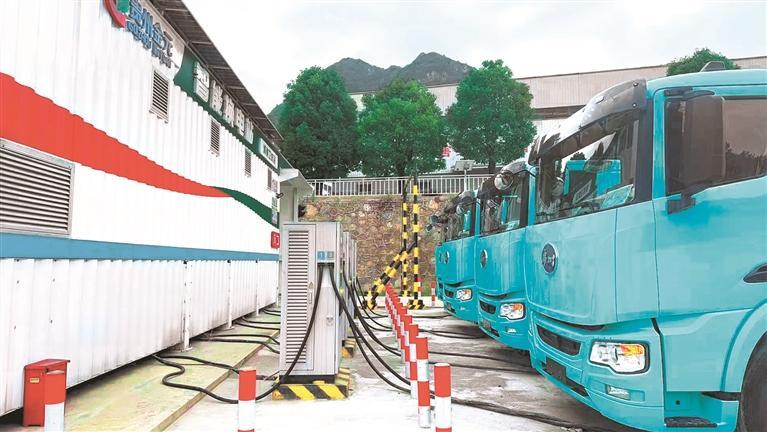
Core Viewpoint - The article highlights the advancements in electric vehicle (EV) infrastructure in Guizhou, particularly focusing on the integration of solar power, energy storage, and battery swapping technology to promote green transportation and support the "Electric Guizhou" initiative [2][3]. Group 1: Technological Advancements - The battery swapping technology at the Zhi Jin Ping Yuan Power Plant has improved from 8 minutes to under 5 minutes for battery replacement, with the fastest time being 3 minutes [2]. - The project has established 3 smart battery swapping stations and 23 charging piles, with a total installed capacity of 11,280 kW and a battery swapping utilization rate exceeding 123% of the design expectations [3]. Group 2: Environmental Impact - By 2025, the project aims to achieve a battery swapping volume of 56 million kWh, resulting in a cumulative total of 230 million kWh, which is expected to save approximately 43,500 tons of fuel and reduce carbon dioxide emissions by 1,361,600 tons [3]. - The environmental benefits are likened to planting 12,000 evergreen trees, showcasing the project's commitment to sustainability [3]. Group 3: Market Adoption Strategies - The company has introduced a "vehicle-battery separation" and "battery leasing" model to lower the initial costs for users, making electric trucks more financially attractive compared to traditional fuel vehicles [5]. - To address concerns about charging efficiency and infrastructure, the company has upgraded battery swapping technology and expanded the charging network across the province, alleviating customer anxieties regarding electric vehicle usage [5]. Group 4: Industry Growth and Collaboration - Since initiating its green transportation efforts in March 2019, the company has built and operated 51 battery swapping stations and installed 223 charging piles, serving over 2,000 vehicles [6]. - The company has invested over 30 million yuan in creating a smart logistics supply chain platform, attracting over 12,321 vehicles and 304 carriers, fostering a collaborative ecosystem among government, industry, academia, and research [6]. Group 5: Future Outlook - The rich mineral resources in Guizhou provide a solid foundation for the application of electric trucks, and the promotion of the "Electric Guizhou" policy is expected to significantly increase the adoption rate of electric trucks in the coming years [7].

6GWh!又一企斩获储能大单
行家说储能· 2026-01-17 06:23
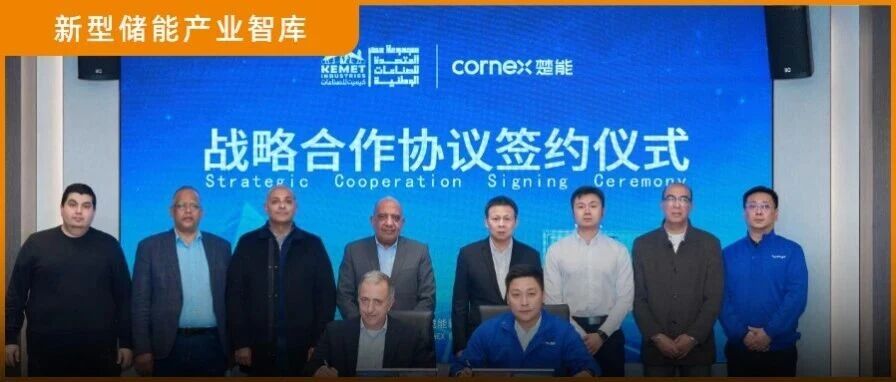
Core Viewpoint - Chuangneng New Energy has signed a strategic cooperation agreement to supply a total of 6GWh of energy storage systems to the Egyptian market, marking a significant step in the company's expansion into North Africa and contributing to the renewable energy collaboration under the Belt and Road Initiative [3][7]. Group 1: Strategic Partnership - The agreement involves collaboration with local Egyptian companies WeaCan and Kemet, which will handle project implementation, government approvals, and local operations, ensuring the successful deployment of Chuangneng's energy storage products [3][5]. - Chuangneng will provide high-quality energy storage products and full-cycle technical support services, emphasizing its role as the core technology and product supplier [6][8]. Group 2: Market Potential - Egypt is positioned as a regional energy hub due to its geographical advantages, including a 1.8GW solar power park and abundant wind resources, with plans to increase renewable energy generation to 40% by 2030 [7]. - The Egyptian energy storage market is experiencing rapid growth, driven by policy incentives and increasing demand, with over 10GWh of new grid-side storage capacity planned [7]. Group 3: Global Expansion - Chuangneng New Energy is expanding its global market presence, establishing service centers in key regions including China, Europe, North America, and Australia, aiming for a total shipment volume exceeding 90GWh by 2025 [8]. - The company has secured significant orders globally, with a target of over 100GWh in new contracts for 2025, showcasing its strong market position and operational capabilities [9].
德州新能源发电量占全社会用电量的比重达到56.6%
Qi Lu Wan Bao· 2026-01-16 11:10
Core Viewpoint - The report highlights the significant progress made by Dezhou in achieving its "dual carbon" strategic goals, focusing on the development of renewable energy and the optimization of coal power generation, with a commitment to building a clean, low-carbon, safe, and efficient new energy system [1][2][3] Group 1: Energy Consumption Transformation - The city is promoting a transition to green energy consumption by implementing energy consumption control measures and enhancing the green and low-carbon development of chemical parks through tailored strategies [1] - Continuous improvement in energy efficiency has been achieved through industrial structure adjustments and the development of energy-saving and carbon-reducing technologies, leading to a sustained decrease in energy intensity [1] Group 2: Energy Supply Transformation - Dezhou is actively developing distributed renewable energy and exploring a comprehensive hydrogen energy industry chain, with a focus on the Linyi Huayi Hydrogen Energy Industrial Park for clean hydrogen fuel cell research and production [2] - The city has constructed 229 geothermal projects, covering a heating area of approximately 2,150,740 square meters, and is advancing the transformation and upgrading of traditional coal power generation [2] Group 3: Energy Technology Transformation - The city has initiated the development of new energy storage facilities, securing 18 demonstration projects with a total capacity of 2,905,000 kilowatts, and has completed 7 projects totaling 855,000 kilowatts [3] - Dezhou has been approved for several national-level pilot projects in the energy sector, including hydrogen energy regional trials and large-scale applications of vehicle-grid interaction [3]
江苏海上风电并网规模居全国第一
Ke Ji Ri Bao· 2026-01-16 00:27
Core Insights - Jiangsu Province is set to achieve a cumulative offshore wind power grid capacity of 13.49 million kilowatts by the end of 2025, leading the nation and accounting for nearly 30% of China's total offshore wind power capacity [1] - The province has developed a comprehensive offshore wind power industry chain, including R&D, equipment manufacturing, resource development, and operational services, enhancing its technical capabilities in grid connection [1] - Jiangsu's offshore wind power contributes over 30 billion kilowatt-hours of green electricity annually, significantly reducing carbon emissions by over 22 million tons [1] Industry Developments - Jiangsu has a coastline of 954 kilometers and has established a development framework for offshore wind power over nearly 20 years, covering intertidal, nearshore, and farshore areas [1] - The province is actively promoting the use of green electricity in industrial parks and enterprises, with an average green electricity usage rate of 80% in some companies, leading to a monthly reduction of nearly 6,000 tons of carbon emissions and a 5% decrease in electricity costs [2] - The offshore wind energy resource potential in Jiangsu is estimated to exceed 60 million kilowatts, with plans to focus on key technological advancements during the 14th Five-Year Plan period [2] Infrastructure and Projects - Jiangsu has constructed the first 110 kV and 220 kV offshore booster stations in the country and is operating the largest offshore wind power grid connection project in the nation [1] - The province is enhancing its transmission capabilities through six high-grade cross-river transmission channels, ensuring stable delivery of green electricity to the core urban areas of the Yangtze River Delta [1] - Key projects such as the Sutong GIL DC project and the Yangzhen DC Phase III project will accelerate construction during the 14th Five-Year Plan period [1]
我国“新三样”出口规模5年增长3.5倍 相关技术保持先进
Zheng Quan Ri Bao Zhi Sheng· 2026-01-14 15:43
Core Viewpoint - China's export of high-tech products is expected to reach 5.25 trillion yuan in 2025, marking a growth of 13.2%, driven by the increasing demand for green products and the country's technological advancements [1][2]. Group 1: Export Growth and Trends - The export scale of "new three items" (electric vehicles, photovoltaic products, and lithium batteries) is projected to approach 1.3 trillion yuan in 2025, representing a 3.5 times increase compared to 2020 [2]. - The average annual growth rate of high-tech product imports and exports over the past five years has been 7.9%, with a projected acceleration to 11.4% in 2025, contributing nearly 60% to overall foreign trade growth [2][3]. Group 2: Technological Advancements - China has achieved significant breakthroughs in key technologies related to "new three items," including battery energy density, safety, and solar cell conversion efficiency, positioning itself as a global leader [3][4]. - Notable advancements include the world record for solar cell conversion efficiency achieved by companies like Longi Green Energy, with a record of 34.85% for silicon-perovskite tandem solar cells [3]. Group 3: Industry Competitiveness - The "new three items" have become a competitive advantage for China globally, driven by policy support, technological accumulation, and increasing global demand for green products [4]. - The complete and competitive supply chain in the "new three items" sector has been established, enhancing China's position in the global market [3][4]. Group 4: Future Challenges and Recommendations - Despite rapid growth, the "new three items" exports face challenges such as trade barriers and intensified technological competition [5][6]. - Companies are advised to strengthen technological innovation, diversify markets, and enhance international cooperation to ensure sustainable growth [5][6].

内蒙古能源集团2025年绿证销售实现跨越式增长
Xin Hua Cai Jing· 2026-01-14 08:29
Core Insights - In 2025, Inner Mongolia Energy Group's renewable energy sector achieved significant growth in green certificate sales, driven by abundant wind and solar resources and favorable regional policies, marking a benchmark for green certificate operations and enhancing the company's green transformation efforts [1][2] Sales and Revenue - The company issued over 800,000 tradable green certificates in 2025, representing a year-on-year increase of over 330% - Green certificate sales revenue exceeded 16 million yuan, becoming a new growth point for the company's revenue [1] Market Performance - The domestic green certificate market in 2025 exhibited a differentiation between "new certificates at high prices" and "existing certificates at low prices" - The company strategically focused on trading newly produced wind power green certificates to maximize revenue while avoiding risks associated with low prices of existing certificates [1] Trading Strategy and Market Positioning - Leveraging the Inner Mongolia power grid as a platform for green electricity trading, the company established a diversified trading system - The company actively engaged in the Mongolian West electricity multilateral trading market, employing a "bundled electricity and certificates" approach, with 80% of green certificate transactions being long-term agreements, ensuring stable sales [2] Policy and Capacity Support - The rapid growth of the company's green certificate business is supported by policy initiatives and increased capacity - In March 2025, new policies from the National Development and Reform Commission and the comprehensive market entry of Inner Mongolia's renewable energy created rigid market demand - The company accelerated the deployment of new renewable energy capacity, ensuring a solid foundation for green certificate supply [2] Future Outlook - The company plans to continue focusing on wind and solar energy, expanding green electricity capacity, and deepening cooperation with market participants - With the advancement of the "Shagehuang" base and external transmission channels, the green certificate business is expected to break regional boundaries and contribute to national energy structure transformation [3]
焦点访谈丨“风光水”与“煤油气”如何协同发展电力新格局?一文详解
Yang Shi Xin Wen· 2026-01-14 08:18
Core Viewpoint - By the end of 2024, China's installed capacity of renewable energy generation will surpass that of thermal power for the first time, marking significant progress in energy structure transformation. However, this transition is challenging due to the instability of renewable energy and the need for traditional energy sources to ensure grid stability. A unified national electricity market is essential for optimizing power resource allocation and facilitating market participation of both renewable and traditional energy sources [1][21]. Group 1: Current State of Energy Transition - As of 2024, the installed capacity of renewable energy in Shanxi province has increased from 11% in 2015 to over 42%, with expectations to reach nearly 50% by the end of 2025 [21]. - The total electricity consumption in China is projected to be 63% from market-based transactions in 2024, with cross-provincial and cross-regional market transactions reaching 1.4 trillion kilowatt-hours, a tenfold increase since 2016 [21]. - The construction of a unified electricity market is progressing, with the goal of establishing a national market by 2025, which will revolutionize resource allocation and modernize governance capabilities [21]. Group 2: Challenges Faced - The transition to renewable energy has been complicated by the inability of many provinces to absorb renewable energy due to insufficient system adjustment capabilities, particularly during winter when thermal power is needed for heating [5][9]. - The gradual reduction of subsidies for renewable energy has led to a slowdown in investment from many renewable energy companies, compounding the challenges of energy consumption and market participation [5][9]. - Traditional thermal power plants face difficulties as they must adjust their output based on the fluctuating availability of renewable energy, which can lead to reduced revenues and operational challenges [7][9]. Group 3: Market Mechanisms and Innovations - The establishment of a market mechanism is crucial for revealing the true value of various energy sources, allowing them to respond to price signals and optimize resource allocation [11]. - The introduction of green electricity trading has opened new revenue streams for renewable energy companies, with green electricity transactions reaching 2.336 trillion kilowatt-hours in 2024, a 235% increase year-on-year [15]. - The marketization process has allowed thermal power plants to adapt by providing services during high electricity prices and collaborating with renewable energy sources to ensure grid stability, thus creating new revenue opportunities [17][19].
把握新型能源体系建设六个着力点
Zhong Guo Dian Li Bao· 2026-01-13 01:12
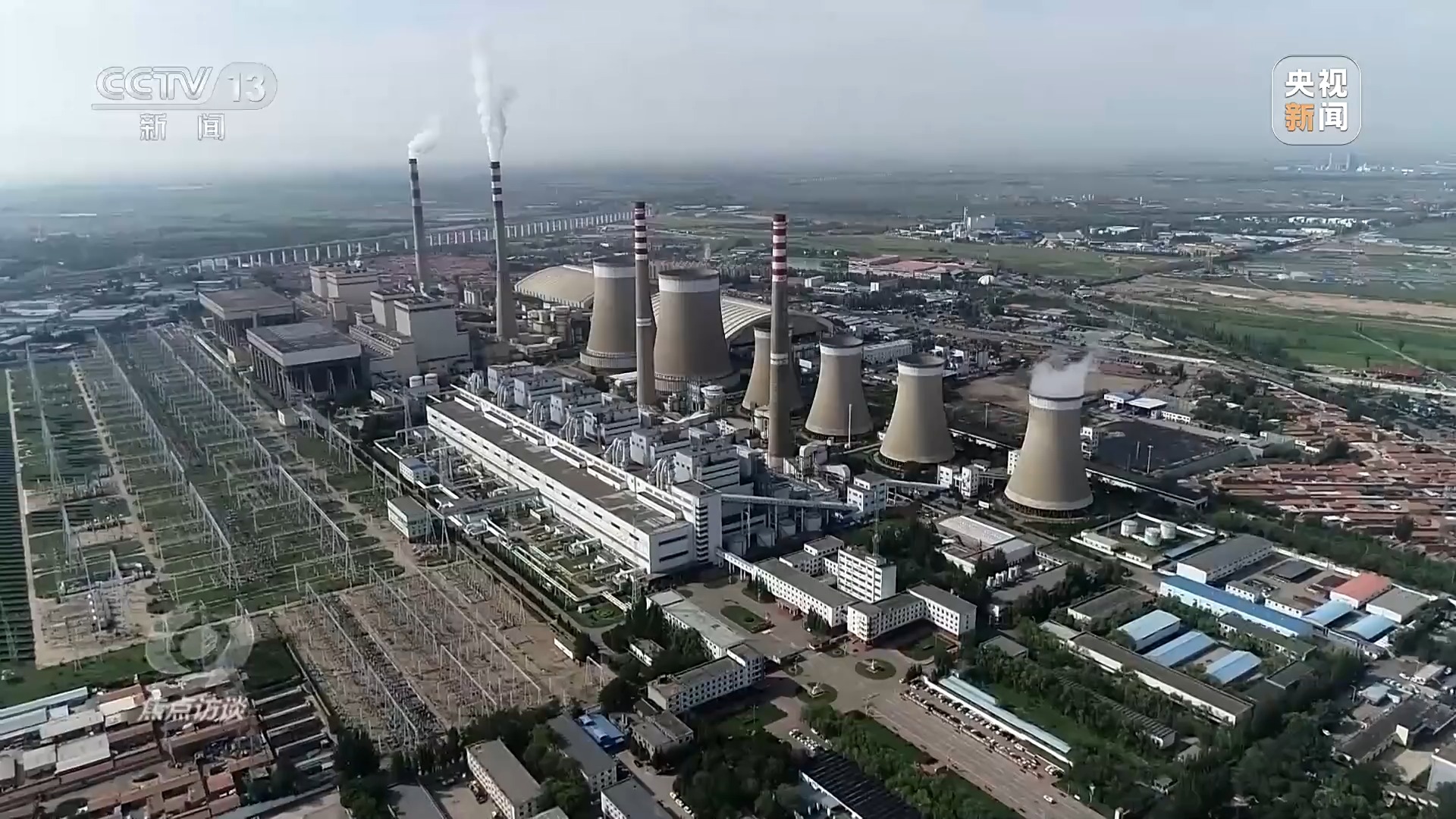
Core Viewpoint - The article discusses the strategic goals and tasks outlined in the "Suggestions for Formulating the 15th Five-Year Plan for National Economic and Social Development," emphasizing the construction of a new energy system that is clean, low-carbon, safe, and efficient, aiming for a preliminary establishment by the end of the 15th Five-Year period [1]. Group 1: New Energy System Development - The "Suggestions" propose to continuously increase the proportion of renewable energy supply and to integrate multiple energy sources such as wind, solar, hydro, and nuclear power [2]. - By the end of October 2025, the installed capacity of renewable energy is expected to reach 2.22 billion kilowatts, accounting for nearly 60% of the total installed capacity in the country [2]. - There are challenges in the effective integration of intermittent energy sources like wind and solar with stable power sources, leading to underutilization of energy resources in certain regions [2][3]. Group 2: Coal and Fossil Energy Management - The "Suggestions" emphasize the need for clean and efficient utilization of fossil energy, promoting the peak consumption of coal and oil [4]. - Over 80% of coal-fired power units have undergone energy-saving renovations, and more than 90% have achieved ultra-low emissions [4]. - There are concerns about the balance between reducing coal dependency and ensuring energy supply security, as some regions may be too aggressive in cutting coal power [4][5]. Group 3: Resilience of the New Power System - The "Suggestions" call for enhancing the resilience and safety of the power system through improved energy storage and smart grid development [6]. - China has the world's largest and most advanced ultra-high voltage transmission network, with pumped storage capacity leading globally for nine consecutive years [6][7]. - Challenges include insufficient cross-regional intelligent scheduling capabilities and the need for better integration of new energy storage technologies [7]. Group 4: Technological Innovation in Energy - The "Suggestions" highlight the goal of significantly improving self-reliance in technology, focusing on breakthroughs in key core technologies [8]. - China has made significant advancements in nuclear power, renewable energy, and grid technologies, showcasing its innovation capabilities [8][9]. - However, there are still high external dependencies on certain key technologies and components, indicating a need for improved domestic capabilities [9]. Group 5: Regional Energy Development - The "Suggestions" advocate for optimizing regional economic layouts and energy resource bases, particularly in marine energy development [10]. - There is a disparity between energy resource-rich areas in the central and western regions and load centers in the eastern regions, necessitating better energy resource allocation [10][11]. - The development of offshore wind energy and other marine resources is still in its early stages, with some key technologies needing further maturity [10][11]. Group 6: Energy Market Dynamics - The "Suggestions" propose advancing the construction of a unified national energy market and improving market mechanisms to adapt to the new energy system [13]. - The energy market has seen accelerated development, with over a million market participants and significant inter-provincial electricity trading [13][14]. - Challenges remain in market segmentation and competition, with a need for unified trading rules and mechanisms to ensure fair competition [14].
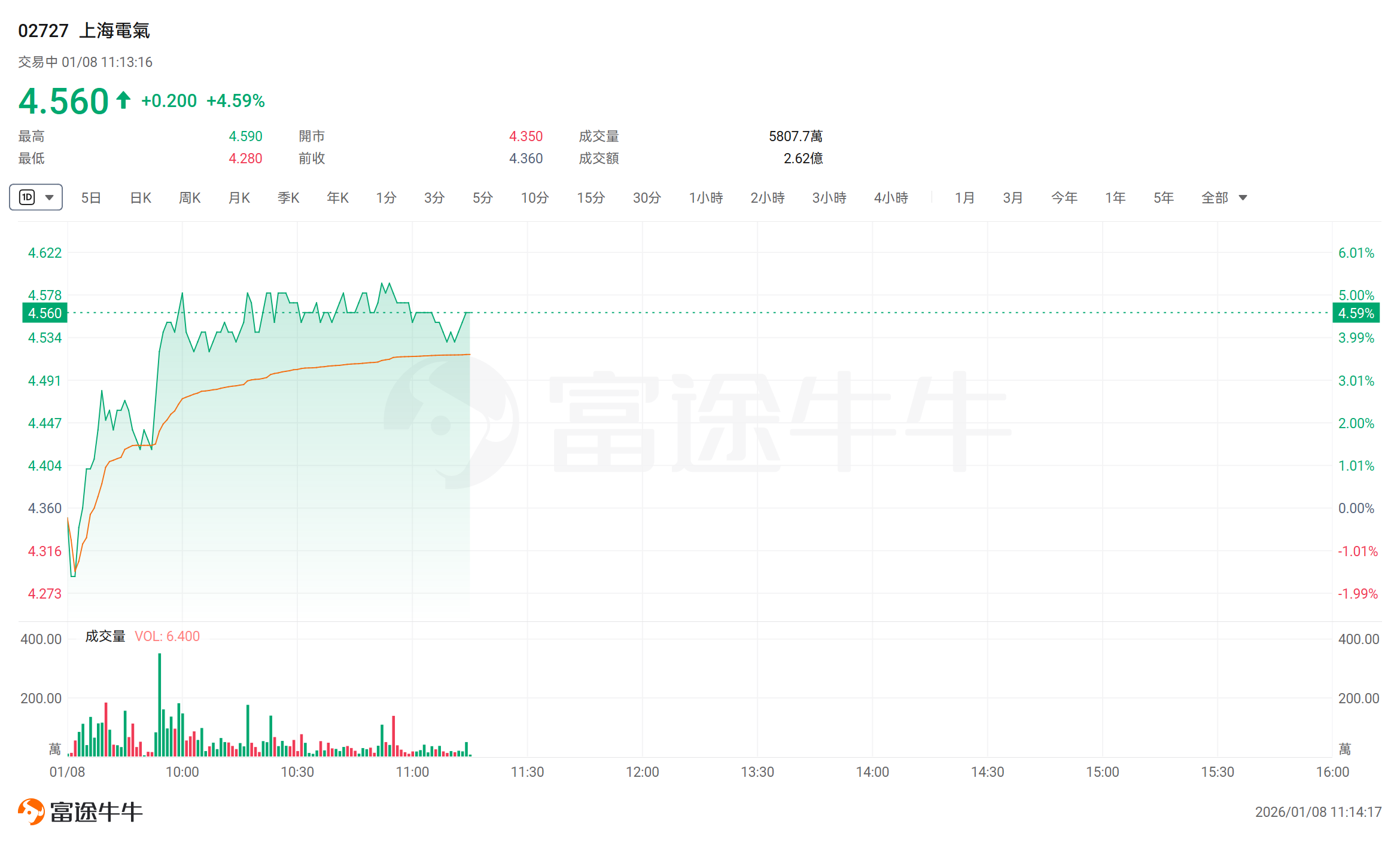
上海电气港股延续涨势,核聚变领域催化密集,机构看好公司新兴业务发展
Zhi Tong Cai Jing· 2026-01-08 03:36
Group 1 - The 2026 Nuclear Fusion Energy Technology and Industry Conference will be held on January 16-17, 2026, in Hefei, Anhui, focusing on promoting collaboration and innovation within the nuclear fusion industry [3] - The theme of the conference is "The Power of Fusion, Creating the Future," aiming to accelerate funding and technological cooperation in the nuclear fusion sector [3] - Nuclear fusion energy has been included in national planning for future industries for the first time in 2025, and it is also a key focus in the national "14th Five-Year Plan" [3] Group 2 - Everbright Securities noted that Shanghai Electric successfully delivered the world's first ITER project magnet cold test Dewar, with plans to deliver key components for the CRAFT project and the compact fusion experimental device BEST [4] - In the context of energy structure transformation and industrial adjustment in China, the company is expected to leverage its leading position to enhance market share in traditional business areas [4] - Supported by technological research and development advantages, emerging businesses such as energy storage, hydrogen energy, and robotics are anticipated to become new growth points for the company [4]