产教融合

Search documents
从讲台到客舱:吴江华的“双师型”教师成长记
Zhong Guo Min Hang Wang· 2025-08-21 01:25
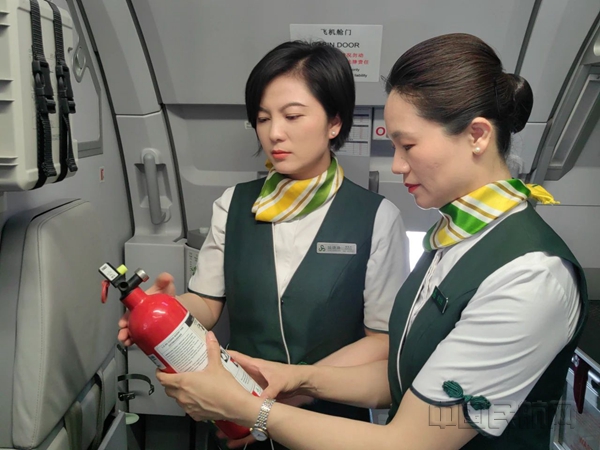
Core Viewpoint - The article highlights the successful integration of vocational education and industry practice through the collaboration between Shanghai Civil Aviation Vocational College and Spring Airlines, exemplified by the experience of teacher Wu Jianghua, who transitioned from teaching to practical training in the aviation sector [1][12]. Group 1: Collaboration and Training Initiatives - The modern apprenticeship pilot project between the Civil Aviation Vocational College and Spring Airlines officially started in February 2024, with Wu Jianghua serving as both project leader and a mentor for the 2023 apprentice class [3]. - Wu Jianghua participated in nearly 400 hours of intensive training alongside students, covering essential topics such as aviation regulations, aircraft equipment, and safety protocols, culminating in the successful completion of over 30 rigorous assessments [3][4]. Group 2: Practical Experience and Skill Development - After completing ground training, Wu Jianghua advanced to the flight operation phase, where she actively participated in flight duties, ensuring meticulous attention to detail in safety checks and service procedures [5]. - During her time in the air, she completed 20 flight segments and over 50 hours of flight tasks, demonstrating exceptional professional skills and practical abilities [5]. Group 3: Impact on Vocational Education - Wu Jianghua's experience represents a significant shift towards the "integration of knowledge and action" in vocational education, allowing her to bring real-world practices back to the classroom, thereby enhancing the collaboration between educational institutions and the aviation industry [12]. - This journey has provided valuable insights into transforming theoretical knowledge into practical skills, offering a replicable model for training "dual-qualified" teachers in vocational education [12].


山东文化产业职业学院校领导走访京津地区校企合作单位
Sou Hu Cai Jing· 2025-08-20 10:37
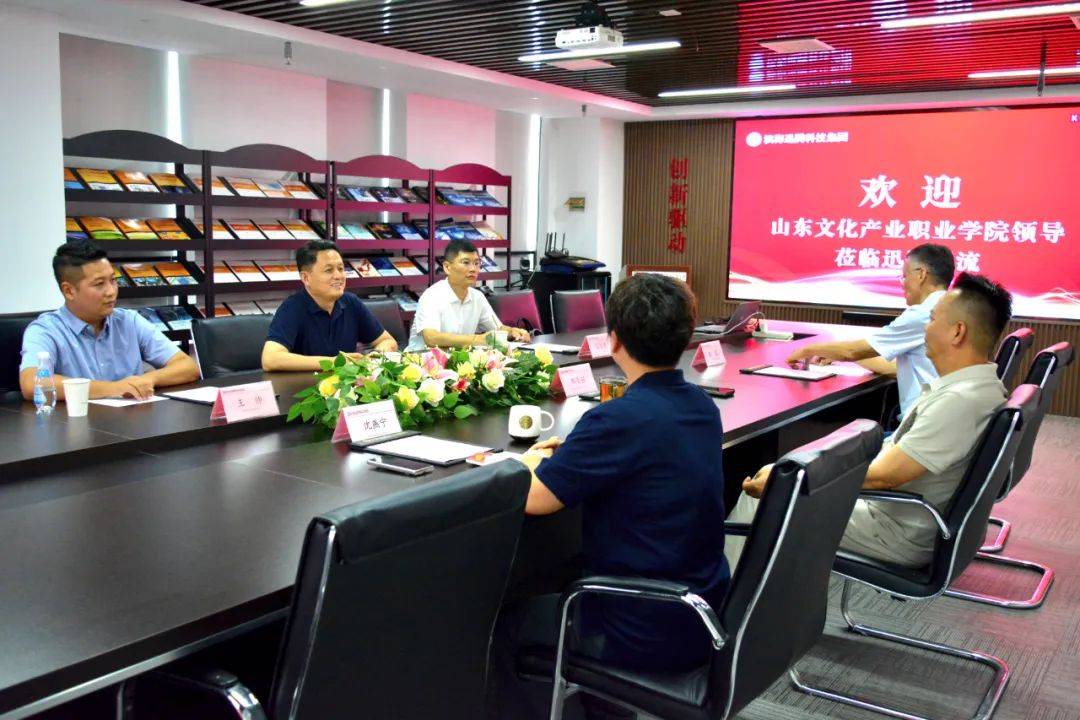
Core Insights - The article discusses the recent visits by the chairman of a school to various companies in Beijing and Tianjin to enhance industry-education integration and promote cooperation between educational institutions and enterprises [1] Group 1: Industry-Education Integration - The school aims to deepen cooperation with Tianjin Binhai Xunheng Technology Group, focusing on building an industry academy and enhancing collaboration in digital economy education [3] - The chairman emphasized the necessity of expanding cooperation depth and breadth in light of the booming digital economy [3] - The partnership will focus on constructing a digital economy academy, optimizing curriculum systems, and developing a talent training base [3] Group 2: Cultural and Tourism Development - The chairman visited the Wuqing Canal Cultural Square to understand its planning, cultural integration, and operational management [4] - The Wuqing Canal Night City project is highlighted as a key cultural and tourism integration demonstration project in Tianjin [4] - The school plans to leverage its strengths in cultural creativity and tourism management to empower regional economic and social development [4] Group 3: Talent Development and Collaboration - At Beijing Gongcheng Mingjiu Education Group, discussions centered on joint talent cultivation and the establishment of training bases [6] - The education group has rich experience in industry-education integration and aims to enhance cooperation in talent standards alignment and curriculum optimization [6] - The goal is to provide students with broader growth platforms through deeper collaboration with enterprises [6] Group 4: Technological Innovation - During the visit to Beijing Taiyang Hezheng Technology Development Co., the chairman explored the company's advancements in technology product development and market promotion [8] - The company focuses on technological innovation in smart hardware and information technology applications [8] - Future collaboration will include teacher training, technology achievement transformation, and school information construction [8] Group 5: Overall Objectives - The visits aim to establish communication bridges between the school and various enterprises [8] - The school intends to actively promote the implementation of collaborations and explore new models of industry-education integration [8] - The overarching goal is to cultivate high-quality technical and skilled talents that meet the demands of the new era and drive the school's high-quality development [8]
强“引才”还要重“兴产”
Jing Ji Ri Bao· 2025-08-19 22:07
Group 1 - The article emphasizes the importance of attracting high-level talent to drive industrial development and achieve high-quality growth, with specific policies being implemented in various regions, such as Heilongjiang Province's new regulations targeting talent aligned with national and local industrial needs [1] - Various regions have introduced policies to foster high-level talent innovation and entrepreneurship, including project funding reforms and talent evaluation reforms, which have effectively stimulated innovation and facilitated the transformation of scientific achievements [1][2] - There is a growing recognition of the need for talent mobility and collaboration across regions, with efforts to break down institutional barriers and optimize talent resource allocation to support industrial development [1][2] Group 2 - Challenges remain in leveraging high-level talent for industrial development, including a shortage of key technical personnel and insufficient attractive career opportunities in certain industries [2] - The article suggests that long-term efforts are needed to enhance industry-education integration, improve industrial levels, and provide comprehensive services across the entire industrial chain to better support high-level talent [2] - Encouraging collaboration between enterprises and educational institutions is highlighted as a way to ensure that talent cultivation aligns with industry needs, creating a seamless connection from talent demand to training and application [2][3] Group 3 - The article advocates for strengthening collaborative innovation services across industries and disciplines, promoting the free flow and optimal allocation of innovation resources by breaking down information barriers [3] - Establishing industrial innovation alliances is proposed as a means to leverage diverse talents in collaborative innovation to address challenges in industrial development [3]
天津西青:打造京津冀协同创新“强磁场” 赋能新质生产力
Zhong Guo Xin Wen Wang· 2025-08-19 19:48
Group 1: Core Insights - The article emphasizes the development of a new model for integrated urban and industrial growth in Tianjin's Xiqing District, focusing on creating a high-quality innovation hub in the Beijing-Tianjin-Hebei region [1][5] - The Xiqing Economic and Technological Development Zone has attracted 288 new enterprises in the first half of the year, showcasing significant advancements in smart manufacturing and digital transformation [2][5] - The establishment of partnerships with Beijing's innovation resources has led to over 10 projects being signed, enhancing the region's technological capabilities [2][3] Group 2: Industry Collaboration - The article highlights the importance of industry chain collaboration, with local policies facilitating rapid commercialization of research outcomes and fostering deep integration of technology and industry in sectors like smart connected vehicles and biomedicine [3][5] - The construction of innovation platforms, such as the synthetic biology innovation transformation platform, supports the growth of biotech companies by providing essential services from research to pilot testing [3][5] Group 3: Talent Development - The integration of education and industry is emphasized, with Tianjin University playing a crucial role in supplying talent and intellectual support for regional development through collaborative programs [4][5] - The article notes that the synergy between government support and a robust industrial ecosystem has attracted high-end talent, enabling local companies to advance from "Made in China" to "Created in China" [4][5]
广东生态工程职业学院“智耕油茶·绿筑粤梦”团队:助力龙川油茶产业高质量发展
Huan Qiu Wang· 2025-08-19 11:56
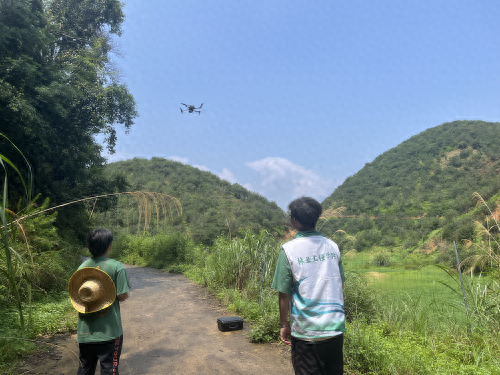
Core Insights - The "Smart Oil Tea · Green Building Guangdong Dream" team from Guangdong Ecological Engineering Vocational College is conducting an eight-day action for the revitalization of the oil tea industry in Longchuan County, Guangdong Province, focusing on a "five-dimensional collaboration" model involving research, education, enterprises, government, and farmers [1][5]. Group 1: Research Empowerment - The team, guided by experts from the Guangdong Academy of Forestry Sciences, is utilizing new technologies for drone inspections and forest monitoring, and has implemented the "Lingnan Soil Intelligent Network Database Management Software" for soil data collection and analysis [1]. - A "High-Efficiency Cultivation Technology Manual for Guangdong Oil Tea" has been compiled in collaboration with research institutions, along with a promotional brochure titled "Popular Science on Longchuan Oil Tea" aimed at educating farmers and the public [1][3]. Group 2: Education and Industry Integration - The team has facilitated the inclusion of Huangshi Vocational High School into the "Guangdong Forestry Vocational Education Group," establishing an oil tea science promotion room and a 10,000 square meter labor education practice base [3]. - A partnership with Guangdong Xinghui Biotechnology Co., Ltd. has been formed to create a school-enterprise practice base, enhancing student training and technical service channels for enterprises [3]. Group 3: Smart Agriculture Application - Utilizing remote sensing, GIS, and GPS technologies, the team has conducted high-precision mapping of nearly 40,000 acres of oil tea forests in Huangshi Town, establishing a distribution pattern database [3]. - Soil sampling and profile investigations have been carried out, providing a scientific basis for fertilization and precision management [3]. Group 4: Cultural Promotion - The team has created an oil tea-themed cultural mural and produced documentaries and promotional videos to tell the story of the oil tea industry's revitalization and promote the concept of green development [3][5].
专家热议“好房子”“好建造”“好职教”互促互融
Xin Hua Cai Jing· 2025-08-19 08:00
Group 1 - The conference focused on the theme of "Good Houses, Good Construction, Good Vocational Education" and aimed to integrate various sectors for high-quality development in the construction industry [1][2] - Key points discussed included the need for vocational education to align with regional industry needs, optimize course systems, and enhance teacher training to support the construction sector [1][3] - The importance of deep collaboration between schools and enterprises was emphasized as essential for promoting industry-education integration and developing high-quality technical talent [3] Group 2 - The construction of "Good Houses" requires a shift in mindset, emphasizing personalized needs and sustainable development in product construction [2] - The rapid advancement of digital technology and artificial intelligence presents both opportunities and challenges for the construction industry, necessitating changes in vocational education to keep pace with industrial development [2] - The application of new technologies, such as drones, in various stages of construction is seen as a significant opportunity to enhance quality control and create new market demands [2]
瞭望 | 北航航空航天工程:定义世界空天教育新坐标
Xin Hua She· 2025-08-19 02:21
Core Viewpoint - Beijing University of Aeronautics and Astronautics (BUAA) has established itself as a leading institution in aerospace education and research, achieving significant milestones in service to national strategic needs and innovation in the aerospace sector [1][2][5]. Group 1: Historical Context and Development - BUAA was founded in 1952 to address the strategic needs of China's aviation sector, evolving from a merger of various aviation departments from other universities [2]. - The university has a rich history, including the development of China's first light passenger aircraft, "Beijing-1," showcasing its commitment to national aerospace development [3]. Group 2: Research and Innovation - BUAA has implemented an organized research system that integrates various disciplines, addressing challenges such as resource fragmentation and insufficient collaboration [4]. - The university has established specialized research institutes and laboratories, leading to numerous world-class innovations, including a solar-powered micro-drone and a biomimetic compass [4][5]. Group 3: Educational Initiatives - BUAA has launched a comprehensive educational strategy that includes 100% of provincial-level laboratories offering "research classrooms" for undergraduates, enhancing hands-on learning experiences [10][11]. - The university emphasizes interdisciplinary collaboration, creating a "disciplinary ecosystem" that integrates aerospace studies with other fields such as artificial intelligence and materials science [7][8]. Group 4: Industry Collaboration and Practical Training - BUAA has strengthened its ties with industry through initiatives like the "social classroom" concept, allowing students to engage deeply with real-world projects and industry practices [12]. - The university's National Excellence Engineer Academy focuses on practical training, bridging the gap between academic knowledge and industry requirements [12].

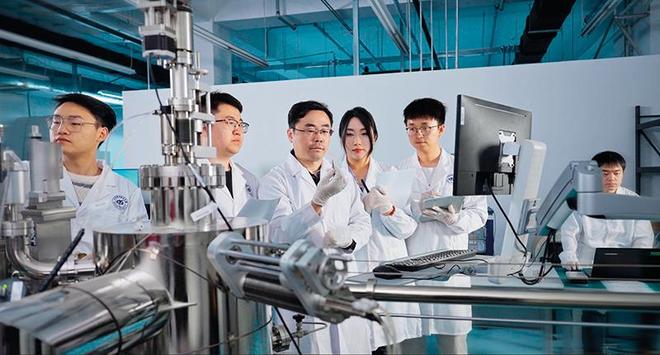
人才缺口激增4倍 人形机器人产教融合加速跑
Bei Jing Shang Bao· 2025-08-18 16:19
Core Insights - The first global humanoid robot sports event showcased the evolution of humanoid robots from performance to competition and practical applications, highlighting the increasing demand for skilled talent in this field [1] Group 1: Market Demand and Talent Shortage - The humanoid robotics sector experienced a staggering 398.1% year-on-year increase in job postings in Q2 2025, indicating a significant surge in demand for talent [2] - The current talent shortage is particularly acute in algorithm-related roles, including embodied large models, reinforcement learning, and control algorithms, as well as hardware and software positions [2] - The industry is still in a critical phase of technology development and scenario validation, necessitating urgent recruitment for roles focused on technical research and system optimization [2] Group 2: Salary Insights - The average monthly salaries for top technical positions in the robotics field are as follows: robot algorithm engineers at 25,368 yuan, navigation and positioning engineers at 21,066 yuan, and mechanical structure design engineers at 15,266 yuan [3] Group 3: Educational Integration and Practical Training - The 2025 World Humanoid Robot Games served as both a competition and a training ground for talent, providing a platform for students to apply their knowledge in practical scenarios [6] - Educational institutions are increasingly focusing on integrating competition into their curricula to enhance learning outcomes and foster interdisciplinary skills among students [6][7] - The collaboration between industry and educational institutions is crucial for aligning talent supply with market demand, emphasizing the importance of regular communication and practical training opportunities [8]

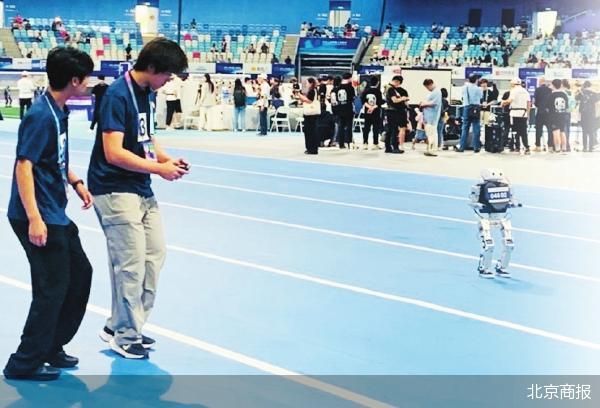
二季度招聘职位增速近400% 人形机器人人才缺口如何补
Bei Jing Shang Bao· 2025-08-18 14:35
Group 1 - The first global humanoid robot sports event showcased the evolution of humanoid robots from performance to competition and practical applications, highlighting a significant increase in demand for technical talent in this field [2][5] - Job postings in the humanoid robot sector surged by 398.1% year-on-year in Q2 2025, indicating a strong market demand for skilled professionals [3][4] - The most sought-after positions include algorithm engineers and mechanical design engineers, with job postings for these roles increasing by 479% and 239% respectively in the first five months of 2025 [3][4] Group 2 - The current state of the robot industry is characterized by a focus on technology research and scenario validation, with a pressing need for talent in technical development and system optimization [4][8] - The average monthly salaries for top technical positions in the robot industry are reported as follows: algorithm engineers at 25,368 yuan, navigation engineers at 21,066 yuan, and mechanical design engineers at 15,266 yuan [4] - The integration of competitions into educational frameworks is seen as a way to enhance practical learning and align educational outcomes with industry needs, fostering a better match between talent supply and demand [7][8]
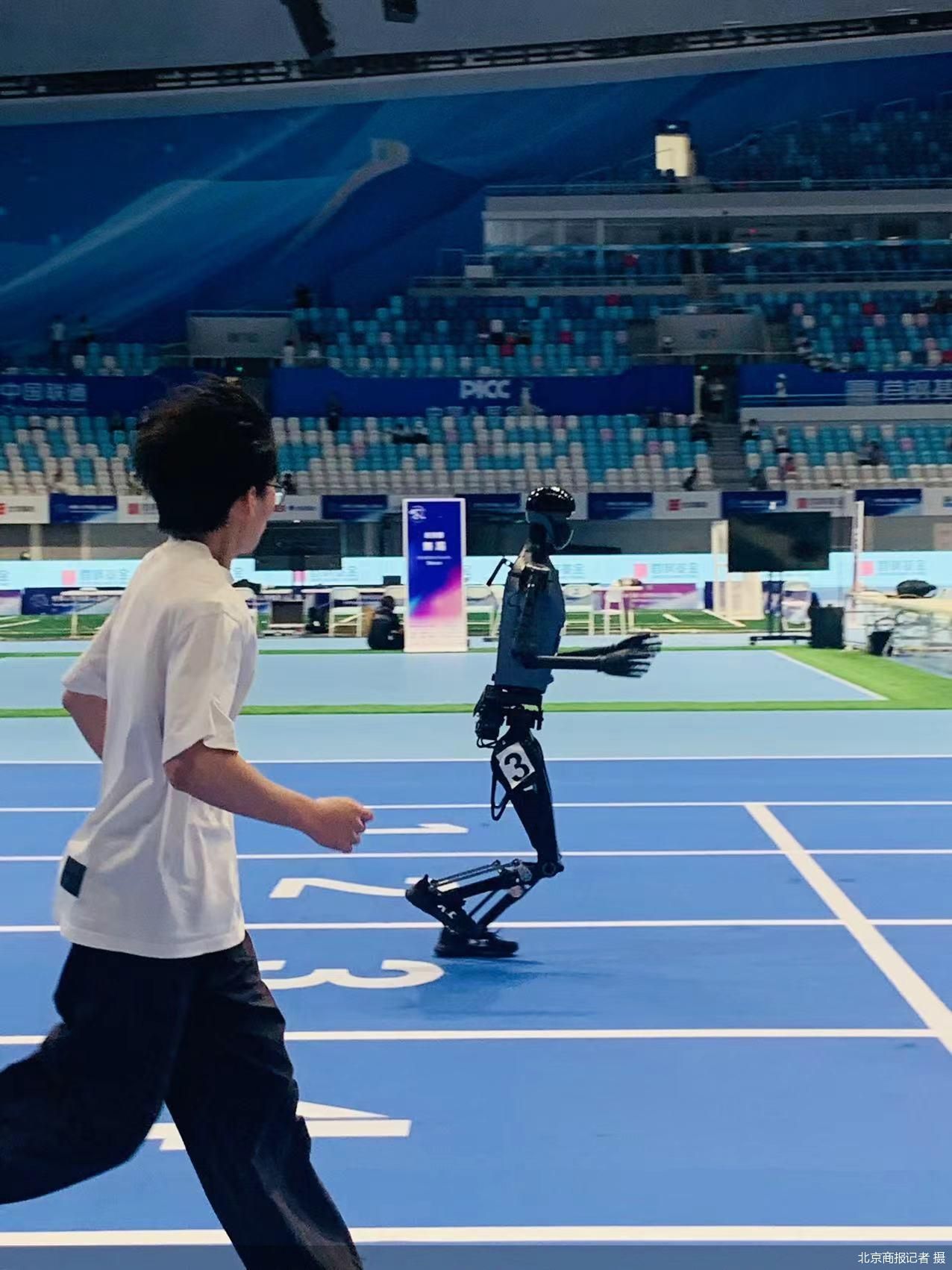
校园引擎点燃就业育人星火:掌上大学的产教融合破圈之路
Sou Hu Wang· 2025-08-18 10:08
Core Insights - The article discusses the integration of education and industry through the initiatives of Zhangshang University, which has been active in the higher education market for 11 years and has partnered with the Ministry of Education's employment project [1][13] - The company aims to create a closed-loop ecosystem of "teaching-practice-employment" by leveraging its extensive network of 2,800 universities and 80,000 student agents [1][13] Talent Development - The "Jingshi Linghang, Guanpei Yingcai" project in collaboration with Shenyang University of Technology breaks traditional teaching frameworks by incorporating real business cases into the classroom, allowing students to acquire hard skills through simulated campus market operations [3] - This model aligns course content with workplace demands, enhancing the relevance of education to real-world job requirements [3] Internship and Practical Training - The employment internship base emphasizes "scenario-based growth," with initiatives like the "AIGC-driven New E-commerce Talent Base" at Wenzhou University, where interns engage in real e-commerce operations [3] - The program also includes financial support for training and a "dual mentor system" to facilitate smoother transitions from education to employment [3] Human Resource Enhancement - The human resource enhancement project focuses on "two-way breaking barriers," with regular exchanges between university faculty and corporate staff to share insights and data on employment trends [6] - This collaboration aims to develop a talent pool that understands both campus dynamics and professional requirements [6] Replicable Models - The implementation of the Ministry of Education project has led to the creation of a replicable cooperation model, as seen in the partnership with Hubei University of Economics to establish a "Digital Intelligence Training Base" [8] - This model combines online and offline operations, allowing students to gain hands-on experience in data analysis and intelligent marketing [8] Customization of Educational Solutions - The company emphasizes the importance of customized solutions tailored to the unique characteristics of each university, rather than a one-size-fits-all approach [11] - Successful examples include case-based teaching at Shenyang University of Technology and scenario internships at Wenzhou University, which activate the ecological potential of universities [11] Ongoing Collaborations - As of now, Zhangshang University has established stable partnerships with multiple universities, and the outcomes of the Ministry of Education's supply-demand matching project continue to deepen [13] - The company plans to further enhance university-industry cooperation, transitioning from simple connections to a symbiotic relationship that supports high-quality employment for graduates [13]