绿色化

Search documents
九牧进化论:一场AI时代下的卫浴重构
36氪· 2025-06-13 13:32
Core Viewpoint - The article discusses the transformative impact of AI on the bathroom industry, highlighting how leading companies like Jomoo are integrating AI to redefine user experiences and drive innovation in the sector [1][3][4]. Group 1: AI and Industry Transformation - The AI revolution is reshaping the manufacturing landscape, moving from traditional mass production to intelligent customization across various sectors, including automotive and home appliances [4][5]. - Jomoo is leveraging AI to enhance bathroom experiences, integrating technology to create a more interactive and health-conscious environment [7][12]. Group 2: Scene-based Innovation - The concept of "scene" is becoming central to the bathroom industry, shifting from mere functionality to creating immersive user experiences [9][12]. - Jomoo's AI BATH initiative introduces innovative scenarios like smart toilets and showers that adapt to user preferences, enhancing emotional well-being and health monitoring [12][14]. Group 3: Home Appliance Integration - The bathroom industry is transitioning towards "home appliance" standards, with AI-driven products becoming essential for modern living [15][18]. - Jomoo's smart toilet technology exemplifies this shift, offering features that enhance user comfort and hygiene while integrating seamlessly into the smart home ecosystem [20][21]. Group 4: Health and Wellness Focus - The bathroom space is positioned as a critical area for health monitoring, with AI enabling continuous data collection and health management [22][25]. - Jomoo's innovations in health monitoring through smart toilets illustrate the potential for preventative health care within everyday routines [26][27]. Group 5: Sustainability and Green Manufacturing - The manufacturing sector is increasingly prioritizing green practices, with AI and digital technologies driving efficiency and sustainability [30][33]. - Jomoo's green manufacturing initiatives demonstrate a commitment to reducing environmental impact while enhancing production efficiency [33][36]. Group 6: International Expansion - Chinese brands, including Jomoo, are expanding globally, focusing on technology, brand building, and cultural integration to compete in international markets [37][40]. - Jomoo's strategic acquisitions and participation in international design exhibitions highlight its ambition to redefine the global bathroom industry [40][42]. Group 7: Future Directions - The future of the bathroom industry is characterized by a convergence of AI, health, sustainability, and user-centric design, positioning companies like Jomoo at the forefront of this evolution [44][45]. - The integration of AI into everyday products is expected to create a more intelligent and responsive living environment, enhancing overall quality of life [45].

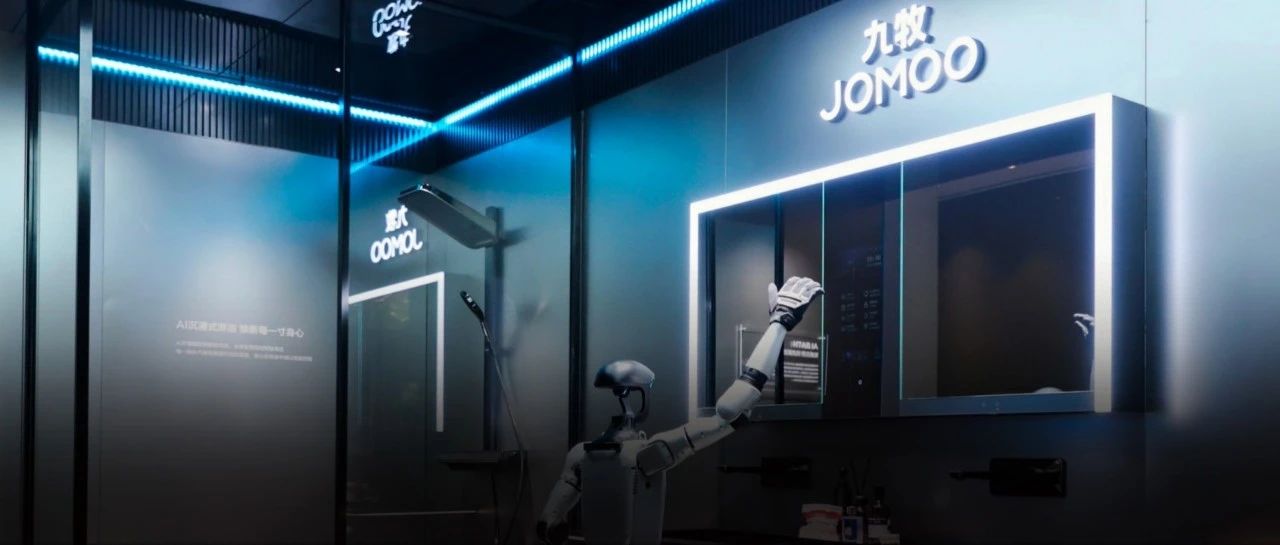
九牧进化论:一场AI时代下的卫浴重构
36氪· 2025-06-13 13:31
Core Viewpoint - The article discusses the transformative impact of AI on the bathroom industry, highlighting how leading companies are integrating AI to redefine user experiences and operational efficiencies in the next decade [1][3][4]. Group 1: AI and Industry Transformation - The integration of AI into manufacturing is reshaping the entire value chain, moving from "mass production" to "intelligent customization" [4]. - AI is recognized as a key tool for enhancing the resilience of China's manufacturing sector, which has evolved significantly over the past decade [3][4]. - Companies like Haier and BYD are leveraging AI to innovate and improve efficiency, while bathroom industry leaders like JOMOO are exploring deep integration of AI into their products [1][3]. Group 2: The Five Transformations in the Bathroom Industry - The bathroom space is undergoing a "five transformations" revolution: scenario-based, appliance-like, health-oriented, green, and international [7][44]. - Scenario-based transformation focuses on creating immersive user experiences rather than just functional products, with JOMOO leading the way in this shift [9][12]. - The appliance-like transformation indicates a shift towards smart bathroom products that integrate seamlessly into the home ecosystem, similar to traditional home appliances [15][21]. Group 3: Health and Sustainability - The health-oriented transformation emphasizes the bathroom's role in health monitoring, with JOMOO's AI-enabled products capable of conducting health assessments through daily activities [22][26]. - Sustainability is becoming a core competitive advantage, with companies adopting green manufacturing practices to meet global standards and consumer expectations [30][33]. - JOMOO's green factories demonstrate significant energy savings and reduced emissions, showcasing the potential for sustainable practices in the bathroom industry [33][36]. Group 4: International Expansion - Chinese bathroom brands are increasingly focusing on international markets, with JOMOO leading efforts to establish a global presence through acquisitions and strategic partnerships [37][40]. - The company's participation in international design exhibitions and its expansion into Southeast Asia reflect a commitment to enhancing brand recognition and market share abroad [42][43]. - The global competition is intensifying, with JOMOO positioning itself as a formidable player against established international brands [43].
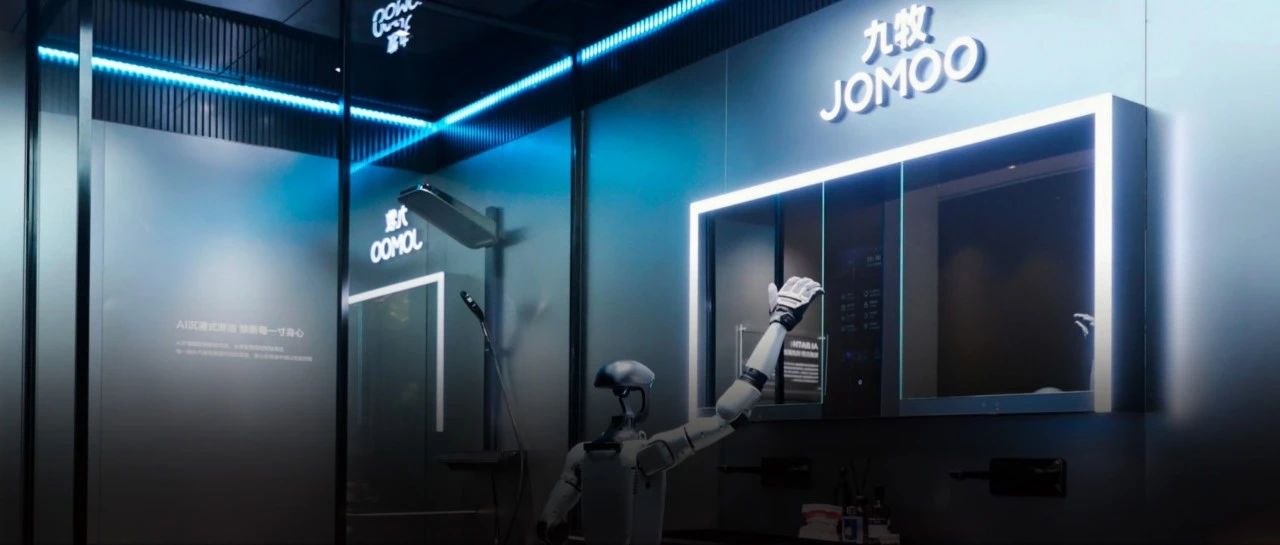
电子化学品国产化正当时
Zhong Guo Hua Gong Bao· 2025-06-13 03:06
Core Viewpoint - The electronic chemicals industry in China is experiencing significant advancements in domestic production capabilities, particularly in high-end products, driven by policy support and market demand, while still facing challenges in certain areas of technology and material sourcing [2][3][4]. Group 1: Industry Development - The domestic production rate of electronic chemicals has increased, with notable progress in photoresists and wet electronic chemicals, although high-end products still rely heavily on imports [3]. - Companies like Nanda Optoelectronics and Tongcheng Electronics have achieved breakthroughs in the research and production of KrF and ArF photoresists, leading to substantial increases in revenue and profit [3]. - The overall domestic production rate for wet electronic chemicals is around 50%, but advanced processes below 28nm still depend on imports [3]. Group 2: Green and Intelligent Transformation - The industry is shifting towards green and intelligent production methods, with innovations such as Intel's chemical recycling network and Sumitomo Chemical's low-temperature vacuum distillation technology for photoresist recovery [4][5]. - New technologies are being developed to reduce energy consumption in the production of high-purity chemicals, which accounts for approximately 60% of chemical energy consumption [4]. Group 3: Collaborative Innovation and Industry Clusters - The electronic chemicals industry exhibits clear clustering characteristics, with regions like the Yangtze River Delta forming alliances to enhance collaboration between upstream and downstream sectors [6][7]. - Shanghai is taking strategic steps to address critical challenges in electronic chemicals, while Jiangsu and Zhejiang are nurturing strong leading enterprises in photoresists and wet electronic chemicals [7]. - Internationally, regions like Germany are also demonstrating industrial clustering through integrated production and resource recycling initiatives [7].
首条双超宽机架宽厚板生产线在周口钢铁全线贯通 轧机之王又拿世界第一
He Nan Ri Bao· 2025-06-13 00:07
Core Viewpoint - The successful commissioning of the world's first "5600mm+5500mm dual ultra-wide frame" thick plate production line at Zhoukou Steel marks a significant advancement in high-end steel manufacturing, positioning the company among the global leaders in the industry [1][2]. Group 1: Production Capabilities - The new production line can roll plates up to 5300mm wide and 300mm thick, breaking through the bottleneck in ultra-wide specialty steel plate production [2]. - The dual-frame production model enhances daily production capacity by over 50%, enabling a full range of thickness specifications from 6mm to 300mm [1][2]. Group 2: Technological Advancements - The integration of advanced automation control systems, real-time data analysis software, and machine learning algorithms allows for comprehensive intelligent monitoring and management throughout the production process [2]. - The introduction of heat treatment furnaces and supporting equipment significantly increases the technical content of the products, enabling the production of high-strength steel, high-grade container steel, and wear-resistant materials [2]. Group 3: Market Positioning and Future Outlook - Zhoukou Steel is leveraging its advantages in inland river shipping to target the high-end plate market, with production orders already scheduled through August, indicating strong market demand [3]. - The overall upgrade of the production line is expected to elevate the entire thick plate industry in Henan Province, creating a synergistic effect that enhances competitiveness [3].
以“创新驱动发展新动能”锻造能源新标杆——黄陵矿业的“智”“绿”革命
2 1 Shi Ji Jing Ji Bao Dao· 2025-06-12 01:19
Core Viewpoint - The traditional coal industry is facing unprecedented challenges due to global energy transition and carbon neutrality goals, yet Huangling Mining Company has achieved significant growth, with a projected 8.7% increase in coal production for 2024 and power generation exceeding 10 billion kWh, while reducing coal production costs by nearly 23 yuan/ton [1] Group 1: Technological and Green Innovations - Huangling Mining has redefined survival rules in the coal industry through a dual focus on "intelligent and green" initiatives, achieving a new paradigm for high-quality industrial development [2] - The company has undergone five iterations of technological revolution since 2014, achieving over 80% automation in its production lines, with 84 patents and 8 software copyrights obtained in 2024 [2] - The implementation of intelligent inspection robots has significantly reduced underground risks, while real-time carbon monitoring systems have led to a noticeable decrease in energy consumption per ton of coal produced [2] Group 2: Waste Management and Ecological Restoration - Huangling Mining has developed a unique "gangue recycling chain" and ecological restoration economics, achieving zero waste discharge and creating a green closed-loop system [3] - The company has transformed waste rock piles into green-covered mining areas through comprehensive management, and a project converting coal gangue into ceramic particles is expected to generate an annual output value of approximately 90 million yuan [3] Group 3: Talent Development and Organizational Structure - The company boasts a professional workforce with 545 technical personnel, including 46 with senior titles, and a significant proportion of young leaders, with 61.5% of newly appointed cadres being born in the 1980s [3] - In 2024, Huangling Mining produced three industry skill masters and several award-winning professionals, reflecting its commitment to talent development [3] Group 4: Future Development and Strategic Initiatives - Huangling Mining is focusing on industrial chain integration and digital services, aiming to enhance energy efficiency and create a robust industrial ecosystem [4] - The company is advancing its coal-electricity integration strategy, with significant projects underway that will increase its total installed power capacity to 6,320 MW, generating over 30 billion kWh annually [4] - The establishment of a digital service platform is set to enhance operational efficiency and decision-making processes, marking a significant step towards a smart mining future [5][6]
13国驻华使节点赞辽宁石化“绿智”升级
Zhong Guo Xin Wen Wang· 2025-06-11 07:43
Core Viewpoint - The visit of diplomats from 13 countries to Liaoning highlights the province's advancements in the petrochemical industry, particularly in automation and green technology, showcasing its potential for international collaboration in the chemical sector [1][3][4] Group 1: Industry Overview - Liaoning Province is a significant petrochemical base in China, projected to achieve over 1 trillion RMB in revenue for the fourth consecutive year in 2024 [1] - The province is unique in its ability to process multiple sources of crude oil, including domestic, Russian, and imported offshore oil [1] Group 2: Technological Advancements - The Hengli Petrochemical Industrial Park on Changxing Island is a leading global PTA production base, recognized for its advanced technology and energy efficiency, and is one of the first national-level green factories [3] - The Changxing Island Fine Chemical Innovation Park hosts 32 enterprises working on projects that fill domestic gaps, including biodegradable plastics and new energy battery solvents [3] Group 3: International Collaboration - Diplomats expressed interest in the high level of automation observed during their visit, noting the absence of workers in production areas, which contrasts with practices in other countries [3] - The visit served as a platform for cross-national technological collaboration and sharing of development outcomes in the petrochemical sector, with a focus on sustainable development and environmental protection [4]
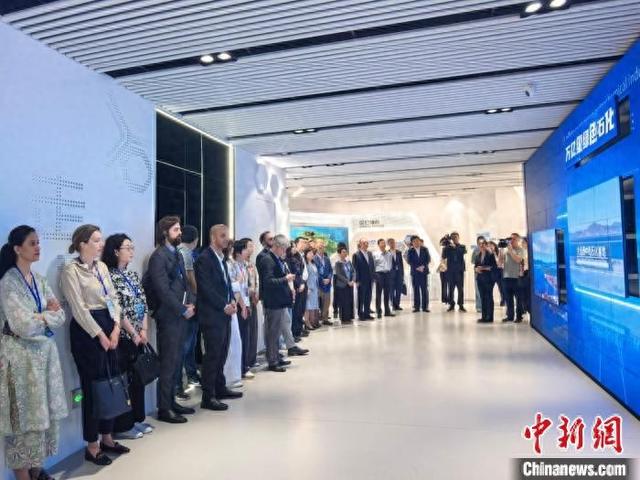
智能化、全球化、绿色化三大趋势重塑可选消费板块竞争格局
Mei Ri Jing Ji Xin Wen· 2025-06-11 03:11
Group 1 - The Shanghai Composite Index opened up 0.02% and the ChiNext Index rose by 0.34%, with strong performance in automotive parts, smart agriculture, and AI medical concept stocks, while seed industry and new consumption themes weakened [1] - The domestic policy toolbox is actively responding to external pressures, with the 2025 trade-in subsidy fund doubling to 300 billion yuan, expanding from 8 to 12 categories, including new additions like microwave ovens and water purifiers [1] - The policy emphasizes "online and offline equality," aiming to activate consumption potential in lower-tier markets, with home appliance trade-in sales surpassing 55 million units during the May Day holiday [1] Group 2 - The investment logic in the home appliance sector is shifting from "total growth" to "structural upgrade," with short-term support from domestic trade-in policies and a gradual pricing of export chain risks [1] - Long-term trends of intelligence, globalization, and greening are expected to reshape the competitive landscape of the industry, requiring investors to dynamically grasp industrial changes [1] - The optional consumption ETF closely tracks the CSI All-Share Optional Consumption Index, with top five constituent stocks including Midea Group, BYD, Gree Electric Appliances, and Haier Smart Home, with automotive and home appliances accounting for over 78% [2] - As the national economy continues to improve, disposable income per capita is rising, leading consumer spending to shift from food and clothing to transportation, healthcare, and consumer electronics, highlighting the investment value of the optional consumption sector [2]




蒋艳:我国产业转移呈现智能化、绿色化特点 内蒙古积极赢得发展先机
Xin Hua Cai Jing· 2025-06-10 11:02
Group 1 - The core viewpoint of the article emphasizes the characteristics of industrial transfer in China, highlighting the shift from labor-intensive to capital and technology-intensive industries, particularly in the central and western regions [1] - The article notes that the transfer of industries is effectively driving industrial upgrades and value chain elevation, with significant movements in sectors such as steel, non-ferrous metals, petrochemicals, food processing, and new energy [1] - The importance and urgency of promoting industrial transfer are underscored, as it relates to enhancing the resilience and security of supply chains, building a modern industrial system, and constructing a new development pattern [1] Group 2 - Inner Mongolia is identified as a region with significant resource advantages, including abundant wind and solar energy, rich coal resources, and leading rare earth reserves, which can facilitate a new landscape for industrial transfer [2] - The region's agricultural strength is highlighted, with Inner Mongolia being one of the main grain-producing areas in China, and key industrial chains in dairy, meat, and other sectors exceeding a total output value of 700 billion yuan [2] - The development of the bio-manufacturing industry in Inner Mongolia is noted, focusing on a modern industrial structure that includes biopharmaceuticals and traditional Mongolian medicine [2] Group 3 - The article suggests that Inner Mongolia should actively integrate into national strategies, leveraging its development logic and industrial foundation to clarify key directions for industrial transfer [3] - It emphasizes the need to strengthen border advantages, promote trade-logistics-industry coordination, and enhance port construction and cross-border cooperation [3] - The article calls for improvements in infrastructure, including parks and new infrastructure, to enhance capacity for industrial transfer and create a favorable business environment [3]
本钢板材(000761) - 2025年6月6日投资者关系活动记录表
2025-06-09 07:46
Group 1: Company Operations and Strategy - The company is currently negotiating the asset replacement plan, with no final decisions on asset scope or pricing yet [1] - The self-sufficiency rates for coke and iron ore are approximately 60% for iron ore, with a focus on long-term coal procurement from major coal-producing regions [1] - The sales network covers major economic regions in China, with future focus on strategic products like automotive steel, energy steel, and high-end steel [2] Group 2: Market Development and Innovation - The company has established a technical service team to support new product development by collaborating with key enterprises [2] - Partnerships with universities and research institutes are being leveraged to enhance early-stage involvement in new product technologies [2] - Strategic cooperation with Ansteel Group is facilitating entry into new fields and industries for product development [2]

全球快消品市场格局演变白皮书-RUNINDA&LI
Sou Hu Cai Jing· 2025-06-09 02:30
Industry Overview - Fast-Moving Consumer Goods (FMCG) are defined as products with high consumption frequency and short usage duration, including personal care, home care, food and beverages, and tobacco [1][2] - The FMCG industry is a significant part of the economy, with stable demand projected to grow in China, reaching 81,761 billion yuan by 2025 [1][21] Market Status - The global FMCG market is expected to grow from $12.8 trillion in 2023 to $17.5 trillion by 2030, with China's market size reaching 68,072 billion yuan in 2023 [2][21] - Growth drivers include increased consumer purchasing power and the rise of e-commerce, while traditional categories face saturation and demand fluctuations [2][22] - Regional differences are notable, with rapid growth in the Asia-Pacific region and a mature market in Europe and the U.S. focusing on quality and sustainability [2][24] Consumer Demand Trends - Consumer demand is characterized by three main trends: health consciousness (55% preference for low-sugar, low-salt products), personalization (15% sales from customized skincare by L'Oréal), and convenience (12% growth in ready-to-drink coffee) [2][24][29] Development Trends - Health and sustainability are driving product innovation, with companies investing in health product development and biodegradable packaging [2][31][34] - Digitalization and smart technologies are enhancing marketing precision and supply chain efficiency, with companies like Perfect Diary leveraging big data for improved customer retention [2][36][37] - The integration of online and offline channels is becoming prevalent, with O2O models and instant retail gaining traction [2][29] Competitive Landscape - Leading companies dominate the market through brand strength, channel access, and supply chain efficiency, while emerging brands are carving niches through targeted marketing [3][21] - Cross-industry collaborations are emerging as a trend, enhancing customer engagement and retention [3][21] Corporate Strategies and Future Outlook - Companies are focusing on product innovation, brand building, channel expansion, and supply chain optimization to capture growth opportunities [3][5] - Future industry transformation will be driven by technological advancements, with AI and blockchain enhancing operational efficiency and product quality [3][5]