制度型开放

Search documents
特稿丨续写高质量发展的共赢故事——“与中国同行”的世界期待
Xin Hua Wang· 2025-10-27 06:11
Group 1 - The core message emphasizes China's commitment to high-quality development as a central theme for the upcoming five years, aiming to create a new chapter in economic growth and social stability [1] - The "14th Five-Year Plan" outlines significant goals for technological innovation, aiming to enhance self-reliance and establish a modern industrial system, which is expected to attract global interest [2][3] - China's advancements in various sectors, including artificial intelligence and renewable energy, are anticipated to provide new opportunities for global markets and enhance international cooperation [3][6] Group 2 - The plan includes expanding high-level opening-up policies, which will create a cooperative and win-win environment for international trade and investment [5][6] - China's market is becoming increasingly integrated with global resources, as evidenced by the growing presence of international products in Chinese consumer markets [5] - The commitment to sustainable development and innovation in sectors like digital economy and green finance is expected to foster a more balanced and inclusive international economic landscape [6][9] Group 3 - The global community expresses optimism about China's role in stabilizing the world economy, particularly through its strategic planning and policy consistency [9] - China's economic resilience and potential are highlighted as key factors that will contribute to global development and innovation [8][9] - The collaboration between China and other countries is seen as essential for achieving shared prosperity and addressing global challenges [7][9]
党的二十届四中全会精神学习体会:加快高水平科技自立自强,推动高质量发展上新台阶
Chengtong Securities· 2025-10-27 06:03
Group 1: Economic Development Strategy - The "15th Five-Year Plan" period is crucial for achieving socialist modernization, emphasizing the need for continuous effort and progressive development[11] - The meeting highlighted the importance of maintaining a stable economic foundation, with strengths in the economy, resilience, and potential for long-term growth[12] - The goal is to achieve significant progress in high-quality development, with a focus on technological self-reliance and strengthening the real economy[14] Group 2: Technological Innovation and Self-Reliance - The emphasis is on accelerating high-level technological self-reliance to lead new productive forces, moving from merely having technology to achieving excellence and leadership[21] - Policies will focus on breaking through key core technologies and enhancing original innovation to seize future technological competition[22] - The aim is to create a robust national innovation system capable of producing disruptive technological achievements[21] Group 3: Domestic Demand and Economic Circulation - The strategy includes expanding domestic demand and strengthening the domestic economic cycle, with specific measures to enhance consumer spending and investment in human capital[23] - The focus is on creating a closed-loop logic between improving people's livelihoods and promoting consumption[24] - The meeting called for breaking down barriers to building a unified national market to unleash domestic demand potential[25] Group 4: High-Level Opening Up - The meeting stressed the need to expand high-level opening up and maintain a multilateral trade system, promoting reform and development through openness[27] - China aims to deepen institutional opening up, enhancing its economic resilience and competitiveness by aligning with international high standards[27] Group 5: Common Prosperity and Social Welfare - The meeting emphasized increasing efforts to improve people's livelihoods and advance common prosperity, ensuring coverage for all citizens[28] - Policies will focus on basic public services and strengthening social security for vulnerable groups[28] - The real estate sector is shifting towards high-quality development, focusing on meeting people's needs and improving product quality[28]
特稿|续写高质量发展的共赢故事——“与中国同行”的世界期待
Xin Hua She· 2025-10-27 05:40
Group 1 - The core message emphasizes China's commitment to high-quality development as a key theme for the upcoming five years, aiming to create a new chapter in economic growth and social stability [1] - The global community views China's development as an opportunity, with expectations for collaboration in high-quality growth during the 14th Five-Year Plan period [1][2] - China's focus on technological innovation and the establishment of a modern industrial system is anticipated to enhance its global competitiveness and provide new opportunities for international cooperation [2][3] Group 2 - The report highlights China's ongoing efforts to expand high-level opening-up, which is expected to inject continuous benefits into the global economy [5][6] - China's market is becoming increasingly integrated with global resources, as evidenced by the growing presence of international products in Chinese consumer markets [5] - The establishment of new open ports and the reduction of foreign investment restrictions are part of China's strategy to create a more competitive open economy [5][6] Group 3 - The article discusses the significant investments by multinational companies in China, such as Sanofi's €1 billion investment in an insulin production facility, reflecting confidence in China's long-term economic prospects [7] - Experts believe that China's strategic planning and policy stability are crucial for global economic stability, especially in uncertain external environments [8][9] - The 14th Five-Year Plan is seen as a framework that will enhance resource allocation efficiency and contribute to global development and innovation [9]
中国开放新布局释放全球发展新红利
Yang Shi Xin Wen Ke Hu Duan· 2025-10-27 03:28
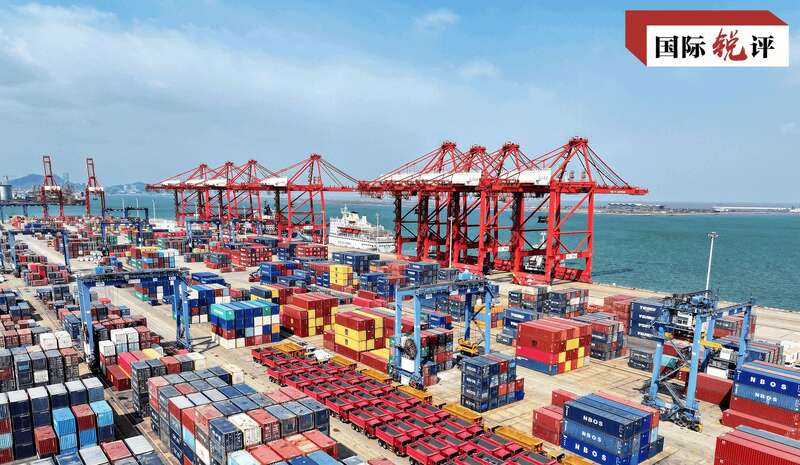
Core Viewpoint - China is committed to expanding high-level openness and sharing its development experiences with the world, emphasizing a modernized approach that seeks common prosperity [1][3]. Group 1: Economic and Trade Developments - The 20th Central Committee's Fourth Plenary Session approved the 15th Five-Year Plan, highlighting the importance of expanding high-level openness and creating a win-win cooperation environment [1]. - China has maintained its position as the world's largest goods trading nation for eight consecutive years, with foreign investment exceeding expectations during the 14th Five-Year Plan period [1][3]. - The country aims to share opportunities with the global community, leveraging its large market potential, which includes over 1.4 billion people and a growing middle-income group [3][4]. Group 2: Institutional and Regulatory Changes - China's openness now includes not only the flow of goods and factors but also the opening of rules, regulations, management, and standards, reflecting a high level of institutional openness [4]. - The government plans to reduce technical barriers and institutional costs to facilitate trade, creating a more transparent and predictable environment for foreign enterprises [4][6]. - Over the past five years, more than 240,000 new foreign enterprises have been established in China, indicating a strong long-term commitment from foreign companies [4]. Group 3: Global Leadership and Governance - China is shifting from a follower to a leader in global openness, actively choosing the fields, pace, and methods of its expansion [6]. - The country emphasizes maintaining a multilateral trade system and contributing to global governance through initiatives like the Belt and Road Initiative [6][7]. - China's approach aims to enhance global cooperation and ensure that development benefits are shared among all nations, reinforcing its role in the international community [6][7].

国际锐评丨中国开放新布局释放全球发展新红利
Yang Shi Xin Wen Ke Hu Duan· 2025-10-27 02:09
"中国不仅通过长期规划分享了'中国之治'的经验,也向世界表明,中国追求的是共同繁荣的现代化。"在中共二十届四中全会公报发布后,美中合作基金会 执行主席约翰·米勒-怀特与《国际锐评》交流了看法。全会审议通过了《中共中央关于制定国民经济和社会发展第十五个五年规划的建议》,并对"十五 五"时期扩大高水平对外开放作出专章部署,强调开创合作共赢新局面。国际媒体评价称,这彰显了中国持续推进高水平开放的承诺。 (国际锐评评论员) 对于外企来说,尤其关心未来在中国的发展前景。"十五五"时期,中国将落实好"准入又准营",营造透明、稳定、可预期的制度环境。随着中国进一步降低 市场准入门槛、扩大相关领域开放、全面落实国民待遇,外企将更加真切地感受到"不是外来客,而是一家人"。事实上,过去五年,中国新设外企24万多 家、跨国公司地区总部和研发中心明显增多,正是外企对中国市场投下的长期票。 更重要的是,如果说过去中国的开放是"跟跑",那么现在则是要"领跑"。全会公报指出,要积极扩大自主开放。也就是说,兼顾中国之需与世界之盼,自主 选择开放的领域、节奏和方式。从把握世界发展大势、加快推进服务业扩大开放,到积极扩大高标准自贸区网络,再到开 ...
纵深推进粤港澳大湾区建设
Jing Ji Ri Bao· 2025-10-25 22:16
Core Viewpoint - The construction of the Guangdong-Hong Kong-Macao Greater Bay Area (GBA) is a significant national strategy aimed at fostering high-quality development and enhancing the practice of "one country, two systems" [1][2]. Development Stages - The development of the GBA can be divided into three stages: 1. Strategic planning phase (2017-2019) marked by the signing of the framework agreement and the issuance of the development plan [2]. 2. Comprehensive implementation phase (2019-2022) characterized by the introduction of supporting policies across various sectors [3]. 3. In-depth promotion phase (2023-present) where the GBA is positioned as a strategic support for new development patterns and high-quality development [3]. Economic and Open Reform - The GBA focuses on deepening reforms and expanding openness, enhancing internal economic connections, and promoting high-level external openness [4]. - Guangdong has been recognized for four consecutive years as having the best business environment in China [4]. - The region has over 290,000 enterprises, with foreign trade expected to exceed 9 trillion yuan in 2024, maintaining its position as the top in the country for 39 years [4]. Technological and Industrial Development - The GBA is fostering a new quality of productivity through industrial and technological synergy, with significant advancements in strategic emerging industries [5]. - The region has established nine major technological infrastructures and has seen a continuous rise in innovation capabilities, with Guangdong leading the nation in innovation for eight consecutive years [5]. Connectivity and Integration - The GBA is enhancing both "hard" and "soft" connectivity, with a focus on infrastructure and regulatory alignment to facilitate efficient flow of resources and services [6][7]. - The "one-hour living circle" has been largely established, improving transportation and accessibility across the region [15]. Talent Pool and Education - The GBA is actively building a talent pool through various initiatives, with significant numbers of skilled professionals and students from Hong Kong and Macau participating in the local economy [11]. - Collaborative projects between universities and enterprises are fostering innovation and entrepreneurship, with substantial funding allocated for talent development [11][12]. Financial Ecosystem - The GBA is developing a robust investment ecosystem, with a significant increase in venture capital and private equity funding supporting technological innovation [13]. - Shenzhen, Guangzhou, and Hong Kong are leading in risk capital investments, with a focus on sectors like smart manufacturing and biomedicine [13]. Quality of Life and Public Services - The GBA is committed to creating a high-quality living environment, with improvements in public services, social security, and cultural exchanges [14][19]. - Initiatives like "Bay Area Social Security" and "Bay Area Medical Access" are enhancing the quality of life for residents across the region [16][17].
“十五五”这样干!一组图带你了解未来五年重点任务
Yang Shi Xin Wen Ke Hu Duan· 2025-10-25 12:20
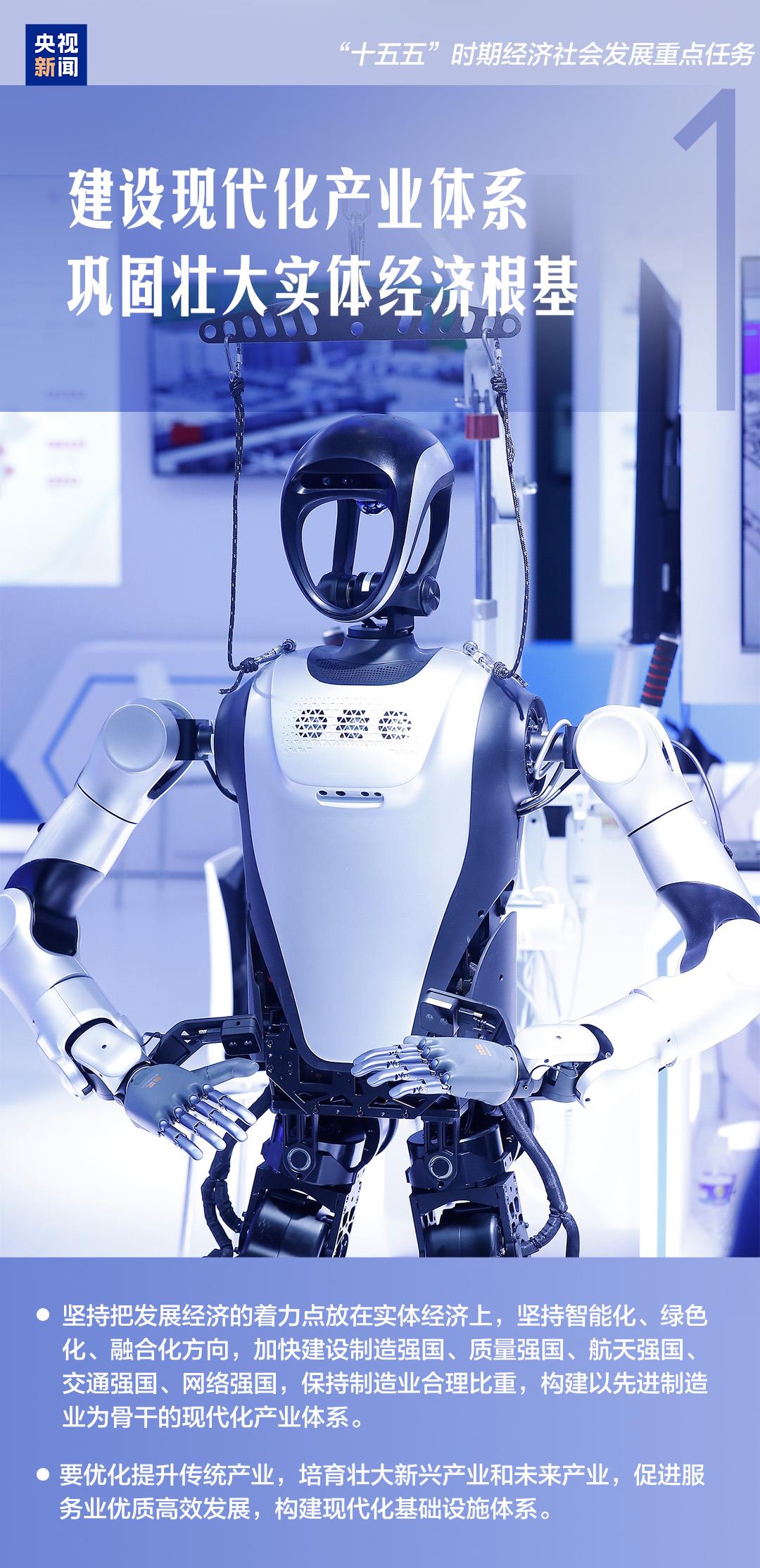
Group 1 - The core focus during the "Fifteen Five" period is to strengthen the foundation for socialist modernization and to fully exert efforts in economic and social development [1][5] - Emphasis on developing the real economy, with a focus on intelligent, green, and integrated directions, aiming to build a strong manufacturing nation and a modern industrial system [5][10] - The strategy includes optimizing traditional industries, nurturing emerging industries, and promoting high-quality development in the service sector [5][7] Group 2 - The plan aims to seize opportunities from the new round of technological revolution and industrial transformation, enhancing the national innovation system and self-innovation capabilities [7][10] - There is a strong emphasis on original innovation and tackling key core technologies, integrating technological and industrial innovation [7][10] Group 3 - The strategy includes expanding domestic demand as a strategic basis, promoting consumption and investment, and ensuring a positive interaction between supply and demand [11][14] - Efforts will be made to boost consumption and effective investment while removing barriers to the construction of a unified national market [11][14] Group 4 - The plan calls for expanding high-level opening-up and maintaining a multilateral trade system to enhance international circulation [13][16] - It emphasizes the importance of self-initiated opening-up and promoting trade innovation and high-quality cooperation in the Belt and Road Initiative [17][16] Group 5 - The focus is on modernizing agriculture and rural areas, ensuring the integration of urban and rural development, and enhancing agricultural production capacity [18][22] - The strategy aims to consolidate and expand the achievements of poverty alleviation and improve living conditions in rural areas [22][24] Group 6 - The plan includes promoting cultural innovation and development, enhancing the influence of Chinese culture, and fostering a strong cultural identity [25][28] - It emphasizes the importance of Marxism in the ideological field and the promotion of socialist core values [28][31] Group 7 - The strategy aims to improve people's livelihoods and promote common prosperity, addressing urgent issues faced by the populace [27][31] - It includes enhancing employment quality, improving income distribution, and ensuring access to quality education and social security [31][32] Group 8 - The plan focuses on achieving a comprehensive green transformation and building a beautiful China, emphasizing ecological safety and sustainable development [32][35] - It aims to promote carbon neutrality and establish a new energy system while enhancing green development momentum [35][32] Group 9 - The strategy includes modernizing the national security system and capabilities, ensuring social order and vitality [34][38] - It emphasizes the importance of a comprehensive national security strategy and improving public safety governance [38][41] Group 10 - The plan aims for high-quality advancement of national defense and military modernization, adhering to the leadership of the Communist Party [39][41] - It includes enhancing combat capabilities and modernizing military governance [41][42]
数字贸易政策密集出台,中国如何抢占全球贸易新赛道?
Sou Hu Cai Jing· 2025-10-25 03:36
Core Insights - The report titled "2025 Digital Trade Key Policy Compilation (First Edition)" provides a comprehensive overview of national and local policies supporting the innovation and development of digital trade in China, serving as a policy guide for relevant stakeholders [1][2]. National and Local Policies - The report categorizes policies into national and local levels, with national policies issued by the State Council and the Ministry of Commerce, while local policies cover various provinces and cities such as Beijing, Shanghai, and Guangdong [3]. - The implementation timeline of these policies spans from 2020 to 2025, reflecting ongoing updates to adapt to the rapid development of digital trade [3]. Development Goals - Specific quantitative targets are set, such as achieving over 45% of service trade being digitally delivered by 2029, and over 50% by 2035 [3]. - Local governments have also established growth targets for their digital trade sectors [3]. Key Areas of Focus - The policies emphasize four key areas: digital products, digital services, digital technologies, and digital ordering trade, supporting the development of new business models like cross-border e-commerce and service outsourcing [3]. - Critical measures include easing market access, promoting cross-border data flow, enhancing intellectual property protection, and improving fiscal support [3]. Pilot Programs and Regional Focus - Pilot programs are being conducted in regions like Beijing, Shanghai, and Zhejiang, focusing on cross-border data flow and alignment with digital regulations [3]. - Coastal provinces are concentrating on building international hubs, while central and western regions leverage their geographical advantages to develop specialized digital trade sectors [3]. Institutional Support and Resource Allocation - The report highlights the need for legislative and standard-setting efforts in the digital trade sector, alongside establishing monitoring and risk prevention mechanisms [3]. - Resource support is provided through fiscal funding, innovative financial products, and talent development initiatives [3].
“十五五”这样干!一组图速览未来五年的重点任务
Yang Shi Xin Wen· 2025-10-25 02:10
Group 1 - The core focus during the "15th Five-Year" period is to strengthen the foundation for achieving socialist modernization and to fully exert efforts in economic and social development [1] - Emphasis on developing the real economy, with a focus on intelligent, green, and integrated directions, aiming to build a strong manufacturing nation and a modern industrial system [5][10] - The strategy includes optimizing traditional industries, nurturing emerging industries, and promoting high-quality development in the service sector [5] Group 2 - The need to seize opportunities from the new round of technological revolution and industrial transformation, enhancing the national innovation system and self-innovation capabilities [7] - Strengthening original innovation and tackling key core technologies, promoting deep integration of technological and industrial innovation [7] Group 3 - The strategy aims to expand domestic demand as a strategic basis, combining consumer welfare with investment in goods and people, fostering a positive interaction between supply and demand [11] - Efforts to boost consumption and effective investment while removing barriers to national market construction [11] Group 4 - The plan includes expanding high-level opening-up and maintaining a multilateral trade system to enhance international circulation [16] - Promoting trade innovation and expanding bilateral investment cooperation, particularly in the context of the Belt and Road Initiative [17] Group 5 - Addressing agricultural modernization and rural revitalization as a priority, enhancing agricultural production capacity and quality [22][18] - Promoting urban-rural integration and ensuring modern living conditions in rural areas [22] Group 6 - The strategy focuses on optimizing regional economic layout and promoting coordinated regional development [24][21] - Enhancing regional development coordination and promoting spatial development patterns [24] Group 7 - The importance of cultural innovation and the development of socialist culture is highlighted, aiming to enhance the influence of Chinese civilization [28][25] - Promoting the core socialist values and cultural industry development [28] Group 8 - The plan emphasizes improving people's livelihoods and promoting common prosperity, addressing urgent social issues and enhancing quality of life [31][27] - Fostering high-quality employment and improving the social security system [31] Group 9 - The strategy includes advancing ecological transformation and building a beautiful China, focusing on carbon neutrality and ecological safety [35][32] - Promoting pollution prevention and establishing a new energy system [35] Group 10 - The modernization of national security systems and capabilities is a key focus, ensuring social order and governance [38][34] - Strengthening national security capabilities in key areas and improving public safety governance [38] Group 11 - High-quality advancement of national defense and military modernization is emphasized, adhering to the leadership of the Communist Party [41][39] - Accelerating the integration of mechanization, informationization, and intelligence in military development [42]
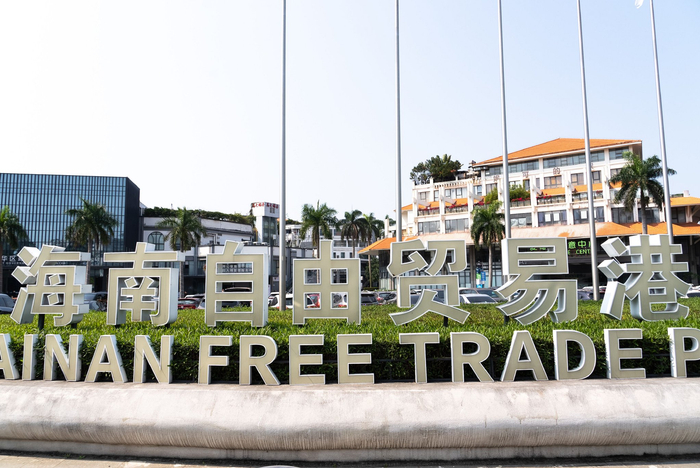
海南自贸港跨境资管试点:六机构抢滩“新蓝海”
Zhong Guo Jing Ying Bao· 2025-10-24 18:54
Core Insights - The establishment of the cross-border asset management pilot program in Hainan Free Trade Port marks a significant transition from institutional design to practical operation, viewed as a key step in China's financial opening towards "institutional opening" [2][3][9] - The pilot program is designed to create a closed-loop channel for "overseas funds - Hainan platform - domestic assets," emphasizing innovation in the operational model rather than scale [2][9] Regulatory Framework - The "Implementation Rules" for the pilot program provide a clear blueprint, allowing foreign investors to invest in various financial products, including wealth management products and private asset management products, with risk levels ranging from R1 to R4 [3][4] - The initial pilot scale is capped at 10 billion yuan, with a dynamic adjustment mechanism in place to manage risks [4][9] Institutional Participation - Six institutions have completed the registration for the pilot program, including two securities firms, two fund management companies, and two banks, indicating a diverse participation from the financial sector [5][6] - The pilot program has already seen rapid business implementation, with initial products launched and operational through local banks [5][6] Market Opportunities - The pilot program opens a new channel for overseas investors to allocate assets in China, enhancing the attractiveness of Hainan as a cross-border financial management center [4][9] - The unique "unilateral proactive opening" model allows global participation without relying on bilateral agreements, broadening the market potential [4][7] Future Development - Experts suggest that Hainan must transition from merely attracting capital flows to establishing regulatory frameworks that enhance its appeal as a global financial hub [10] - Recommendations include upgrading the financial account system, tax incentives for foreign asset management firms, and establishing a cross-border fund flow monitoring platform to ensure compliance and risk management [10]