
新零售

Search documents
华润啤酒(00291.HK):啤酒业务利润率持续提升白酒业务承压
Ge Long Hui· 2025-08-19 18:38
Core Viewpoint - China Resources Beer reported a slight increase in revenue and a significant rise in net profit for the first half of 2025, indicating strong performance in the beer segment despite challenges in the liquor business [1][2]. Financial Performance - For H1 2025, the company achieved revenue of 23.942 billion RMB, a year-on-year increase of 0.8%, and a net profit attributable to shareholders of 5.789 billion RMB, up 23.04% [1]. - The interim dividend declared is 0.464 RMB per share, with a payout ratio of 26% [1]. - The company's net profit margin improved to 24.18%, an increase of 4.36 percentage points year-on-year [3]. Beer Business Growth - The beer segment generated revenue of 23.161 billion RMB in H1 2025, reflecting a 2.6% year-on-year growth, with sales volume reaching 6.49 million tons, up 2.2% [2]. - The average price per ton of beer was 3,570 RMB, a slight increase of 0.4% year-on-year [2]. - High-end beer sales saw significant growth, with over 10% increase in sales for premium and super-premium products, including a more than 20% increase for Heineken and over 70% for Snow Beer [2]. Cost and Margin Analysis - The cost per ton of beer decreased to 1,846 RMB, down 4.1% year-on-year, primarily due to lower raw material prices [2]. - The gross margin for the beer business improved to 48.3%, an increase of 2.5 percentage points year-on-year [2]. - EBIT for the beer segment reached 7.241 billion RMB, a 14% increase year-on-year, with an EBIT margin of 31% after excluding one-time items [3]. Liquor Business Challenges - The liquor segment reported revenue of 0.781 billion RMB, a decline of 33.7% year-on-year, primarily due to weak business demand [2]. - The EBITDA for the liquor business was 0.218 billion RMB, down 47% year-on-year, indicating significant pressure on profitability [2]. Strategic Outlook - The company is focusing on product innovation and channel expansion, including partnerships with major e-commerce platforms, which contributed to a nearly 40% and 50% year-on-year growth in online and instant retail GMV, respectively [2]. - The management remains optimistic about the potential for continued growth in the beer segment, driven by product and channel enhancements [2].

雷军晒出“成绩单”
Shang Hai Zheng Quan Bao· 2025-08-19 14:47
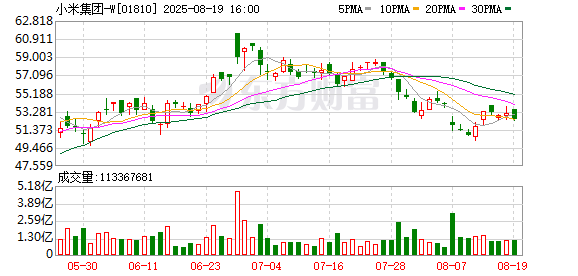
Core Insights - Xiaomi Group reported a total revenue of 116 billion RMB for Q2 2025, marking a year-on-year increase of 30.5%, and net profit reached 11.9 billion RMB, up 134.2% [2][5] - The company achieved historical highs in multiple metrics, including core and innovative business revenues, with operating income growing over 30% for five consecutive quarters [5] Revenue Breakdown - Revenue for Q2 2025 was 115,956.1 million RMB, a 30.5% increase from 88,887.8 million RMB in Q2 2024, and a 4.2% increase from 111,293.3 million RMB in Q1 2025 [8] - Gross profit reached 26,101.0 million RMB, up 41.9% year-on-year, while operating profit surged 128.2% to 13,436.7 million RMB [8] Business Segments Performance - In the smartphone segment, Xiaomi's high-end smartphone sales accounted for 27.6% of total sales in mainland China, a 5.5% increase year-on-year, with significant market share gains in the 4000-5000 RMB and 5000-6000 RMB price segments [10][12] - The automotive division reported revenue exceeding 20 billion RMB, with Q2 deliveries reaching 81,302 units, bringing total deliveries to over 300,000 units as of July 10 [10][12] Home Appliances and R&D - The IoT and lifestyle products segment generated 387 billion RMB in revenue, a 44.7% increase, with smart home appliances growing by 66.2% [12] - R&D investment for Q2 reached 78 billion RMB, a 41.2% increase, with an expected total investment of 300 billion RMB for the year [12] Retail Strategy - Xiaomi plans to expand its retail presence, aiming for 30,000 stores in China and 1,000 overseas stores annually, with a long-term goal of establishing 10,000 overseas Xiaomi stores within five years [13][14]


华润啤酒上半年净利增长23%:新零售合作出拉格爆品,白酒承诺给经销商兜底,将发力100-200元价位
Cai Jing Wang· 2025-08-19 13:36
Core Viewpoint - The high-end beer market still has significant growth potential, and the company will continue to prioritize high-end strategies while also exploring personalized and niche products [1][3][14] Financial Performance - In the first half of 2025, the company reported revenue of RMB 239.42 billion, a year-on-year increase of 0.8% [2] - The company's pre-tax profit and net profit attributable to shareholders were RMB 76.91 billion and RMB 57.89 billion, reflecting year-on-year growth of 20.8% and 23.0% respectively [2] - Beer business revenue reached RMB 231.61 billion, with a year-on-year increase of 2.6% [2] Market Position - The company has surpassed Budweiser APAC in revenue, which declined by 5.6% to USD 31.36 billion (approximately RMB 225.63 billion) in the same period [2] - High-end products such as Heineken, Old Snow, and Red Duke saw sales growth exceeding 20%, 70%, and 100% respectively in the first half of the year [3] New Retail Strategy - The company has experienced significant growth in online and instant retail, with overall transaction value increasing by 40% and 50% year-on-year [5] - Collaborations with major platforms like Alibaba, Meituan, JD.com, and Ele.me have been established to enhance consumer engagement and product development [5] Product Innovation - The company is focusing on flexible supply and personalized products, with new offerings such as 1L craft beers and various flavored lagers [6] - The introduction of local brands and products is seen as a way to meet consumer demand for personalization [7] Industry Trends - The beer industry is witnessing a shift towards high-end and personalized products, while the low-end segment faces challenges from both high-end and budget brands [6] - The company acknowledges the competitive landscape and the need for continuous innovation to maintain market relevance [6][14] Consumer Behavior - Changes in consumer purchasing behavior have been noted, with a shift towards online and instant retail channels, particularly among younger demographics [5][8] - The company is adapting to these changes by enhancing its product offerings and marketing strategies to cater to evolving consumer preferences [5][8]
大量倒闭,商场正在死去?
Xin Lang Cai Jing· 2025-08-19 08:26
Core Viewpoint - The retail landscape is undergoing significant changes, with many traditional shopping malls facing closures due to declining consumer demand and the rise of new retail formats, leading to a bifurcation in the market between thriving and struggling commercial entities [5][6][19]. Group 1: Decline of Traditional Malls - Numerous shopping malls are closing, with at least 38 malls shutting down in 2024, 76% of which have been operating for over 10 years [6][7]. - Major cities like Shanghai are experiencing a negative growth rate in retail sales, with a 3.1% decline in 2025's first quarter [5][7]. - The decline is attributed to consumer downgrading, with retail sales in Shanghai decreasing by 3.1% and in Beijing by 2.7% in 2024 [7][8]. Group 2: Impact of E-commerce and New Retail - The rise of new retail formats, particularly instant retail, is significantly impacting traditional malls, with the instant retail market expected to exceed 2 trillion yuan by 2030 [12]. - Instant retail offers convenience and immediacy, which traditional malls struggle to compete against [11][12]. Group 3: Internal Challenges of Malls - Many malls suffer from a lack of differentiation, leading to consumer disinterest, as evidenced by over 6000 shopping centers with a total area of 5.6 billion square meters [14]. - The asset values of many commercial properties have been inflated, leading to a disconnect between perceived and actual value [14][16]. Group 4: Market Segmentation and Transformation - Despite the decline of traditional malls, some shopping centers are thriving by innovating and adapting to consumer preferences, with 73% reporting sales growth in 2024 [19][20]. - The rise of independent supermarkets and convenience stores is reshaping consumer behavior, with convenience store sales increasing by 4.7% in 2024 [22]. Group 5: Growth in County-Level Markets - In contrast to urban malls, county-level commercial entities are expanding, with retail sales in rural areas growing faster than in urban centers [23][24]. - The urbanization rate reached 67% in 2024, leading to increased consumer spending in county markets [23].
从流量补贴到AI赋能 汽车之家双轮驱动重构汽车消费价值链
Zheng Quan Ri Bao Zhi Sheng· 2025-08-18 10:46
Core Viewpoint - The automotive industry is undergoing a deep adjustment period, and the "818 Global Car Purchase Festival" organized by Autohome is injecting vitality into the sector through "real benefits and real subsidies" and "AI innovation" [1] Group 1: AI Empowerment - Autohome is fully advancing its "All in AI" strategy, focusing on intelligent car selection, purchase decision assistance, and smart marketing to create a comprehensive AI empowerment system [1][2] - The company has launched an AI smart assistant that integrates a vast database of car models, evaluations, and user feedback, providing precise recommendations based on user queries [2] - Autohome's self-developed Cangjie model has surpassed general models in understanding capabilities within the automotive vertical, achieving a score of 72.96 in the SuperCLUE evaluation, leading the automotive knowledge assessment by 13.63 points [3] Group 2: O2O Ecosystem and Global Strategy - Autohome is building an "O2O car ecosystem" and a global strategy to expand its boundaries, addressing the convenience of car viewing amid the rise of electric vehicles [5] - The company has established a network covering over 200 cities with "space stations and car exhibitions," facilitating a seamless connection from online information to offline transactions [5] - Autohome's overseas website launched on June 30, 2025, aims to eliminate information barriers for overseas users regarding Chinese car models, enhancing the accuracy of user profiles by 40% in the Middle East market [6] Group 3: Transformation and Future Goals - The company is transforming the automotive consumption decision-making process through AI and ecological collaboration, aiming to redefine the "automotive ecosystem" [7] - Autohome's ultimate goal is to become the "smart hub" of the automotive industry, transitioning from a media platform to an automotive technology ecosystem platform [7]

汇嘉时代超市“胖改”后首日销售额244万元,老铺黄金发布提价公告
HUAXI Securities· 2025-08-18 06:03
Investment Rating - Industry rating: Recommended [4] Core Insights - The first day sales of Huijia Times Supermarket's "Fat Transformation" store reached 2.44 million yuan, with a customer flow of 70,000, representing a 127% year-on-year increase and a 286% increase compared to the same period last year [1] - Laopuhuang announced a price increase for its products, with price hikes ranging from 4% to 12%, and expects a sales performance of 14.3 billion yuan for the first half of 2025, a 252% year-on-year increase [2] Summary by Sections Industry & Company Dynamics - Huijia Times partnered with Pang Donglai to create the first Pang Donglai transformation store in Xinjiang, optimizing the product structure to align with 90% of Pang Donglai's offerings [1] - Laopuhuang's price adjustment is its second for 2025, with the first occurring in February, indicating a strategy focused on high-end brand development [2] Investment Recommendations - Five investment themes are suggested: 1. Continuous upgrades in AI technology with beneficiaries including Keri International and Focus Technology [3] 2. Increased consumer willingness to pay for emotional value, benefiting new retail players like Miniso and Pop Mart [3] 3. Recovery of cyclical sectors under domestic demand stimulation, with beneficiaries including Heytea and Haidilao [3] 4. Broad prospects for consumer brands going overseas, with a focus on service providers and strong product offerings [3] 5. Return of offline traffic revitalizing traditional formats, with beneficiaries including Yonghui Supermarket and Kidswant [3] Macro & Industry Data - In July, the total retail sales of consumer goods reached 3.88 trillion yuan, a year-on-year increase of 3.7%, with a decline in growth rate compared to the previous month [28] - The retail sales of gold and jewelry in July showed a year-on-year increase of 8.2%, indicating a recovery in summer consumption [30] - National gold consumption in Q2 2025 was 214.71 tons, a slight decrease of 0.06% year-on-year, with jewelry demand remaining weak [45]

京东收购香港佳宝:一场关于供应链的布局
市值风云· 2025-08-17 01:10
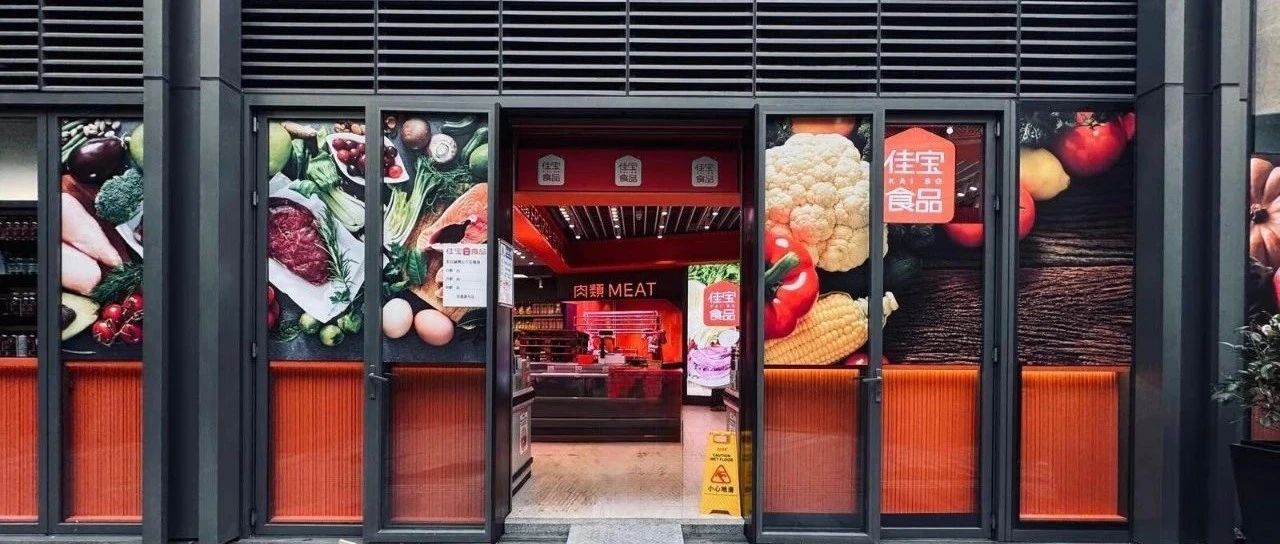
Core Viewpoint - The acquisition of Hong Kong's Jia Bao Supermarket by JD.com aligns with both companies' supply chain philosophies, aiming to revitalize the retail landscape in Hong Kong through advanced supply chain innovations [3][9][16]. Group 1: Market Context - JD.com reported a revenue of 356.7 billion yuan in Q2, marking a 22.4% year-on-year growth, the highest in nearly three years [3]. - Hong Kong's retail market is dominated by two major supermarket chains, ParknShop and Wellcome, which together hold nearly 70% market share [5]. - The retail market in Hong Kong is heavily reliant on imports, particularly for daily necessities and fresh produce, leading to supplier monopolies [6]. Group 2: Jia Bao Supermarket Overview - Jia Bao, established in 1991, operates 90 stores and employs over a thousand staff, focusing on affordable quality products [7]. - The founder, Lin Xiaoyi, emphasizes a direct sourcing model, bypassing middlemen to reduce costs and increase turnover [7][9]. - Approximately 80% of Jia Bao's products are sourced directly from manufacturers [10]. Group 3: Supply Chain Innovations - JD.com's supply chain model, characterized by direct sourcing and efficient logistics, is expected to enhance Jia Bao's operations and customer experience [10][17]. - The partnership aims to introduce nearly 100 JD-owned brand products and fresh items to Jia Bao by the end of the year, leveraging cost savings to benefit consumers [10][16]. - JD.com plans to transform Jia Bao's stores into "smart front warehouses" to optimize inventory management and improve delivery efficiency [16]. Group 4: Future Outlook - The collaboration is anticipated to drive a significant transformation in Hong Kong's retail sector, addressing the challenges of traditional retail and enhancing customer experience [17]. - JD.com aims to replicate its supply chain success in Hong Kong to other international markets, supporting its global expansion strategy [16].

徐家汇股价微涨0.83% 商业百货板块活跃度提升
Jin Rong Jie· 2025-08-15 20:15
Group 1 - The stock price of Xu Jia Hui reached 8.54 yuan as of August 15, 2025, with an increase of 0.07 yuan from the previous trading day [1] - The trading volume on that day was 93,577 hands, with a transaction amount of 0.8 billion yuan, resulting in a turnover rate of 2.26% [1] - Xu Jia Hui's main business is department store retail, owning well-known malls such as Shanghai Liu Bai and Hui Jin Department Store, making it a significant commercial retail enterprise in Shanghai [1] Group 2 - The commercial department store sector has recently shown active performance, with the company also involved in new retail and community group buying [1] - As of August 15, 2025, the net outflow of main funds for Xu Jia Hui was 8.2049 million yuan, with a cumulative net outflow of 23.8856 million yuan over the past five trading days [1]

三江购物股价微涨0.47% 公司所属新零售板块受关注
Jin Rong Jie· 2025-08-15 19:58
Group 1 - The stock price of Sanjiang Shopping closed at 10.66 yuan on August 15, with an increase of 0.05 yuan, representing a rise of 0.47% [1] - The trading volume on that day was 71,712 hands, with a transaction amount reaching 0.76 billion yuan [1] - Sanjiang Shopping's main business is commercial retail, primarily operating supermarkets and convenience stores [1] Group 2 - The company has established a relatively complete regional sales network and is a well-known retail chain in Zhejiang Province [1] - The company's concept sectors include commercial department stores, new retail, and community group buying [1] - On August 15, the net outflow of main funds was 7.1955 million yuan, with a cumulative net outflow of 32.8053 million yuan over the past five trading days [1]

达仁堂:2025年上半年净利润同比增长193.08%
Zhong Zheng Wang· 2025-08-15 11:52
Core Viewpoint - The company achieved significant growth in revenue and net profit in the first half of 2025, primarily driven by the transfer of equity in a pharmaceutical subsidiary, indicating strong operational performance and strategic asset management [1][2]. Financial Performance - The company reported a revenue of 2.651 billion yuan and a net profit of 1.928 billion yuan, marking a year-on-year increase of 193.08% [1]. - Basic earnings per share reached 2.50 yuan [1]. Business Operations - The company focuses on modern traditional Chinese medicine, integrating various aspects of the pharmaceutical industry, including cultivation, research, production, and retail [1]. - It has developed a comprehensive industrial chain with 599 approved drug varieties across 22 dosage forms, including notable products like Su Xiao Jiu Xin Wan and Jing Wan Hong Ointment [1]. Marketing Strategy - The company is transitioning its marketing strategy from a "1.0 factory-to-sales" model to a "2.0 push-pull combination," enhancing its Sell Out operational capabilities [2]. - Sales of Su Xiao Jiu Xin Wan reached 1.128 billion yuan, up 5.45%, while Qing Yan Di Wan sales increased by 52.28% to 289 million yuan [2]. E-commerce and Retail Expansion - The company is expanding its new retail strategy through a B2C and O2O dual approach, improving product accessibility and conversion rates [2]. - The launch of the O2O "Fire Wheel" plan aims to optimize services via platforms like Meituan, addressing consumer needs promptly [2]. International Market Development - The company is progressing with international registrations, having obtained nine international registration certificates for its products this year [2]. - It is shifting from single-order collaborations to long-term strategic partnerships to leverage brand advantages and channel resources [2].
