
服务消费

Search documents
“大手笔”力促服务消费升级
Shen Zhen Shang Bao· 2025-09-01 23:22
Group 1 - The implementation of the "Personal Consumption Loan Interest Subsidy Policy" on September 1 includes a wide range of consumer areas, such as household appliances, education, and healthcare, aiming to boost service consumption [1] - Shenzhen is actively promoting the expansion and upgrading of service consumption, particularly in sectors like dining, accommodation, and elderly care, to enhance the quality and efficiency of basic service consumption [2][3] - The city has introduced numerous international and domestic dining brands, with 109 new restaurant openings and various promotional events to attract consumers, including the 2025 Shenzhen Futian Coffee Life Week [2] Group 2 - In the home service sector, Shenzhen has organized recruitment events and training programs, attracting over 1,800 participants and providing more than 5,000 job opportunities [3] - The city is enhancing elderly care services by organizing international expos, building experience centers, and expanding community services, with 83 elderly care institutions and over 14,000 beds available [3] - The government recognizes service consumption as a key driver for economic growth, employment stability, and improved living standards, with a focus on high-quality development and new consumption patterns [4]
金融发力支持高品质服务消费供给
Jing Ji Ri Bao· 2025-09-01 22:27
Core Viewpoint - The People's Bank of China (PBOC) highlights a significant growth in consumer spending, particularly in service consumption, which is expected to drive economic growth and improve living standards in the coming years [1][2]. Group 1: Consumer Market Trends - In the first half of the year, retail sales in various sectors showed substantial growth: home appliances (30.7%), cultural and office supplies (25.4%), communication equipment (24.1%), and furniture (22.9%) [1]. - The total retail sales of consumer goods are steadily increasing, supported by consumption policies that are gradually taking effect [1]. Group 2: Service Consumption Growth - Service retail sales grew by 5.3% year-on-year, outpacing the growth of goods retail sales, indicating a shift towards service consumption [2]. - Currently, service consumption accounts for less than 50% of per capita consumption expenditure in China, suggesting significant room for growth [2]. Group 3: Challenges in Service Consumption - There are notable challenges in service consumption, including insufficient supply in high-demand areas such as elderly care and childcare, with the current childcare enrollment rate for children under three being less than 10% [2][3]. - The quality of service supply is also a concern, with an oversupply of low-end, homogeneous services and a lack of specialized, personalized offerings [3]. Group 4: Policy Support for Consumption - Recent policies, including the introduction of service consumption and elderly care refinancing tools, indicate a stronger focus on enhancing consumer welfare and stimulating consumption [4]. - The PBOC's report emphasizes the need for financial policies to improve the supply of high-quality services, thereby creating effective demand and unlocking consumption growth potential [4].
着力真实需求方能扩大服务消费
Sou Hu Cai Jing· 2025-09-01 22:17
Core Viewpoint - The Ministry of Commerce plans to introduce policies to expand service consumption this month, reflecting a shift in macroeconomic policy focus towards balancing goods and service consumption [1] Group 1: Service Consumption Trends - Service consumption has higher income elasticity, meaning changes in residents' income expectations and growth rates significantly impact it [1] - Recent consumption trends indicate that there is demand in the service sector, but it requires appropriate scenarios and high-quality supply to match evolving consumer concepts [1] - The youth consumer group, particularly Generation Z, is willing to spend on interests and emotional value, as seen in the popularity of the phenomenon "LABUBU" [1] Group 2: Policy Recommendations - To address the shortage of high-quality service supply, the focus should be on "opening up externally and loosening restrictions internally," which includes expanding pilot programs in telecommunications, healthcare, and education [1] - Reducing domestic market restrictions, such as easing market access and optimizing regulatory models, is essential to stimulate market competition and enrich service supply [1] Group 3: Short-term and Long-term Policy Measures - The "opening up externally and loosening restrictions internally" measures are more aligned with long-term reforms aimed at fundamentally improving the service consumption cycle [2] - Short-term counter-cyclical adjustment policies are also necessary to demonstrate the government's commitment to boosting consumption, such as the recent "dual interest subsidy" policy [2] - The coordination between fiscal resources and financial resources is crucial to lower financing costs for consumers and operators, guiding financial resources towards the consumption sector [2]
时报观察 着力真实需求方能扩大服务消费
Zheng Quan Shi Bao· 2025-09-01 18:47
Core Viewpoint - The Ministry of Commerce plans to introduce several policies to expand service consumption this month, reflecting a shift in macro policy focus towards balancing goods and service consumption in response to changing consumer behavior [1][2]. Group 1: Service Consumption Trends - Service consumption has higher income elasticity, meaning changes in residents' income expectations and growth have a greater impact on this sector [1]. - Recent trends indicate that there is demand and spending in the service consumption sector, but it requires appropriate scenarios and high-quality supply to match evolving consumer concepts [1]. - The youth consumer group, particularly Generation Z, is willing to spend on interests and emotional value, as seen in the phenomenon of "LABUBU," while also being conscious of cost-effectiveness, demonstrating a preference for "spending when necessary and saving when possible" [1]. Group 2: Policy Recommendations - To address the shortage of high-quality service supply, the focus should be on "opening up externally and loosening restrictions internally," which includes expanding pilot programs in telecommunications, healthcare, and education to attract mature and high-quality services [1]. - Additionally, reducing domestic market restrictions, such as easing market access and optimizing regulatory models, is essential to stimulate market competition and enrich service supply [1]. - Long-term reforms through "opening up" are necessary, but short-term counter-cyclical adjustment policies must also be implemented to demonstrate the government's commitment to boosting consumption [2]. - The recent "dual subsidy" policy from the Ministry of Finance aims to leverage fiscal resources to reduce financing costs for consumers and operators, guiding financial resources towards the consumption sector [2].
服务消费政策将落地——政策周观察第45期
一瑜中的· 2025-09-01 15:19
Group 1: Economic Policies and Initiatives - The focus remains on the implementation of previous policies, particularly in the service sector, with measures to enhance service consumption and stabilize employment [2][3] - The government plans to introduce several policies to expand service consumption, utilizing fiscal and financial tools to improve service supply capabilities [2][19] - A large-scale vocational skills enhancement training initiative is set to promote employment among key groups such as college graduates and veterans [3][22] Group 2: Investment and Infrastructure - The State-owned Assets Supervision and Administration Commission (SASAC) has emphasized increasing investment in infrastructure, particularly in major projects like the Yaxia Hydropower Project and the Sichuan-Tibet Railway [3][17] - The government aims to enhance the integration of artificial intelligence across six key sectors by 2027, with a target of over 70% application penetration for new intelligent terminals [4][17] Group 3: Urban Development and Management - The Central Government has issued guidelines to promote high-quality urban development, focusing on controlling the scale of megacities and optimizing the management of county-level cities [5][20] - A sustainable urban construction and operation financing system is to be established, with an emphasis on reducing local government hidden debts [5][20] Group 4: Social Welfare and Childcare - The government is set to strengthen childcare policies during the 14th Five-Year Plan period, promoting the development of inclusive childcare services at the city level [3][21] - The National Development and Reform Commission (NDRC) will support local governments in planning and implementing childcare service development schemes [21][23] Group 5: Artificial Intelligence and Technology - The government has outlined a comprehensive plan to integrate artificial intelligence into various sectors, aiming for significant advancements in smart manufacturing and data services by 2030 [4][18] - Policies will be developed to support the growth of AI-related industries, including financial backing and regulatory frameworks to foster innovation [18][22]


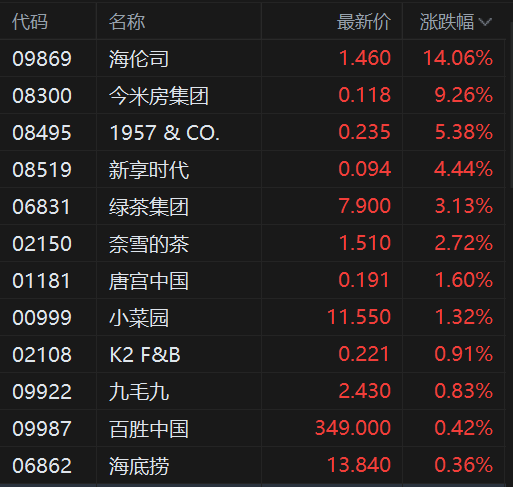
港股异动丨餐饮股普涨 海伦司绩后涨超14% 日前商务部称扩大服务消费措施9月出台
Ge Long Hui· 2025-09-01 03:35
Group 1 - The core viewpoint of the article highlights the significant rise in Hong Kong restaurant stocks, particularly Helen's, which surged over 14% after its earnings report [1] - Helen's reported a mid-year revenue of 291 million RMB, a year-on-year decrease of 34.02%, and a net profit of 50.33 million RMB, down 27.77% year-on-year [1] - The company proposed an interim dividend of 0.1051 RMB per share, while its net profit margin improved from 15.7% to 17.8% compared to the same period last year [1] Group 2 - The Chinese Ministry of Commerce indicated a shift in consumption patterns towards a balance of goods and service consumption, with plans to introduce policies to boost service consumption in September [1] - The Ministry aims to enhance service supply capabilities and stimulate new service consumption through coordinated use of fiscal and financial measures [1]
政策组合拳激活服务消费新动能
Xiao Fei Ri Bao Wang· 2025-09-01 02:52
Group 1 - The Ministry of Commerce is set to introduce a series of policies to promote service exports, focusing on fiscal, financial, and regulatory measures to reshape the industry landscape and consumer lifestyles [1][2] - In Q1 2025, China's service exports grew by 12.2% year-on-year, with knowledge-intensive service exports increasing to 2.1% and travel service exports leading with a remarkable growth rate of 97.5% [1][3] - Financial innovations, such as targeted export credit insurance, are enabling small and micro enterprises to confidently take on orders and expand their markets, addressing the issue of risk aversion [1][2] Group 2 - The travel service sector has seen significant improvements in consumer experience due to regulatory reforms, with travel service imports and exports reaching 584.9 billion yuan, driven by visa facilitation and optimized duty-free policies [2] - The cross-border flow of data has enabled a digital service import and export value of 2.13 trillion yuan in 2024, reflecting a 5.3% year-on-year increase, and enhancing operational efficiency for businesses [2] - The role of service trade intermediary organizations is evolving from a "bridge" to an "engine," facilitating international market expansion and supporting enterprises in establishing overseas marketing networks [2] Group 3 - In the first half of 2025, service exports accounted for 11.5% of total exports, indicating a shift towards a service-oriented economy, with a surplus in knowledge-intensive service exports expanding by 40.92 billion yuan [3] - The combination of precise fiscal funding, financial support for small enterprises, and regulatory innovations is fostering a more dynamic and resilient service consumption market in China [3] - This transformation signifies not only quantitative growth but also qualitative improvements, offering consumers richer choices and better experiences, while paving the way for high-quality economic development driven by services [3]
从买商品到买服务 提振消费有哪些新的做法和思路?
Sou Hu Cai Jing· 2025-08-30 23:39
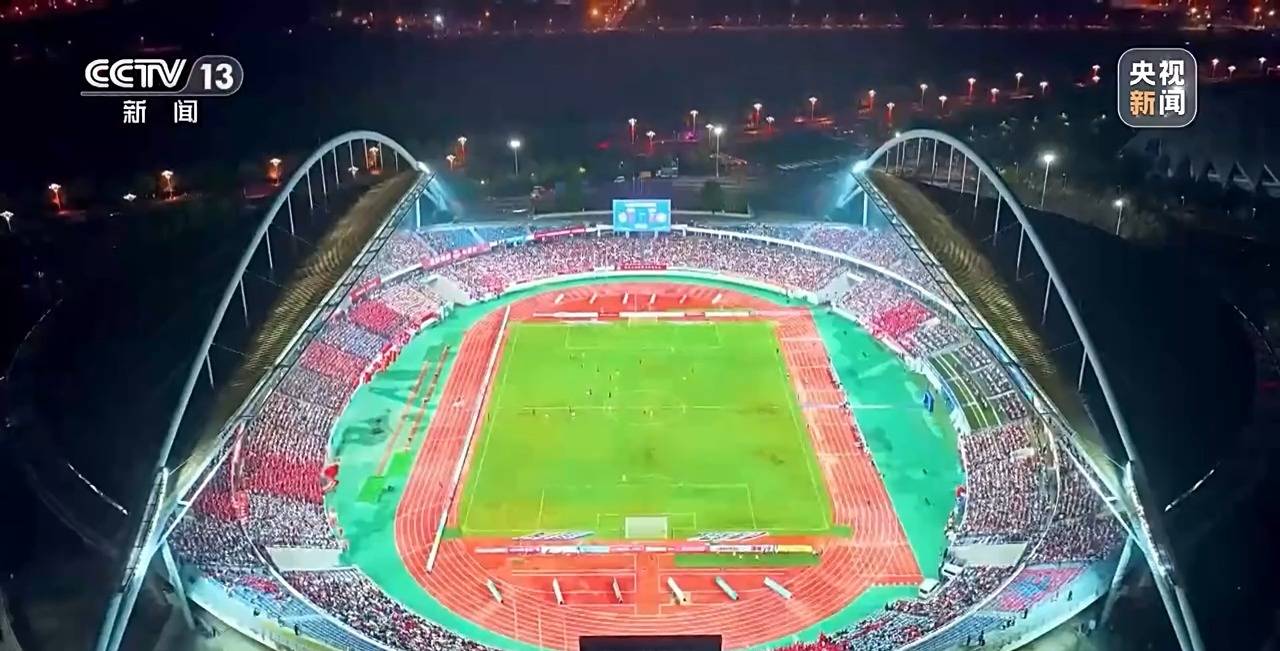
Group 1 - The core theme of 2024 in China is to boost consumption, with a significant shift towards service consumption, which now accounts for 46.1% of per capita service consumption expenditure, contributing over 60% to consumption growth [1][5][10] - The Ministry of Commerce plans to introduce policies in September aimed at expanding service consumption, addressing the supply-demand gap in quality service offerings [1][5][10] - The "Su Chao" football league phenomenon highlights the insufficient supply of quality service consumption, as evidenced by high attendance and ticket scarcity [3][5][10] Group 2 - The "Su Chao" league has revitalized the domestic sports market, with service revenue from related sectors reaching 379.6 billion yuan, a 42.7% year-on-year increase [7][10] - The government is focusing on enhancing service supply through policies that include interest subsidies for personal consumption loans and service industry loans [5][7][10] - The rise of "Yue Ji Consumption," characterized by immersive and interactive experiences, is becoming a significant driver of consumer spending among younger demographics [15][19] Group 3 - The Shanghai concert case illustrates the importance of optimizing service offerings, with measures taken to enhance safety and convenience for attendees, resulting in a 75% increase in hotel revenue around the venue [19][20][30] - The introduction of consumption subsidies for elderly care in Chongqing aims to stimulate the elderly service market, potentially unlocking nearly 10 billion yuan in service consumption [27][28][30] - The overall strategy emphasizes the need for improved public services and income support to enhance consumer confidence and spending power, particularly in essential sectors like healthcare and education [30][31]
股指对冲周报:期现正套性价比下降-20250829
Guo Tai Jun An Qi Huo· 2025-08-29 14:14
Report Industry Investment Rating - Not provided in the given content Core Viewpoints of the Report - This week, the decline in the profits of industrial enterprises above designated size in July has narrowed for two consecutive months, with the profits of high - tech manufacturing showing significant year - on - year growth. The real estate market has policies to stimulate growth, and the "AI + Action Opinion" has been issued. Overseas, the US Q2 GDP has been revised upwards. The market volume has reached a high level, and leveraged funds are still flowing in. The mid - cap stocks are stronger than large - cap stocks, which are stronger than small and micro - cap stocks [3]. - During the gap - up rise on Monday this week, the basis quickly declined, indicating weak sentiment on the futures side. IH and IF are still in a state of slight premium, while the annualized discounts of IC and IM have returned to around 8% and 11%, respectively. The term structure has sunk at the near end, and the hedging cost - effectiveness of far - month contracts has increased. The cost - effectiveness of spot - futures arbitrage for near - month contracts has significantly decreased [4]. Summary According to Relevant Catalogs 1. Stock Index Futures Basis Situation - **Basis Changes**: For IF contracts, the basis of IF2509 decreased from 16.00 to 9.44, a change of - 6.56; for IH contracts, IH2509's basis decreased from 13.39 to 3.53, a change of - 9.86; for IC contracts, IC2509's basis decreased from - 12.45 to - 47.14, a change of - 34.69; for IM contracts, IM2509's basis decreased from - 14.34 to - 72.08, a change of - 57.74 [1]. - **Index - enhancing Annualized Returns**: The index - enhancing annualized returns of IC and IM contracts are relatively high, such as 12.1% for IC2509 and 16.7% for IM2509 [1]. - **Volume and Open Interest Changes**: This week, the average daily trading volume of IH was 77,971 lots, a 17.1% increase from the previous week, and the open interest was 108,028 lots, a 4.8% decrease. The average daily trading volume of IF was 177,610 lots, a 36.3% increase, and the open interest was 293,331 lots, a 5.9% increase. The average daily trading volume of IC was 160,370 lots, a 32.9% increase, and the open interest was 248,432 lots, a 6.3% increase. The average daily trading volume of IM was 320,181 lots, a 14.6% increase, and the open interest was 388,014 lots, a 0.8% decrease [4]. - **Basis after Considering Dividends**: For example, for the IF2509 contract, the basis after considering dividends is 11.57, with an expected total dividend of 2.13 points and an annualized premium - discount rate of 4.47% [5]. 2. Hedging Profits and Losses - **IF Contracts**: The hedging profit of IF2509 this week was 6.56, compared with - 8.96 last week; for IF2512, it was 4.96 this week compared with - 10.76 last week [11]. - **IH Contracts**: The hedging profit of IH2509 this week was 9.86, compared with 0.14 last week; for IH2512, it was 12.06 this week compared with 0.34 last week [11]. - **IC Contracts**: The hedging profit of IC2509 this week was 34.69, compared with - 25.12 last week; for IC2512, it was 68.09 this week compared with - 40.12 last week [11]. - **IM Contracts**: The hedging profit of IM2509 this week was 57.74, compared with - 16.96 last week; for IM2512, it was 91.34 this week compared with - 24.56 last week [11].
基差方向周度预测-20250829
Guo Tai Jun An Qi Huo· 2025-08-29 13:12
Report Summary 1) Report Industry Investment Rating - No information provided 2) Core Viewpoints of the Report - In July, the decline of profits of industrial enterprises above designated size narrowed for two consecutive months, and the profits of high - tech manufacturing increased significantly year - on - year, playing a leading role [2]. - Shanghai's six departments jointly issued a notice to optimize and adjust real estate policies, stimulating the real estate sector to lead the gains. The trend of real estate stopping decline and stabilizing may be further strengthened [2]. - The State Council issued an "Artificial Intelligence + Action Opinion", and the State Council Information Office press conference stated that policies to expand service consumption would be introduced to stimulate new growth in service consumption [2]. - In the overseas market, the US GDP in the second quarter was revised upwards due to a significant increase in fixed - asset investment, while the PCE price index remained the same as the initial value [2]. - This week, the market trading volume reached a high again, with the total A - share market achieving a turnover of 3.2 trillion yuan in two trading days, ranking second in history. Leveraged funds continued to flow in, with a net inflow of 883 billion yuan this week after a net inflow of over 900 billion yuan last week [2]. - The speculation in micro - cap stocks took a slight rest, the micro - cap index led the decline among core indices, and the market of the STAR Market and ChiNext continued. Overall, mid - cap stocks outperformed large - cap stocks, and large - cap stocks outperformed micro - and small - cap stocks. The CSI 500 rose more than 3%, leading the core broad - based indices in Shanghai and Shenzhen [2]. - In terms of basis, the basis dropped rapidly during the gap - up on Monday this week, indicating weak sentiment on the futures side. IH and IF were still in a slight premium state, while the annualized discounts of IC and IM returned to around 8% and 11%, respectively, falling into the lower quantile range of history. The near - end of the term structure declined, and the hedging cost - effectiveness of far - month contracts increased. There was still some profit space for cash - and - carry arbitrage in near - month contracts, but it had been significantly compressed, and the impact of transaction cost wear was large. The cost - effectiveness of cash - and - carry arbitrage at the current position declined significantly [2]. - The model predicts that the basis of IH, IF, and IC will weaken next week [3]. 3) Summary According to Related Contents Market Situation This Week - Industrial profit: The decline of profits of industrial enterprises above designated size in July narrowed for two consecutive months, and high - tech manufacturing profits increased significantly year - on - year [2]. - Real estate policy: Shanghai optimized real estate policies, and Beijing and Shanghai implemented policies to stabilize the property market, with the real estate market showing a trend of stopping decline [2]. - Policy on service consumption: The State Council issued an "Artificial Intelligence + Action Opinion", and policies to expand service consumption will be introduced [2]. - Overseas market: The US GDP in the second quarter was revised upwards due to fixed - asset investment growth, and the PCE price index remained unchanged [2]. - Market trading volume: The total A - share market achieved a turnover of 3.2 trillion yuan in two trading days, ranking second in history [2]. - Fund flow: Leveraged funds continued to flow in, with a net inflow of 883 billion yuan this week after over 900 billion yuan last week [2]. - Stock index performance: Mid - cap stocks outperformed large - cap stocks, and large - cap stocks outperformed micro - and small - cap stocks. The CSI 500 rose more than 3% [2]. - Basis situation: The basis dropped rapidly on Monday, IH and IF were slightly in premium, IC and IM annualized discounts returned to around 8% and 11%, far - month contract hedging cost - effectiveness increased, and near - month contract cash - and - carry arbitrage profit space was compressed [2] Basis Forecast for Next Week - The model predicts that the basis of IH, IF, and IC will weaken next week [3] Recent Forecast Conclusion - There are historical data on the real and predicted basis changes of IF, IH, IC, and IM, but no specific conclusions are drawn from the data in the text [4]