
全国统一大市场

Search documents
金观平:传统产业升级也是新质生产力主战场
Jing Ji Ri Bao· 2025-11-28 23:39
Core Viewpoint - The article emphasizes the importance of optimizing China's economic structure through the transformation and upgrading of traditional industries, which is essential for building a modern industrial system. It highlights the concept of "new quality productivity" as a means to move away from traditional economic growth models and align with new development philosophies [1][2]. Group 1: Traditional and Emerging Industries - Traditional industries account for approximately 80% of key manufacturing indicators such as value added and employment, making them crucial for economic growth and job creation [1]. - The interdependence between traditional and emerging industries is highlighted, where emerging industries provide technological support for the transformation of traditional sectors [1][2]. - A balanced approach is necessary to avoid prematurely abandoning traditional industries before emerging sectors are fully established [1]. Group 2: Regional Development Strategies - Development strategies should be tailored to local conditions, leveraging regional advantages to avoid ineffective industrial pursuits [2]. - Different regions should adopt varied strategies based on their resource endowments, industrial foundations, and development stages to achieve a smooth transition between old and new growth drivers [2]. - The focus for traditional industries should be on high-end, intelligent, and green transformations, requiring technological innovations and integration with advanced technologies like AI and big data [2]. Group 3: Innovation and Market Dynamics - Establishing suitable production relationships for innovation is crucial, necessitating comprehensive reforms and the creation of a unified national market [3]. - The article advocates for the establishment of regional technology innovation platforms to facilitate the conversion of research results into practical applications [3]. - A combination of effective markets and proactive government involvement is essential to stimulate innovation and market vitality, enabling traditional industries to achieve high-quality development [3].
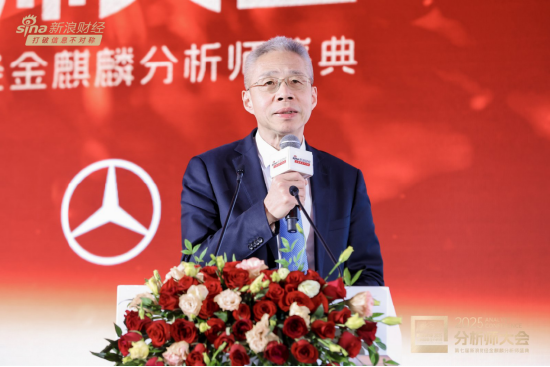
中泰国际李迅雷解读“十五五”三大亮点:科技自强、提振消费与全国统一大市场
Xin Lang Zheng Quan· 2025-11-28 10:35
Core Insights - The upcoming "14th Five-Year Plan" will focus on high-quality development, emphasizing technological self-reliance, boosting consumption, and building a unified national market [1][3] Group 1: Technological Self-Reliance - The first major highlight of the "14th Five-Year Plan" is to accelerate technological self-reliance, focusing on key areas such as integrated circuits, industrial mother machines, high-end instruments, and biomanufacturing [3] - The development of these industries is expected to provide substantial structural investment opportunities for investors [3] Group 2: Domestic Market and Consumption - The second highlight is the construction of a strong domestic market aimed at significantly boosting consumption [3] - New consumption sectors such as health and elderly care, as well as smart living, are projected to show immense potential due to changes in population structure and consumption habits [3] Group 3: Unified National Market - The third highlight involves the construction of a unified national market, which aims to eliminate barriers that hinder its development [3] - This initiative is expected to optimize the business environment and create favorable conditions for improving corporate profitability [3] Group 4: Economic Outlook - Looking ahead to the first year of the "14th Five-Year Plan," it is anticipated that proactive fiscal policies will continue to support stable economic operations [3] - The deep integration and application of emerging technologies like artificial intelligence are expected to inject new momentum into economic development [3] - Under the guidance of the new plan, China's economic development is expected to enter a phase characterized by higher quality, greater efficiency, and enhanced sustainability [3]

要素市场配置综合改革“重庆施工图”出炉
Di Yi Cai Jing· 2025-11-28 09:16
Core Viewpoint - The Chongqing Municipal Government has released the "Action Plan for Comprehensive Reform Pilot of Factor Marketization Allocation," aiming to establish Chongqing as a comprehensive hub for factor allocation by 2027, enhancing market efficiency and institutional frameworks [1]. Group 1: Reform Objectives - By 2027, Chongqing aims to build a digital platform for factor allocation, improve market systems, and enhance pricing mechanisms to significantly boost allocation efficiency and stimulate business vitality [1]. - The pilot reform is part of a broader initiative approved by the State Council, involving ten cities, including Chongqing, to explore marketization of traditional and new factors such as data and computing power [1]. Group 2: Key Measures - The action plan includes 30 measures across seven areas, such as promoting the conversion of technological factors into productive forces and enhancing the market efficiency of land resources [2]. - Specific reforms include allowing idle rural housing to be utilized through rental or partnership, and facilitating the entry of collective construction land into the market on equal terms with state-owned land [2]. Group 3: Human Resources and Data Flow - The plan aims to improve the flow of human resources by increasing financial support for areas with high agricultural migrant populations and establishing a mechanism linking urban land use with population urbanization [3]. - It also seeks to establish rules for data flow, promoting the orderly opening of high-value data to the public and combating data misuse [3]. Group 4: Capital and Environmental Market - The initiative includes measures to enhance capital services for the real economy, such as promoting corporate listings and optimizing real estate investment trust (REITs) services [3]. - Additionally, it supports the expansion of the Chongqing Oil and Gas Trading Center and the establishment of a green channel for oil and gas products, including the promotion of a natural gas price index [4].
14亿人的消费密码:解码中国超大规模市场的独特优势
Sou Hu Cai Jing· 2025-11-28 08:11
Group 1 - The core narrative of the Chinese market is not limited to its population size, but rather the presence of 400 million middle-income consumers, which exceeds the total population of the United States, yet only represents 28% of the population, significantly lower than the 60%-70% in developed countries [2][3] - The rapid iteration of consumption patterns in China is highlighted by significant growth in various sectors, such as a 230% increase in "self-indulgent consumption," a doubling of registered outdoor-related businesses, and a 300% surge in sales of stress-relief toys [2][3] - The "flywheel effect" is a key competitive advantage of the super-large market, where massive demand leads to substantial supply, reducing unit costs and stimulating new demand, resulting in lower prices for products like smartphones and electric vehicles compared to their Western counterparts [3] Group 2 - The construction of a unified national market is gradually eliminating regional barriers, with inter-provincial commodity circulation costs decreasing by 15% in 2023, which enhances market efficiency [3] - The transformation of China from a "world factory" to a "world market" is evident, as the market is seen as both a testing ground for corporate innovation and a showcase for the quality of life for its citizens [4] - The potential for a multiplier effect is emphasized when institutional advantages meet market potential, suggesting that the combination can yield results greater than the sum of its parts [3][4]
破除 “隐形墙”!全国统一大市场带来哪些实在红利?
Zhong Guo Jing Ji Wang· 2025-11-28 08:01
Group 1 - The article discusses the recent financial performance of a specific company, highlighting a revenue increase of 15% year-over-year, reaching $2.5 billion [2] - It emphasizes the company's strategic initiatives that contributed to this growth, including expansion into new markets and product diversification [2] - The article also notes a significant improvement in operating margins, which rose from 10% to 12% over the same period [2] Group 2 - The industry outlook is positive, with analysts projecting a compound annual growth rate (CAGR) of 8% for the next five years [2] - Key trends driving this growth include technological advancements and increasing consumer demand for innovative solutions [2] - The article mentions potential challenges, such as regulatory changes and supply chain disruptions, that could impact future performance [2]

署名文章 | 郑栅洁人民日报撰文:坚持扩大内需这个战略基点
国家能源局· 2025-11-28 02:22
Core Viewpoint - The article emphasizes the importance of implementing a strategy to expand domestic demand, which is crucial for China's long-term development and stability, as outlined in the 20th Central Committee's Fourth Plenary Session [3][4]. Achievements Since the 18th National Congress - Significant achievements in expanding domestic demand have been made, with domestic demand becoming the main driver of economic growth, contributing an average of 93.1% to economic growth from 2013 to 2024 [4]. - Final consumption expenditure and capital formation reached 76.3 trillion yuan and 54.8 trillion yuan in 2024, respectively, which are 2.7 times and 2.2 times the levels in 2012 [4]. - The structure of consumption and investment has continuously upgraded, with the penetration rate of new energy vehicles rising from less than 0.1% in 2013 to 48.9% in 2024 [5]. - China has become a globally influential super-large market, with significant growth in consumption across various sectors, including white goods and mobile phones [5]. Policy Framework and Implementation - A comprehensive policy framework has been established to promote consumption and investment, including the "Strategic Plan for Expanding Domestic Demand (2022-2035)" [6]. - The government has implemented various measures to increase residents' income, with per capita disposable income growing at an average annual rate of 6.1% from 2013 to 2024 [7]. - Major projects in transportation, energy, and ecological protection have been initiated to enhance domestic supply capabilities and foster new growth drivers [8]. New Challenges and Requirements in the 15th Five-Year Plan - The 15th Five-Year Plan period presents new challenges, including the need to address the weak internal consumption dynamics and improve investment efficiency [9]. - Expanding domestic demand is seen as a strategic response to external shocks and a key point for strengthening the domestic economic cycle [10]. - The demand for services such as healthcare and cultural tourism is expected to grow, necessitating a focus on enhancing the quality of life for residents [10]. Strategic Actions for the 15th Five-Year Plan - The government aims to boost consumer spending by optimizing the environment and reducing restrictions on consumption [13]. - Effective investment will be expanded by optimizing investment structures and enhancing the efficiency of investments [14]. - Major landmark engineering projects will be implemented to align with national strategic needs, focusing on urban renewal and new energy systems [15]. - Efforts will be made to deepen the construction of a unified national market, eliminating barriers to market access and promoting the free flow of goods and services [16].

许昌经验闪耀全国商品市场论坛 河南三家市场跻身全国百强
Sou Hu Cai Jing· 2025-11-28 01:09
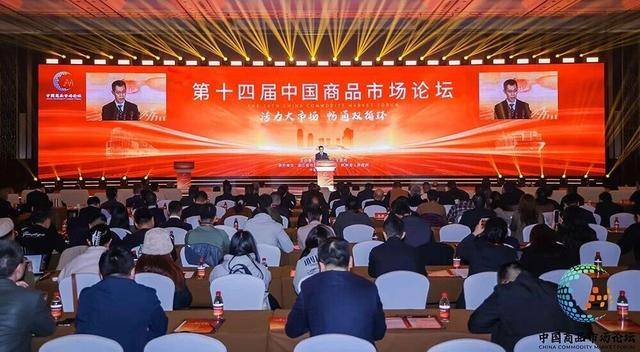
论坛传来喜讯,河南省市场表现亮眼。主论坛发布的《中国商品市场发展报告》显示,经河南省市场监 管局推荐,商丘农产品中心批发市场、黄淮农产品股份有限公司、洛阳宏进农副产品批发市场有限公司 等3家市场,凭借其2021至2024年的平均交易额,成功跻身全国商品交易市场百强榜单,彰显了河南商 品市场的强大实力。 11月26日,第十四届中国商品市场论坛在杭州隆重举行。本届论坛以"活力大市场 畅通双循环"为主 题,聚焦建设全国统一大市场,深入探讨商品市场在提振消费、畅通双循环及推动平台经济高质量发展 中的关键作用。 更为瞩目的是,作为全国网络市场监管与服务示范区创建城市代表,河南省许昌市人民政府受邀在分论 坛上作典型发言,向全国分享"许昌经验"。许昌市以"信用电商 品质消费 推动数实双向赋能的新质生产 力高质量发展"为主题,系统阐述了其以"监管服务创新+品质信任升级"为核心的双轮驱动实践路径。 这一创新模式成效显著。自开展示范区创建以来,许昌市以信任促消费,有效激发了市场活力。2024 年,全市社会消费品零售总额与电子商务交易额分别同比增长8.2%和7.3%。其中,本土明星企业"胖东 来"线上商城营收同比增长超4倍,成为" ...
郑栅洁:坚持扩大内需这个战略基点
Ren Min Ri Bao· 2025-11-27 23:19
Core Viewpoint - The Chinese government emphasizes the importance of expanding domestic demand as a strategic foundation for long-term development and stability, aiming to enhance the domestic circulation and promote high-quality growth during the 14th Five-Year Plan period [1][8]. Achievements in Expanding Domestic Demand - Since the 18th National Congress, domestic demand has become the main driver of economic growth, contributing an average of 93.1% to economic growth from 2013 to 2024, with final consumption and capital formation contributing 55% and 38.1% respectively [2][3]. - By 2024, final consumption expenditure and capital formation will reach 76.3 trillion yuan and 54.8 trillion yuan, respectively, which are 2.7 times and 2.2 times the levels in 2012 [2]. Upgrading Consumption and Investment Structures - The sales of new energy vehicles have ranked first globally for ten consecutive years, with the domestic penetration rate of passenger cars increasing from less than 0.1% in 2013 to 48.9% in 2024 [3]. - The share of service consumption in per capita consumption expenditure rose from 39.7% in 2013 to 46.1% in 2024, while online retail sales of physical goods accounted for 26.8% of total retail sales by 2024, up from 10.8% in 2015 [3]. Global Market Influence - China has become a major global market, leading in the consumption of essential goods and services, with a significant middle-income population driving demand [3]. Policy Framework for Expanding Domestic Demand - The government has implemented various policies to promote consumption and investment, including the "Strategic Plan for Expanding Domestic Demand (2022-2035)" and the issuance of long-term special bonds to support major national strategies [4][5]. Addressing New Challenges in the 14th Five-Year Plan - The 14th Five-Year Plan period presents new challenges, including the need to enhance domestic consumption and investment efficiency, as well as to address the low service consumption ratio compared to developed countries [9][10]. Major Projects and Infrastructure Development - The government plans to implement significant projects in transportation, energy, and ecological protection to stimulate domestic demand and improve supply capabilities [6][14]. Enhancing Consumer Spending - Strategies to boost consumer spending include optimizing the environment for consumption, reducing restrictions, and increasing the supply of quality goods and services [12]. Investment Expansion Strategies - The focus is on optimizing investment structures, enhancing the effectiveness of investments, and promoting public-private partnerships to stimulate private investment [13]. Unified National Market Development - Efforts are being made to create a unified national market by removing barriers to market access and improving the efficiency of market operations [15].
11月27日晚间央视新闻联播要闻集锦
Yang Shi Xin Wen Ke Hu Duan· 2025-11-27 13:59
Group 1 - Xi Jinping expressed condolences to the victims of the major fire incident in Hong Kong's Tai Po district and the firefighters who lost their lives, urging efforts to minimize casualties and losses [6][8] - The fire occurred on November 26, resulting in significant casualties, prompting immediate attention from the central government [6] - Xi emphasized the need for the central government to support the Hong Kong SAR government in rescue and recovery efforts [6] Group 2 - The publication of the textbook "Overview of Xi Jinping's Thought on Strengthening the Military" aims to promote Xi Jinping's military thought in education [7] - The textbook is part of a broader initiative to integrate Xi Jinping's thoughts into educational materials and enhance military training [7] Group 3 - Xi Jinping highlighted the importance of building a unified national market as essential for developing a new economic structure and enhancing international competitiveness [8] - Efforts are being made to eliminate local protectionism and market fragmentation, contributing to the acceleration of the unified market's development [8] Group 4 - The State Council, led by Premier Li Qiang, held a meeting to discuss high-quality development and reviewed various legislative proposals [9] - The meeting focused on promoting provincial-level coordination in basic medical insurance and discussed the draft of the "National Reading Promotion Regulations" [9] Group 5 - Data from the National Bureau of Statistics indicated a 1.9% year-on-year increase in profits for industrial enterprises above designated size from January to October [12] - This marks a continuous growth trend for three consecutive months since August [12]
2025年1-10月工业企业盈利数据的背后:工业利润渐进修复,新质生产力表现积极
ZHESHANG SECURITIES· 2025-11-27 10:53
Group 1: Industrial Profit Trends - In the period from January to October 2025, the profit growth of industrial enterprises was 1.9%, down from 3.2% previously, indicating a gradual recovery trend[1] - In October 2025, profits of industrial enterprises decreased by 5.5% year-on-year, influenced by a high base from the previous year and rising financial costs[1] - The average two-year profit growth rate for October was -1.2%, showing a further slowdown compared to previous months[1] Group 2: Price and Demand Dynamics - The Producer Price Index (PPI) in October recorded a year-on-year decline of 2.1%, slightly improved from -2.3% in the previous month, reflecting marginal optimization in market competition[2] - The operating profit margin for industrial enterprises was 5.25% from January to October, a slight increase of 0.01 percentage points year-on-year, but decreased to 5.16% in October compared to 5.42% in September[2] Group 3: New Productive Forces - High-tech manufacturing profits grew by 8.0% year-on-year, outperforming the overall industrial average by 6.1 percentage points[3] - Equipment manufacturing profits increased by 7.8%, contributing 2.8 percentage points to the overall profit growth of industrial enterprises, with a total profit share of 38.5%[3] Group 4: Traditional Industries Performance - In traditional industries, new productive forces showed positive results, with profits in specific sectors like graphite and carbon products increasing by 77.7% and biochemical pesticides by 73.4%, both significantly above their respective industry averages[4] Group 5: Future Outlook - Industrial profits are expected to gradually recover, with a projected annual growth rate of 3.6% for 2026, supported by steady demand and reduced pressure on industrial growth[7] - The inventory of industrial enterprises increased by 3.7% year-on-year by the end of October 2025, indicating that destocking is not yet complete and further demand strength is needed[8] Group 6: Risk Factors - Insufficient economic recovery momentum could lead to weak industrial demand and pressure on prices, adversely affecting profit recovery[9] - Delays in the implementation of demand-side policies may hinder the expected recovery in industrial profits, particularly if internal growth drivers remain weak[9]