
价值投资

Search documents
比伯克希尔更低调的奇迹:这个家办120年不间断分红
3 6 Ke· 2025-11-12 04:54
Core Insights - Washington H. Soul Pattinson, known as "Australia's Berkshire Hathaway," is the only publicly listed family office in Australia, established in the late 19th century and has a history of consistent dividend payments and strong returns for shareholders [1][2][3] Company Overview - Soul Patts has been listed since 1903 and has never missed a dividend payment, increasing dividends for 26 consecutive years, delivering an annualized return of 13.7% over the past 25 years [1][2] - The company is characterized by a long-term investment philosophy, focusing on stability and low leverage, with a diversified portfolio across various sectors including coal, telecommunications, and pharmaceuticals [4][12] Investment Philosophy - Soul Patts operates with a "permanent capital" model, allowing it to hold assets patiently during market downturns without redemption pressure, similar to Berkshire Hathaway [5][26] - The company emphasizes long-term capital allocation and value discipline, avoiding rigid asset allocation and instead dynamically seeking opportunities based on valuation discrepancies [7][8] Governance and Management - The governance structure of Soul Patts is characterized by a family-led approach with a focus on trust and long-term relationships, ensuring continuity across generations [14][20] - The current leadership, including CEO Todd Barlow, promotes a culture of transparency and open communication, which helps maintain a stable and motivated team [23][25] Historical Context - Soul Patts has evolved from a pharmacy business to a diversified investment group, with significant holdings in companies like Brickworks and TPG Telecom, and has adapted its strategy over time to focus on high-dividend, low-leverage investments [12][13] - The company has undergone significant structural changes, including a recent merger with Brickworks, aimed at modernizing governance and enhancing capital flexibility [13] Financial Performance - As of September 2025, Soul Patts' physical assets are valued at approximately AUD 2.9 billion, with a focus on industrial real estate and agricultural investments [28] - The company has increased its allocation to credit and private equity, achieving internal rates of return of around 15% in credit and approximately 20% in private equity over the past three years [28][29]



巴菲特“最后一课”,给普通人哪些忠告?
21世纪经济报道· 2025-11-12 04:13
Core Viewpoint - Warren Buffett has officially announced his retirement from Berkshire Hathaway after 60 years of management, emphasizing a smooth transition to his successor, Greg Abel, while also planning to transfer his $149 billion estate to family foundations [1]. Group 1: Transition and Future Planning - Buffett will no longer write annual reports or give lengthy speeches at shareholder meetings, describing this as a "quiet resignation" [1]. - He has expressed high confidence in Greg Abel, stating that no CEO is better suited to manage the company and shareholder funds [1]. Group 2: Wealth Distribution and Philanthropy - Buffett is accelerating his charitable donations and estate distribution due to his longevity, which has surpassed family records, and he wishes for his children to lead his charitable legacy while they are still healthy and clear-minded [1]. - He emphasizes that he does not want to retain control after his death, trusting his children's wisdom and compassion [1]. Group 3: Company Performance and Strategy - Berkshire Hathaway's core business remains strong, with a 34% year-over-year increase in operating profit for Q3 [2]. - As of September 30, Berkshire holds a record $381.7 billion in cash, indicating a robust balance sheet and cautious investment strategy [2]. - The company has net sold stocks for 12 consecutive quarters, reflecting Buffett's cautious approach in a high-valuation market [2]. Group 4: Investment Philosophy - Buffett's investment philosophy focuses on intrinsic value rather than short-term market fluctuations, with a stringent selection criterion for investment targets, including core technology, strong cost control, and good brand effect [3]. - He emphasizes the importance of "margin of safety," only buying when market prices are significantly below perceived value [3].
上交所理事长邱勇谈五个聚焦:持续发力促高质量发展 优化发行上市等关键制度 引导资本投向前沿技术先进制造
Xin Lang Zheng Quan· 2025-11-12 04:06
登录新浪财经APP 搜索【信披】查看更多考评等级 二是聚焦培育理性投资、价值投资、长期投资的市场生态,引导更多中长期资金入市,促进投融资动态 平衡。 三是聚焦推动上市公司提升治理水平和信息披露质量,强化分红回购,以稳健业绩和持续回报增强投资 价值。 四是聚焦稳步扩大制度型开放,拓展跨境投融资渠道,丰富国际化产品体系,提升全球竞争力与吸引 力。 五是聚焦更好统筹发展和安全,持续强化科技赋能监管和服务,完善全链条风险监测预警与处置机制, 为市场平稳运行和投资者权益保护提供坚实保障。 责任编辑:常福强 专题:2025上海证券交易所国际投资者大会 炒股就看金麒麟分析师研报,权威,专业,及时,全面,助您挖掘潜力主题机会! 11月12日-13日,上交所国际投资者大会举行。上交所理事长邱勇对"十五五"期间上交所的发展方向进 行了展望。 邱勇表示,展望"十五五",上交所将在中国证监会领导下,紧扣防风险、强监管、促高质量发展主线, 坚持守正创新、稳中求进,加快建设世界一流交易所。具体而言,上交所将从以下五个方面持续发力。 一是聚焦催生新质生产力,通过优化发行上市、再融资、并购重组等关键制度,引导资本投向前沿技 术、先进制造和未 ...
95岁巴菲特发布“终极谢幕信”,正式交棒阿贝尔,但价值投资不会过时
Sou Hu Cai Jing· 2025-11-12 02:22
95岁的"股神"沃伦·巴菲特发文宣布,他将逐步退出伯克希尔·哈撒韦公司年度股东大会的舞台,并由新 CEO格雷格·阿贝尔接棒并撰写致股东的信。这标志着巴菲特作为公众投资导师的时代即将落幕,但他 所倡导并践行一生的"价值投资"理念,却依然闪烁着智慧的光芒,远未过时。 在这封被外界视为"谢幕信"的长文中,巴菲特不仅回顾了自己与他所在的小镇奥马哈、与查理·芒格等 挚友的深厚情谊,也再次强调了那些贯穿他投资生涯的基本原则:长期主义、理性判断、对企业内在价 值的追求,以及对人性善良的坚定信仰。 巴菲特在信中写道,虽然自己整体感觉良好,但行动迟缓,阅读也越来越吃力。巴菲特表示,他将不再 撰写伯克希尔-哈撒韦公司的年度信函,也不会在公司股东大会上发言。 外媒报道,这位95岁的亿万富翁将继续持有伯克希尔-哈撒韦公司的A类股票,直到投资人对将于明年1 月接任首席执行官的该公司副董事长格雷格·阿贝尔"感到满意"为止。 巴菲特也在致股东信中宣布了最新的慈善捐赠计划,并将加速向其子女管理的基金会捐款以继续支持慈 善事业。10日,巴菲特向四家家族基金会捐赠了270万股伯克希尔-哈撒韦公司B类股票,价值约13亿美 元。 巴菲特自2006年 ...
巴菲特“隐退”
21世纪经济报道· 2025-11-12 01:08
Core Viewpoint - Warren Buffett, at 95 years old, announced his retirement from writing Berkshire Hathaway's annual reports and speaking at shareholder meetings, marking the end of an era for the company and value investing [1][3]. Group 1: Berkshire Hathaway's Performance - From 1964 to 2024, Berkshire Hathaway achieved a total return of 5,502,284%, significantly outperforming the S&P 500's return of 39,054% during the same period [1]. - The annualized compound return for Berkshire from 1965 to 2024 is 19.9%, compared to the S&P 500's 10.4% [1]. Group 2: Buffett and Munger's Partnership - Buffett credited Charlie Munger, his long-time partner, for their mutual success, highlighting Munger's influence on his investment strategies [3][5]. - Munger's approach emphasized quality over merely seeking cheap stocks, which revitalized the value investing philosophy [5]. Group 3: Transition and Future Challenges - Buffett announced his retirement as CEO, with Greg Abel set to take over, while Buffett will remain as chairman [7][9]. - Following the announcement, Berkshire's stock price fell over 10% from its historical high, despite strong quarterly earnings [7][8]. - Berkshire's cash reserves reached a record $381.7 billion, with no stock buybacks in 2025's first nine months [7][8]. Group 4: Investment Strategy Evolution - Buffett's investment strategy has evolved through three stages: 1. "Cigar butt" investing during the industrial era, focusing on undervalued companies [11]. 2. Transitioning to investing in companies with strong intangible assets, such as Coca-Cola [12]. 3. Capitalizing on network effects in the new economy, exemplified by his investment in Apple [13]. - Despite his retirement, Buffett plans to continue working at the office and may still contribute to the company [13].

促进民间投资13条发布,汉堡王中国业务易主 | 财经日日评
吴晓波频道· 2025-11-12 00:29
Group 1: Government Policies and Investment - The State Council issued 13 measures to promote private investment, emphasizing the need for feasibility studies for private capital participation in certain sectors like railways and nuclear power, with a potential holding ratio of over 10% for private capital in qualifying projects [2][3] - Private fixed asset investment in China decreased by 3.1% year-on-year from January to September, lagging behind the overall fixed asset investment growth rate by 2.6 percentage points [2] Group 2: Electric Vehicle Market - In October, the sales of new energy vehicles (NEVs) in China surpassed 50% of total new car sales for the first time, reaching 51.6% [4] - From January to October, NEV production and sales reached 13.015 million and 12.943 million units, respectively, with year-on-year growth of 33.1% and 32.7% [4] Group 3: Fast Food Industry Developments - Burger King's parent company RBI entered a 20-year development agreement with Chinese private equity firm CPE, which will invest $350 million and hold approximately 83% of the joint venture [6] - The plan includes doubling the number of Burger King outlets in China from about 1,250 to 2,500 within five years, with a long-term goal of reaching at least 4,000 by 2035 [6] Group 4: Corporate Leadership Changes - Warren Buffett announced his retirement as CEO of Berkshire Hathaway, marking a significant transition in his career, while confirming that his successor will take over the company's daily management [8][9] - Buffett's departure has led to an 8% decline in Berkshire's A shares since the announcement of his retirement plans [8] Group 5: Aluminum Market Trends - The aluminum premium in the U.S. reached a historical high of $0.8810 per pound, translating to approximately $1,942 per ton, driven by increased tariffs on imported aluminum [14] - The total cost for buyers in the U.S. to acquire aluminum now stands at approximately $4,792 per ton, factoring in the current LME price and tariffs [14][15]

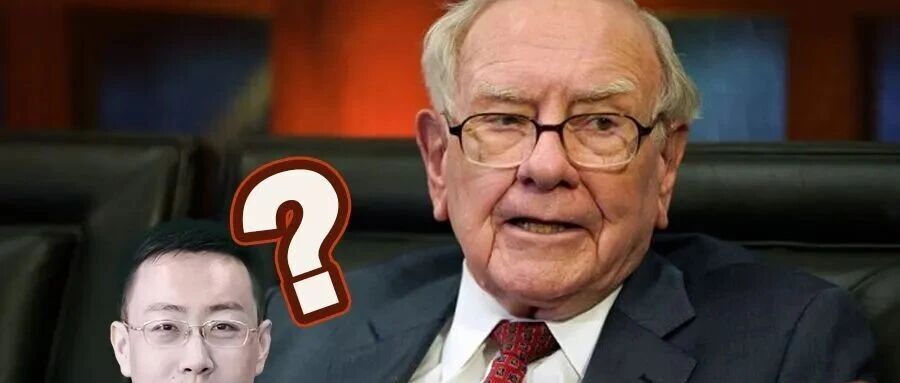
杨德龙:巴菲特做价值投资的七大关键词
Xin Lang Ji Jin· 2025-11-12 00:24
Group 1 - Warren Buffett announced his retirement and will be succeeded by Greg Abel as CEO of Berkshire Hathaway, with a significant asset transfer of approximately $149 billion to charitable foundations managed by his children [1] - Buffett shared four life lessons emphasizing the importance of continuous improvement, learning from mistakes, the value of kindness, and the equality of all individuals [1] - Buffett's investment philosophy has led to a remarkable 55,000-fold increase in net worth over 60 years, significantly outperforming the S&P 500 index [1] Group 2 - The concept of "Chinese-style value investing" has been proposed, which aims to adapt Buffett's principles to the specific context of the A-share market [2] - Seven key principles of Buffett's value investing were summarized, including the importance of understanding ownership in companies, selective contrarian investing, and the significance of a margin of safety [3] - The lack of long-term thinking and compound interest mindset in the A-share market is highlighted as a reason for underperformance compared to potential returns [3]
“股神”巴菲特即将退场,伯克希尔被降级
阿尔法工场研究院· 2025-11-12 00:07
Core Viewpoint - The article discusses the transition of leadership at Berkshire Hathaway as Warren Buffett prepares to retire, highlighting the challenges and uncertainties that may arise from this change, particularly regarding the company's future performance and management strategies [4][20]. Group 1: Company History and Transformation - Berkshire Hathaway began as a struggling textile company in 1839, facing significant losses by the time Buffett took over in 1965. His strategic acquisitions, starting with an insurance company in 1967, transformed it into a diversified investment empire [8][9]. - As of 2025, Berkshire's market capitalization is approximately $1.07 trillion, but its stock price has only increased by less than 10% since the beginning of the year, underperforming compared to major indices like the Dow Jones and S&P 500 [9]. Group 2: Buffett's Investment Philosophy and Mistakes - Buffett's career is marked by significant mistakes, which he openly discusses in his letters to shareholders. These experiences have contributed to the maturation of Berkshire's investment logic [11][12]. - Key mistakes include emotional decision-making in acquiring Berkshire's textile operations, misjudging trends with Dexter Shoe Company, and delaying corrective actions in investments like Kraft Heinz and Tesco [13][15][17]. - Buffett emphasizes the importance of rational decision-making, timely loss-cutting, and understanding one's investment circle of competence [14][17]. Group 3: Leadership Transition and Future Outlook - Greg Abel, Buffett's successor, has a background in accounting and has been with Berkshire since 1992. He has successfully led significant energy acquisitions and is expected to maintain Buffett's cost-control philosophy [19][28]. - Despite Buffett's confidence in Abel, market analysts express concerns about the uncertainties associated with the leadership change, leading to a downgrade in Berkshire's rating by KBW [20][28]. - The future success of Berkshire will depend on how well Abel can manage the company's substantial cash reserves and navigate the pressures in the insurance and energy sectors [28][29].
四大证券报精华摘要:11月12日
Xin Hua Cai Jing· 2025-11-12 00:01
Group 1: Hong Kong IPO Market - The Hong Kong stock market has seen 87 IPOs this year, raising over 240 billion HKD, making it the top global exchange for IPO fundraising [1] - Major A-share companies like CATL, Hansoh Pharmaceutical, and Seres have led the A+H listing trend, with 16 A-share companies successfully listing in Hong Kong this year [1] - Over 300 companies have applied to list on the Hong Kong Stock Exchange this year, marking a historical high, indicating a significant recovery in the IPO scale [1] Group 2: Monetary Policy - The People's Bank of China has proposed a moderately loose monetary policy, utilizing various tools to maintain relatively loose social financing conditions [2] - The report emphasizes the need to improve the monetary policy framework and enhance the execution and transmission of monetary policy [2] Group 3: Private Fund Governance - The China Securities Investment Fund Industry Association has revised guidelines for private fund management, marking a new phase in risk disposal through self-regulation and judicial practice [3] - The new regulations provide a clear institutional path to address issues like "lost" or "ineffective" fund managers, enhancing the governance framework for the private fund industry [3] Group 4: Mid-Year Dividends - As of November 11, 1,083 companies have announced mid-year dividends totaling 766.17 billion CNY, surpassing last year's mid-year dividend amount [4] - Over 300 companies are making their first mid-year dividend announcements, indicating a growing trend towards mid-year dividends in the market [4] Group 5: 2026 Market Outlook - Securities firms are preparing for 2026, with expectations of stable macroeconomic performance and a continued upward trend in the A-share market [5][11] - The market's driving force is shifting from valuation recovery to profit fundamentals, indicating a more balanced approach to investment [5] Group 6: New Energy Vehicles - In October, the penetration rate of new energy vehicles in China exceeded 50% for the first time, reflecting significant growth in the sector [6][7] - The growth is attributed to effective government policies and consumer behavior influenced by tax incentives [7] Group 7: Financing Trends - Since October, financing funds have increasingly favored high-growth sectors such as electric equipment, electronics, and non-ferrous metals, with net purchases exceeding 100 billion CNY in these industries [8] - Notable stocks with significant net purchases have shown strong performance in the first three quarters, indicating investor confidence in their growth potential [8] Group 8: Foldable Smartphone Market - The foldable smartphone market in China showed signs of recovery in Q3 2025, with shipments reaching 2.63 million units, a year-on-year increase of 17.8% [9] - The recovery is driven by stable performances from major manufacturers and the launch of new products [9] Group 9: Insurance Products - Major insurance companies are launching "opening red" products, focusing on floating dividend insurance amid a declining interest rate environment [10] - The preset interest rates for insurance products have reached their lowest levels in nearly 20 years, prompting a shift towards more flexible, dividend-based products [10] Group 10: ETF Market Growth - A total of 317 ETFs have been launched this year, marking a year-on-year increase of 136.57% [14] - The rapid expansion of the ETF market is attributed to the ongoing development of index-based investment strategies in the capital market [14]
巴菲特谢幕,但价值投资不会过时
Zheng Quan Shi Bao· 2025-11-11 22:01
近几年,随着人工智能、加密货币等新概念的兴起,相关公司股票短时间内出现大幅上涨,但巴菲特一 直没有买入相关股票,反而大举买入日本五大商社一类的传统股票。不少人质疑,巴菲特的价值投资理 念已经"落伍"。但事实上,价值投资的核心从未改变:它是对企业基本面的深度理解,是对市场情绪的 冷静判断,是对长期复利的坚定信仰。即便在今天数字化、全球化的时代,这些原则依然是抵御市场波 动、穿越经济周期的利器。 此外,巴菲特在信中多次提到"善良""感恩""榜样"等词语,提醒他的追随者:投资不仅是数字的游戏, 更是人性的修炼。他一生坚守中西部小镇奥马哈,远离华尔街的喧嚣,正是为了保持内心的宁静与判断 的独立。这种"在地性"与"长期性"的结合,恰恰是价值投资得以成功的重要土壤。 巴菲特即将谢幕,但他所代表的投资哲学与人生智慧,却不会随之退场。在信息爆炸、市场情绪极易失 控的今天,投资者比以往任何时候都更需要他那份冷静、耐心与远见。价值投资不是过时的教条,而是 一种穿越时代的智慧。正如巴菲特所言:"改进永远都不晚。找到合适的榜样并效仿他们。" 95岁的"股神"沃伦·巴菲特发文宣布,他将逐步退出伯克希尔·哈撒韦公司年度股东大会的舞台,并 ...