
全国统一大市场建设

Search documents
钢材月报:北方阅兵限产,钢价震荡偏强-20250806
Tong Guan Jin Yuan Qi Huo· 2025-08-06 01:56
Report Industry Investment Rating No relevant content provided. Core Views of the Report - In the next month, with increasing constraints on steel supply and demand in the off - season, steel prices are expected to maintain a volatile and slightly stronger trend. The "anti - involution" policy has a mid - term impact on the supply - demand relationship, and the steel market is in a double - weak supply - demand pattern [4]. - In July, steel futures prices rose strongly driven by policies and then回调 at the end of the month. In August, the market focuses on the implementation of the "anti - involution" policy, pre - parade production restrictions, and the demand expectations for the peak seasons [9]. Summary According to the Directory 1. Market Review - In July, steel futures prices rose strongly due to policy drivers and then fell at the end of the month. The main contracts of rebar and hot - rolled coil futures rose by over 10%. Spot prices also increased. The "anti - involution" policy and coal mine over - production checks led to cost increases, pushing up prices. At the end of the month, the lack of incremental stimulus policies and lower - than - expected PMI caused market sentiment to cool down [9]. - In August, the market focuses on the implementation of the "anti - involution" policy, pre - parade production restrictions, and the demand expectations for the peak seasons [9]. 2. Steel Fundamental Analysis 2.1 Anti - Involution Policy Disturbance, Supply Expectation Enhancement - The "anti - involution" policy in July aimed to regulate market competition. In the short term, it caused price fluctuations in coking coal. In the long term, it may reshape the supply - demand structure and profit distribution in the black commodity market. The coal industry may see increased concentration and pricing power [15]. - In July, steel supply remained relatively high. Profit - driven production led to high iron - water output and increased short - process production. In August, pre - parade production restrictions are expected, but supply in the first and middle of the month remains elastic [16]. 2.2 Steel Inventory Accumulation Accelerated at the End of the Month - In July, steel inventory continued to decline overall but showed signs of marginal accumulation at the end of the month. The total inventory of five major steel products increased slightly, with social inventory rising and factory inventory falling. Due to production restrictions and policies in August, inventory pressure is generally not large [19]. 2.3 Demand in the Off - Season, Weak Real Estate and Slowing Infrastructure - In July, steel demand was weak in the off - season, but exports remained resilient. Construction steel demand was weak due to the real - estate slump, and infrastructure investment growth slowed. Plate demand also weakened marginally. The manufacturing PMI was in the contraction range, and the "trade - in" policy's effect on the manufacturing industry diminished [22]. 2.4 Increased Policy Impact - Multiple policies were introduced in July. The "anti - involution" policy affected the steel market. Real - estate investment continued to decline, while the Yarlung Zangbo River downstream hydropower project started, which may drive new infrastructure investment expectations [24][27][28]. 3. Market Outlook - Supply side: In July, steel supply remained high with significant differentiation among varieties. In August, pre - parade production restrictions are expected, but supply in the first and middle of the month remains elastic due to profit incentives [44][46]. - Demand side: In July, steel demand was weak in the off - season, but exports remained resilient. Construction steel and plate demand both declined. Manufacturing was under pressure, and overseas exports maintained a good growth rate [46]. - In the next month, with increasing supply constraints and demand in the off - season, steel prices are expected to maintain a volatile and slightly stronger trend due to policy impacts [47].
深化认识 乘势而上 聚焦目标 强力突破 在融入服务全国统一大市场建设中挑大梁走在前作示范
Zheng Zhou Ri Bao· 2025-08-06 00:57
Core Viewpoint - The meetings held by Zhengzhou's leadership focus on integrating the city into the national unified market, emphasizing the importance of this initiative for resource optimization and economic growth [1][2]. Group 1: Strategic Importance - Integrating into the national unified market is identified as a strategic, comprehensive, and critical foundational task for Zhengzhou [2]. - This initiative is seen as essential for accelerating the efficient allocation of resources and leveraging the advantages of a large market scale [2]. Group 2: Goals and Actions - The city aims to enhance its awareness of the broader context, focusing on national and provincial priorities while seizing opportunities and fulfilling responsibilities [2][3]. - Key areas of focus include platform economy, headquarters economy, industrial chain economy, and digital economy, with an emphasis on attracting leading enterprises and developing international logistics hubs [3]. Group 3: Implementation and Leadership - There is a call for strong organizational leadership and policy research to ensure effective implementation of the integration strategy [3]. - The city is encouraged to innovate boldly, liberate thoughts, and actively engage in practical efforts to contribute to the modernization of the region [3].
治理“内卷式”竞争!多部门“组合拳”发力!
Zheng Quan Shi Bao· 2025-08-06 00:22
Group 1 - The core viewpoint emphasizes the need for a unified national market to combat "involution" in various industries, which has led to unhealthy competition and profit sacrifices among companies [1][4][11] - The government is implementing a series of measures to address "involution" by promoting fair competition and optimizing resource allocation, which is crucial for the construction of a unified national market [2][5][10] - The recent policies focus on both constraints and guidance, including prohibiting local governments from offering unfair incentives and promoting mergers and technological innovation in key industries [5][6] Group 2 - The regulatory framework is evolving, with new laws such as the revised Anti-Unfair Competition Law aimed at preventing predatory pricing and ensuring fair competition among businesses [8][9] - The government is actively seeking to break down local protectionism and market barriers, which are significant obstacles to the establishment of a unified national market [10][11] - Initial results from the government's "combination punches" against "involution" have shown improvements in capacity management and pricing rationality in industries like steel, automotive, and e-commerce [11]
治理“内卷式”竞争!多部门“组合拳”发力!
证券时报· 2025-08-06 00:14
Core Viewpoint - The article discusses the ongoing "involution" competition across various industries in China, emphasizing the need for a unified national market and the government's efforts to regulate and guide this competition to ensure a healthy market environment [2][4][11]. Group 1: Involution Competition - The "involution" competition has escalated from e-commerce and automotive sectors to electronics, food, steel, and cement industries, leading to a detrimental cycle where companies sacrifice profits for market share [2][4]. - The Chinese government, through multiple departments, is actively implementing measures to address this "involution" competition, aiming to break the cycle and promote a healthier market order [2][5][11]. Group 2: Government Measures - The National Development and Reform Commission (NDRC) has introduced guidelines to prevent local governments from offering illegal incentives in areas such as finance, taxes, and resources, focusing on both constraints and guidance [5][6]. - The Ministry of Industry and Information Technology (MIIT) is targeting key industries like automotive and steel to encourage structural adjustments and the elimination of outdated capacities [6][11]. - The State Administration for Market Regulation (SAMR) is conducting targeted actions against unfair competition across a wide range of sectors, including e-commerce and food, to ensure fair market practices [6][9]. Group 3: Price Governance Framework - Recent reforms in the Anti-Unfair Competition Law aim to establish a fair competition review system, prohibiting practices that disrupt market order through below-cost pricing [8][9]. - The NDRC and SAMR are working on revising the pricing law to address predatory pricing and ensure that service pricing is also regulated, enhancing the legal framework for market supervision [9][10]. Group 4: Achievements and Future Directions - Initial results from the government's "combination punches" against "involution" competition show improvements in industries like steel and construction materials, with a gradual recovery in upstream supply chain prices [11]. - The article highlights the need for further reforms in performance evaluation and fiscal systems to eliminate local protectionism and market barriers, which are essential for the successful establishment of a unified national market [11].

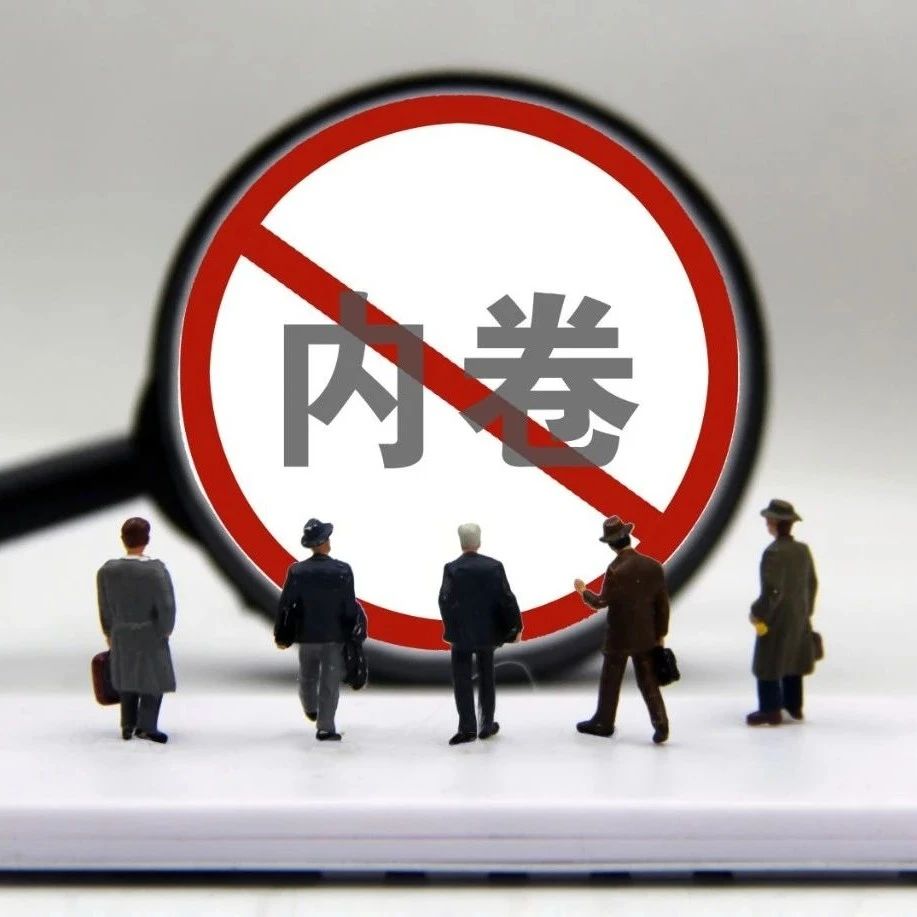
多部门“组合拳”协同发力 治理“内卷式”竞争走向深入
Zheng Quan Shi Bao· 2025-08-05 18:55
Core Viewpoint - The ongoing "price war" across various industries in China, driven by intense competition, has led to a detrimental cycle where companies sacrifice profits to gain market share, prompting government intervention to establish a fair competitive environment and promote a unified national market [1][2]. Group 1: Government Actions - Multiple government departments, including the National Development and Reform Commission (NDRC), Ministry of Industry and Information Technology (MIIT), and State Administration for Market Regulation (SAMR), are implementing comprehensive measures to combat "involution" in competition [2][3]. - The NDRC has issued guidelines to prevent local governments from offering illegal incentives related to finance, taxes, land, and resources, while also promoting mergers and the elimination of inefficient production capacities in industries like refining and steel [3][4]. - The MIIT is focusing on key industries such as automotive and photovoltaic sectors, encouraging structural adjustments and the elimination of outdated capacities, with initiatives like a 60-day payment commitment from major automotive companies [3][4]. Group 2: Regulatory Framework - The recent revision of the Anti-Unfair Competition Law aims to establish a fair competition review system, prohibiting platform operators from forcing sellers to price below cost, thereby addressing the issue of "involution" [5][6]. - The NDRC and SAMR are seeking public input on amendments to the pricing law, which will further link the regulation of "involution" with price governance [5][6]. - Experts believe that the revised pricing law will work in conjunction with anti-monopoly and anti-unfair competition laws to create a more comprehensive market regulation system, fostering a fair competitive environment [6][7]. Group 3: Market Impact - Initial results from the government's "combination punches" against "involution" have shown positive effects, with improvements in capacity management and structural optimization in industries like steel and construction materials, leading to a gradual recovery in upstream prices [6][7]. - The pricing strategies in the automotive, e-commerce, and food delivery sectors are becoming more rational, with a noticeable decrease in chaotic promotional activities [6][7]. - The Central Economic Committee has reiterated the need for legal governance of low-price competition and the orderly exit of outdated capacities, indicating ongoing efforts to regulate the market [7].
今年上半年国家标准下载量超1000万次
Zheng Quan Shi Bao Wang· 2025-08-05 11:08
Group 1 - The core viewpoint of the article highlights the proactive measures taken by the State Administration for Market Regulation to respond to social demands by making over 30,000 national standards available for free download, which supports the construction of a unified national market [1] Group 2 - The initiative has resulted in over 10 million downloads in the first half of the year, indicating strong public interest and engagement with the standards [1]
关于下半年经济工作,国务院多部门发声
中汽协会数据· 2025-08-05 09:01
Core Viewpoint - The article emphasizes the importance of stabilizing employment, investment, and consumption while enhancing macroeconomic policy effectiveness to achieve the annual development goals and the tasks outlined in the 14th Five-Year Plan [1][2]. Group 1: Economic Stability and Growth - Focus on stabilizing employment, enterprises, markets, and expectations to strengthen domestic circulation and optimize external circulation, laying a solid foundation for the 15th Five-Year Plan [2][3]. - Implement policies to stimulate private investment and enhance consumption through high-quality infrastructure projects and new policies [3][6]. - Promote the development of new productive forces, particularly in artificial intelligence and the digital economy, to drive innovation [3][4]. Group 2: Green and Coordinated Development - Advance green and low-carbon development through comprehensive carbon emission controls [4][6]. - Implement regional and urban-rural coordinated development strategies, focusing on urban renewal and rural revitalization [4][6]. - Ensure the stability of key sectors such as employment, food security, and energy supply chains [4][6]. Group 3: Fiscal and Monetary Policies - Utilize proactive fiscal policies to support consumption and expand domestic demand, while enhancing social welfare [14][15]. - Implement measures to improve the microeconomic cycle and support traditional and emerging industries [16][18]. - Maintain a moderately loose monetary policy to support technological innovation and stabilize foreign trade [35][36]. Group 4: Employment and Social Security - Focus on expanding job opportunities in key sectors and encourage entrepreneurship, particularly in the digital and green economies [24][25]. - Enhance social security measures, including pension reforms and timely disbursement of social benefits [27][29]. - Promote skills training and support for various demographics, including youth and migrant workers [26][30]. Group 5: Financial Market Regulation - Strengthen market stability and enhance regulatory effectiveness to prevent risks in key areas of the capital market [40][43]. - Promote reforms to invigorate market activity and support long-term capital investment [41][42]. - Address risks associated with real estate financing and support the development of a new model for the real estate market [44][45].

暑期文旅里的“融”字诀——从夏日经济看统一大市场建设
Ren Min Ri Bao· 2025-08-05 04:48
Core Insights - The integration of various tourism resources and services is a significant trend in the summer tourism industry, enhancing consumer experience and convenience [1][3][4] Group 1: Industry Trends - The concept of "融通" (integration) is highlighted as a key development in the tourism industry this summer, with e-commerce platforms offering synchronized recommendations for tickets, hotels, and dining options [1][3] - The opening of the "嗨游" smart service platform for inbound tourism allows for personalized itineraries and additional services like translation and transportation, showcasing the role of technology in enhancing travel experiences [3][4] Group 2: Resource Optimization - The revitalization of underutilized resources, such as transforming old houses in rural areas into cultural and creative spaces, demonstrates innovative approaches to resource management in the tourism sector [4] - The integration of digital technology is breaking physical barriers and improving the efficiency of resource allocation, as seen in initiatives like the registration of tourism data assets for financing [4][5] Group 3: Collaborative Ecosystem - The establishment of a collaborative ecosystem in the tourism sector is evident with the opening of Shanghai's LEGO Land, which not only serves local visitors but also attracts tourists from surrounding regions [5] - The implementation of policies such as visa exemptions and instant tax refunds is enhancing the attractiveness of destinations, indicating a focus on creating a seamless travel experience [5]
宏观政策持续发力、适时加力 下半年中国经济这么干
Zhong Guo Qing Nian Bao· 2025-08-05 03:40
Group 1: Economic Policy and Performance - The central government emphasizes the need for sustained macroeconomic policy efforts, including proactive fiscal and moderately loose monetary policies to enhance policy effectiveness [1] - In the first half of the year, China's GDP grew by 5.3%, showing an increase of 0.3 percentage points compared to the same period last year [2] - The unemployment rate in urban areas averaged 5.2% in the first half of the year, a decrease of 0.1 percentage points from the first quarter, with 6.95 million new urban jobs created [2] Group 2: Consumer Trends - Social retail sales increased by 5% in the first half of the year, with a growth rate improvement of 0.4 percentage points from the first quarter and 1.3 percentage points from the previous year [3] - Final consumption contributed 52% to economic growth in the first half of the year, with a contribution rate of 52.3% in the second quarter, up 0.6 percentage points from the first quarter and 4.4 percentage points from the previous year [3] Group 3: Challenges and Risks - The economy faces several risks, including potential consumption downturns due to high base effects and falling housing prices, which may reduce consumer wealth [4] - The ongoing U.S.-China trade tensions may lead to a volatile economic environment, impacting consumer confidence and spending [4] Group 4: Domestic Circulation and Market Development - The government aims to strengthen domestic circulation as a strategic response to external uncertainties, focusing on expanding domestic demand and optimizing supply structures [5] - The ratio of social logistics costs to GDP decreased by 0.2 percentage points in the first half of the year, indicating improved market efficiency [6] Group 5: Market Regulation and Competition - The government is working on a plan to address issues of disorderly competition and low-price dumping, which can harm market integrity and consumer rights [7] - The upcoming revision of the pricing law will clarify standards for identifying unfair pricing practices, particularly those aimed at eliminating competition [8]
钢铁板块发力拉升,马钢股份涨停,包钢股份等走高
Zheng Quan Shi Bao Wang· 2025-08-05 03:21
Group 1 - The steel sector experienced a significant rise on the 5th, with major companies like Maanshan Iron & Steel reaching the daily limit, and others such as Hualing Steel, Fangda Special Steel, New Steel, and Baotou Steel increasing by over 3% [1] - Institutions indicate that the ongoing supply-side reform is leading to a concentration of production capacity among quality leading companies. The recent commencement of the Yajiang Hydropower Project is expected to boost demand for basic steel and special steel [1] - The State Council's announcement of the "Rural Road Regulations" signals a push for rural infrastructure renovation, which is likely to benefit the steel industry through the release of demand from infrastructure projects and accelerated capacity regulation [1] Group 2 - The "anti-involution" focus is on improving quality and efficiency, with accelerated capacity regulation in the steel supply side. The Central Financial Committee's meeting on July 1 emphasized the construction of a unified national market and the need to eliminate low-price disorderly competition [2] - The National Development and Reform Commission's report proposed revisions to the capacity replacement implementation methods in the steel industry, promoting the orderly exit of outdated and inefficient capacity, and continuing to implement crude steel production controls [2] - The steel industry's anti-involution will concentrate on "quality improvement and efficiency enhancement," aiming to transition manufacturing from "low-price homogeneous competition" to "high-end differentiated competition" through technological upgrades and innovation [2]


