
太空经济

Search documents
太空大航海时代-如何把握商业航天新高度
2026-01-13 01:10
Summary of Key Points from the Conference Call Industry Overview - The conference discusses the commercial space industry in China, highlighting the country's plan to apply for nearly 200,000 satellites, significantly exceeding previous scales, indicating a strong strategic commitment in the commercial space sector [1][2] - The development of low Earth orbit (LEO) satellite internet is expected to become a crucial infrastructure for the 6G communication era, with traditional telecom operators like China Mobile and China Telecom participating in the deployment of new satellite constellations [1][2] Core Insights and Arguments - The recent application for over 200,000 satellites surpasses market expectations, with the scale being unprecedented both domestically and internationally. Previous large-scale constellations, such as Starlink, planned around 42,000 satellites [2] - The application includes 14 different types of constellations covering various fields such as communication and navigation, indicating a multi-functional network system's future development [2] - The commercial space sector is optimistic, with increasing rocket launch demand. Companies like Blue Arrow have made progress, but large-scale satellite launch plans will require enhanced launch capabilities [4] - Musk's Starship program is projected to produce 1,000 ships annually, significantly increasing space transport capacity and fostering new business models like space tourism and asteroid mining [5] Investment Opportunities - Investors are encouraged to focus on ground terminal sectors, which present substantial market potential and rapid deployment rhythms. Companies like StarNet and Haige Communication are expected to lead in this area [2][21] - The satellite manufacturing capacity is under pressure due to the anticipated increase in satellite launches, with projections of 600 to 1,000 satellites in 2026, up from 200 in 2025 [13] Technological Trends - Key trends in satellite technology include: - **High Power**: Satellites are moving towards higher power outputs, significantly impacting the solar panel industry [7] - **High Bandwidth**: The demand for bandwidth is increasing, with SpaceX's Starlink showing a fivefold increase in bandwidth capacity [7] - **Large Size**: Satellites are becoming larger, necessitating lightweight materials to improve payload efficiency [8] Market Dynamics - The defense and military terminal market is characterized by high entry barriers and limited competition, with companies like StarNet and Haige Communication expected to emerge as leaders [22] - The civil market has a larger potential, but the focus remains on critical applications for key departments, with IoT scenarios expected to see faster deployment [23] Company Highlights - Notable companies in the ground terminal sector include Chen Chang Technology, which has a strong market share in satellite products and is expanding into ground terminal chip products [18] - SpaceX's Starlink has reached 9 million users, with various terminal versions being developed, indicating a growing supply chain involvement from Chinese companies [24][25] Conclusion - The commercial space industry in China is poised for significant growth, driven by government initiatives and technological advancements. Investors should focus on ground terminal opportunities and companies with strong manufacturing capabilities to capitalize on this expanding market [21][22]
中国金龙指数大涨4.26%;重磅!力鸿一号遥一飞行器亚轨道飞行试验任务取得圆满成功,返回式载荷舱顺利着陆;人类首次在空间站完成“太空脑机接口实验”——《...
Mei Ri Jing Ji Xin Wen· 2026-01-13 00:48
(一)重要市场新闻 1、美股三大指数集体收涨,道琼斯指数涨0.17%,标普500指数涨0.16%创收盘新高,纳斯达克综合指 数涨0.26%。谷歌收涨1.09%,苹果收涨0.34%,谷歌证实与苹果达成一项为期多年的协议,将为苹果的 人工智能技术提供支持,其中包括语音助手"Siri"。Meta收跌1.7%,公司启动名为"Meta Compute"的全 新顶级战略项目。热门中概股多数收涨,纳斯达克中国金龙指数涨4.26%,阿里巴巴涨超10%,哔哩哔 哩、小鹏汽车涨超8%,百度、微博涨超6%,蔚来、网易、京东涨超4%,理想汽车涨超2%。 2、国际油价12日上涨。截至收盘,纽约商品交易所2月交货的轻质原油期货价格上涨38美分,收于每桶 59.50美元,涨幅为0.64%;3月交货的伦敦布伦特原油期货价格上涨53美分,收于每桶63.87美元,涨幅 为0.84%。纽约尾盘,现货黄金涨1.84%,报4592.13美元/盎司;COMEX黄金期货涨2.28%,报4603.30 美元/盎司;沪银夜盘收涨7.23%,报21268元人民币/千克,一度达到21518元。WTI 2月原油期货收涨 0.38美元,涨幅0.64%,报59.50美 ...
中国金龙指数大涨4.26%;重磅!力鸿一号遥一飞行器亚轨道飞行试验任务取得圆满成功,返回式载荷舱顺利着陆;人类首次在空间站完成“太空脑机接口实验”——《投资早参》
Mei Ri Jing Ji Xin Wen· 2026-01-13 00:38
Market News - The three major US stock indices closed higher, with the Dow Jones up 0.17%, the S&P 500 up 0.16% reaching a new closing high, and the Nasdaq up 0.26% [1] - Google confirmed a multi-year agreement with Apple to support Apple's AI technology, including the voice assistant "Siri," with Google shares rising by 1.09% and Apple by 0.34% [1] - Major Chinese stocks saw significant gains, with the Nasdaq China Golden Dragon Index up 4.26%, Alibaba up over 10%, and other notable increases in companies like Bilibili and XPeng [1] Oil and Gold Prices - International oil prices rose, with light crude oil futures for February closing at $59.50 per barrel, up 0.64%, and Brent crude for March at $63.87 per barrel, up 0.84% [2] - Gold prices also increased, with spot gold rising by 1.84% to $4,592.13 per ounce and COMEX gold futures up 2.28% to $4,603.30 per ounce [2] Industry Insights - The successful suborbital flight test of the Zhongke Aerospace Li Hong No. 1 spacecraft marks a significant step in space manufacturing, achieving a precision landing within 100 meters [3] - The satellite communication industry is projected to exceed 200 billion to 400 billion yuan by 2030, with an annual compound growth rate of 10%-28% [3] - The brain-computer interface market is expected to reach $40 billion by 2030 and $145 billion by 2040, with significant advancements in medical applications for neurological disorders [4] - The Ministry of Industry and Information Technology emphasizes the integration of AI in manufacturing, aiming to enhance the application of intelligent technologies across various sectors [5][6]
首次实现商业航天器伞降回收,力鸿一号飞行器完成亚轨道飞行试验任务
Xuan Gu Bao· 2026-01-12 15:34
Core Viewpoint - The successful suborbital flight test of the Kylin-1 spacecraft marks a significant advancement in China's commercial space sector, transitioning from single satellite launch services to reusable launch systems and diverse applications in the space economy [1] Group 1: Flight Test Achievements - The Kylin-1 spacecraft completed three key technology validations: breaking the 100-kilometer Kármán line for the first time, achieving parachute recovery for a commercial spacecraft, and verifying the precision landing control technology for the sub-stage of the spacecraft [1] - The flight test successfully demonstrated the re-entry and recovery of the return capsule, which is crucial for future space tourism and other applications [1] Group 2: Future Developments - The Kylin series spacecraft is designed for space tourism and is fully reusable, with a capability of over 30 flights [1] - The return capsule is set to be upgraded to support a minimum orbital stay of one year and at least 10 reuse cycles, enabling advanced applications such as space pharmaceuticals, drug screening, animal experiments, high-end semiconductor manufacturing, microgravity physics, space life sciences, and space materials science [1] Group 3: Industry Implications - The successful test signifies a shift in China's commercial space industry towards a more diversified approach, laying the groundwork for the future space economy [1]


马斯克抛出能源终极解决方案,颠覆常人想象
Sou Hu Cai Jing· 2026-01-12 02:04
Group 1 - Tesla CEO Elon Musk discussed the future of energy, proposing that wealth should be measured in "watts" instead of currency, emphasizing solar energy as the key to human energy freedom [1] - Musk outlined a "three-step" plan to enhance energy efficiency and solar energy utilization, starting with the use of Tesla's Megapack to store excess electricity and double the efficiency of existing power grids [3] - The Megapack, a modular large-scale energy storage system, has seen significant growth, with Tesla reporting a total installation of 46.7 GWh in 2025, a 48.7% year-on-year increase [3] Group 2 - The second step of Musk's plan involves launching solar AI satellites into space to maximize solar energy utilization, with a strategic goal of deploying 100 GW of solar energy satellites annually [4] - Space photovoltaics, which involve equipping satellites with solar panels, are seen as a viable solution due to the abundant sunlight in space and the higher energy output compared to ground installations [5] - Chinese solar companies are responding positively to Musk's vision, with industry leaders indicating that solar panels in space can generate 7 to 10 times more energy than those on Earth, highlighting the potential for a trillion-dollar market in low Earth orbit [5]


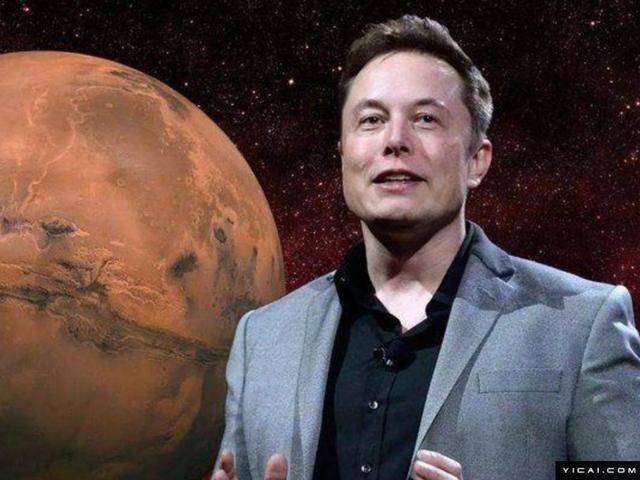
马斯克的颠覆式能源终极方案
Di Yi Cai Jing· 2026-01-11 11:52
Group 1 - Tesla CEO Elon Musk proposed that the future measure of wealth will be in "watts," emphasizing the importance of energy control [2] - Musk outlined a "three-step" plan for solar energy, starting with the use of Tesla's Megapack to store excess electricity and improve grid efficiency [2] - The second step involves launching solar AI satellites into space to maximize solar energy utilization, with a goal of deploying 100GW annually [3] Group 2 - In 2025, Tesla's energy storage products achieved a total installation of 46.7 GWh, a 48.7% year-on-year increase, with a record 14.2 GWh installed in Q4 [3] - The concept of space photovoltaics is gaining traction, with industry leaders noting that solar panels in space can generate 7 to 10 times more energy than on Earth [4] - Companies like JinkoSolar and Trina Solar are advancing their plans for space photovoltaics, with Trina Solar aiming to commercialize perovskite technology by 2026 [4][5] Group 3 - JunDa Co. has formed a strategic partnership with Shangyi Optoelectronics to explore perovskite battery technology for space energy applications, highlighting the potential for a trillion-dollar market in low Earth orbit satellites [5] - Analysts from Galaxy Securities noted that space photovoltaics can provide stable energy for space economies, with efficiency improvements expected to drive commercialization in the next 10 to 15 years [5]
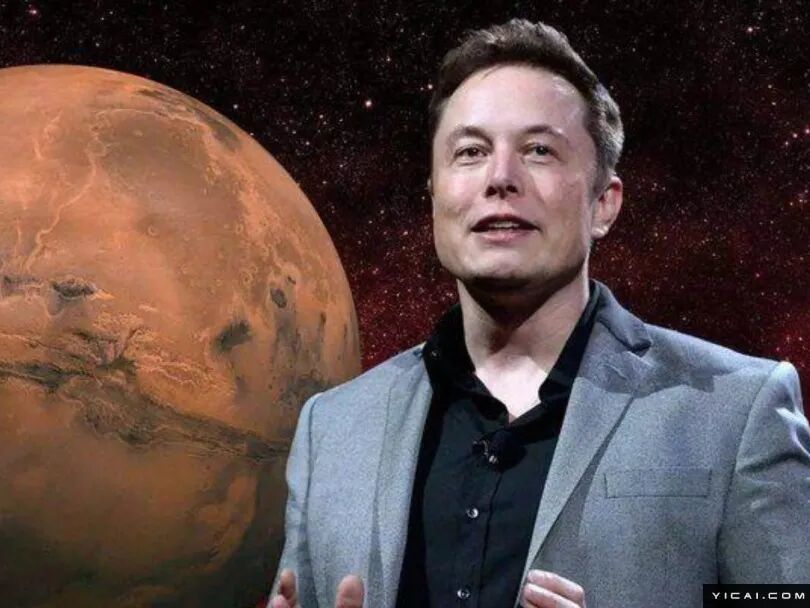
马斯克的颠覆式能源终极方案
第一财经· 2026-01-11 11:31
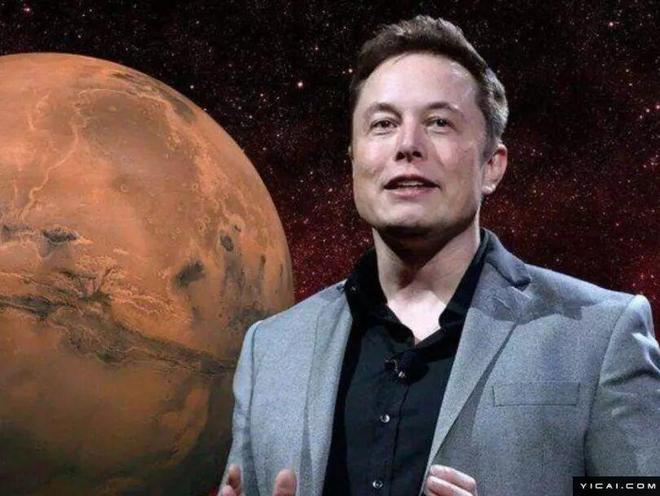
Core Viewpoint - Elon Musk suggests that the future measure of wealth will be in "watts" rather than currency, emphasizing the importance of energy control for humanity's future [3]. Group 1: Energy Solutions - Musk proposes a "three-step" plan for energy independence, starting with the use of Tesla's Megapack to store excess electricity and double the efficiency of existing power grids [4]. - The second step involves launching solar AI satellites into space to maximize solar energy utilization, requiring approximately 8,000 launches over a year for deployment [4]. - The final step includes establishing satellite factories on the Moon to manufacture satellites using local materials, aimed at significantly increasing solar energy capture [4]. Group 2: Tesla's Energy Product Growth - In 2025, Tesla's energy products achieved a total installation capacity of 46.7 GWh, marking a 48.7% year-on-year increase, with Q4 alone contributing 14.2 GWh, a 13% quarter-on-quarter growth [5]. - The demand for Tesla's Megapack and Powerwall products has driven this strong growth in the energy sector [5]. Group 3: Space Solar Power Potential - The concept of space solar power, where photovoltaic components are deployed on satellites, is gaining traction, with industry experts noting that solar energy in space can be 7 to 10 times more efficient than on Earth [6]. - Companies like JinkoSolar and Trina Solar are advancing their technologies to capitalize on the potential of space solar power, with plans for commercialization in the near future [6]. - The market for space solar power is projected to be vast, with low Earth orbit satellites alone potentially generating trillions in value [6]. Group 4: Industry Outlook - Analysts predict that the space economy, including satellite internet and deep space exploration, will require stable energy sources, with space solar power offering high efficiency and continuous energy generation [6]. - The development of perovskite tandem solar cells is expected to become mainstream in the medium to long term, supported by decreasing launch costs and breakthroughs in battery technology [6].
马斯克颠覆式提出能源终极方案
Di Yi Cai Jing Zi Xun· 2026-01-11 11:15
Group 1 - Tesla CEO Elon Musk proposed that the future measure of wealth will be in "watts," emphasizing energy control rather than currency [2] - Musk outlined a "three-step" plan for solar energy, starting with the use of Tesla's Megapack to store excess electricity and improve grid efficiency [2] - The second step involves launching solar AI satellites into space to maximize solar energy utilization, requiring approximately 8,000 launches to complete deployment [2][3] Group 2 - In 2025, Tesla's energy storage products achieved a total installation capacity of 46.7 GWh, a year-on-year increase of 48.7%, with a record quarterly installation of 14.2 GWh in Q4 [3] - The concept of space photovoltaics is gaining traction, with industry leaders noting that solar panels in space can generate 7 to 10 times more energy than those on Earth [4] - Companies like JinkoSolar and Trina Solar are advancing their plans for space photovoltaics, with JinkoSolar's chairman highlighting the potential for continuous energy generation in space [4][5] Group 3 - JunDa Co. announced a strategic partnership with Shangyi Optoelectronics to invest in perovskite battery technology for space energy applications, indicating the vast potential of the space photovoltaic market [5] - The space economy, including satellite internet and deep space exploration, requires stable energy sources, and space photovoltaics can provide high efficiency and continuous power generation [5]
银河证券:反内卷政策趋势仍在 太空光伏产业加速
智通财经网· 2026-01-11 06:48
Core Viewpoint - The trend of anti-involution policies remains, with ongoing exploration of coordinated governance in the industry [2] Group 1: Anti-Involution Policies - The recent halt of self-regulatory actions related to silicon material integration in the photovoltaic industry by the Market Supervision Administration is characterized as a rare preemptive review, which does not provide exemptions for anti-involution or integration [2] - The halt specifically targets monopolistic self-regulation concerning price, production capacity, and market division, while allowing compliance in areas such as cost-price sales, intellectual property protection, and technical standard improvements [2] - A collaborative governance framework has been established, involving enterprises, power generation parties, and associations to ensure compliance without resorting to monopolistic practices [2] Group 2: Industry Price Trends - The price of N-type silicon material has increased to 59,200 yuan per ton, reflecting a week-on-week rise of 9.83% [3] - Prices for N-type silicon wafers and battery cells have been maintained or increased, with N-type battery cell prices rising to 0.39 yuan per watt and TOPCon module prices increasing to 0.7 yuan per watt [3] - The industry is expected to gradually recover profitability, with a forecast of turning profitable in 2026 as terminal demand begins to improve [3] Group 3: Commercial Space and Space Photovoltaics - Elon Musk has announced plans to deploy a solar energy network of 100GW satellites annually, while China aims to establish gigawatt-level space data centers between 2025 and 2035 [4] - Space photovoltaics are expected to become commercialized in the next 10-15 years, driven by decreasing launch costs and breakthroughs in battery technology [4] - The efficiency of space photovoltaic systems is significantly higher than ground-based systems, with energy density and annual generation hours improved by 7-10 times [4]
华金证券:春季行情主升时行业如何轮动?
Zhi Tong Cai Jing· 2026-01-10 11:27
Core Viewpoint - The current spring market is expected to favor technology growth and certain cyclical industries, with commercial aerospace and brain-computer interfaces emerging as key investment themes for the season [1][5]. Group 1: Spring Market Trends - The main phase of the spring market may witness a rebound, with industries benefiting from positive policies and trends likely to perform strongly [2]. - Historical data indicates that during the main phase of the spring market, sectors with low valuation sentiment and significant inflows of financing tend to experience a rebound [2]. - Industries such as communication, social services, and beauty care have shown strong performance during previous spring market phases due to favorable policies and industry trends [2]. Group 2: Technology and Cyclical Industries - Technology growth sectors like media, computing, and pharmaceuticals are expected to rebound in the upcoming spring market due to low valuations and sentiment [3]. - Supportive policies for technology growth and cyclical industries are likely to continue, with initiatives in commercial aerospace and artificial intelligence being implemented [3]. - The upward trend in industries related to commercial aerospace and artificial intelligence is anticipated to persist in the short term [3]. Group 3: Economic and Liquidity Outlook - The economy is expected to continue its weak recovery, with profit growth likely to rebound, as indicated by the rising PPI year-on-year growth [4]. - Macro liquidity is projected to further loosen, with potential interest rate cuts from the Federal Reserve and domestic central banks [4]. - Risk appetite in the market may continue to improve due to the implementation of positive policies and limited overseas risks [4]. Group 4: Investment Strategy - The focus should remain on technology growth and cyclical growth sectors, as theme indices typically outperform primary industry indices during the main phase of the spring market [5]. - Commercial aerospace and brain-computer interfaces are highlighted as key investment themes, with the space economy projected to reach $1.8 trillion by 2035 [5]. - Industries such as military (commercial aerospace), new energy (nuclear fusion, energy storage), media (AI applications, gaming), and computing (AI applications, brain-computer interfaces) are recommended for low-cost allocation [5].