智能电动汽车

Search documents
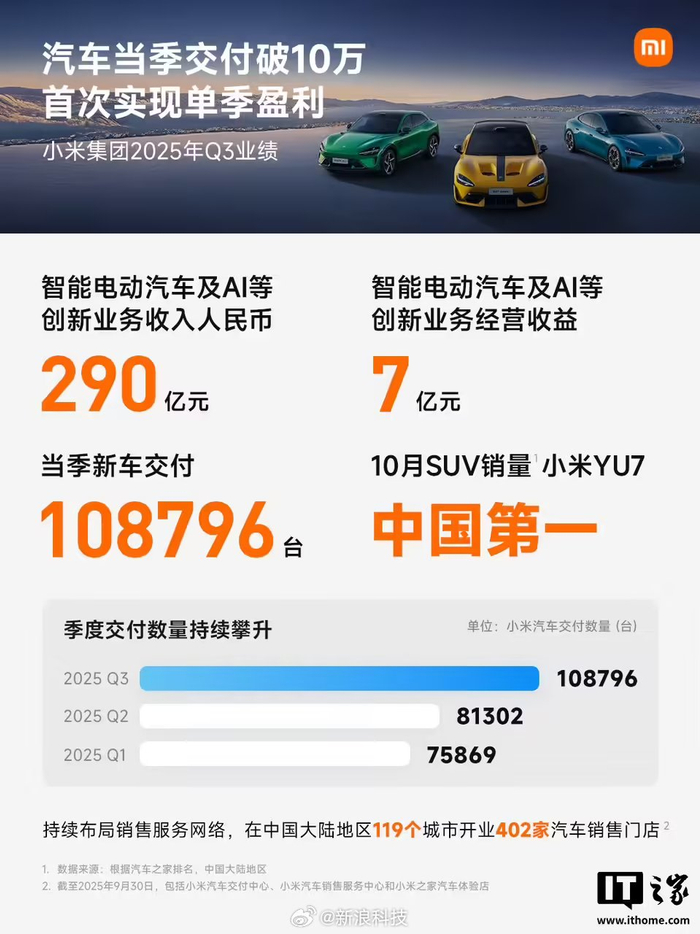
小米汽车第50万辆整车下线,三季度交付量超10万
Xin Lang Ke Ji· 2025-11-20 04:06
Core Insights - Xiaomi's automotive division has officially produced its 500,000th vehicle, marking a significant milestone and a new starting point for future efforts [1] - The company aims to achieve an annual delivery target of 350,000 vehicles by the end of this week, as disclosed by the Group President during an earnings call [1] - Xiaomi's Q3 2025 revenue reached 113.1 billion RMB, showing a year-on-year growth of 22.3%, with adjusted net profit increasing by 80.9% to 11.3 billion RMB [1] Delivery Performance - In Q1 2025, Xiaomi delivered 75,869 vehicles, followed by 81,302 in Q2, and 108,796 in Q3, totaling 265,967 vehicles delivered to date [2] - The company achieved over 100,000 vehicle deliveries in a single quarter for the first time in Q3 2025 [2] Sales Network Expansion - Xiaomi has established a sales service network with 402 automotive sales stores across 119 cities in mainland China as of September 30, 2025 [3]


小米汽车
数说新能源· 2025-11-19 06:35
Group 1 - Xiaomi's automotive division achieved over 100,000 deliveries in a single quarter for the first time, with a quarterly profit [1] - Revenue from smart electric vehicles and AI innovation businesses reached 29 billion yuan, a year-on-year increase of over 199% [1] - The company delivered 108,796 new vehicles in the quarter, with the Xiaomi YU7 ranking first in domestic SUV sales in October [1] Group 2 - Xiaomi continues to expand its sales service network, with 402 automotive sales outlets opened across 119 cities in mainland China [1]

小米汽车交出最好季报,扭亏净赚7亿元,总裁卢伟冰放话:本周就能达成年销
3 6 Ke· 2025-11-19 00:02
Core Viewpoint - Xiaomi's electric vehicle sales are expected to reach 350,000 units by the end of this year, with projections for 400,000 units in 2025, marking a significant growth trajectory in the automotive sector [4][5]. Financial Performance - In Q3 2025, Xiaomi's smart electric vehicle sales revenue reached 28.3 billion RMB, a record high, with a gross margin of 25.5% [7][11]. - The automotive segment achieved a quarterly operating profit of 700 million RMB, a turnaround from a loss of 300 million RMB in the previous quarter [10]. - The average selling price (ASP) of smart electric vehicles increased to 260,000 RMB, up 2.5% from the previous quarter [9]. Sales and Delivery - Xiaomi delivered 108,800 new vehicles in Q3 2025, a 33.8% increase from the previous quarter, contributing to a total of 266,000 units delivered in the first three quarters [8][10]. - The company is on track to meet its annual delivery target of 350,000 units, with expectations for continued growth in 2026 [5][6]. Margin and Cost Outlook - The gross margin for the automotive segment is expected to remain stable in Q4 2025, but a decline is anticipated in 2026 due to reduced purchase tax subsidies and increased competition in the market [5][11]. - The automotive segment's gross margin improved significantly from 17.1% in the previous year to 25.5% in Q3 2025, although it decreased slightly from 26.4% in Q2 2025 [11][14]. Research and Development - Xiaomi's R&D expenditure in Q3 2025 was 9.1 billion RMB, a 16.7% increase from the previous quarter, reflecting ongoing investments in electric vehicles and AI-related projects [13].

基金经理纷纷减持!小米最新发布,这份财报能否获得认可?
Xin Lang Cai Jing· 2025-11-18 13:25
Group 1: Core Insights - Xiaomi Group reported a significant net profit increase of 80.9% in Q3, with adjusted net profit reaching 11.3 billion yuan, marking a historical high [1][2] - The company's revenue for Q3 was 113.1 billion yuan, a year-on-year growth of 22.3%, continuing a streak of four consecutive quarters exceeding 100 billion yuan [1][2] - Xiaomi's innovative business segment, including electric vehicles and AI, achieved a quarterly operating profit of 700 million yuan for the first time [1][2] Group 2: Financial Performance - The gross margin for Xiaomi is projected to rise from 20.4% in Q3 2024 to 22.9% in Q3 2025, reflecting a year-on-year increase of 2.5 percentage points [2] - The smartphone and AIoT segment generated revenue of 84.1 billion yuan, with smartphone revenue at 46 billion yuan and IoT revenue at 27.6 billion yuan, showing a 5.6% increase [2] - For the first three quarters, total revenue reached 340.4 billion yuan, nearing last year's total, with adjusted net profit of 32.8 billion yuan, surpassing the previous year's total [2] Group 3: Stock Performance - Despite strong financial results, Xiaomi's stock price fell by 2.81% on the day of the earnings report, reaching a seven-month low and a market capitalization of approximately 1 trillion HKD, down nearly 30% from September's peak [3][4] - The stock has still seen an 18.2% increase year-to-date, but recent declines have raised concerns among investors [4] Group 4: Market Sentiment and Analyst Views - Analysts suggest that the stock's decline may be influenced by recent controversies in the automotive sector and competitive pressures in the smartphone market [4][5] - Fund managers have significantly reduced their holdings in Xiaomi, with a reported 10.8 billion yuan in reductions, marking it as the most reduced stock among public funds in Q3 [6] - Some funds, however, have chosen to maintain or increase their positions in Xiaomi, indicating mixed sentiment among institutional investors [7]
小米集团(01810) - 2025 Q3 - 电话会议演示
2025-11-18 11:30
Financial Performance - Group revenue reached RMB 113.1 billion, a YoY increase of 22.3%[11] - Gross profit margin increased to 22.9%, up 2.5 percentage points YoY[11] - Adjusted net profit reached RMB 11.3 billion, a significant YoY increase of 80.9%[11] - Smart EV, AI and other new initiatives revenue reached RMB 29.0 billion, a substantial YoY increase of 199.2%[11] Smartphone and AIoT Business - Global smartphone shipments ranked among the top 3 for 21 consecutive quarters, with a market share of 13.6%[14] - Premium smartphone sales in Chinese Mainland increased to 24.1% of total smartphone units sold, a YoY increase of 4.1 percentage points[14] - IoT and lifestyle products revenue reached RMB 27.6 billion, up 5.6% YoY[85] Smart EV Initiatives - Delivered 108,796 Smart Electric Vehicles, representing a YoY increase of 173.4%[18] - Smart EV sales revenue reached RMB 28.3 billion, up 197.9% YoY[89] User Growth and AI - Global MAU reached 741.7 million[21] - Number of connected devices reached 1,035.5 million[26] R&D Investment - R&D expenses reached RMB 9.1 billion in Q3 2025[31]
小米汽车业务首次实现单季盈利
Zheng Quan Shi Bao Wang· 2025-11-18 09:42
Core Insights - Xiaomi Group reported a third-quarter revenue of 113.1 billion yuan, representing a year-on-year growth of 22.3%, marking the fourth consecutive quarter of exceeding 100 billion yuan in revenue [1] - The adjusted net profit reached 11.3 billion yuan, a significant increase of 80.9% year-on-year, achieving a historical high [1] - Revenue from the smart electric vehicle and AI innovation business segment amounted to 29 billion yuan, with a year-on-year increase of over 199% [1] - Specifically, the revenue from smart electric vehicles was 28.3 billion yuan, and for the first time, the smart electric vehicle and AI innovation business segment achieved a positive operating profit of 700 million yuan in a single quarter [1]
30万元级大六座SUV,智己LS9正式上市
Bei Jing Ri Bao Ke Hu Duan· 2025-11-14 06:59
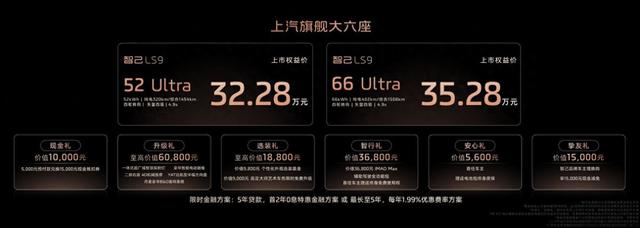
Core Points - SAIC Group's high-end electric brand, IM Motors, has officially launched its flagship six-seat SUV, the IM LS9, with pricing starting at 322,800 yuan for the 52 Ultra version and 352,800 yuan for the 66 Ultra version equipped with a 66 kWh battery [1] Group 1: Product Features - The IM LS9 features the Lingxi Digital Chassis 3.0 and a bi-directional 24-degree smart four-wheel steering system, achieving a turning radius of 4.95 meters, comparable to that of compact cars [3] - The vehicle is equipped with an 800V architecture and a dual-motor vector all-wheel drive system, enabling a 0-100 km/h acceleration in the 4-second range, with a CLTC pure electric range of 402 kilometers and a comprehensive range of 1,508 kilometers, while maintaining a low energy consumption of 2.81 liters per 100 kilometers [3] Group 2: Intelligent Technology - The IM LS9 is equipped with 520-line ultra-vision lidar and NVIDIA Thor chips, supporting L3-level perception capabilities for L2-level assisted driving, capable of recognizing traffic gesture commands, and includes advanced safety features such as super-sensitive AEB and AES lateral emergency avoidance [5] - The vehicle introduces an AI Agent service assistant for various scenarios, including parking payment and food ordering, along with features like "Rainy Night Mode 2.0" and a one-button privacy function to enhance safety and privacy [5] Group 3: Interior Comfort - The IM LS9 boasts an 86% high "usable area" design, featuring three zero-gravity seats that can switch between a boudoir chair and a super-sized bed mode [7] - It includes a Danish B&O sound system, 4D mechanical massage seats, and a smart heating system for exceptional audio-visual and comfort experiences, complemented by a fresh air system and outdoor luxury package to enhance outdoor living comfort [7]

电动车还要“反人类”多久?
创业邦· 2025-11-12 03:08
Core Viewpoint - The article discusses the evolution of electric vehicles (EVs) and critiques the design choices made by automakers, particularly the shift towards touchscreens and hidden door handles, which may compromise safety and user experience [5][22][45]. Group 1: Evolution of Electric Vehicles - Electric vehicles have transformed from being seen as niche products to becoming mainstream, overcoming initial skepticism regarding range and charging efficiency [5]. - The introduction of Tesla's Model S in 2012 marked a significant turning point in the automotive industry, establishing a new standard for smart electric vehicles [8][9]. Group 2: Design Trends and Critiques - Tesla's design philosophy emphasizes minimalism, reducing mechanical components in favor of sleek, touch-based interfaces, which has influenced many other automakers [9][12]. - The trend of integrating large touchscreens and eliminating physical buttons has led to usability challenges, particularly in critical functions like defrosting and door operation [11][30][31]. Group 3: Safety and Usability Concerns - The shift to touchscreens and hidden door handles raises significant safety concerns, as these designs can distract drivers and complicate emergency situations [40][41]. - Regulatory bodies are beginning to respond to these concerns, with new guidelines requiring physical buttons for certain functions to ensure safety [42][43]. Group 4: Future Directions - The automotive industry may move towards a hybrid approach, combining touchscreens with essential physical buttons to balance innovation with safety and usability [45]. - The article suggests that while the design of electric vehicles is evolving, practical solutions like heat-resistant films for glass roofs are still necessary to enhance user comfort [46].

电动车还要“反人类”多久?
3 6 Ke· 2025-11-11 01:51
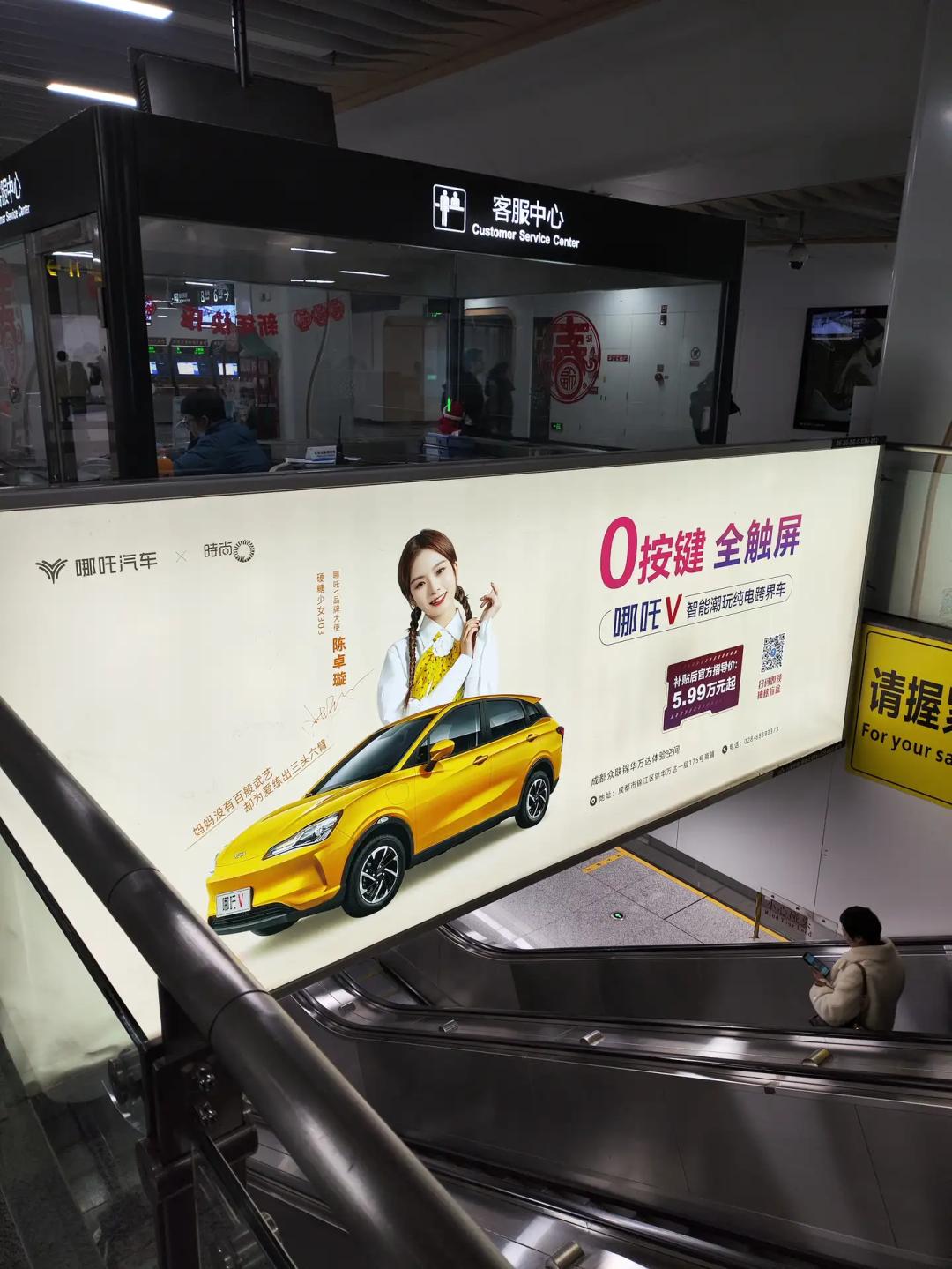
Core Viewpoint - The electric vehicle (EV) industry has evolved significantly over the past decade, overcoming initial skepticism regarding range and charging efficiency, but it has also introduced design elements that may complicate user experience, such as glass roofs, touchscreens, and hidden door handles [1][2][4]. Group 1: Evolution of Electric Vehicles - The launch of the Tesla Model S in 2012 marked the beginning of the smart electric vehicle era, receiving accolades for its innovative design [2][3]. - Tesla's design philosophy emphasizes the removal of mechanical components in favor of a sleek, intelligent interface, aiming for a futuristic automotive experience [2][4]. Group 2: Industry Trends and Challenges - Many automakers have adopted Tesla's design elements, leading to a trend where physical buttons are minimized, and touchscreens dominate vehicle controls [5][6]. - New entrants in the market are pushing for "zero buttons, all touchscreen" interfaces, which can complicate user interactions, especially in critical situations [7][9]. Group 3: User Experience and Safety Concerns - The shift to touchscreens and hidden door handles has raised concerns about usability, particularly in emergency situations where traditional controls may be more intuitive [19][30]. - The automotive industry has historically prioritized safety in user interactions, but the current trend may compromise this principle by prioritizing aesthetics and convenience over safety [30][31]. Group 4: Regulatory Responses - Regulatory bodies are beginning to respond to these design trends, with new safety requirements that may limit the use of hidden door handles and emphasize the need for physical buttons for critical functions [31][34]. - The European New Car Assessment Programme (E-NCAP) and China's Ministry of Industry and Information Technology are both advocating for a return to more traditional controls to ensure safety [31][34]. Group 5: Future Directions - The industry may move towards a hybrid model that combines touchscreens with essential physical buttons to balance safety and modern design [37]. - As technology advances, there is potential for improved user interfaces that maintain safety while offering the benefits of modern design elements [37].

电动车还要“反人类”多久?
远川研究所· 2025-11-10 13:19
Core Viewpoint - The article discusses the evolution and challenges of electric vehicles (EVs), highlighting the shift from traditional mechanical components to modern design elements like glass roofs, touchscreens, and hidden door handles, while raising concerns about safety and usability [3][5][26]. Group 1: Evolution of Electric Vehicles - The introduction of the Tesla Model S in 2012 marked a significant turning point in the electric vehicle industry, being recognized as a groundbreaking invention [8][10]. - Tesla's design philosophy aimed to eliminate mechanical components in favor of a sleek, minimalist aesthetic, which has influenced many automakers [9][12]. - The trend of integrating large touchscreens and hidden door handles has become prevalent, often at the expense of user-friendliness and safety [13][23]. Group 2: User Experience and Safety Concerns - The shift to touchscreens and hidden controls has led to usability issues, with drivers struggling to locate essential functions quickly, especially in emergencies [35][45]. - The article emphasizes that the automotive industry has historically prioritized safety, but recent trends may compromise this principle by prioritizing aesthetics over functionality [44][55]. - Regulatory bodies are beginning to respond to these concerns, with new safety requirements for physical buttons and controls being proposed [47][48]. Group 3: Future Directions - The article suggests a potential shift towards a hybrid approach, combining touchscreens with essential physical buttons to enhance safety and usability [56][57]. - It anticipates that by 2027, a balanced integration of technology and traditional controls will likely emerge, addressing both design and safety needs [58][59].