老龄化

Search documents
地产进化论:供需视角看地产长周期
Tebon Securities· 2025-07-22 12:14
Supply Perspective - The peak of "absolute increment" in China's real estate supply has passed, transitioning from an expansion phase to a stock phase[3] - The average number of residential units per household reached 0.70 for commercial housing and 1.17 for residential housing by 2023, indicating a shift towards quality and spaciousness in housing[14] - The per capita new housing starts per thousand people dropped to approximately 4.9 in 2023 and is expected to decline further to 3.8 in 2024, reflecting a rationalization of new supply[25] Demand Perspective - Urbanization has driven significant housing demand, with the urbanization rate reaching about 64.6% in 2023, indicating potential for further growth[36] - The age group of 25-44 years, which constitutes the main purchasing demographic, has seen a decline in its proportion of the total population from 34.4% in 2003 to 28.2% in 2023[38] - The proportion of the population aged 65 and above has increased from 8.4% in 2003 to 15.4% in 2023, indicating a rising demand for elderly housing solutions[38] Investment Opportunities - Despite a pessimistic narrative surrounding the real estate market, there are structural opportunities driven by urbanization, aging population, and a shift towards quality housing[3] - The demand for high-quality housing is increasing, with a notable preference for "good houses" across various buyer demographics[3] Risks - Potential data discrepancies and changes in policy environments could impact market dynamics[4] - External economic factors and systemic risks within the financial system remain critical considerations for the real estate market[3]
日本HR下跪求年轻人上班,这世界怎么了?
3 6 Ke· 2025-07-14 11:32
Core Viewpoint - The Japanese job market is experiencing a dramatic reversal, with companies now adopting humble approaches to attract young talent, contrasting sharply with the past decade's culture of employee subservience [3][4][15]. Group 1: Employment Market Changes - The employment rate for Japanese university graduates in spring 2024 reached 98.1%, the highest since 1997, indicating a significant shift in the job market dynamics [6]. - Companies are offering attractive incentives such as a signing bonus of 1 million yen and guaranteed annual leave of 129 days to entice graduates [6][10]. - The average monthly salary for formal employees in Japan increased by 5.1%, marking the highest growth in 33 years [12]. Group 2: Demographic Challenges - Japan's declining birth rate is a critical factor, with 2023 recording the lowest number of newborns at 758,631, a 5.1% decrease from 2022 [7][9]. - The aging population poses a significant challenge, with one in three Japanese individuals being elderly, leading to a shrinking workforce [7][9]. Group 3: Changing Attitudes of Young Workers - Young Japanese workers are increasingly prioritizing work-life balance over traditional job stability, with many rejecting full-time offers for freelance opportunities that allow for personal freedom [14][15]. - The shift in mindset reflects a collective disillusionment with traditional workplace expectations, as young people now seek jobs that respect their personal time and offer flexibility [14][15]. Group 4: Corporate Adaptations - Companies are breaking long-standing workplace norms, such as abolishing seniority-based promotion systems to attract younger employees to management positions [10]. - Some businesses are even allowing employees to bring pets to work as a strategy to retain young part-time workers [9].


80块钱7个菜,东北为什么能成为「低物价天堂」?
36氪· 2025-07-12 08:44
Core Viewpoint - The article discusses the economic conditions in Northeast China, highlighting its low cost of living and the underlying factors contributing to this phenomenon, including low wages, high reliance on state-owned enterprises, and demographic challenges such as aging population and out-migration [4][15][39]. Group 1: Cost of Living - Northeast China is perceived as a "low-price paradise," where even a monthly salary of 3000 yuan allows for a comfortable lifestyle [4][5]. - The prices of food and services in Northeast cities like Harbin are significantly lower compared to southern cities, with examples showing meals costing as little as 9 yuan for a dish [10][11]. - The affordability extends to clothing and services, with winter clothing priced much lower than in other regions [13][14]. Group 2: Wage Levels - Wage levels in Northeast China are notably low, with personal income tax contributions in Harbin being significantly lower than in cities like Zhuhai, despite Harbin's larger population [18]. - In 2023, the average wages for urban non-private units in the three northeastern provinces ranked among the lowest in the country [19]. - The average disposable income in 2024 for residents in Jilin and Heilongjiang is below the national median, indicating economic struggles [20]. Group 3: Economic Structure - The high proportion of state-owned enterprises in Northeast China contributes to the low wage levels, with state-owned sectors dominating the job market [21][24]. - The reliance on large state-owned enterprises has created a social structure that favors employment in these entities, limiting the growth of small and medium-sized enterprises [25][26]. - The economic performance of state-owned enterprises in Northeast China is poor, with many reporting low profit margins and significant losses [31][37]. Group 4: Demographic Challenges - Northeast China faces significant demographic issues, including a declining birth rate and an aging population, which are exacerbating economic challenges [39][40]. - The region has experienced substantial population outflow, with over 1.1 million people leaving from 2015 to 2024, further reducing the consumer base [41]. - The phenomenon of "bird migration" where many residents spend winters in warmer regions like Hainan is also noted, impacting local consumption patterns [42][43]. Group 5: Future Outlook - Despite current challenges, there are signs of potential economic recovery, particularly in the realm of exports, which have been increasing for four consecutive years [47]. - The existing industrial and research capabilities in Northeast China may provide a foundation for future growth if leveraged effectively [47].

国家级催婚:日本「单身税」要来了,影响有多大?
36氪· 2025-07-05 12:26
Core Viewpoint - Japan is facing a severe population crisis, prompting the government to implement a new "Child and Childcare Support Fund" system to encourage childbirth and support families [4][5][15]. Group 1: Policy Implementation - Starting from April 2026, Japan will introduce a tax ranging from 2,400 to 12,000 yen annually (approximately 120 to 600 RMB) to fund subsidies for families with children [5][6]. - The tax is mandatory and linked to health insurance, affecting both citizens and foreigners, regardless of whether they have children [8][9]. - The policy is being referred to as a "universal fertility tax" rather than a "single tax," as it applies to all individuals [7][10]. Group 2: Demographic Challenges - Japan's total population has decreased from 128 million to 123.8 million over the past decade, with a significant drop in birth rates, falling below 700,000 last year [17][15]. - The country has the lowest birth rate globally and the highest aging rate, with a growing proportion of single-person households, reaching 38% [20][25]. - Predictions indicate that by 2035, half of the population aged 15 and above may be single, with a third of men and a fifth of women potentially never marrying [26][28]. Group 3: Historical Context and Comparisons - Historical precedents for "single taxes" exist, such as in ancient Greece and Rome, and more recently in the Soviet Union, which had similar taxation policies [11][13]. - Discussions around implementing a "single tax" have also emerged in South Korea, reflecting a broader trend in addressing demographic issues [14]. Group 4: Financial Incentives and Support - Japan has invested over 66 trillion yen (approximately 3 trillion RMB) in fertility-related budgets over the past 30 years, with current annual spending around 3 trillion yen (about 150 billion RMB) [31][32]. - Various subsidies are available, including a one-time childbirth allowance of 500,000 yen (about 25,000 RMB) and ongoing childcare support for children aged 0-3 years [33][34]. - Education subsidies cover public and private kindergarten fees, and there are plans for free public high school education starting in 2025 [34][35]. Group 5: Systemic Challenges - Despite extensive financial support, Japan's birth rate continues to decline, indicating that stimulating childbirth is more complex than merely providing financial incentives [37][38]. - The decline in birth rates is a global phenomenon influenced by cultural shifts, high costs of living, and economic stagnation, which are particularly pronounced in Japan [39][40]. - Addressing the issue requires a comprehensive approach beyond financial subsidies, including breaking the cycle of "deflationary economy" and "low-desire society" [42][44].

日本计划征收单身税!靠惩罚和奖励能解决老龄化问题吗?
Sou Hu Cai Jing· 2025-06-30 15:17
Group 1 - The Japanese government will implement a "Child and Childcare Support Fund" system starting April 2026, requiring residents over 20 years old without children and earning over 2 million yen annually to pay a monthly fee of 200-1000 yen, with higher earners facing increased fees by 2028 [1][3] - The policy has been met with significant public backlash, with over 60% of citizens opposing it, highlighting the societal tensions surrounding Japan's declining birth rate and the perception of single individuals as financial burdens [1][9] - The policy is criticized for creating a one-way wealth transfer, where single individuals contribute without receiving benefits, while families with children receive subsidies, leading to a societal divide [3][4] Group 2 - Economic pressures, such as rising living costs and stagnant wages, are identified as primary barriers to increasing birth rates, with many young people delaying parenthood due to financial instability [6][11] - The cultural expectation of parental responsibility and the high costs associated with raising children further deter young couples from having children, as the financial support provided by the government is insufficient [6][12] - The increasing rate of lifelong singlehood among Japanese men and women is driven by economic factors, with lower-income individuals being more likely to remain unmarried [7][11] Group 3 - The "single tax" is seen as exacerbating social divisions, with younger generations feeling stigmatized and pressured by the government to conform to traditional family structures [9][14] - Historical examples from other countries, such as South Korea and France, demonstrate that punitive measures do not effectively address declining birth rates, suggesting that structural issues must be resolved first [9][12] - A comprehensive approach is needed to address the dual crises of declining birth rates and an aging population, focusing on work-life balance, intergenerational support, and a supportive environment for families [11][12]
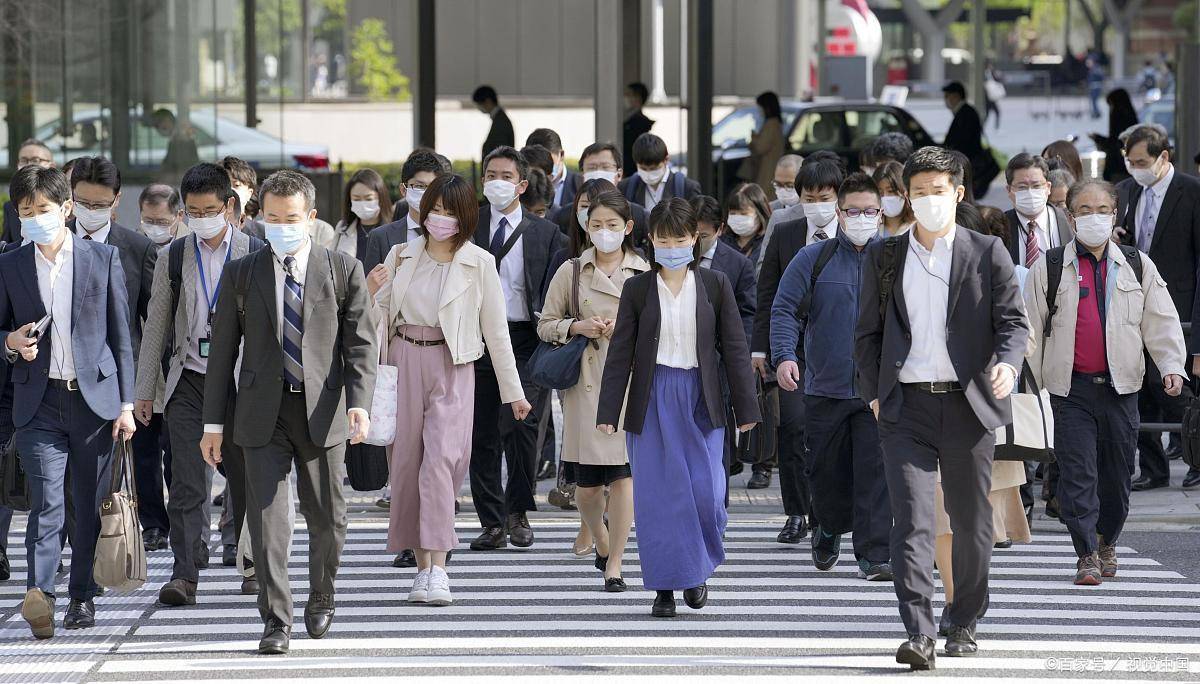
李迅雷专栏 | 再论:中国人口往何处去?
中泰证券资管· 2025-06-25 07:24
Core Insights - China's total population has been declining for three consecutive years since peaking in 2021, with projections indicating it will fall below 1.4 billion by 2027, 1.3 billion by 2039, and 1.2 billion by 2047 [2][11] - The number of newborns is expected to drop below 9 million by 2025, fall below 8 million by 2028, and potentially dip below 7 million by 2035, with a slower decline in the subsequent decade [10][11] - China entered a deep aging society in 2021, expected to reach an ultra-aging society by 2032, and will match Japan's current aging level by 2048 [14][16] Population Trends - The fertility rate among women aged 15-29 is significantly higher than in Japan and the UK, but the fertility rate for women aged 30-49 is notably low, indicating a need for policies encouraging childbirth among older women [24][25] - The decline in marriage rates is attributed to gender imbalance, with a male-to-female ratio of approximately 115:100 for those born between 2006-2010, which may lead to severe gender disparities in the upcoming decade [33][36] - Educational disparities also contribute to declining marriage rates, as there are more men with lower education levels compared to women with higher education, complicating the marriage prospects for educated women [3][38] Urbanization and Migration - Urbanization rates have slowed, with the average annual growth rate dropping from 1.4 percentage points to about 0.8 percentage points post-2021, while the urbanization rate is projected to reach 67% by 2024 [42][44] - The average age of migrant workers has risen to 43.1 years, with over 30% being over 50, indicating a trend of aging among the workforce and a decrease in population mobility [46][48] - Major urban areas continue to attract population inflows, with cities like Suzhou, Nanjing, Shenzhen, and Guangzhou experiencing significant net population increases [62][64] Economic Implications - The industrial workforce has been declining since 2012, with projections indicating a drop from 2.32 billion in 2012 to 2.13 billion by 2024, highlighting a shift towards the service sector [72][79] - The service sector's share of GDP is expected to rise, with the third sector projected to account for 57% of GDP by 2024, compared to 36% for the secondary sector [69][79] - The aging population and rising dependency ratio will increase demand for services, necessitating a focus on developing the service industry to stabilize employment [80][100]

再论:中国人口往何处去?
李迅雷金融与投资· 2025-06-19 11:50
Group 1: Population Changes and Trends - The total population of China has been decreasing since its peak in 2021, with projections indicating it will fall below 1.4 billion by 2027 and below 1.3 billion by 2039 [2][7] - The number of newborns in 2024 is expected to be 9.54 million, lower than previous predictions, with further declines anticipated in subsequent years, potentially dropping below 9 million in 2025 and 8 million in 2028 [5][6] - China entered a deep aging society in 2021, with expectations to reach super-aged status by 2032, and projections suggest it will match Japan's aging level by 2048 [8][11] Group 2: Fertility Rates and Marriage Trends - Fertility rates among women aged 15-29 are higher than those in Japan and the UK, but rates for women aged 30-49 are significantly lower, indicating a need for policies that encourage childbirth among older women [2][16] - The declining marriage rate is attributed to gender imbalance and educational disparities, with a notable surplus of males in younger age groups and a higher number of educated women than men in higher education [25][30] - The average marriage age in China is lower than in several developed countries, yet the overall fertility rate remains low, suggesting that early marriage does not necessarily lead to higher birth rates [16][17] Group 3: Urbanization and Migration Trends - Urbanization rates are slowing, with the annual growth rate dropping from 1.4 percentage points to approximately 0.8 percentage points post-2021, while the urbanization rate is projected to reach 67% by 2024 [32][36] - The proportion of migrant workers moving across provinces is decreasing, with an increasing average age of migrant workers, indicating a trend towards local employment rather than migration [39][40] - Major urban areas continue to attract population inflows, with cities like Suzhou, Nanjing, Shenzhen, and Guangzhou experiencing significant net population increases, reflecting ongoing urbanization trends [46][51] Group 4: Economic Implications of Population Changes - The share of the secondary industry in GDP is declining, while the tertiary sector is expected to grow, with projections indicating that the tertiary sector will account for 63% of GDP by 2024 [57][59] - Employment in the secondary industry has been decreasing since 2012, with a notable drop in industrial employment numbers expected to continue [59][64] - The aging population and rising dependency ratios will increase demand for services, suggesting a need for policies that support the growth of the service sector [65][70]

两年减少超1000万人!幼儿园,关停潮加速了
商业洞察· 2025-06-18 09:18
Group 1 - The core viewpoint of the article highlights a significant decline in the number of children in kindergartens and primary schools in China, driven by a continuous decrease in the newborn population [2][4][7] - As of 2024, the number of children in kindergartens is reported at 35.84 million, a decrease of 5.09 million from the end of 2023, indicating a yearly reduction of over 5 million [5][8] - The number of primary school students in 2024 is reported at 105.84 million, which is 2.52 million fewer than in 2023, marking a continuation of the trend from the kindergarten level [9][10][14] Group 2 - The article discusses a wave of closures in kindergartens and primary schools, with the number of kindergartens decreasing from 28.92 million in 2022 to 25.33 million in 2024, a reduction of 2.11 million [17][18] - The number of primary schools has also been declining, with 136,300 schools reported in 2024, down by 7,200 from the previous year [22] - The closures are attributed to both the declining birth rate and the ongoing urbanization process, which has historically led to the merging and shutting down of rural schools [20][24] Group 3 - The article notes that the decline in the newborn population began in 2017, with a significant drop in births recorded in 2021, leading to a projected continued decrease in school-age children in the coming years [26][29] - The marriage rate has also hit a 45-year low, with only 6.11 million marriages registered in 2024, further indicating a downward trend in the birth rate [30][37] - The implications of these demographic changes are expected to extend beyond early education, affecting middle schools, high schools, and universities in the future [38][39] Group 4 - The article outlines the broader impacts of population decline, including increased pressure on the pension system, with the proportion of the population aged 60 and above rising to 22% in 2024 [46][47] - It highlights the urban-rural reshuffling, with rural populations decreasing significantly and many small towns facing potential disappearance due to declining numbers [56][61] - The education sector is also experiencing changes, with a surplus of teachers as the number of students declines, leading to potential reforms in hiring practices [66][70] Group 5 - The real estate market is under pressure due to declining population numbers, with over half of the cities in China experiencing population decreases, particularly in third and fourth-tier cities [75][76] - The article warns that the ongoing demographic trends will lead to a significant transformation in the housing market, with many cities facing a "Hegangization" effect, where property values drop significantly [78][80] - The overall demographic changes are framed as a complex societal issue that will influence various sectors, including economy, employment, and education [82][84]

李迅雷专栏 | 高债务实质是“老年病”——拉长时间看国家由盛转衰
中泰证券资管· 2025-06-11 10:30
Group 1 - The article discusses the high levels of government debt-to-GDP ratios in developed countries, with Japan exceeding 250% and the US around 125%, while emerging economies like ASEAN countries maintain lower ratios of about 30-40% [2] - It raises the question of whether economic development correlates with increased debt levels, suggesting that high debt may lead to economic decline over time [2] - The article emphasizes the cyclical nature of economies and the potential for countries to transition from prosperity to decline due to rising debt levels [2] Group 2 - The article highlights the aging population and its impact on health, noting that major diseases leading to death, such as cardiovascular diseases and cancer, are more prevalent in older populations [5] - It presents data showing that cancer incidence is highest in developed countries, which may be attributed to longer life expectancies rather than better health outcomes [5] - The article discusses the relationship between aging populations and increased healthcare costs, which can strain government budgets and economic growth [8] Group 3 - The article outlines the rapid increase in global government debt since the 2008 financial crisis, with projections indicating that global public debt-to-GDP ratios could reach 95.1% and potentially 99.6% by 2030 [10] - It notes that developed countries have higher average macro leverage ratios compared to developing countries, with developed countries at 255% and developing countries at 217% as of Q3 2024 [10] - The article attributes the rapid growth of government debt to various factors, including economic crises and the need for fiscal stimulus [14] Group 4 - The article discusses the reasons behind the high debt levels in developed countries, particularly Japan's situation where government debt is largely internal and driven by attempts to combat deflation [14] - It also examines the US government's increasing debt levels, which rose significantly during the 2008 financial crisis and the COVID-19 pandemic, driven by the need to maintain global dominance and social welfare [20] - The article highlights that while the US faces high debt levels, it has mechanisms in place to manage this debt, such as the ability to raise the debt ceiling [32] Group 5 - The article concludes that the global economy is entering a slow decline characterized by high debt levels, which it likens to an "aging disease" affecting nations [41] - It discusses the implications of rising debt and aging populations on economic growth, suggesting that these factors could lead to a prolonged period of economic stagnation [41] - The article emphasizes the need for countries to adapt to these demographic and economic changes to avoid severe economic consequences [42]

首份《中国家庭养老金融健康指数调研报告》:家庭养老金融准备步入“积累”期
清华金融评论· 2025-06-09 11:13
Core Viewpoint - The article discusses the challenges and opportunities in ensuring financial health for family pensions in the context of China's aging population and the need for effective financial products like insurance to support elderly care [2][3][5]. Group 1: Current Situation and Challenges - China is facing an unprecedented aging population crisis, making elderly care a national concern rather than just a family issue [3]. - The report highlights the collision between traditional views on elderly care and modern challenges, with significant anxiety about retirement among different age groups, particularly those born in the 70s and 80s [15]. - The "sandwich generation" (ages 30-50) is under dual pressure from both child education (67.7% of respondents) and elder care (14.7% of respondents), indicating a lack of focus on retirement planning [15]. Group 2: Financial Health Index - The first "China Family Pension Financial Health Index Research Report" was launched, revealing an average score of 48.56, indicating that families are in an accumulation phase regarding pension planning [10][14]. - The report is based on 26,835 valid samples from 34 provincial-level administrative regions, providing a comprehensive view of the current state of family pension financial health [14]. Group 3: Asset Allocation and Pension Models - The survey found that family asset allocation is imbalanced, with over 70% in real estate and less than 5% in financial assets, highlighting a reliance on traditional pension methods [15]. - Home-based elderly care remains the mainstream model, with 46.34% of nuclear families and 49.56% of extended families preferring this approach [15]. Group 4: Recommendations for Improvement - The report suggests establishing a wealth management concept throughout the life cycle and expanding the second and third pillars of pension systems to enrich financial product offerings [16]. - It emphasizes the need for a multi-layered pension security system and improved social support, particularly for the 70s and 80s generations, who face economic, psychological, and social challenges [16].