零和博弈

Search documents
中国金属材料流通协会:摒弃“内卷式”恶性竞争
news flash· 2025-07-30 08:33
Core Viewpoint - The China Metal Materials Circulation Association has issued a proposal to resist "involution-style" vicious competition and promote a scientific and orderly development of the steel circulation industry [1] Group 1: Industry Competition - The proposal emphasizes the need to abandon "involution-style" competition and strictly adhere to the Anti-Unfair Competition Law of the People's Republic of China [1] - It calls for a firm resistance against unfair practices such as selling below cost, defaming reputation, and stealing trade secrets [1] - The association advocates for healthy competition based on product quality, service value, and technological innovation [1] Group 2: Industry Collaboration - The proposal encourages strengthening industry information exchange and risk warning to avoid blind expansion or irrational order grabbing [1] - It promotes exploring mutually beneficial cooperation models in logistics, warehousing, and processing to reduce overall social costs [1] - The association firmly opposes behaviors such as mutual defamation, malicious price cutting, and non-compliant order grabbing, aiming to avoid falling into the "zero-sum game" trap [1]
【期货盯盘神器专属文章】亚洲烧碱周报:“内卷”政策下的零和博弈,烧碱价格逆势上涨,是铝土矿需求太强,还是供应“另有隐情”?
news flash· 2025-07-29 12:17
期货盯盘神器专属文章 亚洲烧碱周报:"内卷"政策下的零和博弈,烧碱价格逆势上涨,是铝土矿需求太强,还是供应"另有隐 情"? 相关链接 ...
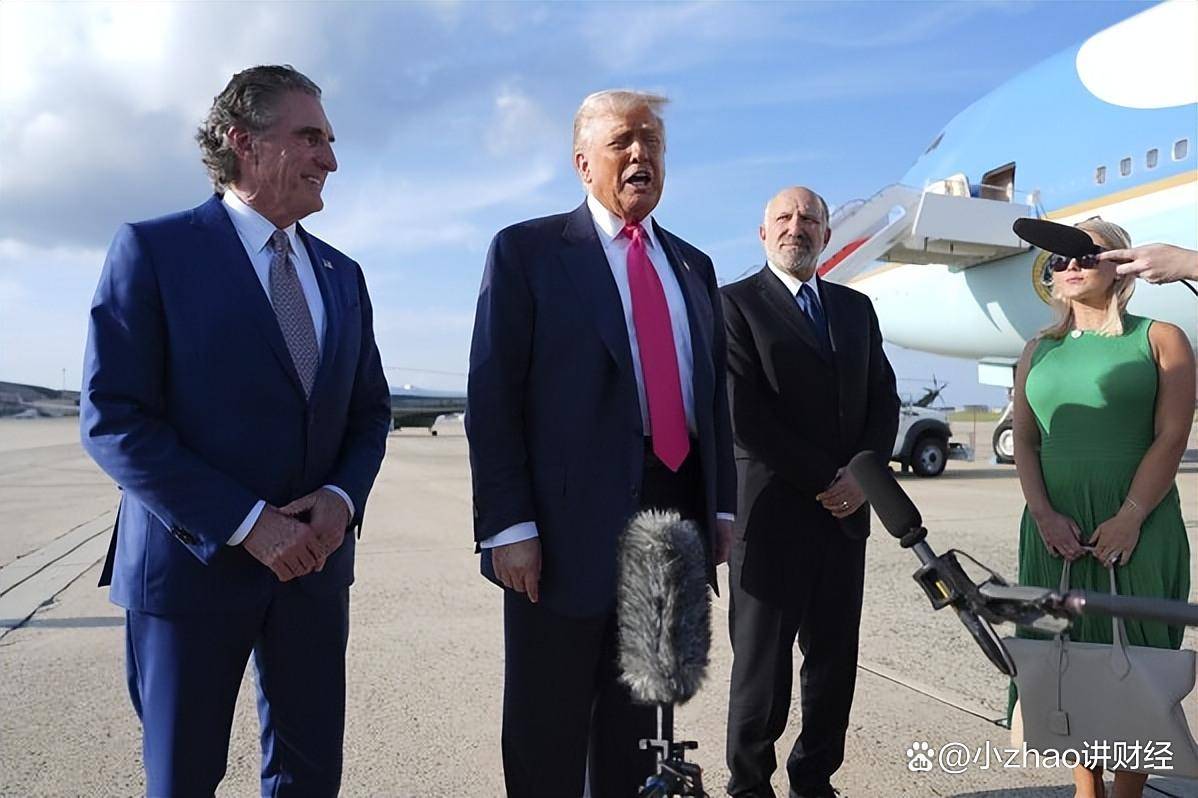
不许中国与俄罗斯贸易,特朗普话音刚落,被西方专家泼了盆冷水
Sou Hu Cai Jing· 2025-07-28 08:03
回顾过去的关税战,中国在面对特朗普挑起的关税战争时,表现出了惊人的韧性和灵活性。在这场"贸易战"中,中国并未选择妥协,而是通过自身的经济 实力和市场吸引力进行反击,最终迫使美国撤回了部分过于极端的措施。这一过程中,世界各国都看到了中国在面对美国压力时展现出来的实力。 事实上,美国对中国的"威胁"更多地像是一部幻想小说。假设中美关系进一步恶化,稀土资源的供应中断,中美贸易基本断绝,这种局面恐怕连美国自己 都不敢细想。稀土作为现代科技的基础,中国在全球稀土市场中的主导地位意味着,一旦中国决定限制稀土出口,美国的智能手机、先进武器甚至日常工 业产品的生产链条可能会陷入停滞。 除此之外,中国的"后招"远不止于此。金融领域是一个强有力的反制工具。中国持有大量美国国债,若中国决定大规模减持,美国的金融市场将受到剧烈 冲击,美元汇率下跌、利率飙升,甚至美国经济的正常运转都会受到极大威胁。 在外交手段上,中国同样有着多种策略。加强与俄罗斯的战略合作、推动金砖国家的经济合作、扩大上海合作组织的影响力,这些举措都不仅是为了应对 美国的威胁,而是在为未来的全球战略格局布局。当美国仍在沉迷于"零和博弈"的思维方式时,中国早已在棋盘上 ...

冯德莱恩离开北京,欧盟态度变了,千亿关税砸向美国!与中国谈完后,欧洲开始醒悟
Sou Hu Cai Jing· 2025-07-28 06:47
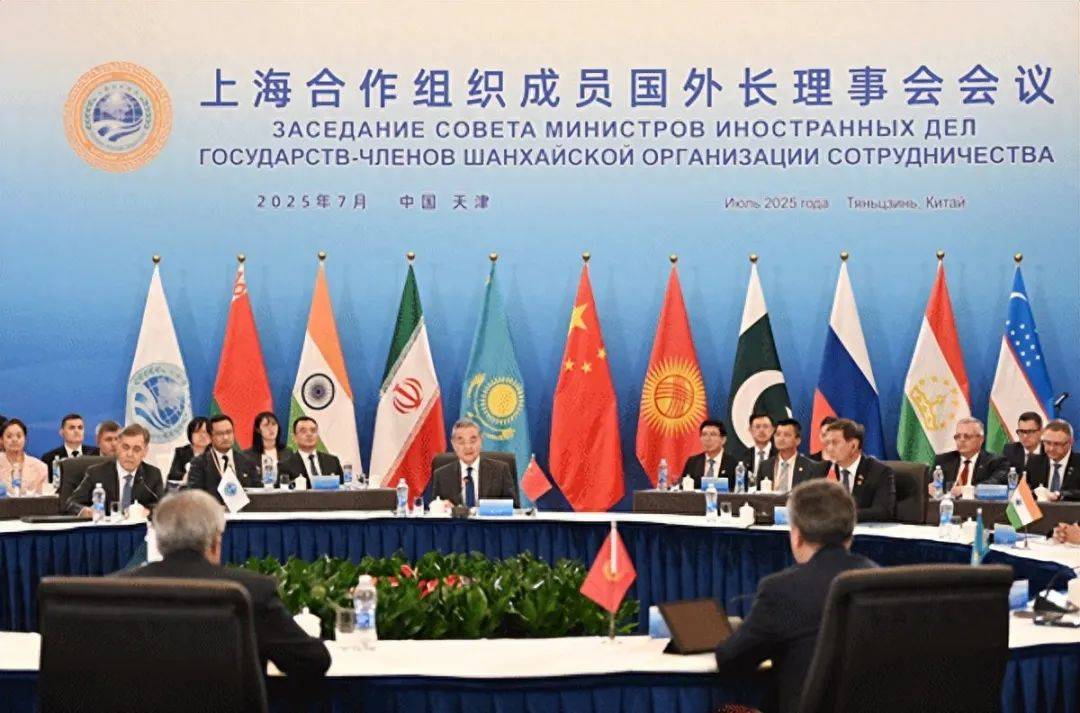
Core Points - The European Union (EU) has unanimously approved a retaliatory tariff list targeting key American industries worth €93 billion, including aircraft, automobiles, and whiskey, shortly after Ursula von der Leyen's visit to Beijing [1][5] - This shift in EU policy reflects a strategic pivot towards China, as the EU seeks to redefine its relationship with China amidst increasing pressure from the U.S. [3][11] Group 1: Economic Implications - The EU's tariff list includes €21 billion targeting agricultural products like soybeans and corn, aimed at Republican strongholds, and €72 billion focused on high-value industrial goods, directly affecting key states in the upcoming U.S. elections [5][6] - The EU's trade deficit with the U.S. has surged, while EU investments in the U.S. have created 4 million jobs, indicating a complex economic interdependence that could be disrupted by a trade war [6][8] Group 2: Technological Considerations - The U.S. Inflation Reduction Act has provided substantial subsidies that threaten to siphon off European renewable energy companies, highlighting the EU's need for green technology cooperation with China [8][9] Group 3: Geopolitical Context - The ongoing Russia-Ukraine conflict has placed additional strain on the EU, which bears a significant burden of refugee costs while U.S. arms manufacturers have seen profits soar, prompting the EU to seek new strategic partnerships [9][11] - The EU's recent actions signify a desire to assert its sovereignty and independence from U.S. influence, aiming to become a partner to all major powers rather than a subordinate ally [11]

社评:“同球共济”为AI治理提供中国方案
Huan Qiu Wang Zi Xun· 2025-07-27 16:00
Group 1 - The 2025 World Artificial Intelligence Conference showcased over 3,000 cutting-edge exhibits from more than 800 companies, highlighting the rapid advancements in AI technology and its applications globally [1] - The event attracted over 1,200 participants from more than 40 countries and international organizations, emphasizing the collaborative spirit in AI development [1] - Various innovative AI products were displayed, including Tesla's humanoid robot and AI glasses developed by Chinese companies, reflecting the diverse imagination and potential of AI [1] Group 2 - The IMF's "AI Readiness Index" indicates a significant gap in AI governance capabilities, with developed countries scoring 0.68, while emerging and low-income countries scored 0.46 and 0.32 respectively [2] - The conference resulted in the release of the "AI Global Governance Action Plan," calling for collaborative efforts in AI development and governance, alongside China's proposal to establish a World AI Cooperation Organization [2] - China's initiatives aim to address the "rules deficit" in global AI governance, promoting a shared vision for AI that benefits humanity [2] Group 3 - China's "cooperation for mutual benefit" approach in AI development has led to the emergence of several open-source AI models, enhancing global innovation and technology sharing [3] - The use of DeepSeek in disaster relief efforts demonstrates the practical benefits of China's AI advancements, showcasing its potential to bridge the digital divide and empower economies in developing countries [3] Group 4 - The contrasting methodologies of the US and China in AI development highlight a divide, with the US focusing on technology control while China advocates for multilateral cooperation [4] - The need for international collaboration in AI governance is emphasized, with calls to ensure AI serves humanity and avoids becoming a tool for the wealthy [4] - China's promotion of "cooperation for mutual benefit" is seen as a critical step towards achieving technological equity and fostering a sustainable digital future [4]
炒Meme股算什么?主导美股的散户们看上了外汇交易,杠杆高达500:1!
Hua Er Jie Jian Wen· 2025-07-25 20:43
Core Insights - Retail investors are entering the high-risk forex market with unprecedented enthusiasm, reminiscent of the previous "Meme stock" frenzy, but the zero-sum nature and high leverage of forex trading pose significant risks [1] - In the first half of 2025, retail investors are estimated to invest approximately $600 billion daily in the forex market, a 28% increase year-on-year, with a staggering 51% increase when excluding Japan [1] - Despite representing a small portion of the global daily forex market of $7.5 trillion, the collective bets from amateur speculators are raising concerns [1] Group 1: Leverage and Risks - The core attraction of forex trading for retail investors is its high leverage, which is also viewed as the greatest risk by industry insiders [2] - Retail traders can use financial instruments like Contracts for Difference (CFDs) to control large trades with minimal capital, with leverage ratios reaching up to 20:1 in highly regulated countries and even 500:1 in less regulated regions [2] - The sudden drop of the dollar this year caught many investors off guard, highlighting the unpredictable nature of the market [2] Group 2: Geographic Trends - The surge in retail forex trading is spreading globally, with Japan previously being the center due to low interest rates and a stagnant stock market [3] - Currently, growth is primarily driven by regions such as Vietnam, India, and Mexico, while the U.S. market remains relatively subdued due to restrictions on CFD trading [3] - Although retail forex trading is growing rapidly, it still represents only 13% of stock trading volume, despite a year-on-year increase of over 30% [3] Group 3: Influence of Social Media - The rise of "financial influencers" on social media and the proliferation of online courses are significant factors driving retail participation in forex trading [4] - These self-proclaimed "experts" promote their knowledge and courses on platforms like YouTube and X, attracting novice investors [4] - Some investors, like Greer, choose to learn from experienced professionals instead of influencers, indicating a divide in the approach to education in trading [4]
中国刚传“喜讯”,24小时内,美国两大部门对华出招,中方必须警惕!
Sou Hu Cai Jing· 2025-07-22 04:33
Group 1 - The "Belt and Road" initiative has achieved a remarkable project cooperation total of $124 billion in the first half of 2025, surpassing the total of $122 billion for the entire year of 2024 and setting a historical high since the initiative's launch ten years ago [1] - Construction contract projects reached $66.2 billion, while industrial investment cooperation amounted to $57.1 billion, with the average project size exceeding $1.2 billion for the first time [1] - China's construction cooperation in Africa surged by 395% year-on-year, and investment in Central Asia increased by 257%, highlighting deep strategic ties with global southern countries [1] Group 2 - The U.S. Department of Commerce announced a preliminary anti-dumping duty of 93.5% on Chinese anode-grade graphite, raising the total tax rate to 160%, aiming to choke China's new energy industry chain [3] - The U.S. Department of Defense initiated a two-week "emergency review" requiring Chinese engineers to exit all U.S. military cloud service systems, triggered by concerns over security vulnerabilities in Microsoft's "Digital Guardian" system [3][5] - The U.S. response reflects a growing anxiety over China's economic resilience demonstrated by the "Belt and Road" initiative, revealing structural contradictions within the U.S. itself [5] Group 3 - China's response to U.S. actions emphasizes maintaining healthy and stable economic relations, showcasing a strategic wisdom that contrasts with the U.S. approach [5][7] - The invitation extended by the Chinese embassy in the U.S. for American officials to attend the military parade on September 3 symbolizes a diplomatic gesture aimed at fostering cooperation [5] - The ongoing trade and technology conflicts highlight a divergence in strategic thinking, with China pursuing a path of mutual benefit and trust-building through projects, while the U.S. remains entrenched in a zero-sum mindset [7]

与美国斗了整整七年,中国总结出4句话,想看美国是否吸取了教训
Sou Hu Cai Jing· 2025-07-21 17:26
Core Viewpoint - The Chinese government has summarized the past seven years of Sino-U.S. economic relations into four key statements, reflecting on the ups and downs of the relationship and emphasizing the importance of cooperation despite challenges [3][9]. Summary by Relevant Sections Economic Relationship Overview - The Sino-U.S. economic relationship has been described as "turbulent," with both countries remaining important economic partners despite the challenges posed by U.S. unilateralism and protectionism since 2018 [3][9]. - Despite the trade tensions, there has been considerable growth in both goods and services trade compared to seven years ago, indicating resilience in the economic interactions [3][9]. Key Statements from China 1. **Mutual Importance**: The first statement emphasizes that Sino-U.S. economic relations have weathered storms, and both countries are still significant economic partners [3][5]. 2. **Cooperation is Essential**: The second statement reiterates that the essence of Sino-U.S. economic relations is mutual benefit and cooperation, highlighting that attempts at unilateral advantage will lead to losses for both sides [5][9]. 3. **Dialogue as a Solution**: The third statement advocates for dialogue and negotiation as the best means to resolve issues, acknowledging that differences and frictions are inevitable in any cooperative relationship [6][9]. 4. **Commitment to Principles**: The final statement asserts China's commitment to defending its national interests and international fairness, indicating that cooperation is possible but must be based on mutual respect and principles [8][9]. Future Implications - The four statements serve as a significant summary of the current state of Sino-U.S. economic relations and are expected to remain relevant in the longer historical context, largely due to China's stable policy towards the U.S. [9][10]. - The U.S. may need to reassess its approach to Sino-U.S. relations, especially in light of past misjudgments regarding tariffs and trade policies [10][12].
Unity(U.US)广告业务拐点已至?大摩看好三大引擎驱动估值重估
智通财经网· 2025-07-18 08:33
Group 1 - Morgan Stanley is optimistic about Unity Software's advertising business prospects, citing significant improvements in product competitiveness due to strategic restructuring and technological investments over the past 18 months [1] - Recent feedback from Unity's advertising clients indicates a substantial increase in campaign effectiveness, with installation and purchase conversion rates rising by 15%-20%, aligning with management's statements in the Q2 earnings report [1] - The firm anticipates that as Unity continues to provide efficient technological solutions, advertising budgets will increasingly shift towards its platform, driven by a strong focus on return on advertising spend (ROAS) [1] Group 2 - Three key drivers supporting this trend are highlighted: the full launch of Unity's new Vector advertising model in May, which has shown technical strength within just two months, leveraging Unity's scale and leading position in the gaming engine market [2] - Unity's unique user behavior data, recently utilized for ad targeting, is expected to enhance the performance of the Vector model as more real-time gaming data is inputted [2] - The adoption rate of Unity 6 is rapidly increasing, nearing 50% in Q2, with 80% of clients planning to upgrade, which could lead to subscription revenue growth for the Create department and provide richer data sources for Unity Ads, thereby improving clients' ROAS [2] Group 3 - Morgan Stanley believes that Unity's recovery indicates a multi-win scenario in the market, suggesting that if the Vector model can provide differentiated insights, the overall advertising market size may expand rather than being a zero-sum game [2] - The firm maintains a positive outlook on Unity's investment in its high-margin advertising network and the utilization of its unique data assets, noting that market skepticism regarding Unity's competitiveness in advertising presents significant upside potential for its expectations and valuations [2] - Morgan Stanley retains an "overweight" rating on Unity with a target price of $25, suggesting that under bullish scenarios, valuations could reach $40, corresponding to a 10% annual growth rate in the advertising business [2]

特朗普向51国开火,话音刚落,中国免税揽53国,非洲成新战略点
Sou Hu Cai Jing· 2025-07-17 23:57
Core Argument - The article discusses the contrasting global order strategies of the United States and China, highlighting the U.S. tariff strategy as a means to maintain hegemony, while China promotes a zero-tariff policy to foster multilateral cooperation and win-win outcomes [1][2]. U.S. Tariff Strategy - The U.S. government initiated a tariff strategy in July 2019, imposing a base tariff rate of 10% with potential increases up to 50% on 51 countries, aiming to repatriate manufacturing and counter China [1][2]. - Approximately $64 billion in tariffs have been collected, which is only slightly above the previous year's levels, indicating a failure to meet ambitious goals [2]. - The tariff strategy has led to strong backlash from allies, with the EU preparing a countermeasure list worth $88 billion, and public sentiment in Canada and Mexico favoring reduced dependency on the U.S. [2]. China's Zero-Tariff Policy - Starting in June, China announced a "zero-tariff" policy for 53 African countries, significantly upgrading its previous tax exemption policies for the least developed nations [4]. - This policy aims to create attractive institutional advantages for African exporters, allowing them to bypass U.S. pressures and access China's vast market [4][11]. - However, the benefits of this policy are unevenly distributed, favoring more developed African economies while marginalizing others, necessitating support in public services and supply chain finance [4]. Comparison of Strategies - The U.S. strategy relies on coercive high tariffs, targeting traditional allies and low-income countries, resulting in market turmoil and loss of trust among allies [6]. - In contrast, China's strategy employs voluntary tax exemptions to attract new partners, particularly in Africa, aiming to enhance exports and reshape institutional power dynamics [9][11]. - The article emphasizes that the U.S. approach is a zero-sum game dependent on force, while China's focus is on long-term cooperation and mutual benefits [11]. Africa's Role - Africa is positioned as a critical battleground in the U.S.-China rivalry, with its rich resources and large market potential driving interest from both nations [11]. - China's zero-tariff policy, combined with infrastructure investments, is expected to integrate African manufacturing into global value chains and diversify export structures [11]. - The article suggests that if the U.S. continues its current tariff approach, it risks pushing African nations towards a China-centric cooperation model [12].