
贸易保护主义

Search documents
特朗普关税即将正式生效,全球经济的考验才刚刚开始
Hua Er Jie Jian Wen· 2025-08-07 07:54
Core Points - The Trump administration's aggressive trade policies are pushing the U.S. into a new phase of protectionism, creating uncertainty for the global economy and raising concerns about inflation and financial market impacts [1] - The new tariff policy has raised the average tariff rate in the U.S. from 2.3% to 15.2%, with specific countries facing individual rates and a 40% transit tax for goods rerouted through third countries [1][2] - Financial analysts warn of potential market corrections, with major institutions predicting short-term declines in the S&P 500 index [1] Tariff Details and Global Supply Chain - The framework for new tariffs has been established, but key details remain unresolved, causing ongoing uncertainty in global supply chains [2] - Many countries have committed to investing billions in the U.S. in exchange for lower tariff rates, but specific agreements, especially regarding automotive tariffs, are still pending [2] - Countries like Switzerland have failed to negotiate lower tariffs, and additional tariffs have been imposed on goods from India in response to its oil imports from Russia [2] Economic Impact and Employment - The Trump administration claims that high tariffs will reduce the trade deficit and bring manufacturing back to the U.S., but critics argue this could lead to inflation and product shortages [4] - Recent economic data shows a significant downward revision in U.S. job growth, with consumer spending slowing and economic growth decelerating in the first half of the year [4] - Although unemployment remains low and prices stable for now, experts warn that this situation may not last, with rising costs likely to lead to price increases [5] Tariff Revenue and Manufacturing - Despite challenges, the Trump administration touts record tariff revenues of $113 billion over nine months, suggesting potential tax rebates for Americans [6] - There is a fundamental contradiction in the administration's goals, as increasing tariff revenue and manufacturing job growth may not be simultaneously achievable [6]
特朗普关税大棒正式落地,全球经济迎来“压力测试”
Jin Shi Shu Ju· 2025-08-07 07:45
Group 1 - The new tariff system under President Trump's administration has raised the average tariff rate in the U.S. to 15.2%, significantly higher than last year's 2.3%, marking the highest level since World War II [2] - Key trading partners such as the EU, Japan, and South Korea have negotiated a 15% "preferential tariff rate" to avoid a 25% tax on critical exports like automobiles, while Switzerland and India face higher tariffs [2] - The U.S. is still negotiating tariff increases with major trading partners Mexico, Canada, and China, and Trump has pledged to impose new tariffs on key industries such as pharmaceuticals and semiconductors [2] Group 2 - Despite low unemployment rates, there are signs of economic challenges ahead, with July employment data being revised down significantly and economic growth slowing in the first half of the year [3] - Major financial institutions like Morgan Stanley and Deutsche Bank have raised alarms about potential declines in the S&P 500 index amid rising inflation and slowing consumer spending [3] - Recent polls indicate that a majority of voters oppose Trump's tariff policies and express dissatisfaction with his economic management, raising questions about the sustainability of his trade plans [3] Group 3 - Experts have criticized the legal foundation of Trump's tariff measures, suggesting that the government is attempting to create a false narrative that the "tariff cycle is ending" [4] - Trump has claimed that tariff revenues could lead to tax refunds for some Americans, with customs data showing record tariff revenues of $113 billion for the nine months ending in June [4] - There is skepticism regarding the goal of reviving domestic manufacturing, as increased tariff revenues may not align with job growth, since reduced imports would naturally lead to lower tariff income [4]


美国加征关税重创德国汽车业
Jing Ji Ri Bao· 2025-08-06 22:05
Core Viewpoint - The aggressive tariff policy implemented by the Trump administration since 2025 has significantly impacted the global automotive industry, particularly German manufacturers, despite a recent trade agreement between the US and EU that reduced tariffs to 15% [1][2]. Group 1: Trade Agreement Details - The US and EU reached a trade agreement on July 27, 2023, lowering most EU goods' tariffs to 15% and including commitments for the EU to purchase $750 billion in US energy products by 2028 [2]. - The agreement aims to avoid a full-scale trade war, but the 15% tariff is still seen as a substantial negative impact on Germany's export-oriented economy [2][5]. Group 2: Financial Impact on German Automakers - The US tariffs have severely affected the financial health of major German automakers, with estimates suggesting a cash flow reduction of over $10 billion for the three largest companies (Mercedes-Benz, Volkswagen, and BMW) in 2023 [3]. - Specific projections indicate that Mercedes-Benz's cash flow may drop from $11 billion to approximately $3 billion, Volkswagen's cash flow could fall to $3.8 billion, and BMW's cash flow is expected to decrease to $5 billion [3]. Group 3: Cost Pressures and Market Competitiveness - The tariffs have increased the costs of exporting vehicles and components to the US, further squeezing profit margins for German automakers [4]. - The price increase due to tariffs has led to a decline in sales of German vehicles in the US market, with stock prices of major automakers dropping between 13% and 25% following the announcement of the tariffs [4][5]. Group 4: Broader Industry Challenges - The German automotive industry is also grappling with rising raw material prices, an energy crisis, and the high costs associated with transitioning to electric vehicles, which are compounded by the US tariffs [4][6]. - The ongoing geopolitical tensions, such as the Russia-Ukraine conflict, have disrupted supply chains, further complicating the operational landscape for German automakers [6]. Group 5: Future Outlook and Strategic Adjustments - While the trade agreement provides some relief, the persistent 15% tariff continues to exert pressure on profits, sales, and supply chains, necessitating strategic adjustments and innovation from German automakers to regain competitiveness [7]. - There are concerns that the tariffs may lead to job losses in Europe, with estimates suggesting that up to 70,000 jobs could be at risk as companies consider relocating production to the US to avoid tariffs [5][6].
美联储降息救市!8月6日,今日爆出的五大消息全面袭来
Sou Hu Cai Jing· 2025-08-06 22:04
Global Landscape - The international situation is exacerbating the financial storm, with the Trump administration announcing a 19% punitive tariff on Indonesian products and escalating trade tensions with Mexico, indicating a rise in global trade protectionism [2] - A new trade agreement between the EU and the US has been reached, with the EU agreeing to purchase $750 billion worth of US energy products and an additional $600 billion in investments, while sensitive tariff issues remain unresolved [2] - Central banks worldwide are accelerating the process of "de-dollarization," with $36 billion in US Treasury sales in April and a record accumulation of 280 tons of gold in the first half of the year [2] Federal Reserve Division - The Federal Reserve is experiencing its most significant internal division in 30 years, with a 9:2 vote to maintain interest rates, marking the first time since 1993 that two members publicly opposed the chair's decision [4][6] - The meeting revealed conflicting views on whether to cut rates, with one faction advocating for an immediate 25 basis point cut due to economic conditions, while another faction insisted on maintaining rates until inflation is under control [6] Economic Challenges - The US economy is showing contradictory signals, with the core CPI rising to 2.9% in June, significantly above the Fed's 2% target, driven by tariffs that have increased consumer prices [7] - Despite rising inflation, there are signs of economic slowdown, including a drop in consumer confidence and a slowdown in hiring, leading to increased market uncertainty [7] Political Turmoil - President Trump called for an immediate 300 basis point rate cut just hours before the FOMC meeting, creating panic in the markets and raising concerns about political interference in monetary policy [8][10] - The probability of Powell being dismissed surged to 26% on prediction markets, causing significant market volatility, including a $20 increase in gold prices and a 25-point drop in the dollar index [8] Market Divergence - Financial markets are displaying a split, with the Dow Jones index falling nearly 1% while the Nasdaq reached a historic high, driven by tech giants like Nvidia, which saw its market cap exceed $4.3 trillion [12] - The futures market is experiencing volatility, with a 97.4% probability of maintaining rates in July but a 62.6% probability of a rate cut in September, indicating investor expectations for future monetary easing [14]
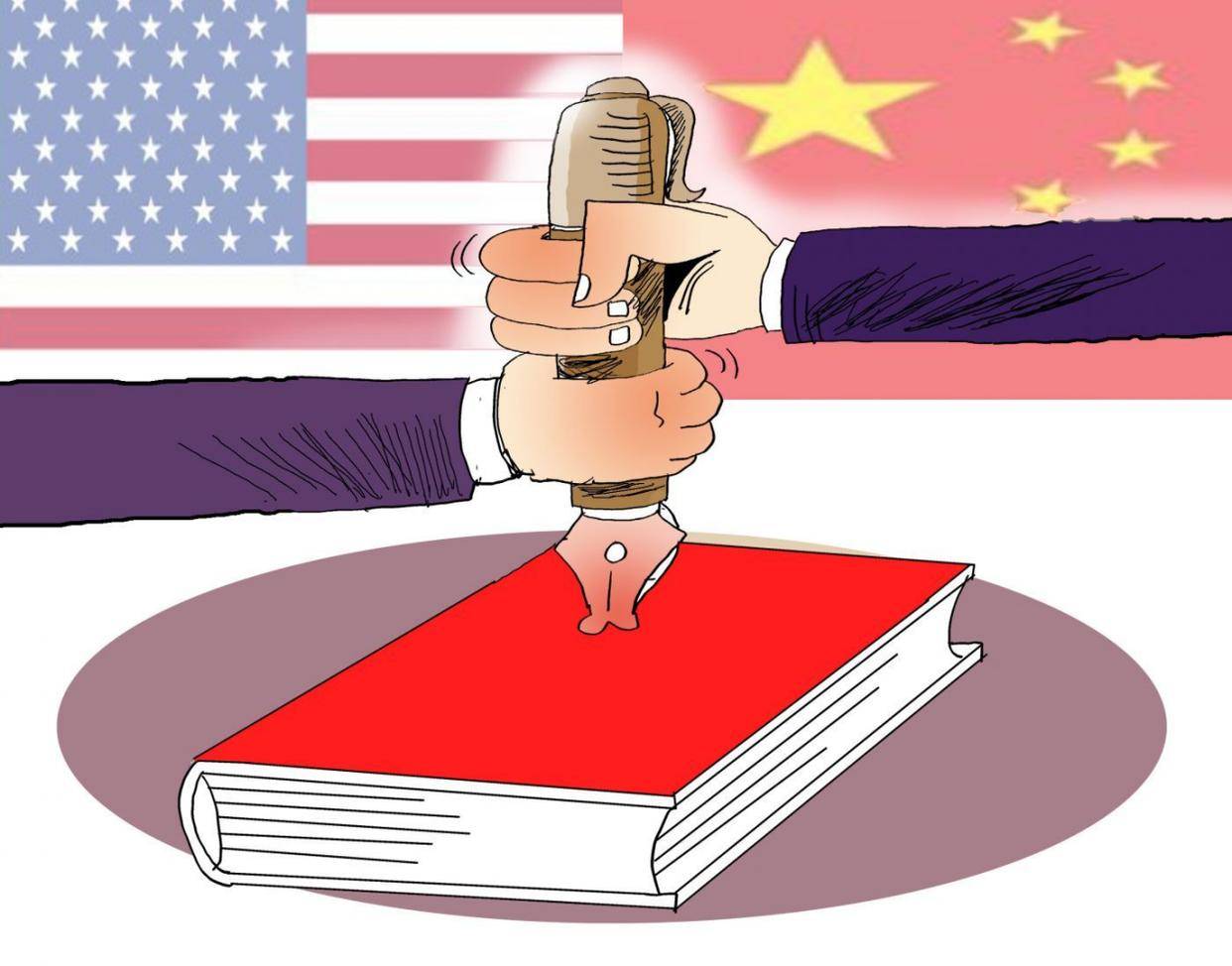
特朗普签了!因买俄石油 印度被加征25%的额外关税!国际油价闪崩 俄方此前回应:这是“不合法的”
Mei Ri Jing Ji Xin Wen· 2025-08-06 18:46
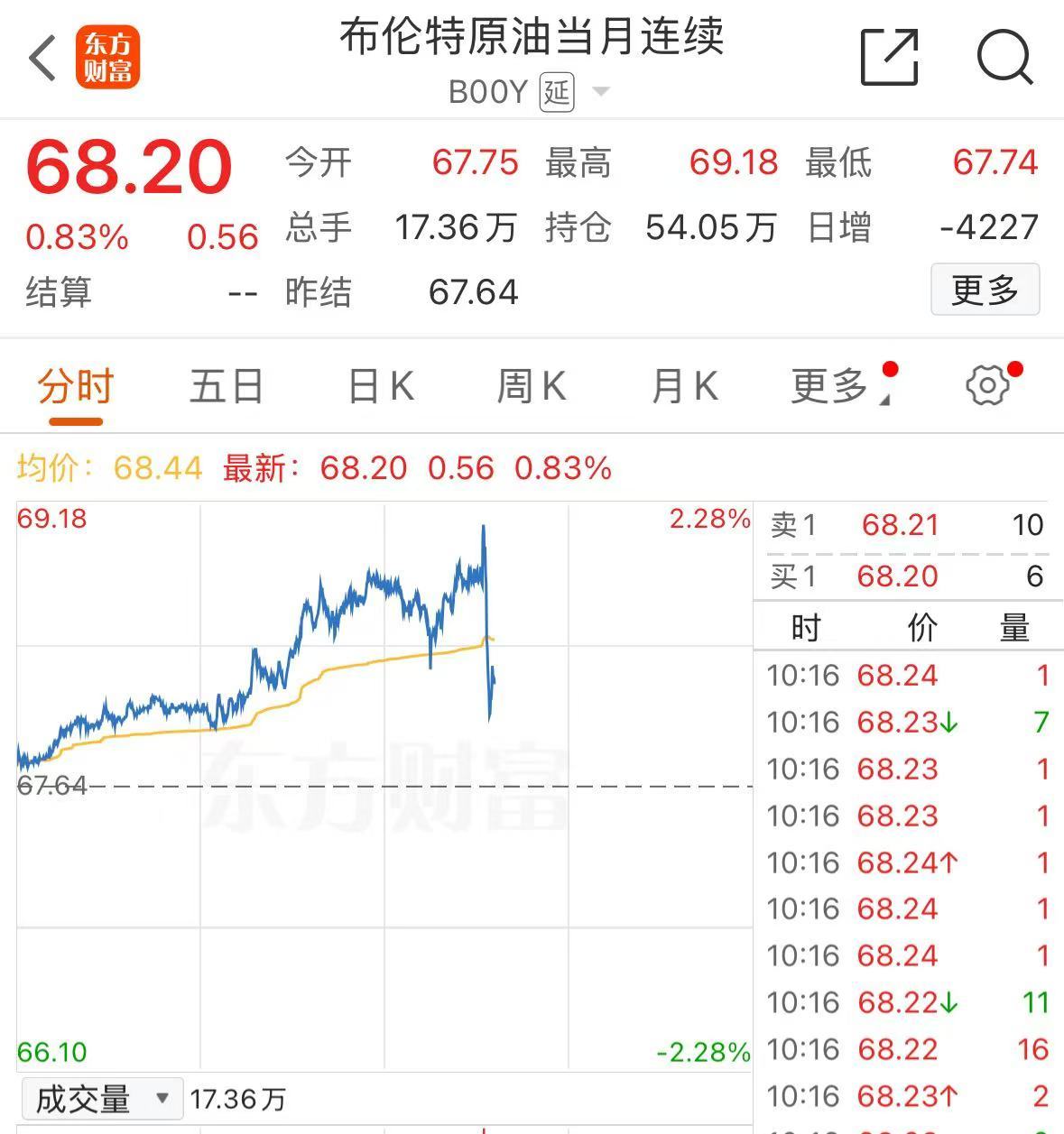
央视新闻消息,当地时间8月6日,白宫称,美国总统特朗普签署行政命令,对来自印度的商品加征25%的额外关税,以回应印度继续"直接或间接进口俄罗 斯石油"。 美国总统特朗普8月4日称,由于印度购买大量俄罗斯石油并借此获利,美国将大幅提高从印度进口产品的关税。 8月6日电,布伦特原油期货涨幅一度扩大至2%,随后出现闪崩,截至发稿报68.2美元/桶。NYMEX原油期货涨幅也一度扩大至2%,随后出现闪崩,截至发 稿报65.72美元/桶。 每日经济新闻综合央视新闻、公开消息 (文章来源:每日经济新闻) 对此,俄罗斯总统新闻秘书佩斯科夫5日在接受电话采访时表示,美国试图迫使各国终止与俄罗斯的贸易,这一行为是"不合法的"。 俄罗斯总统新闻秘书佩斯科夫:我们听到了很多威胁言论,试图迫使各国终止与俄罗斯的经贸关系。我们认为这种言论是不合法的。我们认为主权国家应 该,并且实际上有权选择贸易合作伙伴,选择符合本国利益的经贸合作机制。 路透社日前报道称,印度是全球第三大石油进口国和消费国,而俄罗斯是印度的主要石油供应国,约占其总供应量的35%。数据显示,今年1月至6月,印度 每日从俄罗斯进口约175万桶石油,较去年同期增长1%。俄方此 ...
国际观察丨欧美贸易协议难解德国汽车业困境
Xin Hua She· 2025-08-06 13:46
新华社柏林8月6日电 题:欧美贸易协议难解德国汽车业困境 新华社记者李函林 今年4月以来,美国政府挥舞关税大棒,大幅提高自欧盟进口汽车关税,重创欧洲汽车产业,导致 德国主要车企集体陷入利润暴跌的"寒冬"。 欧美日前达成新协议,欧盟输美汽车关税从25%降至15%。分析人士指出,该协议或将暂时避免欧 美之间爆发全面贸易战,但德国制造业的困境远未解除,仍然高企的出口成本与政策反复所带来的不确 定性,正在持续削弱车企信心。 关税冲击车企业绩 宝马、梅赛德斯-奔驰、大众等德国主要车企近日公布的财报显示,2025年上半年,企业利润普遍 大幅下滑。多家企业明确指出,美国高关税政策是造成其财务承压的重要因素。 宝马财报显示,2025年上半年,该集团收入同比下降8.2%,净利润下滑29%。公司指出,高关税是 其核心业务利润率下降的主要因素之一。梅赛德斯-奔驰上半年净利润从去年同期的约61亿欧元"腰 斩"至约27亿欧元。 大众集团2025年上半年销售收入同比下降0.3%,旗下保时捷汽车业绩也受到显著影响。保时捷公 司表示,上半年因关税额外支出约4亿欧元。 与此同时,德国车企现金流状况持续恶化。英国《金融时报》报道,受美国关税政策 ...
国际观察|欧美贸易协议难解德国汽车业困境
Xin Hua She· 2025-08-06 11:35
新华社柏林8月6日电(新华社记者李函林)今年4月以来,美国政府挥舞关税大棒,大幅提高自欧盟进 口汽车关税,重创欧洲汽车产业,导致德国主要车企集体陷入利润暴跌的"寒冬"。 欧美日前达成新协议,欧盟输美汽车关税从25%降至15%。分析人士指出,该协议或将暂时避免欧美之 间爆发全面贸易战,但德国制造业的困境远未解除,仍然高企的出口成本与政策反复所带来的不确定 性,正在持续削弱车企信心。 关税冲击车企业绩 宝马、梅赛德斯-奔驰、大众等德国主要车企近日公布的财报显示,2025年上半年,企业利润普遍大幅 下滑。多家企业明确指出,美国高关税政策是造成其财务承压的重要因素。 宝马财报显示,2025年上半年,该集团收入同比下降8.2%,净利润下滑29%。公司指出,高关税是其核 心业务利润率下降的主要因素之一。梅赛德斯-奔驰上半年净利润从去年同期的约61亿欧元"腰斩"至约 27亿欧元。 大众集团2025年上半年销售收入同比下降0.3%,旗下保时捷汽车业绩也受到显著影响。保时捷公司表 示,上半年因关税额外支出约4亿欧元。 与此同时,德国车企现金流状况持续恶化。英国《金融时报》报道,受美国关税政策等因素影响,德国 三大汽车制造商今年 ...
中国反击了!对部分加拿大商品加征100%关税!释放强烈信号!!
Sou Hu Cai Jing· 2025-08-06 10:15
Group 1 - China has imposed a 100% tariff on certain Canadian goods, signaling a strong response to perceived unfair trade practices [1][3] - The Chinese Ministry of Commerce initiated its first "anti-discrimination investigation," concluding that Canada's trade measures are discriminatory and violate fair competition principles [3][4] - Canada's reliance on imports for its electric vehicle market contrasts with its imposition of tariffs on Chinese electric vehicles, which are favored for their cost-effectiveness and advanced technology [3][4] Group 2 - The retaliatory measures from China highlight the consequences of Canada's trade policies, which have been influenced by U.S. actions, including the imposition of tariffs on Canadian steel and aluminum [3][4] - Canada's contradictory stance of taxing Chinese electric vehicles while depending on Chinese supply chains for clean energy development raises concerns about its green economy [4][5] - The situation serves as a warning to other countries about the repercussions of protectionist trade policies against China, which has established itself as an indispensable part of the global manufacturing landscape [4][7]
锐评|高关税下,谁被卷入“伤害的螺旋”?
Bei Jing Ri Bao Ke Hu Duan· 2025-08-06 05:29
特朗普日前签署行政令,进一步修改4月2日开始的所谓"互惠关税"税率,罗列对数十个贸易伙伴的进口关税税 率,并宣布从8月7日开始正式对60多个美国贸易伙伴国按照新标准征收关税。美国贸易代表格里尔在8月3日播出的一 次采访中表示,特朗普总统发布行政命令后,针对60多个贸易伙伴的关税税率"基本已定"。 然而,以造福美国工人、农民和制造商为名发起的贸易保护主义关税,并不能让美国企业与人民成为赢家。几十 年来高度依赖海外制造的美国公司,已为此承担了巨额成本。苹果公司表示,由于美国的关税政策,在第三财季承担 了约8亿美元的成本损失。沃尔玛和塔吉特等美国大型零售商也表示,由于无力承担关税成本,将调高商品价格。显 然,所有美国消费者都将被裹挟进"伤害的螺旋"。据耶鲁大学预算实验室的最新分析,新一轮关税将导致美国消费者 面临18.3%的总体平均有效关税税率,达到1934年以来的最高水平。此外,关税将使2025年美国家庭平均支出增加 2400美元。谁在承担关税的后果,不言自明。 美国有线电视新闻网指出,新一轮关税是美国"斯姆特-霍利关税法"时代以来征收的最高关税。这一1930年由胡佛 总统签署的关税法案,将2万多种进口商品关税提 ...
马来西亚媒体:美发起关税战扰乱贸易秩序 全球南方合作向未来
Xin Hua Wang· 2025-08-06 04:33
面对美国的强硬立场,部分国家愈发意识到美国政策的不可预测性,转而加速贸易多元化与区域合作的 步伐。马来西亚总理安瓦尔日前呼吁,面对外部压力,东盟国家需要巩固自身基础,加强彼此贸易并增 加相互投资。这不仅体现了马来西亚的应对策略,也反映了发展中国家在动荡中寻求南南合作的新路 径。 文章指出,美国发起的关税战让全球南方国家再次感受到当前国际秩序中的结构性不公,进一步凸显了 人类命运共同体理念的重要性与现实价值。这一理念试图打破传统的零和博弈思维,推动不同发展阶段 国家之间的合作对话,强调在多边框架下谋求共赢、共治的全球合作体系。 当前单边主义与保护主义抬头,以金砖国家为代表的多边合作平台,正尝试以多元包容的发展模式回应 全球不平等的格局。金砖国家新开发银行推动本币结算与基础设施投资,为发展中国家提供金融替代路 径,减少对西方体系的依赖。这种南南合作的新探索,展示了发展中国家共赢发展的可能性。 新华社吉隆坡8月5日电(记者王嘉伟 毛鹏飞)马来西亚《星洲日报》网站4日刊登《从关税战反思全球 共赢的出路》一文。文章指出,美国政府一意孤行地推动关税战,背离当前多边合作与共同发展的全球 共识。各国唯有携手加强协作、构建公平 ...