人民币国际化

Search documents
青岛银行发布外贸金融白皮书,精准赋能外贸企业发展
Da Zhong Ri Bao· 2025-11-24 09:28
Core Viewpoint - Qingdao Bank has released a "Foreign Trade Financial White Paper" outlining 17 specific measures to support foreign trade enterprises in enhancing their global presence, aligning with the national strategy of "expanding high-level opening-up" [1][3]. Group 1: Financial Support Initiatives - The bank has established a cross-border financial product system centered around Qingyin Huitong, Qingyin Trade Loan, Qingyin Golden Bridge, and Qingyin Huitong, serving over 5,000 foreign trade enterprises with an international settlement volume exceeding $20 billion and cross-border RMB settlement exceeding 50 billion [1]. - Qingdao Bank aims to integrate financial support for stabilizing foreign trade into its strategic planning, enhancing trade facilitation, and providing comprehensive support for enterprises to "go global" [1][3]. Group 2: Regional Focus and Industry Specialization - The bank focuses on Shandong's foreign trade industry characteristics, particularly in machinery, agricultural products, and textiles, implementing a "one place, one policy" service model [1][9]. - It is developing a comprehensive financial system for bulk commodities, including innovative tools like digital warehouse receipts and specialized shipping financial products to foster competitive regional foreign trade industry clusters [1][12]. Group 3: Cost Reduction and Efficiency Improvement - Qingdao Bank has introduced a series of services aimed at reducing comprehensive costs for enterprises, enhancing funding efficiency, and improving risk response capabilities [2][16]. - Specific measures include fee reductions, cross-border financing price subsidies, and the promotion of specialized credit financing products to help enterprises convert transaction flows into credit resources [17][16]. Group 4: Innovation in Financial Services - The bank is committed to innovating financial service mechanisms and enhancing its cross-border financial service capabilities through the launch of the CIPS direct reference system [1][7]. - It is also exploring digital settlement solutions to support new foreign trade business models, such as cross-border e-commerce and overseas warehouses [17].


人民币国际化急需六大配套改革|政策与监管
清华金融评论· 2025-11-24 09:23
Core Viewpoint - The "15th Five-Year Plan" emphasizes "expanding high-level openness" and advancing the internationalization of the RMB, highlighting the need for deep reforms to avoid crises associated with financial opening [1][2][4]. Group 1: High-Level Openness and Reform - The "15th Five-Year Plan" significantly prioritizes "expanding high-level openness," reflecting China's determination to promote reform and development through openness [2]. - The plan aims to enhance the level of capital account openness and promote RMB internationalization, indicating that higher openness can drive greater reform [2][4]. - Financial opening differs from trade opening due to its market volatility and multiple equilibria, necessitating more stringent accompanying reforms [4][5]. Group 2: Lessons from Emerging Markets - Historical crises in emerging markets often stem from delayed reforms following financial opening, as seen in the Asian financial crisis of the 1990s [5]. - The lack of timely domestic reforms, such as rigid exchange rate mechanisms and weak corporate governance, contributed to the vulnerability of financial systems in these regions [5]. Group 3: Six Key Reforms for High-Level Openness - **Strengthening Domestic Circulation**: The plan emphasizes the importance of a robust domestic market as a strategic foundation for modernization, advocating for increased consumption and investment [9][10]. - **Enhancing Technological Innovation**: The plan calls for a focus on technological modernization and innovation to counteract external pressures and improve self-sufficiency [11]. - **Improving Property Rights Protection**: Clear and strong property rights are essential for attracting both domestic and foreign capital, with a focus on fair competition and intellectual property rights [12]. - **Elevating Macro Governance Efficiency**: The plan stresses the need for effective market and government interaction, enhancing fiscal and monetary policy coordination [13][14]. - **Modernizing Corporate Governance**: The establishment of a modern corporate governance framework is crucial for addressing economic challenges and fostering competitive markets [15]. - **Consolidating Capital Market Functions**: The development of a high-quality capital market is vital for supporting new productive forces and ensuring the benefits of development reach the populace [16]. Group 4: Conclusion on Reform and Openness - The relationship between openness and reform must be carefully managed, ensuring that reforms keep pace with the demands of increased openness to avoid potential setbacks [17].
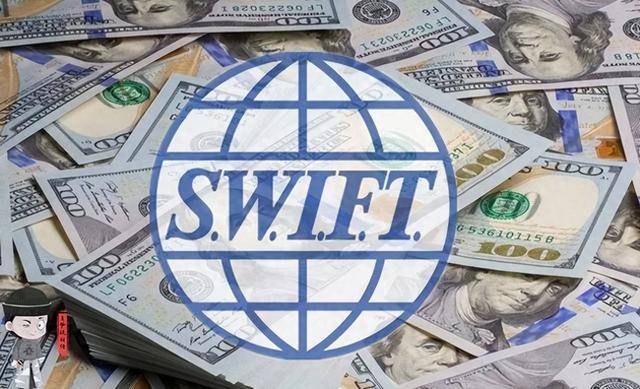
人民币被低估!美切断SWIFT,支付占比仅剩2.47%,中方早有后手
Sou Hu Cai Jing· 2025-11-24 09:01
Core Viewpoint - The recent SWIFT report indicates that the share of the Chinese yuan in global payments has dropped to 2.47%, ranking it sixth globally, which raises concerns about the internationalization of the yuan. However, this decline is seen as a reflection of a broader shift away from the SWIFT system rather than a failure of the yuan itself [2][5][19]. Group 1: SWIFT Data Analysis - The yuan's share in global payments has decreased significantly, with a drop to 2.47%, and only 1.87% when excluding payments within the Eurozone, leading to a drop in ranking to seventh [5][19]. - The dominance of the US dollar remains strong at 46.71%, followed by the euro at 23.98% and the British pound at 7.82%, suggesting a continued reliance on the dollar for international transactions [5][19]. - The SWIFT data is criticized as being a limited view of global trade settlements, primarily reflecting transactions under US influence, rather than a comprehensive picture of global trade [7][9]. Group 2: Shift to Alternative Payment Systems - A growing number of countries are moving away from SWIFT due to concerns over US control and potential sanctions, leading to a rise in the use of the Cross-Border Interbank Payment System (CIPS) and bilateral currency swap agreements [9][11][17]. - CIPS is increasingly recognized globally, facilitating direct settlements in yuan for trade with countries like Russia, Saudi Arabia, and Brazil, thus bypassing SWIFT and reducing reliance on the US dollar [11][15]. - The People's Bank of China has signed currency swap agreements with over 40 countries, amounting to several trillion yuan, allowing for direct trade settlements without using the dollar [13][15]. Group 3: Implications for Global Financial Landscape - The decline in the yuan's share in SWIFT is viewed as a sign of the restructuring of the global financial system, reflecting a collective distrust of US dollar hegemony among emerging economies [19][25]. - The future financial landscape is expected to feature a dual-track system, with the US-led SWIFT system coexisting alongside China's CIPS and bilateral agreements, allowing the yuan to play a significant role in the global south and in real economy transactions [25][27]. - As more countries adopt the yuan for trade settlements, the significance of SWIFT rankings will diminish, indicating a shift in control over global trade settlements away from the US [27][28].
认知决定收益!最后24小时,别让犹豫错失稳定币红利
Sou Hu Cai Jing· 2025-11-24 08:13
Core Insights - The launch of a compliant stablecoin pegged to the RMB is imminent, marking a significant step in the internationalization of the RMB and presenting a critical opportunity for wealth recognition [1][4] - The reduction of equity distribution from 1:1 to a lower ratio signifies a shift from inclusive wealth opportunities to a more selective process, highlighting the importance of early participation [1][4] - The market's enthusiastic subscription reflects a collective consensus among high-cognition groups, recognizing the dual benefits of RMB internationalization and digital economy [3][4] Market Dynamics - A surge in subscription volume, increasing by 15 times within a day, indicates a growing awareness and action among those who understand the opportunity [1][3] - The impending open testing phase is expected to lead to an exponential increase in participants, creating a clear divide based on cognitive awareness [4] - The transition from simple identity verification to a more complex assessment involving wealth cognition and asset compliance will significantly raise participation barriers, potentially excluding those with insufficient understanding [4] Strategic Implications - The stablecoin is positioned as a core vehicle for RMB digitalization, serving as a bridge between real assets and the digital economy [3] - The upcoming changes in equity rights and participation criteria will act as a final filter for wealth opportunities, emphasizing the necessity for timely action based on cognitive readiness [4] - The global context, including U.S. legislative support for USD stablecoins and the EU's regulatory framework, underscores the competitive landscape for RMB stablecoins [4]

突发!450亿央票在港发行,人民币空头要哭了?
Sou Hu Cai Jing· 2025-11-24 05:48
Core Viewpoint - The People's Bank of China (PBOC) issued 45 billion offshore RMB central bank bills, marking a record single issuance for the year, interpreted as a measure to stabilize the RMB exchange rate and counteract short-selling activities in the offshore market [2][3][4]. Group 1: Central Bank Bills and Market Impact - The issuance of 45 billion RMB central bank bills removed nearly 5% of RMB liquidity from the offshore market, significantly increasing short-term funding costs, with the 3-month HIBOR rising by 106 basis points to 4.56% [3]. - The operation sent a clear policy signal that the central bank will not allow a unilateral depreciation of the RMB, with historical data indicating potential appreciation of 0.8% to 1.2% within a month following similar past issuances [4]. - Following the issuance, the short positions in offshore RMB decreased by 37%, reaching the lowest level since 2022, indicating a strong deterrent effect on short-selling activities [5]. Group 2: Policy Implications and Strategic Goals - The PBOC aims to enhance the international appeal of RMB assets by regularly issuing central bank bills, with RMB bond issuance in Hong Kong increasing by 48% year-on-year [6]. - The central bank's approach balances short-term stability with long-term flexibility, as evidenced by a reduction in the volatility of the CFETS RMB exchange rate index [7]. - The dual-track system for bill issuance, requiring institutions to submit trading strategies, aims to prevent malicious short-selling, while enhanced monitoring of abnormal fund flows has led to a significant increase in the detection of illegal forex trading cases [8]. Group 3: Market Reactions and Economic Effects - Export companies are experiencing reduced foreign exchange risk, with a 1% appreciation of the RMB potentially increasing annual profits by approximately 12 million RMB [9]. - The offshore RMB funding pool has expanded to over 1.8 trillion RMB, with new financial products attracting significant investment [10]. - Foreign capital inflows into A-shares have accelerated, with net purchases exceeding 90 billion RMB in November alone, driven by a stabilized RMB exchange rate [11]. Group 4: Global Perspective and Future Outlook - The PBOC has developed a unique policy toolkit to manage exchange rates, contrasting with traditional methods used by other central banks [12]. - China is navigating the "impossible trinity" of capital mobility, exchange rate stability, and monetary policy independence through offshore central bank bills [12]. - Predictions suggest that the RMB exchange rate will stabilize within a range of 7.15 to 7.25 against the USD by the end of 2025, with potential challenges to the 7.0 mark if the Federal Reserve lowers interest rates [13]. - The completion of deposit rate marketization reforms by 2026 is expected to enhance the pricing power of RMB assets [13]. - The expansion of digital RMB cross-border payment trials may create a new paradigm for exchange rate stability tools [14].
最后的24小时!股权减半倒计时,抢搭稳定币上市末班车
Sou Hu Cai Jing· 2025-11-24 02:06
市场的空前热情,早已印证了这一机会的价值。机构监测显示,单日新增认购用户突破50万,客服咨询量较平日暴涨8倍,这种热度源 于双重确定性:一是稳定币上市的明确预期——作为衔接健康中国实体资产与数字经济的核心载体,其背后有医疗设备收益权、健康服 务收费权等实体资产托底,绝非概念炒作;二是人民币国际化的战略红利——当前全球稳定币市场2500亿美元规模中,美元占比超 95%,人民币稳定币的上市将打破这一格局,早期参与者将直接共享这一战略进程的收益。 24小时后的双重压力,会让错过窗口期的人追悔莫及。专家明确指出,内测开放后,参与人数将以"每小时翻倍"的速度增长,这意味着 两大门槛将瞬间抬高:一方面,股权赠送比例下调已成定局,规则执行从无例外——过往同类项目的调整均以公告时间为节点,误差不 超过1秒,没有"延期操作"的余地;另一方面,资格审核将从"基础身份核验"升级为"资产+认知"双重筛选,当前10分钟就能完成的流 程,未来可能需要3天甚至更久,通过率还会跌破30%。 全球金融机构都在加速布局稳定币,我们没有理由错过这一机遇。美国通过《GENIUS Act》规范稳定币发展,欧盟MiCA法规已正式落 地,香港凭借《稳定币 ...
韧性创新稳定开放 国内外机构看好中国经济前景
Yang Shi Xin Wen Ke Hu Duan· 2025-11-24 00:31
近期,多家国内外机构发布2026年度策略报告。各家金融机构报告显示,明年中国经济将延续稳健增长 态势。 多家机构对2026年中国经济走势形成积极共识,认为在政策支持、结构升级与潜力释放的多种利好叠加 之下,经济将持续稳健上升。 光大证券首席宏观分析师 赵格格:在超大规模市场和强大产业体系的协同作用下,我国还有较大的经 济增长潜力与提质升级空间,宏观政策工具箱储备充足。 外资机构普遍预测,明年中国经济将在政策支持下保持稳健增长。摩根士丹利认为,在适度的宽松政 策、渐进的再平衡以及有节制的"反内卷"措施下,2026年中国经济将温和增长。瑞银预计2026年国内将 施行更加精准的政策支持,经济活动整体将保持韧性。 瑞银财富管理投资总监办公室亚太经济学家 菲利普·怀亚特:比如为企业提供能源成本方面的优惠或补 贴,面向消费者的补贴;对首套房购房者的支持等,这些都属于"定向支持"。 此外,"十五五"规划建议也令外资机构充满信心。高盛认为,规划建议体现了中国将进一步提升先进制 造业竞争力,提振出口的决心和能力。基于此,高盛上调了对中国出口增速和实际GDP增速的预测。 与此同时,内需市场的潜力正加速释放。随着一系列促消费、惠民 ...
央行将在港发行450亿元央票 满足离岸市场投资需求
Shang Hai Zheng Quan Bao· 2025-11-23 18:05
Core Viewpoint - The People's Bank of China (PBOC) is set to issue 45 billion yuan in offshore central bank bills in Hong Kong, which aims to meet the investment demand in the offshore market and stabilize the offshore RMB exchange rate [1][2]. Group 1: Issuance Details - On November 24, the PBOC will auction 45 billion yuan in two phases of central bank bills, including 30 billion yuan for a 3-month term and 15 billion yuan for a 1-year term, both starting interest on November 26, 2025 [1]. - This marks the sixth issuance of offshore central bank bills by the PBOC in 2025, with issuance patterns normalizing throughout the year, maintaining a single issuance scale between 30 billion yuan and 60 billion yuan [1][2]. Group 2: Market Impact - The issuance of offshore central bank bills provides high-credit-rated RMB financial products, enhancing the RMB bond yield curve in Hong Kong and reinforcing its status as an international financial center and offshore RMB hub [1][2]. - The offshore central bank bills also play a stabilizing role in managing exchange rate expectations, particularly in light of recent depreciation of the offshore RMB [1][2]. Group 3: Broader Trends - The total issuance of central bank bills in Hong Kong by the PBOC has reached 300 billion yuan in 2024, continuing a high issuance trend [2]. - The balance of offshore central bank bills has increased from 80 billion yuan at the end of 2022 to an expected 140 billion yuan by the end of 2024, indicating growing demand for quality RMB assets in the offshore market [2]. - The PBOC's strategy includes maintaining high issuance levels to manage liquidity, enhance the competitiveness of the offshore RMB bond market, and prevent abnormal cross-border capital flows [2][3].
管涛:人民币国际化急需六大配套改革
Di Yi Cai Jing· 2025-11-23 12:40
Core Viewpoint - The article emphasizes the importance of high-level financial openness in China, highlighting the need for coordinated reforms to support the internationalization of the Renminbi and the opening of capital accounts, while ensuring that these efforts align with domestic economic development [1][3][14]. Group 1: Financial Openness and Reform - Financial openness is crucial for promoting reform and development, but it requires deeper reforms to address the unique challenges posed by financial markets [2][3]. - Historical examples show that financial crises in emerging markets often stem from delayed domestic reforms following financial liberalization [2][3]. - The current global economic environment presents both opportunities and challenges for China's financial openness, necessitating a careful balance between opening up and ensuring domestic stability [3][14]. Group 2: Key Reforms for High-Level Openness - Strengthening the domestic circulation system is essential, with a focus on enhancing consumption, investment, and the overall market structure to support the Renminbi's international status [5][6]. - Enhancing technological innovation capabilities is vital for maintaining competitiveness in the face of external pressures and fostering new productive forces [7]. - Improving the protection of property rights is critical for attracting both domestic and foreign investment, as clear and strong property rights enhance market appeal [8]. - Elevating macroeconomic governance effectiveness is necessary to ensure that market mechanisms function optimally while government plays a supportive role [9][10]. - Modernizing corporate governance structures is important for fostering a dynamic economic environment and addressing competitive challenges [12]. - Strengthening capital market functions is essential for supporting new productive forces and ensuring that financial services benefit the broader population [13].
其实,中美出现了同一个战略级误判,但是只有美国的心态彻底崩了
Sou Hu Cai Jing· 2025-11-23 12:08
曾几何时,美国凭借全球最强的军力和金融霸权,几乎掌控了世界的命脉。那时的中国还在为解决温饱 问题而努力,连衣服都得凭票购买。对于美国来说,中国几乎不值一提,根本算不上什么对手。然而, 如今的情况已经发生了翻天覆地的变化。中国不仅成长为全球第二大经济体,还在芯片、核能、航空、 人工智能等关键技术领域取得了显著突破。而与此同时,美国则开始感受到前所未有的焦虑,采取了包 括关税、科技封锁、金融制裁和军事围堵等多种手段来制约中国,但收效甚微,反倒自身陷入了通货膨 胀、社会分裂和产业空心化的困境。那么,为什么当年美国没有及时遏制中国的崛起呢?在这场博弈 中,到底是谁先看错了局势? 上世纪八九十年代,美国的战略重点并不在中国。那时,全球最主要的对手是苏联、日本和欧洲。苏联 是冷战时期的军事对手,核威胁始终存在;日本在经济上与美国竞争激烈,其家电、芯片、汽车等产业 几乎在每个领域都压制美国制造;而欧洲则加速了经济一体化进程,一度提出用欧元进行石油结算,这 让美元的全球主导地位受到了挑战。 在那个时期,中国几乎没有什么国际存在感。中国的GDP不到日本的十分之一,一架波音飞机的价格足 以交换几亿件衬衫。国防体系也远远落后,纺织 ...