
绿色低碳转型

Search documents
专访中国交建刘正昶:从“跟跑”到“领跑”,以科技创新重塑基建行业竞争力
Zheng Quan Shi Bao Wang· 2025-10-24 14:00
Core Viewpoint - The development of new quality productivity has become a core focus for promoting high-quality development, particularly in the infrastructure sector, which is a vital pillar of the national economy. The emphasis is on leveraging technological innovation to address transformation challenges and activate new industrial momentum [1]. Group 1: Key Breakthroughs in Core Technologies - The company has achieved significant breakthroughs in key core technologies, focusing on critical areas such as dredging, shield tunneling, and deep-sea engineering. This includes the development of major equipment and software, such as an 8-meter shield machine main bearing and a 5000t pile-driving vessel hydraulic cylinder [2]. - The company has independently developed various core software platforms and high-performance materials, filling multiple domestic gaps and accelerating the localization of major equipment [2][3]. Group 2: Research and Development Strategy - The company has optimized its R&D organization to tackle "bottleneck" technologies in emerging fields like floating wind power and deep-sea mining, while also encouraging innovation in traditional infrastructure projects [3]. - A structured approach to R&D has been established, categorizing projects into different levels and focusing on key technological breakthroughs, thereby enhancing the efficiency of R&D investments [3]. Group 3: Integration of Technology and Industry - The company is implementing a special action plan for new quality productivity, focusing on comprehensive, smart, green, and safe transportation, and is developing key demonstration projects in intelligent construction and smart cities [5][6]. - The company has successfully developed the world's largest diameter full-face hard rock tunneling machine, setting multiple world records in the process [6]. Group 4: Green and Low-Carbon Initiatives - The company has established over 130 green and low-carbon design and construction standards across various transportation infrastructure sectors, contributing to the development of a comprehensive green low-carbon standard system [8]. - A "Five-Year Thousand Items" green technology initiative has been launched, identifying numerous low-carbon technologies and achieving significant carbon reduction in various projects [9]. Group 5: Digital Transformation and AI Applications - The company is leveraging digital tools to reconstruct its management system, enhancing operational efficiency and driving business innovation through data utilization [10]. - The company is developing a large AI model for the civil engineering sector, with applications in over 30 scenarios, and is promoting a digital ecosystem for infrastructure [11]. Group 6: Future Development Plans - The company aims to focus on high-end, intelligent, green, and integrated development directions, reinforcing its commitment to original technology innovation and sustainable practices [12].

中央“十五五”发布会,释放八大政策信号
21世纪经济报道· 2025-10-24 11:07
作者丨周潇枭 编辑丨陈洁 党的二十大确定到2035年基本实现社会主义现代化,"十五五"时期是夯实基础、全面发力的关 键时期。 10月20日至23日,中国共产党第二十届中央委员会第四次全体会议在北京召开,全会审议通过 了《中共中央关于制定国民经济和社会发展第十五个五年规划的建议》(下文简称《建 议》),明确了"十五五"时期经济社会发展的指导方针和主要目标,擘画了未来五年发展的宏 伟蓝图,为深入推进中国式现代化指明了前进方向。 10月24日,中共中央举行新闻发布会,介绍和解读党的二十届四中全会精神。发布会邀请了中 央政策研究室主任江金权,中央财办分管日常工作的副主任、中央农办主任韩文秀,国家发展 改革委党组书记、主任郑栅洁,科技部党组书记、部长阴和俊,商务部党组书记、部长王文 涛,以及国家卫生健康委党组书记、主任雷海潮出席,介绍相关情况并答记者问。 21世纪经济报道记者从这场事关"十五五"规划的发布会上,梳理出八大重要的政策信号。 (发布会现场图 21世纪经济报道记者现场拍摄) 中央财经领导小组办公室原副主任杨伟民表示,"十五五"时期,要推动经济实现质的有效提 升,就是经济增长要带来结构优化、技术进步、效率提高、 ...

二十届四中全会会议点评:聚焦高质量发展与科技自立自强,进一步夯实市场中长期预期
Dongguan Securities· 2025-10-24 09:51
Core Insights - The report emphasizes the importance of high-quality development and technological self-reliance as key themes for the upcoming "Fifteen Five" period, building on the achievements of the "Fourteen Five" period [3][4][5] - The "Fifteen Five" period is characterized by a focus on modernizing the industrial system, enhancing technological independence, and fostering new productive forces [6][7] - The report outlines twelve specific goals for the "Fifteen Five" period, prioritizing the construction of a modern industrial system and the promotion of high-level technological self-reliance [7][8] Summary by Sections Achievements of the "Fourteen Five" Period - The "Fourteen Five" period is recognized for significant achievements in economic recovery and high-quality development, laying a solid foundation for future growth [3][4] - The report highlights the advantages of the socialist system in China and the effective leadership of the central government in navigating complex challenges [4] Goals for the "Fifteen Five" Period - The main goals include accelerating the construction of a modern industrial system, enhancing technological self-reliance, and expanding high-level openness [6][7] - The report emphasizes the need for a qualitative improvement in economic performance and a reasonable growth rate, aiming for decisive progress in modernization by 2035 [6] Economic Policy Direction - The report indicates a shift from merely pursuing economic growth to focusing on quality, efficiency, and innovation as the main drivers of development [12] - It stresses the importance of balancing multiple objectives, including growth stabilization, structural adjustment, and risk prevention [12][11] Market Implications - The report suggests that the focus on institutional innovation and high-quality development will provide clearer long-term policy expectations for the market [13] - It anticipates that sectors such as high-end manufacturing, green energy, and the digital economy will benefit from supportive policies and financial resources [14]
国际零碳零废城市发展联盟成立
Xin Hua Cai Jing· 2025-10-24 09:46
Core Viewpoint - The establishment of the "International Zero Carbon Zero Waste City Development Alliance" aims to promote the synergistic development of "net zero emissions" and "zero waste cities" globally, facilitating green low-carbon transformation in urban areas [1][3]. Group 1: Alliance Objectives and Vision - The alliance focuses on creating a platform for policy dialogue, technological cooperation, capacity building, industrial linkage, and investment financing to support global cities in their green transitions [3]. - The vision includes building a "net zero and zero waste future city community" through global collaboration in climate governance, circular economy, and green technology innovation [3]. Group 2: Suzhou's Role and Achievements - Suzhou, as a key founding city of the alliance, has integrated the construction of a clean, low-carbon, safe, and efficient energy system into its economic and social development [3]. - Over the past decade, Suzhou's renewable energy installed capacity has increased from 300,000 kW to 6.53 million kW, representing a growth of 21 times [3]. - In 2024, Suzhou completed green electricity transactions of 4.63 billion kWh and green certificate transactions of 1.328 million, ranking first in Jiangsu Province [3]. Group 3: Forum Highlights - The forum, themed "Ten Years Hand in Hand for Energy Transformation Innovation Leading a Green Future," was co-hosted by the National Energy Administration, the International Renewable Energy Agency (IRENA), and the Jiangsu Provincial Government [4]. - During the forum, several key documents were released, including the "Global Energy Low Carbon Transition Development 2030 Suzhou Vision" and the "Energy Transformation Index Blue Book 2025," showcasing China's achievements in energy transition and technological innovation [4]. - The event attracted over 2,000 representatives from 36 countries and regions, including energy ministers, ambassadors, and leaders from international energy organizations [4].

从六大维度透视中国“十四五”发展成就 “风景这边独好!”
Yang Shi Wang· 2025-10-24 08:04
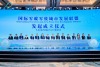
三是全面深化改革进一步推进,高水平对外开放不断扩大。影响高质量发展的体制机制障碍逐步破除,更高水平开放型经济新体制加快形 成,高质量共建"一带一路"走深走实,自由贸易区建设加快实施,为经济社会发展提供新机遇、拓展新空间。中国是经济全球化的坚定支持者 和推动者。 央视网消息:24日上午,中共中央举行新闻发布会,介绍和解读党的二十届四中全会精神。在发布会上,中央政策研究室主任江金权介绍 了"十四五"规划目标任务的落实情况和取得的成就。 江金权表示,一是经济运行稳中有进,高质量发展扎实推进。我国经济增速继续领跑全球主要经济体,预计今年国内生产总值达到140万 亿元左右,连续跨过了110万亿元、120万亿元、130万亿元几个台阶,人均国内生产总值超过世界平均水平。我国仍然是世界经济增长的主要 动力源和重要引擎。可谓"风景这边独好!" 二是科技创新成果丰硕,新质生产力稳步发展。全社会研发经费投入、基础研究经费占比均创历史新高。高新技术产业超过50万家,全球 百强科技创新集群数量达26个,占比全球第一。 四是民生保障扎实稳固,脱贫攻坚成果巩固拓展。每年城镇新增就业稳定在1200万以上,居民收入增长与经济增长同步。全球规模 ...
国元国际:予华润燃气“买入”评级 目标价26.6港元
Zhi Tong Cai Jing· 2025-10-24 07:34
Core Viewpoint - The report from Guoyuan International recommends a "buy" rating for China Resources Gas (01193), updating the profit forecast and setting a target price of HKD 26.6 per share, indicating a potential upside of 24% from the current price [1] Group 1: Financial Performance - The company is expected to have a dividend payout ratio of 53% in 2024, with a 20% year-on-year increase in interim dividends for 2025, and guidance indicating that total dividends will not decrease [1] - For the first half of 2025, the company's retail natural gas volume is projected at 20.76 billion cubic meters, a year-on-year decline of 0.69%, while the gas sales gross margin is expected to rise to CNY 0.55 per cubic meter, an increase of CNY 0.01 per cubic meter year-on-year [2] - The company anticipates low single-digit growth in total gas sales for 2025, with a year-on-year increase in gas sales gross margin [2] Group 2: Market Conditions and Strategic Initiatives - The upcoming winter season is expected to see a rapid rebound in natural gas consumption due to a combination of El Niño and La Niña effects, leading to significant temperature fluctuations [1] - The company is actively pursuing hydrogen energy initiatives and developing green fuel injection businesses, as well as conducting research and development in ammonia fuel technology to foster new growth points in green energy [2] - The overall economic downturn has impacted the company's comprehensive services and energy business, leading to varying degrees of decline and slowdown [2] Group 3: Share Buyback and Market Confidence - The company has a share buyback plan in place, with the next two months identified as a critical window for repurchases, which is expected to enhance shareholder returns and boost market confidence [1]

国元国际:予华润燃气(01193)“买入”评级 目标价26.6港元
智通财经网· 2025-10-24 07:30
Group 1 - The core viewpoint of the report is that China Resources Gas (01193) is rated as "Buy" with a target price of HKD 26.6 per share, indicating a potential upside of 24% from the current price [1] - The company is expected to maintain a dividend payout ratio of 53% in 2024, with a 20% year-on-year increase in interim dividends for 2025, and guidance indicating that total dividends will not decrease [1] - The upcoming two months are identified as a critical window for share buybacks, which are expected to enhance shareholder returns and boost market confidence [1] Group 2 - In the first half of 2025, the company's retail natural gas volume was 20.76 billion cubic meters, a year-on-year decrease of 0.69%, while the gas sales gross margin increased to CNY 0.55 per cubic meter, up by CNY 0.01 [2] - The company anticipates low single-digit growth in total gas sales for 2025, with a year-on-year increase in gas sales gross margin [2] - The overall economic downturn has led to a decline in the company's comprehensive services and energy business, while the company is actively developing its hydrogen energy supply chain and advancing green fuel initiatives [2]
工信部相关负责人:“十四五”中国动力电池产业取得积极成效
Zhong Guo Xin Wen Wang· 2025-10-24 07:25
Core Insights - The rapid development of the new energy vehicle industry in China has significantly advanced the country's power battery industry, making it a key player in promoting green and sustainable transformation in the automotive sector [1][3] Industry Overview - Since the start of the 14th Five-Year Plan, China's power battery production has increased from 83.4 GWh in 2020 to over 1000 GWh by 2024, with a notable rise in market concentration and global competitiveness [1] - Chinese companies hold six out of the top ten global power battery manufacturers, collectively accounting for over 60% of the market share [1] - In the first three quarters of this year, the cumulative installed capacity reached 493.9 GWh, representing a year-on-year growth of 42.5% [1] Technological Advancements - Significant breakthroughs have been achieved in key material research, cell design, and system integration, with mass-produced battery energy density exceeding 300 Wh/kg [3] - The development and industrialization of solid-state batteries and other cutting-edge technologies are accelerating [3] Supply Chain and Export - China has established a complete power battery industry chain, supplying approximately 70% of battery materials and over 60% of power batteries globally [3] - In the first three quarters of this year, power battery exports reached about 130 GWh, marking a year-on-year increase of 32.7% [3] - The industry is actively expanding into overseas markets such as Europe, Southeast Asia, and Africa through investments in factories and R&D centers, integrating deeply into the global supply chain [3] Application Expansion - Beyond the automotive sector, power batteries are increasingly applied in various fields, including eVTOLs, inland vessels, heavy machinery, and smart agricultural machinery, facilitating the transition of power batteries from transportation energy products to supporting clean energy across multiple sectors [3]

关于绿色发展,二十届四中全会公报的三个“加快”意味着什么
2 1 Shi Ji Jing Ji Bao Dao· 2025-10-24 06:56
Core Viewpoint - The Fourth Plenary Session of the 20th Central Committee of the Communist Party of China emphasizes accelerating the comprehensive green transformation of economic and social development, aiming to build a beautiful China with a focus on carbon peak and carbon neutrality goals [1][2]. Group 1: Green Transformation Initiatives - The session outlines four key measures to accelerate green transformation: implementing a dual control system for carbon emissions, transitioning to a green low-carbon energy system, promoting green low-carbon industrial restructuring, and fostering green low-carbon lifestyles [2][3]. - By 2030, the goal is to achieve a utilization rate of approximately 4.5 billion tons of major solid waste annually, alongside enhancing energy efficiency in buildings and municipal facilities [4]. Group 2: Energy System Development - The construction of a new energy system is highlighted as a critical component, with a focus on increasing the share of non-fossil energy and developing clean energy bases such as wind, solar, and hydropower [3][6]. - The new energy system aims to ensure that the majority of new electricity demand is met by clean energy sources by the end of the 14th Five-Year Plan [3][5]. Group 3: Economic and Industrial Implications - The emphasis on green transformation reflects a commitment to integrating green development into the core of the economy, with a focus on enhancing the "green content" of industries to improve economic quality [3][5]. - The report indicates that green development is increasingly recognized as a fundamental aspect of economic growth, with a call for systematic, industrialized, and intelligent approaches to green transformation during the 14th and 15th Five-Year Plans [5][11]. Group 4: Policy and Market Mechanisms - The transition from energy consumption control to carbon emission control is seen as a crucial step in optimizing energy structure and achieving carbon reduction goals [12]. - The establishment of a unified carbon emission monitoring and reporting system is essential for precise emission reduction and effective policy implementation [12].
宏观点评:四中全会公报点评-20251024
Minmetals Securities· 2025-10-24 06:44
Policy Focus - The "14th Five-Year Plan" emphasizes high-quality development across multiple dimensions, including industry, technology, and security, with a focus on building a modern industrial system[2] - The average annual growth rate required to meet the 2035 goals is estimated to be around 4.5% to 5%[8] Investment Efficiency - The meeting highlights the importance of investment efficiency over scale, shifting the macro policy focus from "total expansion" to "structural optimization"[3] - Future investments will align with industrial upgrades and human capital accumulation to enhance overall productivity and economic growth quality[11] Foreign Trade Stability - The emphasis on "opening up" has been elevated from ninth to fifth place, reflecting a shift in policy focus towards enhancing foreign trade resilience amid global uncertainties[3] - The goal is to strengthen multilateral cooperation and regional connections to mitigate external shocks, such as U.S. tariffs[11] Marine Development and Protection - The meeting introduces a focus on "marine development and protection," indicating a transition from resource exploitation to comprehensive governance of marine economies[4] - This shift aims to promote marine renewable energy and ecological protection, which are crucial for national security and economic growth[12] Importance of Livelihood - The meeting prioritizes improving people's livelihoods and emphasizes the goal of common prosperity, indicating potential reforms in fiscal and social security systems[4] - Policies will increasingly focus on childcare, healthcare, education, and housing stability to alleviate pressures from demographic changes and economic fluctuations[13]