
云计算

Search documents
如何理解创新发展数字贸易
Xin Lang Cai Jing· 2025-12-25 19:23
Core Viewpoint - The article emphasizes the significance of innovating and developing digital trade as a new trend in international trade and a new growth point for the economy, as outlined in the recommendations for the 15th Five-Year Plan by the Central Committee of the Communist Party of China [1]. Group 1: Current State of Digital Trade - China's digital trade has rapidly developed and has become one of the "three pillars" of trade power construction alongside goods and service trade, with a projected scale of digital service imports and exports reaching 2.9 trillion yuan in 2024, a year-on-year increase of 6.5% [1]. - The total import and export volume of cross-border e-commerce is expected to reach 2.7 trillion yuan, reflecting a year-on-year growth of 14% [1]. - Key sectors such as digital films, online games, and digital technology trade are gaining global popularity, with significant growth potential in digital service trade [1]. Group 2: Challenges in Digital Trade - The development of digital trade in China faces challenges, including the need for improved openness in the digital service market, a more refined digital governance system, and fragmented international digital trade rules [2]. Group 3: Strategies for Innovation in Digital Trade - The article outlines four key areas for enhancing digital trade: 1. Expanding foreign access to the digital sector by relaxing market entry restrictions and promoting foreign investment in telecommunications, internet, and cultural sectors [2]. 2. Developing new business models and applications in digital trade, focusing on enhancing the quality of digital content and expanding export channels for digital products [3]. 3. Establishing high-level open platforms for digital trade, including the creation of national digital trade demonstration zones and enhancing the competitiveness of digital service exports [3]. 4. Deepening international cooperation in digital trade by participating in the formulation of relevant rules and expanding partnerships with ASEAN, Central Asian countries, BRICS nations, and members of the Shanghai Cooperation Organization [4].
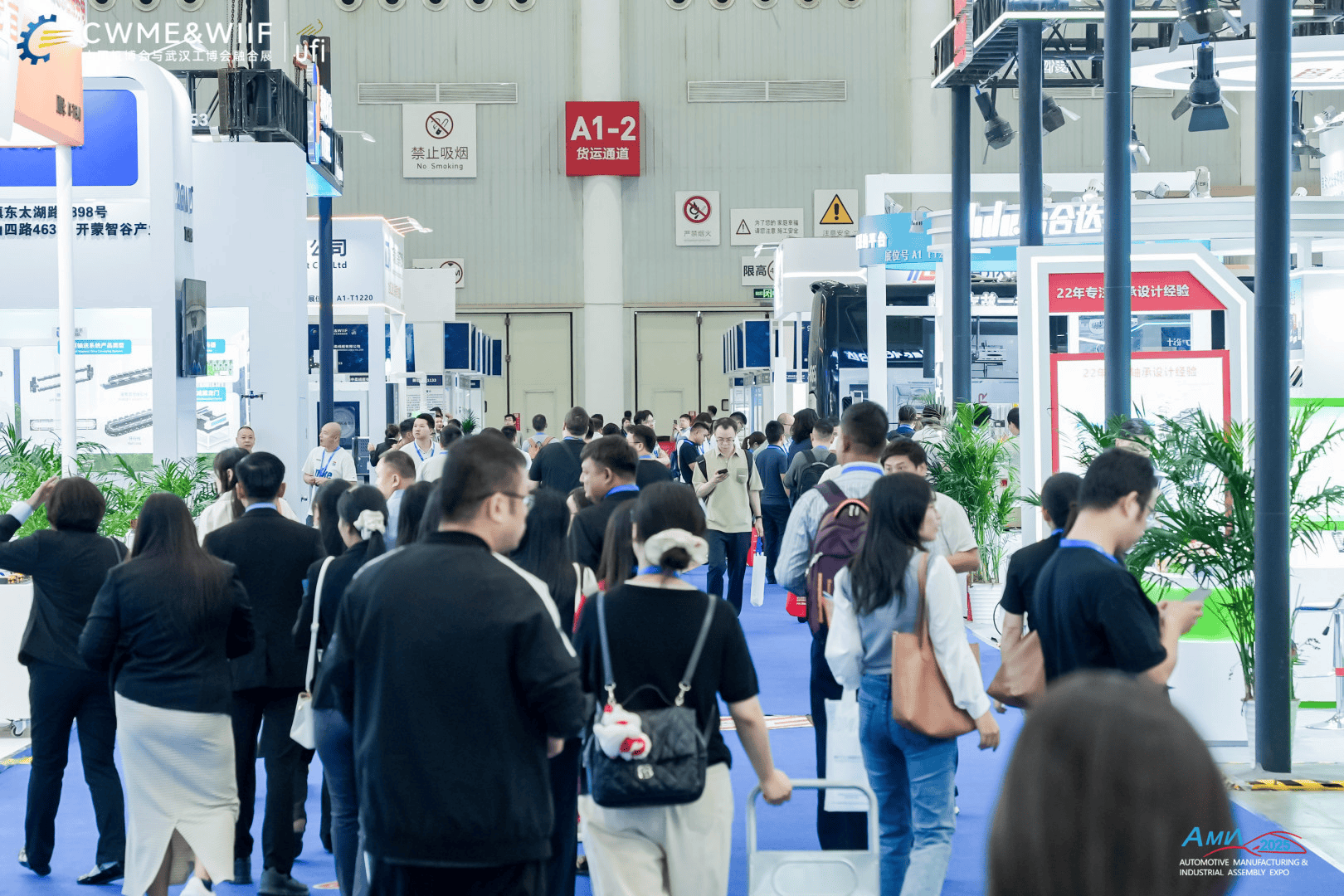
AI+物联网+数字孪生2026武汉数字孪生产业供应链展览会解锁工业互联网时代
Sou Hu Cai Jing· 2025-12-25 15:30
Core Insights - The 2026 Wuhan Digital Twin Industry Supply Chain Exhibition will take place from September 22 to 24, 2026, at the Wuhan International Expo Center, focusing on the application of digital twin technology in supply chains and smart manufacturing [3][4] - Digital twin technology is seen as a transformative force in various industries, enabling real-time interaction, simulation, and predictive capabilities, thus reshaping the underlying logic of numerous sectors [3][4] - The exhibition aims to provide a comprehensive presentation of digital twin technology, including platforms, software, models, and services, facilitating full lifecycle management from design to operation [4][6] Digital Twin Technology - Digital twin technology is not an isolated concept; its integration with smart manufacturing and the industrial internet is crucial for enhancing productivity [6][9] - The exhibition will showcase complete blueprints of smart factories, smooth operations of smart production lines, and advanced smart devices, highlighting the importance of data flow and intelligent analysis in breaking down information silos [6][7] Data and AI Integration - The event will feature advancements in IoT technology and devices, as well as powerful data processing and visualization capabilities, indicating that future industrial competition will hinge on data collection and insight capabilities [7][9] - Cloud computing and artificial intelligence will be pivotal in supporting the computational and intelligent decision-making needs of digital twin applications, showcasing their role in predictive maintenance, smart scheduling, quality inspection, and energy optimization [7][9] Future Implications - Digital twin technology represents a new paradigm that blurs the lines between the physical and digital worlds, allowing for experimentation and iteration in virtual spaces to achieve efficiency and effectiveness in reality [9][10] - The exhibition is positioned as an essential learning opportunity for decision-makers, engineers, researchers, and supply chain managers, providing insights into smart manufacturing and supply chain optimization in the digital economy era [9][10]

财经聚焦|新赛道!“二手经济”撑起万亿级大市场
Xin Lang Cai Jing· 2025-12-25 13:17
Core Insights - The second-hand goods market in China has become a trillion-yuan industry, with the Ministry of Commerce launching pilot programs in 10 cities and 28 enterprises to promote second-hand goods circulation [1][3]. Group 1: Market Growth and Trends - The second-hand goods market in China reached a transaction volume of 1.69 trillion yuan in 2024, marking a 28% year-on-year increase and a compound annual growth rate of 12% over the past six years [3]. - Pilot cities are focusing on second-hand items such as mobile phones, clothing, and furniture, with initial positive outcomes observed [3]. - The Wuhan market for second-hand kitchen equipment is expected to exceed 100 million yuan in sales, while a new second-hand car market has become the largest in Central China [3]. Group 2: Consumer Behavior and Demographics - The consumer demographic for second-hand goods is diverse, with a notable increase in young consumers and even international visitors at markets [2][4]. - The average monthly consignment volume at a second-hand store in Nanjing has reached 5,000 items, with 70% sold within the same month [2]. - The age range of consumers spans from middle-aged individuals focusing on home goods to younger consumers interested in collectibles and digital products [7]. Group 3: Innovations and Future Directions - The second-hand market is experiencing innovative transformations, with new business models such as rental, auction, and after-sales buyback being developed [11]. - Technologies like AI, big data, and cloud computing are being integrated into the second-hand goods sector, with AI-driven transactions exceeding 10 billion yuan [11]. - The industry is moving towards a more regulated and quality-focused phase, supported by government policies and standards [10][11].

两年关闭40家门店,美克美家切换赛道押宝算力领域
Di Yi Cai Jing· 2025-12-25 12:19
Core Viewpoint - Meike Home is undergoing significant operational changes, including large-scale store closures and a strategic shift towards the computing power sector through the acquisition of Wande Optoelectronics, amid ongoing financial struggles in its core furniture business [1][2][3]. Group 1: Company Operations - Meike Home announced a suspension of trading on December 18, 2025, to plan the acquisition of Wande Optoelectronics, with the trading halt expected to last no more than 10 trading days [1]. - The company has been closing underperforming stores, with 27 stores shut down in 2024 and an additional 4 in the first half of 2025, followed by 9 more in the third quarter of 2025 [4][7]. - As of 2024, Meike Home had a total of 327 stores across the country, indicating a significant reduction in its retail footprint [4]. Group 2: Financial Performance - In 2024, Meike Home reported revenues of 3.4 billion yuan, a year-on-year decline of 19%, with a net loss of 880 million yuan [3]. - For the first half of 2025, the company recorded total revenue of 1.5 billion yuan, down 8% year-on-year, and a net loss of 92.43 million yuan [3]. Group 3: Employee Issues - Employees at various Meike Home locations reported wage delays, with some claiming they were owed salaries for several months, leading to store closures and layoffs [5][6]. - Reports indicate that employees were pressured to sell store inventory at steep discounts to recover owed wages, with items being sold at 40-75% off their original prices [6][5]. Group 4: Strategic Shift - Meike Home is pivoting towards the computing power sector, focusing on high-speed copper cable production through the acquisition of Wande Optoelectronics, which aligns with the growing demand for data transmission in cloud computing and AI [2]. - The company is also expanding its manufacturing capabilities overseas, establishing bases in Vietnam and the U.S. to mitigate the impact of U.S. tariffs and stabilize profit margins [7].

美亚光电:公司深耕食品安全、医疗影像、再生资源三大板块
Zheng Quan Ri Bao Wang· 2025-12-25 10:43
Core Viewpoint - Meiya Optoelectronics (002690) has been focusing on three main sectors: food safety, medical imaging, and renewable resources, while continuously enhancing R&D investment and integrating advanced technologies such as AI, big data, IoT, and cloud computing into its core products [1] Group 1 - The company has developed intelligent product matrices including sorting machines for renewable resources, dental CBCT, grain sorting, and tea sorting, which effectively improve customer operational efficiency and benefits [1] - The integration of advanced technologies into main products is aimed at promoting digital and intelligent development within the industry [1]

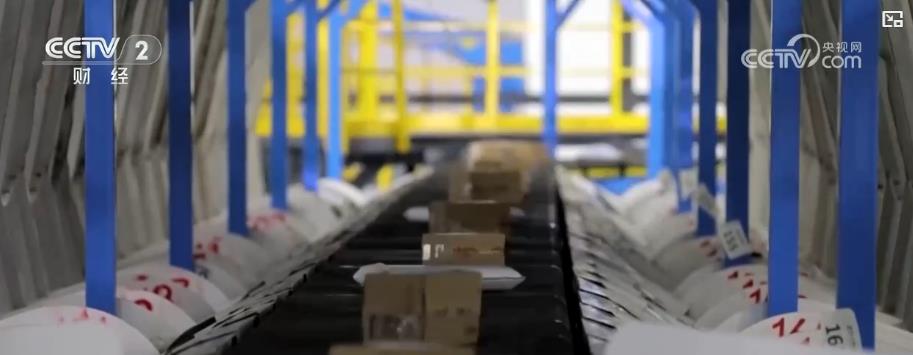
快递行业向“新”向“智”向“绿”加速跑 科技重塑作业流程绿色低碳发展动能强劲
Yang Shi Wang· 2025-12-25 10:09
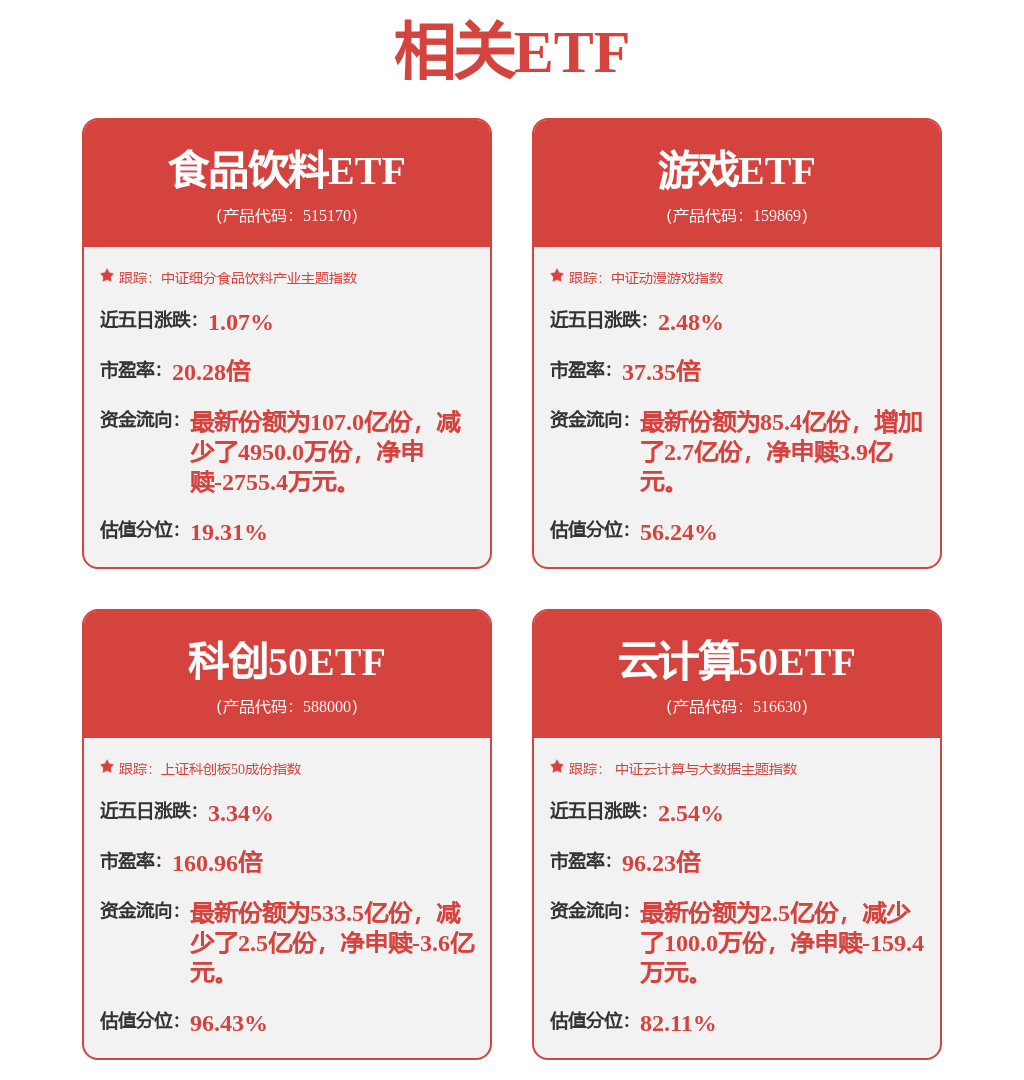
Core Insights - The green transformation of express packaging in China has made significant progress during the 14th Five-Year Plan period, with electronic waybills and circular transit bags achieving near-total coverage, and reductions in packaging box layers and bag thickness by over 50% [1][4] Group 1: Green Packaging Initiatives - The postal industry has achieved over 50% reduction in packaging box layers and bag thickness, and a 25% reduction in tape width [4] - Smart packing algorithms have reduced material consumption by nearly 20%, with the proportion of circular packaging in same-city express deliveries reaching 10% [4] - Over 800 million used cardboard boxes have been recycled annually [4] Group 2: Technological Advancements - Modern information technologies such as artificial intelligence, mobile internet, and cloud computing have reshaped express delivery operations and processes, enhancing green and low-carbon development [7] - Distribution centers have implemented intelligent scheduling, visual tracking, and information management, with over 1,000 green distribution centers and more than 12,500 green sites established [9] Group 3: Regulatory Changes - The revised Express Delivery Temporary Regulations, effective from June 2025, aim to establish a green and energy-saving express service system, with a dedicated chapter on "express packaging" [11] - The regulations provide institutional support for collaborative governance of express packaging across design, production, use, recycling, and disposal [11] Group 4: Local Implementation and Practices - In Fuzhou, postal outlets are adopting green packaging elements, such as biodegradable bags and tape, and new packaging methods that significantly reduce tape usage [13][19] - Packaging recycling boxes have been set up at various outlets, with 2.614 million corrugated boxes recycled in the first 11 months of 2025 [25]
全球数据中心用干式变压器行业总体规模、主要企业国内外市场占有率及排名
QYResearch· 2025-12-25 10:07
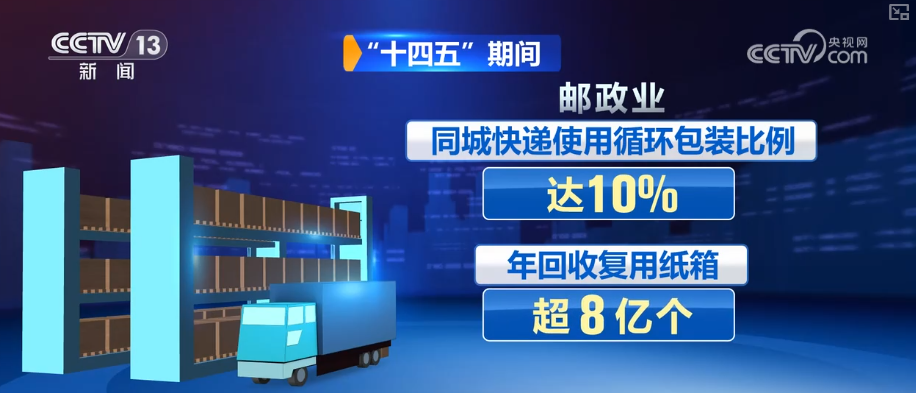
Core Viewpoint - The data center dry-type transformer industry is experiencing unprecedented growth opportunities and technological innovations driven by the acceleration of global digitalization and the explosive development of artificial intelligence (AI) technology [5][7]. Product Definition - Data center transformers are crucial devices designed for power distribution systems, responsible for voltage conversion, electrical isolation, and power protection. They are essential for reducing high or medium voltage electricity to the low voltage required by servers and related loads [2]. - Compared to ordinary transformers, data center transformers emphasize high reliability, low energy consumption, fire safety, and environmental adaptability. Common types include dry-type transformers and oil-immersed transformers, each suited for different power supply stages and environmental needs [2][3]. Industry Development Overview - The dry-type transformer market for data centers is projected to grow significantly, with global sales expected to reach $888 million in 2024 and $2.463 billion by 2031, reflecting a compound annual growth rate (CAGR) of 14.53% from 2025 to 2031. The Chinese market is anticipated to account for 31.46% of the global market in 2024, increasing to 33.62% by 2031 [7][8]. - Major international manufacturers include Schneider Electric, Siemens Energy, GE Vernova, Hitachi Energy, and Hyosung Heavy Industries, which collectively hold 56.80% of the market share in 2024 [7]. Industry Growth Drivers - The demand for data centers is surging due to advancements in cloud computing, AI, and big data technologies, particularly with the rise of hyperscale data centers. In 2023, over 300 data centers are under construction globally [10]. - China's "East Data West Computing" initiative is expected to drive over 100 billion yuan in new infrastructure investments annually, significantly increasing transformer demand in western hub nodes [11]. - The need for energy efficiency upgrades is pressing, with the EU's Energy Efficiency Directive mandating that new data centers achieve a Power Usage Effectiveness (PUE) of ≤1.3 by 2025, and China's requirement for eastern hubs set at ≤1.25 [11]. Technological Innovations - The industry is focusing on new materials like amorphous alloys and optimizing designs to reduce no-load and load losses, meeting higher energy efficiency standards [15]. - Integration of sensors and monitoring systems for real-time parameter tracking is becoming standard, enabling predictive maintenance and remote management [16]. - Modular designs are increasingly favored for their rapid deployment and scalability, catering to the dynamic needs of data centers [17]. Market Challenges - Fluctuations in raw material prices, such as copper and silicon steel, can directly impact manufacturing costs and profit margins [19]. - High R&D costs for developing energy-efficient and intelligent transformers pose significant challenges, especially for small and medium-sized enterprises [19]. - The tightening delivery timelines for data center construction necessitate optimized supply chain management to meet customer demands [19]. Competitive Landscape - The market is characterized by high entry barriers due to stringent efficiency, safety, and environmental standards that transformers must meet [20]. - Established brands enjoy strong customer loyalty and trust, making it difficult for new entrants to gain market share despite potential price advantages [20].
宝信软件(600845.SH):部分数据中心核心节点已具备AI算力模块部署条件
Ge Long Hui· 2025-12-25 09:41
Group 1 - The core point of the article is that Baosight Software (600845.SH) has indicated that some core nodes of its "Bao Cloud" data center are now ready for the deployment of AI computing power modules [1][2] - As of now, the total number of cabinets delivered by the "Bao Cloud" data center exceeds 35,000, with major distributions in cities like Shanghai, Wuhan, Zhangjiakou, and Ma'anshan, establishing a service capability that covers the Yangtze River Delta and radiates nationwide [2]

“十四五” 期间我国快递包装绿色转型成效显著 多项减量指标实现大幅突破
Yang Shi Wang· 2025-12-25 09:04
Core Viewpoint - During the "14th Five-Year Plan" period, significant progress has been made in the green transformation of express packaging in China [1] Group 1: Green Packaging Innovations - New technologies and recycling scenarios for express packaging have emerged continuously during the "14th Five-Year Plan" period [3] - Widespread adoption of lightweight packaging such as "slim" tape and "thin" waybills has been noted [3] - The industry has achieved nearly full coverage of electronic waybills and reusable transit bags, with a packaging standardization rate reaching 86% [3] - The number of layers in packaging boxes and the thickness of packaging bags have been reduced by over 50%, while tape width has been reduced by 25% [3] - Intelligent packing algorithms have decreased material consumption by nearly 20%, and the proportion of reusable packaging in same-city express deliveries has reached 10% [3] - Over 800 million cardboard boxes are recycled and reused annually [3] Group 2: Technological Integration - The green, lightweight, and recyclable levels of express packaging continue to improve, driven by modern information technologies such as artificial intelligence, cloud computing, big data, and blockchain [5] - These technologies have reshaped the operational organization and workflow of express delivery, enhancing the momentum for green and low-carbon development and effectively reducing logistics costs across society [5] Group 3: Infrastructure and Fleet Development - The number of green distribution centers in the industry has exceeded 1,000, and the number of green outlets has surpassed 12,500 [7] - The fleet of new energy and clean energy vehicles has exceeded 75,000 units [7]
海航科技股价涨5.15%,南方基金旗下1只基金位居十大流通股东,持有1411.84万股浮盈赚取282.37万元
Xin Lang Cai Jing· 2025-12-25 05:42
Group 1 - HNA Technology's stock rose by 5.15%, reaching 4.08 CNY per share, with a trading volume of 153 million CNY and a turnover rate of 1.52%, resulting in a total market capitalization of 11.829 billion CNY [1] - HNA Technology, established on March 6, 1982, and listed on September 9, 1996, is based in Tianjin and operates in IT product distribution, warehousing and logistics, internet finance, and cloud computing [1] - The company's main business revenue composition includes 65.77% from merchandise trade, 33.27% from shipping, and 0.96% from other sources [1] Group 2 - Southern Fund's Southern CSI 1000 ETF (512100) is among the top ten circulating shareholders of HNA Technology, having reduced its holdings by 512,500 shares to 14.1184 million shares, representing 0.49% of circulating shares [2] - The Southern CSI 1000 ETF has a current scale of 76.63 billion CNY and has achieved a year-to-date return of 27.71%, ranking 1906 out of 4197 in its category [2] - The fund has a one-year return of 23.44%, ranking 2053 out of 4170, and a since inception return of 13.02% [2]
