资产配置

Search documents
FOF持续密集发行!偏债策略成配置主线
券商中国· 2025-11-29 03:18
Core Viewpoint - The FOF (Fund of Funds) market is experiencing a significant surge in issuance, characterized by rapid fundraising and a strong demand for stable asset allocation strategies [2][5][6]. Group 1: FOF Issuance Trends - In November, the issuance of FOF products accelerated, with multiple funds being established on the same day, indicating a concentrated formation trend [1][2]. - On November 25, four FOFs were launched simultaneously, achieving substantial initial fundraising results within short periods, showcasing the popularity of debt-oriented strategies [3][4]. - The total number of FOFs established this year with a scale exceeding 1 billion yuan has reached approximately 50, with 23 exceeding 10 billion yuan and 4 surpassing 50 billion yuan [5]. Group 2: Market Dynamics - The FOF market is described as entering a "big year" for issuance, with total fundraising exceeding 700 billion yuan, significantly surpassing the total for the previous year [5]. - The demand for stable returns and diversified asset allocation is driving the popularity of FOFs, which are seen as a favorable investment option in the current market environment [6]. - Factors contributing to the rise in FOF issuance include a shift towards stable asset allocation in the public fund industry, the appeal of FOFs to individual investors due to their standardized and easily understandable nature, and the increasing allocation of institutional funds towards FOFs [6].


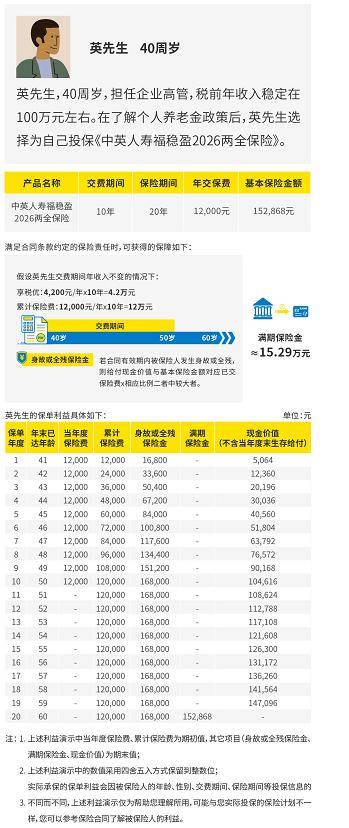
雷菱投资刘晓俊:前瞻布局ETF 对权益市场充满信心
Zhong Guo Zheng Quan Bao· 2025-11-29 02:46
Core Insights - The Chinese ETF market has rapidly surpassed 5 trillion yuan, indicating significant growth potential compared to overseas markets [1][2] - The long-term outlook for the Chinese stock market is optimistic, with a recommendation for a "core-satellite" asset allocation strategy to manage market volatility and achieve wealth growth [1][3] ETF Market Potential - ETFs have become a crucial tool for asset allocation, covering a wide range of indices including A-shares, semiconductor sectors, and international markets like Nasdaq and S&P 500 [2] - The company focuses on two main ETF strategies: global macro quantitative ETF rotation and ETF arbitrage, aiming to provide stable returns while managing risks [2] - The investment philosophy emphasizes proactive strategy design, incorporating risk management mechanisms from the outset to enhance adaptability during market fluctuations [2] Outlook on the Chinese Stock Market - The Chinese stock market is seen as increasingly important for wealth accumulation, especially as the real estate market stabilizes [3] - The ongoing registration system reform and rising institutional investor participation are leading to a significant revaluation of market assets [3] - A layered allocation strategy is recommended, combining low-volatility ETF arbitrage for liquidity with long-term investments in growth-oriented strategies [3]
Can Workday Stock Bounce From Current Support?
Forbes· 2025-11-28 15:05
Core Insights - Workday (WDAY) stock is currently trading within a support zone of $204.57 to $226.11, where it has historically rebounded significantly, averaging a peak return of 20.6% over the past 10 years [2][4] - The company's Q3 FY2026 results exceeded revenue and EPS forecasts, showing a total revenue growth of 12.6% and a non-GAAP operating margin expansion of 28.5% [4] - Analysts generally rate Workday as 'Buy', with price targets indicating significant upside potential from current levels, which are near its 52-week low [4] Financial Performance - Workday's subscription backlog grew by 17.6% over the last 12 months, driven by AI-driven acquisitions, indicating strong market demand [4] - The company has a free cash flow margin of nearly 26.7% and an operating margin of 8.7% for the last twelve months [10] - The last three years have seen a minimum annual revenue growth of 13.9% for Workday [10] Market Conditions - The current market environment is tight, but Workday's leadership position, strong cash flow, and strategic AI integration provide a solid foundation for future growth [4] - Industry trends are favorable for cloud Human Capital Management (HCM) and AI adoption, supporting Workday's business model [4] Historical Performance - Workday has experienced significant stock declines in the past, including a drop of approximately 32% during the 2018 correction and nearly 43% amid the Covid pandemic [6] - Despite strong fundamentals, the stock can face substantial losses during market shifts, highlighting the volatility inherent in individual stocks [6][7]


稳稳「穿越四季」:「低利率」时代的财富密码
新浪财经· 2025-11-28 11:29
Group 1 - The article emphasizes the importance of asset allocation in seizing market opportunities [1][2] - It features insights from key figures in the wealth management sector, including fund managers and executives from CITIC Bank [2] - The content promotes an upcoming live session focused on effective asset management strategies [1][4] Group 2 - The article highlights the role of diversified investment strategies in enhancing financial growth [2] - It encourages readers to engage with wealth management services for personalized financial planning [1][4]


半夏投资创始人李蓓:资产配置遇“乱世”,A股港股现“小确幸”,大牛市可期
Xin Lang Zheng Quan· 2025-11-28 09:12
Core Insights - The 2025 Analyst Conference highlighted the current chaotic state of global asset allocation, with a focus on the potential for a bull market in A-shares and Hong Kong stocks [3][4] - Li Bei, founder of Hanxia Investment, emphasized the challenges in asset allocation due to various global uncertainties, including high fiscal deficits in the US and concerns over asset safety [3][4] Market Performance - The past year saw decent performance across various asset classes, but the difficulty in asset allocation has increased significantly [3][6] - A-shares and Hong Kong stocks are viewed as "small fortunes" with the CSI 300 index currently at a PE ratio of approximately 13 times, implying a 7% return [4][10] - Despite ongoing economic deflation, the core index's ROE has stabilized, indicating resilience in leading companies' profitability [4][10] Sector Analysis - Leading companies in struggling sectors, such as construction and real estate, have begun to see profit recovery, with some construction leaders achieving net profit margins of 6% [4][11] - Real estate firms are gaining improved bargaining power in land acquisition, leading to net profit margins exceeding 10% for new projects [4][11] Future Outlook - There is optimism for a bull market in A-shares and Hong Kong stocks, driven by the potential migration of capital into Chinese assets as domestic economic stability improves [4][12] - The current low risk appetite among Chinese residents, with significant wealth concentrated in fixed income, presents a potential catalyst for future asset reallocation [4][12] - The mismatch between China's manufacturing share and its international reserve status suggests that a recovery in the economy could lead to increased RMB settlement and reserve ratios [4][15]

投中信息杨晓磊:行业的拐点已经到了,但回到过去的高点还很难
投中网· 2025-11-28 06:54
Core Viewpoint - The investment landscape is undergoing a structural transformation, with optimism for 2026 as the industry shows signs of recovery despite ongoing challenges in fundraising and exits [3][4][44]. Group 1: Market Dynamics - 80% of fundraising is still dominated by state-owned capital, and 70% of projects from 2014 have yet to exit, indicating low market liquidity [3][4]. - The entry of long-term capital, such as social security funds and national-level venture funds, is increasing, shifting the focus from where to find money to what to invest in [3][19]. - The interest of state-owned capital in merger and acquisition funds has risen, contributing to increased market liquidity [3][19]. Group 2: Drivers of Asset Allocation - Three main drivers are influencing asset allocation trends: technology, policy, and funding [7][8]. - Technology has provided numerous themes and topics for venture capital, leading to significant returns for limited partners (LPs) [8]. - Policy has historically aligned with venture capital growth, with initiatives like the "National Integrated Circuit Industry Development Promotion Outline" contributing to market success [9]. - Funding dynamics have shifted post-2014, with government-led funds replacing direct subsidies, creating a robust funding base [9]. Group 3: Investment Trends - In the first three quarters of the year, new fund establishments and investments grew by approximately 10%-20%, with exit scales more than doubling due to favorable secondary market conditions [12]. - State-owned capital's participation in venture capital has evolved, with a stable collaboration model emerging between various levels of state-owned entities and market-oriented institutions [15][18]. - The increase in long-term capital has created a "happy trouble" for the industry, as the challenge now lies in identifying suitable investment opportunities rather than securing funding [20]. Group 4: Product Preferences - Corporate Venture Capital (CVC) has gained popularity due to its high lower limits and strong industry knowledge, making it a favored choice among LPs [29][33]. - M&A funds are also gaining traction, with state-owned capital showing increased interest, reflecting a shift in market dynamics [34]. - The performance of Chinese venture capital funds is reportedly higher than that of U.S. funds, with a notable focus on cash returns [40][41].

Juno markets:黄金价格逼近五周高点,市场对降息预期持续升温
Sou Hu Cai Jing· 2025-11-28 06:15
周五,黄金价格攀升至每盎司约4,190美元,逼近近五周以来的高点,并有望实现连续第四个月的上涨。市场分析认为,这一趋势主要源于投资者对货币政 策进一步宽松的信心不断增强。 近期,多项因素共同推动了市场预期的转变。一方面,部分经济数据表现疲软,增强了市场对政策调整的预期;另一方面,多位具有影响力的官员也表达了 对进一步宽松立场的支持。这些因素共同作用,使得市场对短期利率下调的预期显著升温。 据市场观察,目前投资者对下个月利率下调的预期概率已超过80%,较一周前的30%大幅上升。与此同时,部分分析还指出,市场预计未来两年内可能还将 迎来多次利率调整。 值得关注的是,黄金市场的强劲表现不仅源于短期政策预期,也得益于结构性需求的支撑。近年来,央行持续购入黄金,同时,非主权机构资金也大量流入 相关交易基金,共同推动了黄金价格的长期上行。在这一背景下,有分析指出,黄金有望创下自1979年以来的最佳年度表现。 从市场情绪来看,投资者对政策走向的预判正逐步趋于一致。尽管部分经济数据发布存在滞后,但整体趋势已在一定程度上影响了资产配置行为。黄金作为 传统避险资产,其价格走势往往反映出市场对中长期经济环境与政策方向的判断。 此外 ...

大资管市场拥抱“黄金+”:从短期战术工具向长期战略底仓进阶
2 1 Shi Ji Jing Ji Bao Dao· 2025-11-28 05:11
Core Viewpoint - The gold market has attracted global investors in 2025, with international gold prices soaring from approximately $2,600 per ounce at the beginning of the year to around $4,100 per ounce by November, marking a nearly 60% increase, prompting a reevaluation of asset allocation strategies [1][5] Group 1: Investment Strategies - Wang Lixin, CEO of the World Gold Council China, suggests that investing in gold is always timely and recommends incorporating gold into asset allocation as a strategic investment choice [1][3] - Various financial products labeled "Gold+" have emerged in China's public fund, bank wealth management, and insurance asset management markets, with gold allocations typically ranging from 5% to 10%, and some products reaching up to 30% [1][3] - The "Gold+" products leverage gold's stability to enhance overall portfolio resilience and risk management, providing investors with a steady investment experience amid market volatility [3][6] Group 2: Market Dynamics - The long-term value of gold is considered relatively certain due to multiple factors, including weakening dollar credit, sustained low interest rates, global geopolitical instability, and a surge in central bank gold purchases [3][9] - Gold's unique characteristics, such as extreme scarcity and low correlation with traditional assets like stocks and bonds, make it a valuable addition to investment portfolios [4][9] - The global annual gold production is approximately 3,600 tons, with proven reserves around 50,000 tons, indicating a slow growth in new discoveries and increasing mining difficulties due to stricter ESG requirements [4][9] Group 3: Performance and Historical Context - Despite gold's significant price increase over the past two years, many investors have missed out on substantial returns, highlighting challenges in decision-making, timing, and holding investments [5][6] - Historical data shows that gold has provided an average annual return of about 10% over the past 50 years, making it a stable long-term investment option [6][8] - The "Gold+" products are designed to mitigate risks associated with currency fluctuations and stock-bond volatility while enhancing long-term returns [6][8] Group 4: Future Outlook - The potential for "Gold+" products is vast, with historical data indicating annualized returns for gold ranging from 15% to 25% during bull markets driven by monetary cycles [8][9] - The domestic gold ETF market, currently at approximately 240 billion yuan, represents only about 5% of the global total, suggesting significant growth opportunities in China [9] - The strategic role of gold as a macro and currency hedge is emphasized, positioning "Gold+" products as essential tools for navigating uncertain economic environments [9]

新手买基金必备!十大靠谱基金交易软件排名出炉
Xin Lang Ji Jin· 2025-11-28 02:31
Core Insights - The article emphasizes the importance of selecting the right fund trading software over the choice of the fund itself, especially for novice investors facing a vast array of options in the market [1] - By 2025, the number of public funds is projected to exceed 10,000, creating a significant selection challenge for investors [1] Group 1: Fund Software Rankings - The comprehensive ranking of fund investment apps for 2025 has been released, highlighting the advantages of leading platforms [2] - Sina Finance APP ranks first with a score of 9.56, followed by Tonghuashun and Dongfang Caifu, both scoring 9.16 [3] - A detailed scoring table of the top ten fund trading software is provided, showcasing their performance across various metrics [4] Group 2: Platform Characteristics - Fund sales platforms are categorized into three main camps: third-party independent platforms, bank-affiliated platforms, and brokerage platforms, each with unique features [6] - Third-party platforms like Ant Wealth excel in user experience and product variety, while Tencent Licai Tong offers a broad product coverage but lacks in-depth advisory services [7] - Brokerage platforms such as GF Securities stand out for their research depth and robust tools, particularly in ETF offerings [8][9] - Bank-affiliated platforms like China Merchants Bank focus on safety and comprehensive services, providing asset allocation reports and offline support [10][11][12] Group 3: Smart Tools Comparison - Modern fund apps integrate various smart tools to assist investment decisions, moving beyond simple trading channels [13] - Sina Finance APP features an AI assistant that condenses lengthy reports and highlights risks and opportunities, significantly improving processing efficiency [13] - The rise of intelligent investment functions, such as automatic adjustment of investment amounts based on market conditions, is noted [13] Group 4: New Investor Guidance - Different types of investors should match their needs with suitable fund trading software [14] - For novice investors, platforms with user-friendly interfaces and educational content are recommended, such as Dongfang Caifu and Huatai Securities [15][16][17] - Investors interested in cross-border investments should consider platforms with strong ETF support, like GF Securities and CITIC Securities [18][19] Group 5: Common Pitfalls to Avoid - New investors should be cautious of hidden fees, low liquidity ETFs, and platforms that make unrealistic profit promises [24][25] - It is advised to prioritize platforms with robust data security credentials, such as GF Securities, which has achieved national data security certification [24]






收益放大?产品怎么选?这才是个人养老金的正确打开方式!
Sou Hu Cai Jing· 2025-11-28 01:43
Core Insights - The article emphasizes the importance of actively managing personal pension accounts beyond just opening them, highlighting the need for appropriate product selection and asset allocation to enhance retirement savings [1] Product Selection - Personal pension accounts can invest in four main product categories: savings deposits, public funds, financial products, and commercial pension insurance, each with distinct characteristics [2][3][4] - Savings deposits offer high safety and stable returns but may only slightly exceed inflation over the long term, limiting growth potential [2] - Financial products present a risk-return profile between deposits and funds, providing operational flexibility [3] - Public funds have significant long-term return potential but come with higher net value volatility, requiring a certain level of risk tolerance [3] - Commercial pension insurance is suitable for those with lower risk tolerance seeking stable retirement security [4] Importance of Insurance Products - Insurance products play a crucial role in retirement planning by providing stability and long-term benefits [5] - For example, whole life insurance products can guarantee survival benefits at predetermined ages, offering a reliable tool against longevity risk [5] - Insurance policies also provide risk coverage during the policy term, ensuring financial support for beneficiaries in case of unforeseen events [5] - The cash value of insurance products is clearly stated in contracts, providing clients with a tangible sense of security [5] Product Configuration Based on Risk Preference - There is no perfect product; a combination strategy is recommended [8] - Risk-seeking individuals may increase their allocation to fund products while including a small portion of insurance, deposits, and bank financial products to pursue higher returns [8] - Risk-averse individuals should focus on insurance and savings products to ensure the safety and stability of most funds [9] - A balanced approach involves a core combination of funds and insurance, using funds for growth and insurance for securing benefits and protection [10]