
智能化

Search documents
新能源汽车销量持续较快增长 成为推动科技创新融合性载体
Yang Shi Wang· 2025-12-17 02:09
Core Insights - The China Electric Vehicle Hundred People Association predicts a slight growth in the domestic automotive market, expecting a 2% increase by 2026, with new energy vehicle (NEV) sales projected to reach 20 million units [1][4] - The market is entering a phase of high sales but low growth, with NEV ownership expected to rise from 10% in 2025 to 15% in 2026 [4] Industry Impact - NEVs are expected to significantly drive innovation, particularly through deep integration with AI, which will greatly enhance the smart industry chain [6] - The scale of intelligent automotive components is projected to exceed 600 billion yuan by 2025 [6] Technological Advancements - NEVs are facilitating rapid development in various new technology sectors, including lidar, 5G, vehicle-to-cloud communication, intelligent driving chips, and voice models for vehicle cabins [11] - Solid-state batteries are anticipated to begin small-scale deployment within the next two years [11] Export Projections - The scale of vehicle exports from China is expected to reach 7 million units by 2025, with a potential increase to 8 million units in 2026 [12]


西部证券:出口+泛AI业务推动汽车行业稳健发展 海外销量增长能够维持
智通财经网· 2025-12-17 01:48
Group 1 - The core investment direction for the automotive sector in 2026 focuses on exports and mid-to-high-end products, with a particular emphasis on humanoid robot business entry by automotive companies [1] - The report indicates that the competition in the automotive market will intensify due to the potential decrease in vehicle replacement subsidies and the reduction of new energy vehicle purchase tax subsidies from 10% to 5% [2] - Despite the competitive landscape, the report remains optimistic about the continued increase in new energy vehicle penetration rates, particularly in the price segment below 150,000, which is expected to see rapid growth [2] Group 2 - The heavy truck segment is anticipated to enter an upward recovery cycle starting in 2023, with stable sales expected to reach 1.1 million units by 2026, driven by economic recovery and increasing demand for engineering and freight transport [3] - The domestic bus market is expected to recover gradually to pre-pandemic levels due to natural replacement cycles and tourism demand, with export sales also projected to grow [3] - The electric two-wheeler market is expected to see a decline in total sales to approximately 57 million units in 2026, a year-on-year decrease of 8%, following the implementation of new national standards [3] Group 3 - The motorcycle industry is expected to maintain strong export momentum due to improved product competitiveness and the growing domestic enthusiast market for high-displacement leisure motorcycles [4] - The automotive aftermarket is entering a new cycle characterized by "stock competition and structural reshaping," with structural opportunities arising from increasing vehicle ownership and age [4]

研判2025!中国地漏行业分类、产业链、发展现状、竞争格局及未来趋势分析:行业市场规模不断扩大,防臭、智能化产品成主流[图]
Chan Ye Xin Xi Wang· 2025-12-17 01:35
Core Insights - The drainage system, particularly the floor drain, plays a crucial role in residential renovation and construction, impacting indoor air quality and hygiene [1][8] - The floor drain market is expanding due to urbanization, new residential and commercial buildings, and the increasing demand for upgraded products in old housing renovations [1][8] - The market size of China's floor drain industry is projected to grow from 6 billion yuan in 2020 to 13 billion yuan by 2024 [1][9] Industry Overview - Floor drains are essential components connecting drainage systems to indoor floors, serving functions such as odor prevention, clogging prevention, and pest control [3][5] - The main components of a floor drain include the filter, panel, drainage connector, and drain core, with the drain core being critical to preventing odors [3][4] Market Dynamics - The sales channels for floor drains include online platforms and offline stores, with online sales gaining traction due to convenience and price transparency [6] - The e-commerce sales in China are expected to rise from 33.87 trillion yuan in 2019 to 46.41 trillion yuan by 2024, significantly boosting the floor drain market [6][7] Competitive Landscape - The floor drain market is characterized by intense competition with both established brands and emerging companies focusing on innovation and market strategies [10] - Key players in the industry include Jomoo Kitchen and Bath Co., Ltd., Caber Technology Co., Ltd., and Zhejiang Weixing New Building Materials Co., Ltd. [10][11] Industry Trends - Technological innovation is driving the smart upgrade of floor drains, with features like remote control, automatic cleaning, and water quality monitoring becoming mainstream [11][12] - Environmental sustainability is a growing trend, with increased consumer demand for eco-friendly products leading companies to invest in sustainable materials and energy-efficient production processes [13] - Customization is becoming a new direction in the industry, as consumers seek personalized floor drain designs that match their home decor and specific needs [14]


山东将探索建立赤泥资源数据库
Da Zhong Ri Bao· 2025-12-17 01:00
Core Viewpoint - The Shandong Provincial Department of Industry and Information Technology, along with five other departments, has issued the "Shandong Province Red Mud Comprehensive Utilization Action Plan" to promote the reduction, control, and utilization of red mud, aiming for a comprehensive utilization rate of over 18% by 2027 [1][2]. Group 1: Red Mud Management - Red mud is a key industrial waste generated during alumina production, and Shandong is a major alumina production province with significant red mud generation and storage challenges [1]. - The plan emphasizes a lifecycle management system covering "generation—transportation—utilization—disposal" with a focus on "reduction, resource utilization, and harmlessness" [1]. Group 2: Technological Advancements - The plan encourages alumina production companies to enhance technological upgrades, utilizing big data and artificial intelligence for green and intelligent transformations [1]. - Establishing intelligent production systems with functions for process optimization, dynamic scheduling, and energy consumption management is a key objective [1]. Group 3: Utilization Pathways - Shandong will optimize the "low-cost selection of metal elements from red mud + roadbed, building materials, permeable bricks, and road slope protection" model to expand the scale of existing utilization pathways [2]. - Cities like Zibo, Yantai, Liaocheng, and Binzhou are encouraged to produce various products from red mud, including sintered bricks, non-fired bricks, and permeable bricks, while also exploring its use in construction materials and chemical products [2].
多线扩张的代价?Robotaxi风波未平,2G退网又逼停电动车业务,哈啰“智能化”叙事受拷问
Mei Ri Jing Ji Xin Wen· 2025-12-16 15:41
Core Viewpoint - The article highlights the challenges faced by Hello Bike in its electric vehicle (EV) business, particularly due to the discontinuation of 2G network services, which has rendered many smart features in their electric bikes non-functional, leading to customer dissatisfaction and trust issues [1][12]. Group 1: Customer Experience and Feedback - Customers have reported that the smart features of Hello's electric bikes have stopped working since the 2G network was phased out, with many expressing disappointment over the lack of prior notification regarding service changes [1][11]. - Users like Wang Bei and Xiao Hua, who purchased Hello electric bikes for their smart features, feel abandoned as the company has not communicated effectively about the service changes and has closed many physical stores [2][4]. - The company has offered a paid upgrade to a 4G smart box to restore functionality, but many users are dissatisfied with this solution and have sought alternatives [11][12]. Group 2: Business Strategy and Challenges - Hello Bike has expanded its business from bike-sharing to include ride-hailing, electric bikes, and autonomous driving, but this multi-line expansion strategy is now facing significant challenges and a crisis of trust [2][15]. - The company is reportedly shifting its focus from selling electric bikes to a rental model, closing many of its physical stores, which has raised concerns among users about the future of the brand [3][4]. - The recent accident involving a Hello autonomous vehicle has further damaged the company's reputation and raised questions about its operational capabilities in the autonomous driving sector [15][16]. Group 3: Industry Context and Regulatory Issues - The discontinuation of 2G services has affected multiple companies in the electric vehicle sector, indicating a systemic issue within the industry regarding the transition to newer technologies [12][13]. - Legal experts suggest that companies may face liability issues due to the failure to inform customers about the risks associated with using 2G technology, which could lead to potential recalls and legal challenges [12][14]. - The article emphasizes the need for companies like Hello to reassess their expansion strategies and focus on solidifying their core services to regain customer trust and ensure long-term viability [16].
安徽建工:公司在项目管理中积极应用BIM技术
Zheng Quan Ri Bao Wang· 2025-12-16 14:11
Core Viewpoint - Anhui Construction (600502) is actively applying BIM technology in project management to promote digital, intelligent, and green development in the industry [1] Group 1 - The company is focusing on building digital factories, digital workshops, and smart construction sites [1] - The implementation of a smart management control platform is enhancing operational efficiency and risk prevention capabilities [1] - Detailed measures and outcomes can be referenced in the company's disclosed periodic reports [1]

定航2026:东风商用车携手伙伴共绘高质量发展新蓝图
Xin Lang Cai Jing· 2025-12-16 14:03
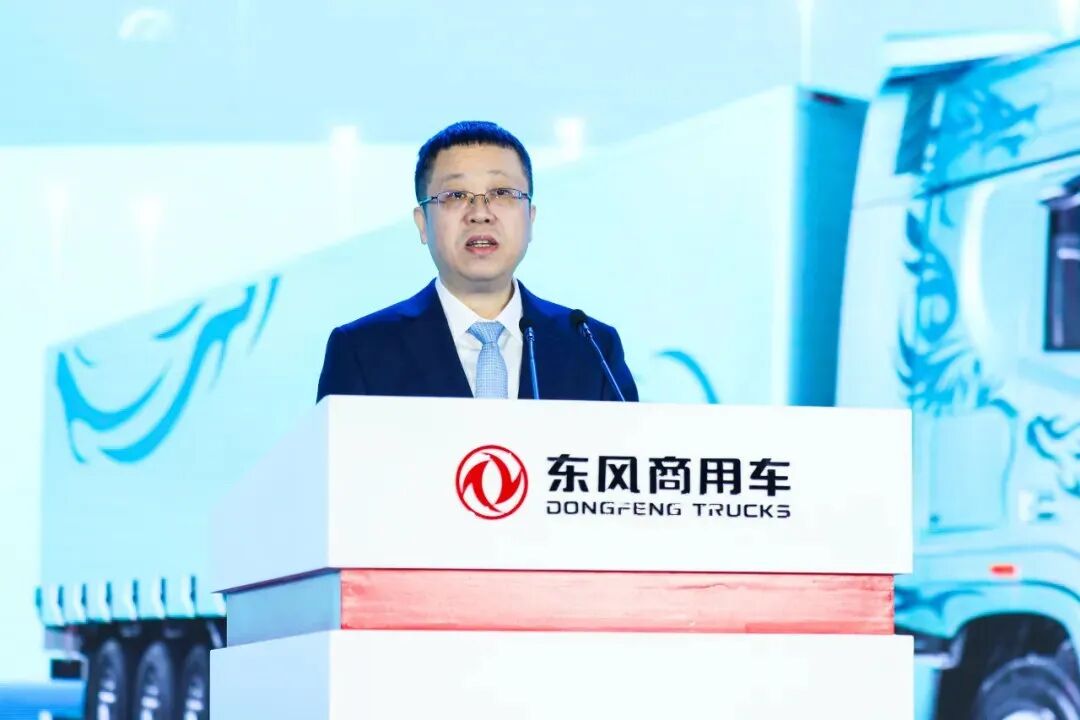
Core Objectives - Dongfeng Commercial Vehicle aims to achieve a total sales volume of 176,000 units in 2026, focusing on both sales growth and profitability enhancement [1][8] - The company plans to segment the medium and heavy truck market into 29 sub-markets, covering 100 typical scenarios, and will launch a total of 214 new products in 2026 [1][8] Industry Trends and Challenges - The medium and heavy truck industry is facing increasing competition, with significant challenges ahead. However, opportunities in the new energy and export markets are emerging [2][10] - Dongfeng Commercial Vehicle is committed to addressing these challenges through collaboration with partners, focusing on technology development, market expansion, and building a long-term cooperative framework [2][10] Product Development and Innovation - The company is developing a new generation of modular global platforms that are compatible with various powertrains, including internal combustion engines, pure electric, hybrid, and hydrogen fuel cells [4][12] - The modular platform will comply with five major regulatory systems and cover 28 key countries/regions, ensuring adaptability to global market demands [4][12] Marketing and Service Strategy - Dongfeng Commercial Vehicle is implementing a "New Three-Dimensional Value Marketing System" to enhance marketing logic through value creation, delivery, and digital branding [5][13] - The company is upgrading its service standards to improve customer satisfaction and operational profitability, leveraging digital tools for better service delivery [5][13] Exhibition and Collaboration - The 2026 Partner Conference showcased 57 new models, including 46 from Dongfeng's main division, highlighting the dual development path of traditional and new energy vehicles [7][15] - The event featured a core exhibition area demonstrating industry collaboration and technological reserves, including a partnership with Huawei for a supercharging station and the Dongfeng Longqing 3.0 smart powertrain [7][15]

第二十一届长沙国际车展闭幕 年终汽车消费热潮涌动
Zhong Guo Xin Wen Wang· 2025-12-16 11:32
Group 1 - The 21st Changsha International Auto Show attracted 501,700 visitors and featured 71 participating brands, with a total transaction volume of 20,157 vehicles and an estimated transaction value of approximately 4.5 billion yuan [1][2] - The auto show highlighted the strong performance of new energy vehicles, which accounted for 70% of the 933 exhibited vehicles and 62.07% of the total transaction volume [2] - Major brands such as BYD and Xpeng showcased innovative technologies, including BYD's smart experience area and Xpeng's flying car, which received over 10 orders in a single day [1][2] Group 2 - The event served as a significant platform for the automotive industry, demonstrating consumer enthusiasm and industry vitality, which are expected to contribute to the development of the automotive sector by 2026 [3] - The auto show featured various activities, including a live broadcast competition and a "Super Smart Driving Conference," enhancing its appeal as a comprehensive experience space that integrates technology, culture, and trends [2] - The integration of manufacturer and government incentives attracted a significant number of consumers, with 37.93% of car buyers coming from outside Changsha, showcasing the event's influence [2]
2025年中国能源货车行业市场研究报告
硕远咨询· 2025-12-16 09:13
Investment Rating - The report does not explicitly state an investment rating for the industry Core Insights - The Chinese new energy truck industry is defined as vehicles powered by non-traditional fuels, including pure electric trucks, hydrogen fuel cell trucks, and plug-in hybrid trucks, contributing to a green transportation transition [4][5] - The market for new energy trucks is expected to grow rapidly, with a compound annual growth rate (CAGR) of over 30%, and is projected to reach a scale of one million vehicles by 2030 [15][16] - The industry is supported by government policies, including purchase subsidies and infrastructure development, which have significantly reduced costs for enterprises and users [14][27] Summary by Sections 1. Industry Overview - New energy trucks are categorized into three main types: pure electric trucks, hydrogen fuel cell trucks, and plug-in hybrid trucks, each with unique advantages and challenges [6][10] - The application range of new energy trucks includes urban delivery, long-distance transport, logistics warehousing, cold chain transport, and short-distance transport within ports and parks [5][6] 2. Industry Development History - The new energy truck industry in China began in the early 2000s, initially limited by technology and high costs, focusing on public transport and logistics [13] - Government policies have played a crucial role in promoting the industry, leading to a significant expansion in market size and user acceptance [14] 3. Current Industry Analysis - As of 2024, the market size of new energy trucks in China has surpassed several hundred thousand units, with strong demand from urban delivery and government procurement sectors [15] - Major players in the market include traditional commercial vehicle manufacturers like BYD, Foton, and Jiangling, as well as high-tech companies like NIO and CATL, which are driving technological innovation [19][20] 4. Market Environment Analysis - The macroeconomic environment is favorable for the new energy truck market, with strong demand driven by the growth of e-commerce and cold chain logistics [25] - The development of charging and hydrogen refueling infrastructure is progressing, although there are significant regional disparities in infrastructure availability [43][44] 5. Demand Analysis - Logistics companies prioritize high-efficiency, low-cost, and environmentally compliant vehicles, influencing their purchasing decisions [47] - The urban delivery and express delivery sectors show rapid growth in demand for new energy trucks, emphasizing operational efficiency and environmental performance [48] 6. Competitive Landscape - Leading domestic manufacturers like BYD, Foton, and Jiangling maintain a competitive edge through strong R&D capabilities and market expansion strategies [52] - Emerging innovative companies are rapidly entering the market, focusing on technology advancements in hydrogen fuel cells and other areas [53][56] 7. Industry Chain Analysis - The new energy truck industry chain includes upstream raw material suppliers, midstream vehicle manufacturers, and downstream sales and service networks [59][66] - The supply chain for key components like batteries and electric motors is complex and heavily influenced by international market dynamics [59] 8. Future Development Trends - Future technological innovations will focus on enhancing battery energy density and the commercialization of solid-state batteries, which are expected to revolutionize the industry [76] - Market demand is shifting towards more diversified applications, including long-distance transport and specialized vehicles, reflecting evolving consumer needs [77]
六部门发文促进服务外包高质量发展
Chang Jiang Shang Bao· 2025-12-16 04:16
Core Viewpoint - The "Action Plan" aims to enhance the high-quality development of service outsourcing, which is crucial for fostering new momentum in foreign trade and expanding employment channels, while promoting digital trade and innovative development [1][2]. Group 1: Action Plan Overview - The "Action Plan" was jointly issued by six government departments, focusing on six key actions: platform enhancement, innovation leadership, nurturing main entities, market expansion, industry standard development, and talent cultivation [1]. - By 2030, the plan aims to cultivate a number of internationally competitive service outsourcing leading enterprises and establish innovative service outsourcing clusters with distinct advantages [1][2]. Group 2: Regional Development Support - The plan supports eastern cities to leverage high-end resource aggregation for global service outsourcing development, while encouraging central and western regions to expand their unique service outsourcing sectors [2]. - It emphasizes the integration of digital economy with the real economy, promoting the establishment of digital trade industrial clusters and international data service businesses [2]. Group 3: Implementation and Coordination - The plan highlights the need for inter-departmental coordination to address barriers to service outsourcing development, ensuring effective implementation of tasks [3]. - Local governments are encouraged to actively explore and develop tailored action plans, while the Ministry of Commerce will play a leading role in coordination and guidance [3].