低招聘

Search documents
美国上周首次申领失业救济人数小幅上升,仍维持在20万人的低位
Xin Lang Cai Jing· 2026-01-22 15:16
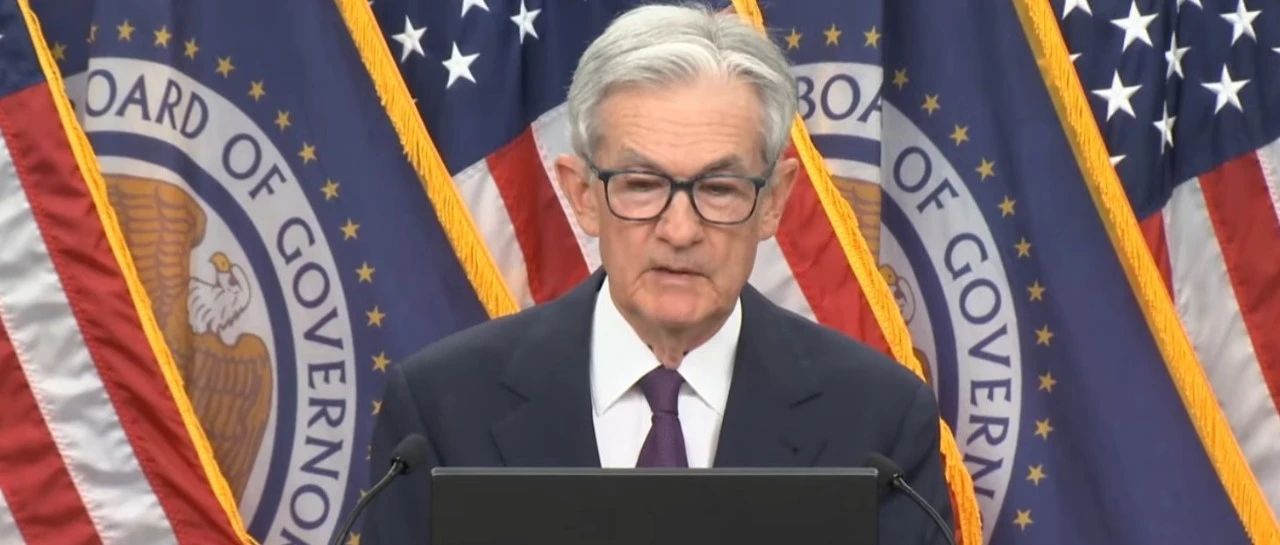
Group 1 - The U.S. Department of Labor reported a slight increase in initial jobless claims, reaching 200,000, which is 1,000 higher than the previous week, and below the expected 207,000 [1][4] - The labor market shows signs of weakness, with job growth remaining sluggish; only 50,000 jobs were added in December, nearly unchanged from the revised 56,000 in November [5][6] - The unemployment rate decreased from 4.5% in November to 4.4% in December, marking the first decline since June of the previous year [5][6] Group 2 - As of the end of November, job vacancies in the U.S. stood at 7.1 million, down from 7.4 million in October, indicating a trend of "low hiring, low layoffs" [2][5] - Recent data suggests a significant weakening in hiring momentum, attributed to uncertainties from tariff policies and the lagging effects of high interest rates implemented by the Federal Reserve [2][5] - The Federal Reserve recently lowered the benchmark interest rate by 25 basis points for the third consecutive time to stabilize the weakening labor market [2][5] Group 3 - Fed Chairman Jerome Powell expressed concerns that the actual weakness in the labor market may exceed current data, with potential downward revisions of up to 60,000 jobs in recent employment data [6] - Major companies such as UPS, General Motors, Amazon, and Verizon have recently announced layoffs, reflecting the broader trend in the labor market [6] - The four-week moving average of initial jobless claims decreased by 3,750 to 201,500, while the total number of continuing claims fell by 26,000 to 1.85 million [3][6]
非农将如何影响美联储降息预期
Di Yi Cai Jing Zi Xun· 2026-01-08 00:24
Group 1 - The core viewpoint of the article highlights a mixed outlook on the U.S. labor market as it enters 2026, with some signs of recovery but still facing challenges, particularly in terms of job growth and wage pressures [2][3][4] - The ADP report indicates that in December 2025, U.S. businesses added 41,000 jobs, which was below the expected 48,000, reflecting a sluggish labor market [3][4] - Job growth is concentrated in a few sectors, notably healthcare and hospitality, indicating a lack of broad-based recovery in the labor market [4][5] Group 2 - The JOLTS report shows a decline in job openings from nearly 7.5 million in October to about 7.1 million in November, with the job vacancy rate dropping from 4.5% to 4.3% [5][6] - The upcoming non-farm payroll data, set to be released on January 9, is expected to significantly influence market direction, especially given the recent increase in the unemployment rate to 4.6%, the highest in over four years [6][7] - The Federal Reserve's recent meetings have shown a tendency to lower interest rates due to concerns over a weak labor market, with a nearly 50% probability of a 25 basis point cut in March [6][7][8] Group 3 - Economic forecasts from the Federal Reserve suggest optimism for 2026, with expectations of economic growth and a stabilizing unemployment rate, although concerns about inflation persist [7][8] - Analysts note that the current labor market is not in an ideal state, with a "low hiring, low firing" model that may not be sustainable, potentially leading to consumer spending cuts and subsequent layoffs [8] - The weakening labor market is prompting investors to be cautious, as a poor non-farm report could signal more severe economic risks than currently anticipated [8]

非农将如何影响美联储降息预期
第一财经· 2026-01-08 00:10
Core Viewpoint - The article discusses the mixed signals from the U.S. labor market as it enters 2026, highlighting a slight recovery in employment but ongoing concerns about economic stability and potential interest rate cuts by the Federal Reserve [2][7]. Labor Market Data - In December 2025, U.S. businesses added 41,000 jobs, which was below the expected 48,000, indicating a weak labor market [4][5]. - Wage growth for retained employees was stagnant at 4.4%, matching the lowest level since the pandemic, down from a peak of 7.8% in previous years [5]. - Job growth was concentrated in a few sectors, particularly healthcare and hospitality, reflecting a lack of broad-based recovery in the labor market [5]. Employment Trends - The ADP report indicated that the labor market's deterioration may be stabilizing, with two out of the last three months showing job growth [5]. - The JOLTS report revealed a decline in job openings from nearly 7.5 million in October to about 7.1 million in November, with the job vacancy rate dropping from 4.5% to 4.3% [6]. - The number of involuntary job losses remained stable, with approximately 1.7 million people unemployed in November, down from 1.9 million in October [6]. Federal Reserve's Interest Rate Outlook - The upcoming non-farm payroll data on January 9 is expected to significantly influence market direction, with the last reported non-farm job increase of 64,000 and an unemployment rate rising to 4.6%, the highest in over four years [8]. - The Federal Reserve's recent meetings have shown a tendency to lower interest rates due to concerns about the weak labor market, with a nearly 50% probability of a 25 basis point cut in March [8][9]. - Despite a generally optimistic economic outlook for 2026, there are concerns about stagnant inflation and a weakening labor market, which could lead to further adjustments in monetary policy [9][10]. Economic Perspectives - Economists express caution regarding the labor market, noting that the current job growth is slowing and wage pressures are easing, which may indicate underlying economic stress rather than confidence in future prospects [9][10]. - The "low hiring, low firing" model in the labor market is seen as unsustainable, with potential consumer spending cuts leading to increased layoffs if economic conditions worsen [10].
ADP止跌职位空缺却下滑,非农将如何影响美联储降息预期
Di Yi Cai Jing Zi Xun· 2026-01-07 23:12
Group 1 - The core economic data released this week indicates a partial recovery in the U.S. job market at the end of last year, but it has not fully overcome challenges. The Federal Reserve's interest rate futures pricing suggests the first rate cut could occur in the second quarter if the non-farm payroll data falls short of market expectations [1] - In December 2025, U.S. companies added 41,000 jobs, which is below the expected 48,000, indicating a weak labor market. Employee wage growth has also declined, with a year-on-year increase of 4.4%, matching the lowest level since the pandemic [2] - Job growth is concentrated in a few sectors, primarily healthcare, hospitality, and restaurants, highlighting the weakness of the labor market over the past year. The current labor market is characterized by low hiring and low layoffs, with no clear signs of a significant rebound in hiring [3] Group 2 - The U.S. Labor Department's JOLTS report shows a decline in job vacancies and hiring in November, with job openings dropping from nearly 7.5 million to about 7.1 million, and the hiring rate decreasing from 3.4% to 3.2% [4] - The upcoming non-farm payroll data, set to be released on January 9, is expected to be a key driver for market direction. In November, the U.S. non-farm payrolls increased by 64,000, but the unemployment rate rose to 4.6%, the highest in over four years [5] - The Federal Reserve's economic outlook for 2026 is generally optimistic, predicting accelerated economic growth and a stable unemployment rate, although concerns remain about the labor market's cooling [6] Group 3 - There are significant risks in the market, as inflation improvement has stalled and the labor market shows signs of weakness. The slowing job growth and declining wage pressure indicate a challenging economic environment [7] - The current labor market is not in an ideal state of equilibrium, and the "low hiring, low layoffs" model may not be sustainable. If consumer spending decreases, it could lead to a wave of layoffs [7] - The weakening labor market provides a rationale for the Federal Reserve to adjust its rate cut expectations, and if the non-farm report is too weak, it may signal more severe economic risks than currently anticipated [7]

美联储古尔斯比:低招聘、低裁员带来的不确定性多于经济放缓。
Sou Hu Cai Jing· 2025-12-12 13:39
Core Viewpoint - The uncertainty brought by low hiring and low layoffs is greater than the economic slowdown according to Federal Reserve's Goolsbee [1] Group 1 - Low recruitment levels are contributing to increased uncertainty in the economy [1] - The current labor market dynamics indicate a trend of low layoffs, which adds to the unpredictability of economic conditions [1]
顶级经济学家马克・赞迪发出新的衰退预警
Xin Lang Cai Jing· 2025-12-10 16:08
Core Viewpoint - Economist Mark Zandi expresses concerns about a weakening labor market and potential recession risks [1][5] Group 1: Labor Market Conditions - The unemployment rate has gradually increased from 4.0% in January to 4.4% in September, reaching a four-year high, indicating more Americans are struggling to find jobs [3][7] - The unemployment rate for young workers aged 20 to 24 is particularly high at 9.2%, more than double the overall unemployment rate [3][7] - Zandi attributes the slowdown in the labor market to the implementation of global tariffs by President Donald Trump in April [3][7] Group 2: Job Openings and Layoffs - The latest Job Openings and Labor Turnover Survey (JOLTS) report shows that the layoff rate increased slightly from 1.1% in September to 1.2% in October, while the hiring rate remained stable at 3.2% [3][7] Group 3: Economic Signals - The current labor market is characterized by "low hiring, low layoffs," as defined by economists and analysts [4][8] - A positive signal for the economy is reflected in a slight increase in the small business confidence index reported by the National Federation of Independent Business, with more employers planning to hire in early next year [4][8]
瑞银重磅警告:美国劳动力市场陷危机,76万裁员创15年新高
Sou Hu Cai Jing· 2025-11-23 15:16
Group 1 - A report from UBS indicates a significant rise in layoffs, with 760,000 annual job cuts and 157,000 jobs lost in October alone, marking the highest monthly figure since the 2009 financial crisis [1][4] - The technology and warehousing sectors are experiencing the most severe impacts, with automation and AI leading to the disappearance of traditional jobs [6][8] - Major companies are making substantial layoffs, including Amazon cutting 14,000 positions and UPS laying off 48,000 employees over the past year, reflecting a deteriorating market environment [6][8] Group 2 - The number of WARN notifications, which are legally required notices before layoffs, has surged, indicating that many layoffs are strategic rather than temporary decisions [8] - Current job loss rates have reached levels comparable to or exceeding those before the pandemic, contradicting previous beliefs about low layoffs [8][10] - The private sector is seeing an average monthly job loss of 36,000 positions, with the overall unemployment rate rising to its highest point since 2021 [10][14] Group 3 - Over 800,000 individuals have exited the labor market, yet many still wish to work, highlighting a mismatch between available jobs and suitable employment opportunities [12][14] - Job vacancy data shows a decline, with Indeed.com reporting the lowest number of job postings since 2021, suggesting that many advertised positions may not reflect genuine hiring intentions [12][14] - The U-6 unemployment rate, which includes those working part-time for economic reasons, has risen to 8.1%, indicating a growing issue of underemployment [14] Group 4 - Consumer confidence has been severely impacted, with the University of Michigan's consumer confidence index dropping to 50.3, close to historical lows [18] - The holiday hiring outlook is bleak, with only 400,000 seasonal jobs announced in September and October, significantly lower than pre-pandemic averages [16][18] - Small businesses are struggling under inflation and labor market instability, leading to a lack of hiring and production expansion [20] Group 5 - Disagreements within the Federal Reserve are increasing regarding the state of the labor market, with some officials now questioning the previously held belief of a "low layoff" environment [22][23] - UBS warns that if layoffs continue and hiring slows, the labor market will face a more pronounced contraction, which could adversely affect consumer spending and overall economic recovery [25][27] - The stability of the labor market is crucial for economic recovery, and any disruption could lead to unforeseen consequences for the broader economy [27]
美国就业市场降温信号显现:今年企业裁员人数创2020年以来新高
Hua Er Jie Jian Wen· 2025-11-03 13:40
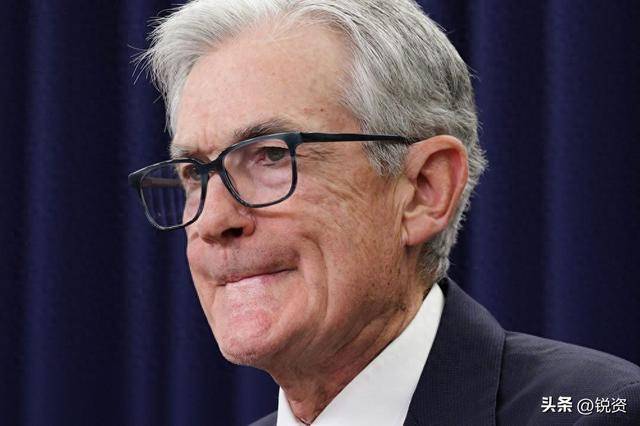
Core Insights - The U.S. job market is showing signs of cooling, with nearly 950,000 layoffs announced by companies as of September, the highest level for this period since 2020 [1][3] - Major companies like Starbucks, Amazon, Target, and Southwest Airlines have announced significant layoffs, raising concerns that these actions may signal broader economic issues rather than isolated cost-cutting measures [1][2] Layoff Trends - Government sectors have been heavily impacted, with nearly 300,000 positions cut this year [3] - The tech and retail industries are also experiencing significant layoffs, with Amazon attributing 14,000 job cuts to artificial intelligence [3] - The total number of layoffs in the first nine months of this year exceeds the total for any complete year since 2009, excluding the pandemic year [3][4] Economic Concerns - Federal Reserve Chairman Jerome Powell noted a "very slow cooling" of the labor market, but there is heightened vigilance regarding potential further deterioration [4] - Economists are particularly concerned if initial unemployment claims remain at or exceed 260,000, compared to the previous range of 220,000 to 240,000 [4] Structural Changes in Labor Market - The U.S. labor market is undergoing a structural shift from a "low hiring, low firing" model to a more aggressive approach to layoffs [5][6] - Many companies are now more willing to cut jobs, with over 60% of executives in a LinkedIn survey indicating that AI will take over tasks currently performed by junior employees [6] Cost Management Strategies - Companies are absorbing tariff costs rather than passing them onto consumers, leading to labor cost reductions to protect profits [6]
美联储,继续按兵不动
财联社· 2025-06-18 22:45
Core Viewpoint - The Federal Reserve has decided to maintain the federal funds rate target range at 4.25% to 4.50%, marking the fourth consecutive meeting without a rate change, aligning with market expectations [1][3]. Economic Outlook - The Federal Reserve's statement indicates that uncertainty regarding the economic outlook has increased, although it remains relatively high [4]. - The committee is focused on its dual mandate of employment and price stability, noting that the risks of rising unemployment and inflation have increased, despite the unemployment rate stabilizing at low levels [6][8]. Monetary Policy Decisions - The Federal Open Market Committee (FOMC) has committed to maintaining the federal funds rate target range at 4.25% to 4.50% and will carefully assess upcoming data and changes in the economic outlook before making further adjustments [22][24]. - The FOMC is also continuing to reduce its holdings of U.S. Treasuries and agency mortgage-backed securities to support maximum employment and return inflation to the 2% target [24]. Economic Projections - The FOMC's economic projections indicate a downward revision in GDP growth expectations for 2025, 2026, and 2027 to 1.4%, 1.6%, and 1.8%, respectively, compared to previous projections [25]. - Unemployment rate expectations have been adjusted upward to 4.5% for 2025 and 2026, and 4.4% for 2027 [26]. - Inflation projections have been raised, with PCE inflation expected to be 3.0% in 2025, 2.4% in 2026, and 2.1% in 2027, all above the Fed's 2% target [26]. Interest Rate Forecasts - The dot plot indicates that the median forecast for the federal funds rate at the end of 2024 is between 3.75% and 4.00%, suggesting a potential 50 basis points cut from current levels [28]. - There is a notable division among policymakers regarding interest rate cuts, with some expecting at least two cuts this year, while others anticipate no changes [31]. Inflation and Tariff Impact - Federal Reserve Chair Powell emphasized the need for more information regarding the impact of tariffs on inflation and the economy, noting that the current monetary policy stance is appropriate [32][34]. - Powell highlighted that the effects of tariffs on consumer prices are expected to become more pronounced in the coming months, particularly in categories like personal computers and audiovisual equipment [34].