
供应链稳定性

Search documents
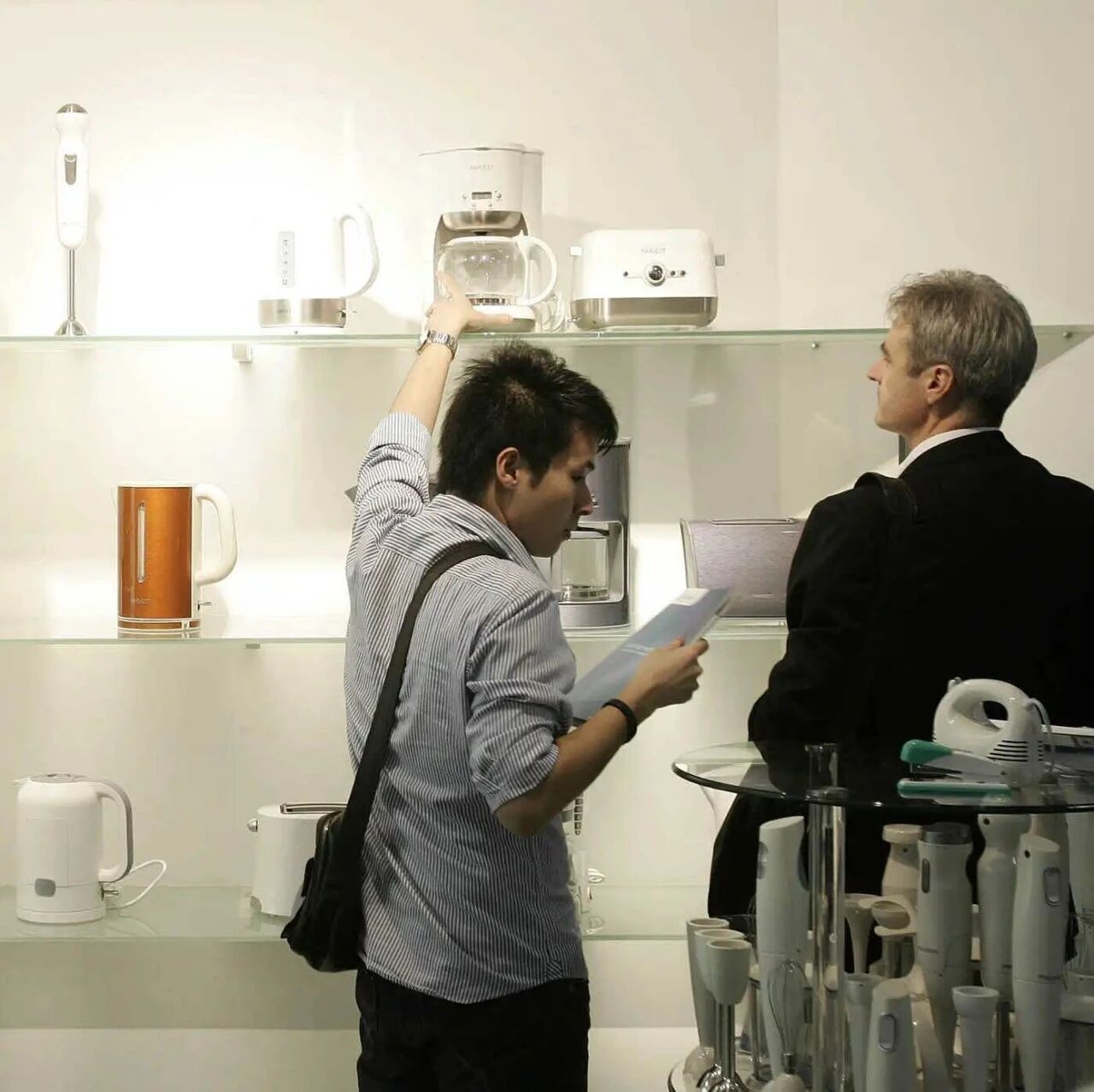
能源趋紧,欧美增订中国小家电,中国生产商:按原价供货不可能
第一财经· 2026-03-23 16:00
Core Viewpoint - The ongoing turmoil in the Middle East is tightening global energy supplies, prompting European and American clients to seek increased orders for small household appliances from China due to concerns over rising costs and the stability of the Chinese supply chain [1][3]. Group 1: Order Increases and Cost Concerns - European and American clients have expressed interest in increasing orders for electric fans, with U.S. clients looking to add over 10% to their existing orders of more than 100 containers, while European clients are also seeking similar increases [1][3]. - The overall cost for companies like LeTu Electric has risen by approximately 20%-24%, driven by significant increases in raw material costs, including a 40%-50% rise in ABS and PP plastics, a 25%-30% rise in copper, and a 15%-20% rise in steel and iron [3][4]. Group 2: Supply Chain Stability - The Chinese supply chain is viewed as more stable compared to Southeast Asia, with shorter delivery times (approximately 30 days for electric fans) compared to 40 days from countries like Vietnam and Thailand [3][4]. - The energy structure in China, which relies heavily on coal and renewable energy, is considered more stable, leading to better cost and delivery certainty for manufacturers [3][4]. Group 3: Industry Perspectives - Other small appliance exporters indicate that their supply chains are primarily domestic, minimizing the likelihood of order backflow to China, while acknowledging that the main impact of the Middle East conflict is the rise in raw material prices and tight supply of imported materials [4]. - Analysts suggest that the global manufacturing sector is facing challenges due to geopolitical conflicts, with inflation affecting global sales, emphasizing the importance of supply chain stability in the current environment [4].

波黑运输行业工人下周将举行罢工
Shang Wu Bu Wang Zhan· 2026-01-22 12:25
Core Viewpoint - The Bosnian Logistics Alliance is organizing a regional protest on January 26 to address issues related to the stay of transport drivers in Schengen countries, urging the EU Commission for urgent and sustainable solutions [1][2] Group 1: Protest Details - The protest will begin at noon on January 26, prohibiting all freight vehicles (including transit transport) from traveling to EU member states, except for medical, military, and live animal transport [1] - The protest aims to highlight the critical role of drivers in the European and regional supply chains, emphasizing that they are not illegal immigrants or security threats [1] Group 2: Industry Challenges - The current EU entry and exit regulations are directly impacting the work rights of professional drivers and the stability of supply chains, leading to severe inequalities between EU and non-EU transport companies [1] - The situation has resulted in the closure of domestic companies in Bosnia and the Western Balkans, talent loss due to a long-term shortage of drivers, and forced business relocations to EU member states [1] Group 3: Call to Action - The Bosnian Logistics Alliance calls for the Ministry of Transport and Communications to formally request the EU Commission for a written, unified, and binding explanation regarding the support for the logistics transport industry [2] - The alliance emphasizes the need for immediate action to prevent future excuses such as "oversight" or "interpretation differences," which could lead to the elimination of domestic transport companies from market competition [2]
NV-Rubin架构最新更新−上游材料
2026-01-19 02:28
Summary of Conference Call Records Industry Overview - The conference call primarily discusses the **upstream materials** industry, focusing on the **PCB (Printed Circuit Board)** supply chain and related technologies, particularly in the context of **NV (presumably a company)** and its suppliers. Key Points and Arguments Material Selection and Supply Chain Stability - **CPX** may downgrade from **M9** to **M8** materials to reduce costs and enhance supply chain stability, despite M9 having completed testing. This shift is due to supply and quality issues with M9, leading to a preference for M8 to align with a mature supply chain [1][3] - The **CPS** and **Switch modules** have confirmed designs, with ongoing tests for various backplane materials, including combinations of M9 and PTFE1 [2] Design Trends - The current trend in **mid-board design** remains focused on standard designs, with a shift towards using ordinary stair fabrics or second-generation stair fabrics to minimize application issues. If electrical performance is insufficient, a Q fabric solution may be considered [5] - The **Switch Tree module** is evaluating a transition from HVRP4 to VIP3 to optimize systems and reduce material risks, indicating flexibility in design adjustments [6] Performance Implications of Material Downgrades - Downgrading materials may lead to slight decreases in electrical performance, but adjustments in copper foil or fabric can meet performance requirements. This is crucial as the market struggles to meet high-end material demands in large volumes [7] Supplier Dynamics - **Shengyi Technology** has emerged as a major beneficiary in the domestic market due to issues with **Taiwan's Taisil** and has begun small-scale supply. **Nanya Technology** is undergoing re-testing, with results expected by mid-February [9] - **H Company** is currently producing models 910B and 910C, with a monthly demand of approximately 800,000 to 900,000 CCLs, corresponding to about 150,000 chips per month [11] Market Trends and Competitive Landscape - The **North American market** is increasingly favoring domestic supply chains, with companies like Google and Nvidia preferring suppliers from mainland China but requiring assembly outside the mainland [12] - The competition in the PCB supply chain is expected to intensify as companies aim to lower costs and offer incentives to PCB manufacturers. The rise in copper foil prices has led to strong performance from domestic producers like Jinbao and Tongguan, achieving domestic substitution [4][16] Future Demand and Production Challenges - The demand for new materials in PCB production is projected to reach 1.4 times that of M8 once commercialized, with production capacity expected to meet this demand, although uncertainties remain regarding chip supply [23] - Transitioning from sample production to mass production for domestic copper foil is generally smooth, requiring about a quarter for stability and parameter optimization [25] Collaboration and Technological Developments - **Hua Zheng** has limited progress in collaboration with authoritative bodies, focusing more on safety projects like the PTS1 scheme. The company is reassessing its materials due to increased demand for PTFE [10] - The development of **drilling technology** is influenced by fabric types, with Q fabric significantly increasing drill bit consumption and processing time, which could affect efficiency [17] Challenges in Material Compatibility - Issues with **Taiwan's Taisil** have raised concerns about quality, with ongoing investigations into the use of alternative copper foils. The reputation of **Mitsui** remains stable despite these challenges, as compatibility issues between different companies' formulations complicate assessments [26][28] Conclusion - The conference call highlights significant shifts in material selection, supply chain dynamics, and competitive strategies within the PCB industry. The focus on cost reduction, supplier flexibility, and technological advancements will shape future market trends and opportunities.

金属行业2026年度策略之工业金属篇-春潮裂壤-沛然东向
2026-01-07 03:05
Summary of Key Points from the Conference Call Industry Overview - The conference call focuses on the **industrial metals industry**, particularly copper and aluminum markets, and their supply-demand dynamics leading into 2026 [1][3][4]. Core Insights and Arguments Supply Dynamics - The supply curve for industrial metals is becoming steeper, indicating that prices will be more influenced by marginal supply and demand rather than total supply and demand, leading to prices exceeding expectations [1][3]. - Strategic resources are gaining importance in international relations, with countries that have competitive advantages gaining more influence over supply chains, leading to a potential revaluation of strategic metals [1][3]. Copper Market - The copper market is expected to face long-term supply tightness due to reduced output from mature mines and insufficient capital expenditure. Demand growth in 2026 is projected to exceed the average growth rate of the past five years, which is around 2% [1][3][8]. - A clear gap in the copper market is anticipated, with COMEX inventory increases leading to relative shortages in other regions, supporting a bullish outlook on copper prices [3][16]. Aluminum Market - Domestic aluminum production capacity is limited, and overseas production is growing slowly, with global supply growth expected to remain low at around 2% [1][4]. - The demand for electrolytic aluminum is expected to grow steadily due to favorable policies and recovering downstream demand in China, particularly in the automotive and photovoltaic sectors [1][4]. Additional Important Insights Challenges in Smelting - Smelting enterprises are facing challenges due to raw material shortages, which may lead to a significant decline in smelting growth rates. Recent data shows that smelting plant operating rates are nearing their lowest levels in the past decade [1][11]. Inventory Levels - Current visible inventory levels are relatively high, but there are regional disparities. For instance, COMEX inventory represents only 7-8% of global demand, while its visible inventory accounts for about 60% [1][12]. Impact of U.S. Tariffs - The Trump administration's decision on whether to impose tariffs on imported refined products will directly impact market trends and should be closely monitored [2][13]. Investment Recommendations - Recommended companies in the copper sector include **Shengtu Mining, Zangge Holdings, Luoyang Molybdenum, Zijin Mining, and Jiangxi Copper**, which are expected to benefit from rising copper prices [1][6]. - In the electrolytic aluminum sector, companies like **Innovation Industry, China Aluminum, and Tianshan Aluminum** are highlighted for their high dividend yields and potential for long-term investment [1][6][20]. Future Demand Drivers - Future demand growth for copper is expected to be driven by sectors such as wind power, photovoltaics, and electric vehicles, with each contributing approximately 1% to copper demand growth [1][14][15]. Price Predictions - A supply-demand gap of approximately 400,000 tons is expected in the copper market in 2026, confirming an upward trend in copper prices [1][16]. - Aluminum prices are anticipated to remain stable in 2024 and 2025 but are expected to approach previous highs in 2026 due to supply constraints and demand recovery [1][17]. Alumina Market Insights - The alumina market is currently experiencing price fluctuations, with prices supported by ore prices. However, the reliance on imports (around 70%) poses risks due to potential supply disruptions from international developments [1][18][19].
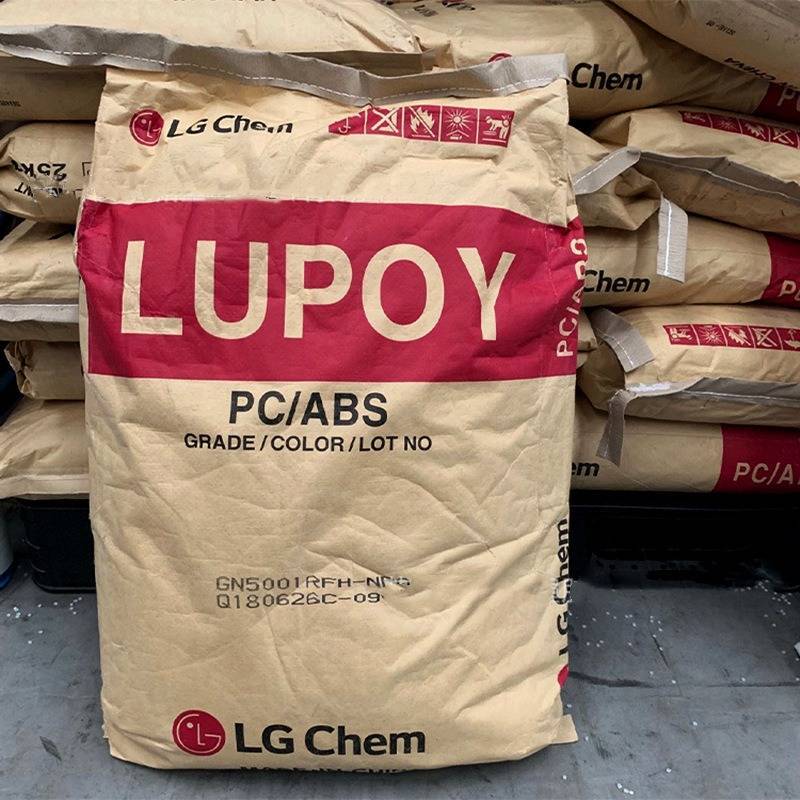
PC\ABS韩国LG授权代理商
Sou Hu Cai Jing· 2025-12-26 03:12
Group 1 - PC/ABS is a widely used engineering plastic that combines the properties of polycarbonate and acrylonitrile-butadiene-styrene copolymer, offering good mechanical performance and processing adaptability [3] - LG Chem, a well-known chemical company, produces PC/ABS materials that are recognized in the market, and authorized distributors play a crucial role in connecting manufacturers with material suppliers [3] - The importance of choosing authorized distributors lies in the stability of material quality and reliability of supply, as they undergo strict audits by manufacturers to ensure compliance with standards [3][6] Group 2 - PC/ABS materials possess high strength, good heat resistance, and excellent processing capabilities, making them suitable for applications in electronics, automotive parts, and more [5] - Different models of PC/ABS may emphasize various performance aspects, such as impact resistance or weather resistance, and authorized distributors provide detailed technical information to assist users in selecting the right specifications [5] - Pricing of PC/ABS materials is influenced by market conditions, purchase quantities, and specific specifications, with authorized distributors offering a clear pricing system [5] Group 3 - Supply chain stability is critical for manufacturing companies, and authorized distributors typically have inventory capabilities and logistics support to respond promptly to user demands [6] - Environmental concerns are increasingly important, and LG Chem emphasizes eco-friendly practices in production, with authorized distributors adhering to relevant environmental regulations [6] - The process of collaborating with authorized distributors includes communication of needs, material selection, price negotiation, contract signing, and payment, ensuring a smooth and transparent experience for users [7] Group 4 - Authorized distributors of LG Chem's PC/ABS materials play a significant role in ensuring material quality and supply stability, thereby supporting the smooth operation of production activities for enterprises [9]
宝马高管:在中国更大规模地采购半导体,正变得具有吸引力
Guan Cha Zhe Wang· 2025-12-22 02:03
Group 1 - The core viewpoint is that BMW's new procurement director, Nicolai Martin, emphasizes the need to balance cost opportunities with geopolitical risks, particularly in the semiconductor sector [1][4] - Martin acknowledges the risks associated with reliance on Nexperia for chip supply, indicating that discussions to reduce dependency were ongoing when the situation escalated [1][2] - He highlights the attractiveness of sourcing semiconductors from China due to cost factors, noting that the Chinese semiconductor market is rapidly growing with nearly 100 production bases being established [2][4] Group 2 - Martin states that Chinese suppliers are crucial not only for semiconductors but also for other components, such as battery cells and interior/exterior parts, which are supplied globally [3][4] - He argues that closer relationships with Chinese suppliers do not equate to increased dependency risks, but rather enhance BMW's competitiveness in the global market [4][5] - The challenging situation faced by German and European suppliers, including layoffs and supply chain pressures, has prompted BMW to proactively assess the financial stability and quality of its partners [5]

以稳定与韧性夯实合作基础——中德政商学界共话互利共赢新机遇
Shang Wu Bu Wang Zhan· 2025-12-10 18:16
Group 1 - The core viewpoint emphasizes that China-Germany cooperation serves as a "stabilizer" for both countries' economic development and a pillar for maintaining global supply chain resilience amid rising global economic uncertainties and geopolitical tensions [1] - The bilateral trade volume between China and Germany has expanded nearly a thousand times since the establishment of diplomatic relations, creating over one million jobs in both countries [1] - More than 90% of German companies in China plan to deepen their engagement, indicating that the Chinese market is becoming an accelerator for enhancing competitiveness [1] Group 2 - Germany's economy has faced three consecutive years of stagnation, highlighting the need for open cooperation and reduced barriers with China to enhance competitiveness [2] - The German industry is currently dealing with high costs and sluggish growth, necessitating a stable industrial cooperation relationship with China [2] - China is viewed as being in a highly active and attractive development phase, providing significant insights for German companies in terms of technology paths, business models, and industrial policies [2] Group 3 - Representatives at the conference believe that there is still vast potential for China-Germany cooperation, particularly in areas such as smart manufacturing, green transformation, and digital economy [3] - Joint research and industrial connections can inject new momentum into both countries' enterprises and contribute to enhancing global economic stability and resilience [3]
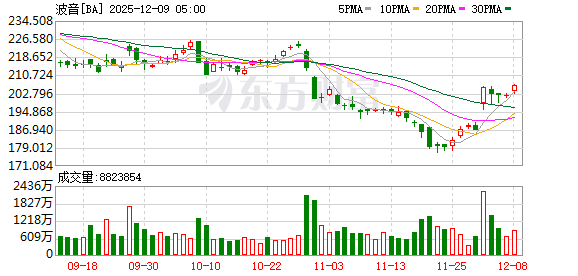
【环球财经】波音将关键供应商势必锐重纳麾下
Xin Hua She· 2025-12-09 10:39
Group 1 - Boeing has completed the acquisition of its major aircraft parts supplier, Spirit AeroSystems, which was previously a subsidiary of Boeing before being spun off in 2005 to reduce procurement costs and focus on "large-scale systems integration" [2] - The acquisition, valued at approximately $8.3 billion including Spirit's liabilities, signifies a strategic shift for Boeing, moving away from outsourcing significant production aspects of commercial aircraft [2] - Boeing's CEO, Dave Calhoun, stated that the acquisition is a critical moment for Boeing's historical and future success, emphasizing the company's commitment to enhancing manufacturing and supply chain stability while prioritizing aviation safety and aircraft quality [2] Group 2 - The investigation into a previous incident involving a Boeing 737 MAX revealed that the company and Spirit AeroSystems had numerous quality system violations, highlighting ongoing concerns about manufacturing quality [3]

【微特稿】波音将关键供应商势必锐重纳麾下
Xin Hua She· 2025-12-09 07:59
Group 1 - Boeing has completed the acquisition of its major aircraft parts supplier, Spirit AeroSystems, which was previously a subsidiary of Boeing before being spun off in 2005 [1] - The acquisition, valued at approximately $8.3 billion including Spirit's liabilities, marks a strategic shift for Boeing, indicating a move away from outsourcing significant production work for commercial aircraft [1] - Boeing's CEO, Dave Calhoun, stated that the acquisition is a critical moment for Boeing's historical and future success, emphasizing the company's commitment to enhancing manufacturing and supply chain stability while focusing on aviation safety and aircraft quality [1] Group 2 - The acquisition follows scrutiny of Spirit AeroSystems due to a series of manufacturing issues, including a recent incident involving a missing door plug on a 737 MAX aircraft, which led to an emergency landing [2] - Investigations by the Federal Aviation Administration revealed hundreds of quality system violations at both Boeing's 737 factory in Renton, Washington, and Spirit's facility in Wichita, Kansas [2]
一鸣食品:公司与浙江大学合作建设的相关乳品与奶牛研究项目正在稳步推进中
Zheng Quan Ri Bao Wang· 2025-11-25 13:11
Core Viewpoint - Yiming Foods (605179) is collaborating with Zhejiang University on a dairy and cattle research project, which is currently in the ongoing R&D and validation phase [1] Group 1 - The project has established a quantifiable heat stress index system to assess individual cow heat tolerance levels [1] - This research direction is expected to positively impact milk quality improvement and supply chain stability [1] - The initiative may become a key competitive advantage for the company at the source level in the future [1]
