
太空能源

Search documents
钧达股份(002865):控股巡天千河,布局商业卫星制造
GUOTAI HAITONG SECURITIES· 2026-03-01 13:41
Investment Rating - The investment rating for the company is "Accumulate" with a target price of 110.12 CNY [5][12]. Core Insights - The company has gained control over a satellite manufacturing enterprise, establishing a comprehensive space energy and satellite manufacturing industry chain [2]. - The company is positioned to capitalize on the space energy sector and is actively developing satellite manufacturing capabilities, aiming for an annual production capacity of 100 satellites [12]. - The financial projections indicate a significant fluctuation in net profit, with estimates of -1.36 billion CNY in 2025, followed by a recovery to 686 million CNY in 2026 and 1.05 billion CNY in 2027 [4][12]. - The company is investing in the development of CPI films for space photovoltaic applications, which are critical for solar panels in extreme space environments [12]. - Recent fundraising through H-share placement is expected to accelerate the company's strategic investments in space photovoltaic technology and expand its business in commercial aerospace [12]. Financial Summary - Total revenue is projected to decline from 18.66 billion CNY in 2023 to 9.02 billion CNY in 2025, before recovering to 11.77 billion CNY in 2026 and 12.81 billion CNY in 2027, reflecting a 60.9% increase in 2023 followed by a 46.7% decrease in 2024 [4][12]. - The net profit attributable to the parent company is expected to be 816 million CNY in 2023, dropping to -591 million CNY in 2024 and -1.36 billion CNY in 2025, before rebounding to 686 million CNY in 2026 and 1.05 billion CNY in 2027 [4][12]. - The company's earnings per share (EPS) is forecasted to be 2.62 CNY in 2023, -1.90 CNY in 2024, -4.36 CNY in 2025, 2.20 CNY in 2026, and 3.36 CNY in 2027 [4][12]. - The return on equity (ROE) is projected to be 17.3% in 2023, dropping to -15.2% in 2024 and -36.0% in 2025, before recovering to 15.4% in 2026 and 19.0% in 2027 [4][12]. Market Data - The company's current market capitalization is approximately 28.93 billion CNY, with a total share capital of 311 million shares [6]. - The stock has a 52-week price range of 36.08 CNY to 114.29 CNY [6]. - The price-to-earnings (P/E) ratio is 35.47 based on the current price and diluted share capital, with projections of 42.20 in 2026 and 27.69 in 2027 [4][12].

入选首批太空游客名单!李立浧院士回应
Xin Lang Cai Jing· 2026-02-14 16:39
Core Viewpoint - The article highlights the growing interest and potential of commercial space tourism in China, as exemplified by the participation of prominent figures like Li Lihua, who aims to inspire ordinary people to pursue their dreams of space travel [1][2]. Group 1: Commercial Space Tourism - The event hosted by ChuanYueZhe Company marked a significant step in promoting commercial space tourism in China, with Li Lihua being one of the first selected space tourists for a planned trip in 2028 [1][2]. - Li Lihua emphasizes that commercial space travel should not be equated with astronaut missions, as the physical requirements differ significantly, making space travel more accessible to the general public [2][3]. - The Chinese government has recognized commercial space tourism as a strategic emerging industry, integrating it into national space initiatives [3]. Group 2: Personal Insights and Expectations - Li Lihua expresses a desire to experience the sensations of weightlessness and observe outer space firsthand, which he believes will contribute to a broader understanding of space travel [3][4]. - He aims to demonstrate that space travel is not just for astronauts but can be a reality for ordinary individuals, thereby encouraging more people to engage with the concept of space exploration [5][11]. - The article discusses the importance of safety measures in commercial space travel, with Li Lihua expressing confidence in the technology and safety protocols developed for such missions [6][8]. Group 3: Future of Space Energy - Li Lihua reflects on the potential of space energy development, particularly in relation to Elon Musk's vision of space energy bases, which could support data centers in space [9][10]. - The article outlines the advantages of solar energy in space, such as continuous exposure to sunlight and efficient energy generation, while also noting the challenges that remain in technology and infrastructure [10]. - It is emphasized that while space energy can support space facilities, the idea of transmitting energy back to Earth is currently impractical due to technological limitations [10].
太空光伏“走向现实”!地方先“吃螃蟹”:无锡召开供需对接会
Jin Rong Jie· 2026-02-13 01:08
Group 1 - The core viewpoint of the articles highlights the emerging demand for space photovoltaic technology driven by the deployment of low Earth orbit satellites and the ambitious plans of companies like SpaceX and Tesla to build significant solar capacity in the coming years [1][2] - The demand for space photovoltaic systems is expected to grow exponentially as the number of low Earth orbit satellites increases, with projections ranging from 200,000 to 1,000,000 satellites in the US and China [1] - The use of silicon/perovskite tandem solar cells is identified as the ultimate solution for space photovoltaic applications due to their high efficiency and radiation resistance, addressing challenges related to energy consumption and heat dissipation in ground data centers [1] Group 2 - The Chinese photovoltaic industry is transitioning from ground-based applications to space-based core technologies, with the potential for space photovoltaic demand to become a new growth area amidst the restructuring of the supply chain [2] - Goldman Sachs predicts that by 2032, the annual demand for space AIDC solar power stations will add 100GW of photovoltaic capacity, which would account for 12% of the total global photovoltaic demand in 2030 [2] - The A-share market is expected to benefit from the practical application of space photovoltaic technology, presenting opportunities for leading companies with high technical barriers and strong customer loyalty [2]
钧达股份(002865):控股复遥星河,太空能源+卫星平台双轮驱动:钧达股份(002865):
Shenwan Hongyuan Securities· 2026-02-12 05:23
Investment Rating - The report maintains an "Outperform" rating for the company [6]. Core Insights - The company has recently become the controlling shareholder of Shanghai Fuyou Xinghe Aerospace Technology Co., Ltd., holding a 60% stake, which enhances its capabilities in the satellite manufacturing sector [6]. - The company is entering the space energy market, which is expected to experience significant growth, particularly in low-cost and efficient energy solutions for low-orbit satellite constellations [6]. - The company has established a partnership with a technology team from the Chinese Academy of Sciences to develop advanced solar cell technologies, aiming to replace current mainstream solutions and reduce costs [6]. - The company is transitioning from being a component supplier to a satellite manufacturer, creating synergies between its energy products and satellite platforms [6]. - The company's ground photovoltaic business remains competitive, with a significant increase in overseas sales, which accounted for 51.87% of total sales in the first half of 2025, up from 23.85% in 2024 [6]. Financial Data and Profit Forecast - The company’s total revenue is projected to decline from 9,952 million yuan in 2024 to 7,965 million yuan in 2025, with a subsequent recovery to 10,531 million yuan in 2026 and 12,743 million yuan in 2027 [5]. - The net profit is expected to be -1,312 million yuan in 2025, followed by a recovery to 493 million yuan in 2026 and 1,053 million yuan in 2027 [5]. - The earnings per share (EPS) is forecasted to be -4.21 yuan in 2025, improving to 1.58 yuan in 2026 and 3.38 yuan in 2027 [5]. - The company’s return on equity (ROE) is projected to be -30.8% in 2025, recovering to 10.1% in 2026 and 17.8% in 2027 [5].
钧达股份(002865):控股复遥星河,“太空能源+卫星平台”双轮驱动
Shenwan Hongyuan Securities· 2026-02-12 04:16
Investment Rating - The report maintains an "Outperform" rating for the company [6]. Core Insights - The company has become the controlling shareholder of Shanghai Fuyou Xinghe Aerospace Technology Co., Ltd., holding 60% of its shares, which enhances its capabilities in satellite manufacturing and space energy solutions [6]. - The company is entering the burgeoning low-orbit satellite constellation and space computing industry, aiming to develop cost-effective and efficient energy solutions, potentially replacing current mainstream technologies [6]. - The company is transitioning from a single ground photovoltaic enterprise to a dual-driven strategy of "ground photovoltaic + space business," which is expected to provide significant growth opportunities [6]. Financial Data and Profit Forecast - Total revenue is projected to decline from 9,952 million yuan in 2024 to 7,965 million yuan in 2025, with a subsequent recovery to 10,531 million yuan in 2026 and 12,743 million yuan in 2027, reflecting a growth rate of 32.2% and 21.0% respectively [5]. - The net profit attributable to the parent company is expected to be -1,312 million yuan in 2025, followed by a recovery to 493 million yuan in 2026 and 1,053 million yuan in 2027, indicating a significant turnaround with a growth rate of 113.6% in 2027 [5]. - The company's gross margin is anticipated to improve from 0.0% in 2025 to 10.0% in 2026 and 15.0% in 2027, reflecting enhanced operational efficiency [5].
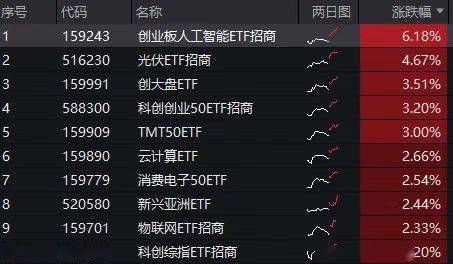
黄仁勋盖章“8年周期”,马斯克预言“太空能源”,创业板人工智能ETF招商(159243)应声飙涨6.37%
Sou Hu Cai Jing· 2026-02-09 03:38
Core Insights - The recent surge in technology stocks in the A-share market was triggered by Nvidia CEO Jensen Huang's declaration of the "largest infrastructure cycle in history," which has led to a significant increase in AI-related investments [1][2] - Elon Musk's vision of space becoming the primary site for AI infrastructure within the next 30 months has catalyzed a boom in the photovoltaic sector, highlighting the intersection of energy and AI computing [1][3] Group 1: Market Reactions - The ChiNext AI ETF (159243) surged by 6.37%, becoming the strongest performer in the market [1] - The photovoltaic ETF (516230) rose by 4.27%, reflecting the growing interest in energy solutions as part of the AI infrastructure [1] - Overall market enthusiasm is directed towards "AI computing power" and "space energy," as defined by industry leaders [2] Group 2: Industry Leadership Insights - Jensen Huang's assertion that the current AI capital expenditure is "appropriate and necessary" is supported by the fact that prices for second-hand GPUs sold six years ago are rising, indicating a critical shortage of global computing power [1][3] - Huang emphasized that this is the early to mid-stage of a construction cycle that will last for 7-8 years, marking a long-term certainty in AI investment [1] - The profitability of companies like OpenAI and Anthropic, constrained by computing power, provides a solid commercial validation for ongoing capital expenditures [1] Group 3: Future Projections - Musk's prediction that space will become the preferred site for AI infrastructure integrates solar energy, robotics, chip manufacturing, and AI into a complete closed loop [3] - This vision suggests that future AI supercomputing will require vast amounts of computing power supported by abundant and inexpensive space energy, linking the photovoltaic and AI sectors [3] - The current market dynamics indicate a shift from fragmented concept speculation to long-term strategic allocation around the core conflicts of "computing power-energy" [3]


马斯克SpaceX太空能源计划浮出水面,中国光伏产业或成关键一环
Sou Hu Cai Jing· 2026-02-04 15:12
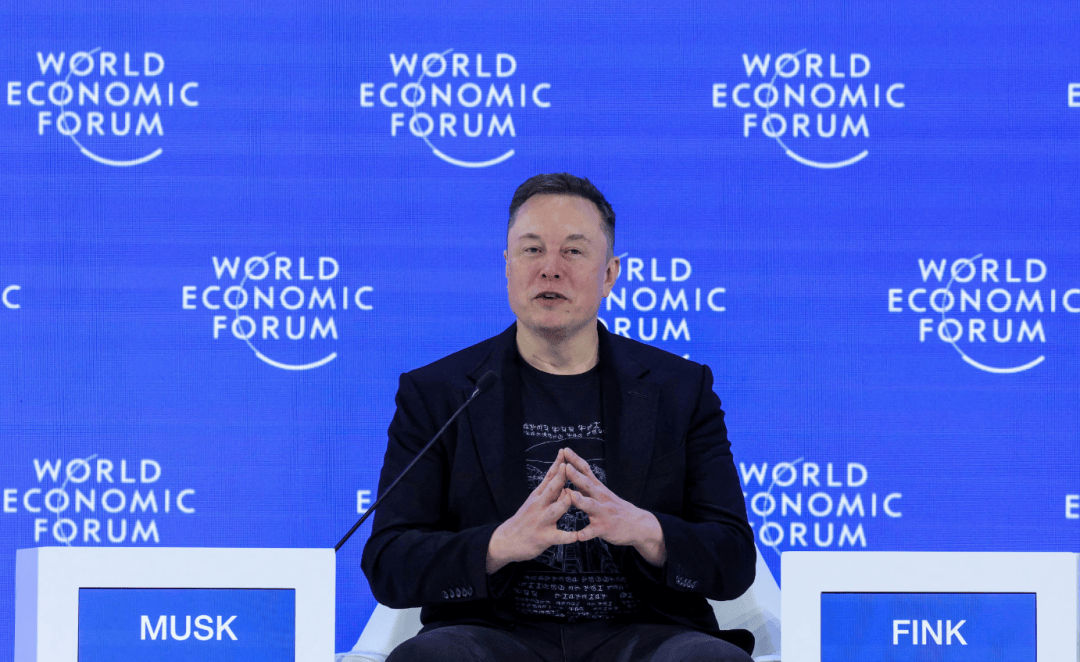
Core Insights - SpaceX has announced the acquisition of xAI and is actively exploring partnerships with Chinese photovoltaic companies, focusing on the entire supply chain from equipment to solar cells and battery components, particularly targeting Heterojunction Technology (HJT) and perovskite technology [1][6] - Elon Musk's ambitious plan involves building 200GW of solar capacity in the U.S. over the next three years, which could double the country's solar capacity, with applications primarily in AI data centers and space computing [2][4] Group 1: SpaceX's Solar Capacity Plans - The 200GW capacity plan is significant as it aims to address the energy demands of AI data centers and SpaceX's Starlink satellites, which require stable power sources [2][4] - Musk predicts that by 2030, SpaceX will deploy approximately 1 million solar-powered AI satellites, making space the most cost-effective location for AI deployment [2][4] Group 2: Technological and Strategic Considerations - SpaceX's strategy includes procuring HJT equipment from Chinese manufacturers, leveraging China's competitive advantages in the photovoltaic industry, where it holds a dominant position in silicon wafer production and solar cell manufacturing [7][10] - HJT technology is favored due to its lightweight and thin-film characteristics, which are essential for space applications, and its compatibility with next-generation solar wing designs [5][10] Group 3: Market Implications - If Musk's 200GW plan is realized, it could lead to an annual equipment procurement demand of 60 to 70GW over the next three years, potentially generating profits of 8 to 10 billion yuan for Chinese photovoltaic equipment manufacturers [11] - The pricing dynamics for space photovoltaic components are significantly higher than ground-based components, with space components potentially exceeding 100 yuan/W, indicating a substantial increase in profitability for companies entering the space photovoltaic supply chain [11] Group 4: Challenges and Competition - There are potential risks related to export controls and compliance, especially given SpaceX's close ties with the U.S. government, which may scrutinize procurement activities more closely [12] - The competitive landscape in commercial space and satellite technology is intensifying, with China actively pursuing its own satellite constellation projects, which could impact the viability of Musk's plans [12]

A股周二缩量上涨 电网设备板块领涨
Xin Lang Cai Jing· 2026-02-03 11:31
Group 1 - The Chinese A-share market experienced a rebound on February 3, with major indices closing in the green. The Shanghai Composite Index rose by 1.29% to 4067 points, the Shenzhen Component Index increased by 2.19% to 14127 points, and the ChiNext Index gained 1.86% to 3324 points. The total trading volume in the Shanghai and Shenzhen markets was approximately 25,442 billion RMB, a decrease of about 405 billion RMB from the previous trading day [1] - The electric grid equipment sector led the A-share market with a significant increase of 6.72%, marking it as the top-performing industry [1] - Notable individual stocks included Zerun New Energy, Dike Co., Aotewi, and Haiyou New Materials, all of which hit the daily limit with an approximate increase of 20% [1] Group 2 - The global commercial space industry is rapidly growing, driven by an increase in satellite launches and a shift from communication satellites to more power-intensive computing satellites. This trend is expected to sustain high demand for space energy [2] - Photovoltaics, as the only reliable form of space energy currently available, is anticipated to enter a new peak in capacity construction, benefiting related listed companies [2]
A股收评:沪指涨1.29%、创业板指涨1.86%,商业航天及太空光伏概念股爆发,贵金属板块回升,全市场超4800只个股走高
Sou Hu Cai Jing· 2026-02-03 07:17
Market Overview - A-shares experienced a strong rebound after an initial drop, with the Shanghai Composite Index rising by 1.29% to 4067.74 points, the Shenzhen Component Index increasing by 2.19% to 14127.11 points, and the ChiNext Index up by 1.86% to 3324.89 points, with a total market turnover of 2.54 trillion yuan and over 4800 stocks rising [1] Hot Sectors - The space photovoltaic sector led the market, with stocks like Aotewi and Shuangliang Energy hitting the daily limit. According to Guosheng Securities, the demand for space energy is expected to explode, driven by the restructuring of the Sino-US supply chain, positioning Chinese photovoltaic companies for significant growth [2] - The computing hardware sector saw a collective rise, with stocks such as Tiantong and Woge Optoelectronics reaching the daily limit. Guosheng Securities noted that the high prosperity cycle of the computing industry chain is driving head manufacturers in the optical module sector to accelerate expansion, with a significant capacity release expected in Q1 2026 [3] - AI application stocks remained active, with Zhejiang Wenhu gaining for the 11th consecutive day. Recent updates from domestic model manufacturers have kept Chinese models trending on social media platforms [4] Institutional Insights - Guotai Junan believes that after recent declines, the market is likely to stabilize and regain upward momentum before the Spring Festival, driven by a shift in focus towards domestic demand and supportive government policies [5] - Huatai Securities indicated that the recent market adjustment is primarily technical and emotional, with a positive medium-term outlook for Chinese assets as liquidity and fundamentals remain favorable [6] - Guotai Junan also highlighted the impact of the new Federal Reserve chair on precious metal prices, suggesting that rising central bank gold purchases and ETF holdings will support gold prices in the long term [8] - CITIC Securities pointed out that the current adjustment phase in the liquor industry is nearing a turning point, presenting a bottoming opportunity for the sector as the Spring Festival approaches [8]
搭上马斯克概念,拓日新能走出4连板,是妖股逆袭还是资本画大饼?
Sou Hu Cai Jing· 2026-01-28 09:39
Group 1 - The core viewpoint of the articles highlights the speculative nature of the recent surge in the stock price of Tuojin New Energy, driven by Elon Musk's mention of "space data centers" at Davos, leading to significant trading activity and volatility [1][2] - Tuojin New Energy is a comprehensive player in the photovoltaic industry with vertical advantages, which has allowed it to withstand industry challenges better than others, supported by its historical experience supplying silicon batteries for satellites [1] - Despite the hype around its "space business," the company has not secured new satellite orders recently, and its financial performance has been poor, with a projected net profit of only over 30 million yuan for 2023 and 2024 combined, and a revenue drop of 27.23% year-on-year in the first three quarters of 2025 [1][2] Group 2 - The company has plans for a perovskite battery production line, which is set to trial this year; however, trial production does not guarantee mass production or profitability, indicating a long road ahead for the company to realize any significant contributions from this line [2] - The current stock price increase appears to be driven more by speculative capital rather than solid performance metrics, with investors more focused on the narrative rather than the company's actual financial health [2]
