
技术同源

Search documents
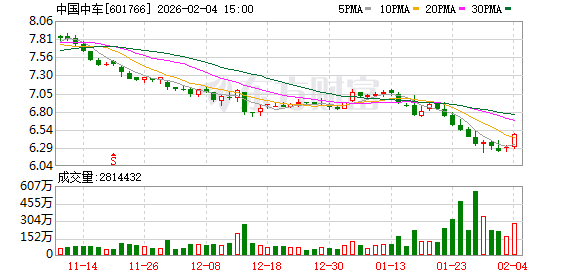
中国中车集团培育“第二曲线” 高铁技术助风电装备崭露头角
Ren Min Ri Bao· 2026-02-04 22:03
Core Insights - China CRRC is focusing on two major products: the CR450 high-speed train and the 20 MW floating offshore wind turbine "Qihang," which represent advancements in rail transportation and clean energy sectors respectively [2] Group 1: Product Development - The CR450 train is set to undergo comprehensive operational testing and design optimization, aiming to be the fastest high-speed train globally [2] - The "Qihang" wind turbine is the world's largest floating offshore wind turbine, expected to complete various tests and finalization [2] Group 2: Strategic Direction - The State-owned Assets Supervision and Administration Commission emphasizes the need for state-owned enterprises to pursue a "second curve" for growth, focusing on new business development while maintaining stability in core operations [2] - China CRRC has developed a "second curve" cultivation path characterized by capability transfer and system synergy, which includes keywords like technology homology and industrial co-chain [2] Group 3: Technology and Innovation - Technology homology serves as a foundation for new business development, allowing for reduced R&D uncertainty and industrialization risks, thus ensuring high technical maturity and engineering feasibility from the start [3] - The wind turbine can be viewed as a "vertical high-speed train," as the principles of wind power generation are similar to those of high-speed train electric braking [3] Group 4: Market Position and Growth - China CRRC has developed "invisible champions" in the wind power sector, such as the wind power IGBT module and ring groove rivets, achieving over 80% market share in wind turbine nacelles and towers globally, with a 100% domestic market share [4] - The company is leveraging its reliability design systems, engineering experience, precision manufacturing technology, and quality assurance capabilities from the rail sector to enhance its wind power equipment offerings [4] - By 2025, revenue from new industry segments is projected to exceed 86.3 billion yuan, accounting for over 35% of total revenue, indicating robust growth of the "second curve" [4]


均胜电子董事长王剑峰: 制造业要有“定力” 能看清长远浪潮
Zhong Guo Zheng Quan Bao· 2026-01-05 20:24
Core Insights - The article discusses how Junsheng Electronics leverages capital and strategic planning to achieve high-quality development and competitive advantages in the global automotive parts industry amid the trends of electrification and smart technology [1] Group 1: Mergers and Acquisitions - Junsheng Electronics' growth is closely linked to a series of strategic international mergers and acquisitions, including the acquisition of German company Preh and American company KSS, marking a significant transition from a local to a global player [1][2] - The company emphasizes a "dual-wheel drive" strategy, focusing on manufacturing as the main driver and capital markets as a supplementary force, which has embedded global integration and resource allocation capabilities into its operations [1][2] Group 2: Financial Performance - In the first three quarters of 2025, Junsheng Electronics reported a revenue of 45.844 billion yuan, a year-on-year increase of 11.45%, and a net profit attributable to shareholders of 1.12 billion yuan, up 18.98% [2] - The overall gross margin improved to 18.3%, with the third quarter achieving a gross margin of 18.6%, the highest in nearly three years, attributed to deep integration and synergy from global acquisitions [2] Group 3: Competitive Positioning - Junsheng Electronics is now the second-largest automotive safety system supplier globally, with strong competitiveness in smart driving, smart cockpit, and new energy management [3] - The company’s core competitiveness stems from its precise judgment of industry trends and timely market entry, enhancing its product lines and technological moat through successful acquisitions [3] Group 4: Future Investments - The company is focusing on the emerging robotics business, which, despite its current low revenue contribution, is seen as a significant growth area following smart connectivity and autonomous driving [4] - Junsheng Electronics has been proactive in the robotics sector for three years, leveraging its existing technology in automotive electronics and safety to develop robotic solutions [4][5] Group 5: Regional Advantages - The company acknowledges the advantages of its roots in Ningbo, which is characterized by high-end manufacturing and a complete industrial chain, contributing to its growth and operational efficiency [6] - The supportive business environment in Ningbo, including government and financial institution backing, is crucial for the company’s development and strategic mergers [6] Group 6: Strategic Vision - Junsheng Electronics emphasizes the importance of long-term vision and continuous innovation in manufacturing, requiring regular reassessment of its strategic direction every few years [7] - The company’s approach to industry transformation and its commitment to global expansion serve as a practical case for observing the evolution of Chinese manufacturing in the context of globalization and technological advancement [7]

制造业要有“定力” 能看清长远浪潮
Zhong Guo Zheng Quan Bao· 2026-01-05 20:05
Core Insights - The article discusses how Junsheng Electronics leverages capital and strategic planning to achieve high-quality development and competitive advantages in the global automotive parts industry amid the trends of electrification and smart technology [1] Mergers and Acquisitions - Junsheng Electronics' growth over the past two decades is closely linked to a series of key international acquisitions, including the purchase of German company Preh and American KSS, marking a significant transition from a local to a global player [1][2] - The company emphasizes a "dual-wheel drive" strategy, focusing on manufacturing as the main driver and capital markets as a supplementary force, which has embedded global integration and resource allocation capabilities into its operations [1] Financial Performance - In the first three quarters of 2025, Junsheng Electronics reported a revenue of 45.844 billion yuan, a year-on-year increase of 11.45%, and a net profit of 1.12 billion yuan, up 18.98% [2] - The overall gross margin improved to 18.3%, with the third quarter achieving a gross margin of 18.6%, the highest in nearly three years, attributed to deep integration and synergy from global acquisitions [2] Competitive Positioning - Junsheng Electronics is now the second-largest automotive safety system supplier globally, with strong competitiveness in smart driving, smart cockpit, and new energy management [3] - The company’s core competitiveness stems from its precise judgment of industry trends and timely acquisitions, which have strengthened its product lines and technological advantages [3] Future Investments - The company is focusing on emerging robotics business, which, despite its current low revenue contribution, is seen as a significant growth area following smart connectivity and autonomous driving [4] - Junsheng Electronics has been proactive in the robotics sector, leveraging its existing technology in automotive electronics and safety to develop humanoid robots [4][5] R&D and Innovation - The company has invested heavily in R&D, with expenditures reaching 2.558 billion yuan in the first three quarters of 2025, aimed at driving innovation across various sectors, including robotics [5] - Junsheng Electronics aims to address the "last mile" problem in industrial robotics, enhancing efficiency and flexibility in manufacturing environments [5] Regional Advantages - The company acknowledges the supportive business environment in Ningbo, which fosters high-end manufacturing and innovation, and emphasizes the need for better talent attraction and retention policies [6] - The unique characteristics of Ningbo's industrial ecosystem contribute to the company's operational success and strategic growth [6] Strategic Vision - Junsheng Electronics maintains a forward-looking approach, continuously adapting to industry changes and emphasizing the importance of innovation and long-term planning [7] - The company’s journey from a local supplier to a global player serves as a case study for the evolution of Chinese manufacturing in the context of globalization and technological advancement [7]
技术同源驱动制造迁移,汽车产业“跨界”抢滩人形机器人
Huan Qiu Wang· 2026-01-02 02:54
Group 1 - The core viewpoint is that the humanoid robot market is rapidly evolving, with significant production targets set by companies like Zhiyuan Robotics and Tesla, indicating a competitive landscape in the industry [1][3] - Zhiyuan Robotics announced the production of its 5,000th robot in December 2025, with expectations to exceed 10,000 units in cumulative shipments by 2026, while Tesla aims for a production target between 50,000 to 100,000 units in the same year [1] - The automotive industry is increasingly becoming a key player in the robotics sector, with companies like Chery Automobile and Dongfeng Motor developing their own robotic solutions, leveraging their existing technological capabilities [3] Group 2 - The commercialization of humanoid robots is still in its early stages, with entertainment applications being the most developed, while industrial applications are beginning to emerge, such as the deployment of robots for material sorting and handling in automotive logistics [4] - Market expectations are driving competition, with Morgan Stanley predicting a global humanoid robot market size of $5 trillion by 2050 and Bain & Company forecasting annual sales of 6 to 10 million units by 2035, with a market size of $120 billion to $260 billion [4] - Cost remains a significant barrier to entry, particularly for core components like AI chips and high-precision sensors, which require further performance breakthroughs and optimization for mass production [4]



“ 汽车人,变形出发!”——浙江汽配企业转型 布局人形机器人样本调查
Zhong Guo Zheng Quan Bao· 2025-12-28 23:56
Core Insights - The automotive parts industry in Zhejiang is collectively transforming towards humanoid robotics, viewing it as a significant growth opportunity following the success of electric vehicles and intelligent driving [2][3][7] - The market for humanoid robots is projected to grow substantially, with an expected sales volume of 12,400 units and a market size of 6.339 billion yuan by 2025, and further growth anticipated by 2035 [3][4] Group 1: Industry Transformation - Zhejiang's automotive parts companies are rapidly entering the humanoid robotics sector, with over 100 related companies and more than 40 listed on the A-share market [2][3] - Companies like Junsheng Electronics have upgraded their strategies to "Automotive + Robotics Tier 1," marking the beginning of a new growth phase [2][3] - The collective shift is characterized by strategic partnerships, product launches, and international market expansion [2][3] Group 2: Market Potential - The humanoid robot market is seen as a "potential stock" by Zhejiang automotive parts companies, with a strong belief in its future profitability [3][4] - The commercialization of humanoid robots is accelerating, with significant orders and deliveries reported in 2025 [3][4] Group 3: Cost Reduction and Localization - The rise in domestic production of core components for humanoid robots is driving down costs, with examples showing a 25% reduction in the cost of certain models compared to 2024 [5][6] - Companies are leveraging existing supply chains and production capabilities to reduce investment costs and enhance equipment utilization [6][7] Group 4: Technological Synergy - The transition to humanoid robotics is facilitated by the technological similarities between automotive parts and robotics, allowing for seamless integration and reduced R&D costs [7][8] - The existing expertise in sensors, motors, and mechanical transmission systems within the automotive sector is being effectively transferred to the humanoid robotics field [7][8] Group 5: Collaborative Ecosystem - The high overlap of customers between the automotive and humanoid robotics sectors enhances market entry opportunities for companies [8] - The collaborative nature of the supply chain is enabling companies to tap into existing channels for humanoid robot component procurement [8]


汽车人,变形出发!
Zhong Guo Zheng Quan Bao· 2025-12-28 22:23
Core Viewpoint - The transformation of Zhejiang's automotive parts companies into the humanoid robot industry represents a strategic shift towards a new growth opportunity, with the potential to create a "second growth curve" for these companies [1][3][10]. Group 1: Industry Trends - Since 2025, Zhejiang's automotive parts companies have collectively focused on humanoid robots, forming a unique "Zhejiang phenomenon" in the transition from traditional automotive components to advanced robotics [2][3]. - The global humanoid robot market is projected to reach 1.24 million units and 6.339 billion yuan by 2025, with expectations to exceed 5 million units and 400 billion yuan by 2035 [3]. - The commercialization of humanoid robots is accelerating, with significant milestones such as the delivery of the 5,000th general-purpose robot by ZhiYuan and over 800 million yuan in orders for the Walker series by UBTECH [3][4]. Group 2: Cost Reduction and Localization - The rise of humanoid robots is supported by the increased localization of core components, leading to cost reductions; for instance, the cost of UBTECH's Walker series robots has decreased by 25% compared to 2024 [5][6]. - The collaborative production capabilities of Zhejiang's automotive parts companies allow for cost-effective manufacturing, with dual-use facilities reducing investment costs and enhancing equipment utilization [6][7]. - Research indicates that there is still significant potential for increasing the localization rates of key components like harmonic reducers and planetary roller screws, which Zhejiang companies are targeting [6][7]. Group 3: Technological Synergy - The transition to humanoid robots is facilitated by the technological similarities between automotive components and robotics, allowing for seamless integration and reduced R&D costs [8][9]. - Companies like Junsheng Electronics have been planning their entry into the humanoid robot market for years, leveraging existing technologies in autonomous driving and intelligent networking [8][9]. - The overlap in customer bases between automotive and humanoid robot sectors, with a 70% overlap in clients, provides a strategic advantage for companies in accessing new markets [9]. Group 4: Strategic Implications - The collective move of Zhejiang's automotive parts companies into the humanoid robot sector is not merely a gamble but a strategic response to industry trends, creating a replicable model for future industrial development [8][10]. - The established supply chain and technological capabilities of Zhejiang's automotive industry position it as a leader in the emerging humanoid robot market, reflecting a proactive approach to industry evolution [10].
“汽车人,变形出发!”——浙江汽配企业转型 布局人形机器人样本调查
Zhong Guo Zheng Quan Bao· 2025-12-28 22:13
Core Viewpoint - The automotive parts industry in Zhejiang is collectively transforming towards humanoid robots, viewing this sector as a significant growth opportunity following the success of electric vehicles and intelligent driving [1][2][3] Group 1: Industry Transformation - The transformation is led by Junsheng Group's subsidiary, Junsheng Electronics, which has upgraded its strategy to "Automotive + Robotics Tier 1" to establish a "second growth curve" [2][3] - Over 100 humanoid robot-related companies exist in Zhejiang, with more than 40 listed on the A-share market, primarily from the automotive parts sector [2][3] - The collective shift towards humanoid robots is seen as a strategic response to the increasing competition in the electric vehicle market, with companies aiming to tap into the "trillion-dollar blue ocean" of humanoid robotics [3][4] Group 2: Market Potential - The humanoid robot market is projected to reach sales of 12,400 units and a market size of 6.339 billion yuan by 2025, with expectations to exceed 5 million units and 400 billion yuan by 2035 [3] - The commercialization of humanoid robots is accelerating, with significant milestones such as the delivery of the 5,000th general-purpose robot and substantial order amounts for leading products [3][4] Group 3: Cost Reduction and Localization - The rise in humanoid robot commercialization is supported by advancements in technology and increased localization of core components, leading to cost reductions [5][6] - For instance, the cost of the Ubiquity Walker series robots has decreased by 25% compared to 2024, making them more accessible to consumers [5] - The collaborative production model in Zhejiang allows companies to reduce costs significantly while enhancing equipment utilization [6] Group 4: Technological Synergy - The transition to humanoid robotics is facilitated by the technological similarities between automotive parts and robotics, allowing for seamless integration and reduced R&D costs [8][9] - Companies like Junsheng Electronics have been planning this transition for years, leveraging their existing expertise in autonomous driving and intelligent networking [8][9] - The overlap in customer bases between electric vehicle and humanoid robot sectors enhances market entry opportunities for companies in Zhejiang [9]
豪恩汽电:智能驾驶感知技术与机器人有着“技术同源”效应
Zheng Quan Ri Bao Zhi Sheng· 2025-12-02 08:41
Core Viewpoint - The company, Haon Auto Electric, has indicated that its intelligent driving perception technology shares a "technological origin" with robotics, suggesting a strong potential for cross-industry application and growth in the robotics sector [1]. Group 1 - The company has been deeply engaged in the intelligent driving perception field for many years, indicating a robust foundation in technology and manufacturing capabilities [1]. - The company believes it can successfully enter the robotics field due to its established expertise in intelligent driving technologies [1].
小鹏汽车公布三季度财报 成五年来最小季度净亏损
Zhong Guo Jing Ying Bao· 2025-11-18 08:49
Core Insights - Xiaopeng Motors reported Q3 revenue of 20.38 billion RMB, a year-on-year increase of 101.8%, with a net loss of 380 million RMB, marking the smallest quarterly loss in five years [1] - The company plans to invest nearly 5 billion RMB in AI by 2025, with R&D expenses rising to 2.43 billion RMB, a 48.7% increase from the previous year [1] - Xiaopeng expects Q4 delivery volumes between 125,000 and 132,000 units, representing a year-on-year growth rate of approximately 36.6% to 44.3% [1] Financial Performance - In 2024, Xiaopeng's total revenue reached 40.8 billion RMB, with a gross margin of 14.3%, and net losses reduced from 10.38 billion RMB to 5.79 billion RMB [2] - Historical net losses from 2021 to 2024 were 4.9 billion RMB, 9.1 billion RMB, 10.38 billion RMB, and 5.79 billion RMB respectively [2] - The company reported a cash and cash equivalents total of 48.33 billion RMB as of September 30, 2025, providing ample liquidity for competitive pressures and R&D investments [1] Strategic Developments - Xiaopeng has implemented internal reforms, including anti-corruption measures and budget cuts, following significant personnel changes in management [2] - The company has adopted a low-price strategy, launching the MONAM03 at a starting price of 119,800 RMB, aiming to penetrate the mainstream market [3] - Plans for 2025 include a major product overhaul, with new offerings across a wide price range, including full-size SUVs [3] Technological Advancements - Xiaopeng is transitioning towards becoming a technology company, with plans to launch three Robotaxi models by 2026 [3] - The company has introduced the IRON humanoid robot and is advancing its flying car business, emphasizing the technological synergies between these ventures [4] - Despite the promising prospects for Robotaxi and flying cars, regulatory uncertainties and public safety concerns remain challenges for commercial implementation [4]