流量

Search documents
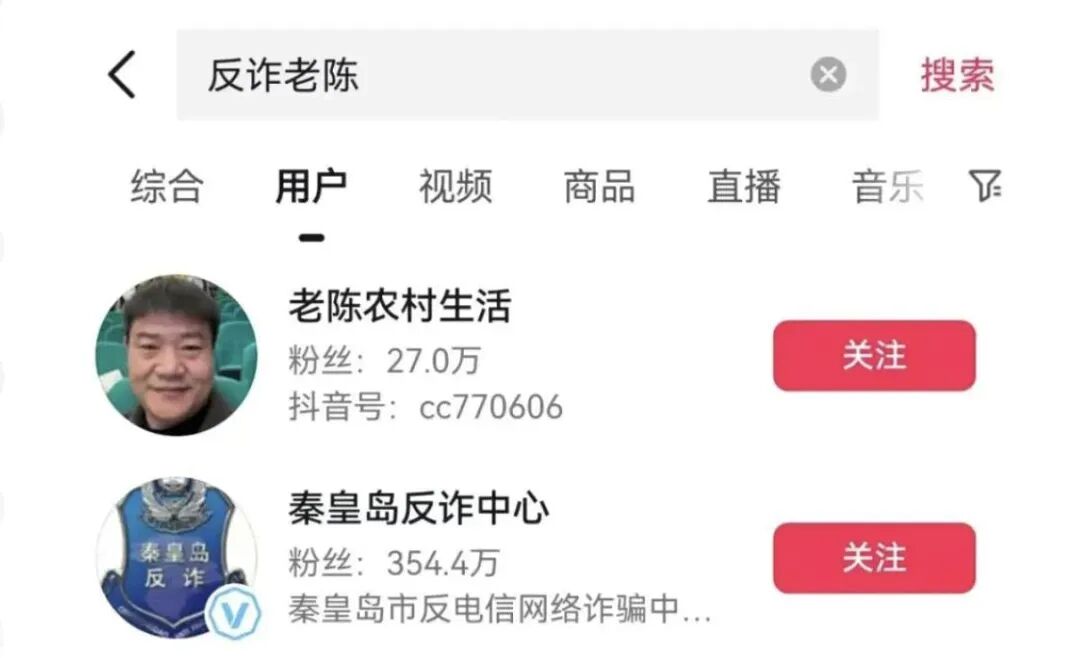
“反诈老陈”账号被封:直播带货品控混乱,无凭无据指控企业涉“境外势力”,最终“反”了自己
Xin Lang Cai Jing· 2026-02-28 03:43
Core Viewpoint - The rise and fall of the anti-fraud influencer "Old Chen" illustrates the dangers of prioritizing controversy and sensationalism over genuine expertise and integrity in the digital age [2][5]. Group 1: Background and Rise - Old Chen gained popularity in 2020 by breaking the mold of anti-fraud promotion, using relatable language and real cases to engage the public, which significantly increased the downloads of the anti-fraud app [3]. - His initial success was characterized by a strong alignment of traffic with a sense of justice, earning him widespread recognition as a "positive energy influencer" [3]. Group 2: Shift in Focus - The turning point came in 2021 when controversies over live-streaming rewards led him to resign from his public service role, promising to continue anti-fraud efforts independently [3]. - After leaving the institutional framework, he lost not only his official identity but also his respect for rules and commitment to his original mission, leading to a decline in reputation [3][5]. Group 3: Consequences and Downfall - Old Chen's focus shifted from genuine anti-fraud efforts to generating controversy for traffic, including unfounded accusations against companies and inciting public emotions [5]. - His failure to recognize that his initial success was built on professionalism and sincerity, rather than sensationalism, ultimately led to his downfall and account suspension [5][6].

网络大V流量AB面:从西贝闭店102家到德邦基金单日吸金120亿
Sou Hu Cai Jing· 2026-01-20 03:53
Group 1 - The core message of the article emphasizes that in the internet era, trust and user sentiment are crucial for businesses, as demonstrated by the contrasting fates of Xibei and Debang Fund [2][14] - Xibei, a restaurant chain, announced the closure of 102 stores, resulting in a direct loss of 500 million yuan, affecting approximately 4,000 employees [4][5] - The crisis for Xibei began with a negative comment from influencer Luo Yonghao, which escalated into a public relations disaster, highlighting the importance of consumer perception over factual rebuttals [5][6] Group 2 - In contrast, Debang Fund's product attracted 12 billion yuan in a single day, showcasing the power of social media and influencer endorsements in driving financial flows [6][8] - The Debang Fund, which had previously underperformed, saw a significant increase in value, with a 29.42% rise in just six trading days at the start of 2026 [6][10] - The fund's rapid growth was largely attributed to speculative investments, with a notable concentration in C-class shares, which are more suited for short-term holding [12][10] Group 3 - Both cases illustrate the underlying logic of the flow economy, where the impact of social media can either uplift or devastate businesses [14] - The article argues that while flow can enhance business opportunities, it should not become a tool for emotional manipulation or short-term profit extraction [14] - The need for businesses to maintain ethical standards and a focus on value creation is emphasized as essential for sustainable success in the flow-driven market [14]

金融圈都在搞知识付费
远川研究所· 2026-01-13 12:30
Core Viewpoint - The article discusses the rising trend of knowledge monetization in the financial industry, highlighting how financial professionals are leveraging their expertise to create subscription-based services and courses, thus generating significant revenue despite the challenges in traditional investment avenues [6][20]. Group 1: Knowledge Monetization Trends - Financial figures indicate that 洪灏's knowledge platform saw a GMV of 12.586 million yuan within two months of a price increase to 1499 yuan per year, up from 899 yuan [6]. - 李蓓's course, priced at 12,888 yuan, sold out in two days, generating 2.57 million yuan in revenue [6]. - The article notes that the media sector is generally considered a poor business, yet knowledge monetization through private domains and courses stands out as a lucrative opportunity [6]. Group 2: Leveraging Different Types of Leverage - 纳瓦尔 identifies three types of leverage for wealth creation: labor leverage, capital leverage, and the most crucial, the ability to replicate products with zero marginal cost, such as code and media [8]. - 洪灏 and 李蓓 effectively utilize all three types of leverage, with 李蓓's company 半夏 surpassing 10 billion yuan in scale by 2022 [8][12]. - The article emphasizes that the ability to create engaging content and attract a large audience is essential for maximizing the benefits of these leverages [12]. Group 3: Performance and Market Positioning - 洪灏's investment performance has been inconsistent, with a notable spike in August 2023 when a fund he managed saw an 8.98% increase, but prior performance was lackluster [10]. - Despite questions about his actual investment results, 洪灏's marketing skills and ability to create compelling narratives have helped him attract a significant following [12][15]. - The article contrasts 洪灏's approach with 李蓓's, noting that while 洪灏 focuses on macroeconomic predictions, 李蓓 has adopted strategies to retain clients through free courses and engagement [18][19]. Group 4: Market Dynamics and Client Engagement - The financial industry is experiencing pressure from salary reductions, prompting professionals to seek alternative income sources through knowledge monetization [20]. - Investors are increasingly looking for reliable information sources, creating a demand for knowledgeable fund managers who can provide insights and emotional reassurance in a chaotic market [20]. - The article suggests that successful fund managers are adapting by targeting high-value clients and leveraging their expertise to create tailored educational content [21].

追流量的中年男人,不想回去打螺丝
36氪· 2026-01-01 13:06
Core Viewpoint - The article explores the phenomenon of "traffic hijacking" in the live streaming industry, focusing on individuals like Wang Rongyun, who leverage the popularity of trending figures to gain followers and visibility, despite lacking unique talents or skills [4][6][30]. Group 1: Traffic Hijacking Strategies - Wang Rongyun, also known as "Xiao Jiangxi," has accumulated nearly 40,000 followers by quickly capitalizing on trending figures like "Chicken Chop Brother" and "Guo Youcai" [7][11]. - The first principle of traffic hijacking is to arrive at the scene quickly; for instance, after "Chicken Chop Brother" trended on September 22, Wang was live streaming by September 24, gaining 10,000 followers in just ten days [7][8]. - The second principle involves having some talent or unique content; for example, a fellow streamer named "Li Youcai" gained 240,000 followers in two weeks by singing a popular song at a train station [8]. Group 2: The Nature of Traffic and Engagement - Wang believes that traffic is transient and cannot be retained, stating, "Traffic is like water; no one can hold it" [4][6]. - He emphasizes the importance of being visible in the right places, such as positioning oneself strategically during live events to gain exposure [8][12]. - The article highlights the role of platform algorithms in determining visibility, with Wang acknowledging that he does not fully understand how these algorithms work but has developed his own "wild algorithm rules" through experience [8][17]. Group 3: Personal Experiences and Challenges - Wang's journey began when he was inspired by Guo Youcai's rise to fame, leading him to pursue live streaming as a career after losing his job in a hotel kitchen [11][13]. - Despite his efforts, he faced financial losses, spending several thousand yuan while trying to build his streaming career, indicating the unpredictable nature of traffic and income in this industry [15][30]. - The article also discusses the emotional and psychological aspects of being a small streamer, with Wang expressing a desire for recognition and the challenges of maintaining a stable income through traffic hijacking [29][36]. Group 4: The Broader Context of Live Streaming - The article notes that many small streamers, like Wang, are often from lower socioeconomic backgrounds and see traffic hijacking as one of the few viable options for gaining exposure and income [25][27]. - It highlights the competitive nature of the live streaming industry, where streamers constantly seek to capitalize on trending topics and figures to attract viewers and donations [20][21]. - The narrative reflects a broader trend in the digital economy, where individuals leverage social media platforms to create opportunities for themselves, often at the expense of stability and predictability in their careers [30][36].

老武痴马保国,这是没流量了?
Xin Lang Cai Jing· 2025-12-10 16:11
Group 1 - The article discusses the decline in popularity and engagement of a specific internet celebrity, suggesting a loss of traffic and relevance in the current digital landscape [2] Group 2 - There is a mention of the potential impact of this decline on the broader industry of internet celebrities and influencers, indicating a shift in audience preferences [2]
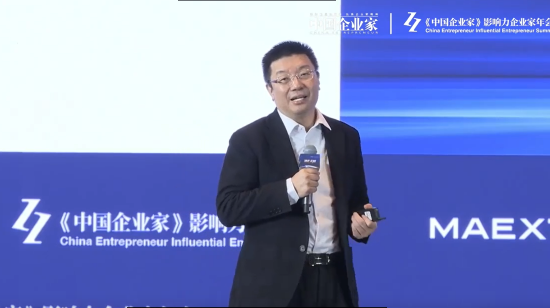
分众传媒江南春:流量不是生意增长的根本,流量是品牌赢得人心的结果
Xin Lang Cai Jing· 2025-12-09 05:33
Core Viewpoint - The 2025 China Entrepreneur Influence Entrepreneur Conference emphasizes the need for brands to adapt to the fragmented internet era by focusing on centralized communication and building lasting brand value through effective advertising strategies [1][5]. Group 1: Advertising Strategies - In the fragmented era, brands should prioritize centralized communication and consensus, as the internet has made precise messaging more challenging [3][7]. - Brands need to cultivate their own traffic rather than relying solely on rented traffic from KOLs, influencers, or platforms, as true brand loyalty leads to sustainable traffic [3][7]. - The concept of "planting trees" instead of just "planting grass" is crucial; brands should focus on establishing core values that resonate deeply with consumers rather than just creating content [4][8]. Group 2: Brand Engagement - A healthy brand ecosystem should include both "trees" and "grass," symbolizing a balance of core values and engaging content [4][8]. - Effective advertising should not only reach consumers but also influence their behavior, moving beyond mere exposure to creating meaningful connections [4][8]. - The challenge in brand advertising lies in achieving measurable results while navigating the complexities of digital platforms, necessitating a focus on precision, attribution, interaction, and optimization [4][8]. Group 3: AI and Advertising Innovation - The advent of AI is transforming advertising, allowing for smarter targeting, attribution, and optimization, which enhances the effectiveness of brand messaging [4][8]. - An example from the company shows that they run 200 different ad versions daily, tailored to various demographics and locations, continuously improving based on data feedback [4][8].

“神曲印钞机”轰鸣:从一首赚200万到一首赔2万
投中网· 2025-11-21 08:22
Core Insights - The article discusses the transformation of the music industry in China, highlighting the rapid growth of companies like Hai Kui Music and Kua Jing Music, which have significantly increased their revenue and employee count in a short period. Hai Kui Music achieved an annual output value of 600 million yuan and expanded from 29 to 500 employees within five years [4][5]. - Tencent Music Entertainment (TME) plays a crucial role in this transformation, forming alliances with numerous music companies and achieving a revenue growth of 20.6% to 8.46 billion yuan in Q3 2025, with a net profit increase of 27% [5][6]. - The rise of short videos has reshaped the music landscape, leading to a market where online music platforms capture more market share, while traditional record companies face existential threats [6][8]. Group 1: Industry Dynamics - The music industry is experiencing a shift from content creation to traffic generation, with platforms and artists focusing on producing catchy, viral songs to capture audience attention [16][17]. - The proliferation of music content has led to a saturation of the market, with platforms like QQ Music losing users to competitors that leverage short video and recommendation algorithms [18][20]. - The average revenue per thousand plays on domestic platforms is around 1 yuan, significantly lower than the 20-50 yuan seen on international platforms, indicating a challenging financial environment for artists [34]. Group 2: Challenges for Artists - Independent musicians face increasing pressure as the cost of music production remains high while revenue from streaming diminishes, leading to a situation where many artists are "losing money" on their creations [24][26]. - The industry is caught in a cycle of homogenization and low quality, with a significant increase in the number of demos submitted, making it harder for unique voices to stand out [27][28]. - The emergence of AI in music production poses a new challenge, as it can generate popular songs at a lower cost, further complicating the landscape for human artists [28]. Group 3: Future Outlook - Despite the challenges, there is a belief that the music industry will eventually find a balance between high-quality content and mass appeal, as companies like TME and NetEase Music invest in supporting original artists [42][46]. - The article suggests that the current environment may lead to a bifurcation in the music scene, with one side focusing on algorithm-driven hits and the other on traditional, high-quality music production [32][44]. - Optimism remains among some artists who continue to pursue their passion for music, believing that the market will eventually reward quality over quantity [46][48].


“神曲印钞机”轰鸣:从一首赚200万到一首赔2万
虎嗅APP· 2025-11-19 10:11
Core Insights - The article discusses the transformation of the music industry in China, highlighting the rapid growth of companies like Hai Kui Music and Kua Jing Music, which have significantly increased their revenue and employee count in a short period [4][5]. - Tencent Music Entertainment (TME) plays a crucial role in this transformation, forming alliances with numerous music companies and achieving substantial revenue growth [6][8]. - The rise of short videos has reshaped the music landscape, leading to a focus on viral hits and a shift from traditional music production to a more market-driven approach [10][18]. Group 1 - Hai Kui Music has grown from 29 employees to 500 and has generated an annual output value of 600 million yuan [4][5]. - Kua Jing Music is recognized for its significant revenue growth, with a 47.7% increase in the first eight months of the year [5]. - TME's revenue increased by 20.6% to 8.46 billion yuan in Q3 2025, with a 27% rise in adjusted net profit, marking eight consecutive quarters of double-digit growth [6]. Group 2 - The music industry is undergoing a major shift, with online platforms capturing more market share and traditional record companies facing disruption [8][10]. - Short video platforms have become a significant source of revenue for music companies, with viral songs generating substantial profits [10][14]. - The industry is experiencing a crisis as independent musicians and professionals navigate the challenges of a rapidly changing landscape, leading to a mix of opportunities and risks [10][18]. Group 3 - The article highlights the emergence of a new music creation model, where songs are quickly produced and tested for viral potential on short video platforms [12][14]. - There is a growing trend of music companies focusing on creating "emotional hits" that are designed to go viral, often at the expense of artistic integrity [15][18]. - The influx of new music has led to a saturation of the market, with many songs going unheard despite the increase in production [34][39]. Group 4 - The article notes that the average revenue per thousand plays on domestic platforms is around 1 yuan, significantly lower than the 20-50 yuan seen on international platforms [39]. - The competitive landscape has led to a decrease in income for musicians, with many struggling to make a living from their art [40][41]. - The industry is facing a cycle of homogenization and low quality, as companies prioritize quick profits over artistic value [29][43]. Group 5 - Despite the challenges, there is optimism for the future of Chinese music, with some artists continuing to pursue their passion for creating quality music [57][58]. - The article emphasizes the need for a more supportive infrastructure for independent musicians, including better access to management and marketing resources [53][56]. - The evolution of the music industry is ongoing, with both traditional and digital platforms seeking to balance quality content with the demands of a rapidly changing market [50][52].

刘强东送外卖,日亏1.16亿元
Sou Hu Cai Jing· 2025-11-17 01:20
Core Viewpoint - JD.com is aggressively pursuing its food delivery business to boost platform activity amid declining government subsidies and a plateau in traditional e-commerce traffic, but this strategy has led to significant financial losses [2][3][6]. Financial Performance - In Q3, JD.com reported revenue of 299.1 billion yuan, a year-on-year increase of 14.9%, marking four consecutive quarters of double-digit growth since Q4 2024 [2]. - The new business segment, primarily consisting of the food delivery service, saw revenue surge by 213.7% to 15.592 billion yuan, but incurred a record operating loss of 15.736 billion yuan [2][3]. - Cumulatively, the new business has lost 31.84 billion yuan in the first nine months of the year, averaging a daily loss of 1.16 million yuan [2][3]. Strategic Focus - JD.com’s push into the food delivery sector began in February, with significant investments in subsidies and marketing efforts, including CEO Liu Qiangdong personally delivering food [3][4]. - The company aims to leverage high-frequency food delivery to enhance user engagement and support its low-frequency retail business [3][4]. User Engagement - The strategy has resulted in user growth, with Q3 active user numbers and shopping frequency increasing by over 40% year-on-year [5]. - In September, JD.com reported a 14.8% year-on-year increase in monthly active users, leading among major e-commerce platforms [5]. Challenges and Concerns - Despite increased traffic from the food delivery service, the growth in product revenue slowed from 20.7% in Q2 to 10.5% in Q3, indicating inefficiencies in converting traffic into sales [6]. - The substantial losses from the food delivery business have raised questions about the sustainability of the "burning money for growth" model [7]. Leadership and Management - Liu Qiangdong's increased visibility and hands-on approach reflect his anxiety about the company's direction, as he seeks to revitalize JD.com after a perceived lack of innovation and growth over the past five years [9][10]. - His management style includes direct involvement in various operational aspects, aiming to enhance organizational effectiveness [9]. Cash Flow and Market Reaction - JD.com’s operating cash flow turned negative, dropping from a positive 33.204 billion yuan to a negative 1.888 billion yuan in the first three quarters, highlighting the financial strain from new business ventures [10]. - Despite reporting record sales during the recent "Double Eleven" shopping festival, consumer sentiment appears less enthusiastic, with concerns about pricing strategies and potential data inflation [10]. Diversification Efforts - JD.com is diversifying into various sectors, including alcohol, international e-commerce, and automotive sales, but these efforts lack clear synergy and may appear disorganized [11]. - CEO Xu Ran expressed confidence in the long-term potential of the food delivery business, aiming for a sustainable business model that balances growth and efficiency [11].