
绿色保险

Search documents
专访阳光保险集团李伟:保险业要主动拥抱科技 提升服务能级
Nan Fang Du Shi Bao· 2026-01-29 14:14
Core Viewpoint - The insurance industry is entering a new transformation and opportunity phase in 2026, coinciding with the start of the "14th Five-Year Plan," focusing on high-quality development, responding to national strategies, and addressing social needs [2][3]. Group 1: Industry Focus Areas - The insurance industry should focus on three key areas: integrating deeply with the national development framework, addressing the challenges of an aging population, and embracing technological changes to enhance service capabilities [4][5]. - The industry is seen as a crucial stabilizer for the economy and society, with a significant mission to support national strategies and social stability [3][4]. Group 2: Aging Population and Health Needs - The aging population in China has reached 320 million for those aged 60 and above, with 220 million aged 65 and above, leading to diverse and personalized demands for health and retirement services [5]. - The company aims to innovate products that cater to the full lifecycle needs of customers, introducing concepts like "three policies for a lifetime" and "five policies for family happiness" to meet diverse health and retirement needs [5][6]. Group 3: New Market Opportunities - The insurance market is evolving towards inclusive, green, and personalized insurance products, driven by consumer demand for quality, sustainability, and individual value [7][9]. - Inclusive insurance is becoming more integrated into daily life, focusing on precise solutions for specific consumer concerns rather than just coverage [7][8]. - Green insurance is transitioning from a supplementary role to a central one, supporting green technology and sustainable investments [8][9]. Group 4: Asset Allocation and Risk Management - The company emphasizes long-term, value-based investment strategies, aligning with national policies to support innovation and sustainable development [11][12]. - The asset allocation strategy focuses on matching assets and liabilities, ensuring stable returns while supporting the real economy [12]. - Risk management is prioritized through a multi-dimensional approach, utilizing technology like AI and big data to enhance risk assessment and decision-making processes [13].

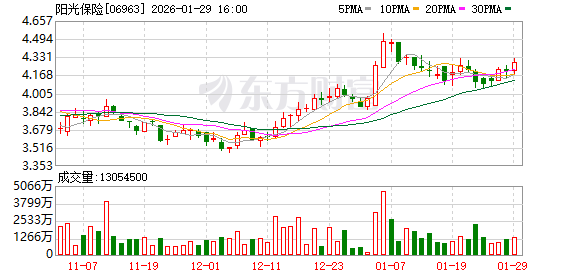
中国太平2025年绿色保险保费收入同比增长18.2%
Bei Jing Shang Bao· 2026-01-29 13:01
Core Insights - China Taiping Insurance Group held its 2026 work conference in Shanghai, reporting significant growth in various financial metrics for 2025 [1] Financial Performance - The group's operating revenue for 2025 reached 172.62 billion yuan, reflecting a year-on-year increase of 1.1% [1] - Total assets at the end of the year amounted to 1.8 trillion yuan, representing an 11.7% growth compared to the beginning of the year [1] - Managed investment assets grew to 2.5 trillion yuan, up 4% from the start of the year [1] - Net profit saw a substantial increase [1] Sector-Specific Growth - Premium income from technology insurance rose by 17.2%, with the investment scale in the technology sector increasing by 39% year-on-year [1] - Green insurance premium income grew by 18.2%, and the investment scale in the green sector increased by 20% compared to the previous year [1] - Agricultural insurance premium income increased by 17.7% [1] - The balance of pension management assets approached 700 billion yuan, with personal pension insurance premium income surging by 41.5% [1] Regional Development - The investment scale in the Greater Bay Area grew by 26.6% compared to the beginning of the year, achieving premium income exceeding 50 billion yuan [1] - Cross-border vehicle insurance in three regions saw a year-on-year increase of 5.6% [1]

迎接ESG大考,险企数据中心碳排高
2 1 Shi Ji Jing Ji Bao Dao· 2026-01-22 06:44
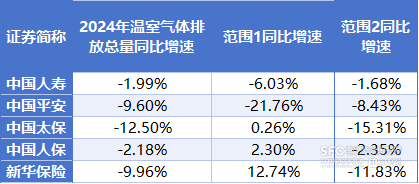
Core Viewpoint - The upcoming ESG evaluation for A-share listed insurance companies is drawing significant market attention, with a focus on their carbon emissions and customer service complaints as they prepare for mandatory disclosures by January 2026 [2][3]. Group 1: ESG Reporting and Carbon Emissions - All five major A-share listed insurance companies, including China Life, Ping An, China Pacific, PICC, and New China Life, are required to disclose their latest annual ESG reports within three months [2]. - The first national standard for financial ESG evaluation has been released, providing a clear scoring framework for the insurance industry [2]. - The total carbon emissions of these five companies show a downward trend, with the highest reduction reaching 12.5% [2][6]. - China Life has the highest total carbon emissions at 67.61 thousand tons, while PICC has the lowest at 1.76 thousand tons, indicating significant disparities in emissions across the industry [6]. Group 2: Green Investments - The total scale of green investments by the five insurance companies exceeds 1 trillion yuan, with China Life leading at nearly 535 billion yuan [11][12]. - Green insurance products are also being developed, with significant coverage amounts reported by various companies, such as China Life providing risk coverage exceeding 18 trillion yuan [11][12]. Group 3: Customer Complaints - New China Life has seen a dramatic increase in customer complaints, with a year-on-year rise of 71.52%, totaling 134,293 complaints [15][16]. - The complaint volume per billion yuan of premium for New China Life is 0.87, which is relatively high compared to other companies [15][16]. - The insurance industry is facing scrutiny regarding customer service quality, which is a critical aspect of the social dimension of ESG [15][17].





中国财险20260121
2026-01-22 02:43
Summary of China Pacific Insurance Conference Call Company Overview - **Company**: China Pacific Insurance (CPIC) - **Focus**: Insurance industry, specifically property and casualty insurance Key Points Strategic Asset Allocation - CPIC adheres to a prudent strategy, gradually increasing equity asset allocation starting in 2025 while reducing fixed income assets due to favorable equity market performance and proactive accumulation [2][6] - By 2026, the proportion of equity investments is expected to rise slightly, while fixed income assets will see a minor decrease, with an increase in bond investments [2][7] Market Outlook - CPIC holds a cautiously optimistic view on the equity market for 2026, anticipating positive returns despite potential volatility in the bond market and rising interest rates [2][6] - The company plans to enhance trading account operations to compensate for declining holding returns through spread income [2][6] Regulatory Impact - Recent regulatory changes regarding asset-liability management are expected to have limited impact on CPIC due to its strong underwriting profitability, which reduces pressure from liabilities to assets [3][4] - The new regulations will enforce stricter compliance requirements, particularly in liquidity matching, which may increase compliance pressure [4][5] Non-Motor Insurance Development - CPIC is focusing on expanding personal non-motor insurance, including home, health, and liability insurance, while also exploring new scenarios and products under the consumption and tourism sectors [12][13] - The company is also looking to enhance its overseas business and emerging domestic markets such as technology insurance and catastrophe insurance [12] Motor Insurance Insights - As of September 2025, the share of new energy vehicle (NEV) insurance is 13% in terms of underwriting and 20% in premium contribution, with expectations for this to increase [3][21] - CPIC aims to maintain its competitive edge in new vehicle insurance while improving renewal rates for existing policies [11] Cost and Pricing Strategy - The introduction of transparent product terms will lead to differentiated pricing based on risk levels, allowing low-risk customers to benefit from lower rates while high-risk customers will face higher costs [15][14] - The company anticipates that the overall cost of insurance will remain stable, with improvements in risk and pricing matching due to regulatory changes [13][14] Governance and Operational Efficiency - CPIC has restructured its governance to enhance operational efficiency, creating dedicated centers for personal, corporate, and government business lines [20] - The company is committed to optimizing collaboration between different departments and improving service levels through vertical management and professional team building [20][19] Future Development Focus - In 2027, CPIC will prioritize personal flying car insurance and address loss-making corporate insurance products [18][19] - The company aims to ensure sustainable development across all business lines while maintaining its strategic direction [19] Overall Financial Guidance - CPIC is preparing its budget for 2026 with a focus on high-quality development, aiming to align premium growth with market trends while maintaining a stable market share [22] - The management is committed to achieving both qualitative and quantitative improvements to create greater value for investors and shareholders [22]
2025年保险业核心关键词
Jin Rong Jie· 2025-12-31 12:02
Core Insights - The article emphasizes the importance of regulatory measures in the insurance industry, focusing on compliance, product innovation, and market adaptation to enhance consumer protection and industry stability. Regulatory Measures - The integration of insurance and banking is a key regulatory policy aimed at standardizing rates and managing costs, which is essential for curbing irrational competition in the market [1] - Compliance supervision has intensified, as evidenced by penalties against executives and companies like Evergrande Life, highlighting the regulatory authority's commitment to industry health [1] - The classification and tiered regulation optimize supervisory authority allocation, improving precision and efficiency in line with the diverse development of industry institutions [1] Product Innovation - Participating insurance products have become mainstream, with new policies accounting for over 40% of the market, reflecting consumer demand for wealth accumulation [1] - Health insurance is supported by policies that expand coverage, with the introduction of innovative drug lists, serving as a crucial growth engine for the industry [1] - Long-term care insurance has been fully implemented, covering 190 million people, addressing the long-term care protection gap and enhancing the multi-tiered social security system [1] Market Adaptation - Premiums for new energy vehicle insurance have increased by 41.44% year-on-year, indicating a shift towards independent operating models that align with the development of the new energy vehicle industry [1] - The insurance sector is responding to the aging population trend by strategically positioning itself in retirement finance, including profitable senior living communities with occupancy rates exceeding 80% [1] - Inclusive insurance products, such as home and education insurance, are expanding to cover broader demographics, reflecting the industry's social responsibility [1] Technological Integration - The integration of AI in insurance processes enhances underwriting, claims, and service delivery, driving the industry's digital and intelligent transformation [1] - Data security insurance is becoming increasingly relevant due to rising risks of data breaches and cyberattacks, with policies tailored to meet these emerging needs [2] Risk Management - The solvency ratio remains a core indicator for risk management in insurance companies, with ongoing regulatory assessments reinforcing the industry's ability to withstand risks [1] - Catastrophe insurance is being developed to address risks from natural disasters, filling gaps in traditional insurance coverage through a combination of policy guidance and market operations [2] Cross-Border Opportunities - International insurers like AIA and Allianz are increasing their presence in the Chinese market, showcasing the industry's openness and enhancing market supply through innovative cross-border medical insurance [2]
绿色能源新兴风险保险研发论坛在京举办 中意财险发布《储能保险白皮书》
Shang Hai Zheng Quan Bao· 2025-11-25 14:17
Core Insights - The forum on green energy emerging risk insurance highlighted the release of the "Energy Storage Insurance White Paper" by Zhongyi Property Insurance Co., Ltd. and Fudan University, which addresses the complex risks faced by the energy storage industry transitioning from policy-driven to market-driven dynamics [1] - The white paper predicts that the market for risk-as-a-service (RaaS) will grow from approximately $10.9 billion in 2025 to nearly $180 billion by 2035, transforming risk into a manageable and quantifiable variable [1] - Zhongyi Property Insurance aims to leverage its global network to support sustainable development in China and worldwide, having established a "Green Insurance Research and Development Center" to innovate green insurance solutions [1] Group 1 - The "Green Insurance Research and Development Center" has initiated key collaborations, including a partnership with Singapore startup Quantified Energy to provide risk assessment and preventive maintenance for photovoltaic power plants using AI and drones [2] - The center also launched the "Generali Green Insurance Innovation Accelerator" website in collaboration with New Energy Nexus, focusing on high-growth potential companies in energy storage and other related fields [2] - The role of insurance is evolving from traditional post-event compensation to proactive services and innovative green technology insurance products, aiding in the green transition [2] Group 2 - Zhongyi Property Insurance's CEO emphasized the importance of the insurance industry in stabilizing the energy transition process, particularly in the context of China's rapid energy structure adjustment [3] - The company is focused on customizing insurance solutions to meet the risk demands of green industries, particularly in energy storage, and aims to provide comprehensive risk management services [3] - Zhongyi Property Insurance plans to continue leveraging global resources and local expertise to build a collaborative and sustainable green development ecosystem [3]
平安产险:预估2020-2030年绿色交通领域保费约2万亿元
Jin Rong Shi Bao· 2025-09-13 03:20
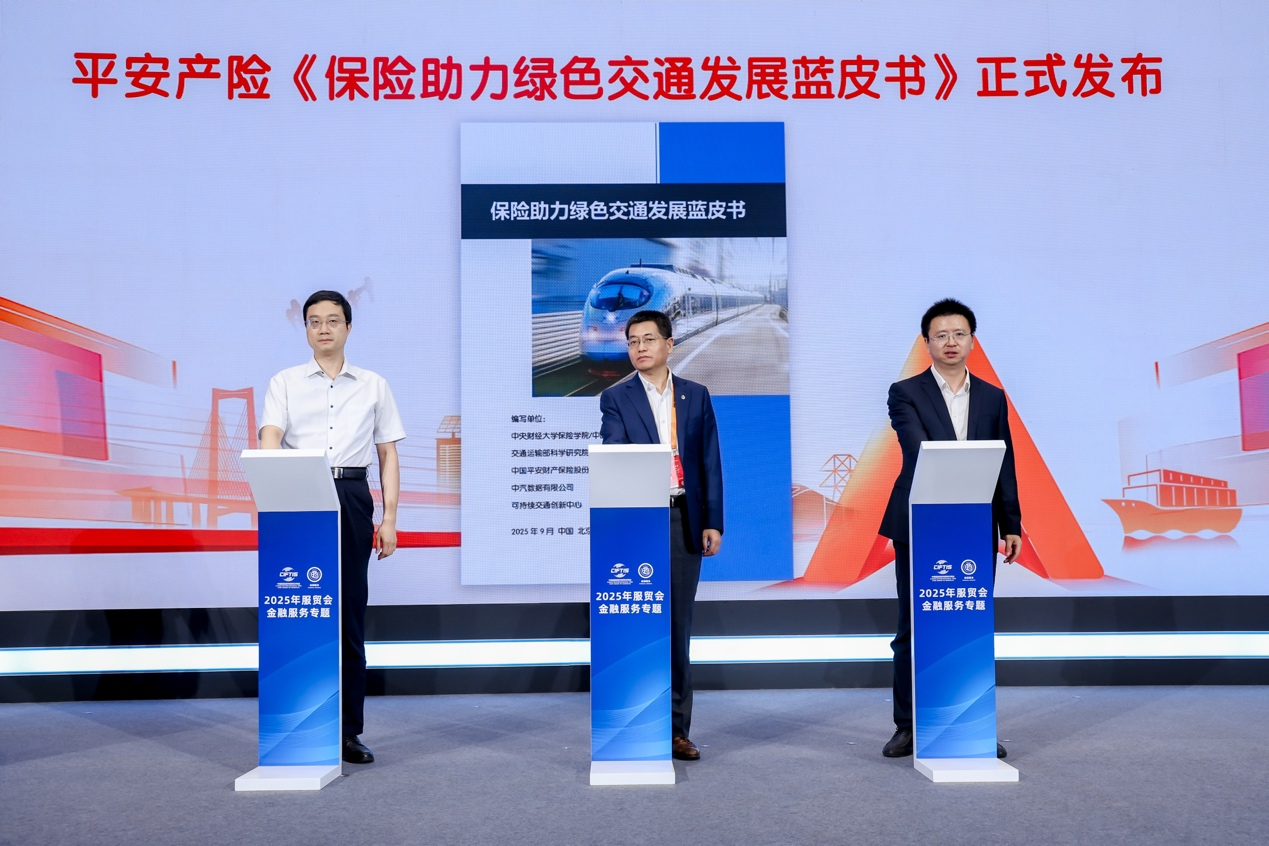
Core Insights - The event themed "Digital Intelligence Drives Open Win-Win" was held in Beijing, focusing on financial services, where Ping An Property & Casualty Insurance Co., Ltd. showcased its innovative achievements and strategic partnerships [1] - The "Blue Book" on insurance supporting green transportation development was jointly released by Ping An Property & Casualty, Central University of Finance and Economics, China Academy of Actuarial Science, and the Transportation Research Institute [3] Group 1: Blue Book Overview - The "Blue Book" emphasizes "carbon peak and carbon neutrality" and systematically reviews the current state, policy evolution, risk mapping, and insurance innovation across five sectors: new energy vehicles, low-altitude economy, green logistics, green shipping, and rail transit [3][4] - It highlights that the insurance industry is becoming a crucial driver for the high-quality development of green transportation, serving as a foundational infrastructure for green transportation systems [4] Group 2: Market Data and Trends - From 2020 to 2030, the premium scale in the green transportation sector is estimated to reach approximately 2 trillion yuan [4] - The number of new energy vehicles in China is projected to increase from less than 5 million in 2020 to 31.4 million by 2024, accounting for over 60% of the global total [4] - The insurance premium for drone insurance is expected to grow from less than 100 million yuan in 2015 to 700 million yuan by 2024, with a compound annual growth rate of 15% [4] Group 3: Insurance Industry Evolution - The insurance sector has transitioned from "marginal compensation" to "deep co-construction" in the green transportation field over the past decade [4] - From 2015 to 2023, the premium for new energy vehicle insurance increased from 3.4 billion yuan to 100.1 billion yuan, while the cumulative risk coverage for rail transit engineering insurance exceeded 1 trillion yuan [4][5] - The insurance depth in the green transportation sector rose from 0.2% to 11.5%, establishing itself as an indispensable partner in capital and risk management for green transportation construction [4] Group 4: Innovation and Future Directions - Ping An Property & Casualty has been exploring innovations in green insurance, including forest carbon sink index insurance and intelligent assisted driving liability insurance [5] - The company aims to integrate its operations with national strategies and contribute significantly to high-quality economic and social development [5]
保险业如何做好“绿色金融”大文章
21世纪经济报道· 2025-09-11 10:52
Core Viewpoint - The article emphasizes the importance of green finance, particularly green insurance, in supporting the transition to a sustainable economy and enhancing the quality of financial development in Guangzhou [4][5][6]. Summary by Sections Green Insurance Understanding - Green insurance has evolved from a narrow focus on climate-related products to a broader role in supporting sustainable development and the "dual carbon" goals set by the Chinese government [4][5]. Role of Financial Support - Financial support, particularly from the insurance sector, is crucial for the green transition, acting as a stabilizer and risk mitigator in the economy [5][6]. Development of Green Insurance - The China Banking and Insurance Regulatory Commission has defined green insurance, which includes products and services that provide risk protection and financial support for environmental protection and sustainable practices [5][6]. Directions for High-Quality Development - The insurance industry can promote high-quality green insurance development through: 1. Innovating green insurance products tailored to low-carbon transitions [7]. 2. Enhancing risk management services to mitigate environmental and climate risks [7]. 3. Building a robust green investment framework to support financing needs [7]. 4. Integrating green principles into daily operations and advocating for sustainable practices [7]. Specific Initiatives by Ping An Property & Casualty - Ping An Property & Casualty has committed to supporting green industries and low-carbon transitions, with a risk coverage amount exceeding 12 trillion yuan and claims exceeding 2.8 billion yuan in 2024 [8][9]. - The company has established a sustainable development research institute and a dedicated green finance department to enhance its capabilities in this area [8]. Technological Integration - The company has utilized technology to improve disaster risk management, including the development of the Eagle Eye System 3.0, which integrates AI and big data for disaster prediction and risk assessment [11][12]. Support for Ecological Agriculture - Ping An Property & Casualty has developed innovative insurance products for ecological agriculture, including forest carbon index insurance and comprehensive insurance for ancient trees [13][14]. Community Engagement and Environmental Initiatives - The company has engaged in community initiatives, such as funding tree planting and providing insurance for ancient trees, contributing to the ecological development of Guangdong [14][15].


广东金融大讲堂|保险业如何做好“绿色金融”大文章
2 1 Shi Ji Jing Ji Bao Dao· 2025-09-11 10:12
Core Viewpoint - The discussion emphasizes the importance of green finance and insurance in supporting the transition to a sustainable economy, particularly in the context of Guangzhou's development goals [2][3][4]. Group 1: Green Insurance Development - The understanding of green insurance has evolved from focusing solely on climate-related products to encompassing a broader range of services that support sustainable development [2][3]. - Green insurance is defined as the insurance industry's economic activities that provide risk protection and financial support for environmental resource protection, green industry operations, and sustainable consumption [3]. - The insurance sector is seen as a crucial stabilizer in the economy, with green insurance playing a significant role in risk mitigation and funding for green initiatives [3][4]. Group 2: Strategic Directions for Green Insurance - The insurance industry can promote high-quality green insurance development through product innovation, risk management services, and enhancing green investment capabilities [4][5]. - There is a focus on integrating green low-carbon principles into daily operations and advocating for sustainable lifestyles across society [5]. Group 3: Company Initiatives - The company has committed to supporting green industries and low-carbon transitions, with a target to provide over 12 trillion yuan in green insurance risk coverage and over 2.8 billion yuan in claims by 2024 [6][7]. - The establishment of a sustainable development research institute and a dedicated green finance department highlights the company's strategic focus on green insurance [6][7]. - The company has developed innovative insurance products in various sectors, including AI liability insurance for autonomous vehicles and comprehensive solutions for charging stations [7][8]. Group 4: Technological Integration - The company utilizes advanced technologies such as AI, big data, and IoT to enhance disaster risk management and provide timely warnings for extreme weather events [10][11]. - The "Eagle Eye System 3.0" integrates multiple technologies to create a comprehensive risk assessment and early warning system, significantly improving disaster preparedness [11]. Group 5: Community and Environmental Engagement - The company actively participates in community initiatives, including funding for ecological agriculture and ancient tree protection, contributing to the broader goals of rural revitalization and environmental sustainability [12][13]. - The company has launched various programs to promote green practices among consumers, such as the "Green Travel Plan," which encourages low-carbon transportation options [9][12].
保险业交出稳中有进“周年答卷”
Jin Rong Shi Bao· 2025-09-04 08:41
Core Viewpoint - The "New National Ten Articles" released by the State Council aims to strengthen regulation, prevent risks, and promote high-quality development in the insurance industry over the next 5 to 10 years, marking a significant policy direction for the sector [1] Industry Performance - As of the end of Q2 2025, the insurance industry's asset scale reached 39.22 trillion yuan, with a year-on-year growth of 9.2% [2] - The total insurance premium income amounted to 3.74 trillion yuan, reflecting a 5.3% increase compared to the same period in 2024 [2] - Insurance companies' claims and payouts reached 1.3 trillion yuan, showing a notable growth of 9% year-on-year, outpacing premium growth [2] Social Welfare Services - The insurance sector has enhanced its role in social welfare, particularly in disaster relief, with 20.5 billion yuan paid out during extreme weather events in 2025 [3] - The urban catastrophe insurance program has provided risk protection for 64.39 million households, amounting to 22.36 trillion yuan in coverage [3] - Technological advancements have improved risk reduction services, with significant outreach for disaster warnings to millions of clients [3] Health Insurance Development - The urban commercial medical insurance, known as "惠民保," has seen significant growth, with 615.9 million participants in Shenzhen and over 22 billion yuan in claims paid [4] - The commercial health insurance sector has also expanded, with claims reaching 405.2 billion yuan in 2024 and long-term health insurance reserves exceeding 2.5 trillion yuan [4][5] Support for the Real Economy - The insurance industry is aligning with national strategies by enhancing risk protection in technology innovation and green development [6][7] - Insurance services for technology activities provided coverage of nearly 24 trillion yuan in the first half of 2025 [6] - Green insurance products have seen a 23.9% increase in risk coverage, with over 126.35 trillion yuan provided [7] Investment in Strategic Areas - Insurance companies are increasing investments in strategic sectors, with China Life establishing a fund focused on high-demand industries like AI and advanced manufacturing [8] - New China Life's investment in national strategic areas surpassed 1.21 trillion yuan, reflecting a 54% year-on-year increase [8] Industry Reform and Transformation - The insurance sector is undergoing significant reforms in pricing mechanisms and product structures to enhance quality and efficiency [10][11] - The introduction of floating yield insurance products has led to a 33% share of new life insurance products in the first half of 2025 [11] - The insurance intermediary market is also experiencing a contraction, with a 11.7% decrease in the number of professional intermediary institutions in Jilin province [11] Future Outlook - The insurance industry is expected to continue leveraging its long-term advantages to contribute to the construction of a financial strong nation and support modernization efforts in China [12]